



Hoi An Travel Guide
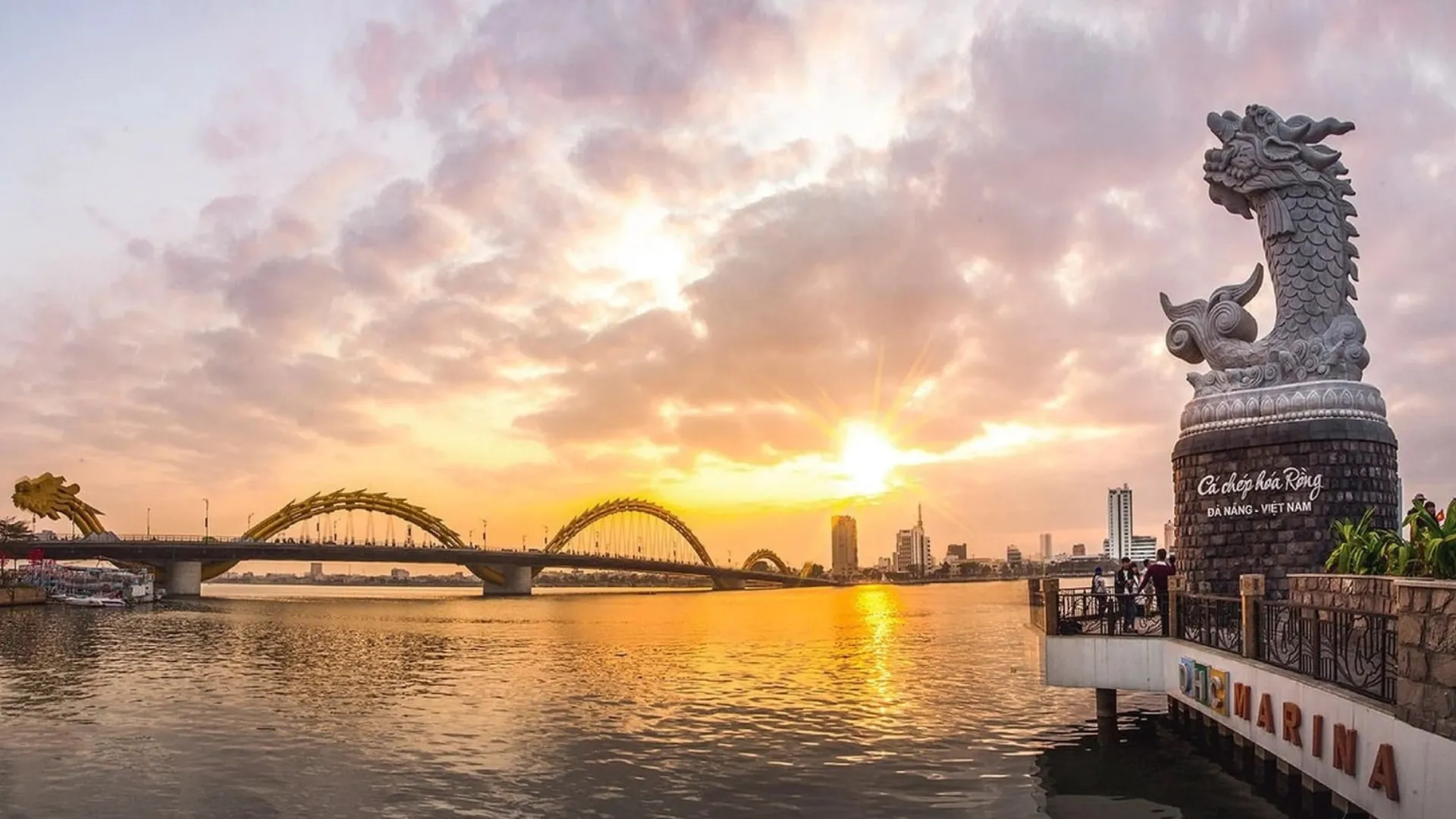
Hoi An is Vietnam’s most atmospheric small city — a UNESCO-listed Ancient Town of 16th-century merchant houses, Japanese bridges, Chinese assembly halls, and lantern-lit streets on the Thu Bon River, 30 kilometres south of Da Nang. Once Southeast Asia’s most cosmopolitan trading port, today it remains the best-preserved historic town in the region — deeply photogenic, excellent for food and tailoring, and the single most consistent recommendation our team makes for central Vietnam first-time visitors.
This guide covers everything: the best things to do in the Ancient Town, where to eat and stay, An Bang Beach, the tailor question (what’s honest about it), when to visit, and the local knowledge that helps you experience Hoi An at its best rather than its most crowded.
Jump to: Why Hoi An | The Ancient Town | Things to Do | Food Guide | Tailors Honest Guide | Beaches | Best Time to Visit | Getting There | Where to Stay | 3-Day Itinerary | Travel Tips | FAQ
Hoi An Ancient Town at a Glance


| Quick Fact | Details |
|---|---|
| Location | Da Nang City (former Quang Nam Province), Central Vietnam — 30 km south of Da Nang, 130 km south of Hue |
| UNESCO Status | World Heritage Site since 1999 — “Outstanding universal value” for its exceptionally well-preserved trading port |
| Population | ~155,000 (Hoi An municipality) |
| Best Time to Visit | February–April (dry, mild, least crowded). Avoid October–November (flooding season). |
| Recommended Stay | 2 nights minimum; 3 nights to cover the Ancient Town, An Bang Beach, and day trips properly |
| Ancient Town Ticket | 120,000 VND (~$5) — covers entry to 5 historic sites from a list of 22 |
| Nearest Airport | Da Nang International Airport (DAD) — 45 min by car or taxi |
| Key Day Trips | My Son Sanctuary (30 km) · Da Nang (30 km) · Cham Island (18 km offshore) · Tra Que Vegetable Village (3 km) |
| Language | Vietnamese — English very widely spoken in tourist areas |
| Currency | Vietnamese Dong (VND). Many businesses accept USD. |
Why Visit Hoi An? An Honest Local Perspective
Hoi An is one of those places where the photographs barely prepare you for the reality — not because the photographs exaggerate, but because they can’t convey the scale of sensory information arriving simultaneously: the smell of incense from temple courtyards, the sound of lanterns knocking together in the evening breeze, the quality of light in the old merchant houses that have accumulated centuries of smoke and lacquer on their walls.
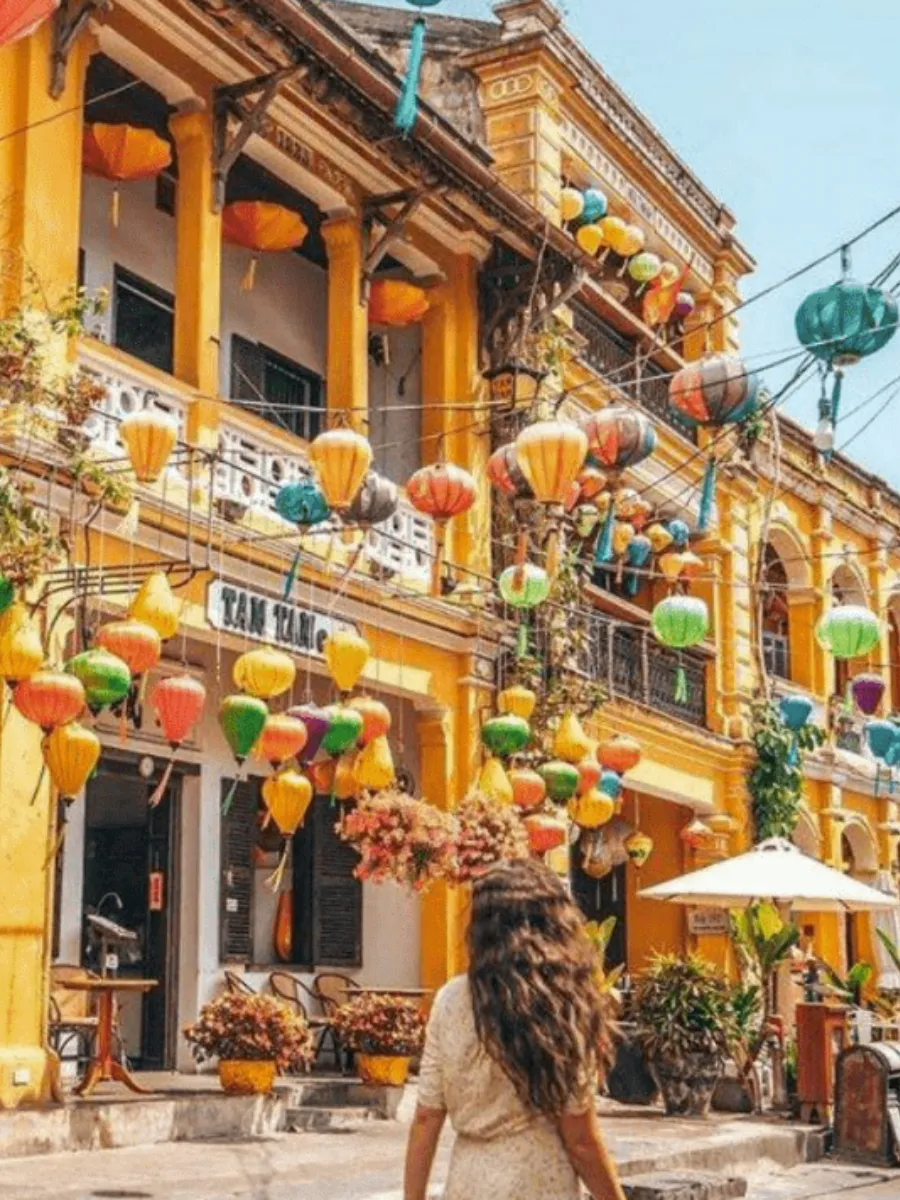
The honest framing: Hoi An has become busy. The Ancient Town on a Saturday evening in peak season (December–February) can feel overwhelmed by the volume of visitors — the famous Yellow House facades blocked by selfie-takers, the narrow streets moving at a tourist-crowd pace. This is manageable with the right knowledge (early mornings, mid-week, specific streets that stay quieter) and doesn’t negate the experience — but knowing it in advance prevents disappointment.
What Hoi An genuinely offers that almost nowhere else in Southeast Asia can match:
- The best-preserved historic trading port in Southeast Asia. The Ancient Town’s 1,107 heritage structures — merchant houses, clan assembly halls, Japanese and Chinese temples, French colonial buildings — represent an unbroken physical record of the town’s cosmopolitan history from the 15th century onward. The preservation is genuine, not reconstructed: these buildings have been continuously inhabited, continuously maintained, continuously used. The Japanese Covered Bridge has stood in the same position since 1593.
- The food culture is the best in Vietnam. This is a strong claim, and it’s contested — Hanoi has extraordinary food, as does Ho Chi Minh City. But Hoi An has a specific combination: the specific Quang Nam regional dishes that exist only here (Cao Lau, White Rose dumplings, Hoi An chicken rice), the Central Vietnamese broader food tradition (Mi Quang, Banh Mi — Hoi An’s version is Vietnam’s most famous), and a density of excellent cooking across price points that no comparable-sized town in Vietnam approaches. The Hoi An banh mi is specifically its own category.
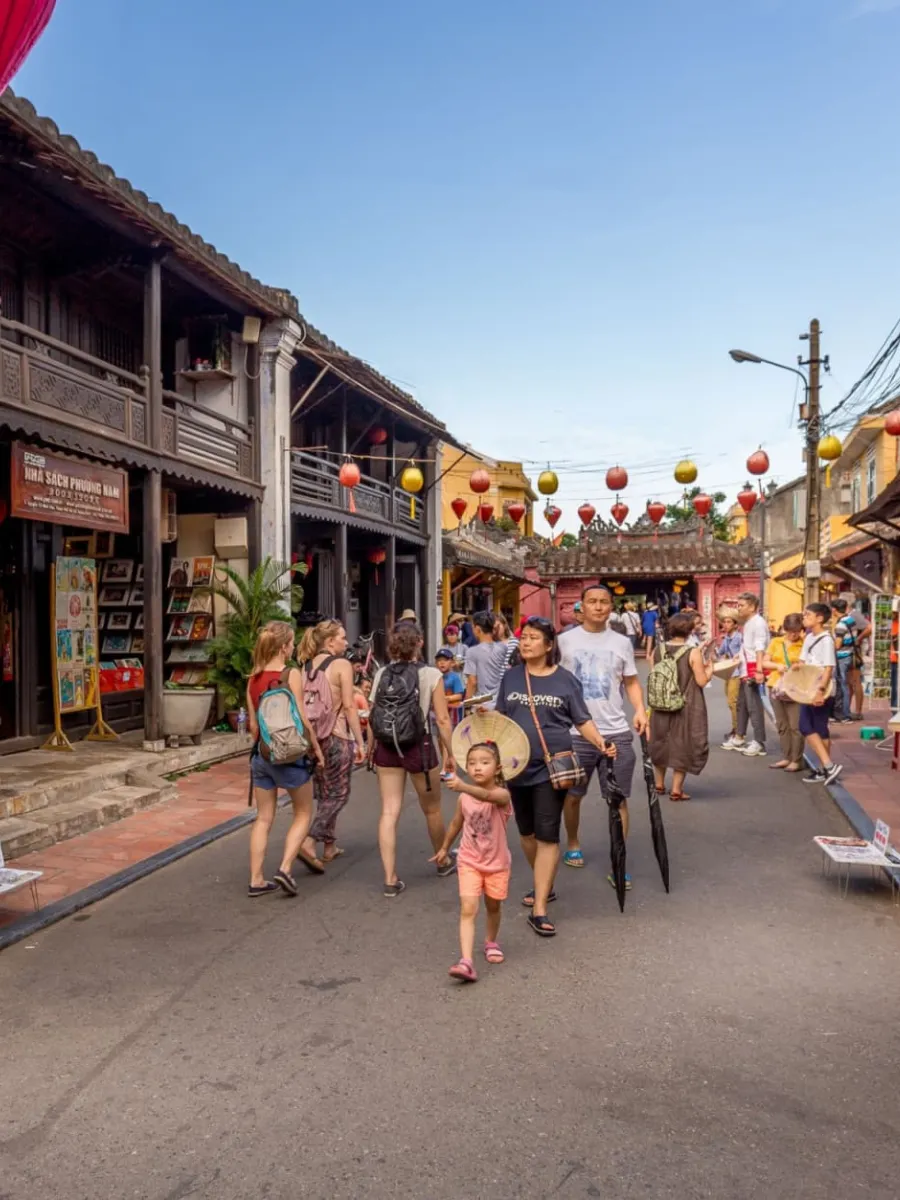
- The evening atmosphere is genuinely exceptional. After 6:00 PM on any evening, when the Ancient Town closes to motorbike traffic and the lanterns are lit along the Thu Bon River, Hoi An transforms. The streets fill with a softer crowd, the light changes quality entirely, and the town reaches something close to the atmospheric peak that brought travelers here in the first place. Evening is when Hoi An rewards the overnight visitor over the day-tripper most clearly.
- The tailoring industry is world-class. More on this below — but the concentration of skilled garment makers in Hoi An, producing custom clothing in 24–48 hours at a fraction of Western prices, is unique in the world. Done correctly with appropriate lead time, a tailored wardrobe from Hoi An is a genuine travel experience rather than a tourist trap.
- An Bang Beach is excellent. Three kilometres from the Ancient Town, An Bang Beach is one of central Vietnam’s most pleasant coast sections — wide, relaxed, with a strip of beach bars and seafood restaurants that manages to maintain a local character that the big Da Nang resort beaches have lost. Cycling between the town and the beach (15 minutes) is one of the most pleasant daily routines available at any beach destination in Vietnam.

The Ancient Town: What to See and How to See It
The Ancient Town is compact — roughly 1.2 km long and 0.4 km wide — and walkable in 30 minutes end-to-end. But the value is in the details: the specific buildings, courtyards, and interiors that reveal themselves only if you know where to look and what you’re looking at. Here’s the essential knowledge for navigating it well.
The Ancient Town Ticket
Entry to the Ancient Town itself is free — you can walk every street without paying anything. The 120,000 VND ticket (sold at booths at multiple entry points) gives access to 5 of the 22 listed heritage sites: you choose which 5 from the categories available. The categories are: ancient houses (1 ticket each), museums (1 ticket each), assembly halls (1 ticket each), the Japanese Covered Bridge (1 ticket), and traditional arts workshops (1 ticket). No single combination of 5 covers everything worth seeing — plan your 5 choices before buying the ticket, then revisit the street-level exterior experience of the rest freely.

The Essential Sites
| Site | Type | Uses 1 Ticket? | Why It Matters | Best Time |
|---|---|---|---|---|
| Japanese Covered Bridge (Chùa Cầu) | Bridge-temple | Yes | The symbol of Hoi An — built in 1593 by the Japanese community, containing a small temple in its middle section. One of the most photographed structures in Vietnam. Use your ticket here; access without ticket is restricted. | Early morning (7:00–8:00 AM) before day visitors arrive |
| Tan Ky Ancient House | Merchant house | Yes | One of the best-preserved 200-year-old merchant homes — the interior reveals the architectural syntax of Hoi An’s trading houses: the long narrow “tube house” format, the courtyard skylight, the Japanese roof and Chinese decoration. The family still lives here. | Morning (8:00–10:00 AM) |
| Phuc Kien Assembly Hall | Clan assembly hall | Yes | The grandest of Hoi An’s Chinese clan halls — built by the Fujian community in 1697, with extraordinary courtyard scale, elaborate relief carvings, and a main hall dedicated to Thien Hau (goddess of the sea). The most architecturally impressive interior in the Ancient Town. | Morning (less crowded than afternoon) |
| Quan Thang Ancient House | Merchant house | Yes | Less famous than Tan Ky but often considered the finer architectural example — the carved wooden ceiling beams and the courtyard garden are exceptional. Usually less crowded. | Anytime |
| Hoi An Museum of History and Culture | Museum | Yes | The best contextualisation of Hoi An’s history as a trading port — Sa Huynh culture ceramics, Cham Hindu sculpture, and the merchant community records that document the Japanese and Chinese settlements. 45 minutes well spent before exploring the streets. | Morning |
Streets Worth Walking Slowly
- Nguyen Thai Hoc Street: The backbone of the Ancient Town — lined with merchant houses in the best state of preservation. Most of the entry-ticket heritage sites are here or immediately adjacent. Walk it in both directions at different times of day.
- Tran Phu Street: The main commercial street, with the assembly halls and the Japanese Covered Bridge at the western end. More crowded than Nguyen Thai Hoc but contains the grandest buildings.
- Bach Dang (riverside): The waterfront road along the Thu Bon River — the most atmospheric evening walk, with the lanterns reflected in the water and the Thu Bon ferry boats crossing to the opposite bank.
- Nguyen Thi Minh Khai / Le Loi (less-visited): Two streets one block north of the main tourist circulation that contain excellent buildings (including several still-functioning family businesses) with significantly fewer visitors. The best discovery walking in the Ancient Town.
Best Things to Do in Hoi An
1. Lantern-Making Workshop
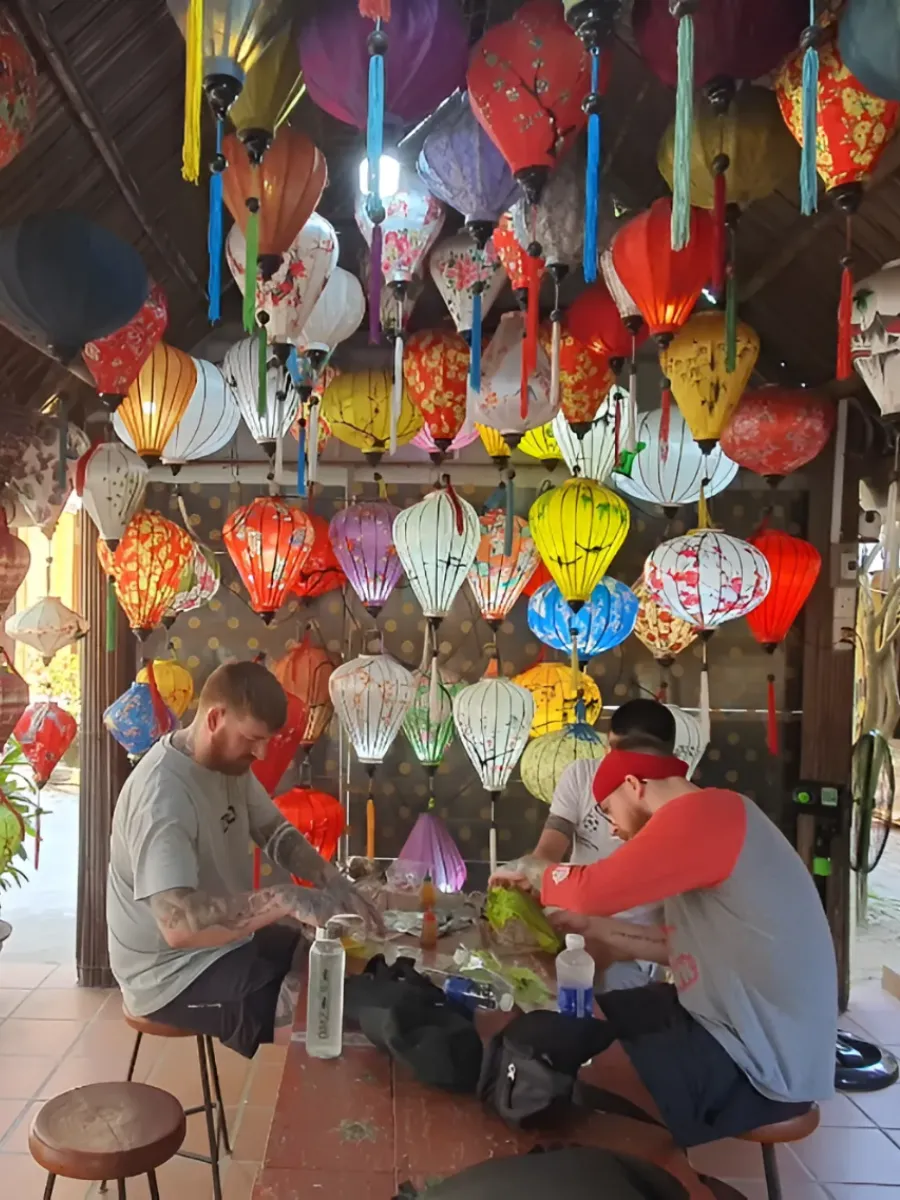
Hoi An’s silk lantern tradition is one of the town’s most distinctive crafts — the same lanterns that illuminate the Ancient Town streets are made by hand in family workshops across the town. A 1.5–2 hour lantern-making workshop (available at multiple venues; Reaching Out Arts and Crafts on Nguyen Thai Hoc Street is the most recommended for quality instruction) teaches the bamboo frame construction and silk stretching techniques behind the simplest lantern forms. The workshop ends with a lantern to take home. Cost: approximately 150,000–200,000 VND. Not a tourist gimmick — the technique is genuinely interesting and the craft is locally significant.
Marble Mountains in Da Nang
The Vietnam’s Spiritual Landmark
2. Thu Bon River Evening Boat and Lantern Release
On the 14th of each lunar month (Full Moon Festival), the Ancient Town turns off electric lights after dark and illuminates entirely by lantern — the most atmospheric version of Hoi An available, and worth specifically timing a visit around if your travel dates allow. On regular evenings, the Thu Bon River boat tour (100,000–150,000 VND for a 30-minute ride) releases a small flower-and-candle lantern on the water — a tourist activity, yes, but done on the river at dusk with the Ancient Town lit behind it, it achieves a genuine quality. Book at the river’s edge jetty rather than through hotel intermediaries.

My Khe Beach
Best Beach in Da Nang Vietnam
3. Cooking Class at a Local Restaurant or Farm
Hoi An’s cooking class industry has been refined over two decades into one of the best culinary tourism experiences in Southeast Asia. The best classes include a morning market visit (buying ingredients from the stalls that supply local restaurants), a herb garden stop (the Tra Que vegetable village 3 km from town is the most atmospheric), and a 3–4 hour hands-on cooking session producing 4–6 dishes eaten together at the end. The Hoi An specialties taught — Cao Lau, White Rose dumplings, Banh Xeo — are dishes available nowhere else in this quality. Cost: $25–$45 per person for a full programme. Morning Market Cooking Class (Red Bridge Cooking School or Morning Glory) are the most consistently well-reviewed options.
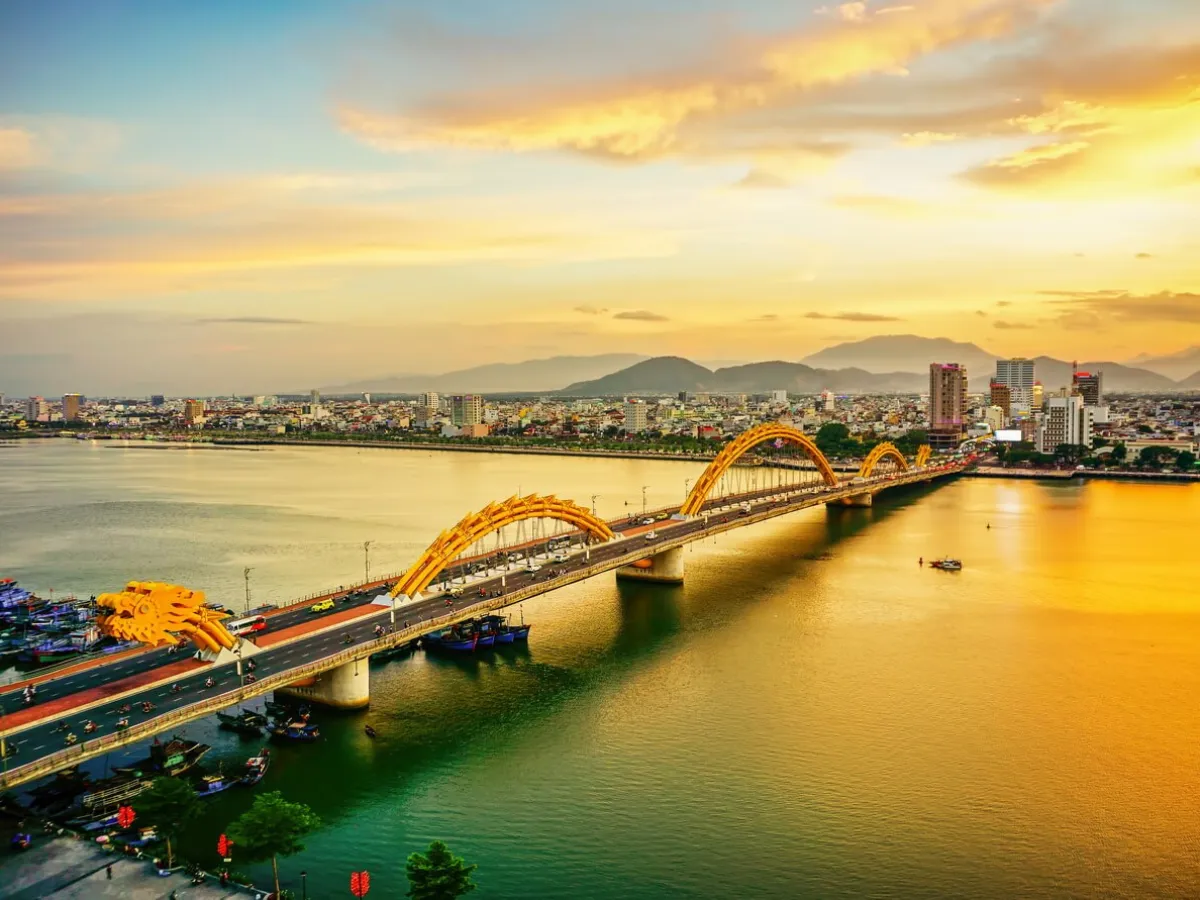
The Dragon Bridge
Iconic Landmark in Central Vietnam
4. Bicycle Around Hoi An’s Villages
The flattest cycling terrain in central Vietnam surrounds Hoi An — the paddy fields and village lanes between the Ancient Town, Tra Que vegetable village, An Bang Beach, and the Cua Dai estuary are ideal for half-day bicycle exploration. The standard route (Ancient Town → Tra Que → An Bang Beach → return via the coastal path) is 20 km round trip through a combination of village paths, farm lanes, and coastal road. Bicycle rental: 50,000–80,000 VND/day from most guesthouses. Early morning (6:00–9:00 AM) on the village lanes — farmers working the morning shift in the fields, fishermen returning from the estuary — is the most rewarding version of this route.
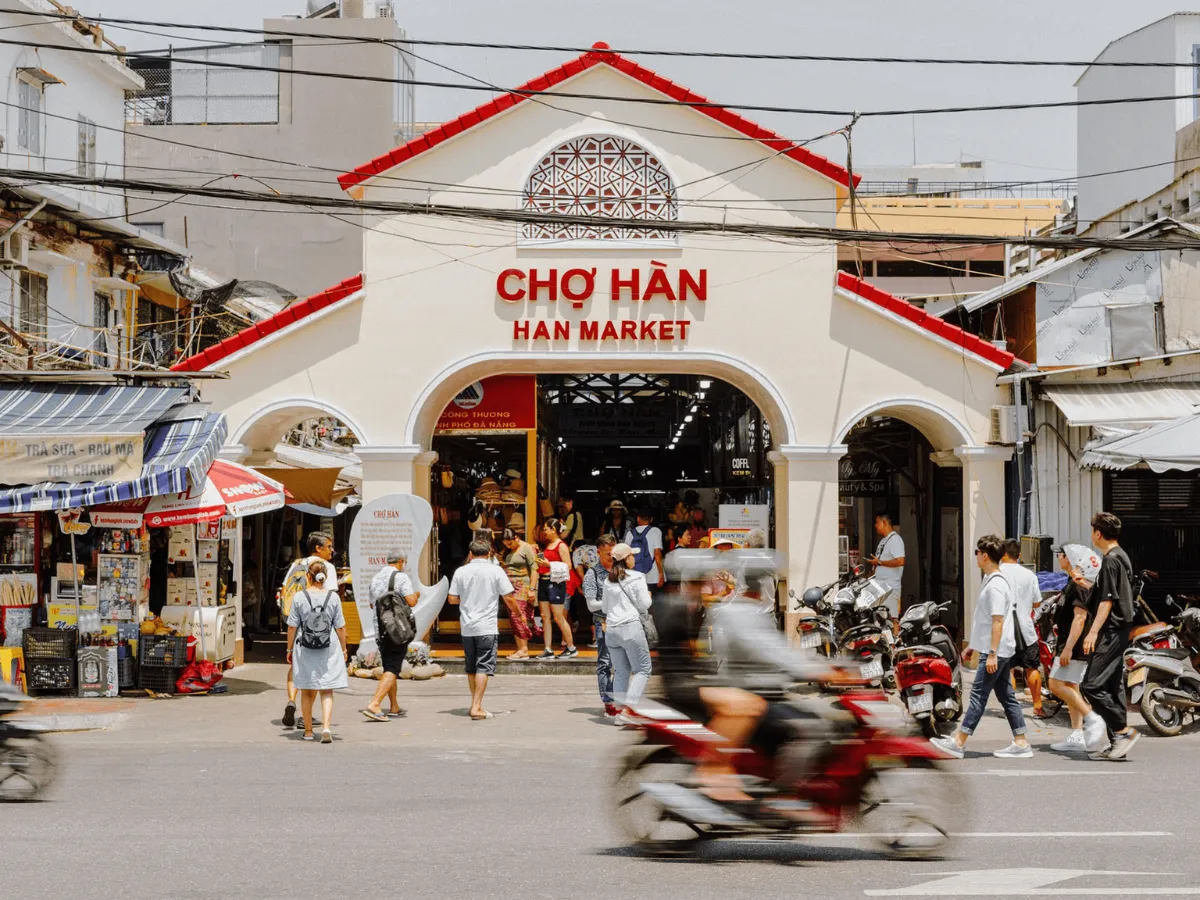
Han Market in Da Nang
Ideal place for local & traditional products
5. My Son Sanctuary Day Trip
The most significant Cham Hindu temple complex in Southeast Asia — a valley of brick towers 70 km southwest of Hoi An, built between the 4th and 13th centuries by the Champa Kingdom. My Son is Hoi An’s most important day trip and best accessed from here rather than Da Nang (shorter drive, better morning timing). The valley’s atmosphere — ancient brick towers set against forested limestone karst with the sound of insects and birds overhead — is genuinely moving despite the partial bombing damage from 1969. Arrive by 8:00 AM before the heat and tour groups. Allow 3 hours at the site. Cost: 150,000 VND entry. Day tours from Hoi An: $15–$30 per person.
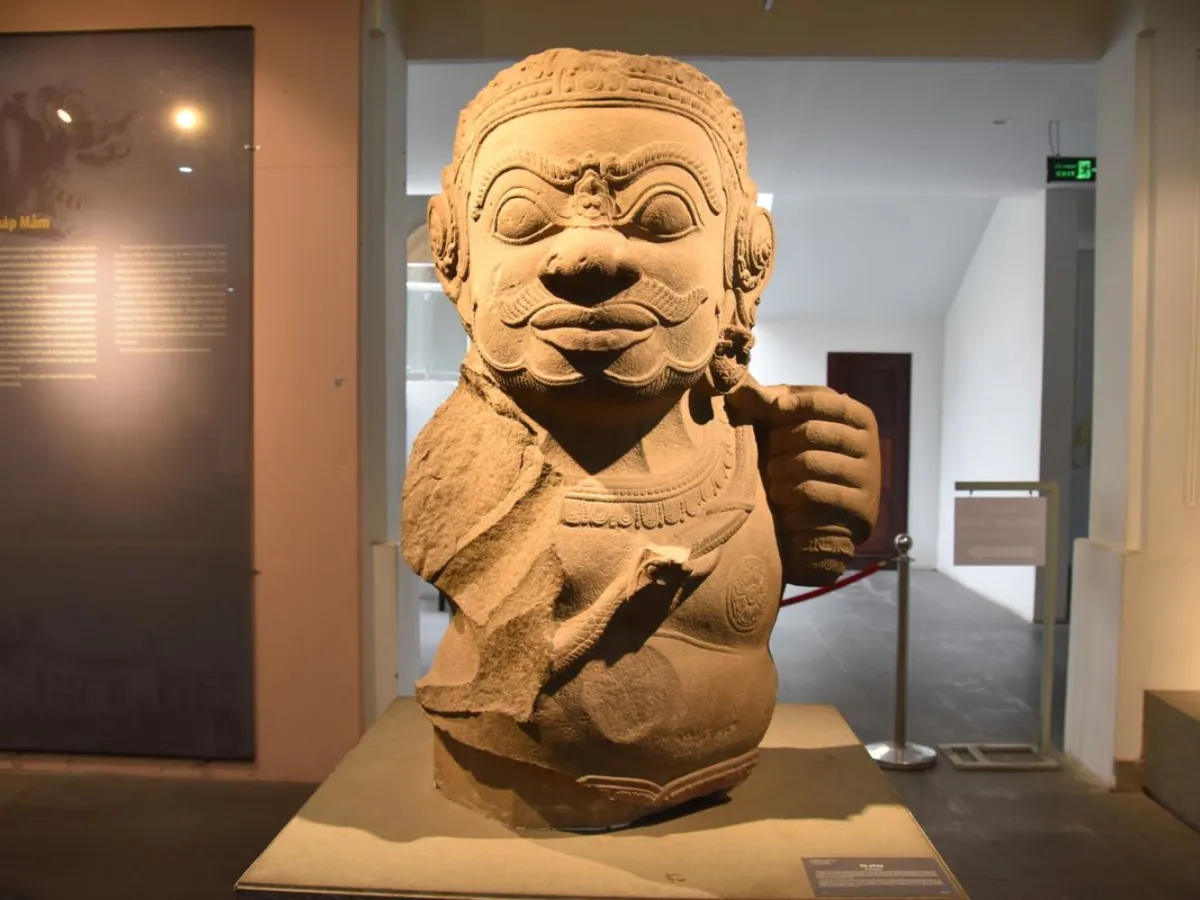
Da Nang Museum of Cham Sculpture
The Cham Arts
6. Cham Island (Cu Lao Cham) Snorkeling Trip
The Cham Island group — 18 km offshore from Hoi An by speedboat — holds the best coral reef diving and snorkeling accessible from central Vietnam. A UNESCO Biosphere Reserve, the islands’ waters contain 135 coral species and 200+ fish species; the clearest conditions are from March to August when monsoon effects are minimal. Day trips (speedboat + snorkeling equipment + lunch: $25–$40 per person) depart from the Cua Dai beach area from 7:30 AM. Not appropriate if you’re visiting outside the March–August dry season — the waters are rough and the snorkeling quality drops significantly.

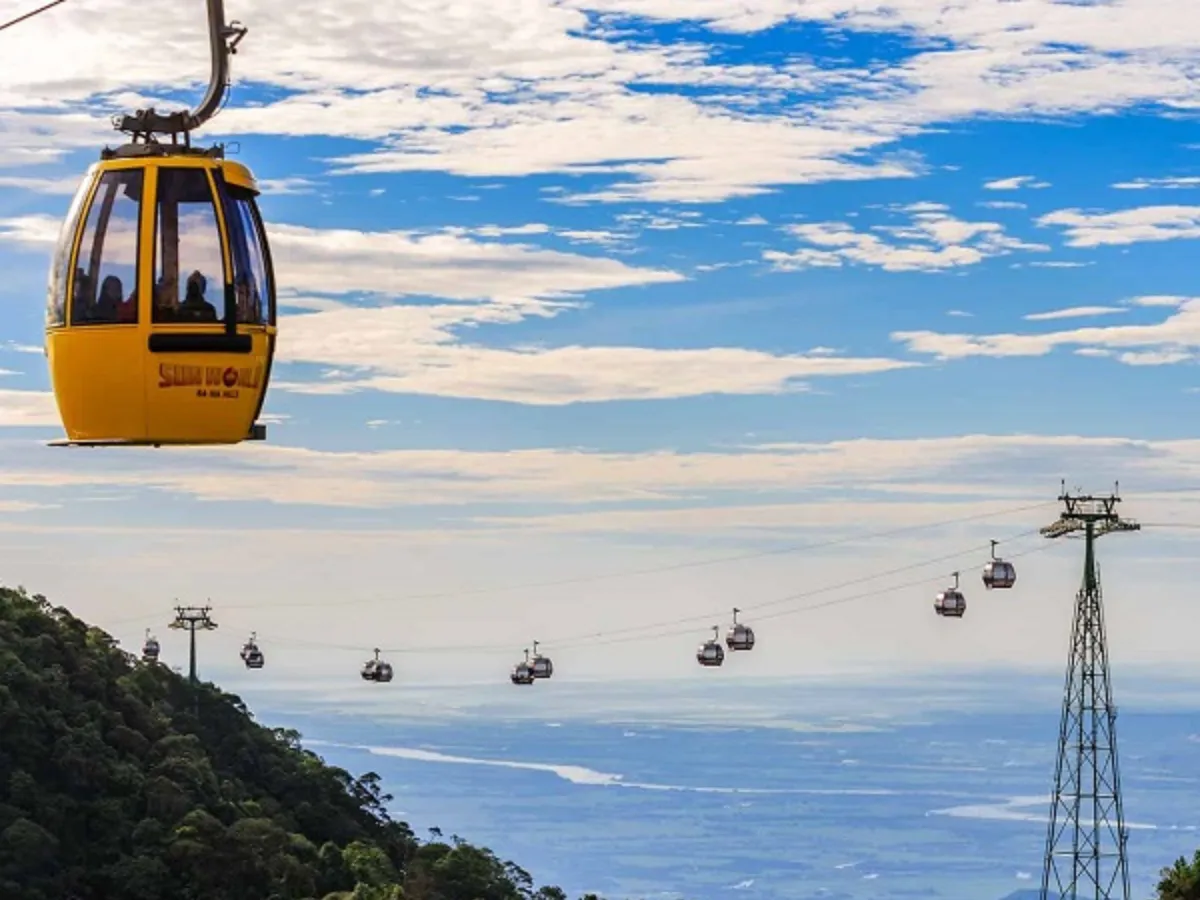
Ba Na Hills Day Trip from Da Nang
The French Village
7. Ba Na Hills Day Trip
A day trip from Hoi An old town to Ba Na hills is one of the most popular experiences in Central Vietnam. Located in the mountains west of Da Nang city, Ba Na hills is famous for the iconic Golden Bridge, scenic cable cars, French-style village, and cool mountain climate. Just a short drive from Hoi An, this full-day adventure combines panoramic views, family-friendly attractions, and unique photo spots, making it ideal for travelers exploring both culture and nature in Vietnam.

Hoi An Day Trip fom Da Nang
Thu Bon River Boat Ride
Hoi An Food Guide: The Dishes You Must Eat
Hoi An’s food culture is the best argument for staying here overnight rather than doing a day trip from Da Nang. The dishes are specific to this town, the ingredient quality is exceptional (the herbs come from Tra Que, the river provides fresh fish, the rice comes from the surrounding paddy fields), and the restaurant density — from street stalls to excellent sit-down establishments — is extraordinary for a town of this size.

The Essential Hoi An Dishes
| Dish | What It Is | Where to Eat It | Price |
|---|---|---|---|
| Cao Lau | Thick rice noodles (made with water from the Ba Le well — genuinely different texture from noodles made elsewhere) with sliced pork, crispy croutons, bean sprouts, and minimal broth. Exists authentically only in Hoi An. | Phuong’s Cao Lau (stall, Central Market) · Thanh Cao Lau · most local restaurants | 30,000–50,000 VND |
| White Rose Dumplings (Bánh Bao Vạc) | Translucent rice flour dumplings filled with seasoned shrimp, steamed and shaped to resemble white roses. Made exclusively by one family in Hoi An who supply all restaurants in town. | White Rose Restaurant (Hai Ba Trung Street — the source) · most Ancient Town restaurants | 50,000–80,000 VND per plate |
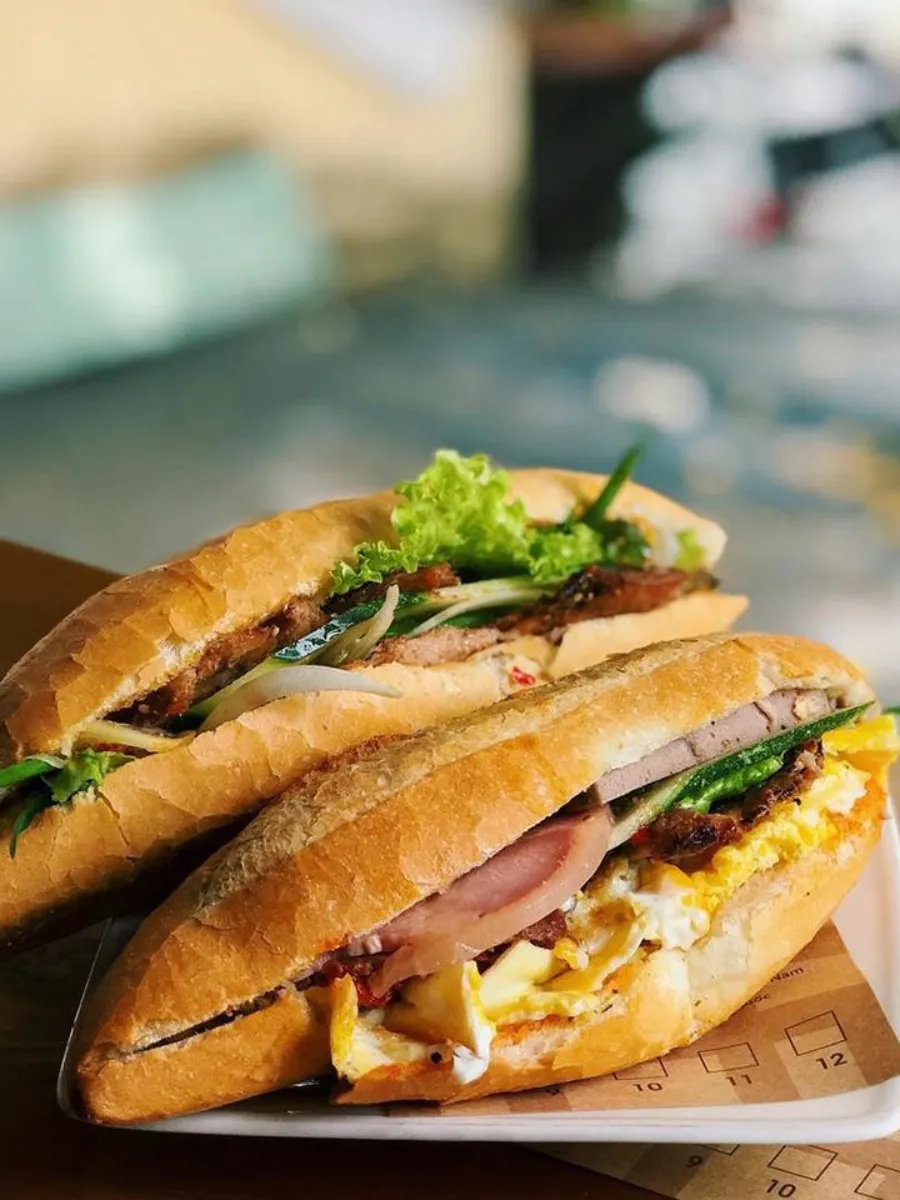
| Hoi An Bánh Mì | The world’s most famous version of the Vietnamese sandwich — crispy baguette filled with pâté, cold cuts, pickled vegetables, cucumber, coriander, chilli, and a specific mayo-like sauce. The Phuong version has been written about in virtually every major food publication since 2009. | Bánh Mì Phượng (2B Phan Chau Trinh) — essential · Madam Khanh (also excellent, less crowded) | 25,000–35,000 VND |
| Hoi An Chicken Rice (Cơm Gà Hội An) | Poached free-range chicken on turmeric-yellow rice, served with fresh herbs, pickled papaya, and a specific Hoi An-style dipping sauce. The town’s most local everyday lunch dish. | Cơm Gà Bà Buội (26 Tran Phu) · multiple stalls in the covered market | 35,000–60,000 VND |
| Bánh Xèo (Hoi An style) | Smaller than the Da Nang version — mini sizzling rice pancakes filled with shrimp, pork, and bean sprouts, eaten individually wrapped in rice paper with fresh herbs. The Hoi An format is more delicate than the large-format central Vietnamese version. | Bánh Xèo Mười Xiềm (35 Phan Chau Trinh) · Bánh Vạc Restaurant | 50,000–100,000 VND (set) |
| Mì Quảng (local style) | The Hoi An version of the central Vietnamese noodle dish — slightly different broth and topping proportion from the Da Nang preparation. Eaten for breakfast and lunch at market stalls. | Market stalls, Hoi An Central Market (morning section) | 25,000–40,000 VND |
The honest Hoi An food circuit: Breakfast at the Central Market (Cao Lau or Mì Quảng, 40,000 VND). Lunch at the White Rose Restaurant (White Rose dumplings + Banh Xeo, 120,000 VND). Banh Mi Phuong mid-afternoon (the queue is 10 minutes maximum — worth it). Chicken rice dinner at Cơm Gà Bà Buội. This four-stop circuit covers Hoi An’s most specific and irreplaceable food experiences in a single day at total cost under $15.
Want a Hoi An-based central Vietnam itinerary — Ancient Town, An Bang Beach, My Son, and a day in Da Nang? Our Vietnam-based team designs central Vietnam circuits that make the most of Hoi An as a base. Message us on WhatsApp →
Hoi An Tailors: The Honest Guide
The Hoi An tailoring industry is the most written-about and most misunderstood part of visiting the town. Here is the honest version, based on experience working with visitors over many years:
What’s Genuinely True
- The skill level is real. Hoi An has 300+ tailoring shops employing thousands of skilled garment makers. The concentration of this skill in one place — the legacy of the town’s centuries-old textile trading history — is unique. The quality achievable at the top tier of Hoi An tailoring is genuine international-level garment construction.
- The price is genuinely extraordinary by international comparison. A well-made suit that would cost $800–$1,500 in London or New York can be made in Hoi An for $150–$400. This reflects both lower labour costs and the existing infrastructure of the town’s garment industry.
- You need minimum 48 hours from first fitting to final collection. Complex garments (suits, fitted dresses) need 72–96 hours to allow for at least two fittings with alterations between. The shops that advertise “24-hour turnaround” are cutting the fitting process — which is where quality is made or lost.
What’s Often Misrepresented
- Most shops at all price points show the same fabric samples. The physical fabric books displayed are largely representative — the actual fabric used is what matters. Ask to see and touch the specific bolt of fabric that will be used, not the sample book representation.
- The pressure to add items is real. Hoi An tailors operate on commission structure and the initial “cheap dress” that gets you into the shop is rarely the end of the transaction. Go with a specific, limited list of what you want before entering any shop — and commit to that list.
- High price does not guarantee high quality. The correlation between price and quality in Hoi An tailoring is weaker than it should be — some $500 shops produce poorer work than some $200 shops. Reputation, specific reviews of specific items, and your own judgment during the fitting process matter more than the price tier.

Our Practical Recommendations
- Yaly Couture (47 Nguyen Thai Hoc) — Hoi An’s most consistently reviewed high-quality tailor for two decades. Higher price point but genuine quality consistency. Best for suits, structured dresses, and formal garments.
- A Dong Silk (40 Le Loi) — Strong reputation for women’s traditional and contemporary garments. More accessible price point than Yaly with good quality control.
- Thu Thuy (multiple locations) — Best known for ao dai (Vietnamese traditional dress) — specific expertise rather than general tailoring.
- Arrive knowing what you want. Browse reference images before you arrive. The tailor’s skill is in construction and fitting, not in design conception — bring clear visual references for what you’re having made.
- Budget at least 3 nights if tailoring is a priority. First fitting → overnight alterations → second fitting → final alterations → collection. Three nights gives you the full fitting cycle with no rush.
Hoi An Beaches: An Bang and Beyond
An Bang Beach
The closest beach to the Ancient Town (3 km by bicycle, 10 minutes) and consistently one of the best beach experiences in central Vietnam. An Bang has developed a distinctive character over the past decade: a strip of beach bars and restaurants at the ocean’s edge with a relaxed, international-backpacker-community-friendly atmosphere, good food quality, and beach chairs (80,000–100,000 VND with a drink included). The beach itself is wide and clean; the waves are gentle March–August and more substantial September–October. The 15-minute bicycle ride from the Ancient Town across the paddy fields and through the village is itself a pleasure — arriving by bicycle rather than taxi is strongly recommended.
Cua Dai Beach
The beach closer to the Ancient Town (4 km) that An Bang has largely displaced in visitor popularity — the resort hotels at this end of the beach have significantly more infrastructure but the beach itself has suffered from erosion in recent years, particularly the sections immediately south of the main road intersection. Cua Dai is better suited to resort guests who are staying there than to day visitors from the Ancient Town. The speedboats to Cham Island depart from the Cua Dai beach area.
Comparing with Da Nang Beaches
An Bang Beach is quieter, more relaxed, and more personally scaled than Da Nang’s My Khe Beach — better for a lunch-swim-afternoon beach session from the Ancient Town. My Khe is better for serious beach holiday infrastructure (parasols, beach sports, resort facilities). If beach is a primary goal of your central Vietnam trip, staying in Da Nang with beach access is easier than cycling daily from the Ancient Town — but the bicycle cycle from Hoi An to An Bang is one of the best daily routines available at any Vietnam coastal destination.
Best Time to Visit Hoi An: Month-by-Month Guide


The best time to visit Hoi An is February to April — dry, mild, and the least crowded of the good-weather months. The critical constraint is the October–November flooding season, when the Thu Bon River regularly overtops its banks and the Ancient Town streets can flood to 30–60 cm depth. This is a genuine disruption, not a light inconvenience.
| Period | Conditions | Ancient Town | Beach (An Bang) | Verdict |
|---|---|---|---|---|
| Jan – Feb ⭐ | 20–24°C / 68–75°F. Dry, mild, some overcast days | Excellent — low crowds mid-week, comfortable walking temperatures | Swimmable but cool (22°C water). Some swell. | Very good. Tet holiday (late Jan/early Feb) creates a festive Ancient Town atmosphere but also the year’s highest domestic tourist volumes on those specific days. Mid-week visits in January are the quietest and most atmospheric. |
| Mar – Apr ⭐⭐ | 22–28°C / 72–82°F. Clear, warming, perfect | Excellent — best light quality of the year, comfortable temperatures | Good to excellent — water warming, calm seas | Best overall. The optimal Hoi An window — warm enough for the beach, not yet at summer heat, Ancient Town at its most photogenic in the clear spring light, and significantly less crowded than the December–January peak. Our most consistent recommendation for first-time visitors. |
| May – Aug | 28–35°C / 82–95°F. Hot, sunny, low rain | Good — hot mid-day. Best explored early morning and evening. | Best beach conditions — warm water, calm seas, long days | Good for beach-focused visits. Heat in the Ancient Town is significant between 10 AM and 4 PM — structure activities for early morning (market, cycling, cooking class) and evening (Ancient Town walking, dinner). June–August is the warmest and sunniest period. |
| Sep | 26–30°C / 79–86°F. Start of rain season | Good but increasing uncertainty | Swell increasing, swimming less comfortable | Acceptable early September. Risk increases through the month. The Ancient Town is still pleasant; An Bang Beach becomes less reliable. Acceptable if accepting weather uncertainty. |
| Oct – Nov ⚠️ | 22–28°C / 72–82°F. Heavy rain, flooding risk. October is worst. | Flood risk. Ancient Town streets can flood significantly. Many restaurants close or operate at reduced capacity. | Not suitable — rough seas, rain | Avoid unless specifically experiencing the flood season. The Thu Bon River floods are not a minor inconvenience — they can put 60 cm of water on the Ancient Town streets. Some travelers find the flood season atmospheric (locals moving around on boats, the town’s relationship with water made visible); most find it disruptive. If visiting October–November, have contingency plans and waterproof footwear. |
| Dec | 20–24°C / 68–75°F. Cooling, drier, some lingering drizzle early in month | Good from mid-December — Ancient Town’s holiday atmosphere is excellent | Cool, some swell | Good from mid-December. Early December can still have residual November rain. The Christmas–New Year period (Dec 20–Jan 5) is Hoi An’s most festive and most crowded window — the Ancient Town at night is extraordinary but accommodation prices peak and the streets fill completely on weekend evenings. |
The Full Moon Festival: On the 14th day of each lunar month, the Ancient Town holds the Hoi An Full Moon Lantern Festival — electric lights are turned off, the streets are illuminated by lanterns only, traditional music is performed, and the Thu Bon River is filled with floating candle lanterns. This is the most atmospheric Hoi An experience available and worth timing a visit around if your dates allow flexibility. The full moon dates shift monthly — confirm the specific date for your travel month before booking.
How to Get to Hoi An?
Hoi An Old Town has no airport, no train station, and no direct intercity bus terminal — all arrivals route through Da Nang (45 minutes by car) or occasionally through Tam Ky. This is a feature, not a bug — the absence of transit infrastructure keeps Hoi An’s scale and character intact. Here are the practical options:

| Route | Duration | Cost (approx.) | Best For |
|---|---|---|---|
| From Da Nang Airport: Grab or taxi direct to Hoi An | 45 min | $12–$18 (Grab) / $15–$20 (taxi) | Most travelers. The standard airport → Hoi An approach. Grab is more predictable than metered taxis from the airport rank. Book Grab inside arrivals before exiting to the taxi area. |
| From Da Nang city: Private car or Grab | 30–45 min | $10–$15 (Grab) / $15–$20 (private car) | Travelers doing the Da Nang + Hoi An circuit. Easy Rider motorbike hire from Da Nang to Hoi An along the coastal road (My Khe → Non Nuoc → Hoi An) is an excellent 1.5-hour scenic alternative for confident riders. |
| From Hue by private car or bus | 2.5–3.5 hrs (via Hai Van Tunnel) / 3.5–4.5 hrs (via Hai Van Pass) | $50–$70 (private car) / $8–$12 pp (bus) | Travelers doing the Hue → Da Nang → Hoi An central circuit. The private car via the Hai Van Pass (rather than the tunnel) is strongly recommended for the pass views — adds 45 minutes but delivers one of Vietnam’s best coastal mountain drives. |
| Shuttle bus from Da Nang or Hue (tourist bus) | 45 min from Da Nang / 3 hrs from Hue | $3–$6 pp (Da Nang) / $8–$12 pp (Hue) | Budget travelers. Multiple operators run daily shuttle services from Da Nang and Hue directly to the Hoi An Ancient Town drop-off point. Book through guesthouses or Vexere.com. |
Getting around Hoi An: Bicycle is the ideal transport — the Ancient Town is pedestrian-only to motorbikes in the evenings, and the village routes, Tra Que, and An Bang Beach are all excellent cycling distance. Rental: 50,000–80,000 VND/day. For longer day trips (My Son, Da Nang), use Grab or hire a driver. The Ancient Town itself is walkable; a bicycle extends your effective range to the whole municipality.
Where to Stay in Hoi An?
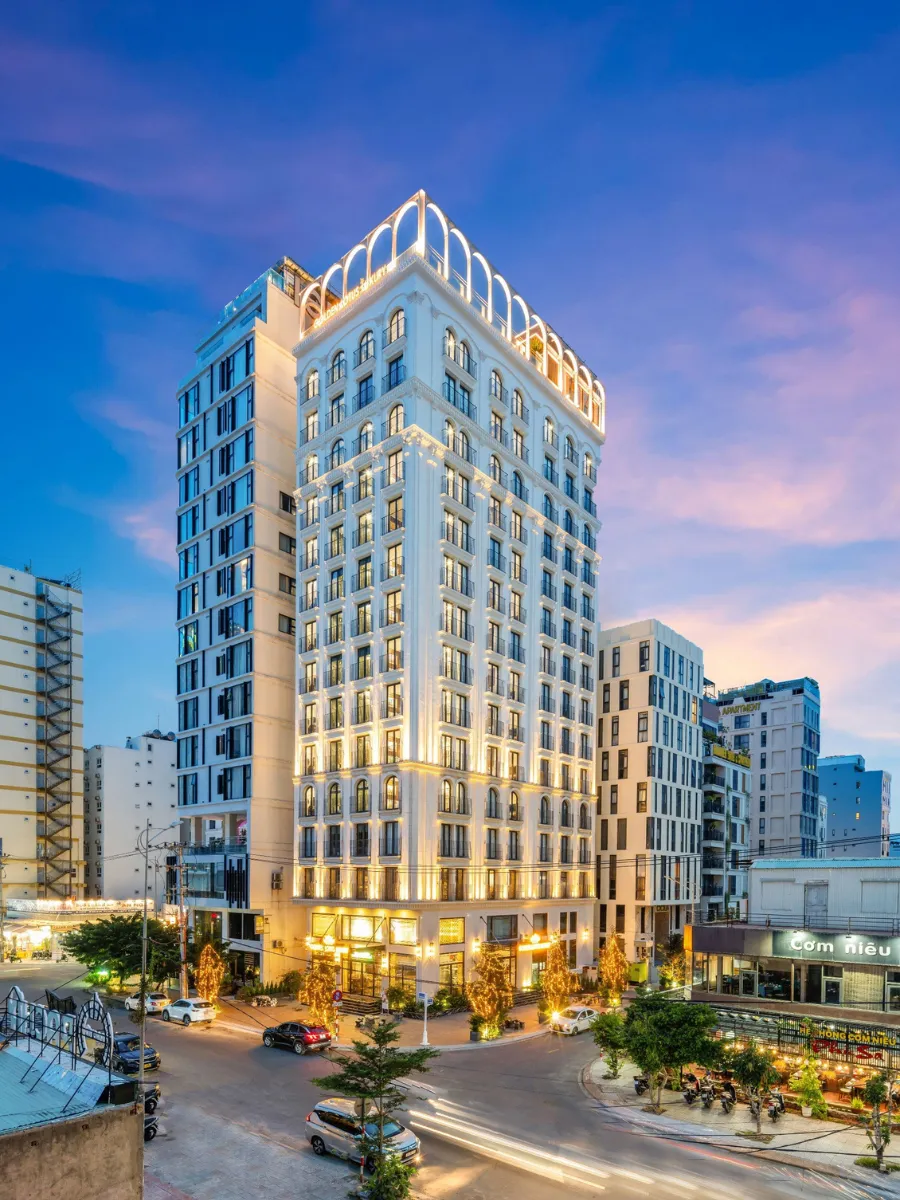
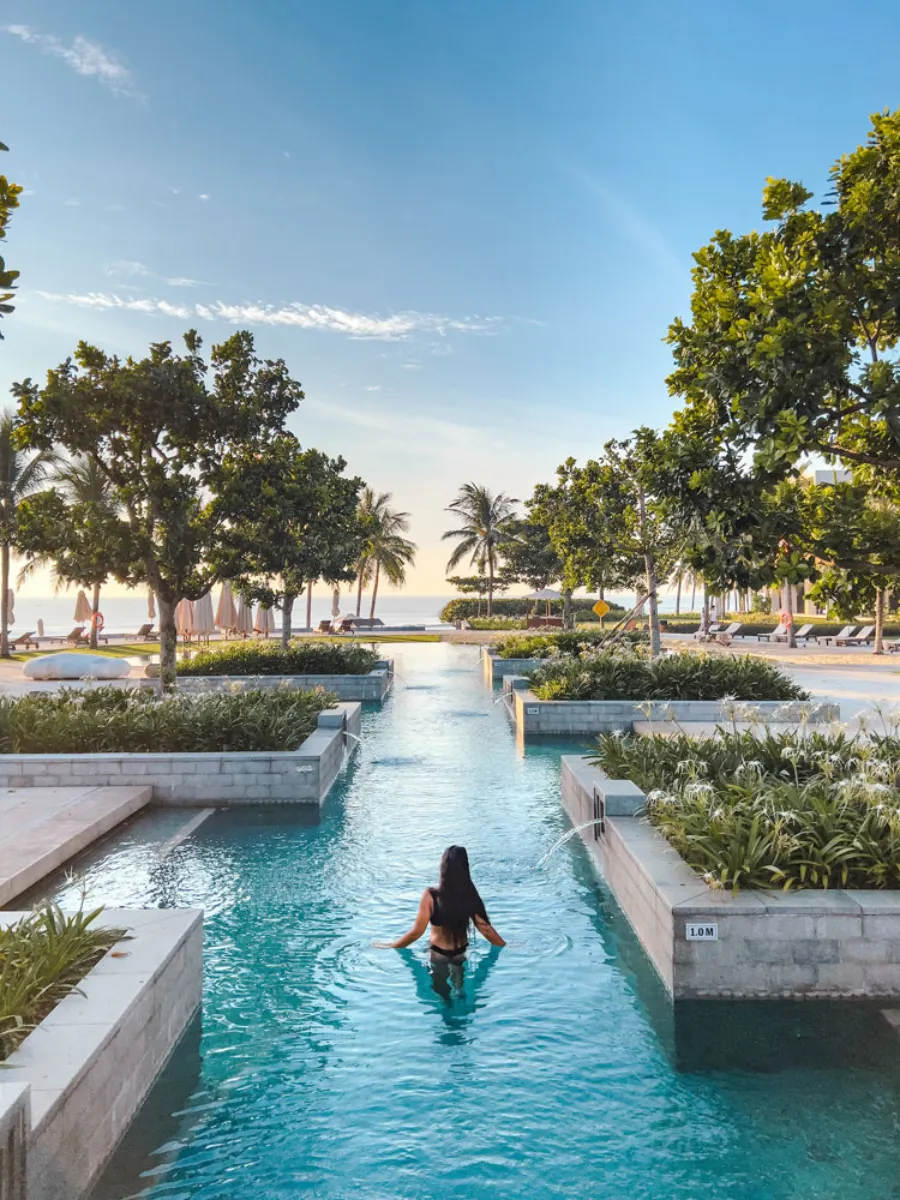

| Area | Best For | Vibe | Average Range (per night) |
|---|---|---|---|
| Ancient Town (within the heritage zone) | Atmosphere-first travelers, photography, walking access | Boutique hotels and guesthouses in converted merchant houses or adjacent buildings. The most atmospheric accommodation in central Vietnam — waking inside the Ancient Town’s morning quiet. Limited to smaller properties (no large hotels within the heritage zone). | $40–$200 |
| Ancient Town edge / My An ward (1–2 km from centre) | Most visitors — balance of atmosphere, value, and comfort | The largest concentration of good-value guesthouses and mid-range hotels — within cycling or walking distance of the Ancient Town but with more space for pools and gardens than the compressed heritage zone allows. | $25–$120 |
| An Bang Beach area | Beach-focused stays, relaxed pace | Guesthouses and small boutique hotels adjacent to the beach — 15-minute cycle from the Ancient Town, 3 minutes walk to the sea. Good for travelers who want beach proximity alongside Ancient Town access. | $25–$100 |
| Cua Dai Beach (resort strip) | Luxury beach resort experience, families | Large international resort hotels with full facilities — Four Seasons (Nam Hai), Anantara, Victoria Hoi An. Outstanding resort quality but 5–7 km from the Ancient Town. Better suited to guests who want the resort as the primary experience. | $200–$800+ |
Our recommendation for most visitors: A guesthouse or boutique hotel within 1–2 km of the Ancient Town — close enough to walk evening sessions without transit, with room for a courtyard or small pool that the compressed heritage zone properties can’t offer. For a special occasion or if budget allows, the Ancient Town boutique hotels (particularly those in genuinely converted merchant houses) deliver the most memorable overnight experience in central Vietnam.
3-Day Hoi An Itinerary: The Best Structure for First-Time Visitors
3-Day Hoi An Old Town Itinerary – Culture, Lanterns & Local Food. Experience the timeless charm of Hoi An Ancient Town, a beautifully preserved UNESCO World Heritage Site known for lantern-lit streets, historic houses, tailor shops, and incredible Vietnamese cuisine. This 3-day itinerary blends culture, local experiences, beaches, and authentic food for the perfect Central Vietnam getaway.

Day 1: Ancient Town Morning → Tailors → Evening Lanterns
- Arrive Hoi An (by Grab from Da Nang Airport or shuttle from Hue). Check in. Leave luggage and go straight to the Ancient Town — the afternoon arrival gives you the best light of the day for first impressions.
- 3:30 PM: Ancient Town exploration — buy your 120,000 VND ticket at the nearest booth. Visit Phuc Kien Assembly Hall first (grandest interior, best preserved); then the Japanese Covered Bridge (most photographed, best in the lower afternoon light); then walk Nguyen Thai Hoc Street slowly from east to west.
- 5:00 PM: If tailoring is on your agenda — visit Yaly Couture or A Dong Silk for initial consultation and fabric selection. Bring reference images. Confirm lead time and fitting schedule before committing.
- 6:00 PM: Sunset at the Bach Dang riverside — the river at golden hour, the lanterns beginning to appear on the far bank’s reflection. The most photographed Hoi An moment.
- 7:00 PM: Dinner at White Rose Restaurant — order the White Rose dumplings, the fried wonton, and the Cao Lau. This is the restaurant that makes the one specific White Rose dish that all Hoi An restaurants serve — eating at the source is worthwhile.
- After dinner: Evening walk through the lantern-lit Ancient Town — the streets pedestrianised, the lanterns at full illumination. Walk every street you can fit in. The older lanes in the eastern section (away from the main tourist circuit) are the most atmospheric.
- Overnight in Hoi An
Day 2: Morning Market → Cooking Class → An Bang Beach → Full Moon (if applicable)
- 6:00 AM: Hoi An Central Market — the early morning market session before the tourist section opens. The produce vendors, fish sellers, and local food stalls operate from 5:30 AM. Banh Mi Phuong opens at 6:30 AM; the queue is shortest this early.
- 7:30 AM: Breakfast — Banh Mi Phuong (2B Phan Chau Trinh). One sandwich. The standard is pâté, cold cuts, pork crackling, pickled vegetables, fresh herbs. No modification required.
- 9:00 AM: Cooking class (pre-booked through Red Bridge or Morning Glory — book the evening before or in advance). Market tour, Tra Que herb garden visit, and hands-on cooking session producing Cao Lau, Banh Xeo, and one other dish. Ends with a meal. Allow 4 hours.
- 1:30 PM: Cycle to An Bang Beach (15 min, bicycle from guesthouse). Afternoon beach session — beach chair, swim, cold beer, seafood lunch at one of the beachfront restaurants. Allow 3 hours.
- 5:00 PM: Cycle back to town as the light drops (the paddy field route at this hour is excellent).
- 6:30 PM: Second tailor fitting if applicable — Day 2 is typically when first fittings need to be adjusted. Confirm collection time for Day 3.
- 7:30 PM: Cao Lau dinner at Cơm Gà Bà Buội (26 Tran Phu) — order the Cao Lau and the Hoi An chicken rice both. The restaurant is small, local, and excellent.
- If it’s a Full Moon: Full Moon Festival evening — the Ancient Town at its best. Stay out until at least 10:00 PM.
- Overnight in Hoi An
Day 3: My Son Sanctuary → Final Ancient Town → Tailor Collection → Depart
- 7:00 AM: Depart for My Son Sanctuary (private car or tour, 70 km, 1.5 hrs each way). Arrive by 8:30 AM before the heat and tour groups. Walk the valley of Cham towers — the atmosphere is best in morning mist when the forest steams slightly above the ancient brick structures. Allow 2.5 hours at the site.
- 12:30 PM: Return to Hoi An. Lunch at the Central Market (Cao Lau stall — a final bowl before leaving).
- 2:00 PM: Final Ancient Town walk — visit the Tan Ky Ancient House if you haven’t (ticket required), and walk the less-visited streets (Nguyen Thi Minh Khai, Le Loi) that tourist itineraries skip.
- 4:00 PM: Tailor collection — final fitting and garment collection. Pack carefully; Hoi An’s tailors provide good packaging for travel.
- 5:00 PM: Final evening riverside — sunset from the Bach Dang waterfront for the last time. The light at this hour, the quality of it in the air above the Ancient Town, is what you’ll remember.
- Depart Hoi An by Grab or transfer for Da Nang Airport or onward destination.
- Onward to Da Nang, Hue, or departure
Want a Private Hoi An + Central Vietnam Trip Arranged?
Our Vietnam-based team designs Hoi An-centred central Vietnam circuits — tailored to whether you want more beach, more cultural depth, a My Son focus, or the full Hue-Hoi An-Da Nang combination. We handle accommodation in the right Hoi An properties, private transport via the Hai Van Pass, and cooking class bookings. Most guests receive their plan within 4 hours.
Request Your Free Hoi An Itinerary →
Tell us your travel dates, group size, and interests. We’ll build the right central Vietnam circuit for your trip.
Sale!
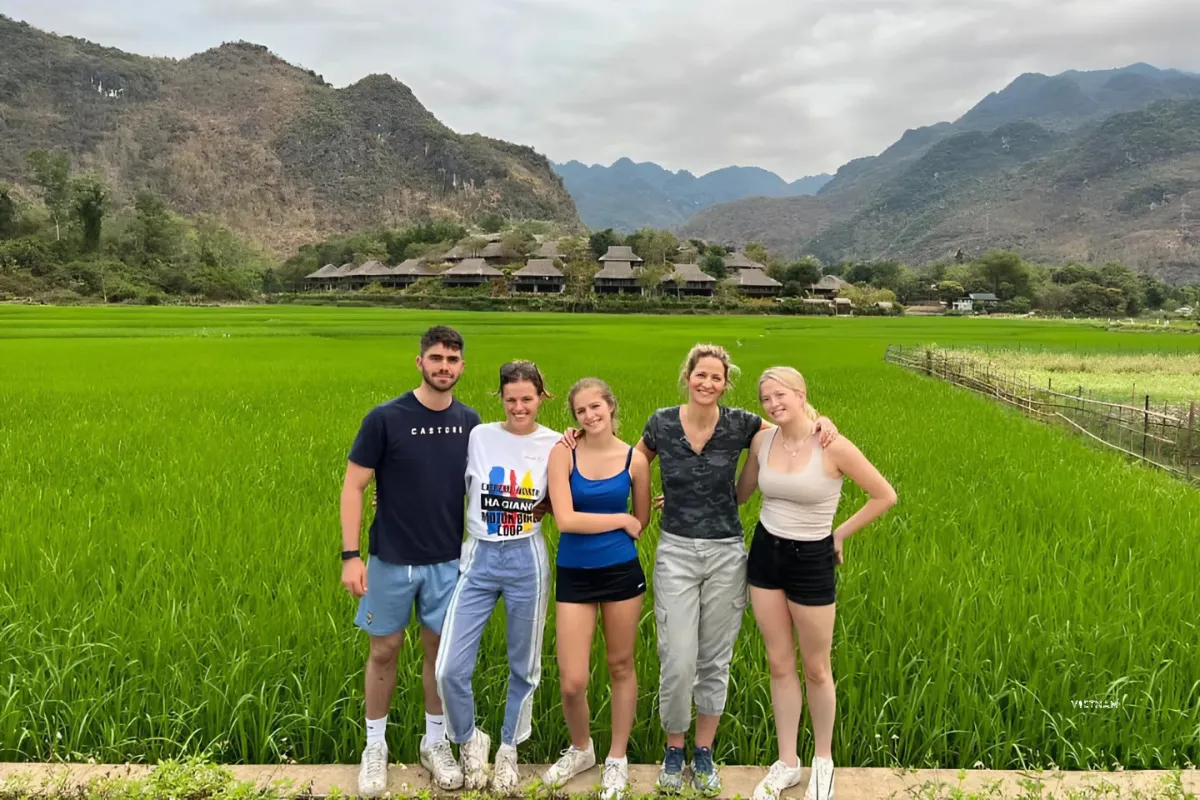
Private Mai Chau Day Trip And Waterfall & Hot Spring Bath

Place
Mai Chau

Duration
1D
Original price was: 175$.125$Current price is: 125$.
Sale!
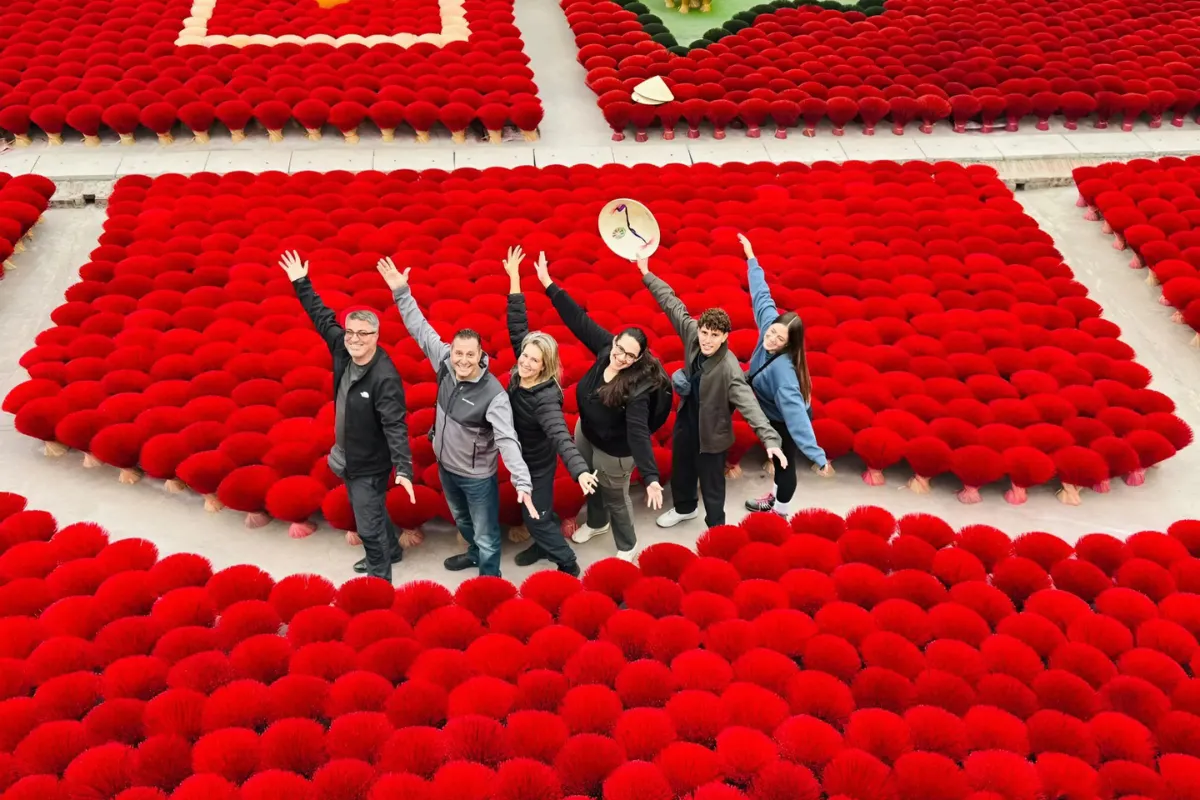
Authentic Hanoi Day Tour | Incense Village & Duong Lam Ancient Village
Place
Hanoi
Duration
1D
Original price was: 120$.105$Current price is: 105$.
Sale!

Hanoi Cycling Tour | Bat Trang, Kim Lan & Xuan Quan Flower Villages
Place
Bat Trang
Duration
1D
Original price was: 65$.55$Current price is: 55$.
Sale!
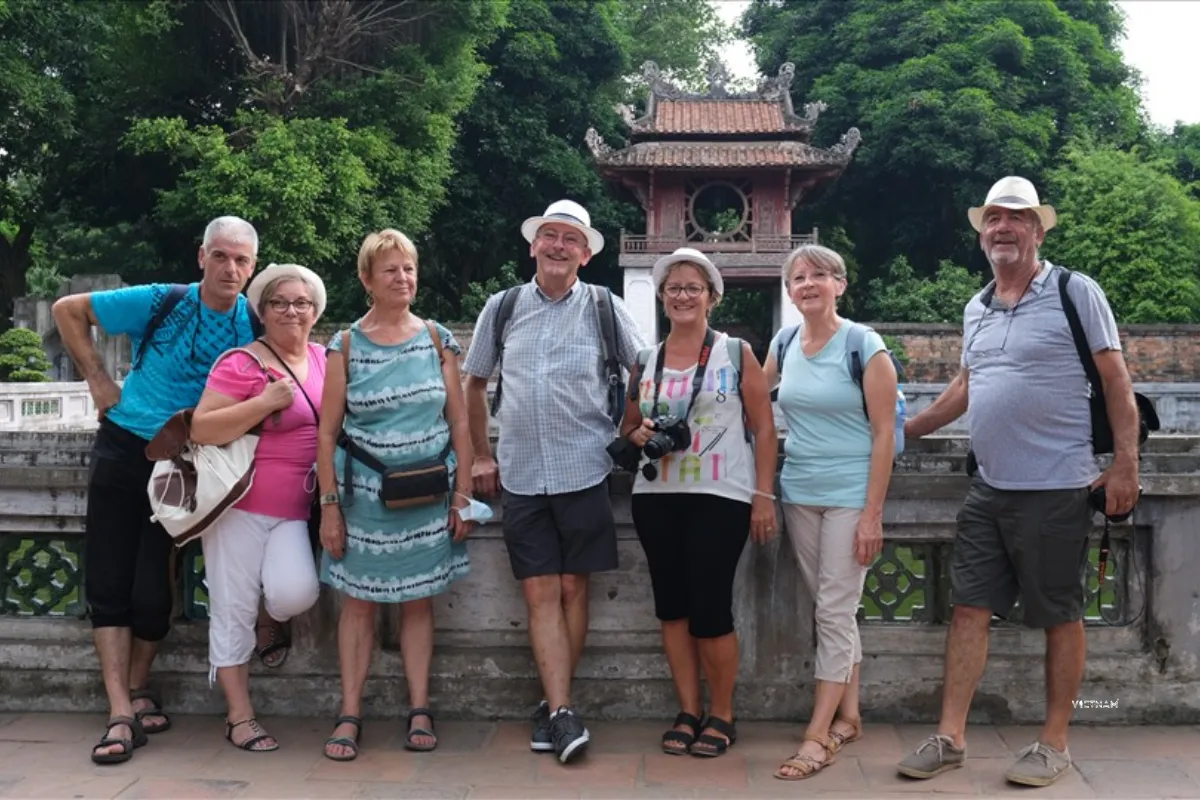
Half-Day Hanoi City Tour | Explore Iconic Landmarks in Just Few Hours
Place
Ha Noi
Duration
1D
Original price was: 50$.35$Current price is: 35$.
Sale!
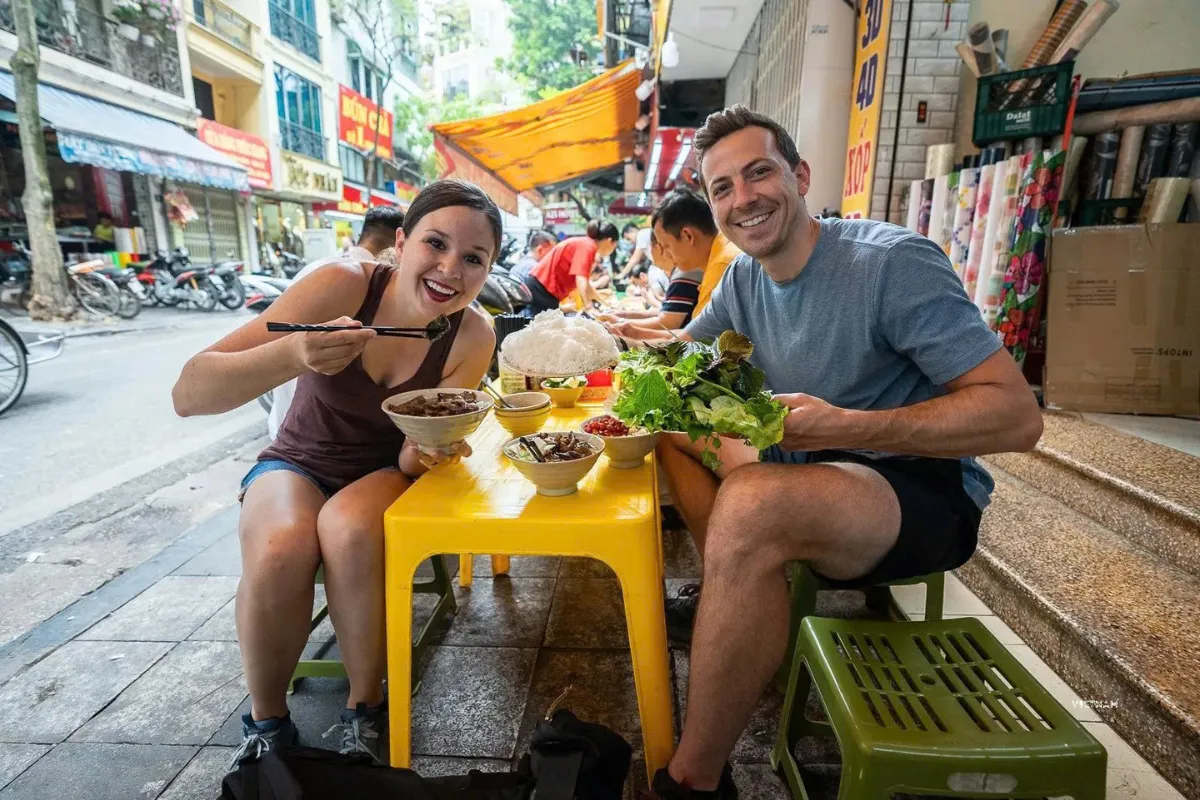
Exclusive Hanoi Street Food Tour | Discover Hanoi’s Best Eats on Foot
Place
Ha Noi
Duration
1D
Original price was: 50$.35$Current price is: 35$.
Sale!

Hanoi City Tour | Highlights, Local Culture | Best of Hanoi in One Day
Place
Ha Noi
Duration
1D
Original price was: 55$.45$Current price is: 45$.
Sale!
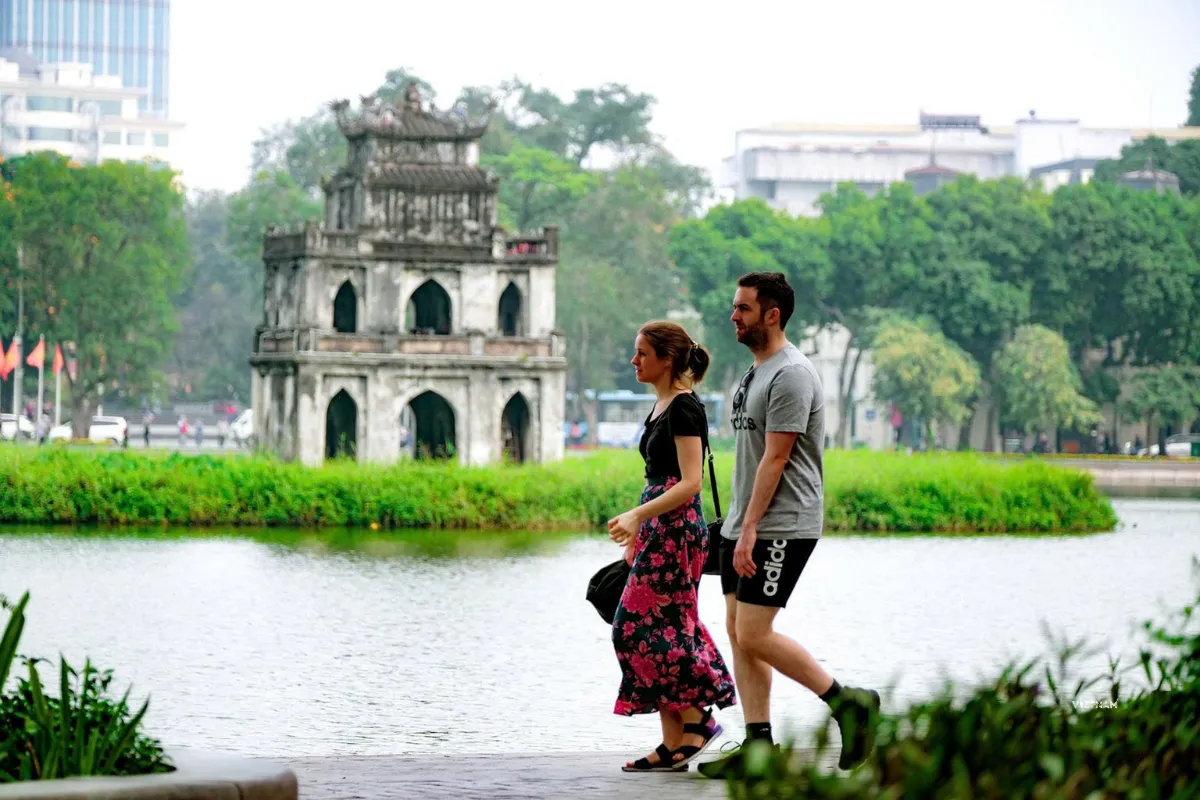
Top Hanoi City Walking Tour | Discover the Best of Hanoi in One Day
Place
Hanoi Capital City
Duration
1D
Original price was: 60$.50$Current price is: 50$.
Sale!

Incense Village Hanoi Tour | Explore Traditional Craft & Local Culture
Place
Quang Phu Cau
Duration
1D
Original price was: 85$.55$Current price is: 55$.
Beyond the Obvious: Less-Known Hoi An Experiences
The Ancient Town at 6:00 AM: The most consistent gap in Hoi An travel content is the early morning Ancient Town. Before 7:30 AM on any day, the heritage streets are occupied only by local residents going about their morning — women carrying vegetables from the market, the incense smoke from temple courtyards catching the low light, the sound of motorbikes (permitted before tourist hours) echoing in the narrow streets. The town at this hour is the version closest to what it actually is when visitors aren’t the primary presence. Set an alarm. Walk before breakfast. This is the Hoi An that doesn’t appear in the photographs.
- Tra Que Vegetable Village independently (not just on a cooking class): The Tra Que vegetable farming community 3 km from the Ancient Town grows the herbs that supply every kitchen in Hoi An — including the specific perilla, Vietnamese coriander, and morning glory varieties that define central Vietnamese cuisine at its best. A morning bicycle ride to Tra Que (following the path through the paddy fields rather than the road) and a walk through the plots with one of the farming families (arranged through the Tra Que Farmer Experience programme) provides a context for Hoi An’s food culture that cooking classes alone don’t deliver.
- The Ba Le Well — the source of Cao Lau: Hidden in a narrow lane off Phan Chu Trinh Street, the ancient Ba Le Well is where Hoi An’s noodle makers traditionally sourced the specific mineral-rich water that gives Cao Lau its unique texture. The well still exists and still functions — local families draw water from it daily. It appears on no tourist map and is marked by nothing other than the lane entrance. Finding it is a small treasure hunt that gives the Cao Lau on your plate a different character when you eat it afterward.
- The lantern makers’ workshop street: The craftspeople who make the lanterns that light the Ancient Town operate from workshops on Nguyen Hoang Street and in the lanes around Nguyen Thai Hoc — working every morning from 7:00 AM assembling bamboo frames and stretching silk panels. Watching the production process in the morning before the tourist visits begin is a craft observation experience distinct from the workshop classes, and free.
Cham Island night snorkeling (seasonal, April–August): A handful of Cham Island operators offer night snorkeling sessions — when bioluminescent plankton activates in the water and nocturnal reef fish species visible only after dark emerge. Not widely advertised and weather-dependent; ask at An Bang Beach operators in the morning of your beach day. The combination of warm East Sea water, clear reef conditions, and bioluminescence is one of the most specific night experiences available in central Vietnam.
Essential Hoi An Travel Tips (From Our Local Team)
The Ancient Town evenings are worth delaying dinner for. Most visitors eat at 6:30–7:00 PM and return to their hotel by 9:00 PM, missing the Ancient Town after 9:00 PM when the restaurant crowds have thinned and the streets have their most atmospheric quiet. On any evening, especially mid-week, walking the Ancient Town between 9:30 and 11:00 PM is a completely different experience from the dinner-rush version. The lanterns are still lit; the streets are much quieter; the quality of the atmosphere is at its best.
- Avoid the Ancient Town on Saturday evenings in peak season. The December–February peak season on Saturday evenings sees the Ancient Town reach maximum tourist density — the streets can become genuinely congested, the famous facades are difficult to photograph without other visitors in frame, and the atmosphere deteriorates under the volume. If Saturday evening in peak season is unavoidable, go to the eastern end of the Ancient Town (less visited, more residential) and away from Tran Phu and Nguyen Thai Hoc until after 10:00 PM when the crowd eases.
- Pace tailor orders realistically. The most common Hoi An tailor regret is ordering too many items without enough fitting time. Two well-fitted garments with three fittings each are better than five garments with inadequate fitting. Set a firm item limit before entering any tailor shop and keep to it. Three nights in Hoi An, two items maximum, two fittings each — this is the right ratio for quality results.
- Banh Mi Phuong early. The queue at Banh Mi Phuong (2B Phan Chau Trinh) builds significantly by 8:30 AM and becomes substantial by 10:00 AM. Arriving at 6:30–7:00 AM means a 5-minute wait maximum. The sandwich is the same quality at all times — the early visit is about time efficiency, not a different product.
- The October–November flood risk is real — check before booking. Hoi An floods approximately every 1–2 years to a level that makes the Ancient Town streets impassable on foot without wading. Checking historical flood records for the specific week of your October–November travel dates provides some guidance, but variability is high. Travel insurance that covers weather-related disruption is particularly important for October–November visits.

Cash is essential for the market and street food circuit. Hoi An’s best food experiences — Cao Lau at the market stall, Banh Mi Phuong, Chicken Rice at Bà Buội — are all cash-only, typically accepting only Vietnamese Dong and sometimes USD. Restaurants and shops in the tourist zone take cards, but the food experiences worth eating are uniformly cash operations. Withdraw before entering the Ancient Town area; the ATMs immediately outside the heritage zone are reliable and charge standard fees.
Frequently Asked Questions — Hoi An Travel Guide
Is Hoi An worth visiting?
Yes — Hoi An is one of the most rewarding destinations in Vietnam and consistently among the top-rated towns in Southeast Asia by experienced travelers. The combination of the best-preserved historic trading port in the region, a food culture that includes several dishes existing only here, excellent beaches 3 km from the Ancient Town, and a lantern-lit evening atmosphere that is genuinely beautiful makes it exceptional. The key is visiting at the right time (February–April) and staying overnight rather than day-tripping from Da Nang — the town transforms after the day-tripper crowds leave.
How many days do I need in Hoi An?
Two nights is the minimum worthwhile stay — enough to cover the Ancient Town properly, visit An Bang Beach, eat through the essential food circuit, and experience one evening atmosphere. Three nights is ideal: it allows for a My Son Sanctuary day trip, a cooking class, cycling to Tra Que and An Bang, and adequate time in the Ancient Town at different times of day. If tailoring is a priority, add a fourth night to allow the full fitting cycle (first fitting → alterations → second fitting → collection) without any rush.
When is the best time to visit Hoi An?
The best time to visit Hoi An is February to April — dry, mild, and the least crowded of the good-weather months, with excellent light quality for the Ancient Town’s heritage buildings and comfortable temperatures for both sightseeing and beach. March and April are our top recommendation for first-time visitors. Avoid October and November when the Thu Bon River floods regularly bring 30–60 cm of water to the Ancient Town streets. The December–January holiday period offers the most festive atmosphere but also the highest crowds and prices.
What food is Hoi An famous for?
Hoi An has several dishes that exist authentically only here: Cao Lau (thick turmeric noodles with pork and crispy croutons, made with water from the ancient Ba Le well), White Rose dumplings (translucent rice flour dumplings filled with shrimp, produced by one family and supplied to all restaurants in town), and Hoi An Chicken Rice (poached free-range chicken on turmeric rice with specific local herbs). Hoi An’s Bánh Mì — from Phuong’s stall on Phan Chau Trinh Street — is the most celebrated Vietnamese sandwich in the world and a required stop on any visit.
Should I stay in Hoi An or Da Nang?
For a 4–5 day central Vietnam trip, staying in both is ideal — 2 nights in Hoi An (Ancient Town atmosphere, cooking, tailor, My Son) and 2 nights in Da Nang (beach, Marble Mountains, Son Tra). If choosing only one: Hoi An for cultural depth, atmosphere, and food; Da Nang for better beach infrastructure, more day trip range, and transport convenience. Hoi An has no airport — Da Nang is the transit hub for the region, so most visitors route through it anyway.
What is the Full Moon Festival in Hoi An?
The Hoi An Full Moon Lantern Festival (Hội An Đêm Rằm) takes place on the 14th day of each lunar month. After dark, the Ancient Town’s electric lights are turned off and the streets are illuminated solely by silk lanterns — the same lanterns that Hoi An’s craftspeople produce year-round for the town’s everyday use. Traditional music is performed in the streets and courtyards, and floating candle lanterns are released on the Thu Bon River. It is the most atmospheric version of Hoi An available and is worth timing a visit around when travel dates allow flexibility. Dates shift each month with the lunar calendar — confirm the specific date for your month of travel.
Are Hoi An tailors worth using?
Yes — with realistic expectations and adequate time. The concentration of skilled garment makers in Hoi An is genuine, and quality custom clothing at extraordinary value compared to Western prices is achievable. The requirements: minimum 3 nights in Hoi An to allow the full fitting cycle, a specific and limited list of what you want before entering any shop, clear reference images for what you’re having made, and a willingness to invest in the better-reviewed shops (Yaly Couture, A Dong Silk) rather than negotiating primarily on price. The most common disappointment is not the quality — it is insufficient fitting time due to short stays.
Plan Your Hoi An Old Town Trip with a Local Expert
We’re a Vietnam-based travel company — and Hoi An is the central Vietnam destination where the local details matter most: which guesthouse is genuinely inside the Ancient Town atmosphere, which cooking class gives access to Tra Que rather than just a restaurant kitchen, and how to sequence the My Son and Da Nang day trips for morning light rather than midday heat. When you plan with us, you get that specificity — not a generic central Vietnam package but an itinerary built around the actual experience.
- Hoi An Ancient Town guesthouse and boutique hotel bookings
- Private Hoi An + My Son + Da Nang circuit transport
- Hue → Hoi An via Hai Van Pass private car arrangement
- Cooking class, lantern workshop, and Cham Island bookings
- Full Moon Festival date coordination for your travel month
- Available 7 days a week — respond within 2–4 hours on WhatsApp
Get Your Free Hoi An Trip Plan
Tell us your travel dates, group size, and what matters most — Ancient Town atmosphere, beach, tailoring, food, or a combination of Da Nang and Hue alongside Hoi An. We’ll send you a sequenced itinerary with accommodation options and transparent pricing within 4 hours.
Request Your Free Hoi An Itinerary →
Or message us directly on WhatsApp: +84 849 391 981
Explore More Northern Vietnam
- Da Nang Travel Guide — 30 km north, beach and day trip base
- Hue Travel Guide — Vietnam’s imperial capital, 130 km north via the Hai Van Pass
- My Son Sanctuary Guide — the Cham temple complex, 70 km southwest
- Phong Nha-Ke Bang Travel Guide — the world’s largest cave system, 3.5 hours north
- Hanoi Travel Guide — northern base for the full Vietnam circuit
- 10-Day Central Vietnam Itinerary — Phong Nha + Da Nang + Hoi An + Hue
- Browse Hoi An Tours →