



Phong Nha Ke Bang Travel Guide
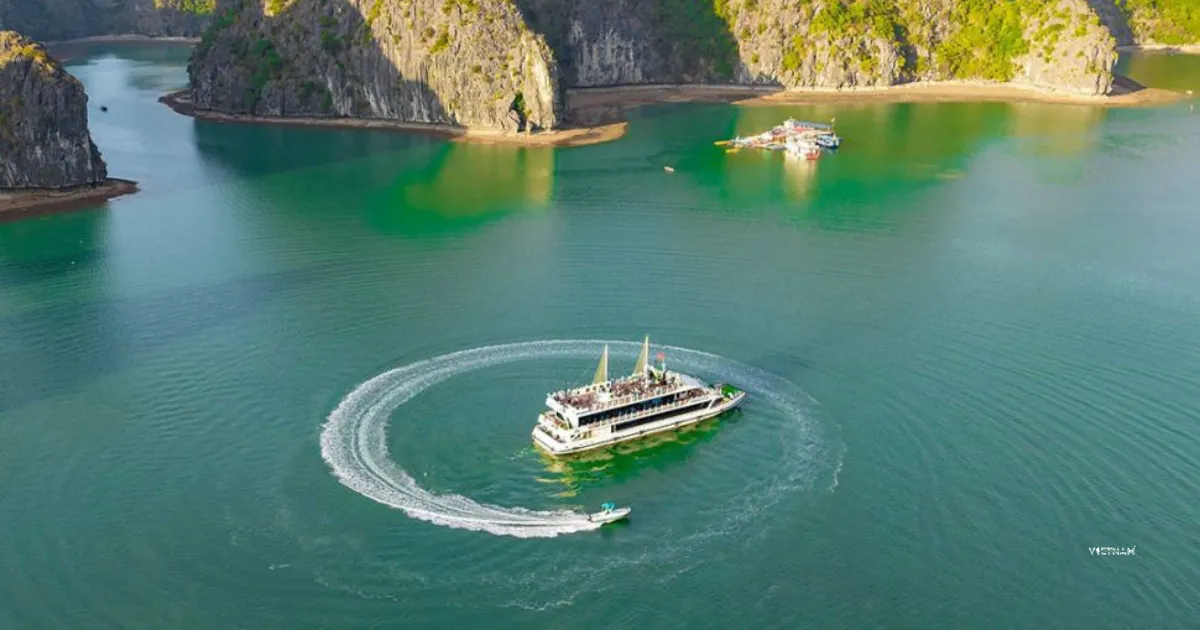
Phong Nha-Ke Bang is the world’s most extraordinary cave system — a UNESCO World Heritage landscape in Quang Binh Province, central Vietnam, containing over 300 surveyed caves including Son Doong, the largest cave on Earth, and Paradise Cave, whose 31-kilometre passage makes it the longest dry cave in Asia. Beyond the caves, its 123,000 hectares of primary karst forest, jungle trekking routes, and the vibrant riverside town of Phong Nha make it one of Vietnam’s most complete multi-activity destinations.
This guide covers everything: which caves to prioritise, how Son Doong expeditions work, the best jungle treks, when to visit, how to get there from Hue and Hanoi, where to stay in Phong Nha town, and the honest local knowledge that shapes whether this trip is good or exceptional.
Jump to: Why Phong Nha | The Caves Guide | Son Doong Cave | Things to Do | Jungle Trekking | Best Time to Visit | Getting There | Where to Stay | 3-Day Itinerary | Travel Tips | FAQ
Phong Nha-Ke Bang National Park at a Glance
| Quick Fact | Details |
|---|---|
| Location | Quang Tri Province (former Quang Binh Province), Central Vietnam — 500 km south of Hanoi, 160 km north of Hue |
| UNESCO Status | World Heritage Site (2003, extended 2015) — “Outstanding universal value” for karst geology and biodiversity |
| Cave Count | 300+ surveyed caves — more being discovered annually |
| Son Doong | World’s largest cave by volume — 5 km long, 200 m tall, large enough for a 40-story building |
| Distance from Hanoi | ~500 km / 9–10 hrs by train (overnight) or 1 hr by flight |
| Distance from Hue | ~160 km / 3–3.5 hrs by car or bus |
| Base Town | Phong Nha Town (Son River) — 17 km from park entrance |
| Best Time to Visit | February–August (dry season). Avoid September–November (flooding season). |
| Recommended Stay | 3 nights minimum; 4–5 nights for Son Doong or multi-cave expedition |
| Key Caves | Son Doong · Paradise Cave · Phong Nha Cave · Dark Cave · Hang En · Tu Lan system |
| Son Doong Access | Exclusive to Oxalis Adventure — 6-day expedition, $3,000+ per person, extremely limited availability |
Why Phong Nha-Ke Bang? An Honest Local Perspective
Phong Nha-Ke Bang doesn’t require much justification — it contains the world’s largest cave. But the honest framing for planning purposes is that most visitors arrive expecting caves and leave having experienced something broader: a functioning jungle ecosystem where rivers disappear underground, where cave systems contain their own weather patterns and ecosystems, and where the karst geology creates a landscape type found at this scale almost nowhere else on Earth.
The base town of Phong Nha has evolved over the past decade from a single-street riverside settlement to a small, genuinely charming travel hub with excellent food, good accommodation at every price point, and a community of guides, tour operators, and local families who have made it one of the most traveler-friendly bases in central Vietnam. The caves are the reason to come; the town is the reason to stay longer than planned.
Here’s what specifically makes Phong Nha-Ke Bang exceptional:
- Son Doong is genuinely unlike anything else on Earth. The world’s largest cave by volume is not just a superlative — it is a scale of underground space that the human mind struggles to contextualise. The cave contains its own jungle, its own weather, its own clouds forming at the ceiling. The 6-day expedition to explore it is one of the most exclusive and physically demanding adventure experiences available anywhere, and one of the few that consistently exceeds rather than meets its extraordinary reputation.
- The cave range means every budget and fitness level is served. From the boat tour through Phong Nha Cave (accessible to all, no physical requirement) to the 2-day Hang En camp inside the cave, to the 4-day Tu Lan system wilderness expedition, to the 6-day Son Doong — the park offers the most complete range of cave experiences available at a single destination anywhere in the world.
- The jungle ecosystem is as remarkable as the caves. Phong Nha-Ke Bang’s 123,000 hectares of primary karst forest — largely inaccessible outside of guided expedition routes — contains species found nowhere else in Vietnam. The jungle sections of the Hang En and Tu Lan treks are as biologically impressive as the caves themselves. Primates, hornbills, and endemic flora are regularly encountered on multi-day routes.
- The town of Phong Nha is one of the best in central Vietnam. Positioned on the Son River below the karst hills, with a growing number of excellent restaurants, a strong backpacker and independent traveler community, and a riverside atmosphere that encourages staying longer — Phong Nha town is itself a reason to visit, not merely a transit point for the caves.
- The geology is actively being discovered. New caves are found in Phong Nha-Ke Bang almost every year by Oxalis, the British Cave Research Association, and local speleologists. The park contains an estimated 900+ caves, of which only 300 have been surveyed. This active discovery dimension — the sense that the exploration is ongoing — gives the destination a quality that no other cave system in the world currently matches.
The Phong Nha Caves Guide: Which Cave Is Right for You
The most important planning decision for a Phong Nha trip is which caves to prioritise. The range — from 30-minute boat tours to 6-day wilderness expeditions — is wider than any single guide can cover exhaustively. Here is the honest, practical breakdown:
| Cave | Type | Duration | Difficulty | Price (approx.) | Verdict |
|---|---|---|---|---|---|
| Phong Nha Cave | Boat tour (river cave) | 1.5–2 hrs | None — seated boat | $5–$8 pp | The original cave — the one that gave the park its name. River boat passage through illuminated stalactite chambers. Beautiful but relatively short. Good for all ages and fitness levels. Not the most dramatic cave in the park but historically significant and culturally atmospheric. |
| Paradise Cave (Thien Duong) | Walk-through dry cave | 2–3 hrs | Easy (wooden boardwalk) | $15–$20 pp | Most recommended for first-time visitors. At 31 km long (1 km open to the public on the standard ticket), Paradise Cave has formations of exceptional scale and variety — the largest stalactites in Vietnam. The 7 km deep access (Oxalis exclusive) reaches sections no standard tour enters. Stunning even on the public route. |
| Dark Cave (Hang Toi) | Adventure cave — zip line, kayak, mud pool | 3–4 hrs | Easy–Moderate (activities-based) | $25–$35 pp | The most fun cave experience in the park — zip line over the Son River into the cave entrance, kayak through the dark interior, swim in the luminescent blue pool, and emerge covered in the cave’s therapeutic mud. No great formations, but an extraordinary activity experience. Highly recommended as a complement to Paradise Cave. |
| Hang En Cave | 2-day jungle trek + cave camp | 2 days / 1 night | Moderate (6–8 km trekking each day) | $290–$350 pp | The third-largest cave in the world — camp overnight inside the cave, swim in the underground river, watch swiftlets (the cave’s namesake) return at dusk. The cave contains its own ecosystem including jungle growing in the doline (roof collapse) sections. The most accessible multi-day expedition and one of the most rewarding experiences in Vietnam. |
| Tu Lan Cave System | 2–4 day jungle and cave expedition | 2–4 days | Moderate–Difficult (river wading, cave swimming) | $200–$550 pp (by duration) | A network of six interconnected caves explored by swimming, wading, and trekking through jungle — the most varied cave system accessible in the park. The 4-day circuit is the best multi-day cave experience available without Son Doong-level commitment. Limestone formations, underground rivers, jungle camps, and wildlife encounters across four days. |
| Son Doong Cave | 6-day wilderness expedition | 6 days / 5 nights | Difficult (14+ km trekking, fixed rope sections, river crossings) | $3,000 pp | The world’s largest cave. 500 total places per year, exclusive to Oxalis Adventure. Typically sells out 12–18 months in advance. See dedicated section below for full detail. |
The honest recommendation for a 3-day first visit: Paradise Cave (Day 1 morning) + Dark Cave (Day 1 afternoon) + Hang En 2-day expedition (Days 2–3). This combination covers the full range — world-class dry cave formations, adventure activities, and an overnight wilderness experience inside one of the world’s largest caves — without Son Doong commitment. For travelers who want to go further: add the Tu Lan 4-day system as a separate trip or extend to 5–6 days on-site.
Son Doong Cave: The World’s Largest Cave
Son Doong (“Mountain River Cave”) was discovered by a local farmer named Ho Khanh in 1991 and first fully explored by the British Cave Research Association in 2009. Its dimensions — 5 km long, up to 200 metres tall and 150 metres wide, with a volume of approximately 38.5 million cubic metres — make it the largest known cave passage on Earth by a significant margin. The cave contains an underground jungle in its doline sections, its own river, its own weather system (clouds form at the cave ceiling), and cave pearls the size of baseballs.
Key Facts About Son Doong
- Access is exclusive to Oxalis Adventure. By Vietnamese government mandate, only Oxalis Adventure Tours (the company that co-led the first exploration with the BCRA) is authorised to conduct Son Doong expeditions. No other operator can legally take guests inside.
- 500 places per year — total. The government cap is 500 visitors annually, divided across approximately 50 expedition groups of 10 people each. This is not a marketing limitation — it is a legally enforced conservation ceiling that will not increase.
- The expedition runs March to August only. Son Doong is inaccessible during the September–November rainy season when the cave’s underground river rises to dangerous levels. The season window is approximately March 1 to August 31.
- The cost is $3,000 per person. All-inclusive (camp equipment, food, safety personnel, permits, local guide team of 25+ staff per group). This is non-negotiable and has not decreased since the price was set. Attempts to find cheaper access are scams — there are none.
- Booking opens for the following season on approximately September 1. The 500 places typically sell out within days of opening — often within hours for the most popular departure dates. If Son Doong is on your list, you need to plan 12–18 months ahead and set a calendar reminder for September 1 booking opening.
- Physical requirements are genuine. Participants must be able to trek 10–14 km per day through jungle terrain, wade through underground rivers, and use fixed ropes on steep sections inside the cave. A basic fitness level is required; extreme athletic ability is not. Oxalis conducts medical pre-screening for all participants.
The 6-Day Son Doong Expedition Structure
| Day | Programme |
|---|---|
| Day 1 | Phong Nha → jungle trek to Hang En (3 km) → camp inside Hang En cave. The approach through primary jungle is itself extraordinary; Hang En camp is a warm-up for the scale ahead. |
| Day 2 | Hang En → Son Doong entrance → first exploration of the cave interior → Camp 1 inside Son Doong. The entrance section reveals the cave’s first doline and the underground jungle. |
| Day 3 | Deeper exploration of Son Doong — the Great Wall of Vietnam (a 90-metre calcite barrier), the second doline with its own jungle, cave pearls and formations. Camp 2 deeper inside. |
| Day 4 | The furthest reaches of the permitted zone — the Watch Out for Dinosaurs section (massive jungle-filled doline), crystal-clear underground pools, the cave’s most remote formations. Return to Camp 1. |
| Day 5 | Exit Son Doong via the same route, revisiting sections in different light conditions. Hang En overnight. |
| Day 6 | Trek back through jungle to Phong Nha. Debrief and farewell dinner. |
Is Son Doong worth $3,000? This is the most common question we receive about Phong Nha. Our honest answer: yes, for the right person. Son Doong is not comparable to other cave tours — it is a 6-day wilderness expedition to a place that 99.99% of humans will never see. The $3,000 price reflects genuine operational costs (25+ staff, safety infrastructure, pack-in pack-out environmental management) and conservation funding. For travelers for whom this aligns with both budget and adventure appetite, it consistently exceeds expectations. For those who experience remarkable caves in the Tu Lan or Hang En format and feel satisfied, that is also a legitimate outcome at a fraction of the cost.
Interested in Son Doong but not sure about the timeline or fitness requirements? Our team works directly with Oxalis Adventure and can advise on booking windows, availability checks, and which preparation programme best fits your current fitness level. Message us on WhatsApp →
Best Things to Do in Phong Nha
1. Phong Nha Town — The Riverside Base
Phong Nha town, on the banks of the Son River below the karst hills, has evolved into one of central Vietnam’s most pleasant travel bases. The main street is lined with excellent restaurants (Jungle Bar, The Pub with Cold Beer, and Bamboo Cafe consistently rated highly by travelers), several good-value guesthouses and boutique hotels, and the boat pier where morning tours depart. The town’s scale is human — you can walk the full length in 10 minutes — and the evening atmosphere along the riverfront, with the karst hills silhouetted against the sunset, is genuinely beautiful. Spending an unscheduled half-day wandering the town and talking to other travelers is consistently part of the Phong Nha experience rather than lost time.
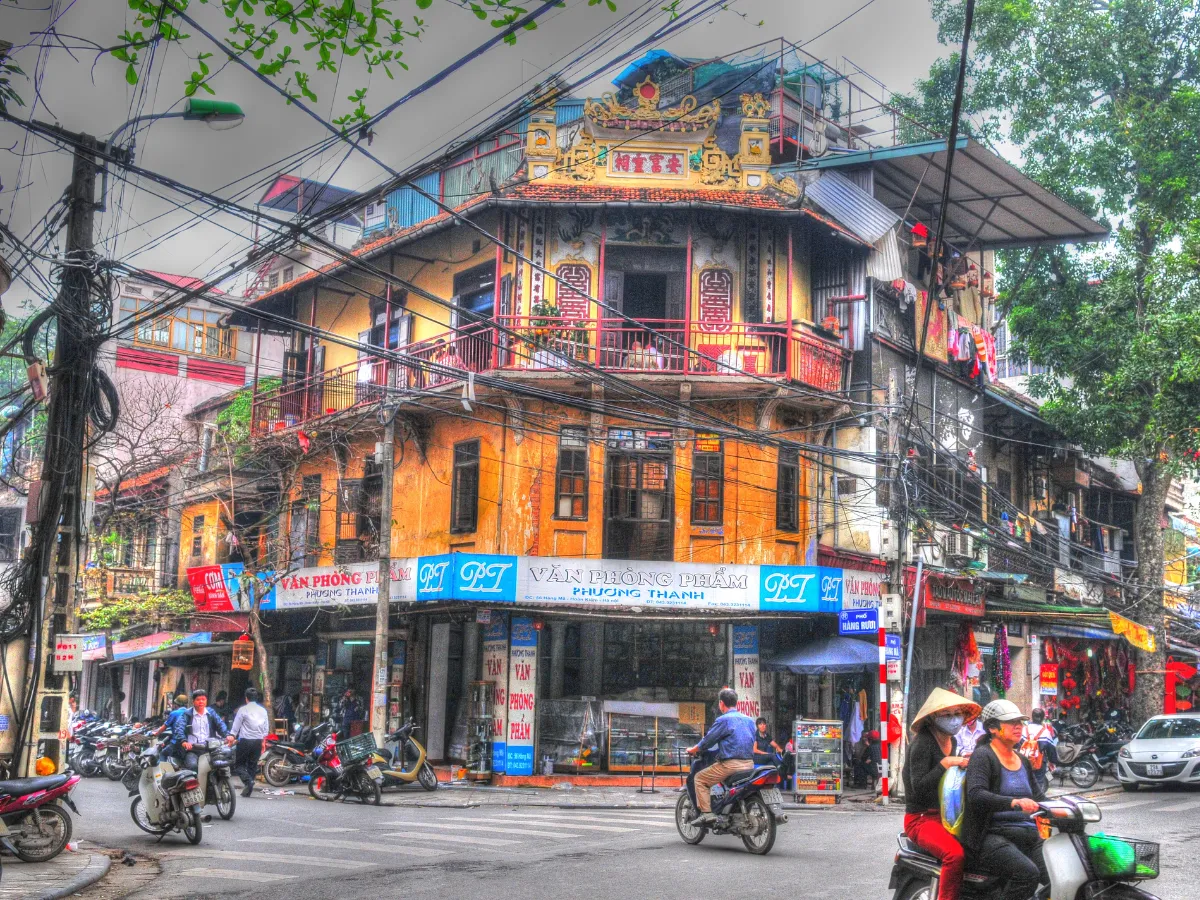
Hanoi Old Quarter
The Heart of Hanoi
2. Cycle the Ho Chi Minh Road (West)
The Ho Chi Minh Road (Western Branch), 10 km from Phong Nha town, runs through a dramatic karst valley that served as a primary supply route during the American War. Cycling this section — flat to moderate, past limestone peaks, bomb crater ponds, and old-growth forest sections — is one of the best half-day cycling experiences in central Vietnam. Bicycle rental from Phong Nha town: 80,000–120,000 VND/day. The 25 km round trip to the Ho Chi Minh Road lookout point includes a viewpoint over the Phong Nha valley that most visitors never find.

Hoan Kiem Lake
Central Lake in the Heart of Hanoi
3. Phong Nha Botanic Garden and Endangered Primate Centre
The botanic garden adjacent to the park, 7 km from town, contains a rescue and rehabilitation centre for critically endangered primates — primarily gibbons and langurs confiscated from the illegal wildlife trade. The semi-wild individuals can be heard calling from the forest canopy above the visitor paths. A 2-hour morning walk through the garden and primate areas (best before 9:00 AM when the animals are most active) adds a wildlife conservation dimension to the Phong Nha experience that the cave tours don’t provide.
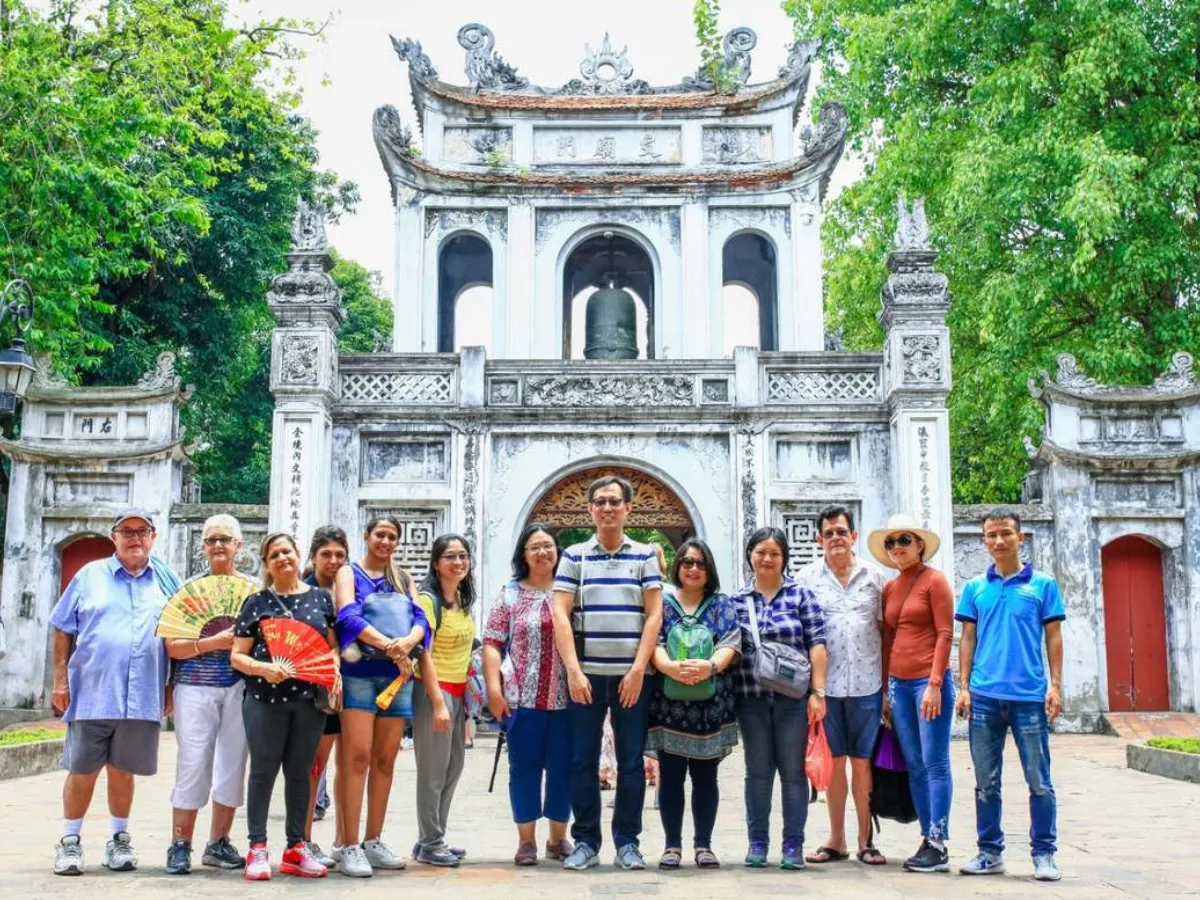
Temple of Literature
The First University in Vietnam
4. Son River Kayaking
The Son River from Phong Nha town to the cave system area is excellent kayaking — calm current, karst peaks rising from the riverbanks, occasional local fishermen, and the cave entrance itself visible from the water before the boat tour. Several operators offer half-day kayaking circuits that include a section of the river not covered by the standard boat tours. The early morning (6:30–8:30 AM) river in mist, before the tourist boats begin, is one of the most atmospheric versions of the Phong Nha landscape available without a cave ticket.
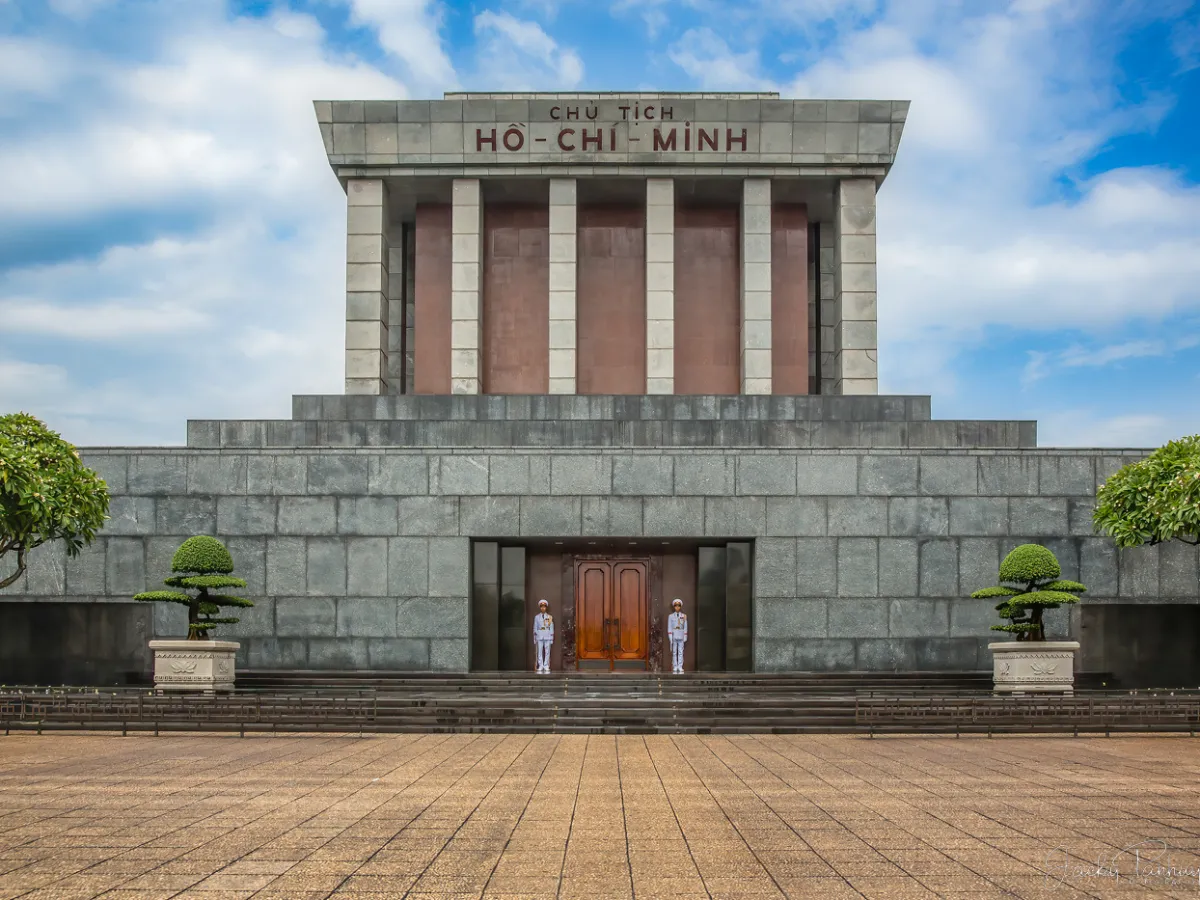
Ho Chi Minh Mausoleum
A Final Rest of National Hero
5. Nuoc Mooc Spring (Eco Trail)
The Nuoc Mooc spring system, 15 km from Phong Nha town, is where water from the underground cave rivers emerges into a series of turquoise spring pools in the forest. A 2-km eco trail along the spring system passes swim spots, suspension bridges, and karst forest sections. Entry: 60,000 VND. Swimming in the spring pools — cold, clear, with the cave system’s mineral content giving them a distinctive colour — is one of the best free-form activity options in the park. Best visited mid-morning on weekdays when domestic tour groups are occupied elsewhere.

Water Puppet Show
A Must-See in Hanoi
6. Duck Stop & Duck Leader Experience
Located near the Phong Nha is famous The Duck Stop, this quirky countryside attraction delivers one of the most memorable local experiences in Central Vietnam. Travelers can feed and interact with hundreds of ducks, enjoy the hilarious “Duck Leader” challenge, and discover authentic farming traditions from friendly local hosts. Set among peaceful rice fields and rural villages outside Phong Nha, it’s an ideal stop for families, backpackers, and culture seekers wanting something different beyond the caves. Late afternoon is the best time to visit for cooler temperatures and a more relaxed atmosphere.

Vietnamese Banh Mi
A Must-Try in Hanoi
Phong Nha Jungle Trekking: Beyond the Caves
The trekking in Phong Nha-Ke Bang’s primary forest is among the most biologically rich available in Vietnam — the karst terrain creates a mosaic of habitats inaccessible to roads and agriculture. Most trek routes are integrated with cave exploration rather than being standalone walking routes:

| Trek | Duration | Difficulty | Operator | Highlights |
|---|---|---|---|---|
| Hang En 2-Day Trek | 2 days / 1 night | Moderate — 6–8 km/day, river crossings | Oxalis (exclusive) | Primary jungle approach, the world’s 3rd-largest cave, overnight camp inside, underground river swimming, swiftlet colony at dusk |
| Tu Lan 2-Day | 2 days / 1 night | Moderate — river wading, some swimming | Oxalis (exclusive) | Three cave system in two days, underground river swimming, jungle camp, cave formations. Best introduction to multi-cave expedition format. |
| Tu Lan 4-Day | 4 days / 3 nights | Moderate–Difficult | Oxalis (exclusive) | Six cave system, deepest jungle penetration accessible without Son Doong, multiple underground river camps, the most complete cave–jungle combination available |
| Phong Nha Nature Trail | Half day | Easy–Moderate | Park-licensed guides | Primary forest walk above the cave system, limestone karst viewpoints, bird watching, no cave entry — good for non-cave visitors |
| Abandoned Valley Trek | Full day | Moderate | Local licensed operators | Former Bru-Van Kieu village sites in the karst valley, war-era historical sites, limestone forest, genuine wilderness feel close to town |
Note on Oxalis exclusivity: Oxalis Adventure has exclusive permits for Hang En, Son Doong, and Tu Lan cave systems — these cannot be accessed with any other operator. The exclusivity is a conservation measure (maximum group sizes, mandatory trained guides, rigorous waste management protocols) as much as a commercial arrangement. For the major multi-day cave experiences, Oxalis is the only booking option. For day caves (Paradise, Dark, Phong Nha), multiple operators and park-direct booking are available.
Best Time to Visit Phong Nha: Month-by-Month Guide
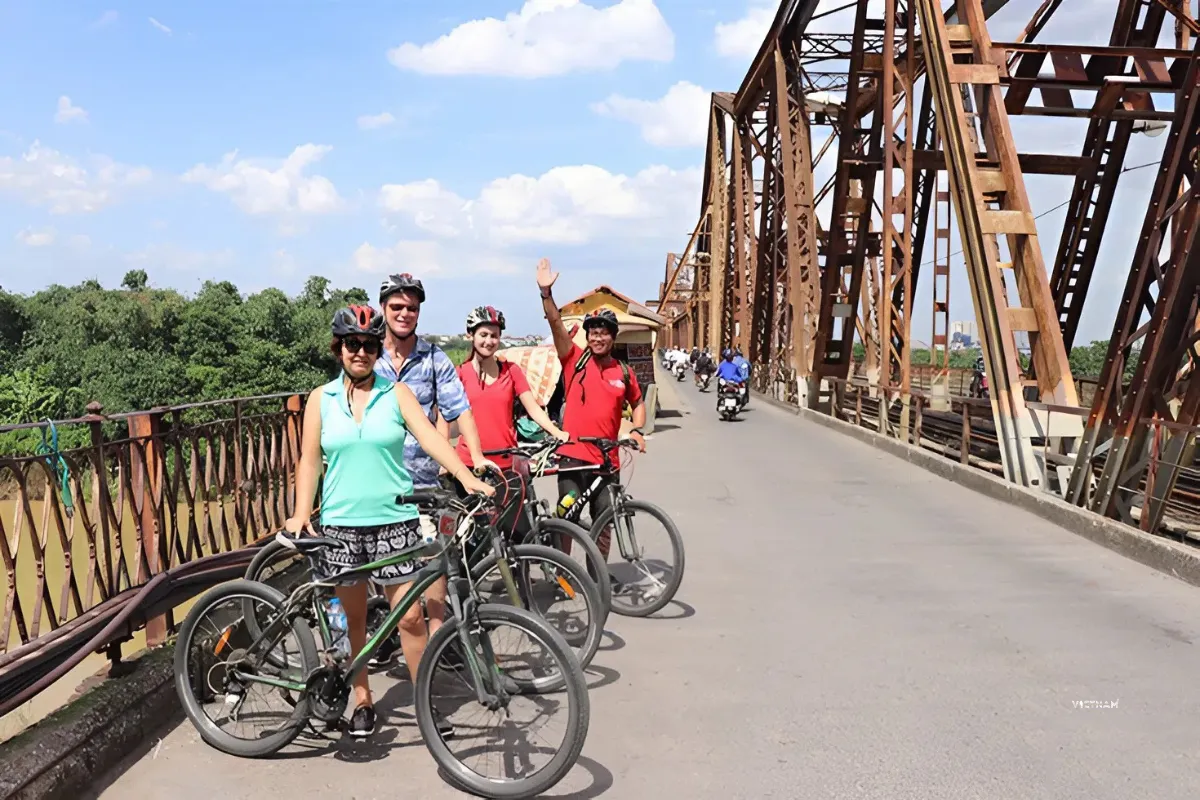
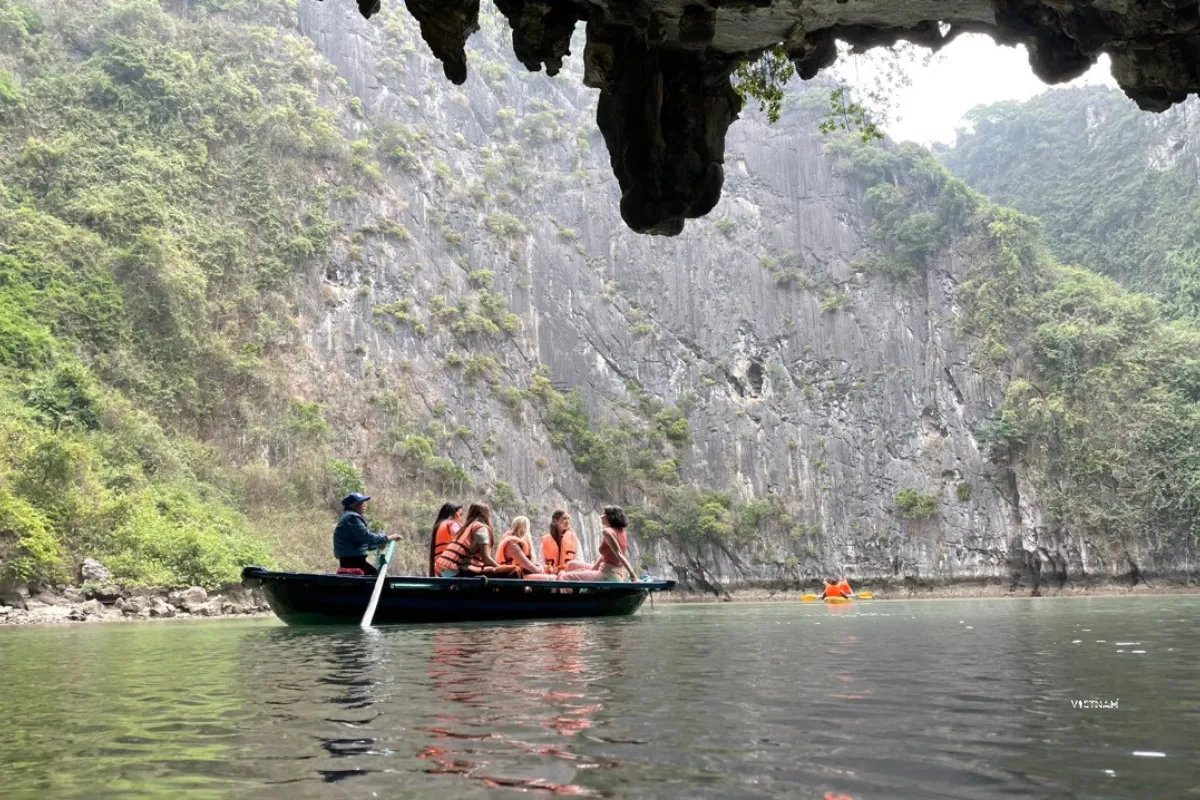
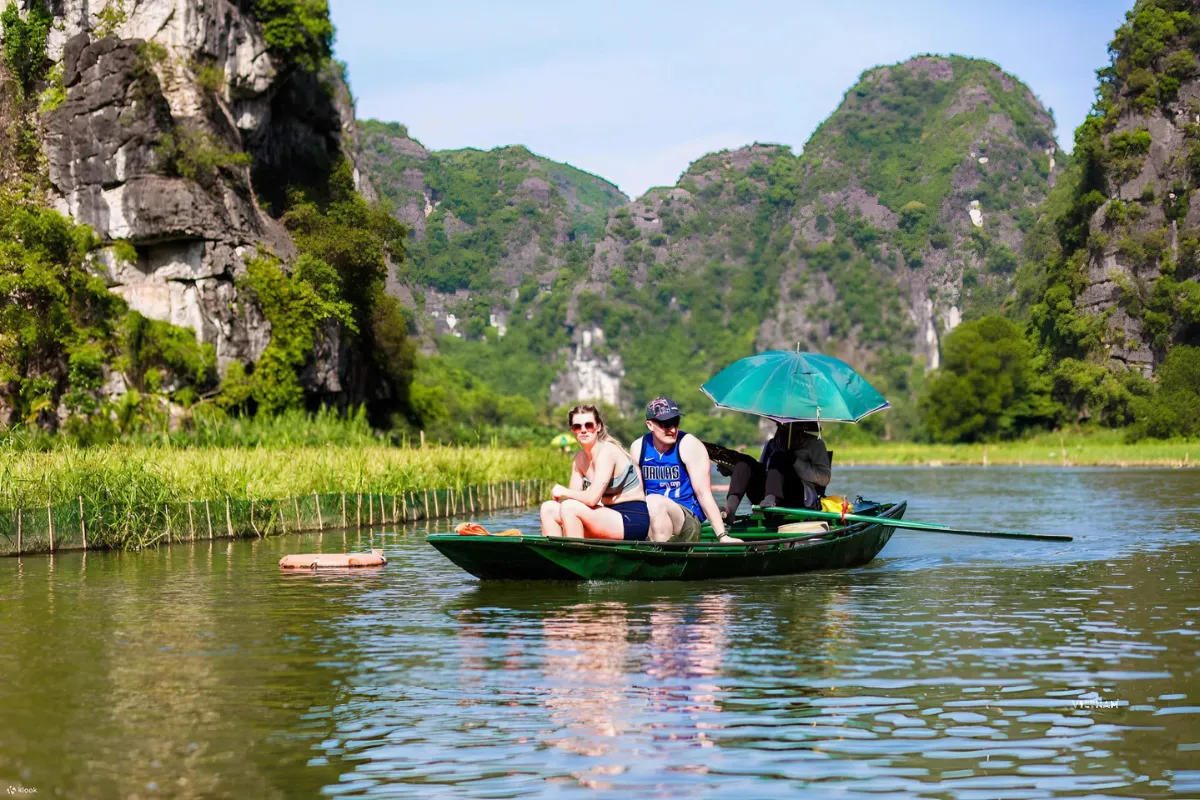
The best time to visit Phong Nha is February to August — the dry season in Quang Binh Province. The most important planning constraint is the September to November flooding season, when heavy monsoon rain raises underground rivers to dangerous levels and forces closure of all major cave expeditions. This is not a weather inconvenience — it is a genuine safety closure with no exceptions.
| Period | Conditions | Cave Access | Verdict |
|---|---|---|---|
| Jan – Feb | 18–22°C / 64–72°F. Cool, some drizzle, mostly manageable | Paradise and Phong Nha open. Hang En, Tu Lan, Son Doong closed until March. | Good for day caves and town experience. Expedition caves begin from March 1. Comfortable temperatures. February is a good compromise if expedition caves are not the priority — less humid than March–August. |
| Mar – Apr ⭐ | 22–28°C / 72–82°F. Warming, clear, excellent visibility | All caves open including Son Doong season start. | Excellent. The expedition cave season opens March 1 — earliest Son Doong departures are in March. Comfortable temperatures for jungle trekking. Not yet at summer heat levels. One of the two best windows. |
| May – Jun | 26–34°C / 79–93°F. Hot, some afternoon rain | All caves fully open. All expedition programmes running. | Good. All activities available. Heat is significant — underground caves provide temperature relief (constant ~18°C inside). The jungle trek sections are hot. Start all outdoor activities before 9:00 AM. |
| Jul – Aug ⭐ | 28–34°C / 82–93°F. Hot, end of expedition season approaches | All caves open. Son Doong season closes August 31. | Last window for expedition caves. Son Doong, Hang En, and Tu Lan run until approximately August 31. If August is your only option for expedition caves, go in early-to-mid August before the season wind-down affects available dates. The town is at its liveliest with summer travelers. |
| Sep – Nov ⚠️ | 22–30°C / 72–86°F. Heavy rain, flooding risk. October worst. | Hang En, Tu Lan, Son Doong CLOSED. Dark Cave often closed. Phong Nha Cave and Paradise Cave may operate with restrictions. | Avoid for cave expeditions. The underground rivers in Hang En and Son Doong rise to levels that make passage fatal. Closures are non-negotiable and safety-driven. The town itself is accessible but the primary reason to visit — expedition caves — is unavailable. Only visit September–November if you specifically want the day cave experience and have no interest in the expeditions. |
| Dec | 18–22°C / 64–72°F. Cooling, some drizzle | Day caves open. Expedition caves typically still closed. | Marginal. The expedition cave season is closed. Day caves are open and the town is quiet. Good for travelers combining Phong Nha with the central Vietnam coastal circuit (Hue, Da Nang, Hoi An) who want to see the accessible caves without expedition commitment. |
The critical planning point: If your primary reason for visiting Phong Nha is Son Doong, Hang En, or Tu Lan, your visit must fall between March 1 and approximately August 31. There is no flexibility on this — the caves are closed outside this window for genuine safety reasons, not for any logistical or commercial reason. Plan your entire itinerary around this constraint before booking flights.
How to Get to Phong Nha-Ke Bang National Park?
| Route | Duration | Cost (approx.) | Best For |
|---|---|---|---|
| Flight to Dong Hoi + car to Phong Nha | 1 hr (flight) + 45 min (car) | $30–$80 pp (flight) + $15–$20 (car/taxi) | Most practical for limited time. Dong Hoi Airport has direct flights from Hanoi (Vietnam Airlines, VietJet — multiple daily), Ho Chi Minh City, and Da Nang. Car or taxi from Dong Hoi Airport to Phong Nha town: 45 min, approximately 300,000–400,000 VND. The fastest and most flexible approach. |
| Overnight train Hanoi → Dong Hoi + car to Phong Nha | 9–10 hrs (train) + 45 min (car) | $20–$40 pp (soft sleeper) + $15–$20 (car) | Travelers who enjoy train journeys and aren’t paying for the flight. The overnight Hanoi–Dong Hoi train is comfortable in soft sleeper class; arriving at dawn means a full first day. Book on Vexere.com or Vietnam Railways website 1–2 weeks ahead. |
| From Hue by private car or bus | 3–3.5 hrs | $50–$70 (private car) / $8–$12 pp (bus) | Travelers on the central Vietnam coastal circuit. The Hue → Phong Nha road via National Highway 49 crosses the Hai Van Pass and offers mountain scenery en route. Many travelers combine Phong Nha with 2–3 days in Hue and 2–3 days in Hoi An on a central Vietnam circuit. |
| From Da Nang by private car | 4.5–5 hrs | $70–$90 (private car) | Travelers combining with Da Nang / Hoi An on central Vietnam circuit. The most common approach for international visitors flying into Da Nang. |
| Open bus / tourist bus from Hue or Da Nang | 3.5–5 hrs (with stops) | $8–$15 pp | Budget independent travelers. Multiple operators (The Sinh Tourist, Hue tourists) run direct Phong Nha services from Hue and Da Nang. Comfortable, air-conditioned, straightforward. |
Getting around Phong Nha: The town is walkable. For day trips to the caves and surrounding sites, Easy Rider motorbike hire (150,000–200,000 VND/day with or without driver) or bicycle rental are the most practical options. Park shuttle buses run to Paradise Cave and Phong Nha Cave entry points. For the Hang En and Tu Lan treks, Oxalis provides transport to trailheads in their tour price.
Where to Stay in Phong Nha?


| Type / Location | Best For | Vibe | Price (per night) |
|---|---|---|---|
| Phong Nha Town guesthouses and hostels | Solo travelers, backpackers, social atmosphere | Central, walking distance to riverfront restaurants and tour operators. The town’s hostel community is well-developed — Easy Tiger Hostel and Phong Nha Farmstay are consistently well-rated. Good social base for finding trek partners and sharing Oxalis tour costs. | $6–$25 per person (dorm–private) |
| Phong Nha Farmstay | Couples, longer stays, comfort + community | The original and most celebrated Phong Nha accommodation — a farmhouse property 2 km from town with rice paddies, a pool, and a communal atmosphere that has made it a reference point for the destination for 15 years. More expensive than town hostels but the experience is different in kind. | $40–$120 per room |
| Riverside boutique hotels (Phong Nha town) | Couples, comfort-seekers, views | Several mid-range boutique hotels with Son River views have opened in recent years — private rooms, en-suite, some with balconies facing the karst hills. Good value for the comfort level offered. | $30–$80 per room |
| Countryside homestays (5–10 km from town) | Quiet, nature-focused, authentic experience | Several local families offer homestay accommodation in the paddy valley between the town and the park entrance — rice fields, water buffalo, and silence. Good for travelers who want the landscape experience without the town atmosphere. | $15–$35 per person (meals sometimes included) |
Our recommendation: Stay in Phong Nha Town for the first 1–2 nights — the social atmosphere, restaurant access, and proximity to tour operators makes it the right base for the day cave activities. If doing the Hang En or Tu Lan multi-day expedition, the Oxalis camp accommodation inside the caves is genuinely extraordinary — there is nothing to improve on.
3-Day Phong Nha Itinerary: The Best Structure for First-Time Visitors
3-Day Phong Nha – Ke Bang National Park Itinerary. Discover the natural wonders of Phong Nha-Ke Bang National Park, home to spectacular caves, jungle landscapes, and underground rivers recognized by UNESCO. This 3-day adventure combines cave exploration, eco experiences, and authentic local culture in one of Vietnam’s most breathtaking destinations.

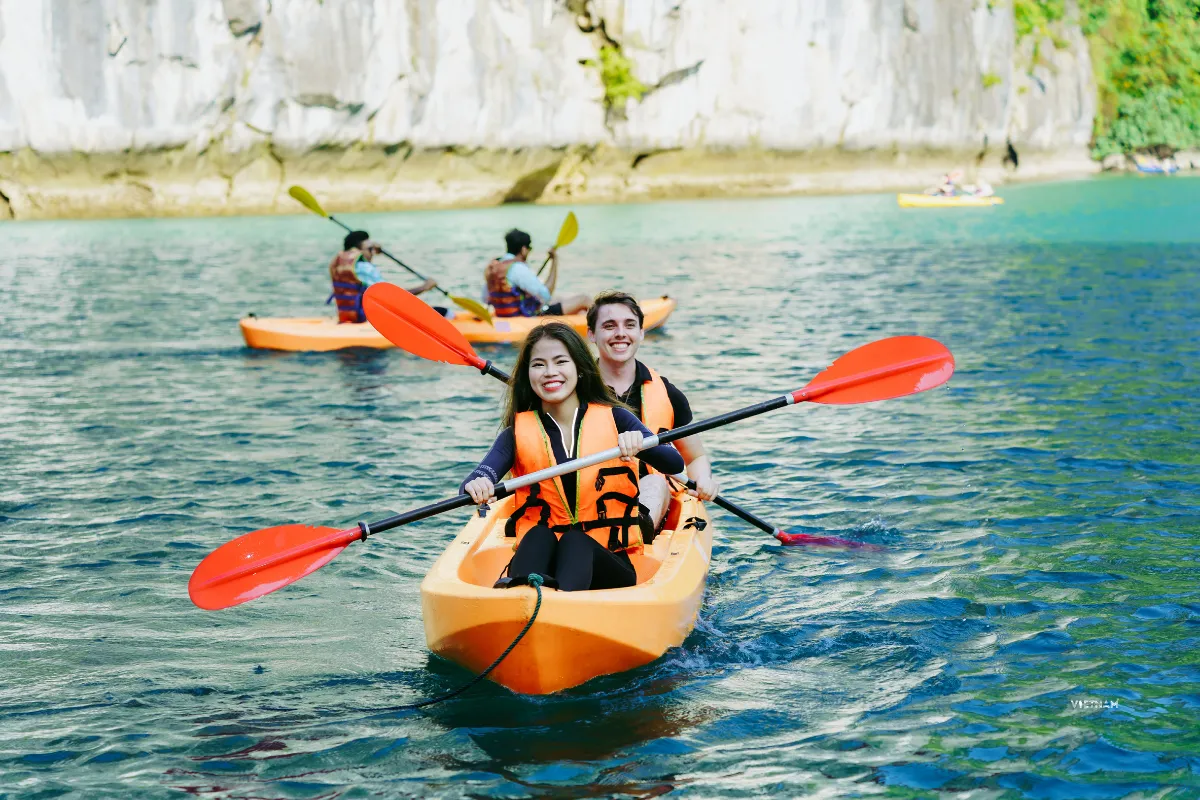

Day 1: Arrive → Paradise Cave → Dark Cave → Riverside Evening
- Arrive Phong Nha (by flight to Dong Hoi, train, or bus from Hue/Da Nang). Check in to guesthouse or hotel.
- 9:00 AM: Paradise Cave (Thien Duong) — the most visually spectacular cave accessible without an expedition commitment. The 1-km public boardwalk through formations of extraordinary scale takes 1.5–2 hours. Go early to avoid the midday tour group peak. The cave interior is a constant 18°C — bring a light layer.
- 12:30 PM: Lunch in Phong Nha town. Bún bò Huế (Hue-style beef noodle soup — this is central Vietnam, and the regional variant is spicier and more complex than Hanoi’s pho), bánh xèo (sizzling rice pancake), and cơm hến (baby clam rice — a Quang Binh specialty) are the regional dishes worth seeking out.
- 2:00 PM: Dark Cave (Hang Toi) — zip line entry, kayak through the dark interior, clay mud pool, underground swimming. Allow 3 hours. Completely different in character from Paradise Cave — adventure activities over geological contemplation. Arrive damp but enthusiastic.
- 6:00 PM: Return to town. Riverside dinner. The Jungle Bar and The Pub with Cold Beer are the most established traveler-oriented venues; for better food, the local restaurants one street back from the main tourist strip serve the same regional dishes at better quality.
- Overnight in Phong Nha Town
Day 2 & 3: Hang En 2-Day Expedition (Oxalis)
- This 2-day programme must be pre-booked through Oxalis Adventure — not available as a walk-in. Typical departure: 7:30 AM from Oxalis office in Phong Nha town. Transport, guide team, meals, and camp equipment all included in the tour price ($290–$350 pp).
- Day 2 morning: Transfer to trekking start point (45 min). Trek through primary jungle — the approach to Hang En passes through forest that hasn’t changed meaningfully in centuries. 6–8 km, 4–5 hours, moderate terrain with river crossings. The jungle section alone justifies the experience for natural history travelers.
- Day 2 afternoon: Arrive Hang En Cave — the world’s third-largest cave. The initial view from the entrance: a cave mouth 100 metres wide opening onto an underground beach and river. Camp is set up inside the cave on a sand bank. Afternoon: explore the cave interior, swim in the underground river, watch the Hang En swiftlets (tens of thousands of birds) return to roost at dusk — the sound and movement is overwhelming.
- Day 2 evening: Dinner cooked by the guide team inside the cave. Stars visible through the doline opening above. The sound of the underground river.
- Overnight inside Hang En Cave
- Day 3 morning: Dawn light entering through the doline above the campsite — one of the most photographed moments of the expedition. Final cave exploration before departure. Trek return to the road (6–8 km). Transfer back to Phong Nha by early afternoon.
- Day 3 afternoon: Return to town. Rest. Optional: Son River kayak or Nuoc Mooc Spring for a gentle recovery activity. Evening: the best meal of the trip at a riverside restaurant — the appetite after 2 days of trekking is consistent.
- Overnight in Phong Nha Town
- Booking note: Hang En dates sell out 2–4 weeks ahead during peak season (April–June). Book through Oxalis directly (oxalisadventure.com) or through our team who can check availability and handle the booking. The $290–$350 price is fixed — there are no discounts and no other operators legally offering this route.
Want Your Phong Nha Trip Arranged — Including Oxalis Expedition Booking?
Our team works directly with Oxalis Adventure and can check availability for Hang En, Tu Lan, and Son Doong expeditions against your travel dates, handle the booking process, and build the complete Phong Nha itinerary around your expedition dates. For Son Doong specifically, we can advise on the September 1 booking opening and join the waitlist on your behalf.
Request Your Free Phong Nha Itinerary →
Tell us your travel dates, which caves interest you, and your fitness level. We’ll send options within 4 hours.
Sale!
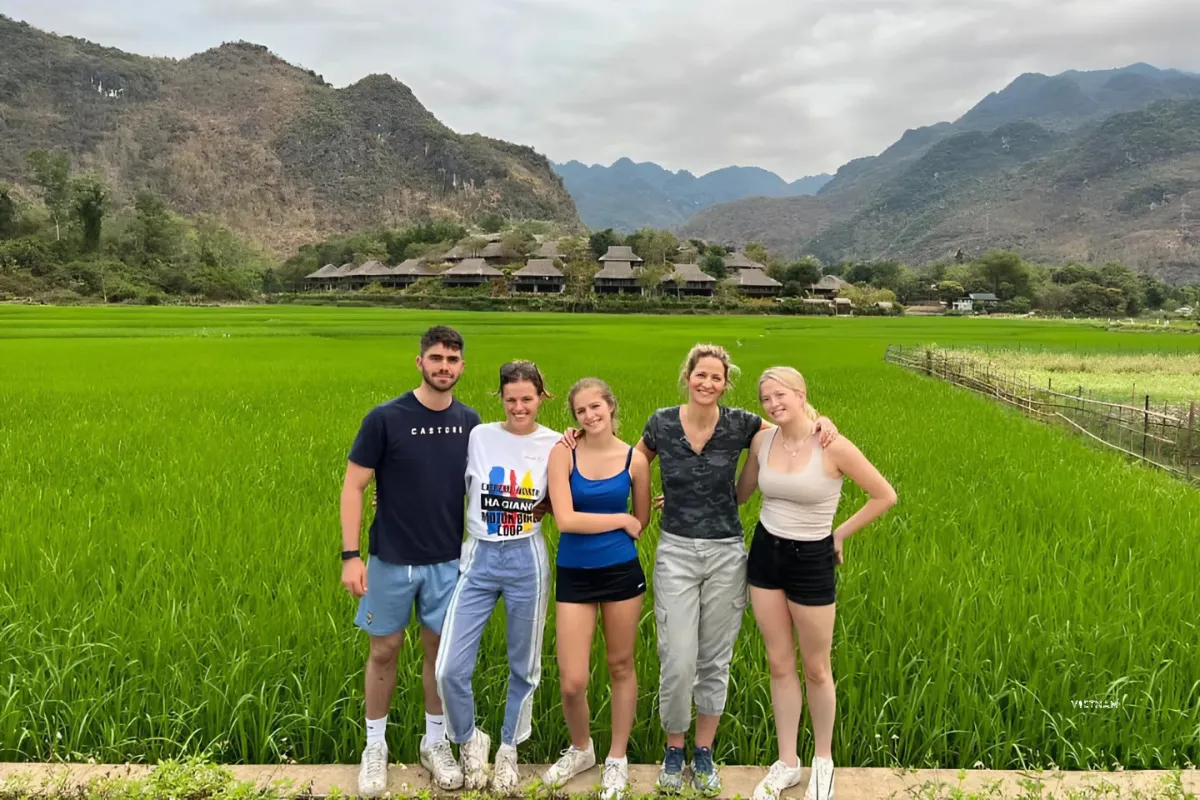
Private Mai Chau Day Trip And Waterfall & Hot Spring Bath

Place
Mai Chau

Duration
1D
Original price was: 175$.125$Current price is: 125$.
Sale!
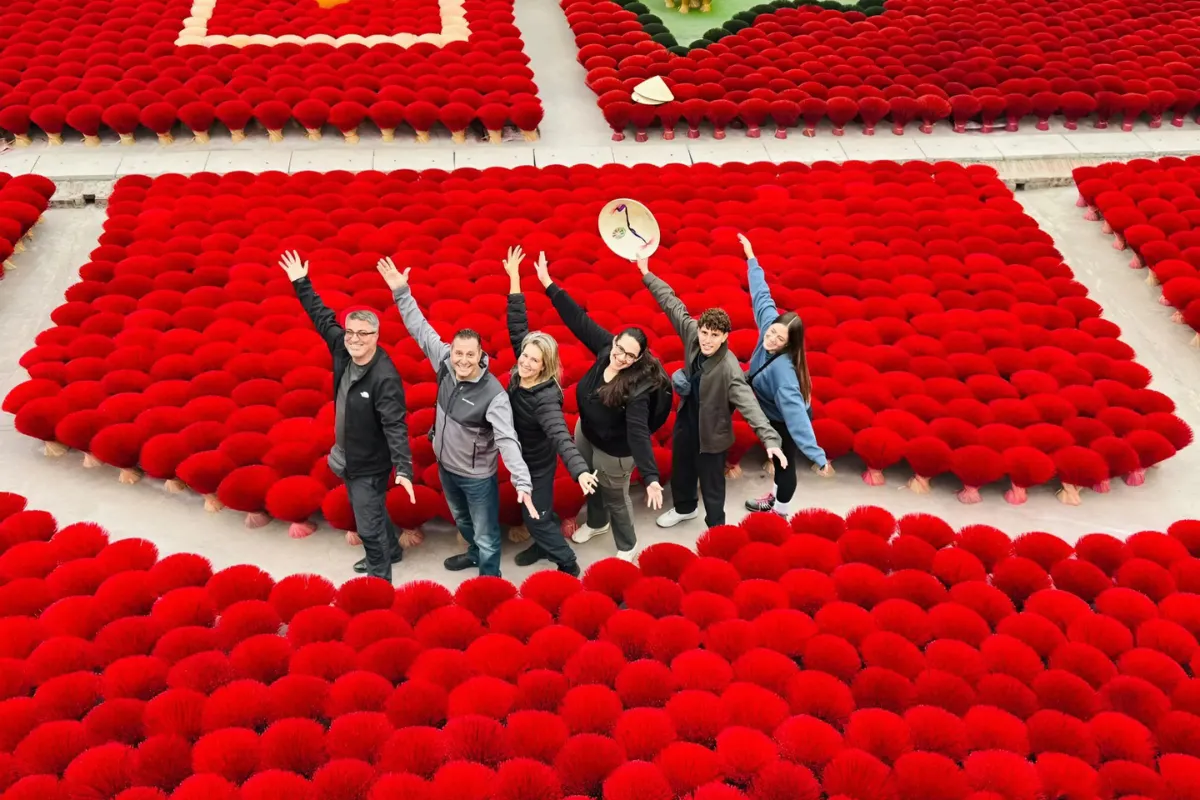
Authentic Hanoi Day Tour | Incense Village & Duong Lam Ancient Village
Place
Hanoi
Duration
1D
Original price was: 120$.105$Current price is: 105$.
Sale!
Hanoi Cycling Tour | Bat Trang, Kim Lan & Xuan Quan Flower Villages
Place
Bat Trang
Duration
1D
Original price was: 65$.55$Current price is: 55$.
Sale!
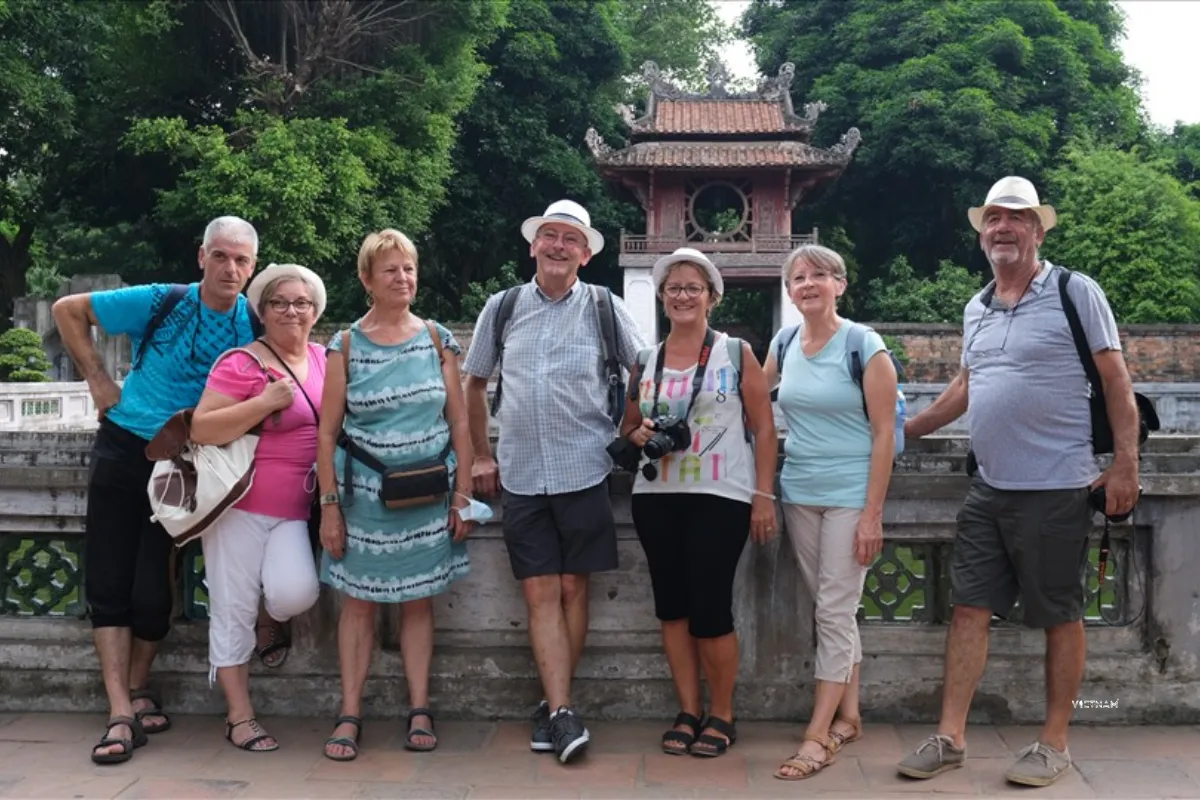
Half-Day Hanoi City Tour | Explore Iconic Landmarks in Just Few Hours
Place
Ha Noi
Duration
1D
Original price was: 50$.35$Current price is: 35$.
Sale!

Exclusive Hanoi Street Food Tour | Discover Hanoi’s Best Eats on Foot
Place
Ha Noi
Duration
1D
Original price was: 50$.35$Current price is: 35$.
Sale!

Hanoi City Tour | Highlights, Local Culture | Best of Hanoi in One Day
Place
Ha Noi
Duration
1D
Original price was: 55$.45$Current price is: 45$.
Sale!
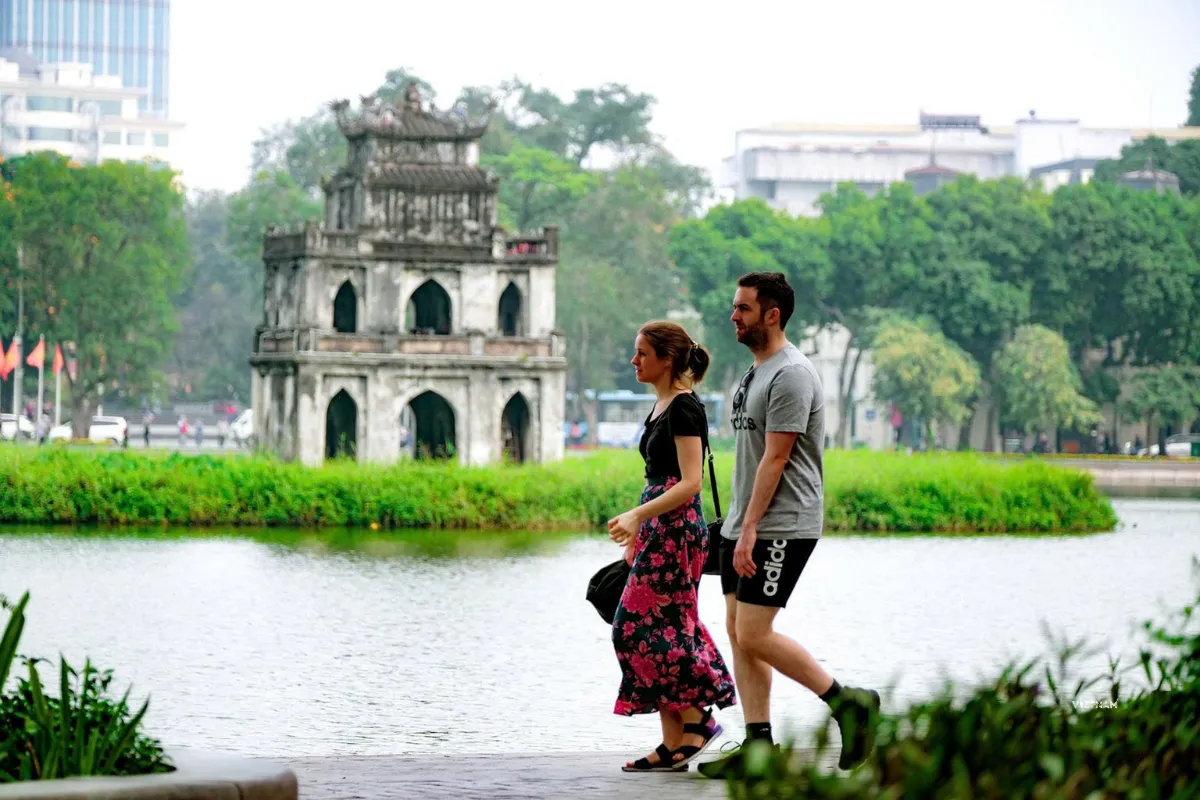
Top Hanoi City Walking Tour | Discover the Best of Hanoi in One Day
Place
Hanoi Capital City
Duration
1D
Original price was: 60$.50$Current price is: 50$.
Sale!

Incense Village Hanoi Tour | Explore Traditional Craft & Local Culture
Place
Quang Phu Cau
Duration
1D
Original price was: 85$.55$Current price is: 55$.
Beyond the Standard Circuit: Less-Known Phong Nha Experiences
The 7 km deep Paradise Cave (Oxalis exclusive): The standard Paradise Cave ticket covers 1 km of the 31-km cave. Oxalis Adventure offers an exclusive deeper access programme that takes small groups to the 7 km mark — sections of the cave no public visitor ever enters, where formations are untouched and the scale becomes even more extreme. For travelers who find the standard public route’s 1 km insufficient (which is a legitimate response — it ends abruptly in the middle of something extraordinary), the 7 km deep access is available as a standalone day option.

- The Bru-Van Kieu villages adjacent to the park: The Bru-Van Kieu ethnic minority — the indigenous inhabitants of the Phong Nha area, who lived in the cave valley before the park’s establishment — maintain villages at the park’s edge and within its buffer zone. Their knowledge of the cave system (it was a Bru-Van Kieu farmer who led the first outsiders to Son Doong) and their relationship with the karst landscape is deeper than any scientific survey. Community visits arranged through local operators (not the main cave tour companies) provide a cultural dimension to the Phong Nha experience that the cave tickets alone don’t offer.
- The American War history of the Phong Nha caves: During the American War (1964–1975), the cave systems of Phong Nha served as hospitals, supply depots, and shelter for thousands of Vietnamese civilians and military personnel — the limestone providing protection from aerial bombardment that no above-ground structure could offer. Several accessible cave sections retain evidence of their wartime use. The combination of natural wonder and human history in these spaces is profound; a guide who explains both dimensions provides a substantially richer visit than the standard geological tour.
- Dawn kayaking on the Son River through cave mist: The Son River in early morning — before 7:00 AM, before the tourist boats begin — carries mist off the karst hills and is at its most atmospheric. A kayak launched from the town boat dock at 6:00 AM, paddling upstream toward the cave entrance with the hills in silhouette and the mist on the water, produces the most purely beautiful version of the Phong Nha landscape. Available through several Phong Nha town operators; the earliest possible start time produces the best conditions.
- Night sounds in the karst forest: Several of Phong Nha’s guesthouses and homestays are positioned at the forest edge — close enough that the evening sounds of the karst ecosystem (gibbons calling at dusk, the specific insect chorus of primary limestone forest, occasional nocturnal birds) are audible from outside the rooms. For natural history travelers, this ambient experience — the forest communicating its presence through sound without any guided programme — is a specific pleasure worth seeking accommodation for.
Phong Nha in the Central Vietnam Circuit
Most international visitors to Phong Nha arrive as part of a central Vietnam journey. Here’s how it fits into the most common circuit structures:
| Circuit | Duration | Structure | Best For |
|---|---|---|---|
| Phong Nha + Hue | 5–6 days | Fly Hanoi → Dong Hoi (Phong Nha 3 nights) → Hue by car (2–3 nights) → fly Hue or Da Nang → Hanoi/HCMC | Best combination of natural wonder (caves) and cultural depth (Hue Imperial City). The most recommended short central Vietnam trip. |
| Phong Nha + Hue + Hoi An | 8–10 days | Fly Hanoi → Dong Hoi → Phong Nha (3 nights) → Hue (2 nights) → Hoi An (2–3 nights) → fly Da Nang → Hanoi/HCMC | The complete central Vietnam experience. Phong Nha provides the natural adventure; Hue the imperial history; Hoi An the ancient trading port atmosphere. The most popular central Vietnam international visitor circuit. |
| Son Doong Expedition + Hue | 10–12 days | Fly Hanoi → Dong Hoi → Phong Nha (6 days Son Doong expedition + 1–2 pre/post days) → Hue (2–3 nights) → fly Da Nang | For Son Doong participants. The expedition consumes 6 days; the recovery day in Phong Nha afterward is genuine. Hue provides cultural decompression after the wilderness intensity. |
Essential Phong Nha Travel Tips (From Our Local Team)
Book Oxalis expeditions as early as possible — not when you book flights. Son Doong sells out within hours of the September 1 booking opening. Hang En and Tu Lan sell out 2–4 weeks ahead in peak season (April–June). The correct sequence is: decide you want to do an Oxalis expedition → check availability and book → then plan flights and accommodation around the expedition dates. Reversing this sequence — booking flights first, then checking expedition availability — regularly results in missing the experience entirely.
The cave temperature is constant at around 18°C. Outside temperature in Phong Nha in May–August can reach 34°C. Entering Paradise Cave or the Hang En system from summer heat, the 16-degree temperature difference is immediate and significant — bring a light fleece or jacket to the caves regardless of the outside temperature. Tunnel syndrome (hypothermia from wet clothes in cold caves) is a real risk on multi-day expeditions; Oxalis provides dry bags and wetsuits for this reason.
- The September–November closure is not negotiable. If you read online that certain cave operators offer “off-season access” to expedition caves, this is false. The closures are safety-enforced, not commercially motivated. Flooding in the Son Doong and Hang En passages during October has historically reached levels that would be fatal to expedition groups. No reputable operator enters these systems during the closed season; anyone who offers to is either lying or operating illegally with significant safety risk.
- Phong Nha town restaurants are genuinely good — explore beyond the tourist strip. The main street caters efficiently to the traveler appetite for burgers, banana pancakes, and cocktails. The local restaurants one street back (and the market food stalls that appear in the evening near the boat dock) serve Quang Binh’s distinctive central Vietnamese cuisine — bánh xèo, bún bò Huế-style, and the fresh river fish from the Son River — at considerably better quality and lower prices than the tourist-oriented establishments. Ask your guesthouse owner where they eat.
- Sunrise on the Son River is worth the early alarm. The river mist dissipates by 8:00 AM on clear mornings. The walk from the town center to the boat dock at 5:45 AM — with the karst hills in pre-dawn silhouette and the river absolutely still — takes 10 minutes and costs nothing. It is the most accessible version of the Phong Nha landscape at its most atmospheric and requires no booking, no guide, and no entry fee.
- The best Phong Nha food experience requires knowing what to order. Central Vietnamese cuisine is distinct from both Hanoi’s northern dishes and the food in the Mekong Delta south — spicier, more herb-heavy, and with specific preparations (cơm hến, bánh xèo, bún hải sản) that are only excellent at source. A lunch stop on the main street that orders generic “Vietnamese food” misses what Quang Binh does specifically well. Ask your guide or guesthouse for the current best local spot for each dish.
Frequently Asked Questions — Phong Nha-Ke Bang Travel Guide
What is Phong Nha-Ke Bang famous for?
Phong Nha-Ke Bang is famous for containing Son Doong Cave — the world’s largest cave by volume, discovered in 1991 and first fully explored in 2009. The UNESCO World Heritage park has over 300 surveyed caves, including Paradise Cave (the longest dry cave in Asia at 31 km), Hang En (the world’s third-largest cave), and the Tu Lan cave system. Beyond the caves, the park is known for 123,000 hectares of primary karst forest, exceptional biodiversity, and the charming riverside base town of Phong Nha in Quang Binh Province, central Vietnam.
Is Son Doong the world’s largest cave?
Yes — Son Doong (Mountain River Cave) is the world’s largest known cave by volume, with an estimated 38.5 million cubic metres of space across a 5-km passage up to 200 metres tall and 150 metres wide. Discovered by a local farmer in 1991 and first fully explored by the British Cave Research Association in 2009, it is large enough to contain its own jungle, weather system (clouds form inside), and underground river. It surpasses the previous record-holder (Deer Cave in Malaysia) by a significant margin in both volume and passage dimensions.
How do I book Son Doong Cave?
Son Doong Cave can only be booked through Oxalis Adventure Tours — the exclusive operator by Vietnamese government mandate. The season runs March 1 to approximately August 31. Annual capacity is capped at 500 visitors. Bookings for each season open approximately September 1 of the preceding year and typically sell out within hours to days. The cost is $3,000 per person all-inclusive. To book: create an account at oxalisadventure.com, set a reminder for September 1 of the year before you plan to travel, and book immediately when the season opens. Any operator claiming to offer Son Doong access for less is a scam.
When is the best time to visit Phong Nha?
The best time to visit Phong Nha is February to August — the dry season in Quang Binh Province, when all caves are accessible. For expedition caves (Son Doong, Hang En, Tu Lan), the season is strictly March 1 to approximately August 31 — the caves are safety-closed September to November when underground rivers flood to dangerous levels. The most pleasant combination of temperature and cave access is March–April. Avoid September–November entirely if expedition caves are your primary reason for visiting.
Which cave should I visit in Phong Nha?
For first-time visitors with 3 days: Paradise Cave (the most visually spectacular dry cave, 1-km boardwalk, accessible to all) on Day 1 morning, Dark Cave (zip line, kayak, mud pool — adventure activities) on Day 1 afternoon, and the Hang En 2-day expedition (overnight inside the world’s third-largest cave) on Days 2–3. This combination covers geological wonder, adventure activities, and wilderness overnight experience. For travelers who want maximum cave depth without Son Doong commitment, the Tu Lan 4-day system is the next level up.
How do I get from Hanoi to Phong Nha?
The fastest route is a direct flight from Hanoi to Dong Hoi Airport (1 hour, $30–$80 depending on airline and booking time) followed by a 45-minute taxi or private car to Phong Nha town. Vietnam Airlines and VietJet both serve the route multiple times daily. The overnight train from Hanoi to Dong Hoi (9–10 hours, soft sleeper $20–$40) is a comfortable alternative that arrives in time for a full first day. From Hue, private car or tourist bus takes 3–3.5 hours and is the best approach for travelers doing the central Vietnam circuit.
Is Phong Nha worth visiting without doing Son Doong?
Absolutely yes. Son Doong is extraordinary but it is one of six major cave experiences available in Phong Nha. Paradise Cave alone — with its 31-km passage and formations larger than anything in Ha Long Bay’s show caves — is among the best cave experiences in Southeast Asia. The Hang En 2-day expedition is consistently rated as one of the top adventure travel experiences in Vietnam at a fraction of Son Doong’s cost. Dark Cave’s combination of zip line, kayak, and underground mud swimming is unique in the region. Phong Nha is fully worth visiting for any one of these experiences independently.
What is the difference between Phong Nha Cave and Paradise Cave?
Phong Nha Cave is a river cave accessed by boat — the original cave that gave the national park its name. A boat tour travels 1.5 km into the cave through illuminated stalactite chambers; the experience is scenic and historically atmospheric. Paradise Cave (Thien Duong) is a dry cave explored on foot via a 1-km wooden boardwalk through formations significantly larger and more varied than Phong Nha Cave — including stalactites up to 10 metres in diameter and columns of cathedral scale. For first-time visitors choosing between the two, Paradise Cave is the stronger geological experience; Phong Nha Cave is better for atmosphere and the boat approach through the karst landscape.
Plan Your Phong Nha Trip with a Local Expert
We’re a Vietnam-based travel company — and Phong Nha is the destination in our portfolio where the booking sequence matters most. The Oxalis expedition caves sell out months in advance, the season window is fixed, and the difference between arriving in the right month with the right expectations and arriving in October to find the major caves closed is the difference between the trip of a lifetime and a significant disappointment. When you plan with us, we get the timing right, handle the Oxalis booking before dates go, and build the rest of your central Vietnam circuit around the expedition schedule.
- Son Doong, Hang En, and Tu Lan booking through Oxalis Adventure — including waitlist management
- Season timing advice: we’ll tell you honestly whether your dates work for expedition caves
- Complete Phong Nha itinerary: day caves + expedition cave combination
- Central Vietnam circuit integration: Phong Nha + Hue + Hoi An
- Phong Nha accommodation in the right properties for your travel style
- Available 7 days a week — respond within 2–4 hours on WhatsApp
Get Your Free Phong Nha Trip Plan
Tell us your travel dates, which caves interest you, and your fitness level. We’ll check Oxalis availability for your window, advise on season timing, and send a complete itinerary with transparent pricing within 4 hours.
Request Your Free Phong Nha Itinerary →
Or message us directly on WhatsApp: +84 849 391 981
Explore More Northern Vietnam
- Hue Travel Guide — the natural circuit partner, 160 km south of Phong Nha
- Hoi An Travel Guide — complete the central Vietnam circuit
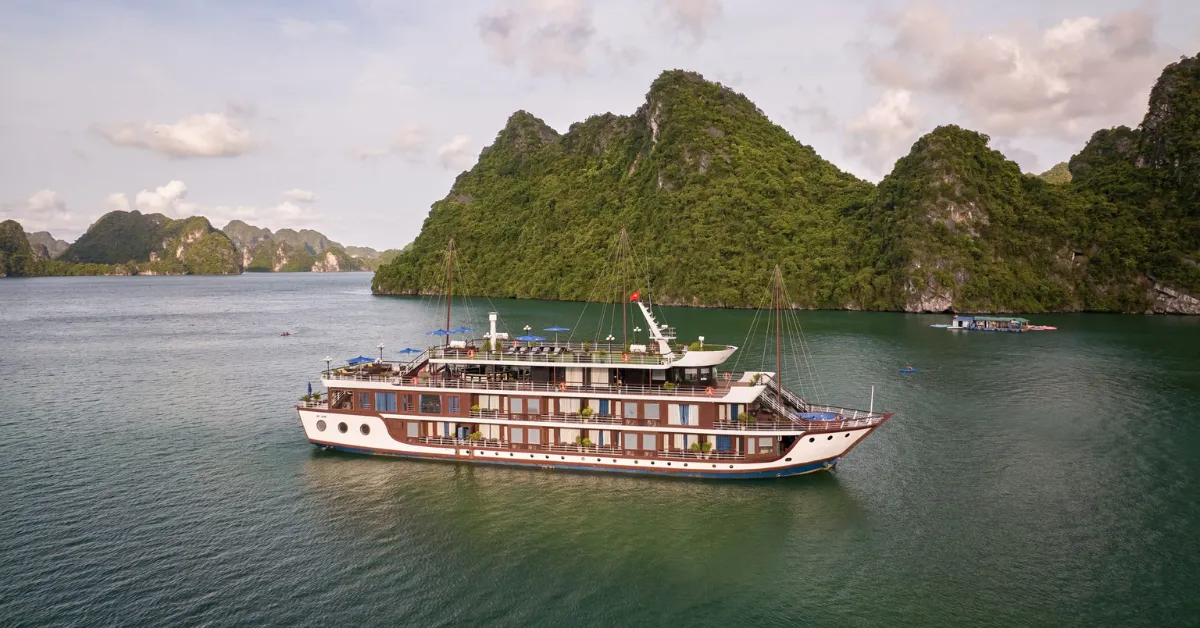
- Ha Long Bay Travel Guide — the coastal karst counterpart to Phong Nha’s underground world
- Ninh Binh Travel Guide — above-ground karst landscape 2 hours from Hanoi
- Hanoi Travel Guide — northern base for the full Vietnam circuit
- 10-Day Central Vietnam Itinerary — Phong Nha + Hue + Da Nang + Hoi An
- Browse Phong Nha Cave Tours →
- Son Doong Cave Expedition →