

Hue Travel Guide
Hue is Vietnam’s former imperial capital — a UNESCO-listed city on the Perfume River in central Vietnam where the Nguyen Dynasty ruled from 1802 to 1945, leaving behind a walled Imperial Citadel, seven royal tombs in the surrounding hills, and a refined culinary culture considered the most complex in the country. Quieter than Hanoi, deeper than Hoi An, and more historically layered than anywhere else in Vietnam, it rewards slow travel more than almost any destination in Southeast Asia.
This guide covers everything: the Imperial Citadel and what to prioritise inside it, the best royal tombs (and which ones to skip), Hue’s extraordinary food culture, how to explore the Perfume River properly, when to visit, and the local knowledge that separates a memorable Hue trip from a rushed one.
Jump to: Why Hue | Imperial Citadel | Royal Tombs | Things to Do | Hue Food Guide | Best Time to Visit | Getting There | Where to Stay | 3-Day Itinerary | Travel Tips | FAQ
Hue Imperial City at a Glance

| Quick Fact | Details |
|---|---|
| Location | Hue City (former Thua Thien Hue Province), Central Vietnam — 100 km north of Da Nang, 700 km south of Hanoi |
| UNESCO Status | Complex of Hue Monuments — World Heritage Site since 1993 |
| Historical Role | Capital of the Nguyen Dynasty (1802–1945) — the last imperial dynasty of Vietnam |
| Distance from Da Nang | ~100 km / 2.5–3.5 hrs by car (via Hai Van Pass) or 1 hr by flight |
| Distance from Hoi An | ~130 km / 3–3.5 hrs by car |
| Best Time to Visit | February–April (dry season, mild, clear skies). Avoid October–December (heavy rain, flooding). |
| Recommended Stay | 2 nights minimum; 3 nights to cover the citadel, tombs, and Perfume River properly |
| Key Sites | Imperial Citadel · Thien Mu Pagoda · Tu Duc Tomb · Minh Mang Tomb · Khai Dinh Tomb · Dong Ba Market |
| Signature Food | Bún bò Huế · Bánh khoái · Cơm hến · Bánh bèo · Royal Court cuisine |
| Perfume River | The Huong River flows through the city — boat tours, sunset cruises, dragon boat rides |
Why Visit Hue? An Honest Local Perspective
Hue operates at a different register from the rest of Vietnam’s central tourist circuit. Where Da Nang is energetic and modern, and Hoi An is lantern-lit and boutique, Hue is stately, melancholy, and quietly extraordinary. The city wears its history without performing it — you can walk the same streets that the last emperor of Vietnam walked in 1945 when he abdicated and handed his seal of power to Ho Chi Minh’s representative, and nothing about those streets announces their historical significance.
The honest framing: Hue is a city for people who want historical depth, not just attractive scenery. The Imperial Citadel requires real time to understand — rushing through it in 90 minutes produces a tick-box experience; spending a full morning produces something else entirely. The royal tombs require choices (seven exist, two are exceptional, two are interesting, three are largely skippable) that most travel content doesn’t help you make. And the food — the most refined in Vietnam, built over centuries of royal court cooking — rewards deliberate eating rather than the standard tourist restaurant circuit.
What genuinely makes Hue exceptional:
- The historical depth is unmatched in Vietnam. The Nguyen Dynasty ruled for 143 years from this city — 13 emperors, each leaving a different architectural legacy in the surrounding hills. The Imperial Citadel they built draws comparison with Beijing’s Forbidden City (it was modelled on it, with Vietnamese modifications). The complex of monuments recognised by UNESCO in 1993 spans an area of 500 km² around the city. No other Vietnamese city concentrates this much visible history in one accessible geography.
- The Perfume River is among Vietnam’s most beautiful urban waterways. The Huong River bends through the city with the citadel on one bank, tree-lined boulevards on the other, and the Thien Mu Pagoda visible on a promontory 5 km upstream. The river at sunset, seen from a dragon boat or from the Truong Tien Bridge, is one of the most specifically beautiful urban scenes in central Vietnam.
- Hue’s cuisine is the most refined in Vietnam. Royal court cooking — the tradition of preparing elaborate multi-dish meals for the emperor — created a culinary culture in Hue that filters through every level of the city’s food, from street stalls to formal restaurants. The specific dishes (bún bò Huế, cơm hến, bánh bèo, bánh khoái) are both extremely local and extremely good. Several are among the best dishes we’ve eaten anywhere in Vietnam.
- The city is genuinely less touristed than Da Nang and Hoi An. Despite its UNESCO status and historical significance, Hue sees significantly fewer international tourists than its southern neighbours. The royal tombs — particularly Tu Duc and Minh Mang, which are extraordinary — are often almost empty on weekday mornings. This gives Hue a quality of access to its own sites that the more visited central Vietnam destinations have lost.
- The approach via the Hai Van Pass is one of Vietnam’s great road experiences. The mountain pass between Da Nang and Hue — historically separating north from south Vietnam — climbs through cloud forest to 496 metres with views over the coast in both directions. Arriving in Hue via this road, rather than through the Hai Van Tunnel, adds a physical and historical dimension to the journey that the destination itself amplifies.

The Imperial Citadel: What to See and How to Use Your Time
The Hue Imperial Citadel (Kinh Thành Huế) is the most significant single heritage site in central Vietnam — a 520-hectare walled city within a city, modelled on Beijing’s Forbidden City and built between 1805 and 1833. It has three concentric layers: the outer Citadel walls (10 km perimeter, 6 metres high), the Imperial Enclosure (Hoàng Thành) inside, and the Forbidden Purple City (Tử Cấm Thành) at its centre — the emperor’s private quarters, now largely destroyed by the 1968 Tet Offensive.
Entry: 200,000 VND (~$8). Allow a minimum of 2.5 hours; 3.5–4 hours is better. The full complex is larger than most visitors expect — rushing produces an incomplete picture of what is actually one of the most remarkable walled imperial complexes in Asia.

The Essential Sites Within the Citadel
| Site | Why It Matters | Time Required | Best Time |
|---|---|---|---|
| Ngo Mon Gate (Noon Gate) | The primary entrance to the Imperial Enclosure — a five-arched gate with a pavilion where the emperor watched ceremonies. The most recognisable structure in Hue and the best single viewpoint for understanding the citadel’s scale. | 20 min | Morning (best light from the east) |
| Thai Hoa Palace (Palace of Supreme Harmony) | The throne room — the most important ceremonial building in the Nguyen Dynasty. The wooden throne, the 80 lacquered columns, and the painted ceiling are the finest surviving examples of Vietnamese imperial interior decoration. The building where Emperor Bao Dai abdicated in August 1945. | 30 min | Morning (softer light inside) |
| To Mieu Temple Complex | The ancestral temple complex in the southwestern section — containing the Hien Lam Pavilion (the most architecturally refined building in the entire citadel) and the Nine Dynastic Urns cast in 1835–1837, each weighing 1,300–2,600 kg and decorated with scenes from Vietnamese history, geography, and nature. The most contemplative space in the citadel. | 30–45 min | Morning or late afternoon |
| Forbidden Purple City ruins | The emperor’s private living quarters — 95% destroyed in the 1968 Tet Offensive and not yet restored. The ruins convey both the original scale of the complex (the Royal Theatre still stands and has been partially restored) and the violence of the war’s impact on the site. The most emotionally complex part of the citadel. | 30–45 min | Anytime |
| Truong Sa and Dong Ba Gates (citadel walls) | Walking sections of the citadel’s outer walls gives the best understanding of the fortification system — the moat, the earthen ramparts, the 10 gates. Less visited than the imperial enclosure interior but architecturally significant. | 30 min | Late afternoon (golden light on walls) |
| Royal Theatre (Duyet Thi Duong) | The partially restored imperial theatre — court performance programmes (traditional royal music and dance, nhã nhạc) run several times daily. The 45-minute performance is one of the most specific cultural experiences in Vietnam and is included in the citadel ticket. | 45 min (performance) | Check current performance schedule at ticket booth |
The honest citadel strategy: Arrive at opening (7:30 AM). Go directly to the Thai Hoa Palace before the tour groups arrive. Then the To Mieu complex (usually uncrowded at this hour). Then the Forbidden Purple City ruins and Royal Theatre. By 11:00 AM you have covered the best of the citadel with minimal crowd interference. The Ngo Mon Gate can be revisited on exit for the exterior photograph in the late morning light. Avoid visiting between 10 AM and 2 PM if heat is a concern — the citadel is almost entirely exposed to direct sun.
Planning the Hue + Hoi An + Da Nang central Vietnam circuit? Our team arranges private transport via the Hai Van Pass, citadel guide booking, and accommodation in the right Hue neighbourhoods. Message us on WhatsApp →
Hue Royal Tombs: Which to Visit and Which to Skip
The seven royal tombs of the Nguyen emperors are scattered across the pine-forested hills 5–15 km south of Hue city along the Perfume River. Each is a self-contained complex — the emperor designed his own tomb during his lifetime, creating a philosophical statement about his reign as much as a funerary monument. They are among the most architecturally and historically interesting sites in Vietnam, and the most consistently under-visited relative to their quality.
The honest ranking and recommendation:
| Tomb | Emperor | Character | Entry Fee | Our Verdict |
|---|---|---|---|---|
| Tu Duc Tomb ⭐⭐ | Emperor Tu Duc (reigned 1847–1883) | The largest and most romantic complex — 50 structures including pavilions, lake, gardens, and a secondary palace where Tu Duc lived for extended periods. Tu Duc was the most literary of the Nguyen emperors; the tomb complex reflects his aesthetics: pavilions for poetry writing, fish ponds for contemplation. Takes 90 minutes to explore properly. | 150,000 VND | Essential. The most atmospheric and most complete royal tomb in Hue. Visit in morning light. Do not rush. |
| Minh Mang Tomb ⭐⭐ | Emperor Minh Mang (reigned 1820–1841) | The most formally beautiful of the royal tombs — a geometric axis of gates, courtyards, steles, and pavilions leading to the burial mound through a symmetrical landscape garden. Modelled on Chinese imperial aesthetics but distinctly Vietnamese in its naturalistic elements. The approach through the pine forest and along the lake is exceptional. | 150,000 VND | Essential. The finest architectural example among the tombs. Often less crowded than Tu Duc despite its superiority. |
| Khai Dinh Tomb ⭐ | Emperor Khai Dinh (reigned 1916–1925) | The most visually dramatic and most controversial — a hybrid of Vietnamese, Cham, Chinese, Hindu, and French Gothic architectural elements, built during the French colonial period. The interior is covered floor-to-ceiling in intricate mosaics of ceramic shards and glass. Provocative, excessive, unforgettable. | 150,000 VND | Worthwhile. Architecturally divisive but the mosaic interior is extraordinary. Usually more crowded than Tu Duc and Minh Mang due to its dramatic appearance. |
| Dong Khanh Tomb | Emperor Dong Khanh (reigned 1885–1888) | The smallest of the royal tombs — modest in scale but interesting for the French colonial architectural influence visible in this transitional period. | 30,000 VND (included in combo ticket) | Of interest to architectural historians; otherwise skippable if time is limited. |
| Gia Long Tomb | Emperor Gia Long (reigned 1802–1820) | The most remote — 16 km from the city, requiring a boat plus 2 km walk. Architecturally the simplest of the tombs but set in the most natural environment: surrounded by old-growth pine forest with the sound of birds overhead. | 80,000 VND | For dedicated Nguyen history travelers or those wanting the most atmospheric and least-visited experience. Not worthwhile as an add-on to a general Hue day. |
| Thieu Tri Tomb | Emperor Thieu Tri (reigned 1841–1847) | Architecturally similar to Minh Mang but less maintained. Less visited and partially overgrown. | 30,000 VND | Skip unless covering all seven systematically. |
| Duc Duc Tomb | Emperor Duc Duc (reigned 3 days in 1883) | The emperor with the shortest reign — the tomb complex reflects the resources available in that time. | 30,000 VND | Skip unless specifically interested in the political history of the 1883 succession crisis. |

Our recommendation: Visit Tu Duc in the morning (most atmospheric, allow 90 minutes) and Minh Mang in the late morning (best architecture, allow 60 minutes). Add Khai Dinh in the afternoon if you want the visual drama of the mosaic interior. This three-tomb day covers the essential Hue royal tomb experience without redundancy. Visiting all seven in a single day is physically possible but leaves insufficient time at the two exceptional ones.
Best Things to Do in Hue Imperial Citadel
1. Thien Mu Pagoda and the Perfume River Approach
The Thien Mu Pagoda — a seven-storey octagonal tower on a promontory 5 km upstream from Hue city — is the most iconic structure in Hue outside the Imperial Citadel. The tower (Thap Phuoc Duyen, built 1844) is visible from the Perfume River for kilometres in both directions. The most atmospheric way to reach it is by dragon boat from the Phu Xuan Bridge jetty — a 30-minute upstream journey that gives the best view of the citadel’s northern walls and the riverside landscape before approaching the pagoda from the water. The complex includes a functioning monastery; dress modestly (shoulders and knees covered). Entry free.
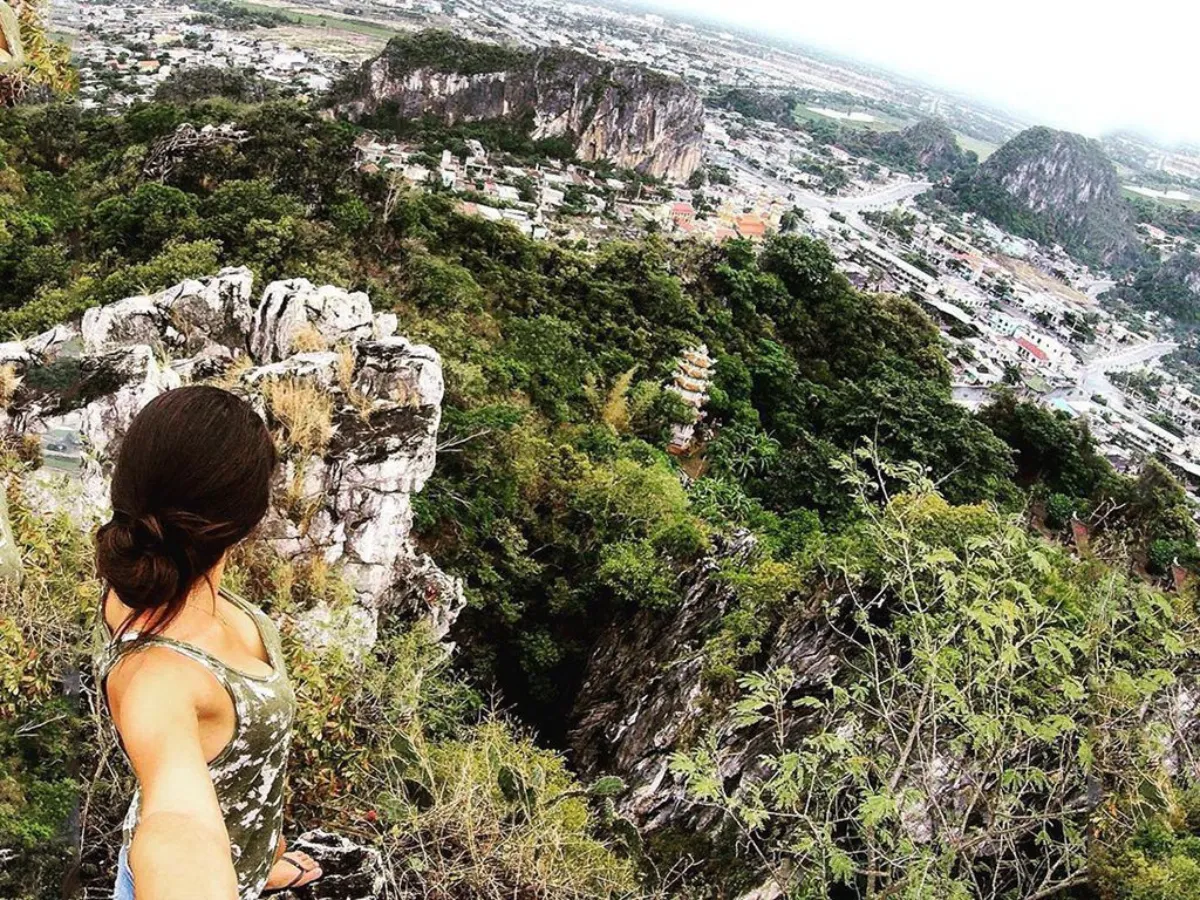
Marble Mountains in Da Nang
The Vietnam’s Spiritual Landmark
2. Dragon Boat on the Perfume River at Sunset
A dragon boat (thuyền rồng) — a traditional Hue wooden riverboat shaped to resemble a dragon — hired for a private 2-hour sunset cruise from the city centre is one of the most atmospheric experiences in Hue. The route typically covers the section from the Phu Xuan Bridge past the citadel’s moat, up toward Thien Mu Pagoda, and back as the sun sets behind the western hills. The light on the river in the 30 minutes before sunset — the citadel walls in silhouette, the pagoda visible upstream, the water catching the orange sky — is consistently one of the most beautiful scenes in central Vietnam. Cost: approximately 200,000–300,000 VND for a small private boat (2–4 passengers). Book through your hotel or at the riverfront jetty.
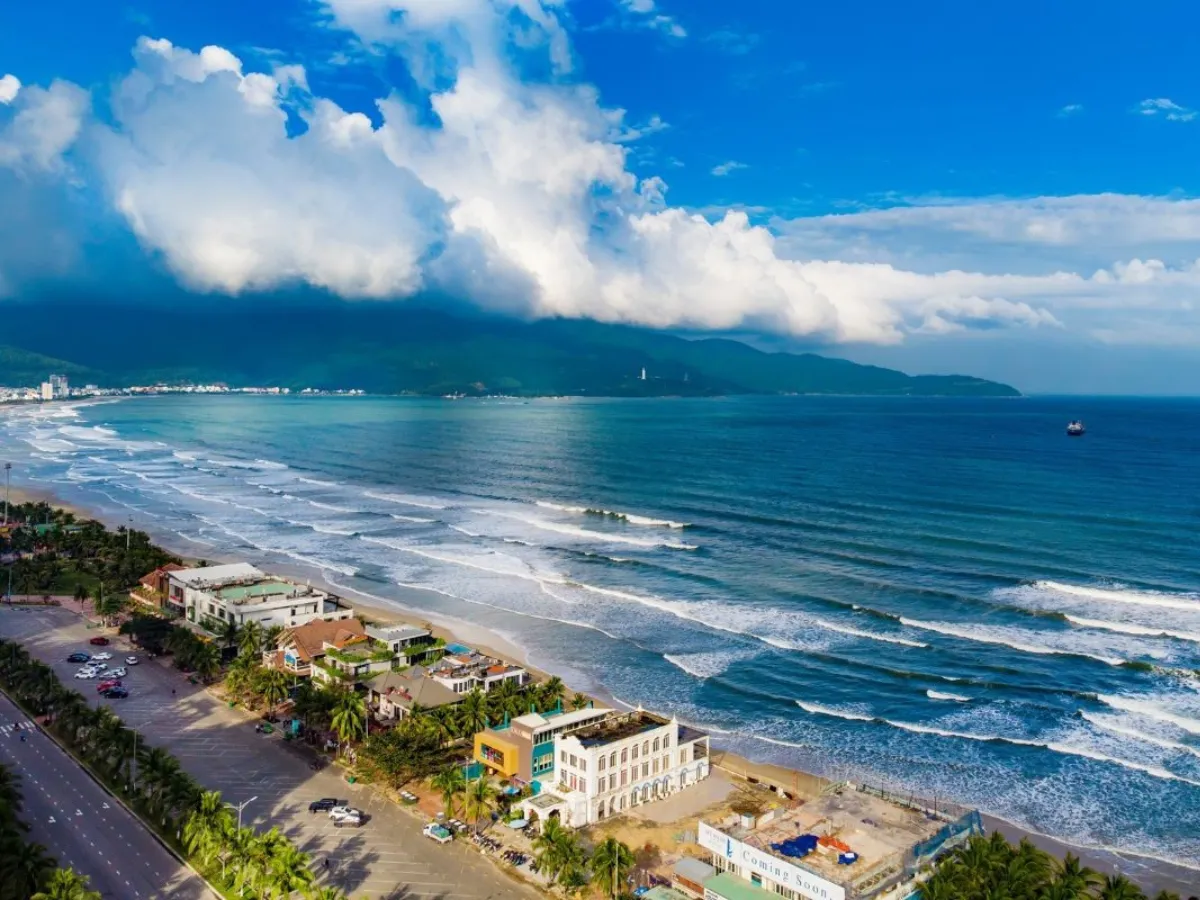
My Khe Beach
Best Beach in Da Nang Vietnam
3. Dong Ba Market
Hue’s main market — a covered complex on the north bank of the Perfume River directly east of the citadel — is the best expression of the city’s food culture in a non-restaurant format. The ground floor’s fresh produce section is extraordinary in its variety: the specific herbs (shrimp paste, sesame seeds, the dried shrimp used in Hue’s distinctive condiment tradition), fresh river fish, and the prepared food stalls that serve breakfast bún bò Huế to local market workers from 5:30 AM. The upper floors have textiles, lacquerware, and Vietnamese handicrafts at genuinely negotiable prices. Best visited before 9:00 AM.

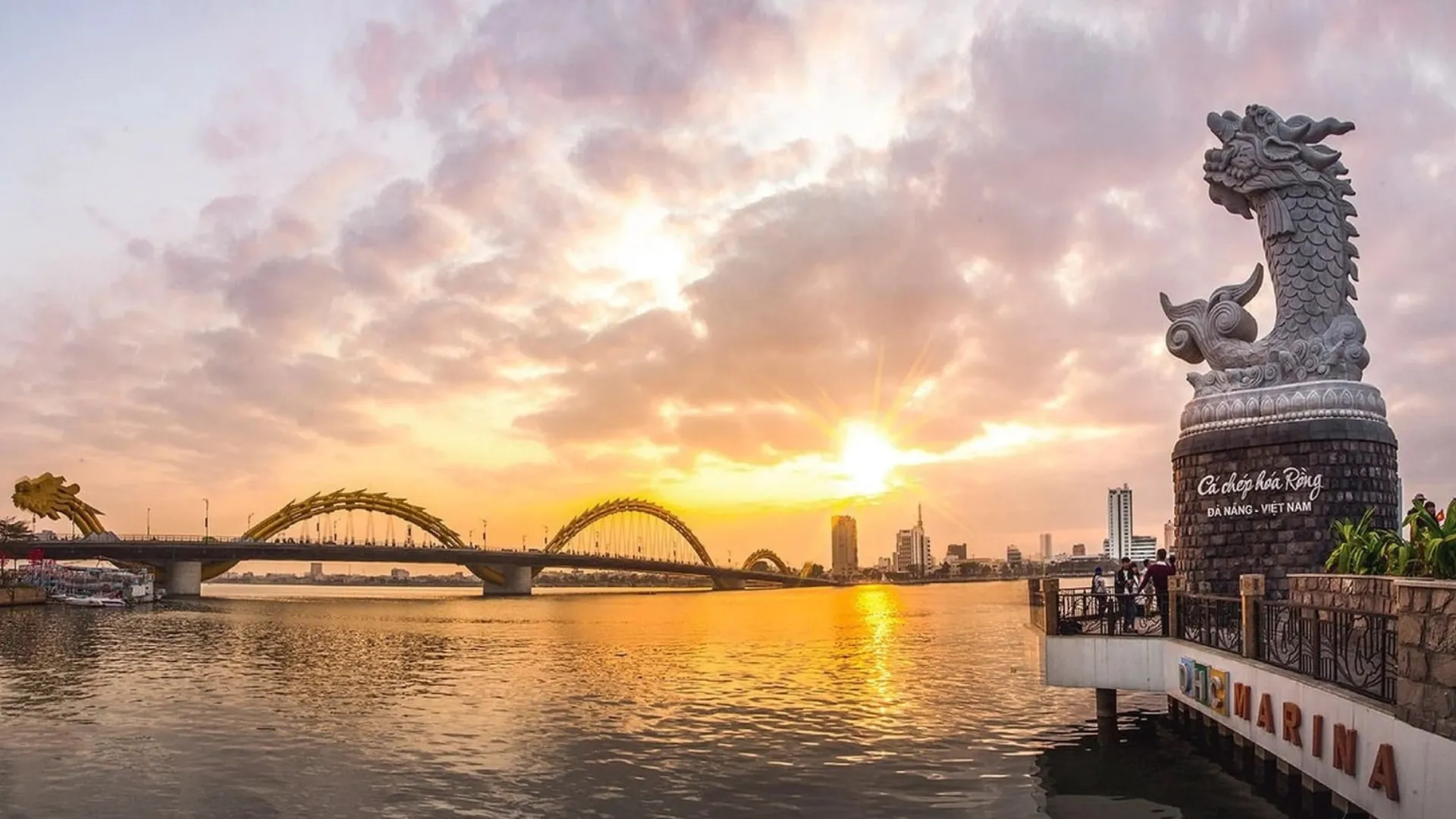
The Dragon Bridge
Iconic Landmark in Central Vietnam
4. An Dinh Palace
The private palace of Emperor Khai Dinh and later Emperor Bao Dai — a stately Italianate villa 3 km southeast of the citadel that gives the most intimate picture of the last Nguyen rulers’ lifestyle under French influence. Less visited than the main citadel and royal tombs, the interior has been partially restored to its original furniture and decoration. Entry: 30,000 VND. Allow 45 minutes. The contrast with the traditional Vietnamese aesthetics of the older imperial buildings is illuminating.
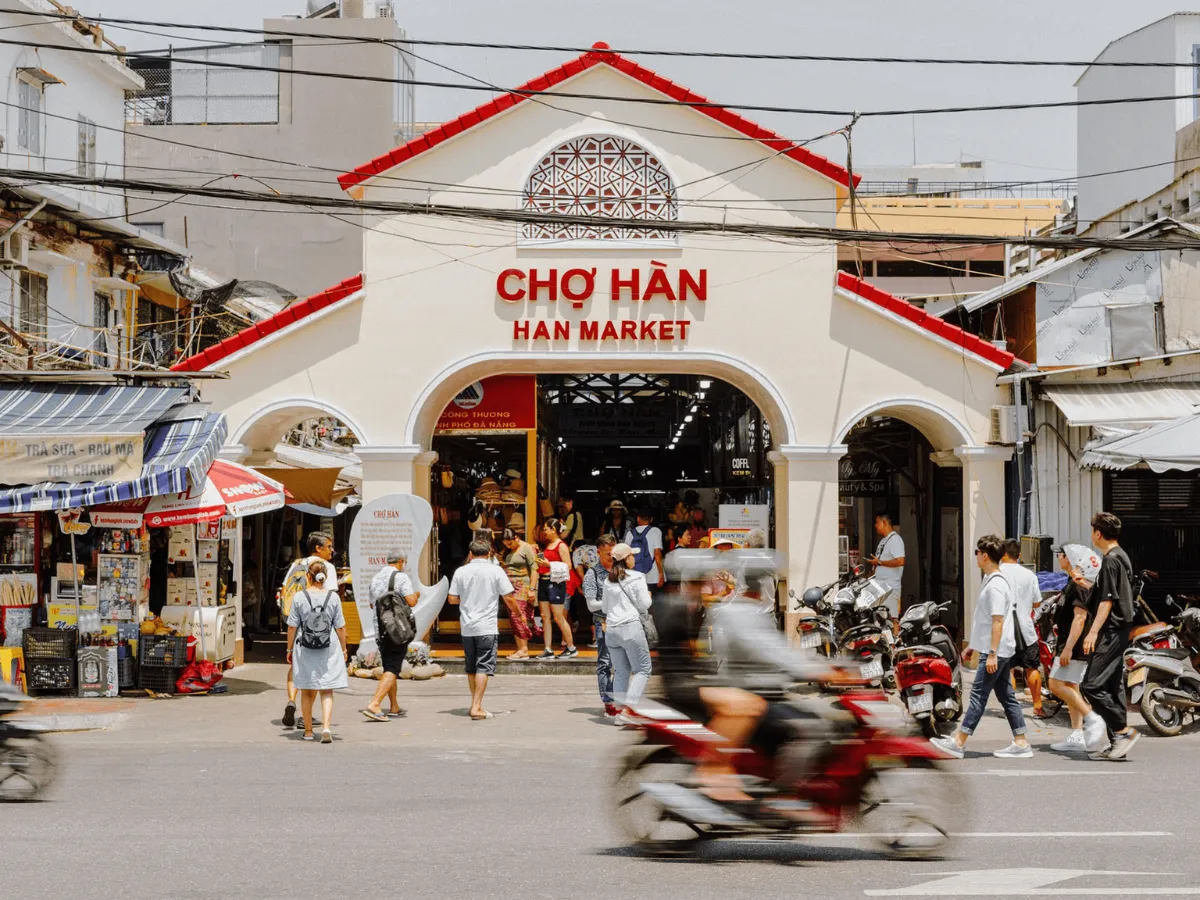
Han Market in Da Nang
Ideal place for local & traditional products
5. Cycling Around the Imperial Moat
The citadel’s outer walls are surrounded by a 2-km-wide moat with a road running its entire perimeter — a 10 km cycling loop that gives successive perspectives on the fortifications from the outside. The northeastern section (between the Chanh Tay Gate and the Dong Ba Canal) is the least visited and most atmospheric — broad views of the full wall height, the corner bastion towers, and the water gardens of the moat. Bicycle rental in Hue city: 50,000–80,000 VND/day. The loop takes 1.5 hours at a relaxed pace with stops.
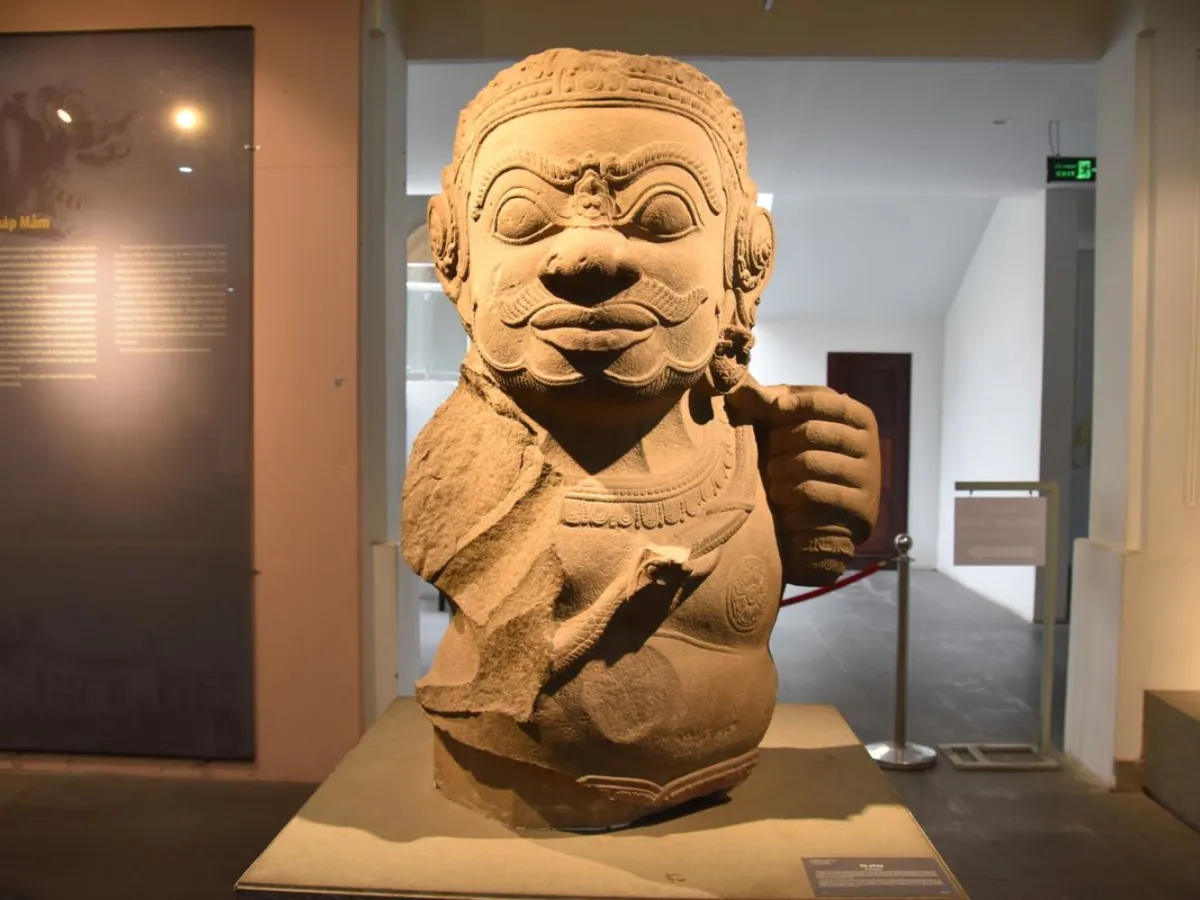
Da Nang Museum of Cham Sculpture
The Cham Arts
6. Nhã Nhạc — Royal Court Music Performance
Nhã nhạc (literally “elegant music”) is the Vietnamese royal court music tradition, UNESCO-recognised since 2003, performed for the Nguyen emperors during ceremonies at the Thai Hoa Palace. Daily performances at the Royal Theatre inside the citadel and at the Hue Traditional Art Theatre (Duong Nguyen Dinh Chieu, outside the citadel) present this music and the associated court dances in a 45–60 minute programme. Unlike the lantern festival of Hoi An, this is a living performance tradition — the musicians and dancers train in the Nguyen-era repertoire. Entry approximately 100,000–150,000 VND for dedicated performances; included in the citadel ticket for the Royal Theatre version.
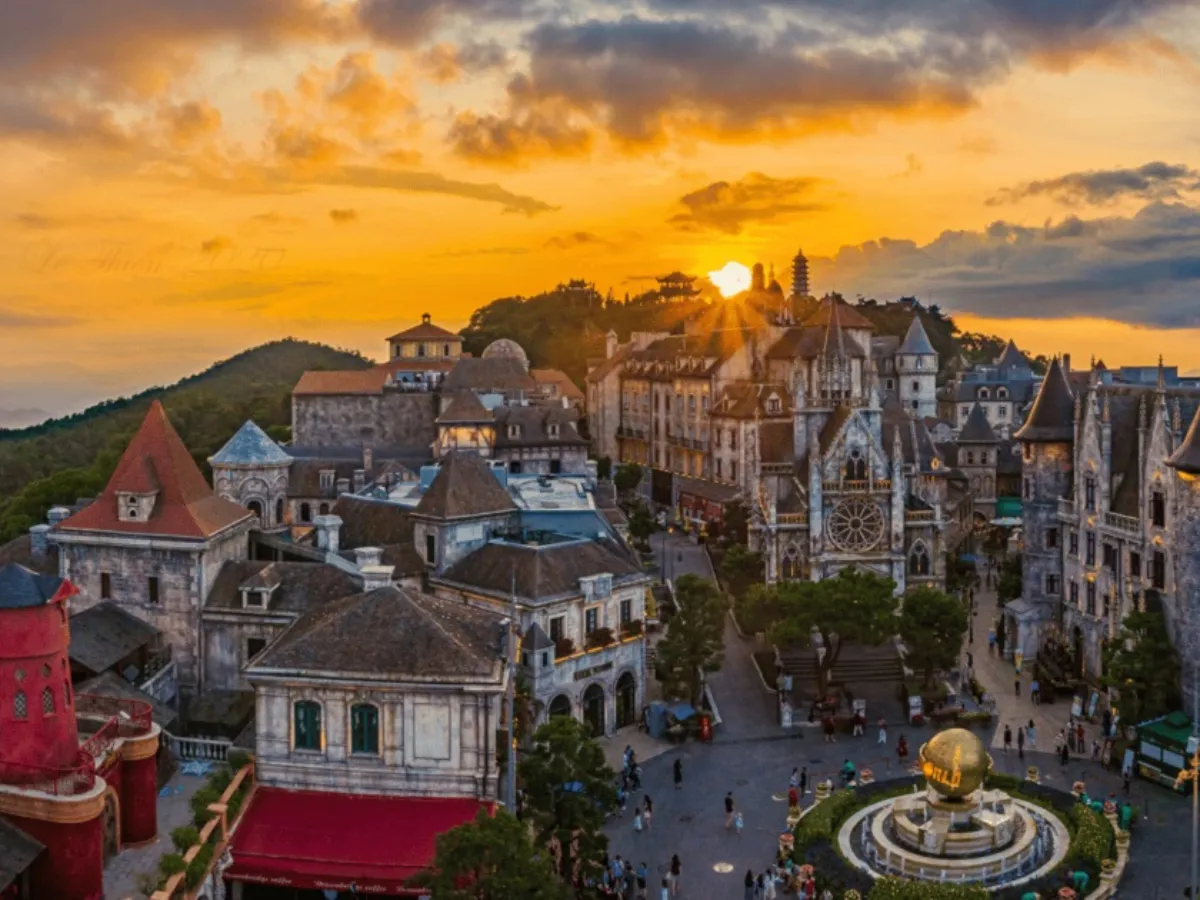
Ba Na Hills Day Trip from Da Nang
The French Village
7. Ba Na Hills Day Trip
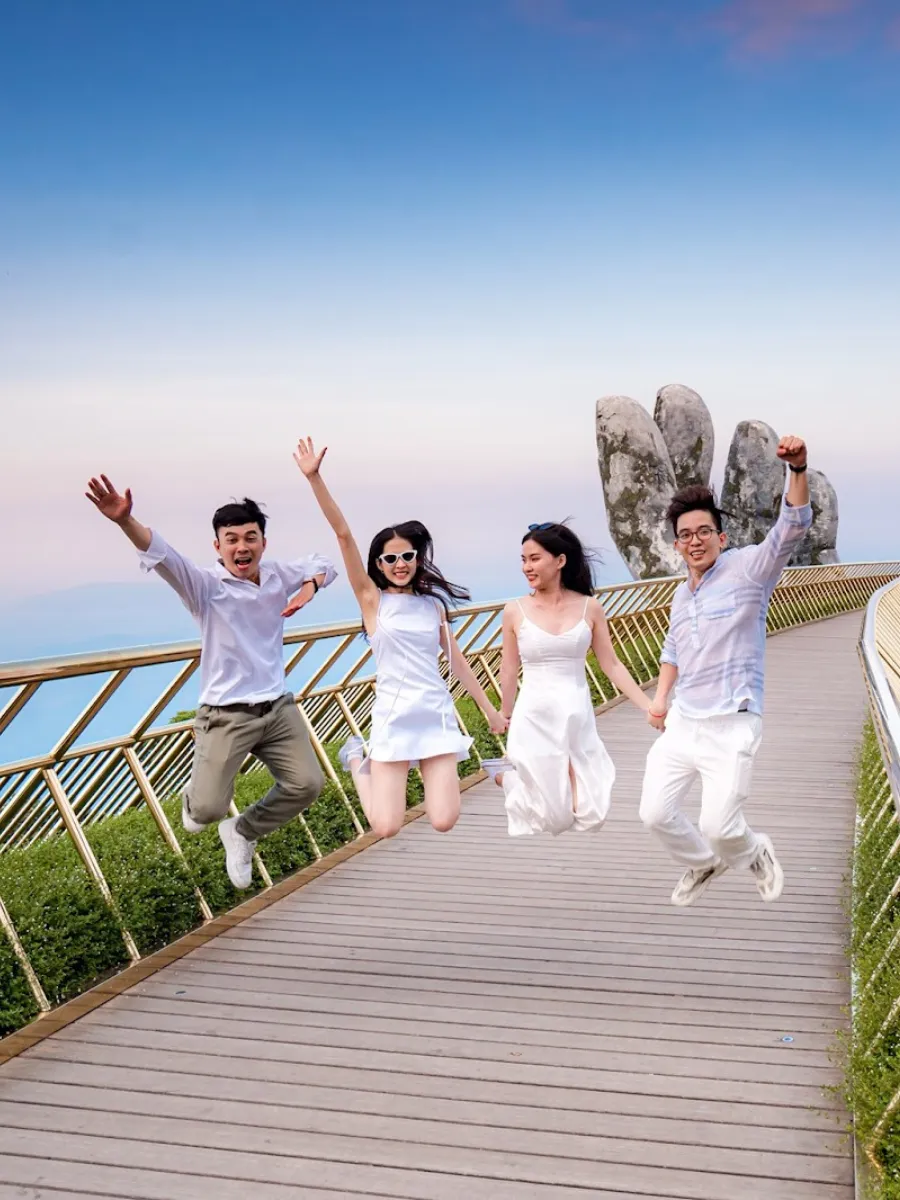
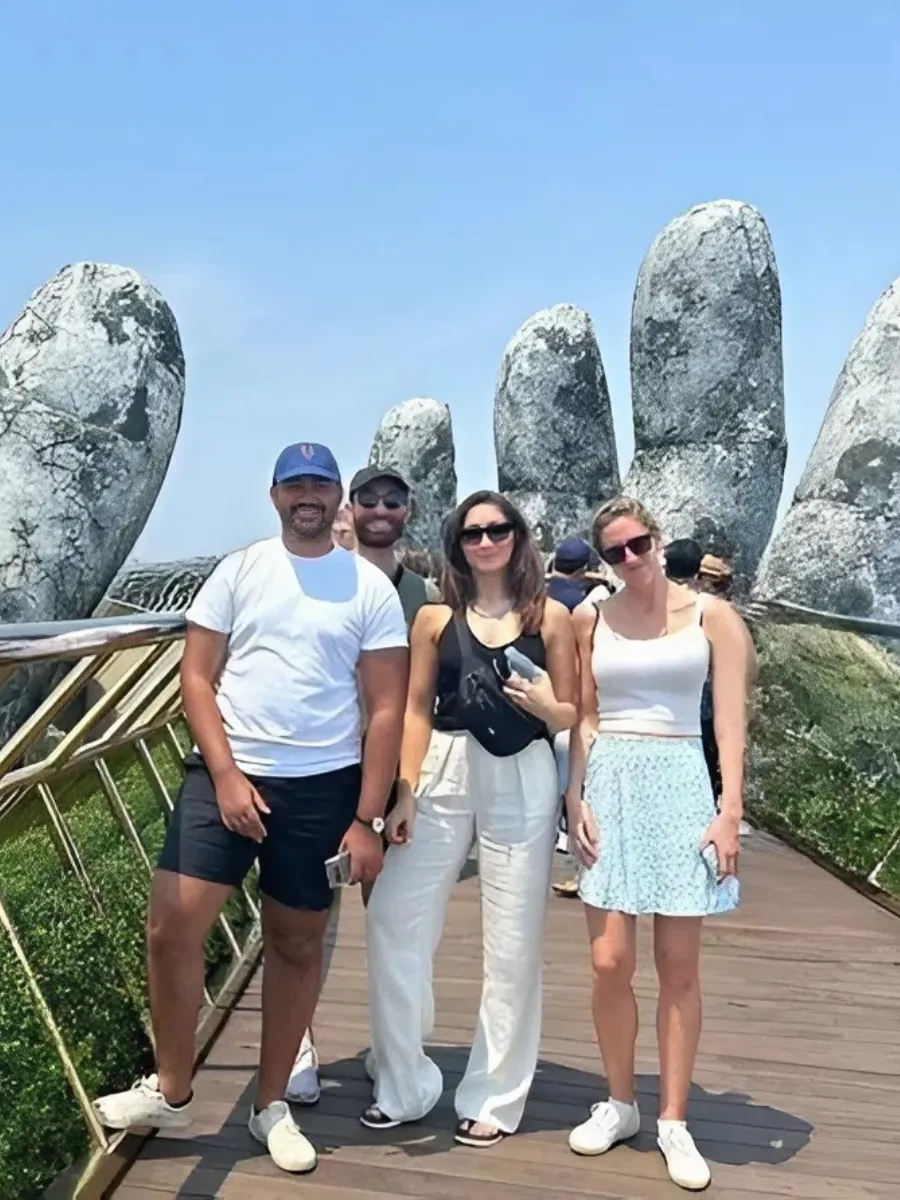
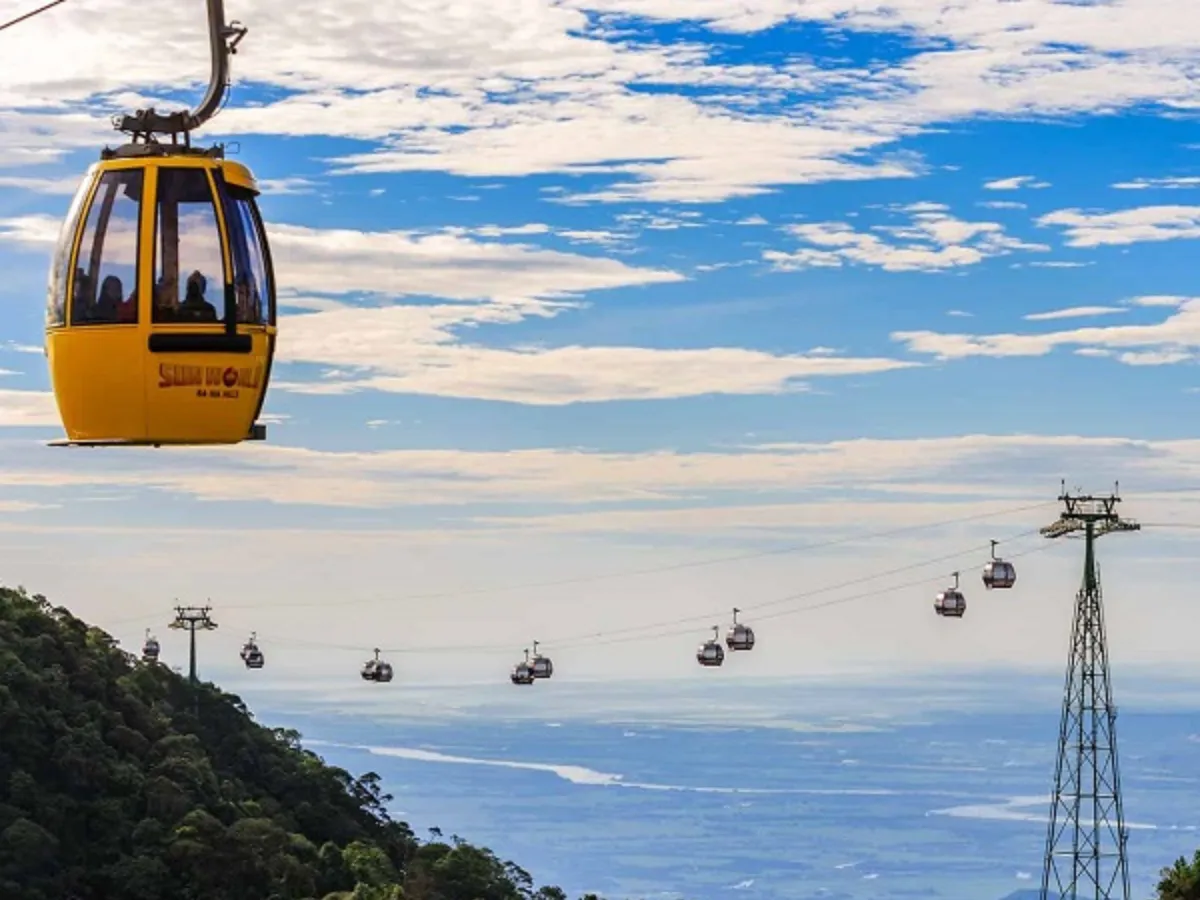
A day trip from Hue to Ba Na Hills offers a perfect mix of mountain scenery, entertainment, and iconic landmarks in Central Vietnam. Famous for the breathtaking Golden Bridge and one of the world’s longest cable car systems, Ba Na Hills attracts travelers seeking cool weather, panoramic views, and family-friendly attractions. The journey via the scenic Hai Van Pass also makes this one of the most rewarding full-day excursions from Hue.
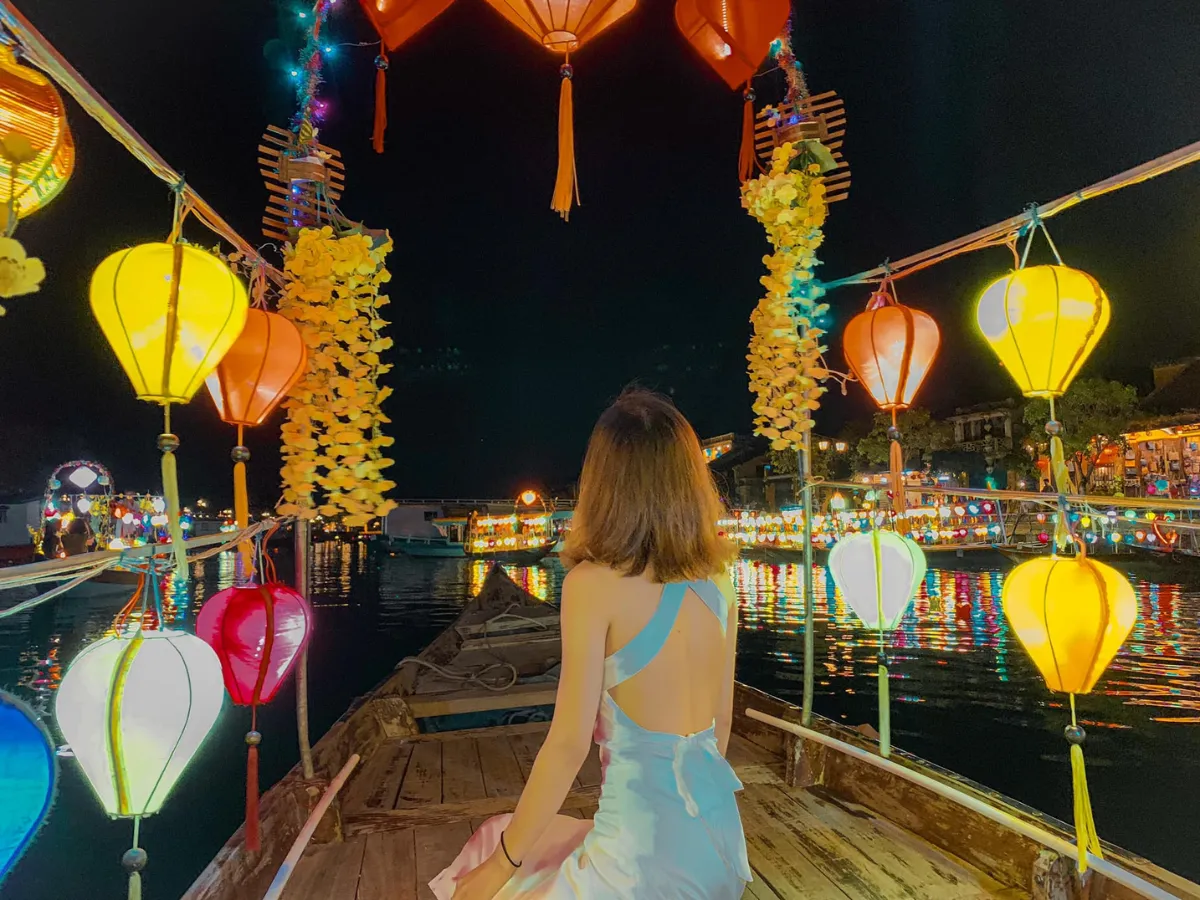
Hoi An Day Trip fom Da Nang
Thu Bon River Boat Ride
Hue Food Guide: Vietnam’s Most Refined Culinary Tradition
Hue’s food culture is built on two foundations: the court cuisine tradition developed over centuries to satisfy emperors and their households, and the street food culture of a city that lives close to its rivers and rice paddies. The combination produces the most sophisticated and most specifically local food tradition in Vietnam — the dishes here do not appear in the same quality anywhere else.

The Essential Hue Dishes
| Dish | What It Is | Where to Eat | Price |
|---|---|---|---|
| Bún Bò Huế | The definitive Hue dish — a spicy, lemongrass-infused beef and pork noodle soup, richer and more complex than pho, with round rice noodles instead of flat, and a broth that takes hours to develop properly. The shrimp paste (mắm ruốc) added at the table is the divisive and essential final element. Eaten for breakfast primarily. | Bún Bò Huế Bà Tuyết (47 Nguyen Cong Tru) · market stalls from 5:30 AM · Dong Ba Market ground floor | 30,000–50,000 VND |
| Bánh Bèo | Small steamed rice flour discs topped with dried shrimp, fried shallot, and pork crackling, served with a nuoc cham dipping sauce. Eaten in sets of 6–10 small plates. A court food now eaten at all levels — the delicate size and assembly reflect the Hue aesthetic of refinement over volume. | Bánh Bèo Ngọc Tú (27 Ton That Thiep) · stalls around the Dong Ba Market area | 5,000–8,000 VND per piece |
| Cơm Hến | Baby river clams (from the Perfume River’s Con Hen island) served over cold rice with 20+ condiments and fresh herbs — shrimp paste, sesame seeds, fried pork skin, banana flower, chilli, lime. The most locally specific Hue dish: the clams come from one specific stretch of river, and the assembly process (each condiment added separately in specific proportion) is almost ceremonial. | Cơm Hến Hẻm (6 Truong Dinh, the island) · early morning only (5:30–9:00 AM) | 20,000–35,000 VND |
| Bánh Khoái | Hue’s version of the sizzling rice pancake — smaller and richer than the southern bánh xèo, filled with pork, shrimp, and bean sprouts, eaten wrapped in rice paper with the specific Hue mustard green (rau muong Hue) and a thick peanut-sesame dipping sauce. | Bánh Khoái Lạc Thiện (6 Dinh Tien Hoang) · Dong Ba Market stalls | 40,000–80,000 VND |
| Royal Court Set Meal (Cơm Vua) | A multi-course meal modelled on the emperor’s dining tradition — 8–12 dishes served in lacquered boxes with ceremonial presentation, including specific Hue court dishes not available at street level. A cultural experience as much as a meal. | Ý Thảo Garden Restaurant · Trinh Restaurant · Tinh Gia Vien | 350,000–700,000 VND per person |
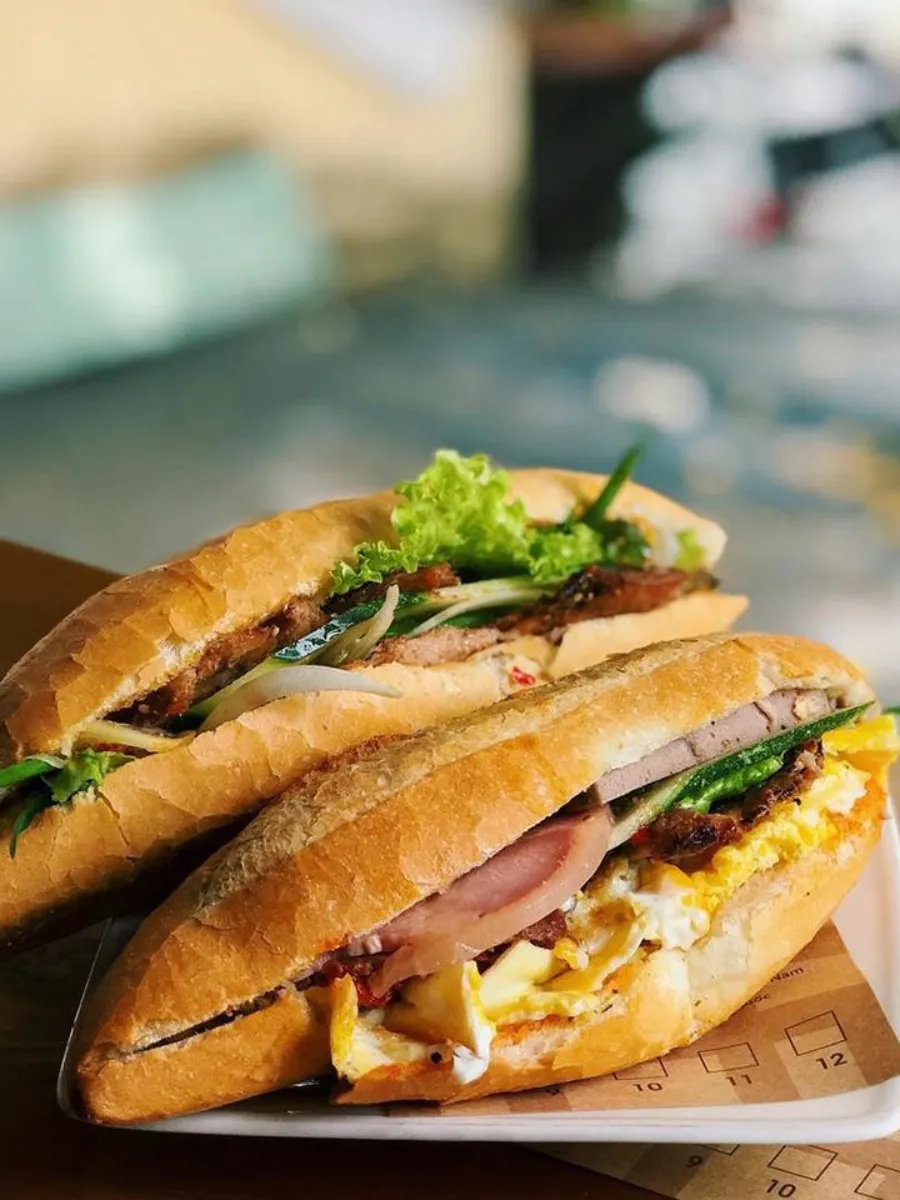
| Bánh Mì Hue Style | Hue’s banh mi is less famous than Hoi An’s but distinct — smaller baguette, more emphasis on the pate and charcuterie, different herb combination. Eaten primarily for breakfast from street stalls rather than dedicated shops. | Morning stalls around Le Loi and Hung Vuong Streets | 15,000–25,000 VND |
The Hue food circuit in sequence: Breakfast bún bò Huế at a local stall (5:30–7:00 AM — the dish is eaten for breakfast, not dinner). Mid-morning bánh bèo after the market visit. Lunch cơm hến on Con Hen island (morning only — finished by 10 AM, so combine with early market). Late afternoon bánh khoái at Lạc Thiện. The four-stop circuit covers Hue’s most specific and irreplaceable food experiences at a total cost under $7.
The royal court meal: Worth doing once as a cultural experience — the restaurant setting (usually in a traditional Hue garden house), the lacquered presentation, and the specific court dishes (many of which don’t appear on street menus) justify the higher price for travelers who want to understand Hue’s culinary tradition at its most refined expression.
Best Time to Visit Hue: Month-by-Month Guide
The best time to visit Hue is February to April — mild temperatures, low rain, clear skies for the citadel and royal tombs, and comfortable conditions for both the river and outdoor cycling. The critical constraint is the October–December rainy season, when Hue receives some of the highest rainfall in Vietnam — significantly more than Da Nang or Hoi An — and flooding can affect the citadel moat area and river accessibility.
| Period | Conditions | Citadel / Tombs | Verdict |
|---|---|---|---|
| Jan – Feb ⭐ | 18–22°C / 64–72°F. Cool, some drizzle, mostly manageable. Low rain. | Good — comfortable temperatures for extended walking, low crowd density mid-week | Very good. January and February are among Hue’s best months — mild enough for outdoor exploration, quiet enough to have the royal tombs largely to yourself, and the citadel in the clearest light of the year. Tet holiday (late Jan/Feb) brings festive atmosphere and domestic visitors. February post-Tet is the sweetest window: good weather, minimal crowds. |
| Mar – Apr ⭐⭐ | 22–28°C / 72–82°F. Warming, clear, excellent visibility | Excellent — best light quality, comfortable for full-day tomb circuits | Best overall. March–April combines the best weather of the Hue year with the lowest international visitor volumes before the summer peak. The citadel and royal tombs in spring light — warm colours on the old brick and tile — are at their most photogenic. Our top recommendation for first-time visitors. |
| May – Aug | 28–36°C / 82–97°F. Hot, dry, sunny. Note: Hue is notably hotter than Hoi An in summer. | Good but heat-intensive. Structure all outdoor activity for 7:00–10:30 AM and 4:00–6:30 PM. | Good for visits but the summer heat in Hue — which sits inland between mountain ranges — is more intense than Da Nang or Hoi An. The citadel in July midday is a challenging environment. Start extremely early, rest at midday, and use the late afternoon for the Perfume River boat and royal tomb gardens. |
| Sep | 28–32°C / 82–90°F. Transitioning to rain season | Acceptable but increasing uncertainty | Good early September. Rain increases through the month. Acceptable with flexible plans but lower quality than March–April for outdoor sites. |
| Oct – Dec ⚠️ | 20–26°C / 68–79°F. Heavy rain. Hue receives 750–1,000 mm of rain in these three months — double the annual average for most Vietnamese cities. | Reduced access — citadel grounds can be partially flooded, some tomb access paths affected | Avoid if possible. Hue’s rainy season is more severe than central Vietnam’s other destinations. October and November can bring days of sustained heavy rain that makes the outdoor royal tomb circuit uncomfortable or impractical. The citadel is partially covered but the walking between structures involves significant outdoor exposure. If visiting October–December is unavoidable, focus on indoor food experiences, Dong Ba Market, and museum visits. |
Hue Festival note: The Hue Festival — Vietnam’s largest cultural festival, featuring royal court performances, traditional music, art exhibitions, and street events — runs in even-numbered years (2024, 2026) in April. If your travel dates fall near an even-year April, check the specific dates and consider timing your Hue visit to coincide with the festival programme. The atmosphere during Festival week is the most vivid version of Hue’s royal cultural tradition available to visitors.
How to Get to Hue City?
| Route | Duration | Cost (approx.) | Best For |
|---|---|---|---|
| Flight from Hanoi or Ho Chi Minh City | 1–1.5 hrs | $25–$80 pp | Travelers on tight schedules. Hue’s Phu Bai Airport is 15 km from the city centre — 20 min by taxi (~150,000 VND) or hotel shuttle. Vietnam Airlines, VietJet, and Bamboo Airways serve the route. Note: Hue has less flight frequency than Da Nang — check connections carefully. |
| Train from Hanoi (overnight or daytime) | 13–14 hrs (overnight) / 12 hrs (express) | $20–$45 pp (soft sleeper) | Travelers who enjoy train journeys and want the scenic coastal rail experience. The Hanoi–Hue Reunification Express passes through some of the most beautiful coastal scenery in northern central Vietnam. The overnight soft sleeper 4-bed cabin is comfortable; daytime express trains offer the same views awake. Book on Vexere.com 1–2 weeks ahead. |
| From Da Nang by private car via Hai Van Pass | 3–3.5 hrs (pass route) / 2–2.5 hrs (tunnel) | $50–$70 (private car) | Strongly recommended over the tunnel. The Hai Van Pass road (21 km over the mountain vs 6 km through the tunnel) takes 45 minutes longer but is one of the best coastal mountain drives in Vietnam. The views from the pass summit — Da Nang Bay south, Lang Co lagoon and the approach to Hue north — are extraordinary. Always choose the pass for this leg. |
| From Hoi An by private car | 3–3.5 hrs (via Hai Van Pass) / 2.5 hrs (via tunnel) | $55–$75 (private car) | Travelers doing the Hoi An → Hue direction of the central circuit. Same Hai Van Pass recommendation applies. Many travelers do this leg as a day-long journey with stops — Da Nang city (Marble Mountains), Lang Co Beach, and the pass itself — rather than a straight transfer. |
| Open bus / tourist bus | 3.5–4.5 hrs from Da Nang / 4–5 hrs from Hoi An | $8–$15 pp | Budget travelers. Multiple operators (The Sinh Tourist, Camel Travel) run daily Hoi An–Hue and Da Nang–Hue services. Usually comfortable, air-conditioned, and drop at the city centre. Check if the route goes via the pass or tunnel — most budget buses take the tunnel. |
Getting around Hue: Bicycle is ideal for the citadel moat circuit and inner city exploration (50,000–80,000 VND/day). Hired motorbike taxi (xe om) or Grab for the royal tombs circuit (15–20 min from the city centre). Dragon boat or private car for Thien Mu Pagoda via river. The citadel itself is walkable once inside. A half-day hired car (~$25–$35) can cover all three recommended tombs comfortably.
Where to Stay in Hue Imperial Capital?
| Area | Best For | Vibe | Average Range (per night) |
|---|---|---|---|
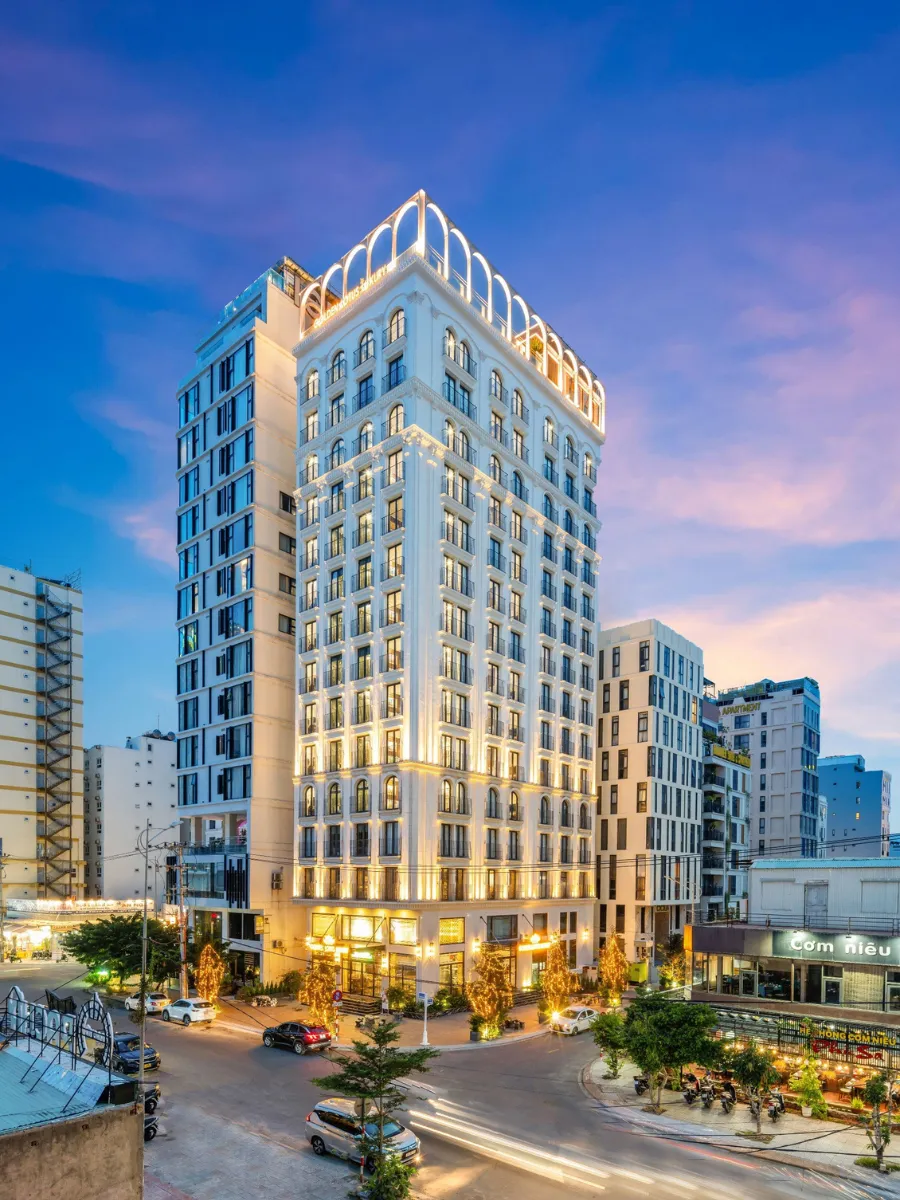
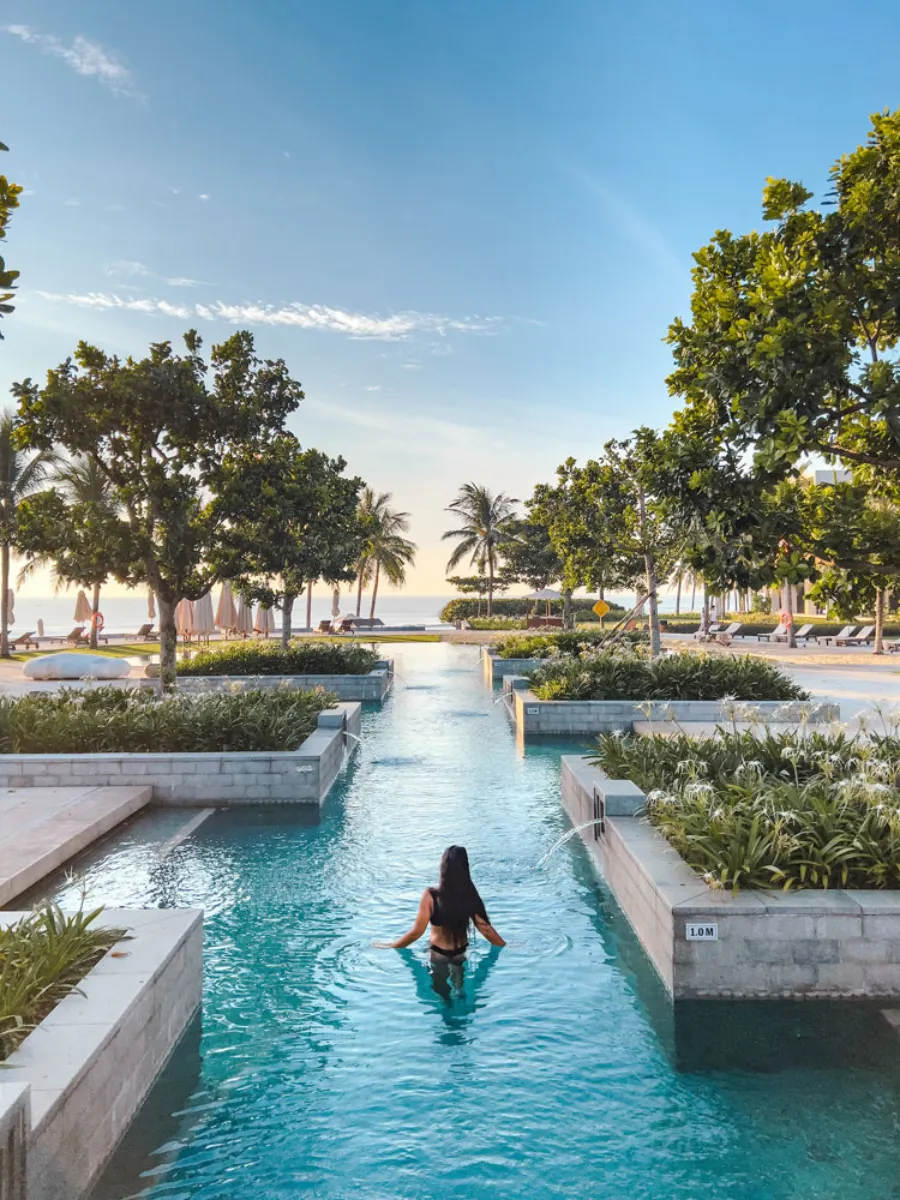
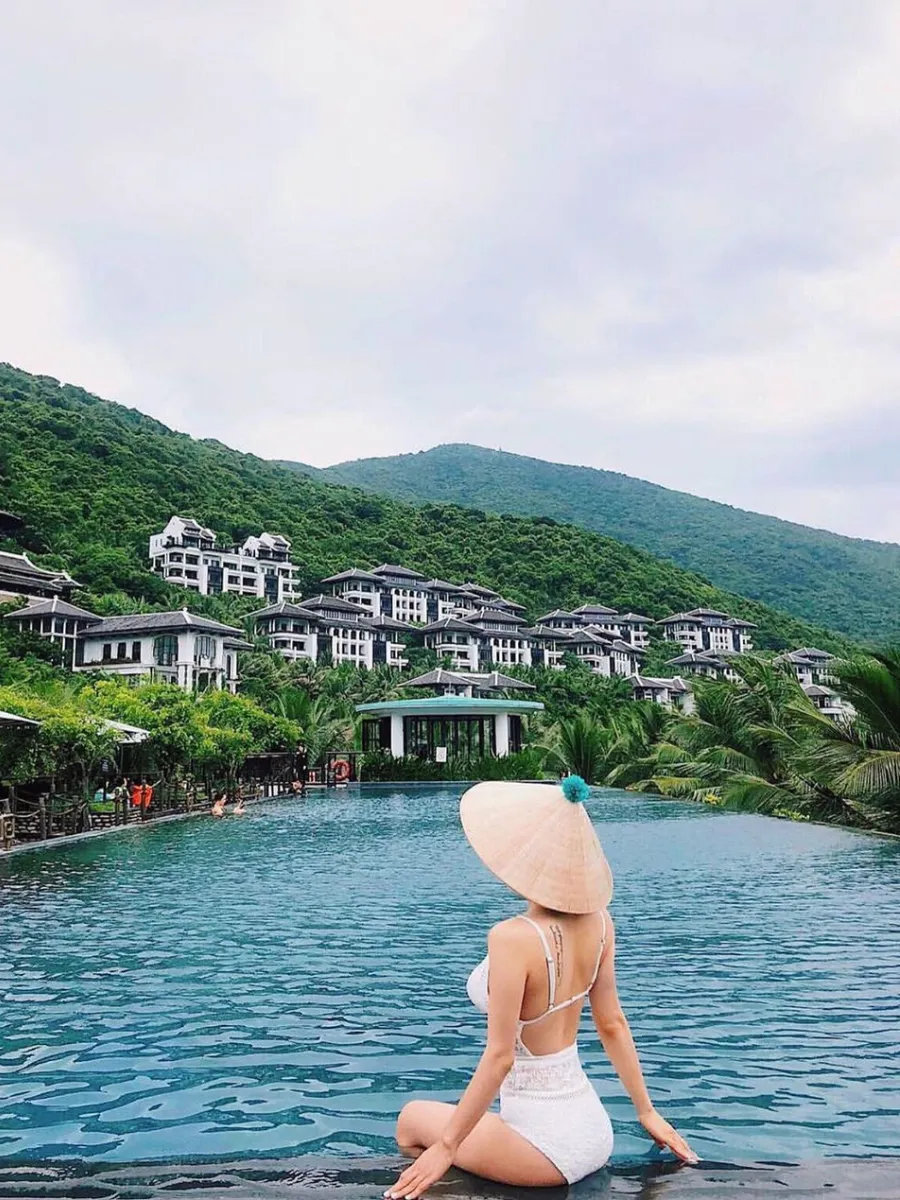
| Perfume River / south bank (Nguyen Hue, Le Loi) | Most visitors — central, riverside, access to all sites | The main hotel and restaurant concentration — within walking distance of the citadel entrance (10–15 min), on the southern bank of the Perfume River. The best balance of atmosphere, food access, and proximity to all Hue sites. Most hotels with river view rooms are here. | $25–$200 |
| Citadel area (within or adjacent to the walls) | History-focused travelers, photographers | Small guesthouses inside or immediately adjacent to the citadel walls — the most atmospheric accommodation in Hue. The streets inside the outer citadel walls are residential and quiet; waking here and walking to the Imperial Enclosure entrance in 10 minutes is a specific Hue experience. Limited accommodation density. | $20–$80 |
| An Cuu / Phu Nhuan (south of river) | Budget travelers, local neighbourhood experience | The local Hue residential area south of the main tourist zone — smaller guesthouses, lower prices, excellent local food stalls within walking distance. Less convenient for the citadel (20–25 min walk) but the best neighbourhood feel. | $10–$40 |
| La Residence Hotel (heritage property) | Special occasions, luxury, heritage experience | The former residence of the French Governor-General of Indochina — an Art Deco villa on the Perfume River with extraordinary period architecture and riverfront position. The best luxury property in Hue and one of the best heritage hotels in Vietnam. | $150–$400+ |
Our recommendation: A mid-range hotel on the south bank of the Perfume River — river view if budget allows, within 15 minutes’ walk of the Ngo Mon Gate entrance to the citadel. The river view from a hotel breakfast is one of Hue’s most consistently pleasant experiences and worth a small premium. La Residence is the splurge option for travelers who want the most architecturally significant hotel stay in central Vietnam.
3-Day Hue Itinerary: The Best Structure for First-Time Visitors
3-Day Hue Imperial City Itinerary – History, Culture & Royal Heritage. Discover the rich heritage of Hue Imperial City, the former royal capital of Vietnam and a recognized UNESCO World Heritage Site. Explore ancient citadels, royal tombs, pagodas, and authentic Central Vietnamese cuisine along the scenic Perfume River. This 3-day itinerary is perfect for travelers seeking culture, history, and timeless beauty in Central Vietnam.
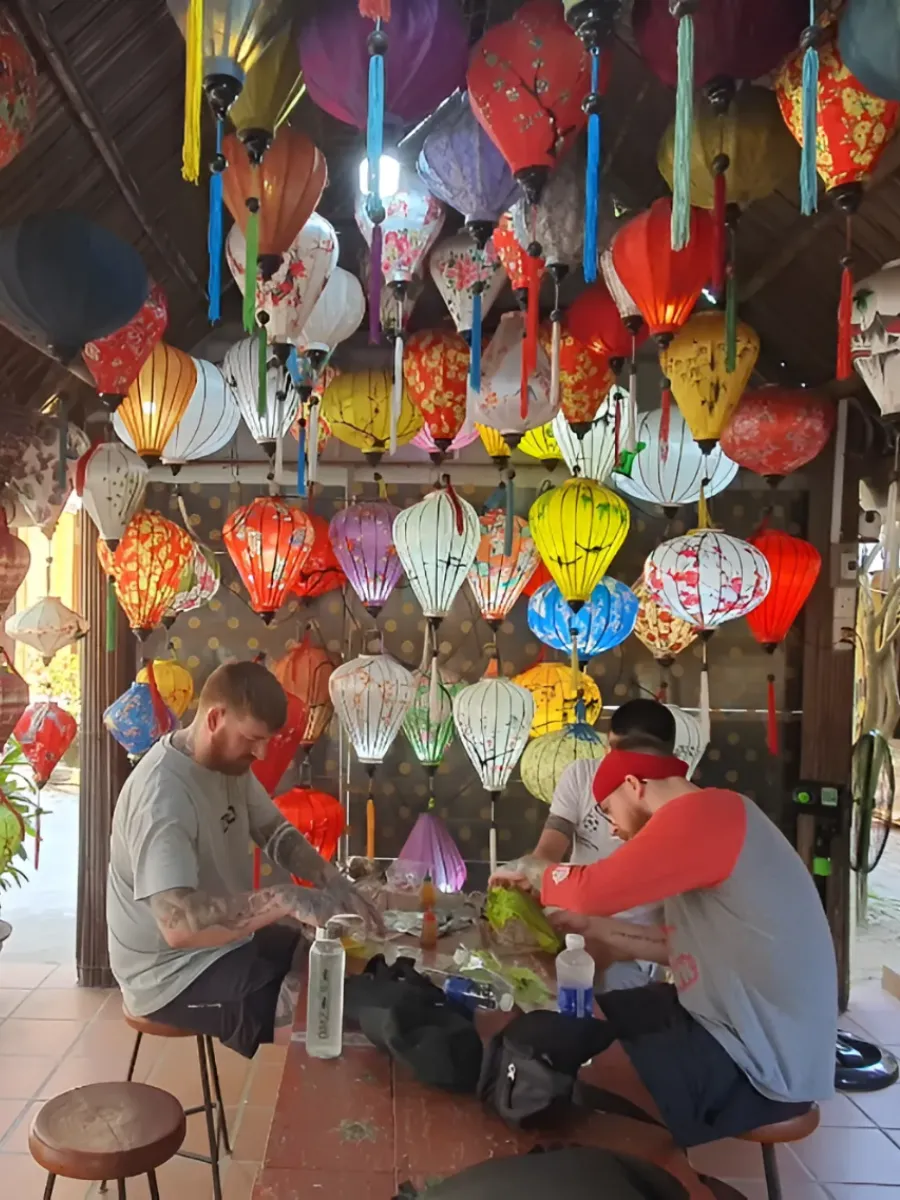


Day 1: Arrive via Hai Van Pass → Imperial Citadel → Perfume River Sunset
- Arrive Hue from Da Nang or Hoi An via the Hai Van Pass — the approach over the mountain, stopping at the pass summit viewpoint, and arriving into the Hue basin from the north is the most appropriate way to enter the city. Allow extra time for the pass stop (30 min).
- Check in to hotel. Brief rest.
- 2:30 PM: Imperial Citadel — afternoon entry. The citadel in afternoon light (east-facing structures lit from the west) is different from morning; use this visit for orientation rather than exhaustive exploration. Visit the Ngo Mon Gate, Thai Hoa Palace, and walk the central axis. Collect programme schedule for the Royal Theatre performance.
- 5:30 PM: Exit citadel. Walk or taxi to the Phu Xuan Bridge riverfront jetty. Board a dragon boat for a 2-hour Perfume River sunset cruise — upstream past the citadel moat toward Thien Mu Pagoda and back as the sun sets. The most atmospheric single activity in Hue.
- 8:00 PM: Bún bò Huế dinner — eat the dish for dinner on Day 1 if you arrive too late for the traditional breakfast version. Several dinner-service restaurants on Le Loi and Hung Vuong Streets serve it after dark.
- Overnight in Hue — south bank Perfume River hotel
Day 2: Early Market → Cơm Hến → Citadel Deep Dive → Royal Tombs
- 5:30 AM: Dong Ba Market — the early morning bún bò Huế stalls and produce section. Eat breakfast at a market stall (one of the most authentic food experiences in Hue). Allow 45 minutes.
- 6:30 AM: Con Hen Island (Cơm Hến) — cross to the small island in the Perfume River (accessible by footbridge from near the Dong Ba Market) for the cơm hến experience, available only until 9:30–10:00 AM. The island is a working fishing and cooking community — the clams come out of the river around you.
- 8:30 AM: Return to hotel for a rest. The citadel opens at 7:30 AM.
- 9:00 AM: Imperial Citadel deep dive — Day 2 visit covers what Day 1 didn’t: the To Mieu Temple complex with the Nine Dynastic Urns and Hien Lam Pavilion, the Forbidden Purple City ruins, and the Royal Theatre performance (check times at the ticket booth). Allow 3 hours.
- 12:30 PM: Lunch near the citadel — bánh bèo at Ngọc Tú restaurant or the Dong Ba Market stalls.
- 2:00 PM: Hire a motorbike taxi or private car for the royal tombs circuit — Tu Duc Tomb first (the largest and most atmospheric, allow 90 minutes), then Minh Mang Tomb (the finest architecturally, allow 60 minutes). Return to Hue by 6:00 PM.
- Evening: Stroll the Truong Tien Bridge at dusk. Dinner at a garden restaurant — bánh khoái at Lạc Thiện (6 Dinh Tien Hoang) for the definitive Hue pancake experience.
- Overnight in Hue
- Day 2 tip: The Tu Duc Tomb in late afternoon (4:00–5:30 PM, when the crowds have thinned) is among the most atmospheric experiences in Hue — the pine trees casting long shadows across the pavilion courts, the lake still, the sound of the surrounding forest. If the morning tomb schedule feels rushed, swap Tu Duc to the afternoon slot and Minh Mang to the morning.
Day 3: Thien Mu Pagoda → Khai Dinh Tomb → Royal Court Lunch → Depart
- 7:30 AM: Thien Mu Pagoda by dragon boat — hire a boat from the riverfront jetty (approximately 150,000 VND for the upstream journey) for the 30-minute river approach. The pagoda by water, arriving from below the promontory, is the correct orientation. Allow 60–75 minutes at the pagoda before the boat return.
- 10:00 AM: Return to city by boat. Brief stop at An Dinh Palace (3 km from the river — taxi, 15 min). The French colonial palace of the last emperors, less visited and architecturally fascinating as the contrast point to the traditional imperial buildings.
- 12:30 PM: Royal Court Lunch at a garden restaurant (Ý Thảo or Tinh Gia Vien — pre-book for the full set meal) — the multi-course cơm vua experience that contextualises everything seen at the Imperial Citadel over the previous two days. Allow 2 hours.
- 3:00 PM: If time permits before departure: Khai Dinh Tomb — the mosaic interior (30 min drive, 45 min visit). The most visually dramatic of the tombs for its mosaic ceiling and floor-to-ceiling ceramic shard decoration.
- 5:00 PM: Depart Hue by private car toward Da Nang (via Hai Van Pass if continuing south) or to Phu Bai Airport.
- Onward to Da Nang, Hoi An, or departure
Want a Private Hue + Central Vietnam Circuit Arranged?
Our Vietnam-based team designs Hue-centred itineraries — with private car via the Hai Van Pass, royal tomb circuit timing, dragon boat booking, and royal court meal reservation at the right restaurant. We also handle the full central Vietnam circuit combining Hue, Da Nang, and Hoi An. Most guests receive their custom plan within 4 hours.
Request Your Free Hue Itinerary →
Tell us your travel dates, group size, and whether you want to combine with Hoi An and Da Nang. No obligation.
Sale!
Private Mai Chau Day Trip And Waterfall & Hot Spring Bath

Place
Mai Chau

Duration
1D
Original price was: 175$.125$Current price is: 125$.
Sale!
Authentic Hanoi Day Tour | Incense Village & Duong Lam Ancient Village
Place
Hanoi
Duration
1D
Original price was: 120$.105$Current price is: 105$.
Sale!

Hanoi Cycling Tour | Bat Trang, Kim Lan & Xuan Quan Flower Villages
Place
Bat Trang
Duration
1D
Original price was: 65$.55$Current price is: 55$.
Sale!
Half-Day Hanoi City Tour | Explore Iconic Landmarks in Just Few Hours
Place
Ha Noi
Duration
1D
Original price was: 50$.35$Current price is: 35$.
Sale!
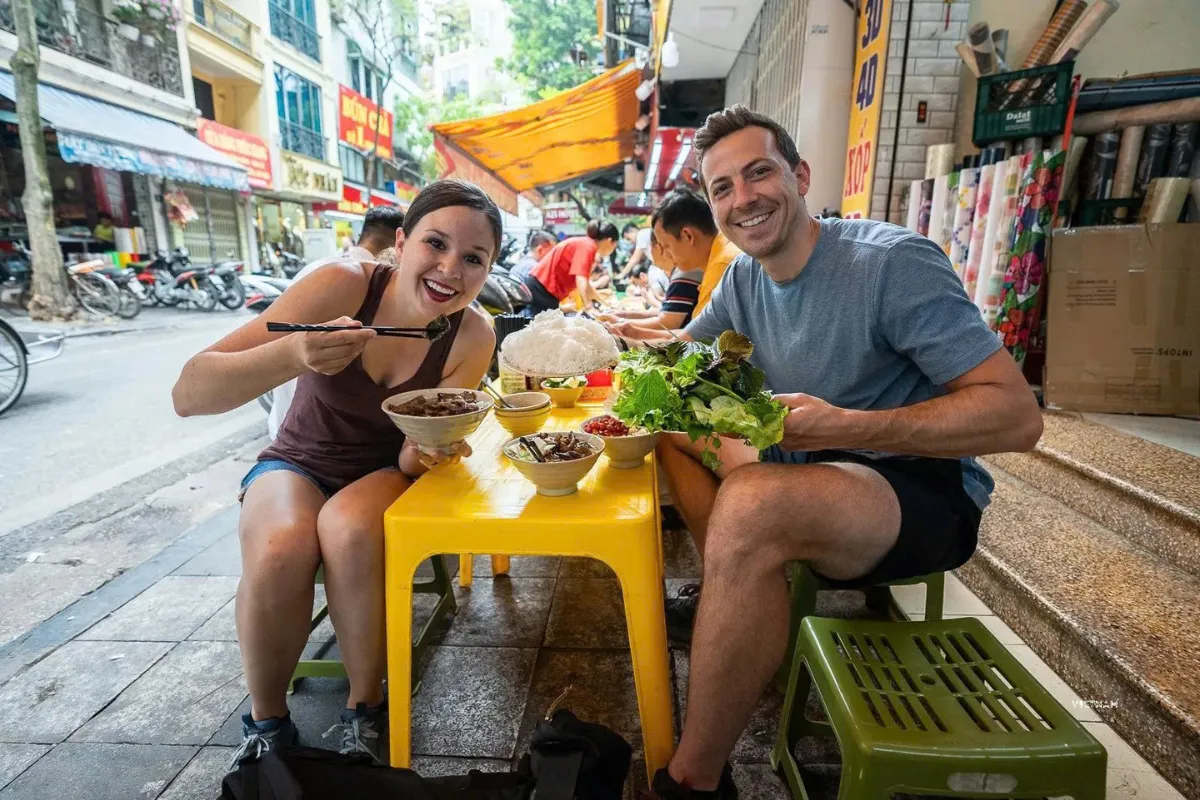
Exclusive Hanoi Street Food Tour | Discover Hanoi’s Best Eats on Foot
Place
Ha Noi
Duration
1D
Original price was: 50$.35$Current price is: 35$.
Sale!

Hanoi City Tour | Highlights, Local Culture | Best of Hanoi in One Day
Place
Ha Noi
Duration
1D
Original price was: 55$.45$Current price is: 45$.
Sale!
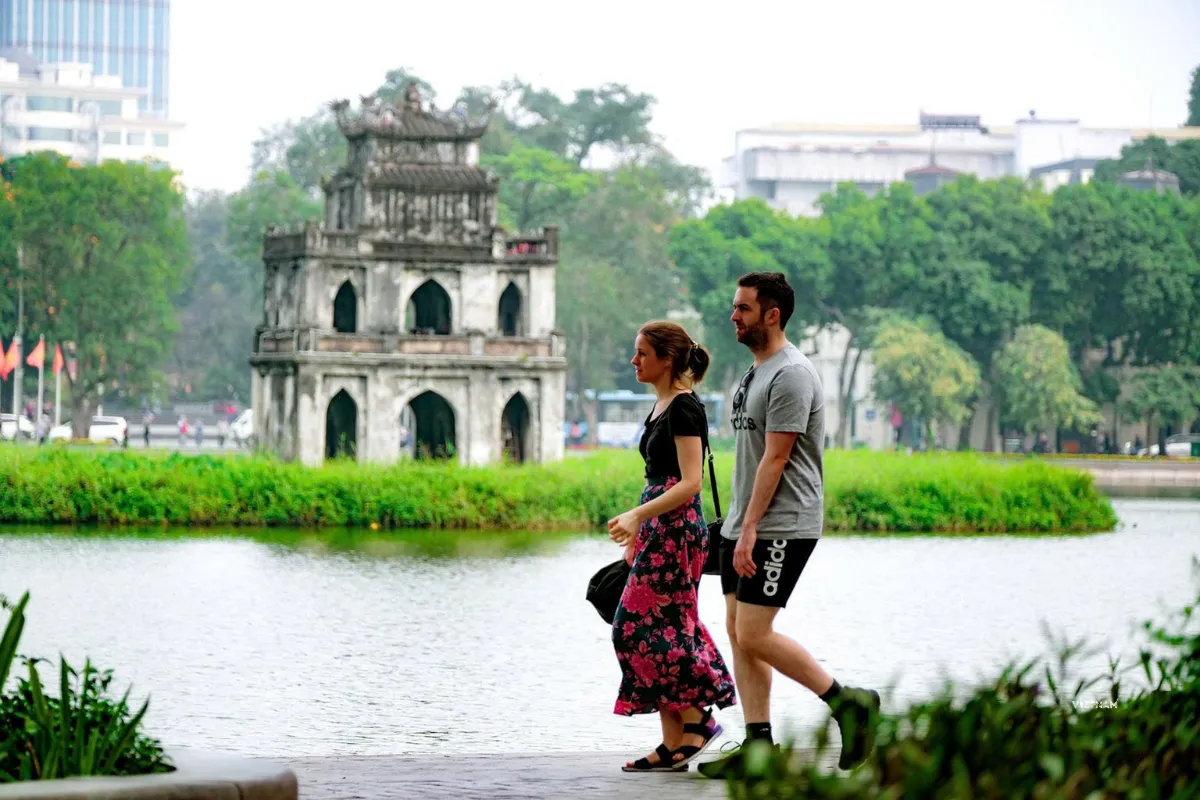
Top Hanoi City Walking Tour | Discover the Best of Hanoi in One Day
Place
Hanoi Capital City
Duration
1D
Original price was: 60$.50$Current price is: 50$.
Sale!
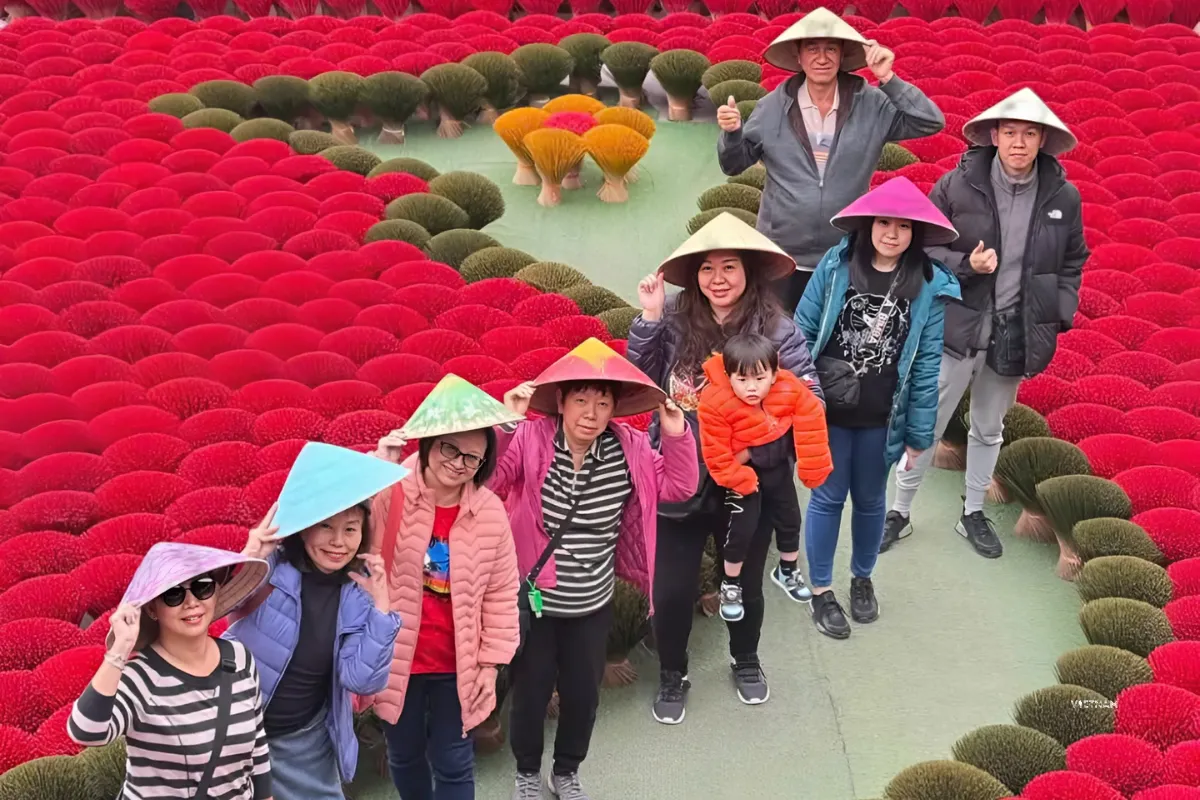
Incense Village Hanoi Tour | Explore Traditional Craft & Local Culture
Place
Quang Phu Cau
Duration
1D
Original price was: 85$.55$Current price is: 55$.
Beyond the Standard Circuit: Less-Known Hue Experiences
Con Hen Island at dawn (the living cơm hến community): The small sand island in the Perfume River directly north of Dong Ba Market is where Hue’s river clam harvesting and processing community has lived for generations — waking before dawn to collect clams from the riverbed, processing them on the island’s communal platforms, and selling the blanched meat to the cơm hến stall operators by 5:30 AM. Arriving on the island between 4:30 and 6:00 AM (easily accessible by footbridge) to watch this process — the lanterns reflecting in the river, the sound of the harvest work in the dark — is a completely specific and completely unreplicated Hue experience that almost no visitor knows about.

- The citadel’s residential interior (north and west sections): The northern and western sections of the outer citadel walls contain a residential community — families who have lived within the imperial walls for generations, in traditional wooden homes along lanes that have the character of a village from a century past. Most visitors enter and exit through the Ngo Mon Gate, seeing only the imperial core. Walking the residential lanes of the citadel interior — with no entry requirement or ticket — is to encounter a community living within a UNESCO site in a genuinely inhabited rather than museumified way.
- The Nine Dynastic Urns (Cửu Đỉnh) at dawn: The nine bronze urns cast in 1835–1837 and positioned in the To Mieu complex are the most historically specific artifacts in Hue — each weighing 1,300–2,600 kg, decorated with 154 detailed scenes depicting Vietnamese geography, flora, fauna, and military history as the Nguyen Dynasty understood them. The urns at 7:30 AM in morning light, before the citadel crowds arrive, with the Hien Lam Pavilion as a backdrop, are among the most quietly extraordinary historical objects in Southeast Asia. Most visitors walk past them without slowing down.
- A Hue garden house meal (nhà vườn): Several of Hue’s traditional garden houses — private homes set in landscaped walled gardens, a specific architectural type unique to the city — operate as private restaurants for small groups. Eating a meal in a working nhà vườn rather than a restaurant is the most direct encounter with the Hue aesthetic: the garden visible from the dining table, the food specific to the household’s garden herbs, the architectural scale of the old house overhead. Requires advance booking through a local contact or operator.
The Hue royal music rehearsal (not the performance): The nhã nhạc musicians who perform the court music repertoire at the Royal Theatre rehearse on weekday mornings — and the rehearsal, unlike the formal performance, is open to the courtyard space above the practice room and audible from outside. Arriving at the Royal Theatre between 8:00 and 9:00 AM on a weekday before the tourist performance slot is to hear the music in its working rather than performed state — a different register of encounter with the UNESCO intangible heritage.
Hue vs Hoi An: Key Differences for Planning
The two central Vietnam UNESCO heritage cities are complementary rather than competing, but understanding their differences helps allocate time and expectations appropriately:
| Criteria | Hue | Hoi An |
|---|---|---|
| Historical character | Imperial, dynastic, monumental — the scale of power | Commercial, cosmopolitan, intimate — the texture of trade |
| Atmosphere | Stately, melancholic, quietly magnificent | Lantern-lit, vibrant, photogenic, more tourist-polished |
| Primary sites | Imperial Citadel (500 ha), seven royal tombs | Ancient Town (1.2 km × 0.4 km), Japanese Covered Bridge |
| Food culture | Most refined in Vietnam — court cuisine tradition | Highly specific — Cao Lau, White Rose, banh mi |
| Crowd level | Lower — significantly less visited than Hoi An | Higher — one of Vietnam’s most visited destinations |
| Beach access | Lang Co (50 km south), not a beach destination | An Bang Beach (3 km) — excellent beach access |
| Time required | 2 nights minimum for citadel + tombs + river | 2 nights minimum for Ancient Town + beach + day trips |
| Best for | History depth, food refinement, quieter pace, river culture | Atmosphere, lanterns, tailoring, beach, cosmopolitan energy |
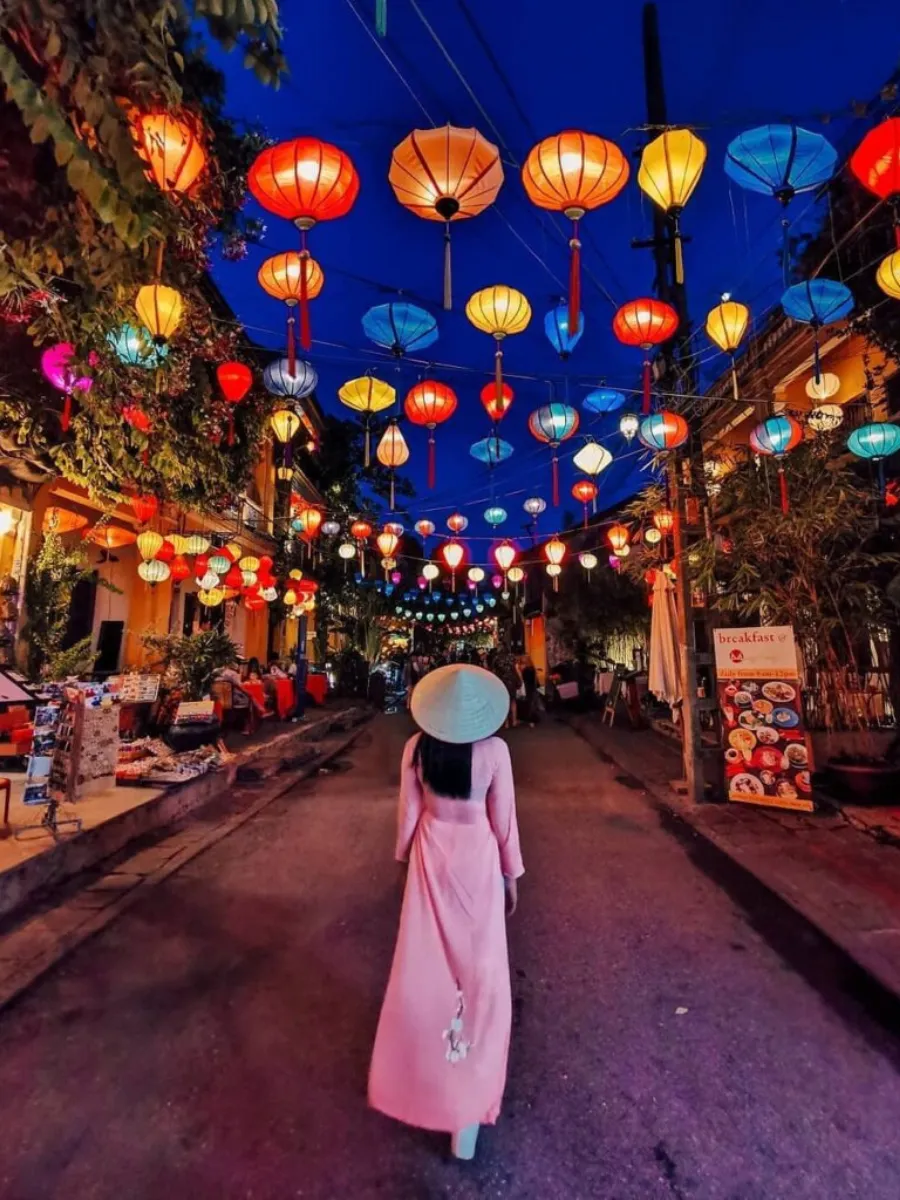
Our recommendation: Both deserve 2 nights each on a central Vietnam circuit. If forced to choose one for a single-night stay, choose Hue for the morning market and citadel combination — the citadel requires a full day to appreciate, which makes a single-night stay barely sufficient but still worthwhile. Hoi An can feel more “done” in a single evening; Hue’s rewards are more cumulative.
Essential Hue Travel Tips (From Our Local Team)
Always take the Hai Van Pass, never the tunnel. This is the single most consistent recommendation we make for the Da Nang–Hue leg, in either direction. The Hai Van Tunnel is 6 km through a mountain; the Hai Van Pass is 21 km over it, with two sets of views (the Da Nang bay approach and the Lang Co / Hue basin arrival) that are genuinely extraordinary. The extra 35–45 minutes is not a cost — it is part of the central Vietnam experience. If your driver offers the tunnel, say no.
- Visit the royal tombs in the right order for the right reason. Tu Duc first (most atmospheric, needs 90 minutes) and Minh Mang second (finest architecture, needs 60 minutes). If you’re rushed and can only do one, do Tu Duc. Khai Dinh is more visually dramatic but less architecturally coherent. Never add a third tomb by rushing the first two — Tu Duc and Minh Mang at the right pace are worth more than all three at tourist-bus speed.
- The Imperial Citadel deserves two visits. One day in the citadel produces an incomplete picture — the site is too large and too layered. Day 1 afternoon for orientation and Thai Hoa Palace. Day 2 morning for To Mieu complex, Forbidden City ruins, and Royal Theatre performance. This two-visit structure is why we recommend 3 nights in Hue for first-time visitors rather than 2.
- Eat bún bò Huế for breakfast, not dinner. The dish is structurally a breakfast food — the broth is simmered overnight and reaches its best state in the early morning before reheating degrades it. Eating bún bò Huế at 6:00 AM at a market stall is the correct version; eating it at 7:00 PM at a tourist restaurant is an approximation. Plan for the early morning food experience or accept the approximation consciously.
- The summer heat in Hue is more intense than in Da Nang or Hoi An. Hue sits in a valley between two mountain ranges that create a heat trap effect in June–August — temperatures regularly reach 36–38°C, making midday outdoor activities genuinely difficult. If visiting in this period, structure everything for 7:00–10:30 AM and 4:00–6:30 PM, with a midday rest. The citadel in midday July is not comfortable; the citadel at 8:00 AM in the same month is excellent.

The royal court meal requires advance booking at reputable restaurants. The full cơm vua experience (8–12 court dishes in traditional lacquered service) is not available at all Hue restaurants — it requires a kitchen trained in the specific court recipes and presentation. Ý Thảo Garden Restaurant and Tinh Gia Vien are the two most consistently recommended; both require booking 1–2 days ahead, especially for larger groups. Don’t leave this to the same morning — the best meals are prepared for groups who booked ahead.
Frequently Asked Questions — Hue Travel Guide
Is Hue worth visiting?
Yes — Hue is one of the most historically and culturally rich cities in Vietnam, and one of the most undervisited relative to its significance. The Imperial Citadel is among the finest examples of walled imperial architecture in Southeast Asia, the royal tombs in the surrounding hills are each architecturally distinct and historically revealing, and the food culture — built on centuries of royal court cooking — is the most refined in the country. Hue rewards slow, attentive travel more than almost anywhere in Vietnam. Two nights is the minimum; three nights allows the full citadel, tomb, and river experience.
How many days do I need in Hue?
Two nights (three days) is the recommended minimum — enough for a full citadel visit, the two essential royal tombs (Tu Duc and Minh Mang), a Perfume River dragon boat, and the essential food circuit. Two nights is tight; if you have flexibility, three nights allows the citadel two separate visits (it rewards two perspectives), Thien Mu Pagoda by boat, Khai Dinh Tomb, and the royal court meal without rushing any element. One night in Hue produces a very incomplete impression of a city that requires time to understand.
What is the Imperial Citadel of Hue?
The Hue Imperial Citadel (Kinh Thành Huế) is a 520-hectare walled imperial complex built by the Nguyen Dynasty between 1805 and 1833, modelled on Beijing’s Forbidden City with Vietnamese modifications. It comprises three concentric layers: the outer Citadel (10 km of walls, 6 metres high), the Imperial Enclosure (containing the throne room, royal theatres, and ancestral temples), and the innermost Forbidden Purple City (the emperor’s private quarters, largely destroyed in 1968). It was designated a UNESCO World Heritage Site in 1993 and is the most significant historical site in central Vietnam.
Which royal tombs should I visit in Hue?
Of Hue’s seven royal tombs, two are essential: Tu Duc Tomb (the largest complex — pavilions, gardens, and a lake built by the most literary emperor, 1847–1883; allow 90 minutes) and Minh Mang Tomb (the most formally beautiful — a symmetrical geometric landscape with courtyards, steles, and gardens; allow 60 minutes). Khai Dinh Tomb is worth adding for its extraordinary mosaic interior. The remaining four tombs are for specialists. Never rush Tu Duc and Minh Mang to fit in additional tombs — their value is in slow exploration.
When is the best time to visit Hue?
The best time to visit Hue is February to April — dry, mild temperatures ideal for the citadel and royal tomb circuits, clear skies for photography, and the lowest crowd levels of the good-weather months. March–April particularly combines excellent weather with the best light quality of the year on the old imperial buildings. Avoid October–December — Hue receives more rainfall than any other major Vietnamese tourist city during this period, and flooding can affect outdoor site access. The Hue Festival (even-numbered years, April) is worth timing a visit around for the court performance programme.
What is the best food in Hue?
Hue has Vietnam’s most refined regional cuisine, built on the royal court cooking tradition. The essential dishes: Bún bò Huế (spicy lemongrass beef noodle soup — eaten for breakfast at market stalls, best at 5:30–7:00 AM), Cơm hến (baby Perfume River clams over cold rice with 20+ condiments — Con Hen island, mornings only), Bánh bèo (steamed rice flour discs with dried shrimp and pork crackling), and Bánh khoái (Hue sizzling rice pancake with peanut-sesame dipping sauce). The royal court set meal (cơm vua) at a garden restaurant is the formal expression of the same culinary tradition.
How do I get from Hue to Hoi An or Da Nang?
The recommended route is a private car via the Hai Van Pass — 2.5–3.5 hours to Da Nang (100 km) or 3–3.5 hours to Hoi An (130 km). The Hai Van Pass — 21 km over the mountain with views of Da Nang Bay and Lang Co lagoon from the summit — is one of the best drives in Vietnam and is strongly recommended over the shorter Hai Van Tunnel (which saves 45 minutes but delivers nothing). Many travelers stop at Lang Co Beach, the Marble Mountains, and/or Da Nang city en route from Hue to Hoi An, turning the transit into a day-long journey with content. Tourist buses and Grab taxis are budget alternatives but typically take the tunnel.
Plan Your Hue Royal City Trip with a Local Expert
We’re a Vietnam-based travel company — and Hue is the central Vietnam destination where planning specifics matter most: which royal tombs to visit in which order, when to be at the citadel for each section, how to time the Perfume River dragon boat for the best sunset light, and which restaurants serve a genuine royal court meal rather than a tourist approximation. When you plan with us, you get that specificity applied to your exact travel dates — and private transport via the Hai Van Pass, which we arrange without exception for the Da Nang–Hue leg.
- Complete Hue + Hoi An + Da Nang central Vietnam circuit itineraries
- Private car via Hai Van Pass — standard on all Da Nang–Hue bookings
- Dragon boat and royal court meal advance reservations
- Imperial Citadel and royal tomb timing optimised for crowd avoidance
- Hue Festival dates and programme advice for even-year April travel
- Available 7 days a week — respond within 2–4 hours on WhatsApp
Get Your Free Hue Trip Plan
Tell us your travel dates, group size, and which combination of Hue, Hoi An, and Da Nang you’re planning. We’ll send you a sequenced itinerary with accommodation options and transparent pricing within 4 hours.
Request Your Free Hue Itinerary →
Or message us directly on WhatsApp: +84 849 391 981
Explore More Northern Vietnam
- Hoi An Travel Guide — 130 km south, the essential companion destination
- Da Nang Travel Guide — 100 km south, beach and transport hub midpoint
- Phong Nha-Ke Bang Travel Guide — world’s largest cave system, 160 km north
- My Son Sanctuary Guide — Cham temple complex, best accessed from Hoi An
- Hanoi Travel Guide — northern terminus of the Vietnam coastal circuit
- 10-Day Central Vietnam Itinerary — Phong Nha + Hue + Da Nang + Hoi An
- Browse Hue Day Tours →