



Da Nang Travel Guide: Things to Do, Best Beaches, Insider Tips & More
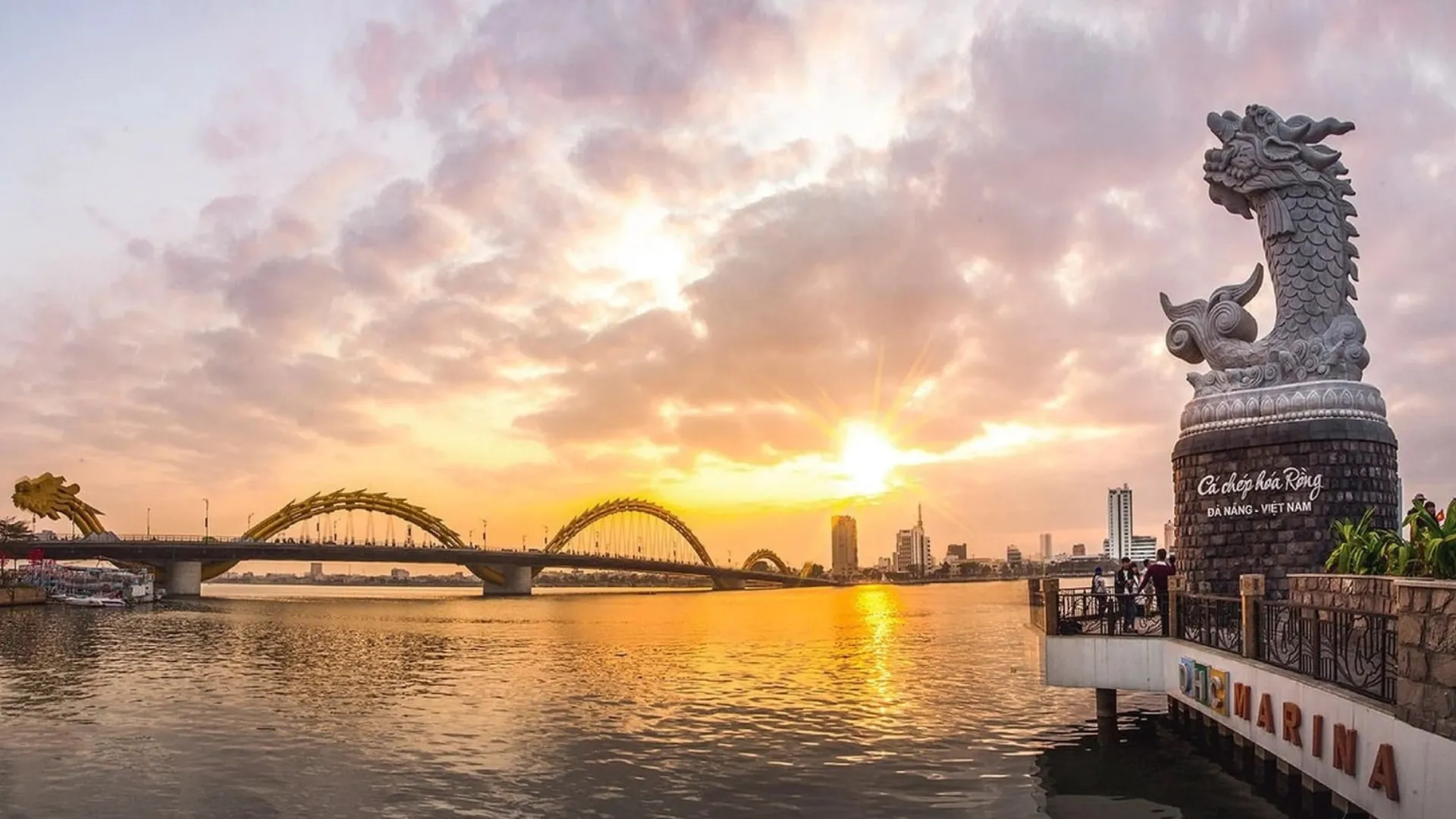
Da Nang is Vietnam’s most liveable city, a modern coastal metropolis where white-sand beaches stretch 30 kilometres along the South China Sea, the Marble Mountains rise dramatically from the shore, and Hoi An’s ancient town sits just 30 minutes to the south. Vietnam’s third-largest city has transformed rapidly over the past decade into one of Southeast Asia’s most complete beach destinations: genuinely good food, a functional city infrastructure, and easy access to some of the country’s most celebrated sites.
This travel guide covers everything: the best beaches and which to choose, what to do beyond the shore, where to stay in each neighbourhood, when to visit, how to get there, and the honest local knowledge that makes the difference between a standard coastal stop and a genuinely rewarding trip.
Jump to: Why Da Nang | Things to Do | Beaches Guide | Day Trips | Best Time to Visit | Getting There | Where to Stay | 4-Day Itinerary | Travel Tips | FAQ
Da Nang City at a Glance


| Quick Fact | Details |
|---|---|
| Location | Central Vietnam — 760 km south of Hanoi, 960 km north of Ho Chi Minh City |
| Population | ~1.2 million (city proper) — Vietnam’s 3rd-largest city |
| Airport | Da Nang International Airport (DAD) — 3 km from city centre, direct flights from 20+ countries |
| Best Time to Visit | February–August (dry season). Avoid October–November (typhoon and flooding season). |
| Recommended Stay | 3–4 days for Da Nang + Hoi An day trip; 5–7 days for the full central Vietnam experience |
| Key Beaches | My Khe Beach (city beach) · An Bang Beach (quieter, Hoi An side) · Non Nuoc Beach (near Marble Mountains) |
| Key Attractions | Marble Mountains · Dragon Bridge · Ba Na Hills · Hoi An (30 min south) · Hue (90 min north) |
| Currency | Vietnamese Dong (VND). 1 USD ≈ 25,000 VND. ATMs widely available. |
| Language | Vietnamese. English widely spoken in tourist areas, hotels, and restaurants. |
| Famous For | White-sand beaches, Dragon Bridge, Marble Mountains, fresh seafood, gateway to Hoi An |
Why Visit Da Nang? An Honest Local Perspective
Da Nang requires honest framing — because it is a city that divides traveler opinion more than most in Vietnam. Those who arrive expecting Hoi An’s heritage character or Hanoi’s cultural depth are sometimes disappointed. Those who understand what Da Nang actually is — one of the best-infrastructure beach cities in Southeast Asia, with exceptional seafood, clean streets, good hotels at every price point, and unmatched access to the central Vietnam sightseeing circuit — consistently rate it among their best Vietnam stops.
The city itself is modern, functional, and genuinely pleasant. The beaches are among the cleanest and most swimmable in the country. The food — particularly the seafood and the local central Vietnamese dishes — is excellent and underrated relative to Hoi An’s more famous dining scene. And the position: 30 minutes from Hoi An, 90 minutes from Hue, 3 hours from Phong Nha, and within day-trip range of the Hai Van Pass — makes Da Nang the single best logistical base for experiencing central Vietnam comprehensively.
Here’s what genuinely makes Da Nang worth visiting:
- The beaches are exceptional by any standard. My Khe Beach, 30 kilometres of white sand facing the South China Sea with consistent waves, clean water, and a full service infrastructure of beach clubs, restaurants, and sunbed operators is one of the best urban beaches in Asia. The Forbes magazine “best beaches in the world” recognition came from somewhere, and anyone who has spent a morning swimming here understands why.
- It’s the ideal base for the central Vietnam circuit. No other city gives you day-trip access to Hoi An, Hue, the Hai Van Pass, Ba Na Hills, and the Marble Mountains simultaneously. Travelers who base in Hoi An miss convenient Hue access; travelers who base in Hue miss convenient beach access. Da Nang threads the needle.
- The food is genuinely outstanding and local. Central Vietnamese cuisine Mi Quang (turmeric noodles), Bun bo Hue (spicy beef noodle soup, despite its Hue name available better in Da Nang than in Hue for some preparations), Banh mi from the city’s famous stalls, and fresh seafood at the Han Market and on the beachfront represents some of the most distinctive regional cooking in Vietnam. Da Nang’s food scene has developed a deserved reputation among Vietnamese travelers who know it well.
- The city is clean, functional, and genuinely pleasant to move around. By Vietnamese city standards, Da Nang’s road organisation, public cleanliness, and general infrastructure quality is exceptional. This matters for a visit: getting around is easy, beaches are accessible, and the absence of the chaos that characterises Hanoi and Ho Chi Minh City makes it a genuinely relaxed base for multi-day central Vietnam exploration.
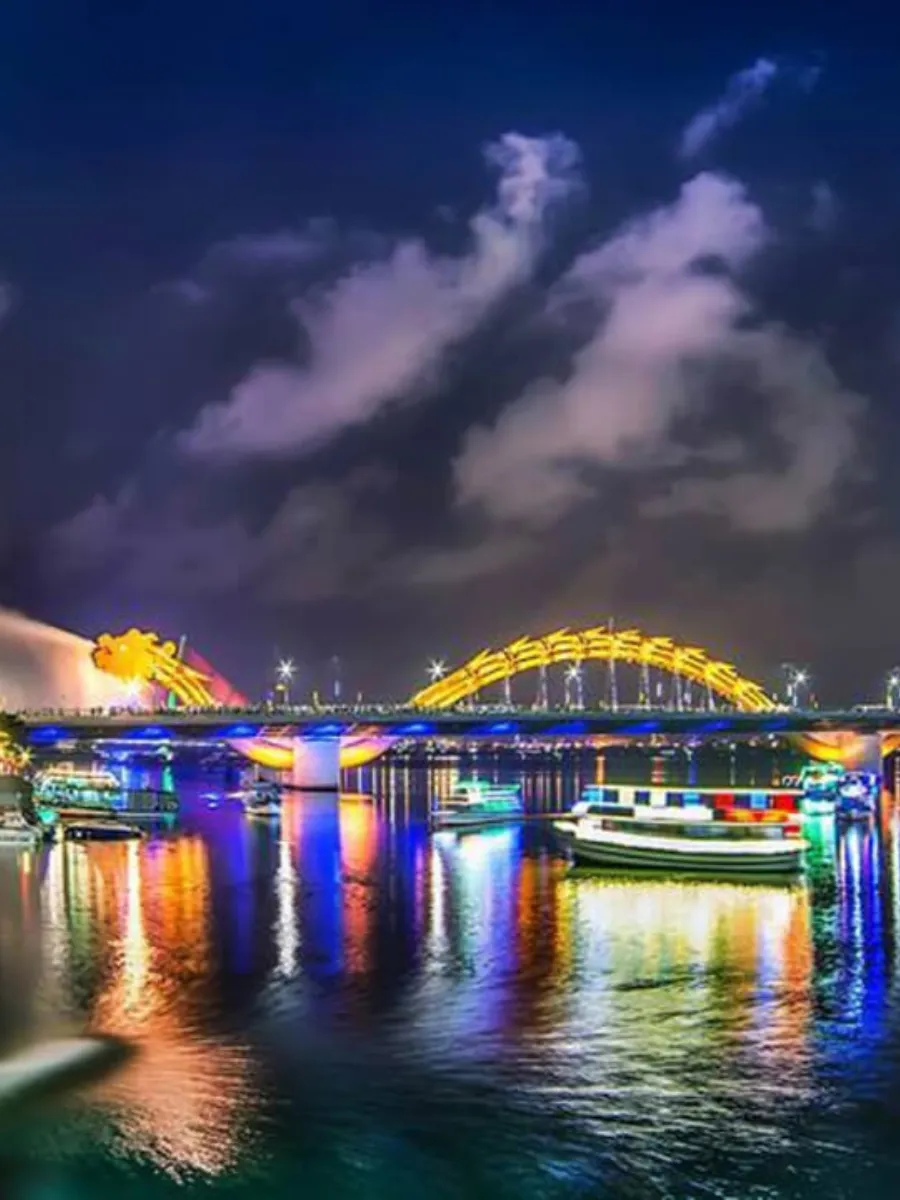
- The Dragon Bridge is a spectacle worth seeing. Vietnam’s most photographed bridge 666 metres long, designed as a dragon with 2,000 steel segments forming its body breathes fire and water every Saturday and Sunday night at 9:00 PM. It is unabashedly theatrical and completely specific to Da Nang: a city that built a fire-breathing dragon bridge and doesn’t apologise for it.
Best Things to Do in Da Nang
1. Marble Mountains (Ngũ Hành Sơn)
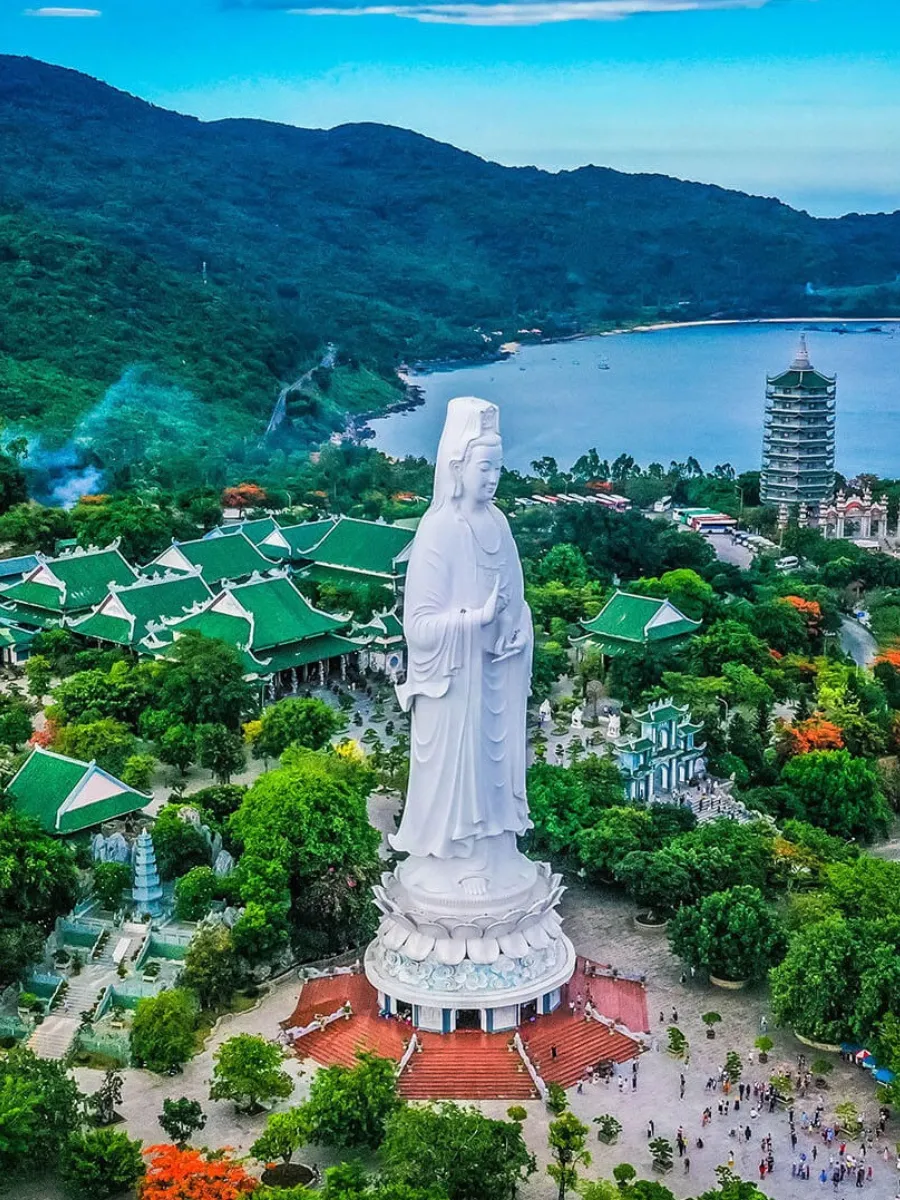
Five limestone and marble peaks rising from the coastal plain 8 kilometres south of Da Nang city centre named for the five elements (metal, wood, water, fire, earth) with a network of Buddhist sanctuaries, caves, and viewpoints inside and on top of the formations. The most popular ascent is Thuy Son (Water Mountain), the largest of the five: a lift or a stone staircase of 156 steps reaches the summit area, where cave temples, natural skylight caves, and a panoramic coastal viewpoint reward the climb. The Huyen Khong Cave, a cathedral-sized natural cavity with an opening in the ceiling through which light beams down onto the altar is genuinely extraordinary. Allow 2–3 hours. Entry: 40,000 VND (steps) or 70,000 VND (lift + steps).
Honest note: The Marble Mountains attract significant souvenir hawking on the approach road. The sites themselves, once you’re past the entrance, are genuinely impressive and far less commercialised than the approach suggests. Go early (7:30–8:00 AM) to avoid the midday tour groups.
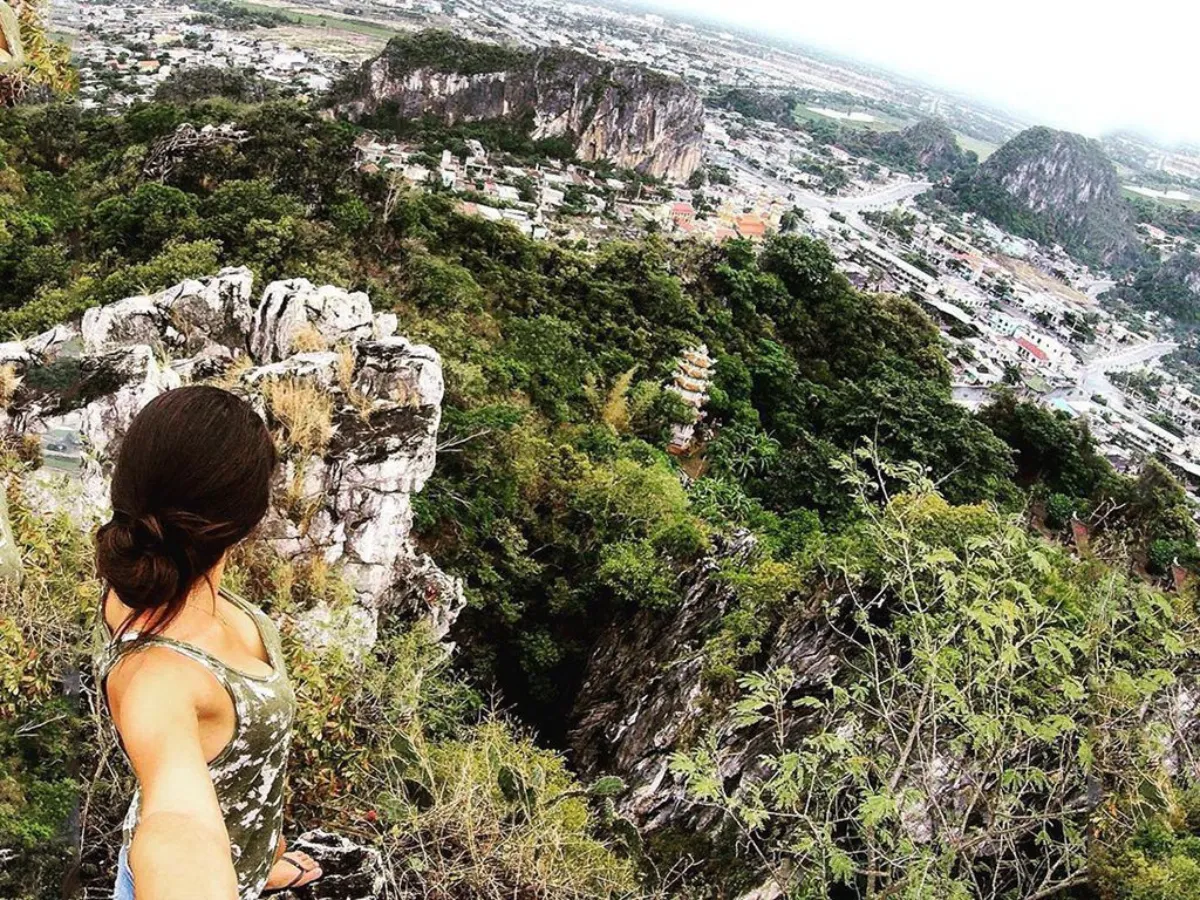
Marble Mountains in Da Nang
The Vietnam’s Spiritual Landmark
2. My Khe Beach
Da Nang’s main beach, 30 kilometres of white sand running the full length of the city’s eastern edge is a genuinely excellent urban beach. The water is clear, the waves are consistent (good for bodyboarding and casual surfing in the right season), and the beach service infrastructure is well-developed: umbrella and sunbed rental runs 50,000–100,000 VND per set, beachfront seafood restaurants operate from 6:00 AM, and the beach is clean and staffed with lifeguards during peak hours. The best sections are north of the bridge (less crowded) and the area adjacent to the Fusion Maia and Pullman resort zone. Early morning and late afternoon are the best times, midday heat is intense from April to August.
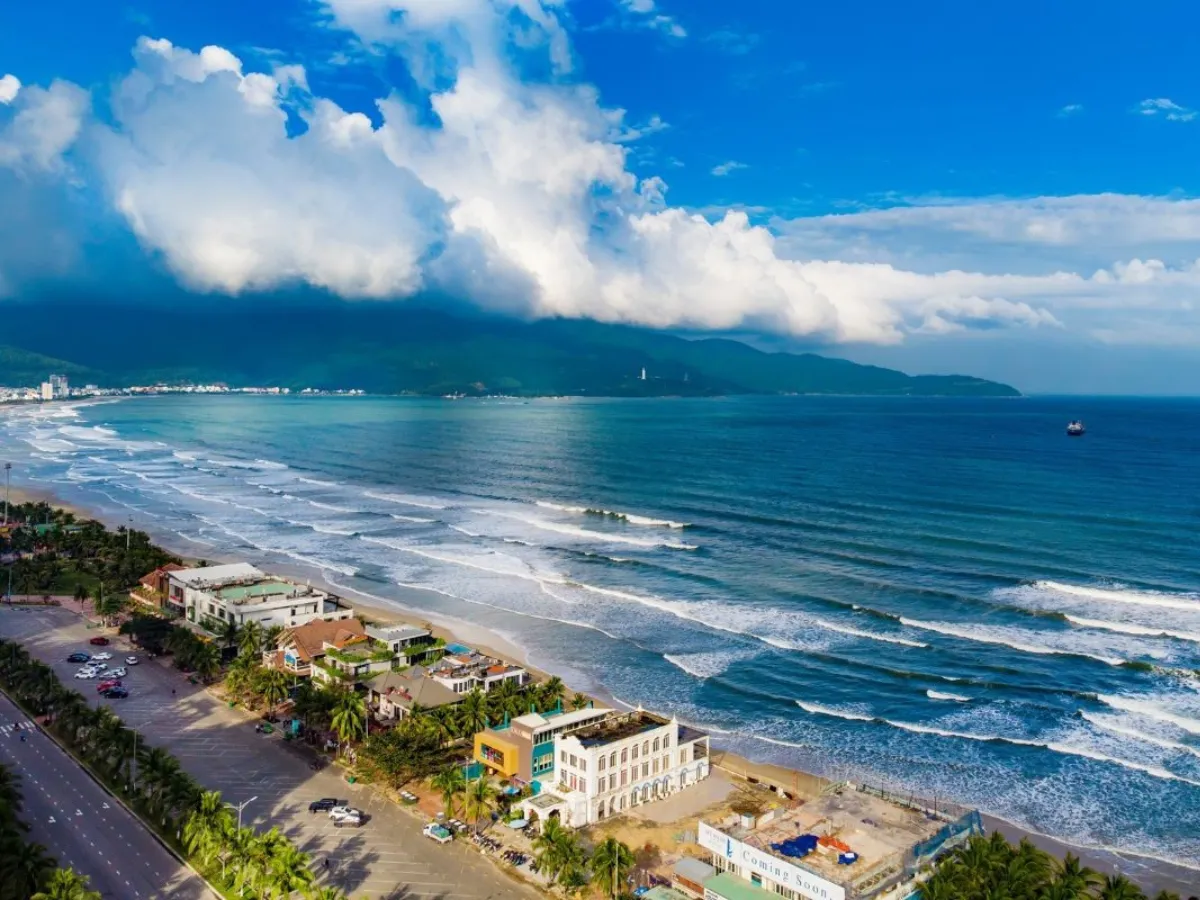
My Khe Beach
Best Beach in Da Nang Vietnam
3. Dragon Bridge (Cầu Rồng)
The Dragon Bridge spans the Han River across 15 lanes, the dragon body formed from 2,000 individually crafted steel segments stretching 666 metres, painted gold and green, illuminated at night. Every Saturday and Sunday at 9:00 PM precisely, the dragon’s mouth breathes fire and water for approximately 15 minutes. The spectacle draws thousands of local residents who gather on both banks and on the bridge itself; the atmosphere is festive rather than touristy, this is a Da Nang institution that locals genuinely enjoy rather than simply tolerating for tourist purposes. Arrive by 8:30 PM to secure a good position on the eastern bank viewing area.
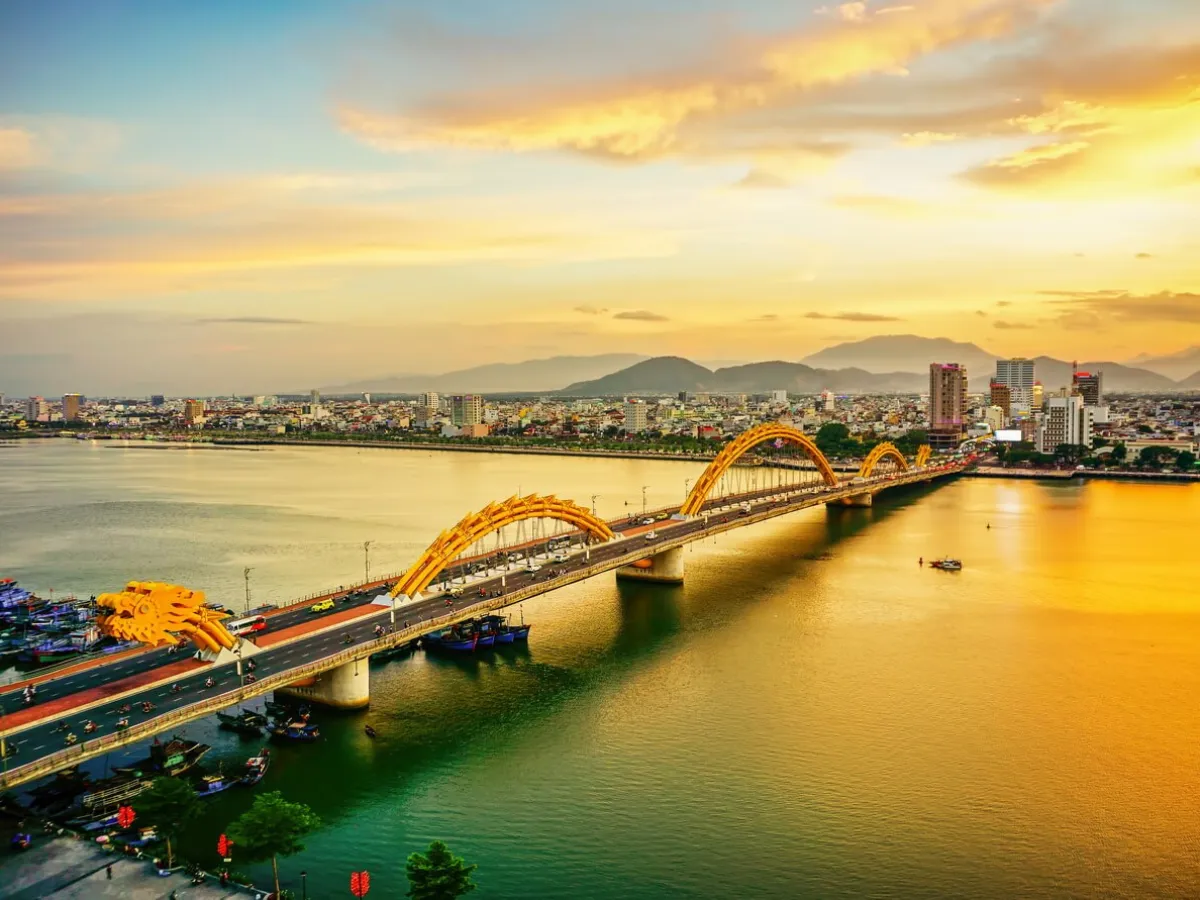
The Dragon Bridge
Iconic Landmark in Central Vietnam
4. Han Market (Chợ Hàn)
The central covered market on the Han River waterfront, a functioning daily market operating from 6:00 AM to 6:00 PM across two floors. The ground floor specialises in fresh seafood, meat, produce, and spices; the upper floor has fabric, clothing, and small goods. The fish section in the early morning (6:00–8:00 AM) with the day’s catch arriving from the Da Nang port is one of the best market food photography opportunities in central Vietnam. The adjacent Con Market (800 metres west) is larger and even more local in character. Not a tourist market, a working city market where Da Nang residents buy their food daily.
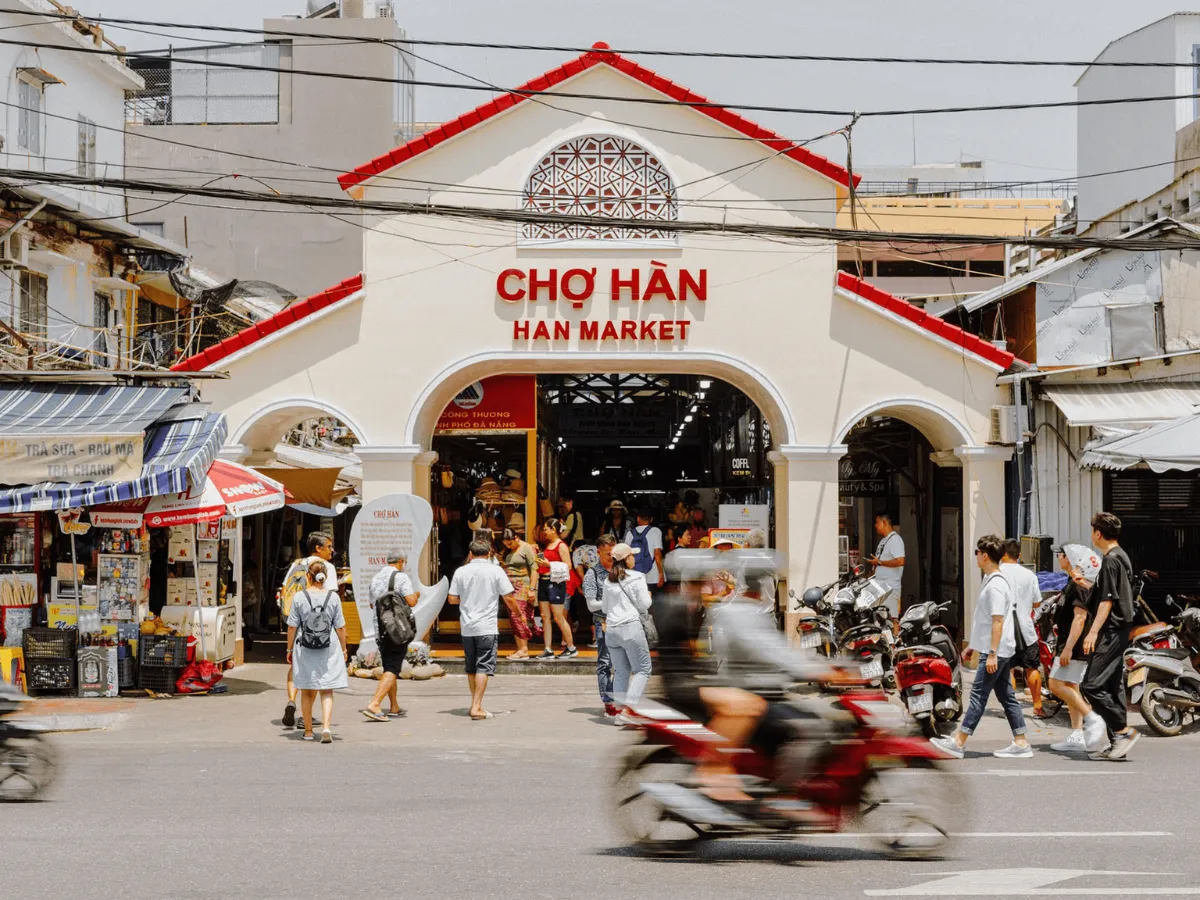
Han Market in Da Nang
Ideal place for local & traditional products
5. Da Nang Museum of Cham Sculpture
The finest collection of Cham sculpture in the world over 300 sandstone and terracotta works from the Hindu-influenced Cham civilisation that dominated central Vietnam from the 2nd to 17th centuries. The Cham ruins at My Son (a UNESCO site 70 km southwest) are the architectural remnants; this museum holds the sculptural masterpieces: gods, dancers, makara creatures, and temple guardian figures of extraordinary refinement. Often overlooked by visitors focused on beaches and Ba Na Hills, a significant mistake. Entry: 60,000 VND. Allow 90 minutes. The quality of the collection rivals the best Hindu and Buddhist sculpture collections in Southeast Asia.
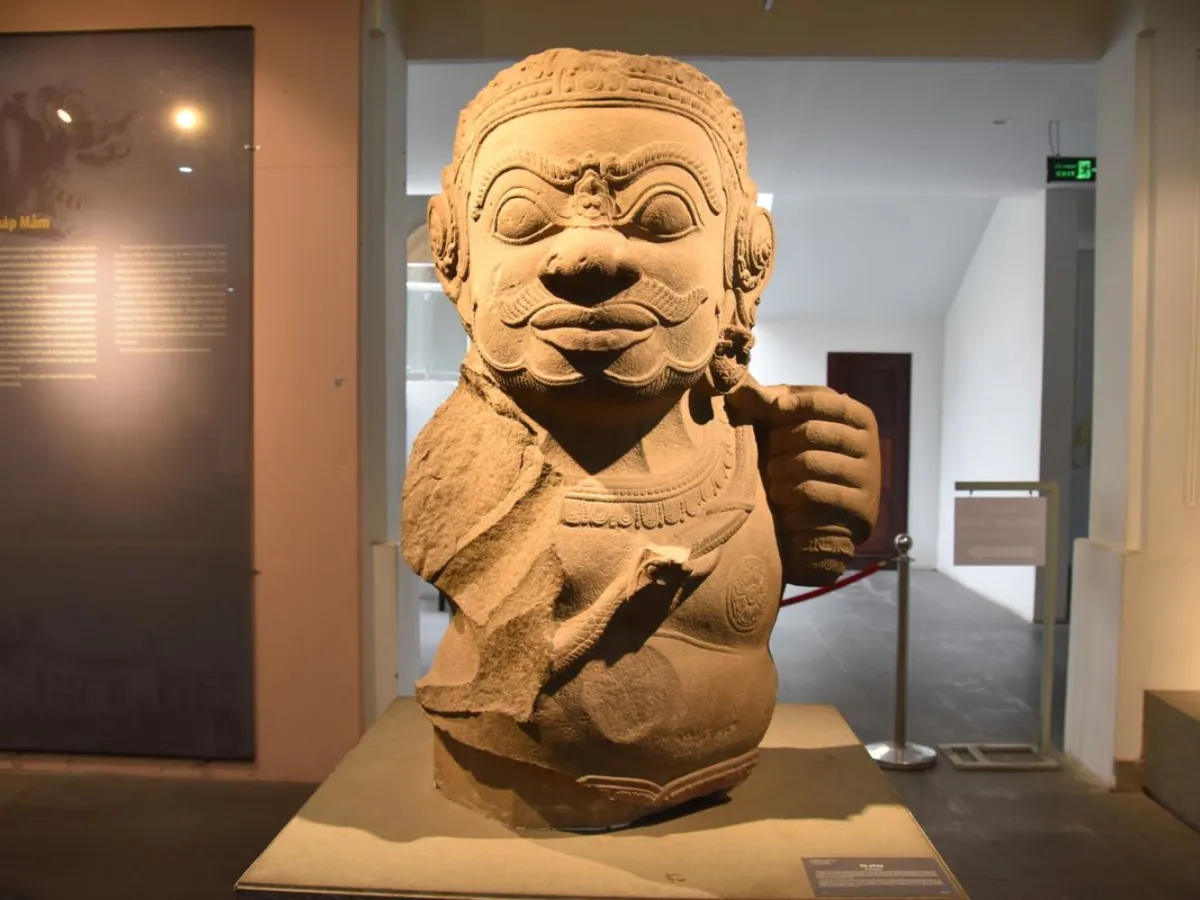
Da Nang Museum of Cham Sculpture
The Cham Arts
6. Ba Na Hills
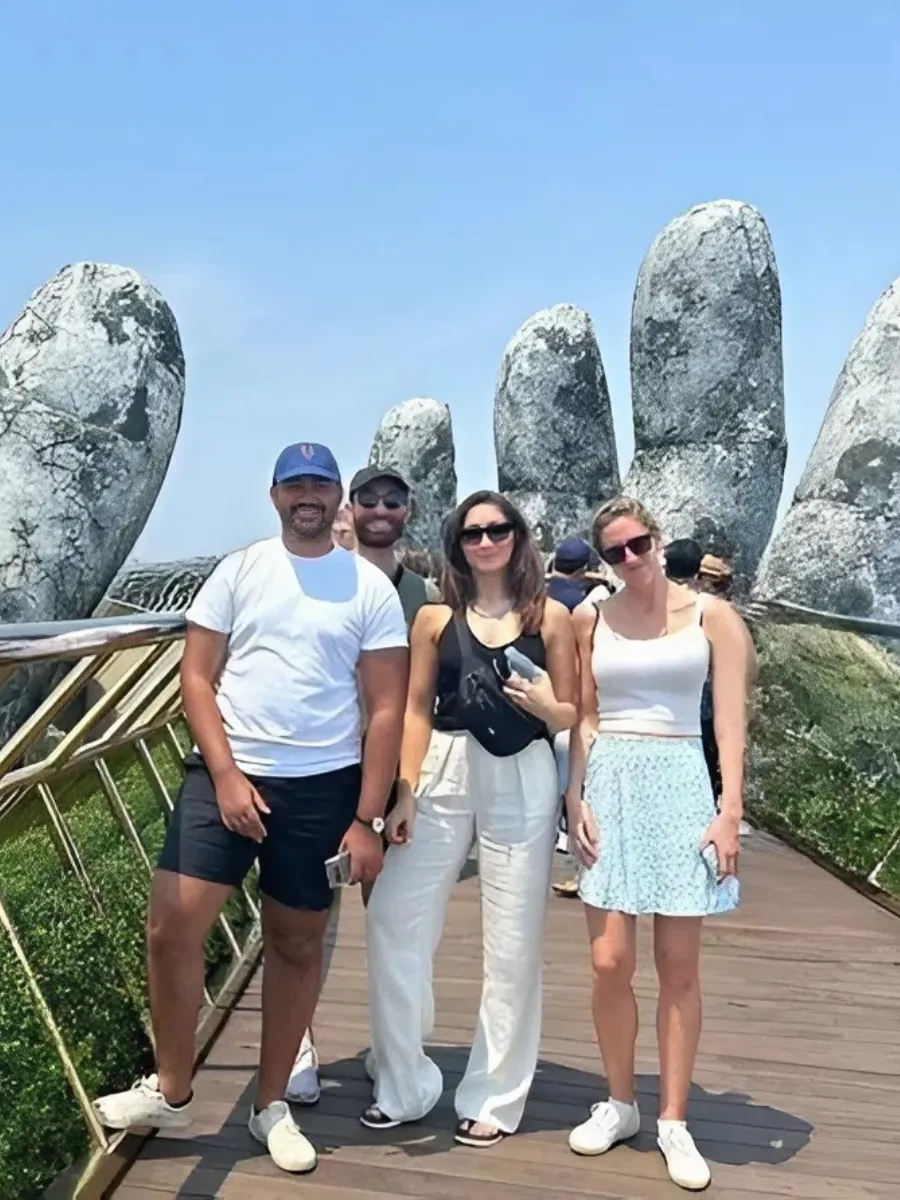
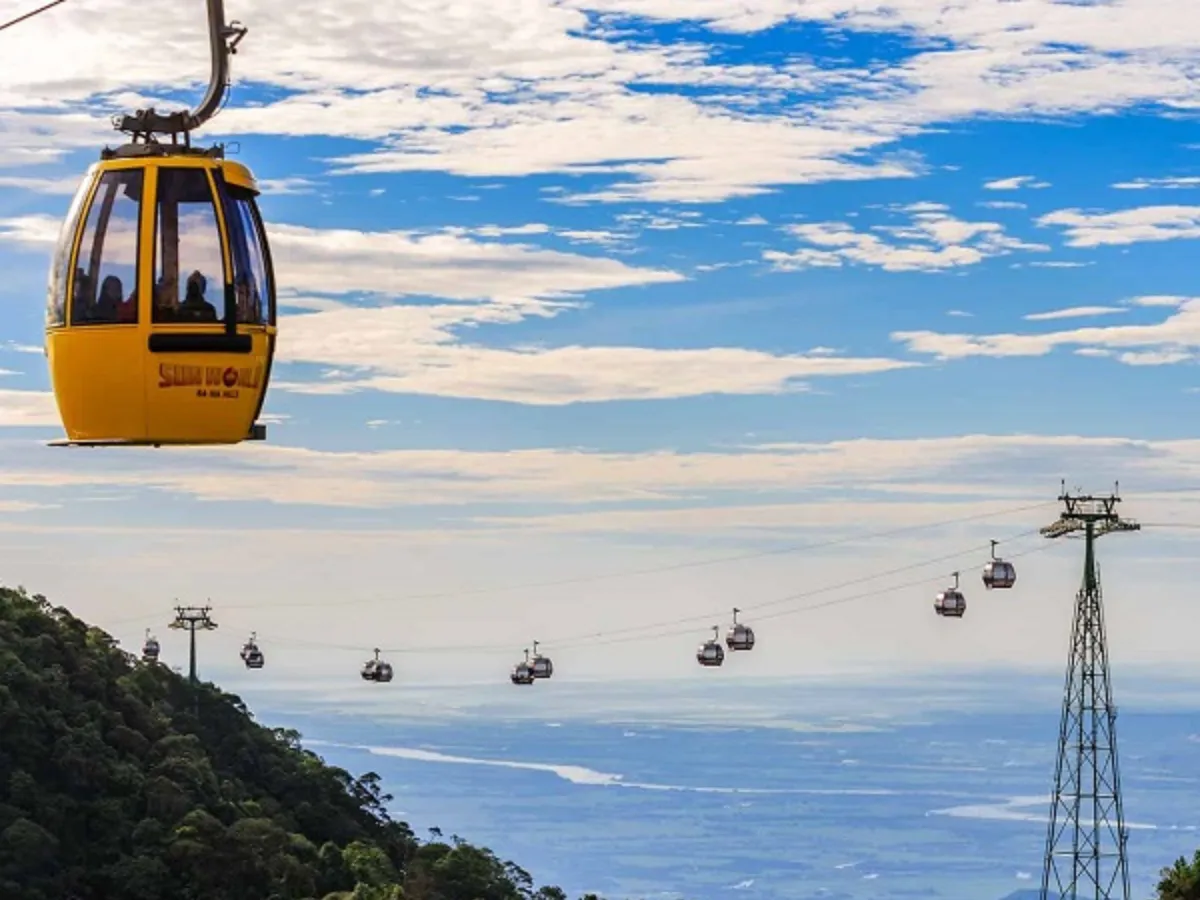
A French hill station at 1,487 metres, built by colonial administrators as a cool-air retreat from coastal heat in the 1920s, abandoned after 1954, and redeveloped from 2009 onward by Sun Group into a massive resort theme park. The current Ba Na Hills complex includes the longest cable car in the world (5,801 metres), a French village recreation, a fantasy castle, SunWorld amusement park, and the famous Golden Bridge, a pedestrian footbridge held aloft by two enormous stone hands, photographed millions of times and specifically designed for the Instagram era.
Honest assessment: Ba Na Hills is very good at what it does a well-operated, high-production-value theme park experience with genuinely spectacular mountain cable car views and the Golden Bridge, which is legitimately extraordinary as an engineering and visual concept. It is not “authentic Vietnam” and makes no claims to be. The decision to go should be based on whether a world-class cable car ride, mountain views, and the Golden Bridge photograph appeal to you for many travelers, the answer is yes, and that’s a perfectly valid reason to spend a day here. Entry + cable car: approximately $35–$45 per adult.
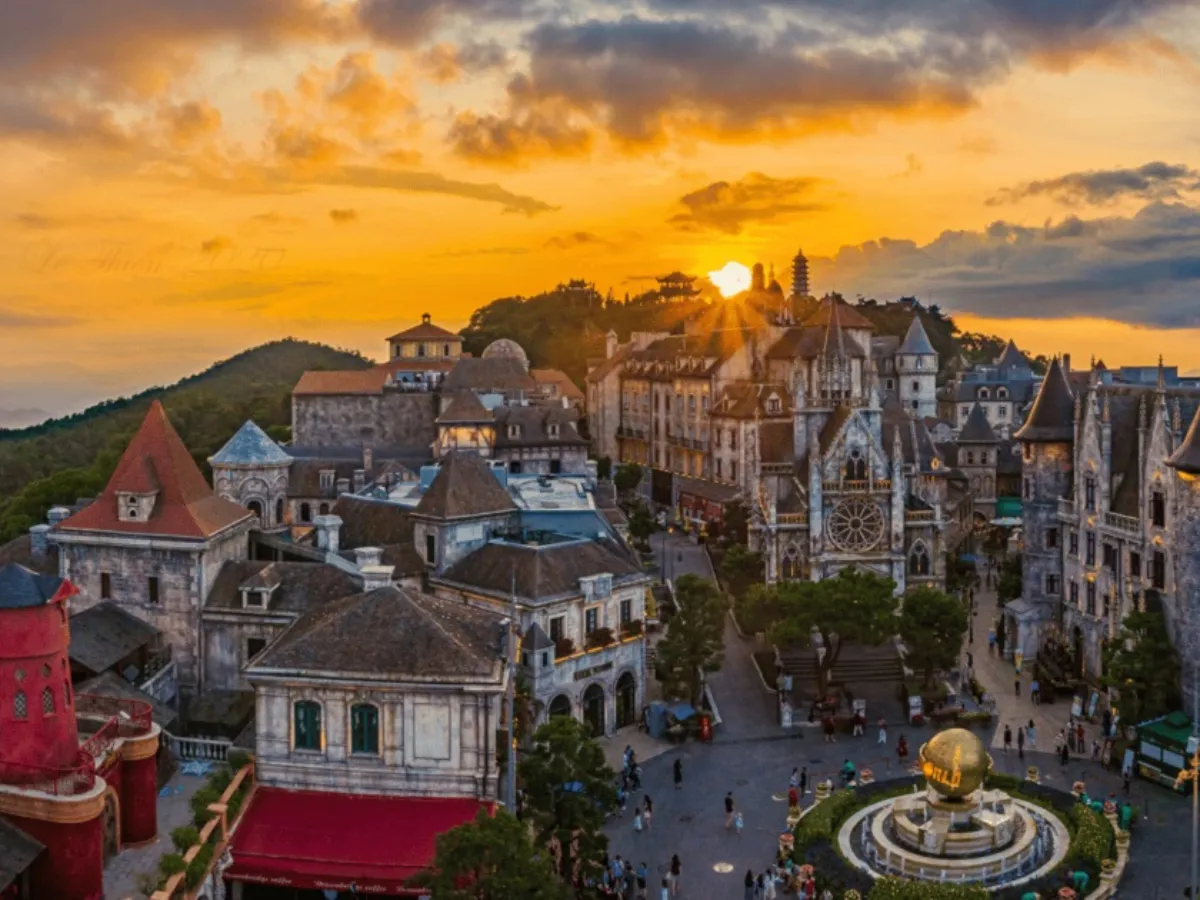
Ba Na Hills Day Trip from Da Nang
The French Village
7. Hoi An Day Trip
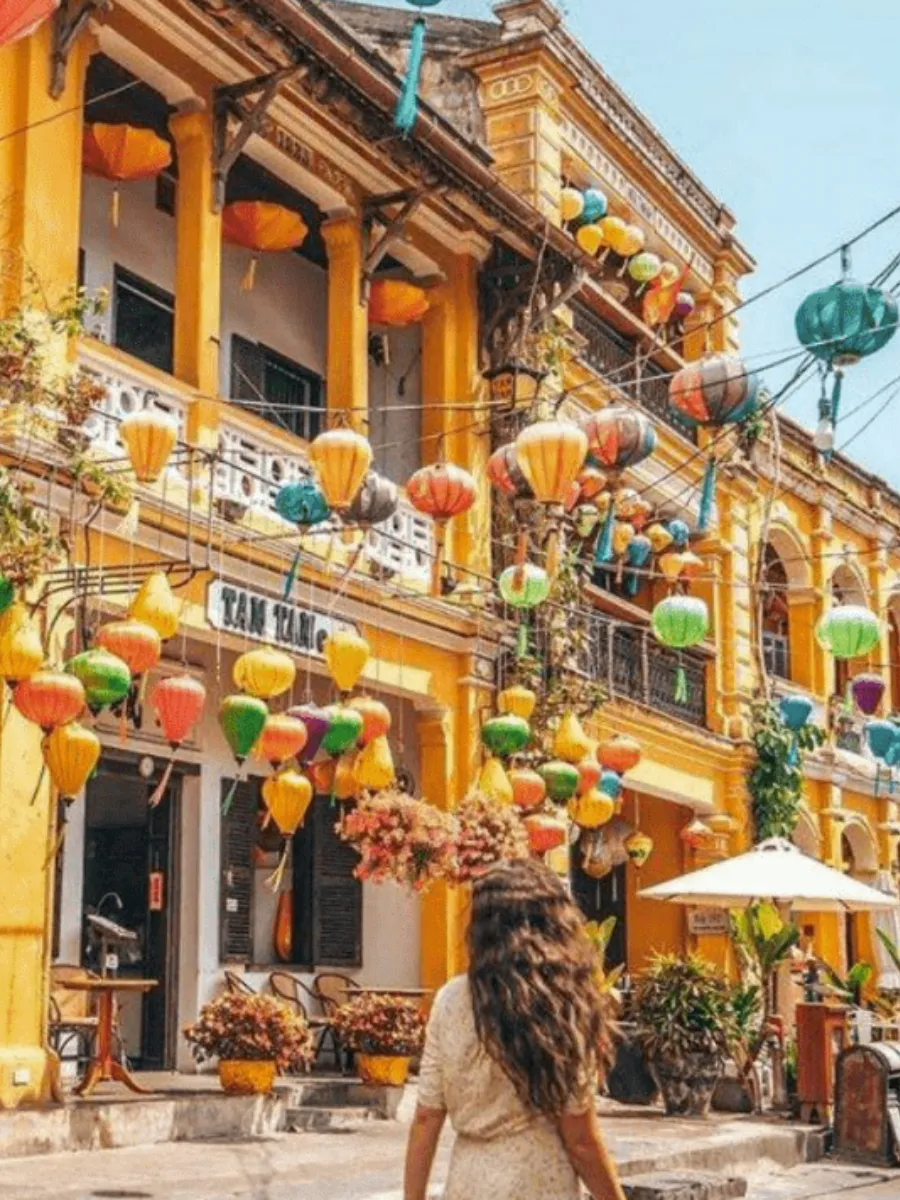
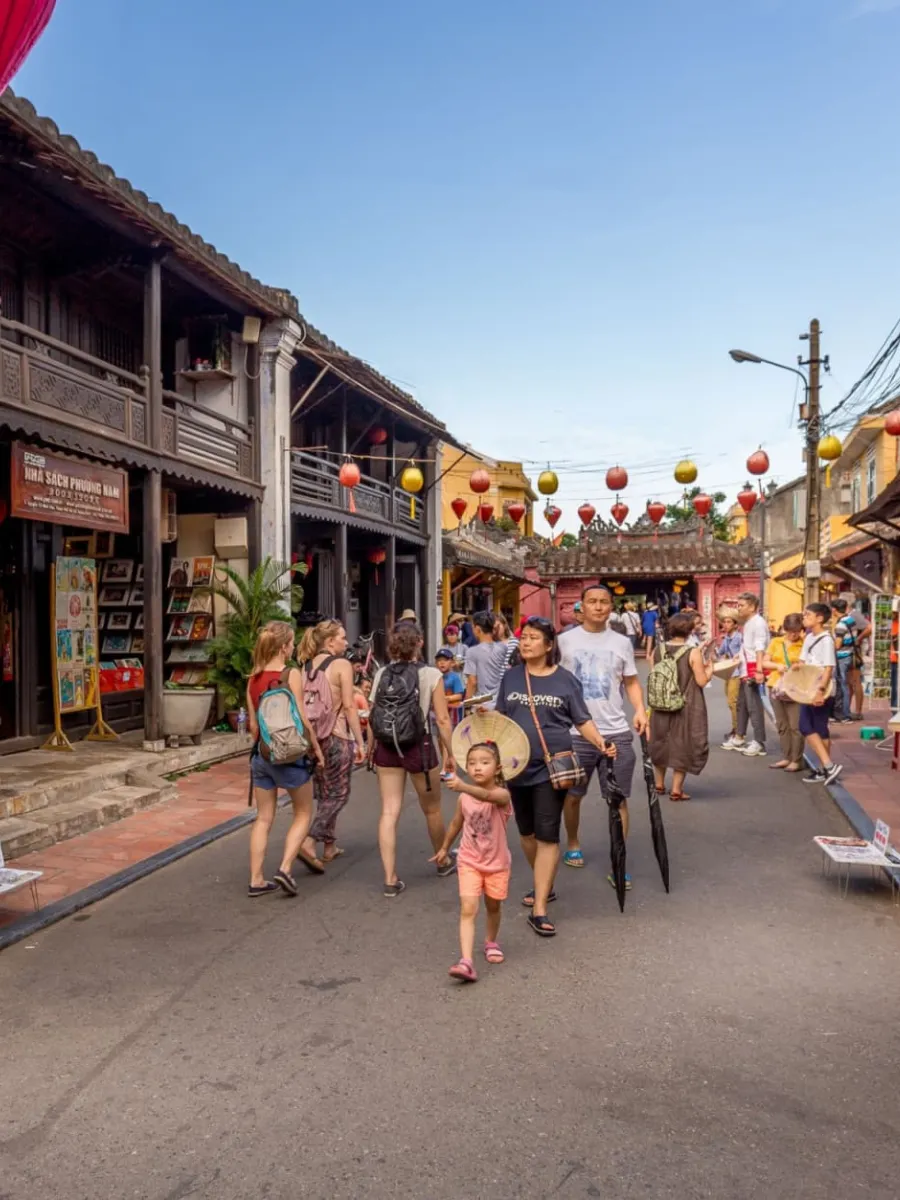
Hoi An Ancient Town, a UNESCO World Heritage Site 30 kilometres south is the most important and most rewarding day trip from Da Nang. The 15th–19th century trading port, extraordinarily well-preserved, is one of the best-maintained historic towns in Southeast Asia. The narrow streets of the old quarter, the Japanese Covered Bridge, the merchant houses, the tailors, and the exceptional food scene (cao lau, white rose dumplings, banh mi from the famous Banh Mi Phuong and Banh Mi Ba Lan) all reward a full day. Many travelers who base in Da Nang spend their best day in Hoi An which is entirely correct. See our Hoi An Travel Guide for the full detail.

Hoi An Day Trip fom Da Nang
Thu Bon River Boat Ride
Da Nang Beaches Guide: Which Beach to Choose
The Da Nang coastal area has three main beach zones with meaningfully different characters:
| Beach | Location | Character | Best For | Crowd Level |
|---|---|---|---|---|
| My Khe Beach | Da Nang city, east of Han River | Wide, well-maintained, full service. The urban beach. Lifeguards, beach clubs, restaurants, consistent waves. | Swimming, sunbathing, morning walks, convenient access from city accommodation | Moderate — busy on summer weekends with domestic tourists |
| Non Nuoc Beach | 8 km south of city, below Marble Mountains | Wider and longer than My Khe, adjacent to the luxury resort strip (Hyatt, InterContinental, Furama). Cleaner water than the city sections, slightly more waves. | Resort beach experience, surfing, water sports, families in the resort zone | Moderate — primarily resort guests |
| An Bang Beach | 3 km north of Hoi An, accessible from Da Nang | A quieter, more relaxed alternative to My Khe. Better for a beach day combined with Hoi An sightseeing. Several excellent beach restaurants and bars (Good Morning Vietnam, An Bang Seaside Bistro). | Quieter beach day, combining with Hoi An, digital nomad beach bars | Low–Moderate — the least crowded of the three in peak season |
| Lang Co Beach | 60 km north of Da Nang (past Hai Van Pass) | A 10-km strip of undeveloped beach on a lagoon between the Hai Van Pass mountains and the South China Sea. Extraordinary setting, minimal infrastructure. | Half-day stop on the Hai Van Pass drive, photography, solitude | Very low — day-tripper traffic only |
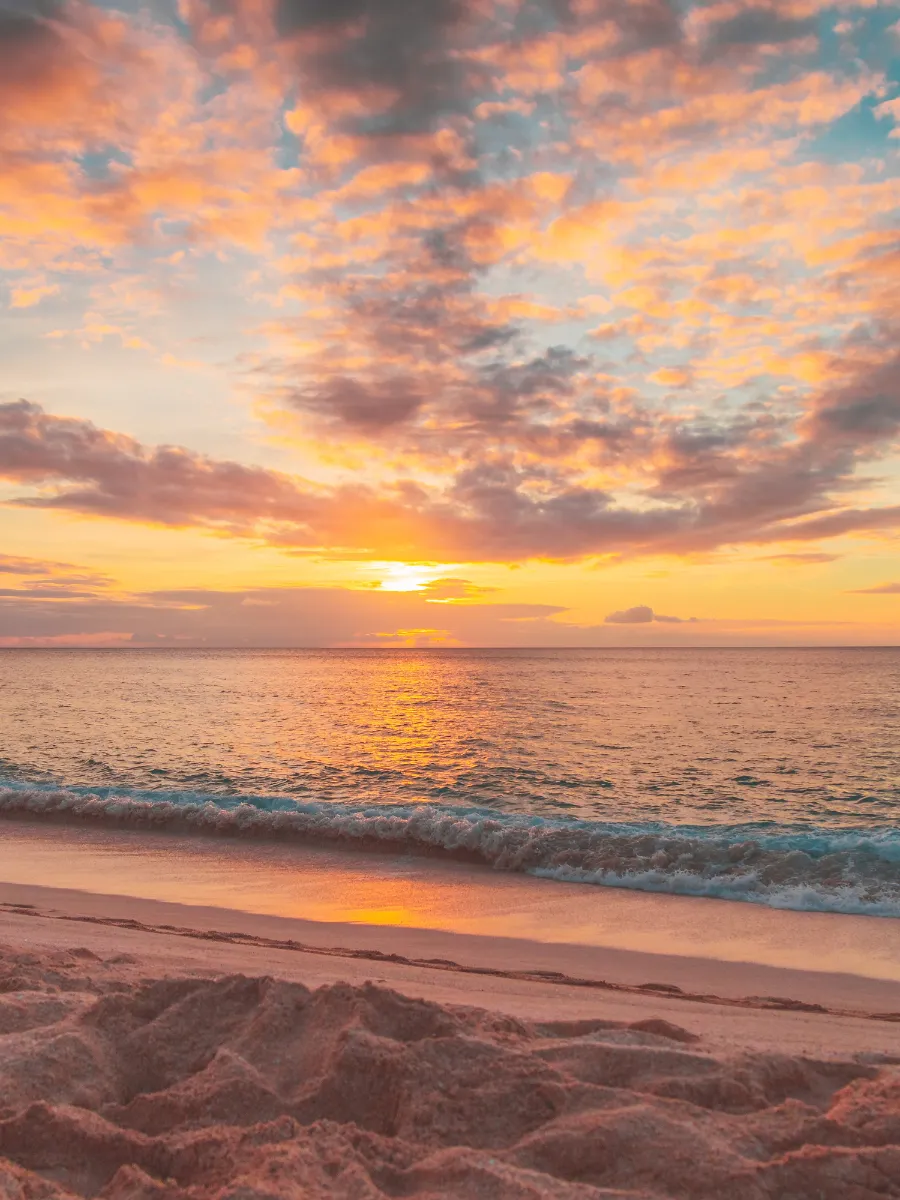
Our recommendation: Use My Khe Beach as your base beach for the Da Nang stay convenient, well-serviced, and excellent for morning swims. On the Hoi An day trip, add a 2-hour An Bang Beach session in the afternoon. For a half-day beach excursion with no facilities and extraordinary scenery, Lang Co on the Hai Van Pass drive.
Staying in Da Nang and planning a central Vietnam circuit? Our team arranges private day trips to Hoi An, the Hai Van Pass, Hue, and the Marble Mountains flexible timing, no group buses. Message us on WhatsApp →
Best Day Trips from Da Nang

| Destination | Distance | Duration | Best For | Highlight |
|---|---|---|---|---|
| Hoi An Ancient Town | 30 km south | Full day (8–10 hrs) | UNESCO heritage, tailors, food, lantern-lit evenings | Japanese Covered Bridge, merchant houses, cao lau, Banh Mi Phuong, An Bang Beach |
| Hai Van Pass + Lang Co | 20–60 km north | Half day (4–5 hrs) | Motorbike scenery, Lonely Planet “most beautiful stretch” drive, Lang Co beach | The mountain pass between Da Nang and Hue — arguably the most scenic coastal road in Vietnam |
| Hue Imperial City | 100 km north | Full day (10–11 hrs) | UNESCO imperial citadel, royal tombs, Thien Mu Pagoda, Hue cuisine | The Nguyen Dynasty citadel — Vietnam’s last imperial capital, partially restored after American War damage |
| My Son Sanctuary | 70 km southwest | Half to full day | UNESCO Cham temple ruins, jungle setting, pre-modern Vietnamese history | 4th–14th century Hindu temple complex — the most significant Cham archaeological site in Vietnam |
| Ba Na Hills | 25 km west | Full day (7–8 hrs) | Cable car, Golden Bridge, mountain views, theme park | World’s longest cable car + the Golden Bridge held by stone hands — genuinely spectacular engineering |
| Marble Mountains | 8 km south | Half day (2–3 hrs) | Cave temples, Buddhist sanctuaries, coastal panorama | Huyen Khong Cave with natural skylight beam — one of the most atmospheric religious sites in central Vietnam |
Priority ranking for a 3-day Da Nang stay: Hoi An (Day 1 — non-negotiable), Hai Van Pass + Marble Mountains (Day 2 — best motorbike day in central Vietnam), Ba Na Hills or Hue (Day 3 — choose based on preference for nature/theme park vs imperial history). The Marble Mountains are close enough to combine with anything and should be done early morning before other activities.
Best Time to Visit Da Nang: Month-by-Month Guide
The best time to visit Da Nang is February to August, the dry season, with the strongest swimming conditions and lowest rainfall. The critical constraint is October to November, when typhoon season and annual flooding can significantly disrupt travel, this is not a mild weather concern but a genuine safety and logistics consideration in some years.
| Period | Temp & Conditions | Beach | Verdict |
|---|---|---|---|
| Jan – Feb | 20–24°C / 68–75°F. Some cloud and light rain. Cool evenings. | Swimmable but not peak — some rougher days | Acceptable. The tail end of the wet season. Beach conditions are variable but sightseeing (Marble Mountains, Hoi An, Hue) is excellent without summer heat. Chinese New Year / Tet (Jan/Feb) brings domestic crowds and some business closures. |
| Mar – Apr ⭐ | 24–28°C / 75–82°F. Mostly clear, warming | Excellent — calm sea, warm water | Excellent. The dry season properly established. Comfortable temperatures for both beach and sightseeing. Before the summer domestic tourist peak. One of the two best windows for central Vietnam travel. |
| May – Aug ⭐ | 28–35°C / 82–95°F. Hot, clear, occasional afternoon showers | Peak beach season — best waves, warmest water | Best beach season. Peak summer conditions — high temperatures but excellent sea, consistent waves for surfing/bodyboarding, full beach service operation. July–August is Vietnamese domestic peak holiday season — beaches crowded on weekends but excellent conditions. The definitive beach visit window. |
| Sep | 26–30°C / 79–86°F. Transition month | Good, some rougher periods | Acceptable. The weather is usually still reasonable in early September; typhoon risk increases through the month. Good shoulder season value with lower accommodation prices. |
| Oct – Nov ⚠️ | 22–27°C / 72–81°F. Heavy rain, flooding risk, typhoon season | Rough — swimming often not advisable | Avoid if possible. October and November bring the heaviest rainfall of the year, occasional typhoon impacts (roads and flights disrupted), and periodic flooding in Hoi An’s old town. 2020 and 2022 saw major flooding events. If you must visit in this window, build significant flexibility into plans and have travel insurance that covers weather disruption. |
| Dec | 20–24°C / 68–75°F. Cooling, some rain early December | Improving through the month | Good from mid-December onward. The weather typically stabilises by mid-December and temperatures are pleasant for sightseeing. Christmas–New Year sees international tourist arrivals increase significantly and accommodation prices spike. |
The Da Nang paradox: Vietnam’s central coast has an inverted wet season relative to the north and south while Hanoi and Ho Chi Minh City are dry October–April, Da Nang (and Hoi An, and Hue) are wet October–November and dry February–August. This means the “best time to visit Vietnam” advice for the north (September–November for rice harvest) is the worst advice for central Vietnam. Always plan central and northern Vietnam separately in terms of weather timing.
How to Get to Da Nang?
| Route | Duration | Cost (approx.) | Best For |
|---|---|---|---|
| Flight from Hanoi | 1 hr 15 min | $20–$80 pp (varies significantly by advance booking) | Most practical for Hanoi departures. Vietnam Airlines, VietJet, and Bamboo Airways all serve the route multiple times daily. Book 3–4 weeks ahead for the best prices. Da Nang Airport is 3 km from city centre — 10-minute taxi for approximately 100,000 VND. |
| Flight from Ho Chi Minh City | 1 hr 20 min | $20–$70 pp | Southern Vietnam departures. Multiple airlines, multiple daily. Same airport proximity advantage. |
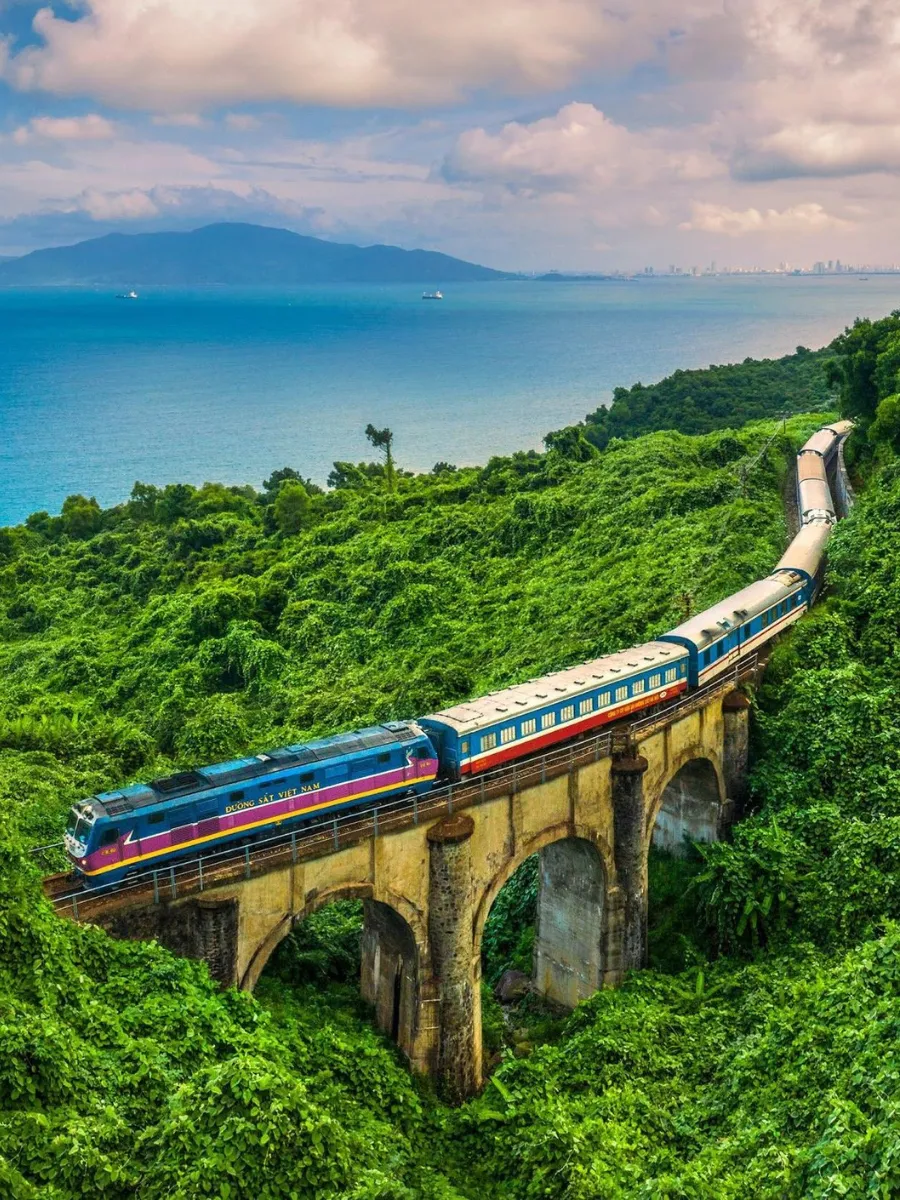
| Overnight train from Hanoi | 16–17 hrs | $25–$50 pp (soft sleeper) | Travelers who enjoy the train journey and want to arrive rested without a daytime travel day. The Reunification Express coastal section north of Da Nang (and the Hai Van Pass tunnel approach) is scenic. Soft sleeper cabins are comfortable for overnight. |
| Overnight train from Ho Chi Minh City | 16–17 hrs | $30–$55 pp (soft sleeper) | Same rationale as Hanoi — the train between HCMC and Da Nang is a classic Vietnam rail journey. |
| From Hue by private car or bus | 3–3.5 hrs (via Hai Van Pass road) / 1.5 hrs (via tunnel) | $50–$70 (private car) / $6–$10 pp (bus) | Travelers on the central Vietnam coastal circuit. Take the Hai Van Pass road, not the tunnel — the tunnel is faster but misses the most scenic coastal road in Vietnam. The pass adds 40 minutes and delivers one of the best drives in the country. |
| From Hoi An | 30–45 min | $15–$25 (private car/taxi) / $2–$4 (shared shuttle) | The most common transfer for central Vietnam travelers. Grab, private taxi, and shuttle buses all operate regularly. The 30-minute road passes through the beach resort strip — scenic enough to keep the window open. |
Getting around Da Nang: Grab (Vietnam’s Uber) is the most convenient option for most journeys reliable, price-displayed before booking, no language barrier. Motorbike rental (150,000–250,000 VND/day) is the best way to independently explore the beaches, Marble Mountains, and Hai Van Pass. Taxis (Vinasun, Mai Linh, Green SM) are reliable and metered. The beaches and city centre are close enough for walking in the evening.
Where to Stay in Da Nang: Choosing the Right Neighbourhood?
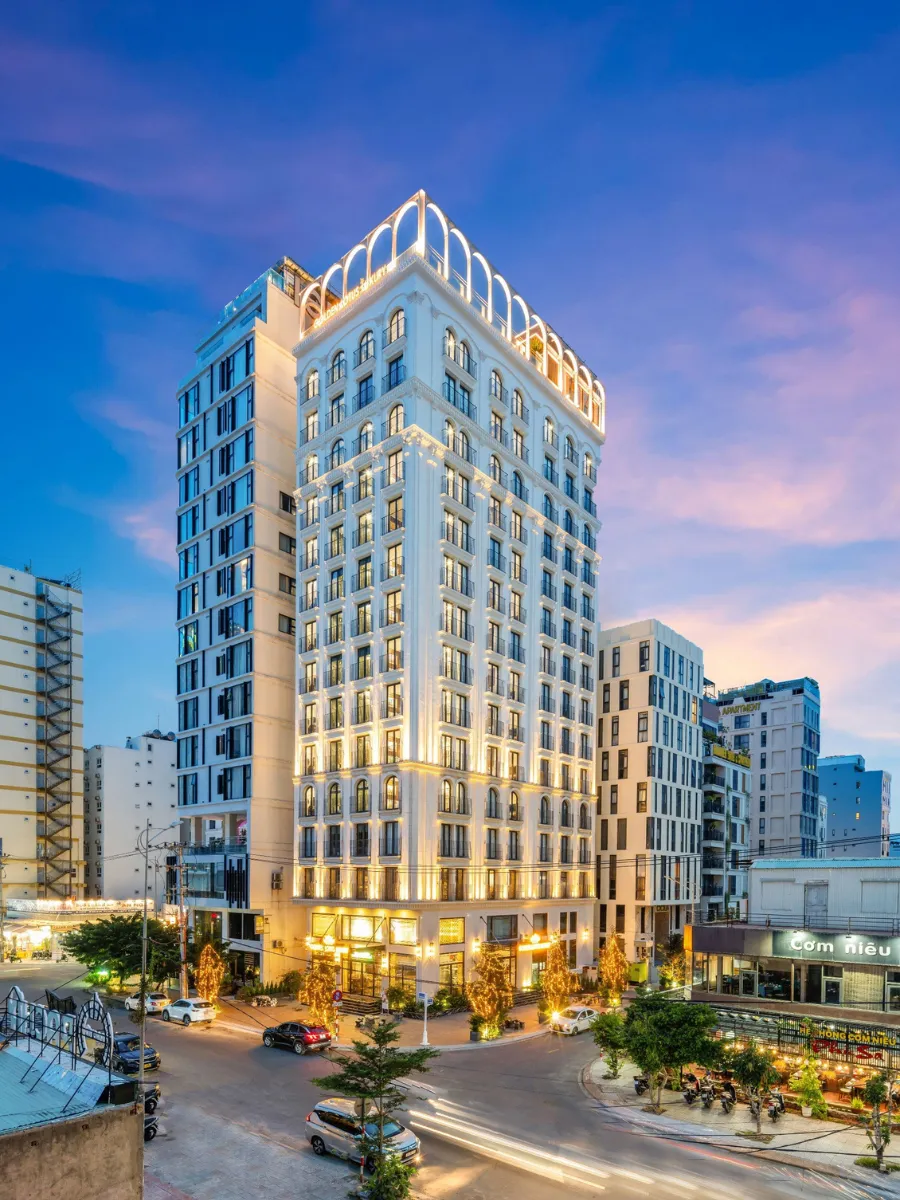
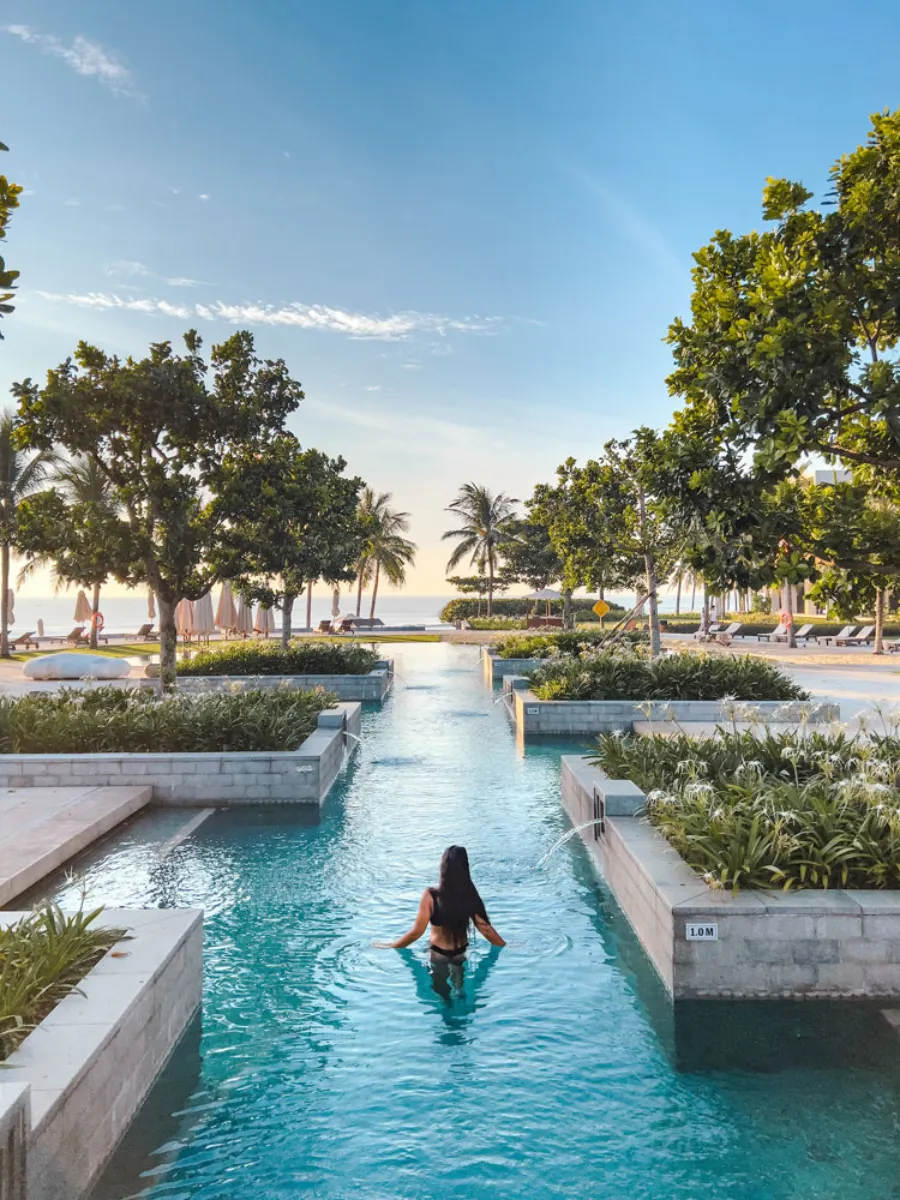
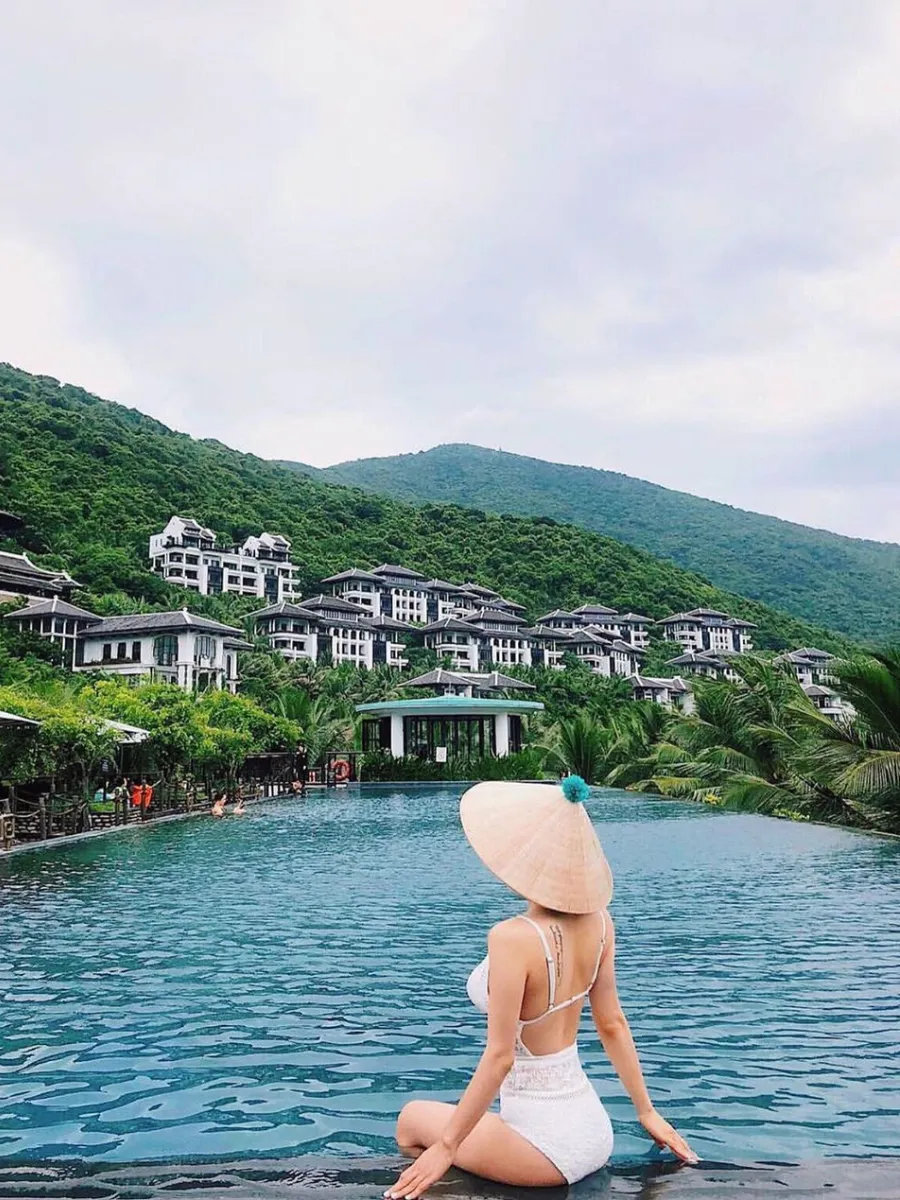
| Area | Best For | Vibe | Average Price (per night) |
|---|---|---|---|
| My Khe Beach Strip | Beach-focused travelers, families, couples | The beachfront hotel zone — wide range from budget guesthouses to 4-star resorts. Steps from the sand. The best base for beach-first visits. Can feel isolated from the city’s food and atmosphere if you don’t have a motorbike. | $30–$250+ |
| Han River / City Centre | City explorers, foodies, Dragon Bridge viewers | The urban heart of Da Nang — Han Market, Bach Dang riverfront, Dragon Bridge, night market, and the best local restaurants. 5–10 minutes from the beach by motorbike. The best base for experiencing the city’s non-beach character. | $20–$150 |
| Non Nuoc / Marble Mountains Area | Couples, luxury resort seekers, surfers | The southern resort strip — Hyatt, InterContinental, Sheraton, and Furama are all here. Adjacent to the Marble Mountains. Good beach access, quieter than My Khe, farther from the city. Best for travelers whose primary activity is the resort beach experience. | $100–$500+ |
| Son Tra Peninsula (Monkey Mountain) | Boutique stays, nature-seekers, views | The forested peninsula north of the city — home to the red-shanked douc langur (the world’s most spectacular langur, living in the Son Tra Nature Reserve). Several boutique hotels with sea views on the eastern side. 15–20 minutes from city centre. | $50–$200 |
Our recommendation by traveler type:
- Beach-primary: My Khe Beach strip. A mid-range hotel directly on the beach, 10 minutes from My Khe’s best section by foot.
- Food and city exploration: Han River area. Walking distance to the best local restaurants, the market, the Dragon Bridge, and a 10-minute Grab to the beach.
- Couple / special occasion: Non Nuoc resort strip the Hyatt Regency and Furama consistently deliver the best beach resort experience in central Vietnam.
4-Day Da Nang Itinerary: The Best Structure for First-Time Visitors
4-Day Da Nang City Itinerary: Beaches, Culture & Central Vietnam Highlights. Explore the vibrant coastal city of Da Nang with a perfect mix of beaches, local cuisine, and cultural landmarks like Ba Na Hills and Marble Mountains. This 4-day itinerary is ideal for travelers seeking relaxation, sightseeing, and easy access to the best of Central Vietnam.
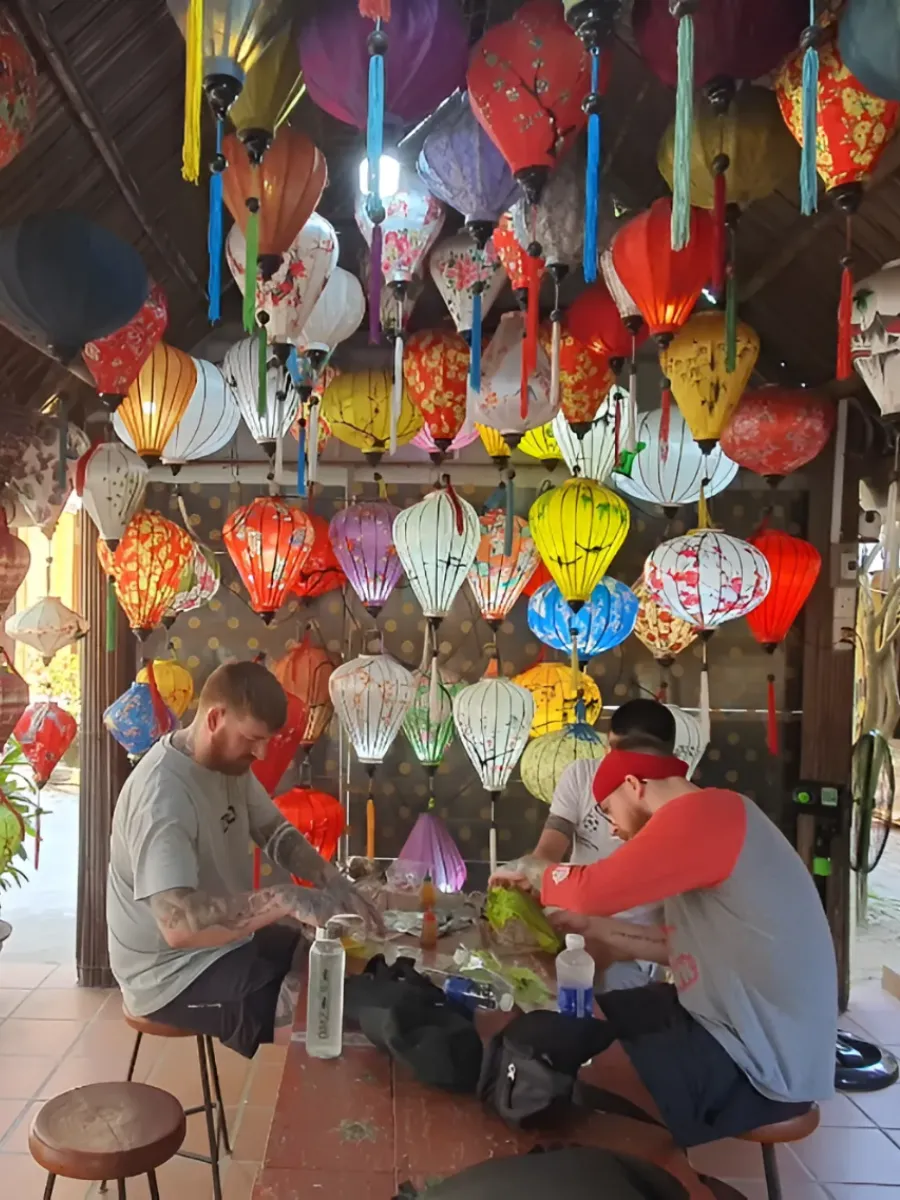


Day 1: Arrive → My Khe Beach → Han Market → Dragon Bridge
- Arrive Da Nang (flight from Hanoi or HCMC recommended city airport, 10-min transfer to accommodation). Check in.
- Afternoon: My Khe Beach, first swim, orientation of the beach zone. Sunbed rental, beach walk. The best sections are north of the Hyatt toward the quieter northern end.
- 5:30 PM: Walk or Grab to Han Market (closes 6:00 PM, arrive by 5:00 PM for the evening market adjacent to it). The covered market’s fish and seafood section. Buy fresh ingredients or eat at the prepared food stalls on the market’s upper level.
- 7:00 PM: Dinner in the Han River area. Mi Quang Ba Mua (31 Tran Binh Trong St, the most famous mi Quang restaurant in Da Nang, visited regularly by locals and considered by many the best preparation of this dish in Vietnam) or Bun Cha Ca 109 for fish cake noodle soup, a Da Nang specialty.
- 8:30 PM: Walk to Dragon Bridge, position on the east bank for the best view of the fire and water display. If it’s Saturday or Sunday, the 9:00 PM show runs 15 minutes. On other evenings, the bridge is beautifully lit and walkable without the performance.
- Overnight in Da Nang
Day 2: Hoi An Full Day
- Depart Da Nang 8:00 AM by private car or taxi (30 min, ~300,000 VND). Arriving early allows the old town before the cruise ship day-tripper peak (10:30 AM–2:30 PM).
- 8:30–11:30 AM: Hoi An Old Quarter, Japanese Covered Bridge, Assembly Halls, Tan Ky Merchant House. Walk the Thu Bon riverside, buy from the local market. The old town at 8:30 AM, quiet, cool, lanterns still visible is substantially better than at midday.
- 11:30 AM: Banh Mi Phuong (2B Phan Chau Trinh, open from 6:30 AM, queue forms quickly. The banh mi that Anthony Bourdain called “the best banh mi in the world.” Worth the queue.)
- 1:00 PM: Cao lau lunch, the Hoi An-specific noodle dish made with water from a single well in the old town. Best at several spots on Tran Phu Street.
- 2:30 PM: An Bang Beach (15-minute ride from old town, motorbike taxi available). 2-hour beach session at the quieter Hoi An beach. Good Morning Vietnam beach bar is consistently well-rated for food and atmosphere.
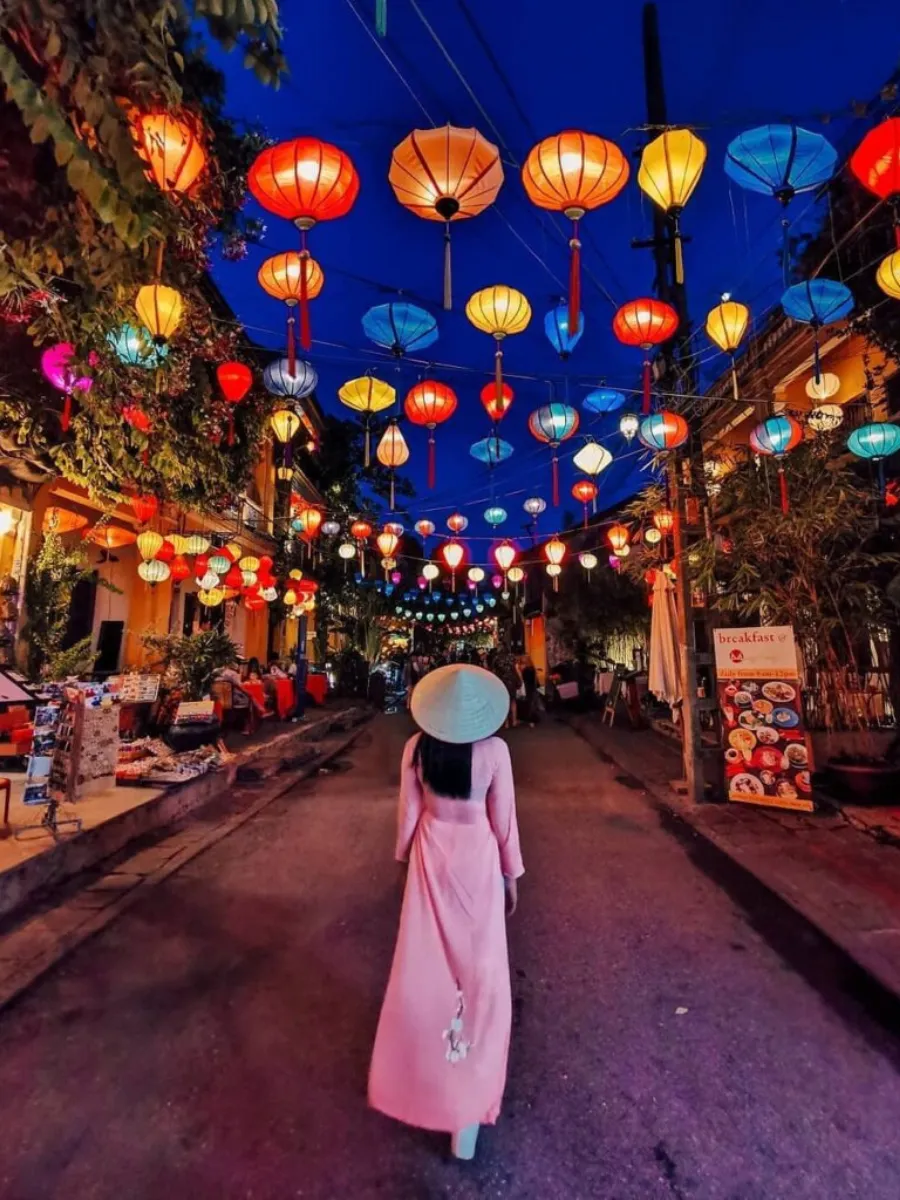
- 5:00 PM: Return to Hoi An Old Quarter for the lantern hour — the town at dusk with the lanterns lit along the river is the most atmospheric moment of any Hoi An visit.
- 7:00 PM: Dinner in Hoi An. The Morning Glory (cooking school founder’s restaurant) or White Marble Wine Bar and Bistro for a more relaxed evening. Return to Da Nang by 9:00–9:30 PM.
- Overnight in Da Nang
Day 3: Marble Mountains → Hai Van Pass → Lang Co Beach
- 7:30 AM: Depart by motorbike (rental from Da Nang guesthouse, 150,000–200,000 VND/day) or private car.
- 8:00 AM: Marble Mountains — Thuy Son. Arrive before the tour buses. Climb the 156 steps or take the lift to the summit temple complex. Huyen Khong Cave — the skylight cave with the altar is the essential stop. Allow 2 hours maximum.
- 11:00 AM: Continue north on the coastal road past My Khe Beach toward the Hai Van Pass. The 20-km approach from Da Nang to the pass summit gives increasingly dramatic coastal views.
- 12:00 PM: Hai Van Pass summit stop at the old French fortification at 500 metres, overlooking both Da Nang Bay to the south and Lang Co Lagoon to the north simultaneously. One of the best road viewpoints in Vietnam. Bring water and snacks — limited food options at the summit.
- 1:00 PM: Descend the northern side to Lang Co. Lunch at a Lang Co seafood restaurant (the grilled seafood on the lagoon side of the road is consistently good and inexpensive).
- 2:30 PM: Lang Co Beach, 30 minutes of walking the undeveloped beach strip. Very few other visitors; the karst mountains visible to the north are part of the Phong Nha-Ke Bang system. A genuinely peaceful contrast to My Khe’s developed infrastructure.
- 4:00 PM: Return to Da Nang via the Hai Van Tunnel (faster, 15 min, toll required, the return via pass road is dangerous in low light). Arrive Da Nang ~5:30 PM.
- Evening: Beach dinner on My Khe at one of the seafood restaurants directly on the sand. Pham Van Dong Street seafood restaurants (the “seafood street” running parallel to the beach) are the best-value fresh seafood in Da Nang.
- Overnight in Da Nang
Day 4: Ba Na Hills or Hue Day Trip → Departure
- Choose based on remaining priority:
- Option A — Ba Na Hills: Depart 7:30 AM. Cable car up by 8:30 AM before morning cloud covers the mountain. Golden Bridge, French Village, SunWorld park. Return to Da Nang by 3:00 PM. Airport departure possible from 6:00 PM onward.
- Option B — Hue full day: Depart 7:00 AM by private car (take the coastal road via Hai Van Pass if not done on Day 3 — 2 hrs). Imperial Citadel, Thien Mu Pagoda, royal tombs, and the best bun bo Hue you’ll ever eat at Bun Bo Hue O Beo (2 Nguyen Khuyen, Hue). Return by 7:00 PM. Airport departure from 9:00 PM onward or stay an extra night in Hue.
- Option C — Museum morning + beach afternoon: Da Nang Museum of Cham Sculpture (90 min, exceptional quality) + final beach morning + local lunch before airport. Best for travelers who want a cultural counterpoint to the previous days’ beach and nature focus.
- Depart Da Nang
Want Your Central Vietnam Trip Planned Around Da Nang?
Our team arranges Da Nang-based central Vietnam circuits — Hoi An, Hue, Hai Van Pass, Ba Na Hills, and Phong Nha — with private transport, guide recommendations, and restaurant suggestions that go beyond the tourist strip. Most guests receive a custom itinerary within 4 hours.
Request Your Free Da Nang Itinerary →
Tell us your travel dates, group size, and whether beaches or culture matter more. No obligation.
Sale!
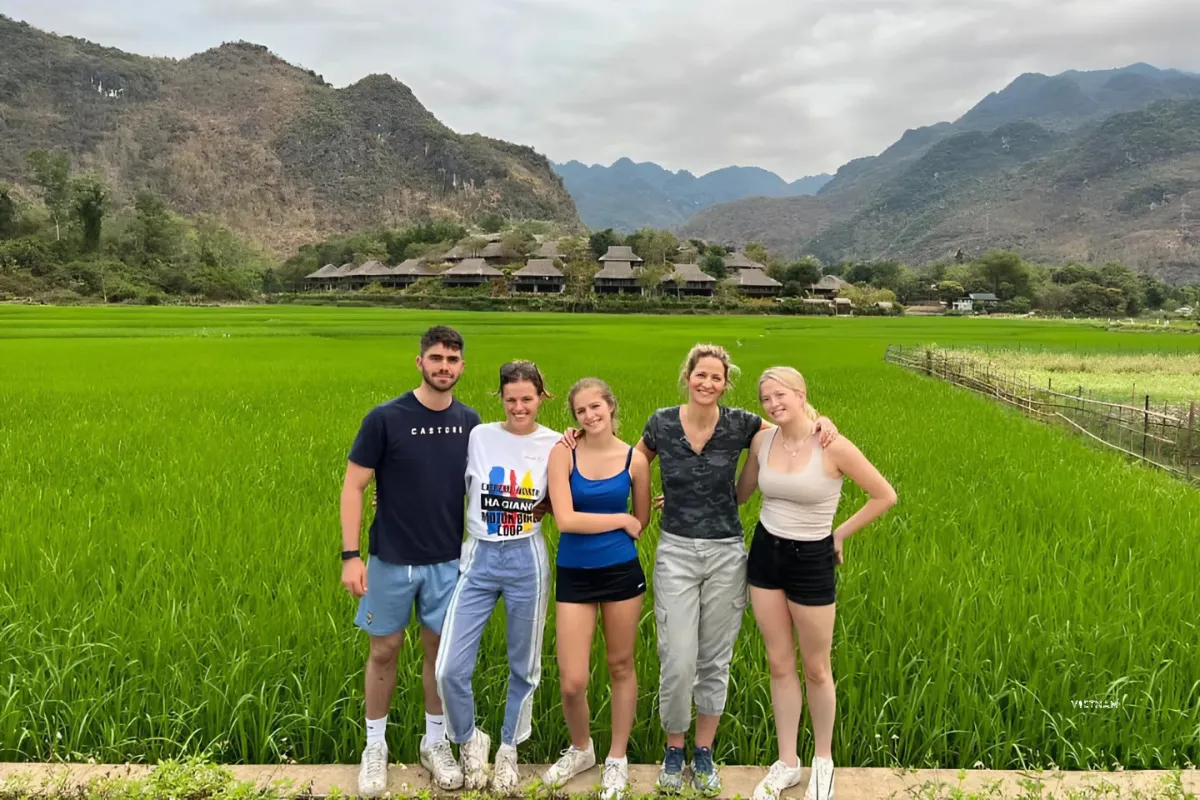
Private Mai Chau Day Trip And Waterfall & Hot Spring Bath

Place
Mai Chau

Duration
1D
Original price was: 175$.125$Current price is: 125$.
Sale!
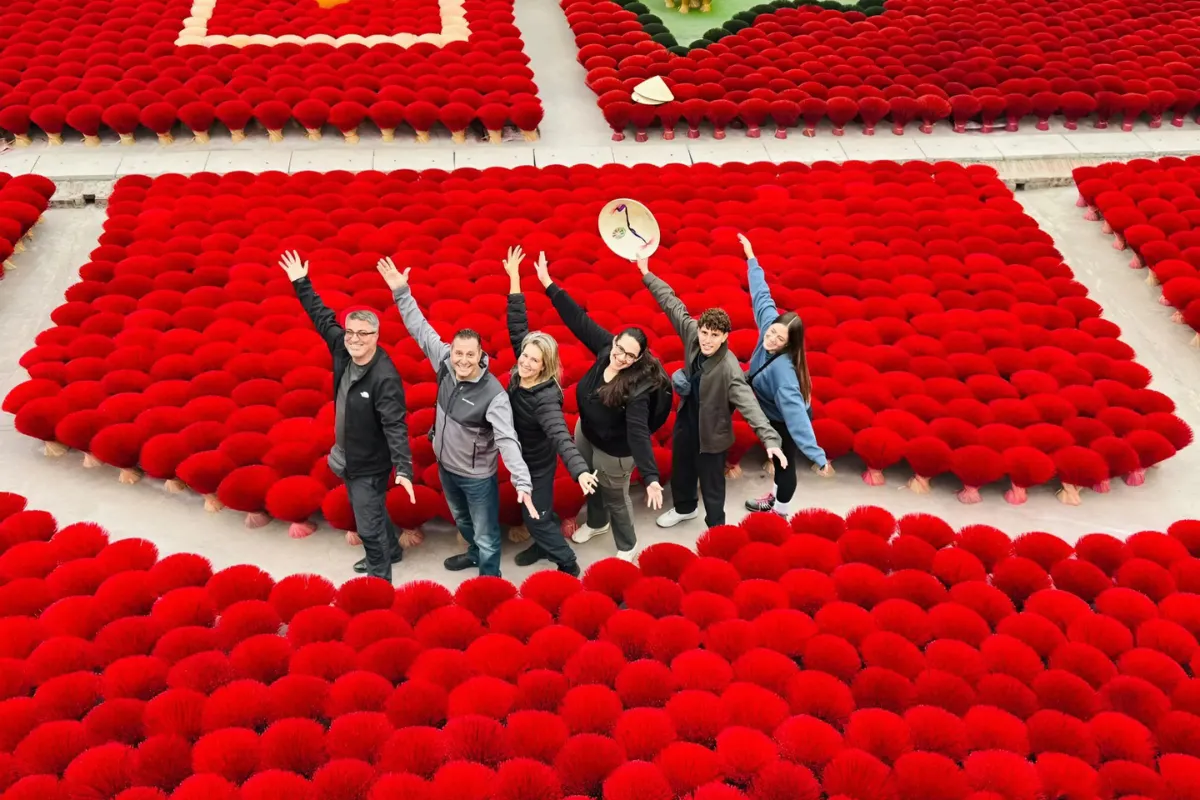
Authentic Hanoi Day Tour | Incense Village & Duong Lam Ancient Village
Place
Hanoi
Duration
1D
Original price was: 120$.105$Current price is: 105$.
Sale!

Hanoi Cycling Tour | Bat Trang, Kim Lan & Xuan Quan Flower Villages
Place
Bat Trang
Duration
1D
Original price was: 65$.55$Current price is: 55$.
Sale!
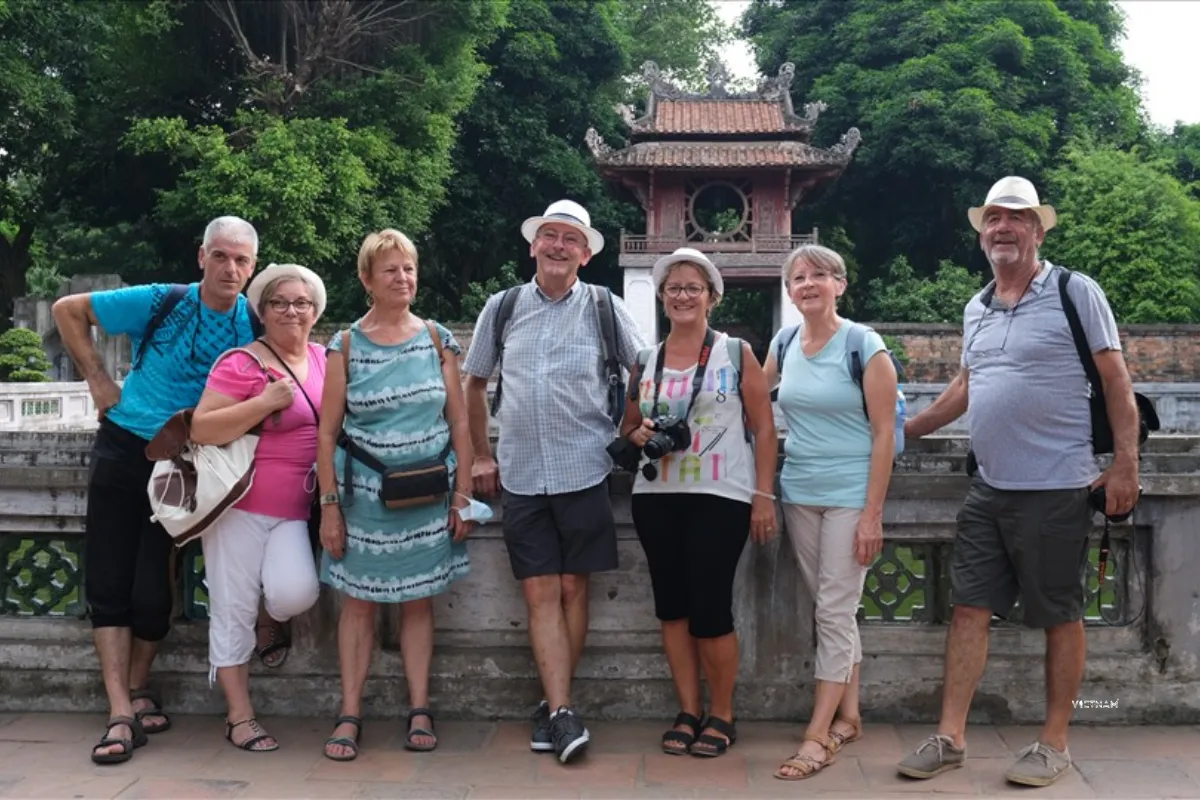
Half-Day Hanoi City Tour | Explore Iconic Landmarks in Just Few Hours
Place
Ha Noi
Duration
1D
Original price was: 50$.35$Current price is: 35$.
Sale!
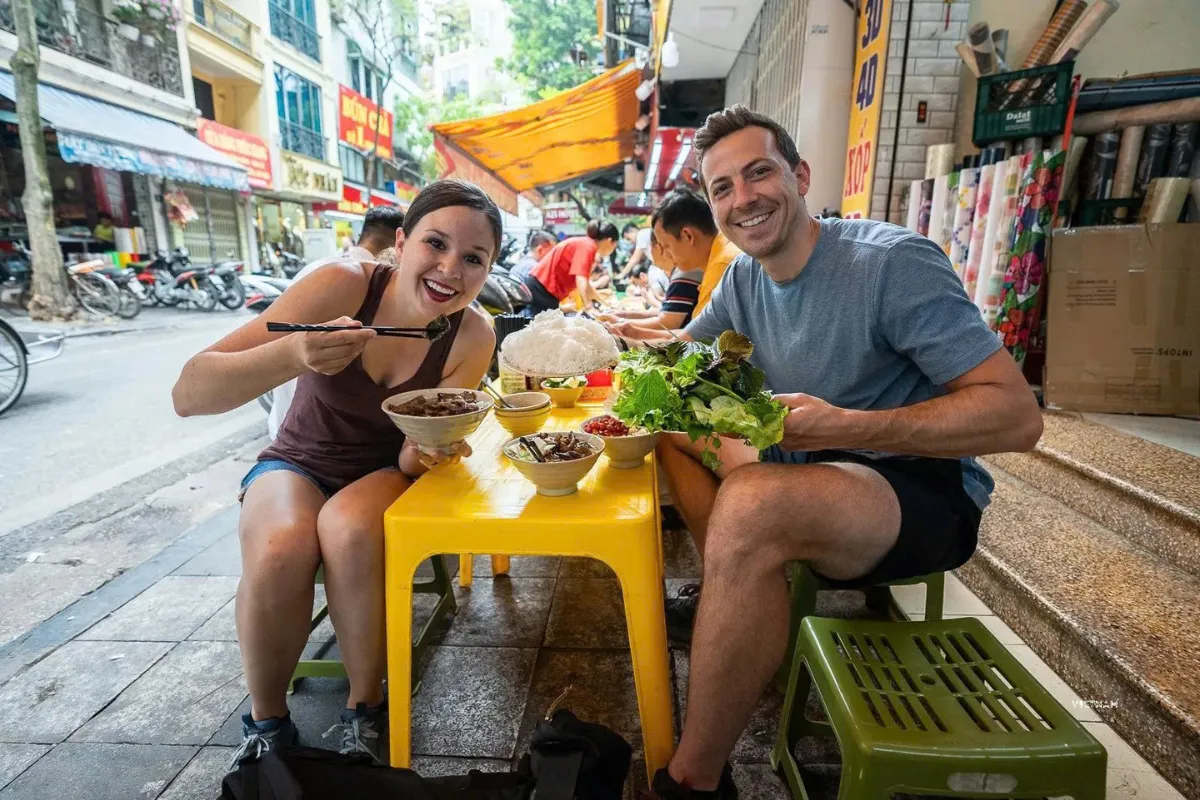
Exclusive Hanoi Street Food Tour | Discover Hanoi’s Best Eats on Foot
Place
Ha Noi
Duration
1D
Original price was: 50$.35$Current price is: 35$.
Sale!

Hanoi City Tour | Highlights, Local Culture | Best of Hanoi in One Day
Place
Ha Noi
Duration
1D
Original price was: 55$.45$Current price is: 45$.
Sale!
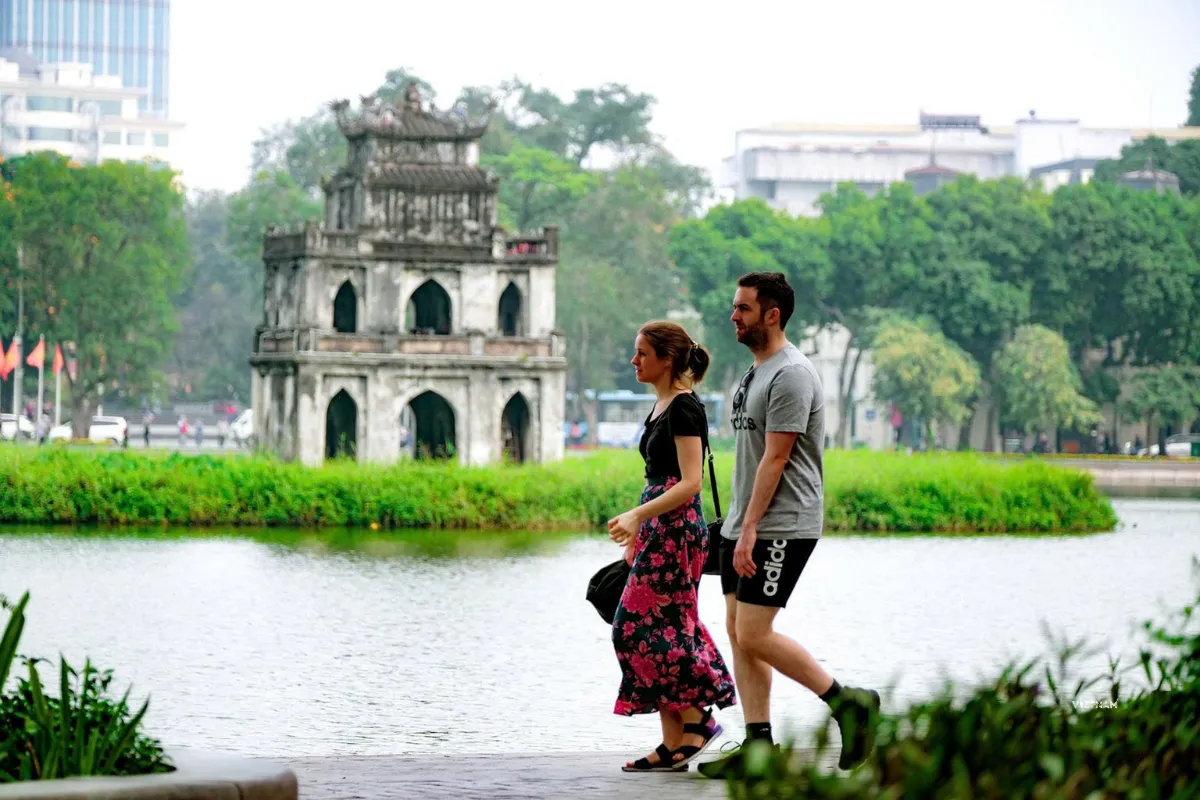
Top Hanoi City Walking Tour | Discover the Best of Hanoi in One Day
Place
Hanoi Capital City
Duration
1D
Original price was: 60$.50$Current price is: 50$.
Sale!

Incense Village Hanoi Tour | Explore Traditional Craft & Local Culture
Place
Quang Phu Cau
Duration
1D
Original price was: 85$.55$Current price is: 55$.
Beyond the Highlights: Less-Known Da Nang Experiences
The red-shanked douc langur on Son Tra Peninsula: Son Tra Nature Reserve, the forested peninsula visible from Da Nang’s beachfront is one of the last habitats of the red-shanked douc langur, considered the world’s most visually spectacular primate: brilliant orange, grey, and white markings on a black face. A population of approximately 1,300 individuals lives in the reserve’s canopy. The best sighting opportunity is at dawn (5:30–7:00 AM) on the Son Tra mountain road, the animals descend to lower elevations in the morning before the heat. A motorbike or bicycle on the Son Tra dawn circuit is the most reliable approach; a naturalist guide increases the sighting probability significantly.


- Mi Quang — the underrated alternative to pho: Mi Quang is Da Nang’s signature noodle dish turmeric-yellow rice noodles served in a small amount of rich broth with pork, shrimp, quail eggs, peanuts, sesame rice crackers, and a pile of fresh herbs. It is more complex, more flavourful, and more specific to central Vietnam than any national dish. Mi Quang Ba Mua (31 Tran Binh Trong) is the reference preparation — the broth has been made from the same recipe by the same family for 40 years. Order it with the sesame crackers crumbled into the bowl at the table.
- Da Nang’s coffee culture — the third-wave and the traditional: Da Nang has a developed coffee culture that sits between Hanoi’s classic ca phe and Ho Chi Minh City’s third-wave roasters. 43 Factory Coffee Roaster is the most celebrated local specialty coffee bar, a serious roastery with single-origin Vietnamese beans and equipment that would be at home in Melbourne or Tokyo. Five minutes away, traditional egg coffee (ca phe trung in the Hanoi style, adapted by Da Nang baristas) and the local salt coffee (ca phe muoi, a Da Nang innovation, sweetened condensed milk and sea salt foam over iced coffee) represent the other end of the spectrum. Both are worth the time.
- The My Khe dawn fishing fleet: At 5:00–6:00 AM, the traditional round fishing coracles (thuyền thúng) that work the waters off My Khe Beach return to shore with the night’s catch. The scene dozens of round woven bamboo boats landing through the surf in the early morning light, the catch being sorted and loaded onto motorbikes for the Han Market is one of the most vivid and least photographed daily events in Da Nang. No tour covers it; it requires only an early alarm and a 10-minute walk from most beach hotels.
Pham Van Dong “seafood street” — the authentic version: The row of seafood restaurants on Pham Van Dong Street (running parallel to My Khe Beach) is well-known in travel content. What is less known is that the best preparation isn’t in the tourist-facing restaurants with English menus at the south end but in the Vietnamese-language stalls at the northern section, where local families eat. The charcoal-grilled scallops with spring onion oil and peanuts, the mantis shrimp, and the fresh clams in lemongrass broth at these stalls cost 40–60% less than the tourist restaurants 200 metres south and taste noticeably better. Your guesthouse owner or any local can point you to the right section.
Da Nang vs Hoi An: Where Should You Base?
The most common central Vietnam planning question is whether to base in Da Nang or Hoi An. The answer depends entirely on what you prioritise:
| Criteria | Da Nang | Hoi An |
|---|---|---|
| Beach access | Excellent — My Khe is one of Vietnam’s best urban beaches | Good — An Bang Beach (3 km from town) is excellent but requires transport |
| Historical atmosphere | Modern city — limited heritage character | Exceptional — UNESCO-listed ancient town, most atmospheric city in Vietnam |
| Food quality | Excellent local food, less internationally profiled | Outstanding — internationally recognised dining scene, specific local dishes |
| Hue access | 90 min — good day trip | 2 hrs — possible but long day |
| Hai Van Pass | 20 km north — easy half day | 50 km north — possible but requires longer commitment |
| Airport access | Own international airport, 3 km from city | No airport — all flights via Da Nang |
| Accommodation range | Wider — from $15 hostels to $500 resorts | Good but narrower — budget end less developed, mid-range very good |
| Evening atmosphere | Modern city nightlife, Dragon Bridge spectacle | Lantern-lit river, heritage town at night — more romantic |
| Best for | Beach + full central Vietnam circuit, families, any trip requiring airport flexibility | Heritage immersion, honeymoons, food-focused travel, longer stays |
Our recommendation: Base in Da Nang for logistical flexibility and beach quality; plan full days in Hoi An rather than trying to experience it from a Hoi An base. The 30-minute transfer between them is short enough that you don’t sacrifice Hoi An’s atmosphere by sleeping in Da Nang, you gain the beach and the airport without losing the old town. Travelers with 7+ days should split: 3–4 nights in Da Nang, 2–3 nights in Hoi An.
Essential Da Nang Travel Tips (From Our Local Team)
Avoid October and November if at all possible. The central Vietnam coast has the highest typhoon exposure in Vietnam during these months, combined with the heaviest annual rainfall. Flooding in Hoi An can close the old town; road closures between Da Nang and Hue occur; flights are occasionally disrupted. The weather disruption is not merely inconvenient in some years (2020, 2022) it has been severe enough to strand travelers for days. If October–November is your only available window, purchase comprehensive travel insurance that covers weather delay and disruption.
- Take the Hai Van Pass road, not the tunnel. The 6-kilometre Hai Van Pass road across the mountain between Da Nang and the northern coast takes 40 minutes longer than the tunnel but delivers one of the most spectacular coastal road drives in Southeast Asia, the same stretch that appeared in the Top Gear Vietnam Special. Almost every traveler who takes the tunnel regrets it afterward. The tunnel makes sense for return journeys at night or in poor weather; the pass is non-negotiable for the daytime approach in either direction.
- The Dragon Bridge fire show is every Saturday and Sunday at exactly 9:00 PM. Not approximately 9:00 PM, the show begins on schedule and runs for 15 minutes. Arrive at the east bank viewing position by 8:30 PM. The show is not visible from all angles on the bridge, the fire emerges from the dragon’s mouth at the western end, and positions directly in front of the mouth (east bank) give the best view. On non-show nights (Monday–Friday), the bridge is beautifully lit but without the performance.
- Seafood on Pham Van Dong Street — negotiate price for whole fish before ordering. The seafood restaurants on “seafood street” adjacent to My Khe Beach price fish by weight, which can result in bills significantly higher than expected if prices aren’t confirmed before the fish is ordered. Ask the price per 100g or per fish before ordering, and confirm the total before cooking begins. This is standard practice and not rude, the better restaurants will have no issue with it.
- The Museum of Cham Sculpture deserves more time than most visitors give it. The Cham sculpture collection is one of the best in the world and consistently rated as Da Nang’s most undervisited attraction by travelers who discovered it. The tendency is to visit for 30 minutes on the way to somewhere else. Allocate 90 minutes and read the exhibit notes, the Cham civilisation’s 15-century history, its relationship with the Khmer and Javanese traditions, and the specific meaning of the sculptures’ gestures and iconography is as interesting as the objects themselves.

Book accommodation well ahead for summer peak season (July–August) and Tet. Da Nang is one of the most popular domestic Vietnamese holiday destinations, the beach hotel zone fills with Vietnamese families in July–August and with everyone during Tet (late January/February). Mid-range and budget properties within walking distance of My Khe Beach sell out weeks ahead during these windows. International visitors who book in May for July travel often find limited options. Book the moment travel dates are confirmed if your visit falls in these windows.
Frequently Asked Questions — Da Nang Travel Guide
Is Da Nang worth visiting?
Yes — Da Nang is one of the best beach city bases in Southeast Asia, offering exceptional white-sand beaches, outstanding local food (particularly mi Quang and fresh seafood), and unmatched access to central Vietnam’s greatest attractions: Hoi An Ancient Town (30 min), the Hai Van Pass, the Marble Mountains, and Hue Imperial City (90 min). Travelers who understand Da Nang as a modern coastal hub rather than a heritage destination consistently rate it as one of their best Vietnam stops.
How many days do I need in Da Nang?
A minimum of 3 full days is recommended & enough for a Hoi An day trip, a Marble Mountains + Hai Van Pass day, and time on My Khe Beach. Four days allows for Ba Na Hills or a Hue day trip. Five to seven days is the ideal length for travelers who want to do the full central Vietnam circuit (Da Nang + Hoi An + Hue), combining beach time with heritage sightseeing without feeling rushed. Da Nang serves best as a hub rather than a single-focus destination.
When is the best time to visit Da Nang?
The best time to visit Da Nang is February to August, the dry season on the central Vietnamese coast. March and April offer the ideal combination of comfortable temperatures and dry weather before the summer heat. May to August is peak beach season with the warmest water and best swimming conditions. Avoid October and November when possible, this is typhoon and flooding season, when Hoi An is at risk of significant flooding and road disruptions between Da Nang and Hue can occur.
What is Da Nang famous for?
Da Nang is famous for My Khe Beach (one of the best urban beaches in Southeast Asia), the Dragon Bridge (a 666-metre dragon that breathes fire every Saturday and Sunday night), the Marble Mountains (limestone karst peaks with Buddhist cave temples 8 km south of the city), and its position as the gateway to Hoi An Ancient Town and the Hai Van Pass. It is also known as central Vietnam’s primary travel hub, the region’s main airport, the closest city to both Hoi An and Hue, and the base for the full central Vietnam sightseeing circuit.
Should I base in Da Nang or Hoi An?
Base in Da Nang for logistical flexibility and beach quality; visit Hoi An on full-day trips from Da Nang. The 30-minute transfer between them means you don’t sacrifice Hoi An’s atmosphere by sleeping in Da Nang, but you gain My Khe Beach, the Hai Van Pass as an easy half-day, and the international airport 10 minutes from your hotel. Travelers with 7+ days should split: 3–4 nights Da Nang, 2–3 nights Hoi An. For shorter stays, Da Nang’s logistical flexibility wins.
Is the Hai Van Pass worth doing from Da Nang?
Yes — the Hai Van Pass is one of the most spectacular coastal road drives in Southeast Asia and one of the best half-day activities available from Da Nang. The mountain pass at 500 metres gives simultaneous views over Da Nang Bay to the south and Lang Co Lagoon to the north, a panorama that appears in Top Gear, on every “best drives in Vietnam” list, and in the memories of every traveler who has done it. The pass is 20 km from Da Nang city centre, takes 30–45 minutes to reach, and is most enjoyably done by motorbike (rental available from most Da Nang guesthouses). Always take the pass road rather than the tunnel, the tunnel is faster but misses the entire point.
What food is Da Nang known for?
Da Nang is known for central Vietnamese cuisine that is distinct from both Hanoi’s northern food and the Mekong Delta south. Key dishes: mi Quang (turmeric rice noodles with pork, shrimp, quail eggs, peanuts, and sesame crackers — Da Nang’s signature dish, best at Mi Quang Ba Mua on Tran Binh Trong Street), bun cha ca (fish cake noodle soup — a Da Nang specialty not available in the same preparation elsewhere), banh trang cuon thit heo (pork and herb rice paper rolls — a central Vietnamese staple), fresh grilled seafood on Pham Van Dong Street, and the local salt coffee (ca phe muoi — iced coffee with sweet condensed milk and sea salt foam, a Da Nang invention).
What is the Dragon Bridge in Da Nang?
The Dragon Bridge (Cầu Rồng) is a 666-metre road bridge crossing the Han River in Da Nang, designed in the form of a dragon with 2,000 individually crafted steel segments forming its body. The dragon’s head faces east (toward the sea), and every Saturday and Sunday night at exactly 9:00 PM, the dragon breathes fire and sprays water for approximately 15 minutes in a choreographed display that draws thousands of local residents to both river banks. The bridge is also beautifully illuminated in colour every evening, the fire and water show is specifically a weekend performance. It is the most photographed landmark in Da Nang and one of the most distinctive urban features in Vietnam.
Plan Your Da Nang Trip with a Local Expert
We’re a Vietnam-based travel company and central Vietnam is the circuit we plan most often for international visitors who want more than the standard Ha Long Bay + Hanoi combination. When you book through us, you get a complete Da Nang-based central Vietnam itinerary: the right neighbourhood for your travel style, private day trips to Hoi An and the Hai Van Pass that avoid the tour bus timing, restaurant recommendations that go beyond the tourist strip, and a contact you can reach on WhatsApp when plans change.
- Da Nang-based central Vietnam circuits: Hoi An, Hue, Hai Van Pass, Phong Nha
- Accommodation recommendation in the right neighbourhood for your priorities
- Private day tours with flexible timing, not group bus schedules
- Restaurant and food recommendations beyond the tourist strip
- Central Vietnam circuit integration: Da Nang + Hoi An + Hue
- Available 7 days a week, respond within 2–4 hours on WhatsApp
Get Your Free Da Nang Trip Plan
Tell us your travel dates, group size, and whether beach or culture matters more to you. We’ll send you a suggested central Vietnam circuit with neighbourhood recommendations and transparent pricing within 4 hours.
Request Your Free Da Nang Itinerary →
Or message us directly on WhatsApp: +84 849 391 981
Explore More Vietnam
- Hoi An Travel Guide — the ancient town 30 minutes south of Da Nang
- Hue Travel Guide — the Imperial City 90 minutes north
- Phong Nha-Ke Bang Travel Guide — the world’s largest cave system, 3 hours north
- Hanoi Travel Guide — northern Vietnam base for the full country circuit
- 10-Day Central Vietnam Itinerary — Phong Nha + Da Nang + Hoi An + Hue
- 2-Week Vietnam Highlights — Hanoi + Halong Bay + Da Nang + Hoi An + HCMC
- Browse Da Nang Day Tours →