



Sapa Travel Guide

Sapa is northern Vietnam’s most dramatic highland destination — a mountain town at 1,600 metres elevation surrounded by terraced rice fields carved into the Hoang Lien Son range, home to Vietnam’s highest peak and some of the country’s most distinct ethnic minority cultures. For travelers willing to go the distance from Hanoi, it delivers a landscape and a human encounter unlike anywhere else in Southeast Asia.
This guide covers everything you need: the best trekking routes, how to experience ethnic villages authentically, when rice terraces peak, how to get there, where to stay, and the honest local knowledge that separates a memorable Sapa trip from a generic one.
Jump to: Why Visit Sapa · Things to Do · Trekking Routes · Best Time to Visit · Getting There · Where to Stay · 3-Day Itinerary · Travel Tips · FAQ
Sapa at a Glance

| Quick Fact | Details |
|---|---|
| Location | Lao Cai Province, Northwest Vietnam — 9 km from the Chinese border |
| Elevation | 1,600 m (Sapa Town) — surrounding peaks reach 3,143 m (Fansipan) |
| Distance from Hanoi | ~320 km / 5–6 hrs by overnight train or 4.5–5 hrs by bus |
| Best Time to Visit | September–October (golden rice harvest) and March–May (spring terraces) |
| Recommended Stay | 3 days minimum; 4–5 days for Fansipan + multiple trekking valleys |
| Main Ethnic Groups | H’mong (Black H’mong most visible), Red Dao, Tay, Giay, Xa Pho |
| Highest Peak | Fansipan — 3,143 m, the highest mountain in Vietnam, Laos, and Cambodia |
| Key Trekking Areas | Muong Hoa Valley, Lao Chai, Ta Van, Y Linh Ho, Ban Ho, Ta Phin |
| Cable Car to Fansipan | Yes — 20 min, ~850,000 VND (~$35). Summit hike: 2 days. |
Why Visit Sapa — An Honest Local Perspective
Sapa has changed significantly in the past decade. The town itself — once a quiet French hill station — is now a busy tourism hub with large hotels, a cable car, and weekend crowds from Hanoi. If you go expecting an untouched mountain village, you’ll be disappointed. But if you go understanding what Sapa actually offers, it remains one of the most extraordinary destinations in Vietnam.
What Sapa genuinely delivers:
- The rice terraces are among the most beautiful in the world. The Muong Hoa Valley and the slopes around Lao Chai and Ta Van are genuinely breathtaking — 800-year-old terraces carved into near-vertical mountain faces, flooded and reflecting sky in spring, vivid green in summer, and golden at harvest. No photograph does the scale justice.
- The ethnic minority cultures are distinct and deeply rooted. The H’mong, Red Dao, Tay, and Giay communities in Sapa’s surrounding valleys maintain languages, textile traditions, farming practices, and belief systems that are centuries old. A good local guide — ideally from one of these communities — makes this encounter meaningful rather than superficial.
- The trekking is exceptional. The valley trails are manageable for most fitness levels while still delivering sustained mountain scenery and village encounters. The higher routes toward Fansipan require preparation but reward with genuine wilderness.
- The altitude changes everything. After lowland Vietnam’s heat and humidity, Sapa’s cool mountain air — sometimes cold, sometimes genuinely misty and atmospheric — feels like a different country. This is northern Vietnam’s one place where you might genuinely need a jacket in July.
Best Things to Do in Sapa
1. Trek the Muong Hoa Valley
The Muong Hoa Valley is Sapa’s signature trekking route — a 15 km trail descending from Sapa Town through Lao Chai (Black H’mong village) and Ta Van (Giay village) along the Muong Hoa River, with terraced rice fields rising on all sides. The trail is well-maintained, moderately challenging, and offers continuous village encounters throughout. Most trekkers complete it as a 6–7 hour one-way walk with a vehicle pickup at Ta Van. A local guide is strongly recommended — not for navigation, but for the cultural context and village access they provide.
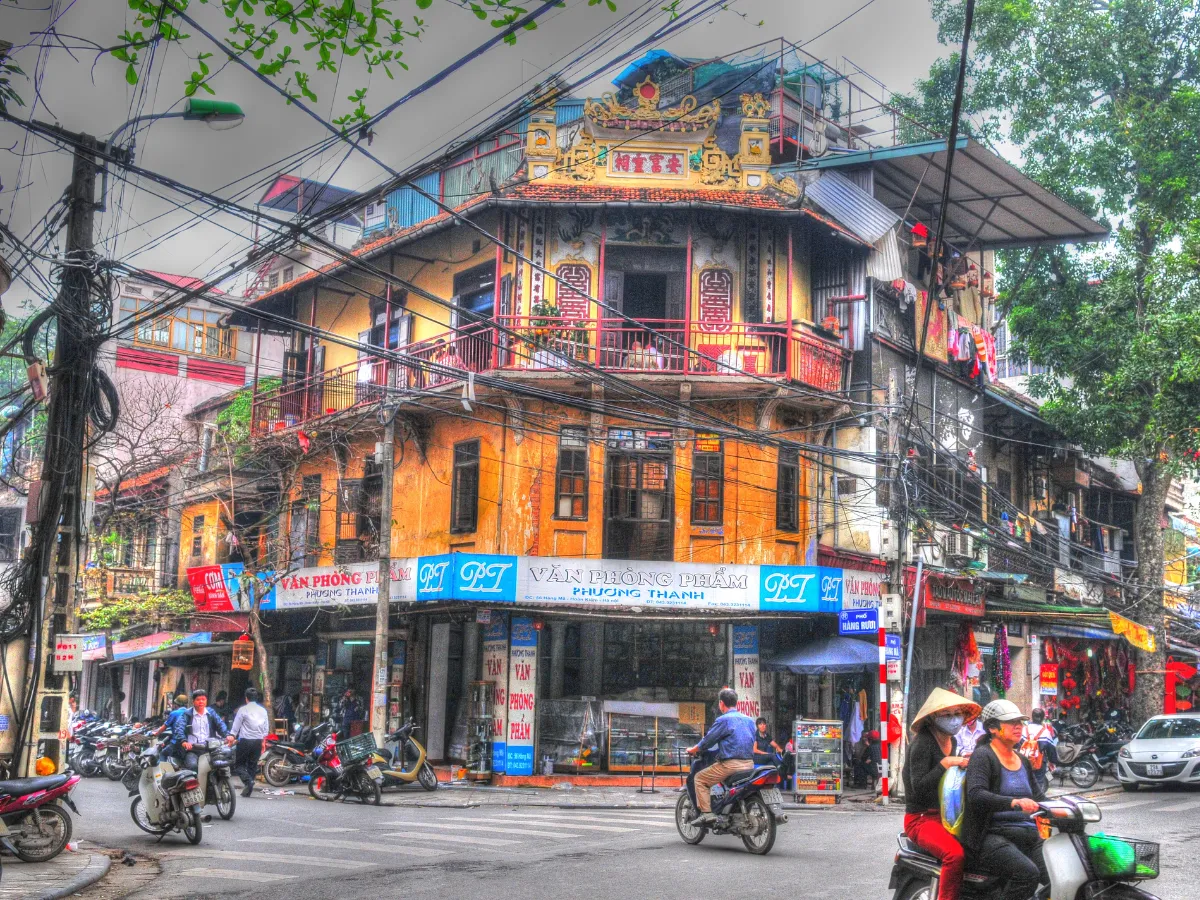
Hanoi Old Quarter
The Heart of Hanoi
2. Climb or Cable Car to Fansipan Summit
At 3,143 metres, Fansipan is the highest peak in Vietnam, Laos, and Cambodia — the “Roof of Indochina.” There are two ways up: the cable car (20 minutes, ~$30 round trip, drops you near the summit with a further 600-step staircase to the top) or the 2-day trekking route through primary cloud forest and mountain meadows. The cable car is efficient and offers extraordinary aerial views over the Hoang Lien Son range on clear days. The trek is physically demanding but delivers an entirely different relationship with the mountain — genuinely wild terrain above the treeline. Both are worthwhile; choose based on fitness level and available time.

Hoan Kiem Lake
Central Lake in the Heart of Hanoi
3. Explore Ta Phin Village and Red Dao Culture
Ta Phin, 12 km northeast of Sapa Town, is the main Red Dao village — a community distinguished from the H’mong by their red headdresses, different textile patterns, and a distinct herbal bathing tradition using 100+ forest plants. A Ta Phin visit combined with a Red Dao herbal bath (offered at several homestays — genuinely therapeutic after a day’s trekking) is one of the most culturally specific experiences in the Sapa area. Less visited than the Muong Hoa Valley — worth the detour.
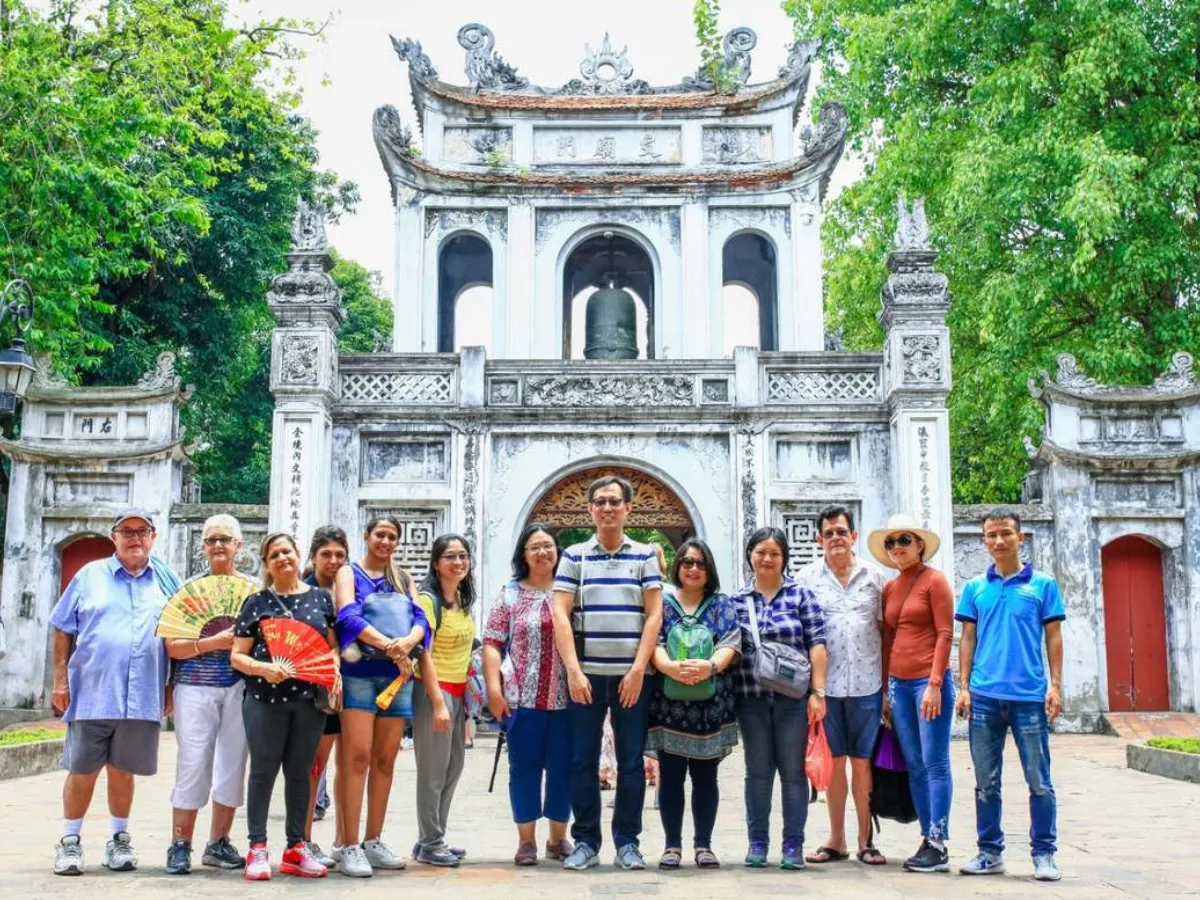
Temple of Literature
The First University in Vietnam
4. Trek to Ban Ho and the Tay Villages
Ban Ho, in the Silver Waterfall valley 24 km from Sapa, is a Tay ethnic minority village that sees significantly fewer tourists than the Muong Hoa Valley circuit. The route passes through dense bamboo forest, rice paddies at a lower elevation, and several working villages where guesthouses offer homestay accommodation. A 2-day trek with an overnight homestay in Ban Ho is the best way to experience Sapa’s highland culture without the day-tripper context of the main valley routes.
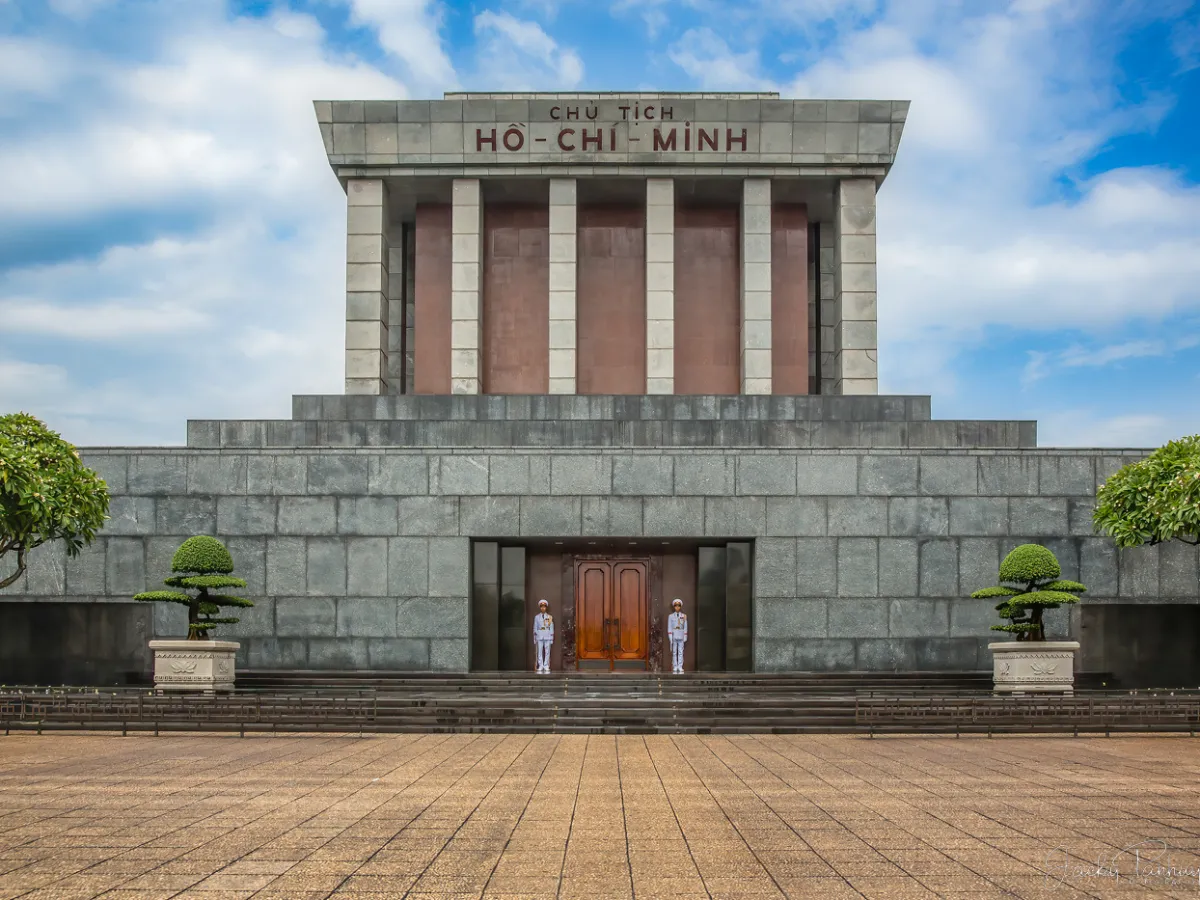
Ho Chi Minh Mausoleum
A Final Rest of National Hero
5. Sapa Town Market — Saturday Night and Sunday Morning
The Sapa market — particularly the Saturday evening and Sunday morning sessions — is where ethnic minority communities from surrounding valleys come to trade: textiles, agricultural produce, medicinal plants, and livestock. The Sunday morning market (from 6 AM) is the most authentic, drawing H’mong, Red Dao, Tay, and Giay vendors before the tourist crowds arrive. This is not a photo-opportunity market — it’s a functioning trade hub, and treating it as such makes for a completely different visit.

Water Puppet Show
A Must-See in Hanoi
6. Cycling the Valley Roads
The roads between Sapa Town, Ta Van, and the surrounding villages are among the most scenic cycling terrain in northern Vietnam — long descents into rice terrace valleys, river crossings, and quiet village roads with karst hills rising in the background. Mountain bike rental in Sapa Town costs 100,000–200,000 VND/day. The Ta Van loop (25 km, moderate difficulty) and the Silver Waterfall road (more challenging, 35 km round trip) are the two best routes.

Vietnamese Banh Mi
A Must-Try in Hanoi
Sapa Trekking Routes: Which One Is Right for You?
Sapa’s trekking options range from easy half-day walks to multi-day backcountry routes above the treeline. Here’s an honest breakdown by difficulty and experience type:
| Route | Distance / Duration | Difficulty | Best For | Highlights |
|---|---|---|---|---|
| Muong Hoa Valley (Lao Chai – Ta Van) | 15 km / 6–7 hrs one-way | Easy–Moderate | First-time trekkers, all fitness levels | Best rice terrace scenery, H’mong and Giay villages, river trail, vehicle pickup at Ta Van |
| Ta Phin Village Loop | 12 km / 4–5 hrs round trip | Easy | Cultural focus, half-day option | Red Dao community, herbal bath experience, less crowded than Muong Hoa |
| Y Linh Ho – Ban Ho | 20 km / 2 days with overnight | Moderate | Overnight trekkers, cultural immersion | Tay minority villages, bamboo forest, homestay accommodation, far fewer tourists |
| Fansipan Trek (via Tram Ton Pass) | 19 km / 2 days | Difficult | Experienced hikers, summit seekers | Cloud forest, alpine meadows, summit at 3,143 m, genuine wilderness above 2,500 m |
| Nam Cang – Nam Sai Loop | 30 km / 2–3 days | Moderate–Difficult | Experienced trekkers wanting off-the-beaten-path | Rarely visited Giay and H’mong villages, remote valley scenery, genuine homestay culture |
Looking for the right Sapa trekking route for your fitness level and interests? Our Hanoi-based team arranges private Sapa treks with local ethnic minority guides — Muong Hoa Valley, Fansipan, and multi-day backcountry routes. Message us on WhatsApp →
Best Time to Visit Sapa: Month-by-Month Guide
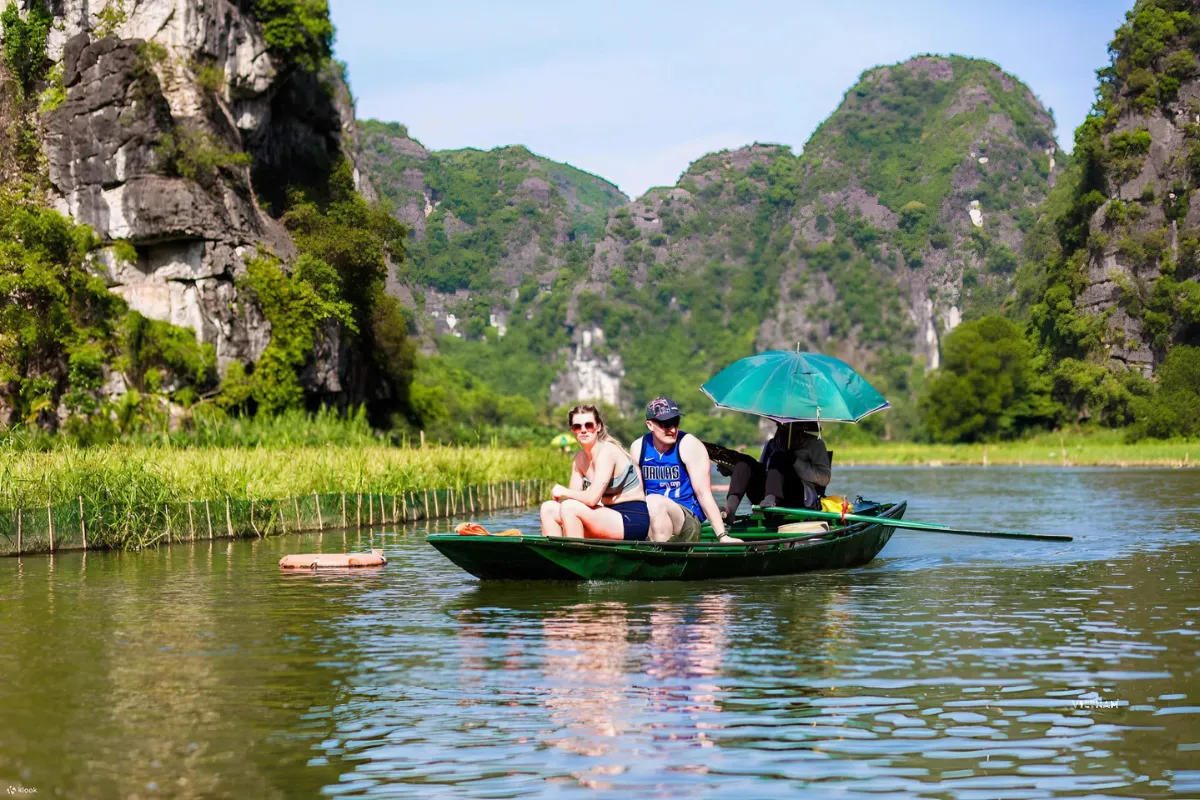
The best time to visit Sapa is September–October for the golden rice harvest, or March–May for spring terraces and wildflowers. Sapa’s weather is dramatically different from lowland Vietnam — four distinct seasons, occasional snow in winter, and persistent cloud and mist that can descend without warning year-round.
| Period | Temp Range | Conditions | Rice Terrace Status | Verdict |
|---|---|---|---|---|
| Jan – Feb | 5–15°C / 41–59°F | Cold, often foggy. Rare snowfall on Fansipan (Dec–Jan) | Fallow — brown and dry | Atmospheric for photographers who embrace fog and cold. Snow on Fansipan is a draw for some. Dress in heavy layers. Tet (Jan/Feb) brings domestic crowds to Sapa market. |
| Mar – May ⭐ | 12–20°C / 54–68°F | Mild, clearer than winter, spring wildflowers | Flooding season (May) — terraces mirror-like with water | Excellent. Spring flooding of terraces (late April–May) creates mirror-like reflections of sky. Rhododendrons bloom on Fansipan slopes in March. Good visibility for summit attempts. Less crowded than autumn. |
| Jun – Aug | 18–25°C / 64–77°F | Warm, afternoon rain, occasional mist | Vivid green — intense rice growth | Good for trekking despite occasional rain — the green terraces are intensely beautiful. Leeches active on trails after rain (gaiters recommended). Comfortable temperatures vs lowland heat. Busiest domestic summer holiday season. |
| Sep – Oct ⭐ | 15–22°C / 59–72°F | Clearing skies, dry, excellent visibility | Golden harvest — peak beauty | Best overall. The golden rice harvest (late September–October) is Sapa’s most iconic visual. Clear skies allow Fansipan summit views. Perfect trekking weather. Book accommodation and trains well in advance — this is peak season. |
| Nov – Dec | 8–18°C / 46–64°F | Cooling fast, increasing fog and cloud | Post-harvest — terraces being prepared | Good for early November before fog intensifies. Fewer tourists than September–October. December becomes cold and often heavily overcast — Fansipan summit frequently cloud-covered. Pack serious warm layers. |
The honest truth about Sapa weather: Cloud and mist can descend at any time of year, including at the height of “good” seasons. It’s not unusual to spend a morning in thick fog and an afternoon with clear views across the valley. Build flexibility into your plans, and remember that misty terraces have their own atmospheric beauty — some of the most striking Sapa photographs are taken in conditions that looked disappointing on arrival.
Sapa vs Ha Giang: Which Northern Vietnam Adventure Should You Choose?
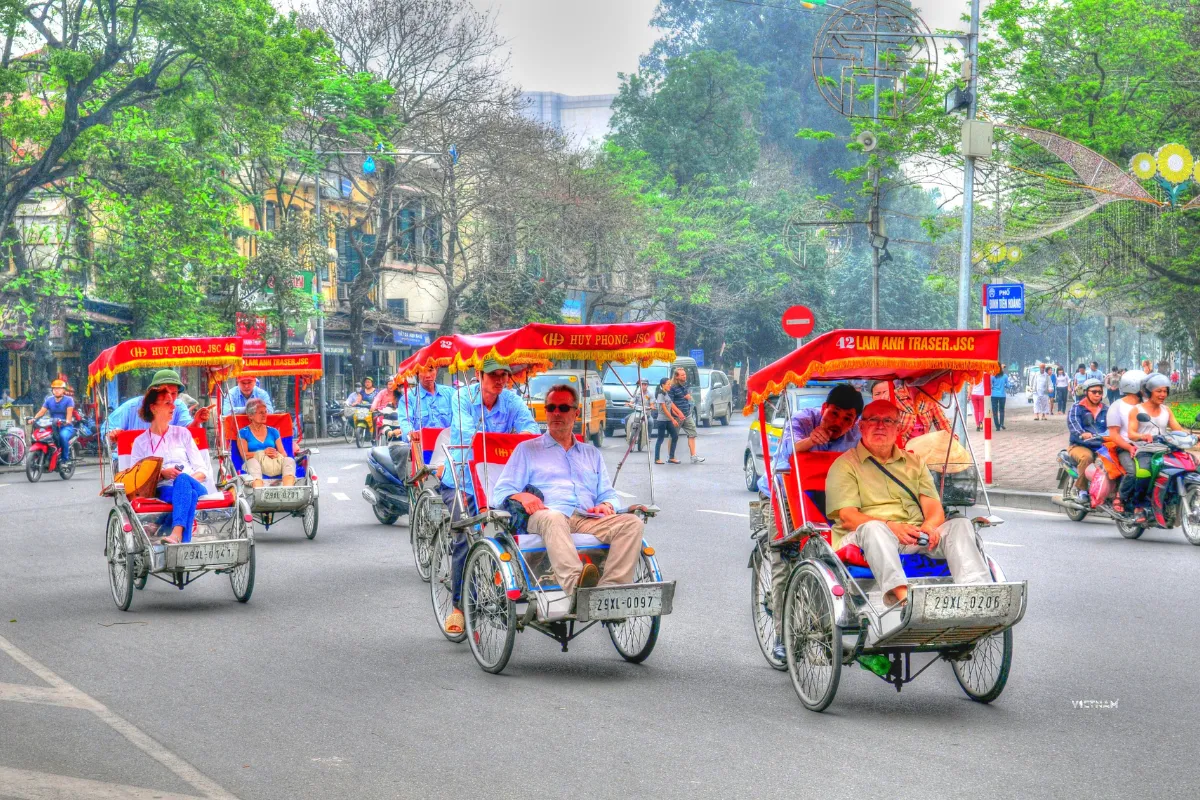

This is one of the biggest decisions when planning a Northern Vietnam trip — and it’s not just about scenery but also offer completely different travel styles. If you only have time for one, here’s the honest, experience-based comparison:
| Criteria | Sapa | Ha Giang |
|---|---|---|
| Location & Access | Easy access from Hanoi (train, bus, highway ~5–6 hrs) | Remote frontier region — 6–8 hrs from mountain roads |
| Landscape style | Terraced rice fields, valleys, villages | Epic limestone mountains, deep valleys, dramatic passes |
| Iconic highlight | The highest peak in Indochina | One of Southeast Asia’s most spectacular roads |
| Experience type | Soft adventure: trekking, cable car, village stays | Hard adventure: motorbike loop, road trip, raw exploration |
| Cultural experience | Ethnic villages (Hmong, Dao) but more commercialized | Authentic ethnic life (Hmong, Tay, Lo Lo) — less touristy |
| Crowds | Can be busy, especially weekends & peak season | Far fewer tourists — especially outside peak loop months |
| Comfort level | Wide range: hotels, resorts, homestays | Basic to mid-range — fewer luxury options |
| Photography | Best for rice terraces (Sept–Oct & May–June) | Best for epic mountain landscapes & winding roads |
| Best for | First-time visitors, families, easy trekking | Adventurers, photographers, experienced travelers |
| Typical duration | 2–3 days | 3–5 days (Ha Giang Loop) |
| Our verdict | Best for comfort + classic Vietnam scenery | Best for raw, unforgettable adventure |
Our recommendation: If this is your first trip to Vietnam or you prefer a balance of comfort and culture, choose Sapa. It’s easier to reach, offers iconic rice terrace landscapes, and works well in a short itinerary.
If you’re looking for a once-in-a-lifetime adventure, go for Ha Giang. The loop through is one of the most dramatic road journeys in Southeast Asia — but it requires more time, flexibility, and a sense of adventure.
Pro travel tip: If you have 5–7 days in Northern Vietnam, do both — start with Sapa trekking, then continue to Ha Giang for the ultimate mountain loop. This combination gives you the full spectrum: culture + landscape + adventure.
Not sure whether to choose Sapa or Ha Giang for your itinerary? Our local travel experts design private Northern Vietnam routes based on your travel style — from comfortable Sapa trekking tours to full Ha Giang Loop experiences with experienced drivers. Plan your custom trip on WhatsApp →
How to Get from Hanoi to Sapa

| Transport | Duration | Cost (approx.) | Best For |
|---|---|---|---|
| Overnight train (Hanoi → Lao Cai) + taxi/bus to Sapa | 8–9 hrs train + 1 hr road | $15–$40 (soft sleeper); $5–$8 (bus Lao Cai–Sapa) | The classic Sapa experience. Depart Hanoi ~9–10 PM, arrive Lao Cai 6 AM, in Sapa by 7:30 AM — a full first day. Scenic mountain road. Book soft sleeper 4-bed cabins ($25–$40) for comfort. |
| Express bus (Hanoi → Sapa direct) | 5–6 hrs | $12–$20 pp | Budget travelers and those who don’t sleep well on trains. Several operators (Sapa Express, Grouptour) run direct luxury sleeper buses from Hanoi Old Quarter. Faster but less scenic than train. |
| Private car (Hanoi → Sapa) | 4.5–5.5 hrs | $80–$120 (whole car) | Families, groups of 3–4, travelers with large luggage or those needing door-to-door flexibility. The Hanoi–Lao Cai expressway makes this practical as a daytime option. |
| Train + private car (Hanoi → Lao Cai by train, car to Sapa) | 8–9 hrs train + 45 min car | $25–$45 pp (all-in) | Best balance of cost and comfort for couples and small groups. Many Sapa operators offer combined train + transfer packages from Hanoi. |
Our recommendation: The overnight train is the most atmospheric and practical option for first-time visitors — you sleep en route, arrive with a full day ahead of you, and the final mountain road to Sapa from Lao Cai is genuinely scenic. Book soft sleeper 4-bed cabins at least 2–3 weeks in advance during September–October peak season.
Where to Stay in Sapa
| Area | Best For | Vibe | Average Price (per night) |
|---|---|---|---|
| Sapa Town Centre | First-timers, convenience, dining options | Busy, commercial, easy access to trekking operators and the market | $20–$150 |
| Valley-view hotels (outskirts of town) | Couples, views, photography | Quieter, with panoramic valley and terrace views — particularly good at dawn | $50–$250 |
| Muong Hoa Valley homestays (Lao Chai, Ta Van) | Trekkers, cultural immersion, authenticity | Rural, village-based, H’mong or Giay family homes — basic facilities, extraordinary setting | $10–$35 |
| Ta Phin / Ban Ho (remote villages) | Adventurous travelers, off-the-beaten-path | Remote Red Dao or Tay villages — no other tourists, communal meals, genuine homestay culture | $8–$20 |
Our recommendation for first-time visitors: Stay one night in Sapa Town to orient yourself and get an early morning market visit, then move to a Muong Hoa Valley homestay for the second night — the difference in atmosphere and morning landscape access is significant.
3-Day Sapa Itinerary: The Best Structure for First-Time Visitors
3-Day Sapa Trekking Itinerary – Explore Northern Vietnam
Experience the beauty of Sapa on a 3-day trekking journey through the stunning Hoang Lien Son Range. Hike across terraced rice fields, visit local villages like Lao Chai Village and Ta Van Village, and connect with ethnic communities such as the Hmong people.
A perfect mix of nature, culture, and authentic local experiences—ideal for adventurous travelers.

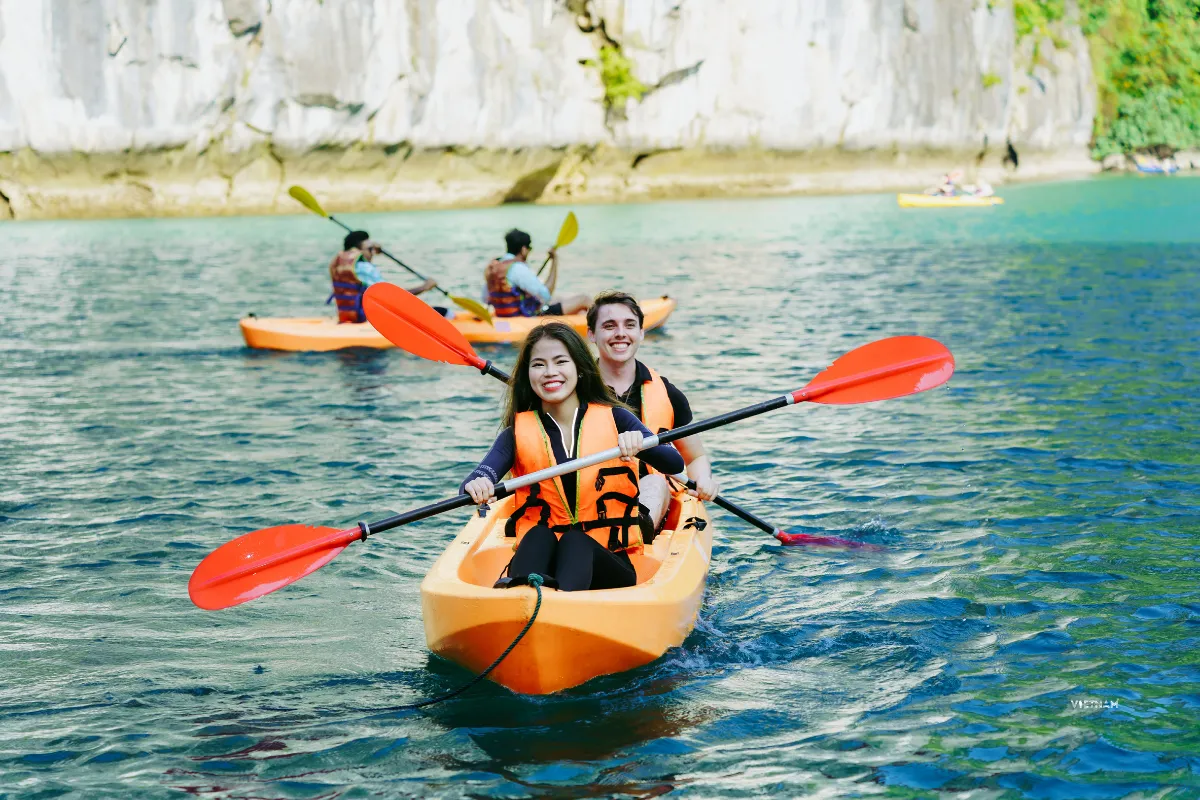

Day 1: Arrival → Sapa Town → Ta Phin Village
- Arrive Sapa by 7:30–8:00 AM (overnight train from Hanoi). Check in to hotel, freshen up.
- 9:00 AM: Explore Sapa Town market before day-trippers arrive. Ham Rong Mountain flower garden (30 min walk from town) for views over the valley.
- 11:00 AM: Depart for Ta Phin Village (12 km, 4–5 hrs with local guide). Red Dao cultural experience — traditional textile weaving, herbal knowledge, community life.
- Late afternoon: Return to Sapa Town. Red Dao herbal bath at your guesthouse or a specialist local bathhouse — a genuine recovery for tired legs.
- Evening: Dinner at a local Sapa restaurant. Try thang co (H’mong horse stew — an acquired taste but culturally specific), grilled mountain vegetables, and com lam (sticky rice cooked in bamboo tubes).
- Overnight in Sapa Town
Day 2: Muong Hoa Valley Trek → Lao Chai → Ta Van Homestay
- 6:30 AM: Early breakfast. Depart Sapa Town with local guide.
- 8:00 AM: Begin Muong Hoa Valley trek — descend through rice terraces toward Lao Chai village (Black H’mong). Allow 2.5 hours.
- 10:30 AM: Arrive Lao Chai. Village walk with guide — observe daily life, textile production, farming practices. Not a performance — a working village you’re passing through as a guest.
- 12:00 PM: Continue trail to Ta Van (Giay village, 5 km). Lunch at a local family restaurant or homestay.
- 2:00 PM: Afternoon free in Ta Van — swim in the Muong Hoa River if weather permits, walk the surrounding paddy paths independently, rest.
- Evening: Dinner and overnight at Ta Van homestay. Communal meal with host family. Night sky above the valley — one of the darkest accessible locations in northern Vietnam.
- Overnight in Ta Van homestay
- Homestay tip: Bring a small gift for your host family — fruit, coffee, or children’s stationery are appropriate and appreciated. Your guide will advise.
Day 3: Fansipan Cable Car → Sapa Town → Return to Hanoi
- 6:00 AM: Sunrise from your homestay over the valley. The morning light on rice terraces from ground level — before the mist fully lifts — is worth setting the alarm for.
- 7:30 AM: Breakfast. Vehicle transfer back to Sapa Town (30 min).
- 9:00 AM: Fansipan cable car (check weather conditions first — summit is frequently cloud-covered before 10 AM). 20-minute ascent, 600 steps to the 3,143 m summit. On clear days, views extend into China and Laos.
- 12:00 PM: Return to Sapa Town. Lunch. Last-minute market shopping — H’mong silver jewellery, indigo-dyed textiles, and locally grown cardamom are the best quality souvenirs.
- 2:30–3:00 PM: Depart Sapa for Lao Cai by taxi or minibus (45 min).
- 4:00 PM: Board afternoon/evening train or bus back to Hanoi. Arrive Hanoi approximately 9:00–10:00 PM.
- Return to Hanoi
- Fansipan tip: Check the Sapa O’Chau weather app or ask your hotel for morning cloud conditions before purchasing cable car tickets. The summit clears most reliably between 9–11 AM on fine days. Cloudy summit views are still impressive but significantly different from clear-day panoramas.
Want a Private Sapa Trek Built Around Your Schedule?
Whether you want a Fansipan summit attempt, a 2-day backcountry route to Nam Cang, or a gentle Muong Hoa Valley walk with a cultural focus — our team arranges private Sapa treks with local ethnic minority guides, overnight trains from Hanoi, and valley homestays. Most guests receive a custom plan within 4 hours.
Request Your Free Sapa Itinerary →
No obligation. Tell us your fitness level, travel dates, and what matters most.
Sale!
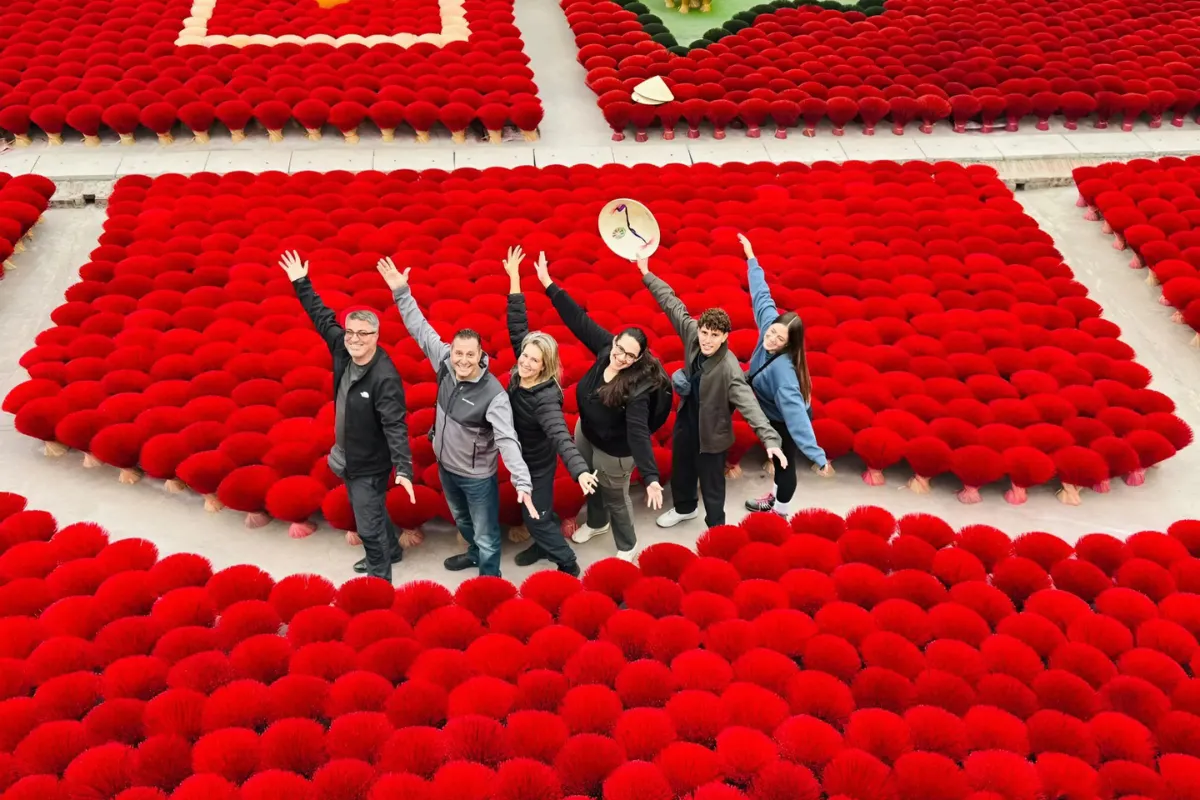
Authentic Hanoi Day Tour | Incense Village & Duong Lam Ancient Village

Place
Hanoi

Duration
1D
Original price was: 120$.105$Current price is: 105$.
Sale!
Hanoi Cycling Tour | Bat Trang, Kim Lan & Xuan Quan Flower Villages
Place
Bat Trang
Duration
1D
Original price was: 65$.55$Current price is: 55$.
Sale!
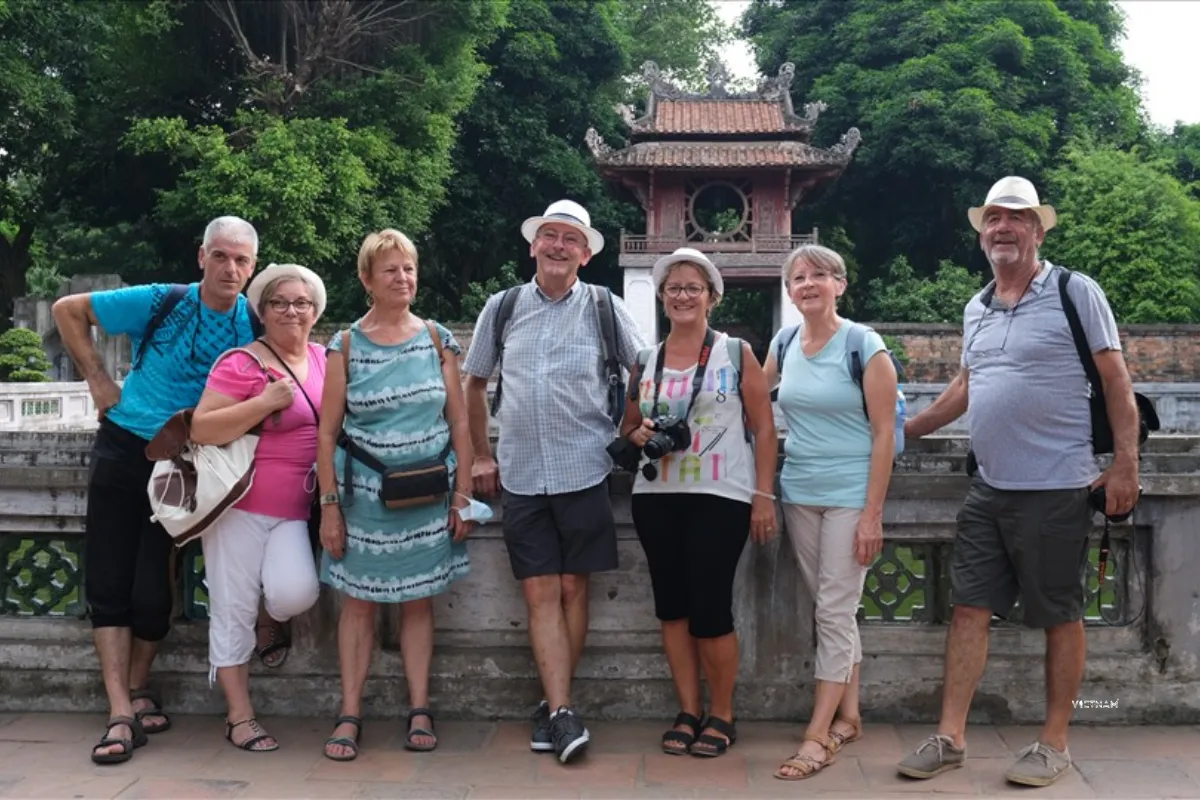
Half-Day Hanoi City Tour | Explore Iconic Landmarks in Just Few Hours
Place
Ha Noi
Duration
1D
Original price was: 50$.35$Current price is: 35$.
Sale!
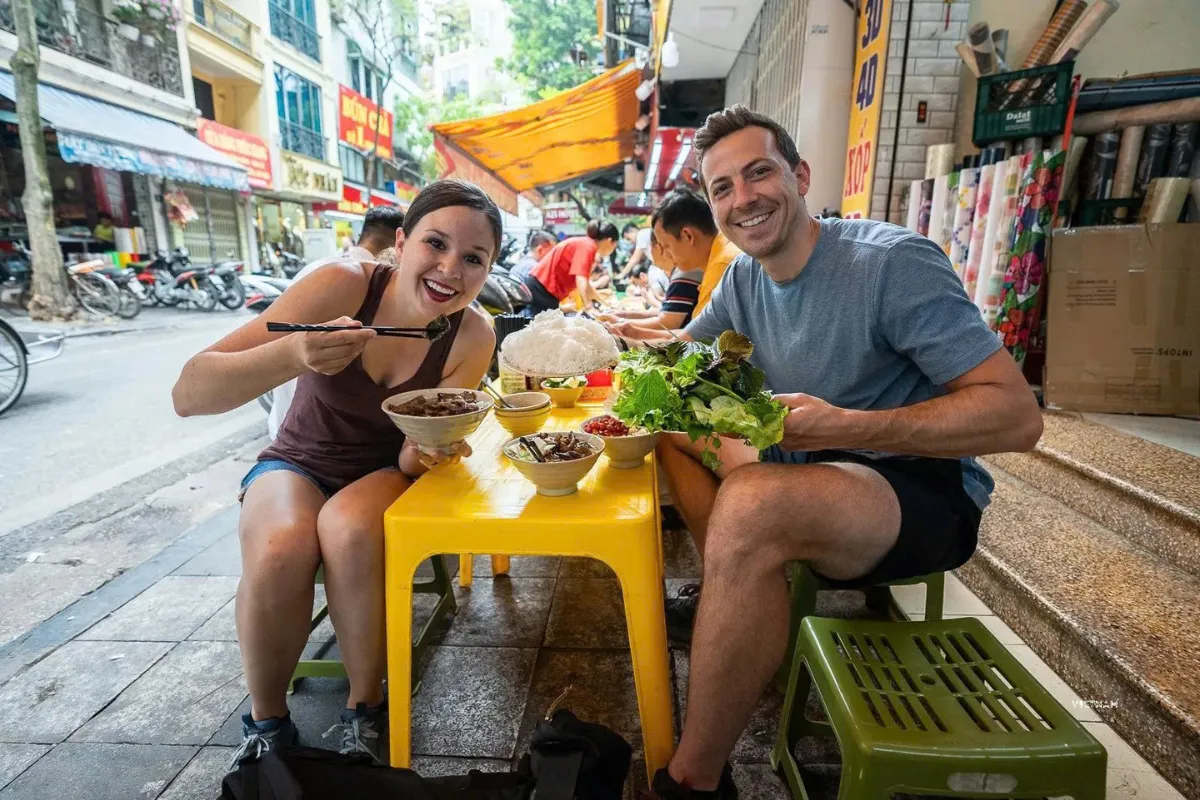
Exclusive Hanoi Street Food Tour | Discover Hanoi’s Best Eats on Foot
Place
Ha Noi
Duration
1D
Original price was: 50$.35$Current price is: 35$.
Sale!

Hanoi City Tour | Highlights, Local Culture | Best of Hanoi in One Day
Place
Ha Noi
Duration
1D
Original price was: 55$.45$Current price is: 45$.
Sale!
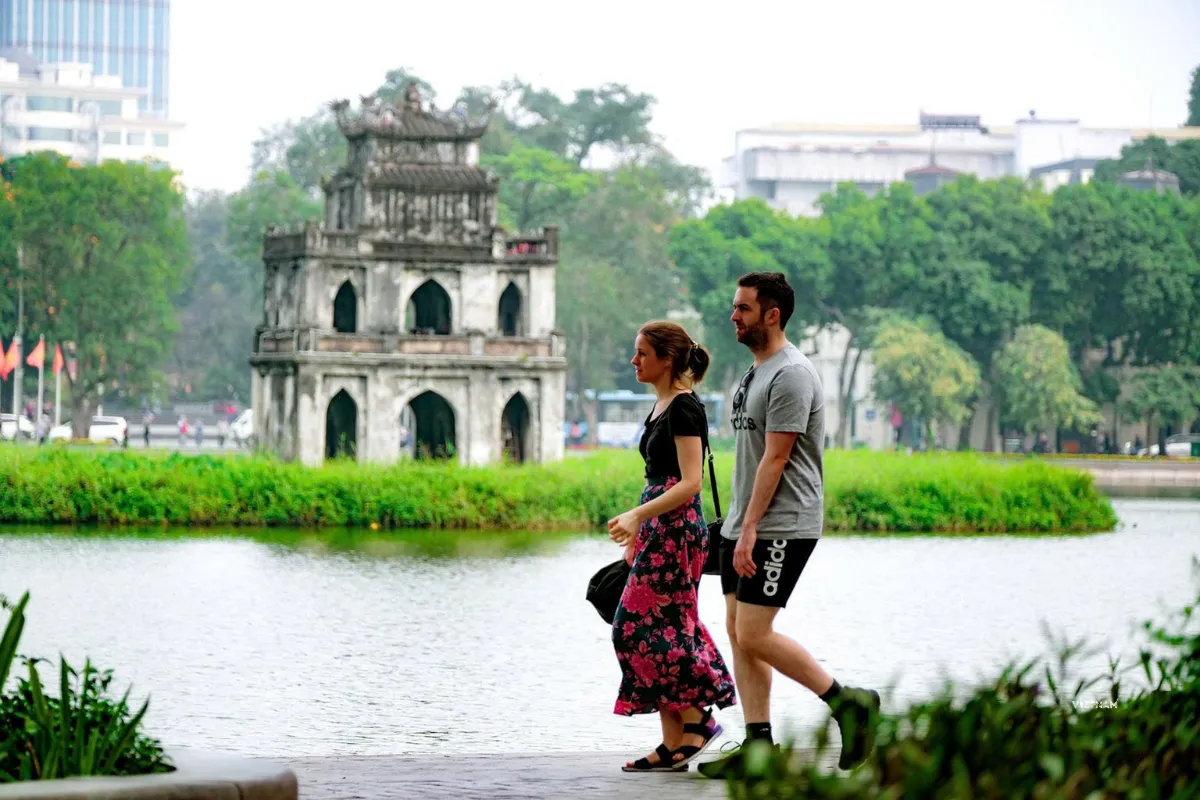
Top Hanoi City Walking Tour | Discover the Best of Hanoi in One Day
Place
Hanoi Capital City
Duration
1D
Original price was: 60$.50$Current price is: 50$.
Sale!

Incense Village Hanoi Tour | Explore Traditional Craft & Local Culture
Place
Quang Phu Cau
Duration
1D
Original price was: 85$.55$Current price is: 55$.
Sale!
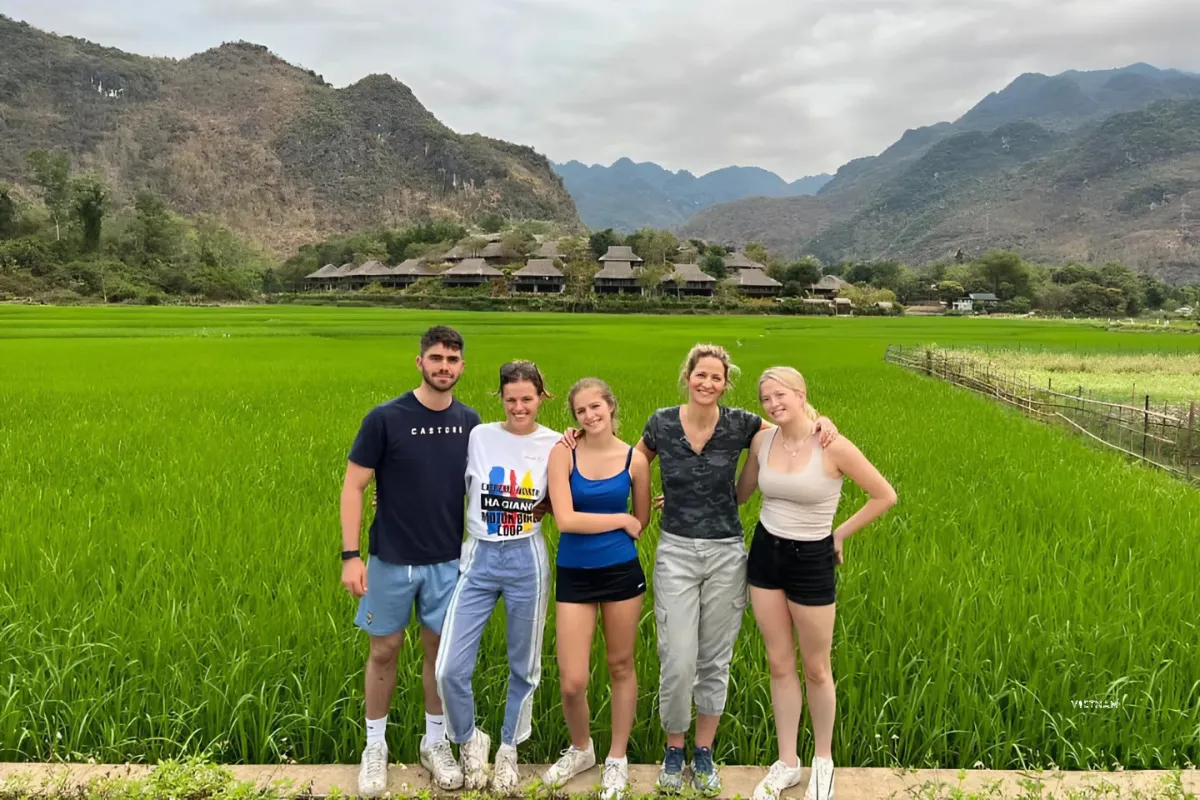
Private Mai Chau Day Trip And Waterfall & Hot Spring Bath
Place
Mai Chau
Duration
1D
Original price was: 175$.125$Current price is: 125$.
Beyond the Highlights: Less-Known Sapa Experiences
- Ha Giang vs Sapa — the traveler’s dilemma: Experienced Vietnam travelers often debate which is better. Sapa is more accessible and has better infrastructure; Ha Giang’s Dong Van Karst Plateau is rawer, more remote, and arguably more visually dramatic for landscape photography. If you have 4–5 days in northern Vietnam’s highlands, Ha Giang Loop (motorcycle circuit, 3–4 days) is worth considering alongside or instead of Sapa.
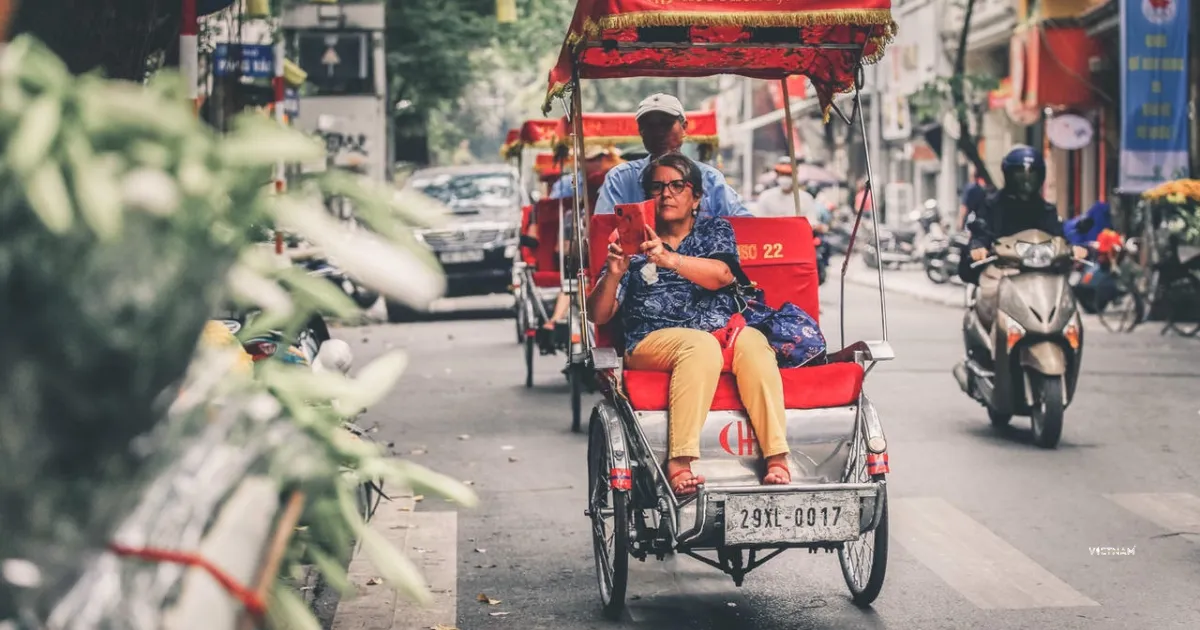
- The Saturday night Love Market tradition: Historically, Sapa’s Saturday market was a place where young H’mong people from different villages came to meet potential partners — dressed in their finest traditional clothing, singing and playing the traditional H’mong flute (ken). The tradition is more muted now than decades past, but on Saturday evenings the market atmosphere and traditional dress are still markedly different from weekday visits.
- Cooking class with a H’mong host family: Several Sapa operators offer cooking sessions hosted in H’mong family homes — preparing traditional dishes using foraged mountain herbs, bamboo shoots, and locally grown produce over open wood fires. Different in character from city cooking classes; genuinely domestic and illuminating about highland food culture.
- The Tram Ton Pass viewpoint at dawn: The mountain pass at 1,900 metres between Sapa and Lai Chau — 15 km from Sapa Town — is the highest road pass in Vietnam. At dawn on a clear day, you’re above the cloud layer looking down over valleys filled with white mist with peaks emerging above. A 30-minute motorbike or taxi ride from Sapa Town; best experienced before 7 AM.
- Nam Cang overnight trek: The Nam Cang – Nam Sai route reaches Giay and H’mong villages that see perhaps 5–10 international visitors per week. No souvenir stalls, no guesthouses designed for tourists — just working villages accessible to those willing to walk 2 days and stay in family homes. Arrange through a specialist local operator at least 2–3 days in advance.
Essential Sapa Travel Tips (From Our Local Team)
- Pack for four seasons in three days. Sapa’s weather can shift from warm sunshine to cold fog within hours, and temperatures drop significantly after dark year-round. Bring: a warm waterproof jacket, a mid-layer fleece, moisture-wicking base layers, and good trekking shoes with ankle support. Even in September, evenings in Sapa Town can drop to 15°C.
- Book the overnight train at least 2–3 weeks ahead in September–October. Soft sleeper 4-bed cabins on the Hanoi–Lao Cai line sell out weeks in advance during harvest season. Book through a reputable Hanoi operator or directly through the Vietnam Railways website (vexere.com works well for online booking).
- Choose a local ethnic minority guide, not a city-based guide. The difference between a Hanoi-trained tour guide and a female H’mong or Red Dao guide from the villages you visit is fundamental. Local guides provide cultural access, language interpretation, and personal relationships with village families that no outsider can replicate. Several Sapa operators — Sapa O’Chau and Ethos Spirit are well-regarded — specifically employ and train local community guides.
- Don’t photograph villagers without asking. The H’mong and Red Dao communities are not subjects — they’re people going about their lives. Ask permission (your guide will help). Offer to show people the photo afterward. Put the camera away when it’s clearly not wanted. This basic courtesy transforms how villagers respond to your presence throughout the day.
- Check Fansipan summit conditions before buying cable car tickets. The 3,143 m summit is cloud-covered a significant proportion of the time — even on otherwise good-weather days. Ask your hotel or a local guide for the morning weather report before committing to the cable car. Midday (10 AM–12 PM) tends to have the best summit clarity on fine days.
- Gaiters for jungle trails in summer. Leeches are active on Sapa’s forest trails from June through September. They’re harmless but unpleasant. Lightweight gaiters or leech socks (available cheaply in Sapa Town) solve the problem entirely. Salt or insect repellent also works as a deterrent.
- Sapa Town shopping tip: The best quality H’mong textiles are found at the Women’s Cooperative market near the town square — hand-embroidered fabrics, indigo-dyed clothing, and silver jewellery made by the sellers themselves. The quality and authenticity here is significantly higher than the stalls near tourist hotels, and buying directly from makers is the right economic choice.

Frequently Asked Questions — Sapa Travel Guide
Is Sapa worth visiting?
Yes — despite increased commercialisation in the town itself, Sapa’s surrounding valleys, trekking routes, and ethnic minority communities remain genuinely extraordinary. The Muong Hoa Valley rice terraces are among the most beautiful landscapes in Southeast Asia, and the H’mong and Red Dao cultures are distinct in ways that reward attentive visitors. The key is choosing the right trekking route, a local guide, and if possible staying overnight in a valley homestay rather than only in Sapa Town.
How many days do I need in Sapa?
Three days is the recommended minimum for a first-time Sapa visit — enough for the Muong Hoa Valley trek, Ta Phin village, and Fansipan cable car. Two days is possible but rushed. Four to five days allows for the full Fansipan summit trek, a multi-valley circuit, and a genuine overnight homestay experience in a remote village. Budget travelers doing northern Vietnam on a circuit often combine Sapa (3 nights) with Ha Giang Loop (3–4 nights) for a comprehensive highland experience.
When is the best time to visit Sapa?
The best time to visit Sapa is September and October, when the rice harvest turns the terraces gold and skies are at their clearest — the peak season for good reason. March to May is the second-best window: spring flooding of terraces creates mirror-like reflections, and wildflowers bloom on Fansipan slopes. Avoid December and January if clear views matter — fog and cold are frequent. All seasons have value, but harvest season (late September–mid-October) is consistently the most photographically rewarding.
How do I get from Hanoi to Sapa?
The most practical route is the overnight sleeper train from Hanoi to Lao Cai station (8–9 hours), followed by a 45-minute taxi or minibus to Sapa Town. Book a soft sleeper 4-bed cabin ($25–$40) for comfort — depart Hanoi around 9–10 PM, arrive Lao Cai at 6 AM, and reach Sapa by 7:30 AM with a full day ahead. Direct express buses from Hanoi Old Quarter (5–6 hrs, $12–$20) are a faster and slightly cheaper alternative.
Do I need a guide for trekking in Sapa?
For most Sapa routes, a licensed local guide is required by regulation — trekking permits for areas outside Sapa Town specify guided access. Beyond the regulatory requirement, a local ethnic minority guide — ideally from the H’mong or Red Dao community — is genuinely invaluable. They provide cultural interpretation, village access, language translation, and a relationship with local families that transforms the experience from scenic walking to genuine cultural encounter. Choose guides trained and employed from local communities where possible.
What is the best trekking route in Sapa for first-time visitors?
The Muong Hoa Valley route from Sapa Town through Lao Chai to Ta Van is the best single Sapa trek for first-time visitors. It covers 15 km over 6–7 hours, passes through both H’mong and Giay ethnic minority villages, runs along the Muong Hoa River with continuous rice terrace scenery, and suits moderate fitness levels. It can be done as a day trek with vehicle pickup at Ta Van or extended into an overnight homestay in the valley.
Is Sapa or Ha Giang better for trekking?
They offer genuinely different experiences. Sapa has better infrastructure, shorter transit from Hanoi, more trekking route variety at different difficulty levels, and the most striking rice terrace scenery in Vietnam. Ha Giang — specifically the Dong Van Karst Plateau and the Ha Giang Loop — is rawer, more remote, more dramatic for road and mountain scenery, and sees significantly fewer tourists. For first-time visitors to highland Vietnam, Sapa is the more accessible introduction; experienced travelers who return to the north often rate Ha Giang as the more memorable experience.
What food is Sapa famous for?
Sapa’s highland food is distinct from lowland Vietnamese cuisine. Key dishes: com lam (sticky rice cooked inside bamboo tubes over open fire — fragrant and smoky), thang co (H’mong horse or buffalo stew with organs and mountain spices — the most culturally specific dish, best tried at the market), grilled stream fish (ca suoi — freshwater fish from mountain streams, grilled with lemongrass and ginger), and black cardamom pork (a Red Dao specialty using locally grown cardamom). The Sapa market is the best place to eat all four.

Plan Your Sapa Trip with a Local Expert
We’re a Hanoi-based travel company with deep connections to the Sapa trekking community — including local H’mong and Red Dao guides who’ve been leading routes in the Muong Hoa Valley and beyond for over a decade. When you plan with us, you get the right guide for your group, honest advice on route selection for your fitness level, and an itinerary that actually reaches the parts of Sapa most visitors miss.
- Private Sapa treks with local ethnic minority guides
- Overnight train and valley homestay packages from Hanoi
- Fansipan summit treks (2-day hiking route, not just cable car)
- Combined Hanoi + Sapa + Ha Giang itineraries for highland circuits
- Available 7 days a week — respond within 2–4 hours on WhatsApp
Get Your Free Sapa Trip Plan
Tell us your travel dates, group size, fitness level, and what matters most — rice terrace photography, cultural encounters, summit trekking, or a mix of all three. We’ll send you a suggested itinerary with transparent pricing within 4 hours.
Request Your Free Sapa Itinerary →
Or message us directly on WhatsApp: +84 849 391 981
Explore More Northern Vietnam
- Hanoi Travel Guide — the best base for your northern Vietnam trip
- Ha Giang Travel Guide — the Dong Van Karst Loop, Vietnam’s most dramatic highland road
- Ha Long Bay Travel Guide — combine highland Sapa with a coastal cruise
- Ninh Binh Travel Guide — UNESCO karst landscape 2 hours south of Hanoi
- 7-Day Northern Vietnam Itinerary — Hanoi + Sapa + Ha Long Bay
- 10-Day Northern Vietnam Itinerary — add Ha Giang Loop and Ninh Binh
- Browse Sapa Trekking Tours →