



Pu Luong Travel Guide

Pu Luong is northern Vietnam’s best-kept highland secret — a nature reserve of steeply terraced rice fields, White Thai and Muong stilt house villages, jungle waterfalls, and mountain roads that almost no tour buses reach, just 165 kilometres from Hanoi. Less known than Sapa, less commercial than Mai Chau, and more dramatically beautiful than either, Pu Luong is where experienced Vietnam travelers go when they want the highland experience without the crowd — and where first-time visitors discover the trip they didn’t know they were looking for.
This guide covers everything: the best villages and trekking routes, how to choose the right homestay or eco-lodge, when the rice terraces peak, how to get there from Hanoi, and the local knowledge that separates a remarkable Pu Luong trip from a generic one.
Jump to: Why Pu Luong · Things to Do · Villages Guide · Trekking Routes · Best Time to Visit · Getting There · Where to Stay · 3-Day Itinerary · Travel Tips · FAQ
Pu Luong at a Glance

| Quick Fact | Details |
|---|---|
| Location | Thanh Hoa Province, Northwest Vietnam — borders Hoa Binh Province |
| Protected Status | Pu Luong Nature Reserve — 17,662 hectares of limestone forest and terrace landscape |
| Distance from Hanoi | ~165 km / 3.5–4.5 hrs by car (via Mai Chau) |
| Distance from Mai Chau | ~70 km / 1.5–2 hrs by car — natural circuit partner |
| Best Time to Visit | Late September–October (golden harvest) · May–June (vivid green flooding) |
| Recommended Stay | 2 nights minimum; 3 nights for full trekking and village circuit |
| Main Ethnic Groups | White Thai (majority in valleys) · Muong (hillside villages) |
| Key Villages | Don Village, Hieu Village, Ban Hieu, Kho Muong, Nam Chim, Lung Cao |
| Key Activities | Trekking, rice terrace cycling, waterfall swimming, homestay, village visits |
| Crowd Level | Very low by Vietnamese standards — significantly less visited than Sapa or Mai Chau |
Why Pu Luong — An Honest Local Perspective
Pu Luong doesn’t have a cable car. It doesn’t have a famous mountain pass with a viral Instagram viewpoint. It doesn’t appear on most first-time Vietnam itineraries. These are not weaknesses — they are the entire point.
What Pu Luong has is the highland Vietnam experience that Sapa offered fifteen years ago, before the hotels arrived: terraced rice fields cascading down limestone hillsides with nobody else in the frame, White Thai and Muong villages where your arrival is genuinely notable rather than routine, waterfalls reached by trails that don’t have entrance booths, and mornings where the mist rising off the terraces is something you experience privately rather than alongside forty other tourists with tripods.
The landscape itself is arguably more beautiful than Mai Chau’s — the Pu Luong terraces are steeper and more dramatically layered than the flat Mai Chau valley, carved into hillsides at angles that make the rice fields appear almost vertical when seen from above. The combination of terrace scenery, forest cover, and genuine village life makes Pu Luong the most complete rural highland experience in northwest Vietnam.
Here’s what specifically sets Pu Luong apart:
- The terraces are steeper and more dramatic than Mai Chau. While Mai Chau’s valley floor paddies are wide and flat, Pu Luong’s terraces are carved into steep hillsides at elevations between 400 and 1,000 metres — the layering effect visible from ridge viewpoints has no equivalent in the northwest outside of Mu Cang Chai. In October, when the harvest turns them gold against dark forest, the view is among the most beautiful in Vietnam.
- Almost no tour buses reach it. The road to Pu Luong’s core villages requires navigating mountain passes that standard tour coaches cannot manage. This single geographical fact keeps Pu Luong in a different category from Mai Chau or Sapa — the visitors who reach it are almost exclusively those who planned specifically to be there.
- Two ethnic communities, two distinct cultures. The White Thai villages in the valley floors and the Muong villages on the hillsides above offer genuinely different cultural encounters within a single trekking route. Moving from a White Thai stilt house at 400 metres to a Muong community at 900 metres — different architecture, different language, different agricultural practices — in a single day’s walk is one of the most culturally rich experiences available in northern Vietnam.
- The waterfalls are accessible and excellent. Hieu Waterfall and the cascade system above Kho Muong village are swimming waterfalls — clean, cool, accessible without specialist equipment, and set within limestone forest. In summer months they become Pu Luong’s most popular activity; in October they are virtually private.
- It pairs perfectly with Mai Chau on a northwest circuit. The 70 km road between Mai Chau and Pu Luong passes through mountain terrain that is itself scenic. A Mai Chau + Pu Luong circuit — one night in each, or one night Mai Chau and two nights Pu Luong — is the best 3-day trip available from Hanoi and represents the most complete northwest Vietnam experience achievable in a short time.
Best Things to Do in Pu Luong
1. Trek the Terrace Ridge Trails
The ridge trails above Don Village and Hieu Village — walking along the edges of the terraced fields at 600–900 metres — offer the most complete Pu Luong landscape experience. The trails pass through both White Thai and Muong villages, along irrigation channels feeding the terraces, through sections of limestone forest, and to ridge viewpoints where the full depth of the terrace system becomes visible. The best single trail in Pu Luong — the route from Don Village through the upper terraces to Kho Muong and back — takes a full day (7–8 hours, 18–20 km) and delivers sustained views that justify the entire trip to the northwest.
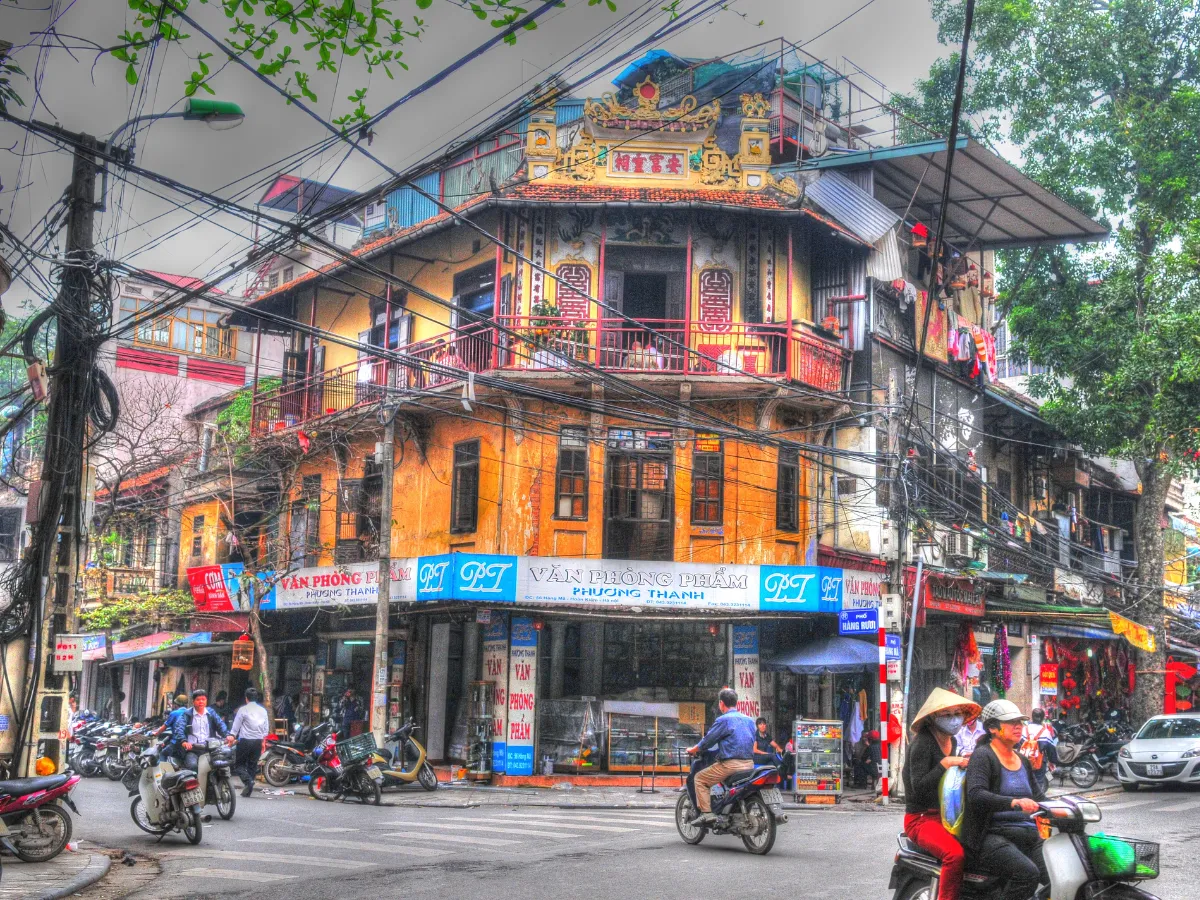
Hanoi Old Quarter
The Heart of Hanoi
2. Swim at Hieu Waterfall
Hieu Waterfall, 3 km from Hieu Village on a well-marked trail through forest and paddy fields, drops 15 metres into a deep natural pool suitable for swimming. The pool is clean, cold, and surrounded by limestone karst vegetation — one of the best swimming waterfalls accessible without specialist trekking in northern Vietnam. The trail to reach it passes through working paddy fields and a small Muong settlement, making it as much a cultural walk as a nature excursion. Best visited on weekdays — on summer weekends it attracts domestic visitors from Thanh Hoa and Hanoi.

Hoan Kiem Lake
Central Lake in the Heart of Hanoi
3. Cycle Between Don and Hieu Village
The 8 km road between Don Village and Hieu Village — the two main accommodation hubs in Pu Luong — runs through the heart of the terrace landscape, along the valley floor with steep hillside terraces rising on both sides, past working water mills, across bamboo bridges, and through several smaller hamlets. This is Pu Luong’s equivalent of Mai Chau’s valley cycling — quieter, more undulating, and with more dramatic elevation change visible in the surrounding terraces. Mountain bike rental from Don or Hieu village guesthouses costs 80,000–120,000 VND per day.
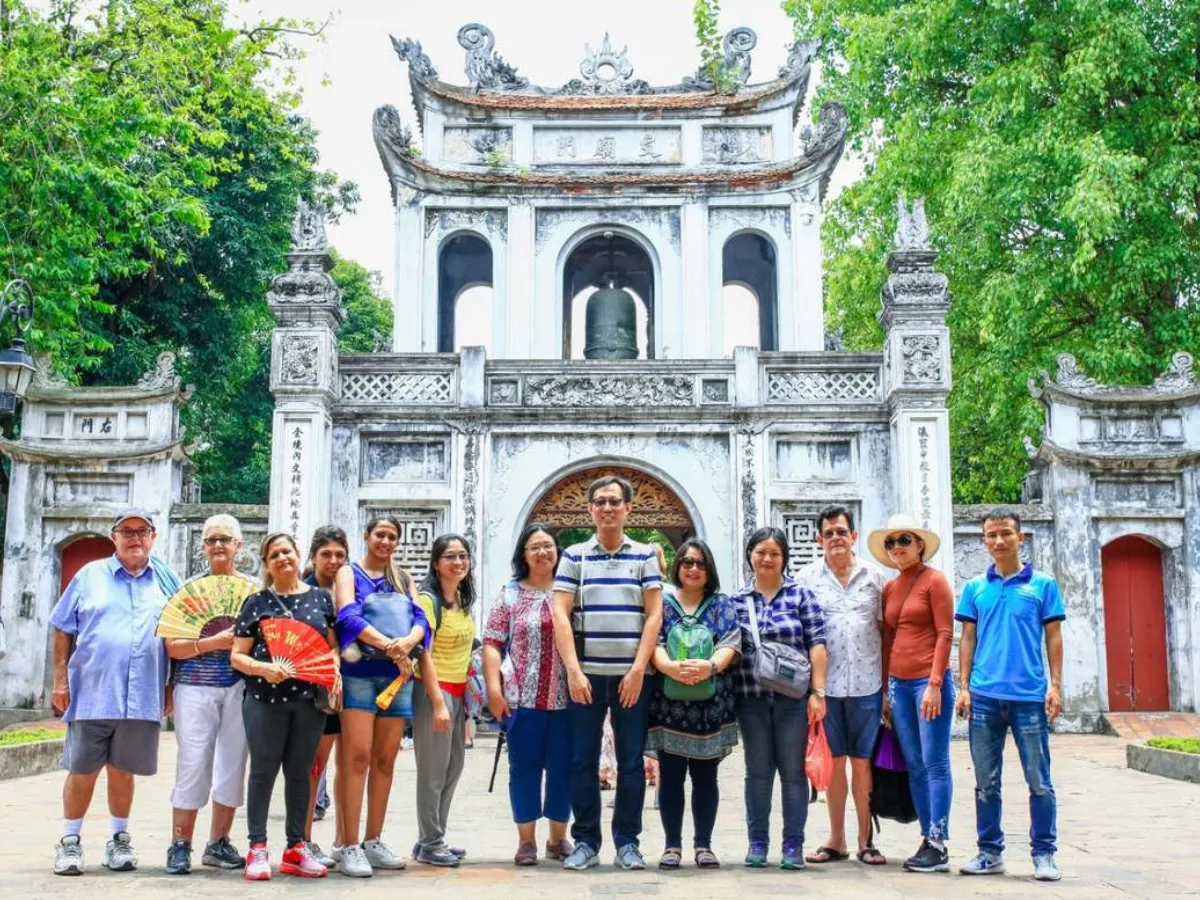
Temple of Literature
The First University in Vietnam
4. Visit Kho Muong Village
Kho Muong is Pu Luong’s most rewarding village visit — a Muong community at 900 metres, reached by a 3–4 hour trail from Don Village through steep terraced hillsides. The village has maintained traditional Muong architecture (different from White Thai stilt houses — lower to the ground, with a characteristic sloping roof form), a community-managed forest above the settlement, and an agricultural calendar based on dry rice cultivation rather than the irrigated paddies of the valley floor. Almost no visitors reach Kho Muong independently — it requires a local guide and a genuine half-day commitment. Those who do uniformly describe it as the best moment of their Pu Luong trip.
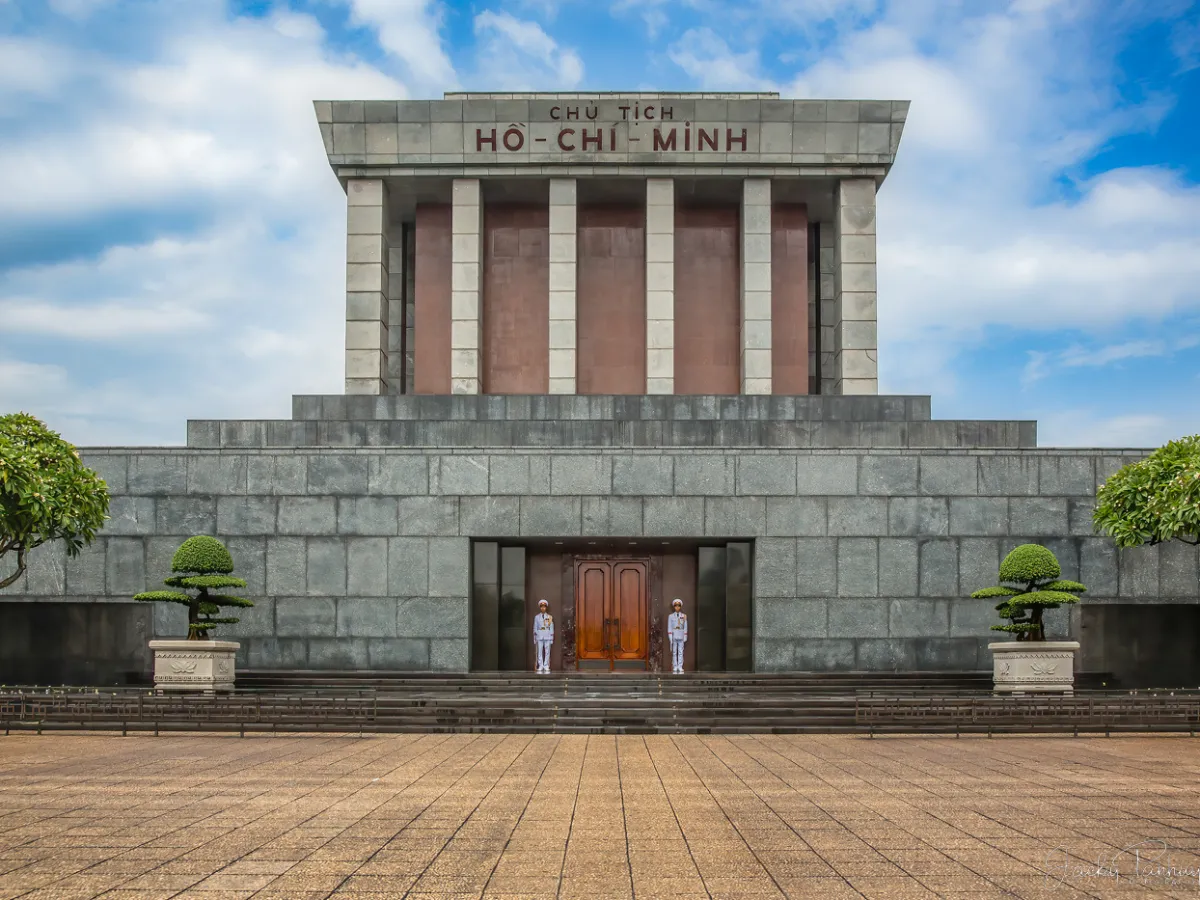
Ho Chi Minh Mausoleum
A Final Rest of National Hero
5. Working Water Mills of the Valley Floor
Pu Luong’s valley floor is threaded with traditional water-powered rice mills — bamboo and wood structures that use the flow of irrigation channels to grind rice continuously during harvest season. They’re functional, photogenic, and genuinely old — the same design has been used for centuries in these valleys. The concentration of water mills along the Don–Hieu road (at least six are visible on the cycling route) makes Pu Luong the best place in northern Vietnam to see this agricultural tradition still actively used rather than preserved as a heritage exhibit.
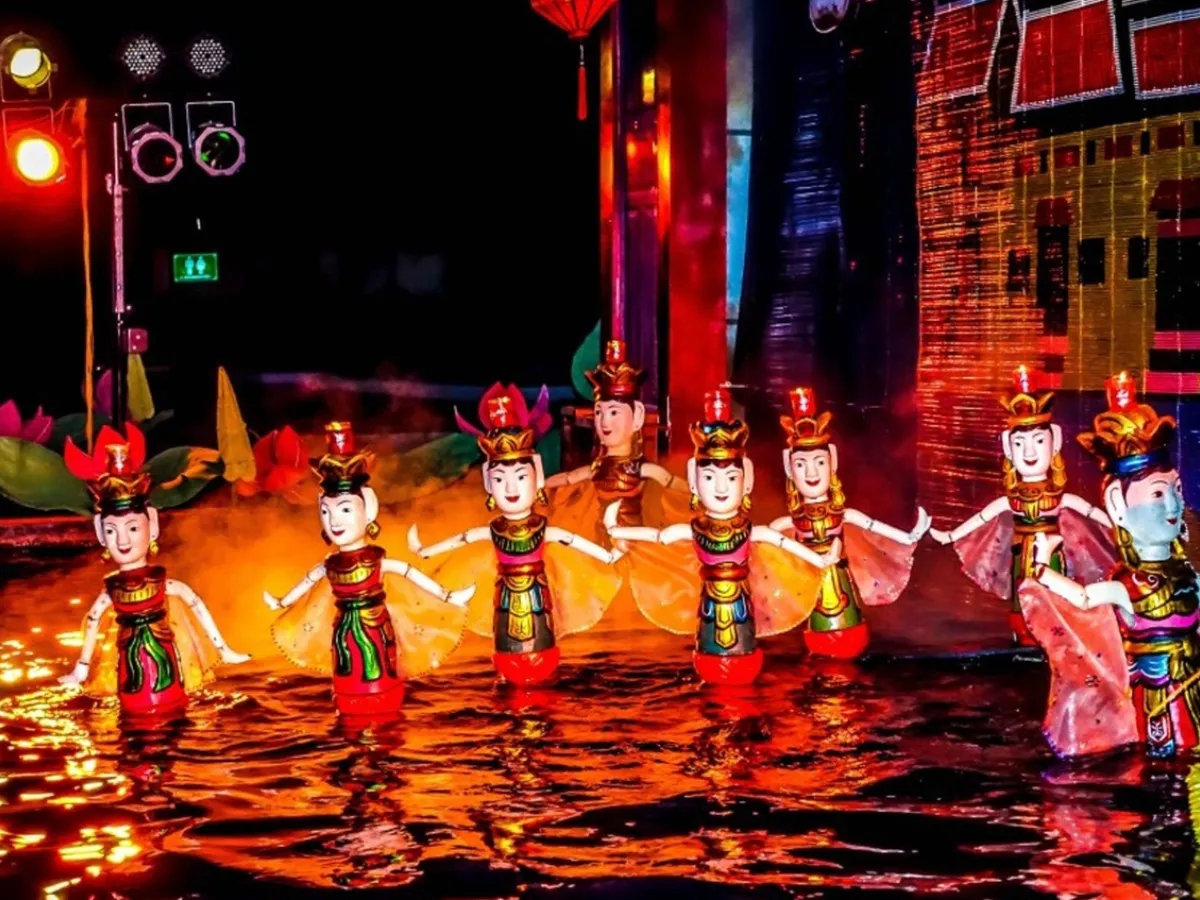
Water Puppet Show
A Must-See in Hanoi
6. Sunrise from the Eco-Lodge Terrace Viewpoints
Several of Pu Luong’s better eco-lodges are positioned on hillside terraces above the valley floor, with unobstructed east-facing views over the rice fields. Watching sunrise from these positions — when morning mist fills the valley below and the first light catches the terrace layers — is the experience that appears in every serious Pu Luong photograph and that every visitor who sees it describes as the best morning of their Vietnam trip. It requires staying in the right accommodation and setting a 5:30 AM alarm. Both are worth it.

Vietnamese Banh Mi
A Must-Try in Hanoi
Pu Luong Villages Guide: Where to Base Yourself
Pu Luong’s accommodations and cultural experiences are distributed across several villages in the nature reserve. Understanding the geography before you arrive makes a significant difference:
| Village | Elevation | Ethnic Group | Tourism Level | Best For |
|---|---|---|---|---|
| Don Village (Ban Don) | ~400 m | White Thai | Moderate — main accommodation hub | Most guesthouses and eco-lodges concentrated here. Good starting point for valley cycling and lower terrace walks. The main entry point for most visitors arriving from Mai Chau. |
| Hieu Village (Ban Hieu) | ~450 m | White Thai | Low–Moderate | Quieter than Don Village. Closer to Hieu Waterfall (3 km). Good cycling base. Several family homestays with better terrace views than the valley-floor options in Don Village. |
| Nam Chim | ~500 m | White Thai | Low | Small village between Don and Hieu — beautiful working community visible from the cycling route. No tourist accommodation; best as a cycling stop rather than an overnight base. |
| Kho Muong | ~900 m | Muong | Very low — specialist visitors | The most culturally remote village accessible in Pu Luong. Reached by 3–4 hr trek from Don Village. Overnight homestay possible with advance arrangement. Dry rice farming, distinct architecture, mountain forest above. |
| Lung Cao | ~700 m | Muong | Very low | Reached from the secondary road north of Don Village. Spectacular terrace viewpoints en route. Rarely visited by foreign tourists — requires a guide and private transport. |
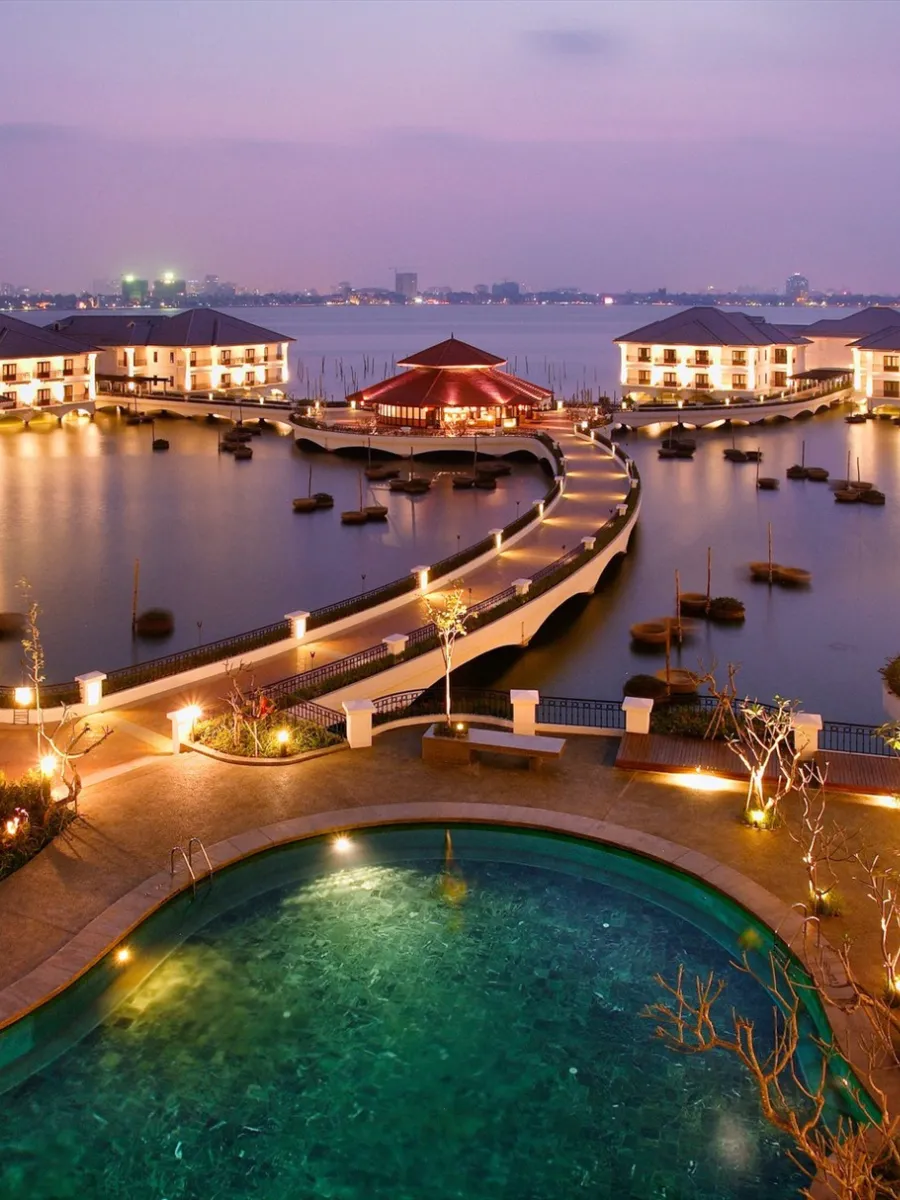
Our recommendation: Base in Don Village or Hieu Village for your first Pu Luong stay — the best eco-lodges and family homestays are concentrated here and both villages give you cycling access to the main valley. If you have a second night, arrange a Kho Muong trek with an overnight homestay — it adds a completely different highland dimension to the trip.
Looking for a Pu Luong eco-lodge with proper terrace views — or a family homestay in the right village? Our Hanoi-based team books Pu Luong accommodation weekly and knows which properties deliver what the photos promise. Message us on WhatsApp →
Pu Luong Trekking Routes
| Route | Distance / Duration | Difficulty | Best For | Highlights |
|---|---|---|---|---|
| Don Village – Valley Floor Loop | 10 km / 3–4 hrs | Easy | First-timers, families, casual walkers | Water mills, paddy fields, Nam Chim village, bamboo bridges, valley terrace views from the flat |
| Hieu Village – Waterfall Trail | 6 km / 2–2.5 hrs round trip | Easy | Families, half-day option, swimmers | Paddy field trail, small Muong hamlet, Hieu Waterfall swimming pool, limestone forest |
| Upper Terrace Ridge Trail (Don → Kho Muong → Don) | 18–20 km / 7–8 hrs | Moderate–Difficult | Fit trekkers, cultural focus, full-day commitment | Best terrace panoramas in Pu Luong, transition from White Thai to Muong culture, Kho Muong village, ridge viewpoints at 900 m |
| Hieu – Lung Cao – Ridge Circuit | 15 km / 6–7 hrs | Moderate | Experienced trekkers, photography focus | Elevated terrace views above 700 m, Lung Cao Muong village, forest sections, very few other visitors |
| Pu Luong → Mai Chau Connection Trail | 30–35 km / 2 days | Moderate–Difficult | Multi-day trekkers, northwest circuit | Connects Pu Luong to Mai Chau via mountain trail through forest and terrace landscape — the most complete northwest Vietnam walking experience |
Guide requirement: The valley floor loop and Hieu Waterfall trail can be done independently with a basic map (available from your guesthouse). All routes above 600 metres — particularly the Kho Muong circuit and Lung Cao ridge — require a local guide. Guides in Don and Hieu villages charge approximately $15–$25 per day and can be arranged through your guesthouse on arrival or through a Hanoi operator in advance. The guide’s cultural knowledge — not just navigation — is what makes the upper routes worthwhile.
Pu Luong vs Mai Chau: An Honest Comparison
Since most visitors consider both on the same northwest circuit, here is the direct comparison that most travel content avoids giving:
| Criteria | Pu Luong | Mai Chau |
|---|---|---|
| Terrace scenery | More dramatic — steep, layered, multi-level | Broader and flatter — wide valley, less vertical drama |
| Distance from Hanoi | 165 km / 3.5–4.5 hrs | 135 km / 3–3.5 hrs |
| Crowd level | Very low — almost no tour buses | Moderate — Lac Village busy on weekends |
| Cycling | Good — more undulating, requires more fitness | Outstanding — flat valley roads, easiest cycling |
| Trekking quality | Higher — steeper terrain, better ridge views, Muong villages | Good — easier terrain, better for beginners |
| Waterfalls | Yes — Hieu Waterfall (swimable, excellent) | Limited in immediate valley area |
| Eco-lodge quality | Several excellent options with terrace views | More varied — from excellent to tourist-factory |
| Cultural diversity | White Thai + Muong — two distinct communities | Primarily White Thai in valley villages |
| Best for | Photography, serious trekking, complete immersion, second-time northwest visitors | First-time highland visitors, families, easy cycling, short trips |
Bottom line: If you can only do one, Pu Luong is the better landscape and the more authentic experience — but Mai Chau is the better introduction for first-time highland visitors or those with limited time. If you have 3–4 days, the Mai Chau + Pu Luong circuit covers both and creates one of the best-value, least-crowded short trips in northern Vietnam.
Best Time to Visit Pu Luong: Month-by-Month Guide
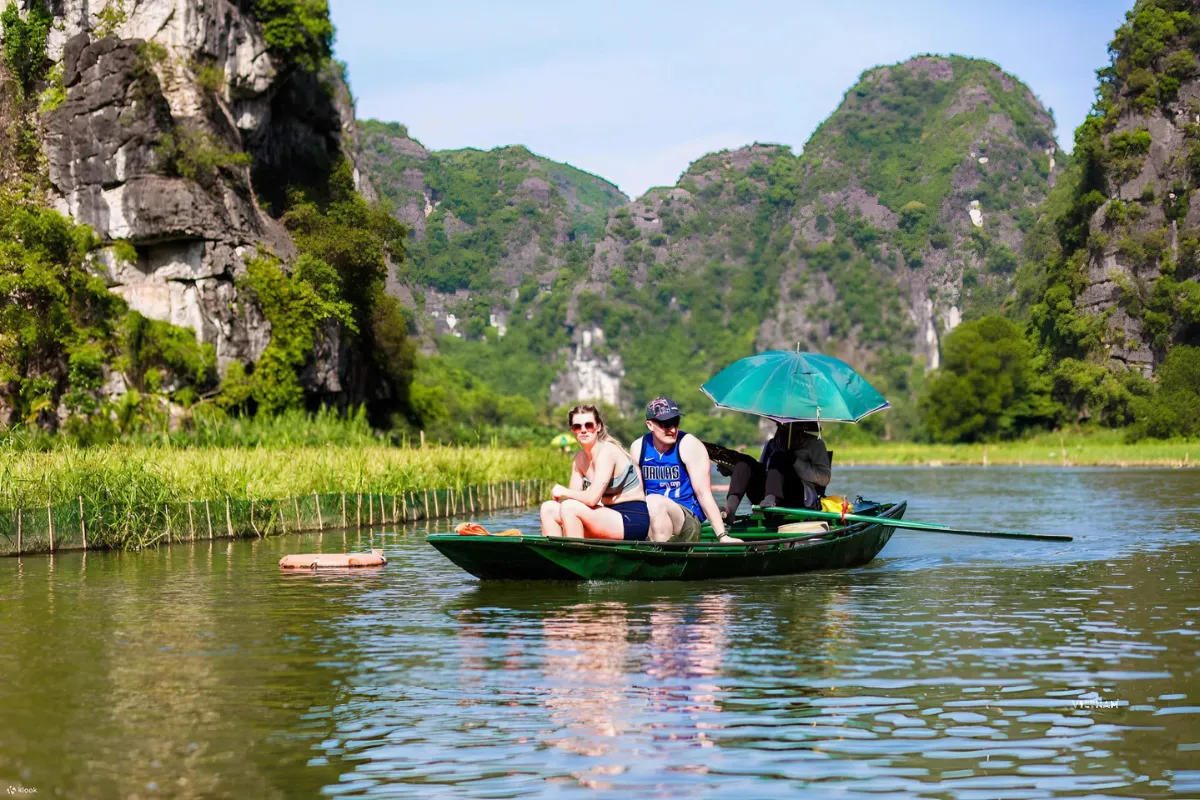
The best time to visit Pu Luong is late September to October for the golden rice harvest, or May to June for the vivid green flooded terraces. The timing matters more here than at most destinations — the difference between a golden October visit and a bare January visit is the difference between extraordinary and merely pleasant.
| Period | Temp & Conditions | Terrace Status | Verdict |
|---|---|---|---|
| Jan – Feb | 12–18°C / 54–64°F. Cool, misty, some drizzle | Bare or fallow — fields being prepared | The quietest period. Atmospheric in mist but least visually dramatic for the terraces. Good for cultural focus — village life moves at a slower pace, fewer visitors than any other time. Pack warm layers; stilt house nights are cold. |
| Mar – Apr | 18–25°C / 64–77°F. Warming, clearer | Young green — new rice planting begins | Good. The pale green of newly planted rice against dark forest is delicate and photogenic. Comfortable trekking temperatures. Less dramatic than harvest season but increasingly popular as a spring alternative. |
| May – Jun ⭐ | 24–30°C / 75–86°F. Warm, some afternoon rain | Flooded terraces — mirror-like water surfaces | Outstanding for photography. The flooded terraces in May–June reflect sky, clouds, and karst hillsides in water surfaces that produce some of the most technically challenging and rewarding landscape photographs in Vietnam. Warm but manageable; afternoon rain showers brief. Hieu Waterfall at peak flow. |
| Jul – Aug | 26–32°C / 79–90°F. Hot and wet | Intensely green — maximum rice growth | The green is vivid and dramatic. Heat makes midday trekking uncomfortable; early morning and late afternoon are excellent. Some trail sections can be muddy after rain. Weekend domestic visitors increase. Best for waterfall swimming — Hieu Waterfall is at full flow. |
| Sep – Oct ⭐⭐ | 20–28°C / 68–82°F. Clearing, perfect | Golden harvest — peak visual season | Best overall — by a significant margin. Late September through mid-October, the rice harvest turns Pu Luong’s terraces from green to gold. The combination of clear skies, cool mornings, golden terraces on steep hillsides, and harvest activity in the villages is the most visually and culturally complete version of Pu Luong. Book 4–6 weeks ahead. This is the window everyone who has been here recommends. |
| Nov – Dec | 14–22°C / 57–72°F. Cooling, clear | Post-harvest — fields being turned over | Good visibility and comfortable temperatures. Fewer visitors than October. Post-harvest terraces lack the colour drama but the clarity of light and the peaceful atmosphere are genuine draws. December evenings are cold in the stilt houses — bring serious warm layers. |
Harvest season precision: The golden harvest window in Pu Luong typically peaks in the last 10 days of September and first 10 days of October — a narrow window that shifts slightly year to year depending on rainfall patterns. Our team monitors conditions during this period and can advise on exact timing when you plan. Arriving even one week too late means post-harvest fields; arriving one week too early means green rather than gold.
How to Get from Hanoi to Pu Luong
Pu Luong has no direct public bus service — the nature reserve’s mountain roads require private transport or a tour arrangement. This is one of the reasons it remains less crowded than Mai Chau.

| Route | Duration | Cost (approx.) | Best For |
|---|---|---|---|
| Private car direct (Hanoi → Pu Luong) | 3.5–4.5 hrs | $80–$110 (whole car) | Most practical for groups of 2–4. Direct route via Hoa Binh or via Mai Chau depending on starting time. Best option for a standalone Pu Luong trip from Hanoi. |
| Via Mai Chau (overnight Mai Chau → Pu Luong next day) | 1.5–2 hrs (Mai Chau → Pu Luong) | $30–$50 (Mai Chau to Pu Luong leg, private car) | Our recommended approach. Spend night 1 in Mai Chau, transfer to Pu Luong on day 2 morning. The 70 km mountain road between them is scenic in its own right. Creates the best northwest circuit structure. |
| Motorbike (self-drive from Hanoi or Mai Chau) | 4–5 hrs from Hanoi / 2 hrs from Mai Chau | Fuel ~$5–8 | Experienced riders only. The mountain pass roads approaching Pu Luong from both directions are steep and narrow. Rewarding for confident riders; not recommended for beginners. |
| Organised tour from Hanoi (private) | Full package (2–3 days) | $80–$150 pp per day (all-inclusive) | First-time visitors who want accommodation, trekking guide, meals, and transport handled end-to-end. Private tours only — group tours to Pu Luong almost don’t exist, which is part of what makes it special. |
Getting around Pu Luong: The 8 km Don–Hieu road is cyclable (bike rental from guesthouses). For the Kho Muong trek or Lung Cao visit, you’ll need a guide on foot. For trips to secondary villages and viewpoints, arrange xe om through your guesthouse. There are no tuk-tuks, no Grab, and no taxi apps in Pu Luong — part of its considerable charm.
Where to Stay in Pu Luong?
Pu Luong’s accommodation is split between eco-lodges (purpose-built for views) and family homestays (authentic cultural experience). Both are excellent; they serve different priorities.
| Type | Location | Experience | Price (per night) |
|---|---|---|---|
| Hillside eco-lodge | Above Don or Hieu Village on terrace slopes | Private room or bungalow with terrace-facing balcony, hot shower, restaurant. Sunrise views over the rice fields are the primary selling point. Best sunrise photography base in Pu Luong. | $40–$120 per room |
| White Thai stilt house homestay | Don Village, Hieu Village, Nam Chim | Communal bamboo sleeping platform, shared bathroom, dinner and breakfast with host family, village sounds at dawn. More culturally immersive than eco-lodges. The traditional Mai Chau-style experience applied to better scenery. | $15–$35 per person (meals included) |
| Muong village homestay | Kho Muong (900 m) | Basic facilities, family home, communal meals, mountain forest setting. Requires advance booking through a local operator — not walk-in accessible. The most remote and culturally distinctive accommodation in Pu Luong. | $10–$20 per person (meals included) |
Our honest recommendation: For a first visit, combine one night in an eco-lodge (for the sunrise views) with one night in a White Thai family homestay (for the cultural experience). This two-night structure in Don or Hieu village gives you both dimensions of what makes Pu Luong exceptional and is our most consistently recommended approach.
Booking note: Pu Luong’s better eco-lodges — particularly those with unobstructed east-facing terrace views — book out 3–5 weeks ahead during October harvest season. Homestays are more available but quality varies significantly; booking through a local operator who vets the families is recommended over random online listings.
3-Day Pu Luong Itinerary (via Mai Chau): The Best Northwest Circuit
This is the itinerary we recommend most often — combining one night in Mai Chau with two nights in Pu Luong for a complete northwest Vietnam experience. It departs Hanoi on Day 1 morning and returns on Day 3 evening.


Day 1: Hanoi → Thung Khe Pass → Mai Chau → Pu Luong (Arrive)
- Depart Hanoi 7:30 AM by private car via National Highway 6.
- 10:00 AM: Stop at Thung Khe Pass — panoramic viewpoint over the Mai Chau valley. 20–30 minute stop.
- 10:45 AM: Descend into Mai Chau valley. Brief stop at Lac or Pom Coong Village for orientation, bicycle ride, or lunch (1.5–2 hours). This is a taste, not the full Mai Chau experience — that comes on longer circuits.
- 1:00 PM: Depart Mai Chau for Pu Luong via the mountain road through Cao Son and Ba Thuoc. The 70 km road takes 1.5–2 hours and is scenic throughout — bamboo forest, river valleys, karst ridgelines.
- 3:00 PM: Arrive Don Village. Check in to eco-lodge or homestay. Leave luggage.
- 4:00 PM: First valley floor cycle — Don Village → Nam Chim → toward Hieu Village and back. The afternoon light on the terraces between 4–6 PM is the best of the day.
- 5:30 PM: Return to accommodation. Sunset from your lodge or homestay terrace.
- 7:00 PM: Dinner — White Thai communal meal at homestay, or eco-lodge restaurant serving local dishes: com lam, grilled river fish, bamboo shoot soup, mountain greens.
- Overnight in Don Village — eco-lodge or homestay
- Day 1 tip: If your eco-lodge has east-facing terrace views, confirm your room orientation at check-in. Set your alarm for 5:30 AM — this is the most important 60 minutes of the entire trip.
Day 2: Sunrise → Upper Terrace Trek → Kho Muong or Hieu Waterfall
- 5:30 AM: Sunrise from the terrace. Mist fills the valley below. The first light hits the upper terrace layers at 6:00–6:15 AM. This is the photograph that justifies the trip to Pu Luong. Stay outside until the mist fully clears (~7:30 AM).
- 7:30 AM: Breakfast at accommodation.
- 8:30 AM: Depart for the day’s main trek. Choose based on fitness and time:
- Full day (recommended): Upper Terrace Ridge to Kho Muong — 7–8 hours, 18–20 km with local guide. Ascend through White Thai terraces, enter Muong territory above 700 m, reach Kho Muong village for lunch, return via ridge viewpoints with the valley spread below. The best single day’s trekking in the northwest outside of Sapa. Return by 5:00 PM.
- Half day (lighter option): Hieu Village and Waterfall — Cycle to Hieu Village (8 km, 45 min), walk the Hieu Waterfall trail (3 km, 1.5 hrs each way), swim at the waterfall pool. Return by 2:00 PM. Afternoon free for village cycling or rest.
- Evening: If staying in a homestay, the second communal dinner is when the family dynamic is usually more relaxed — the first evening is introductory; the second feels more genuinely shared. Corn wine reappears.
- Overnight in Don or Hieu Village
Day 3: Dawn Cycle → Water Mills → Return to Hanoi
- 5:30 AM: Final dawn cycle. The last morning always reveals something the previous ones didn’t. Cycle in the opposite direction from Day 1 — even familiar roads look different in different light.
- 7:30 AM: Breakfast. Pack bags.
- 9:00 AM: Walking visit to the traditional water mills along the Don–Hieu road (2–3 km round trip on foot or bicycle). The mills are most active during and immediately after harvest season — October visits see them operating continuously.
- 10:30 AM: Depart Pu Luong for Hanoi by private car.
- Optional stop: Ba Thuoc riverside market (30 km from Don Village, on the return road) — a small Muong and Thai market held on weekday mornings with local produce, medicinal herbs, and a complete absence of tourist stalls. Worth a 20-minute stop if timing works.
- Arrive Hanoi approximately 2:30–4:00 PM depending on route and stops.
- Return to Hanoi
- Return tip: The route back via Ba Thuoc and Hoa Binh (different from the Mai Chau approach on Day 1) adds 20–30 minutes but passes through Muong cultural territory and the Ma River valley — worth it for the visual variety and to complete a proper circuit rather than retracing the same road.
Want the Full Northwest Circuit — Mai Chau + Pu Luong — Arranged from Hanoi?
Our Hanoi-based team handles the full Mai Chau + Pu Luong circuit: private transport, homestay and eco-lodge bookings in the right villages, local trekking guide for the Kho Muong circuit, and a return route that covers the best of both destinations. For October harvest season, we recommend booking 5–6 weeks ahead.
Request Your Free Pu Luong Itinerary →
Tell us your travel dates, group size, and whether you’d like Mai Chau on Day 1. We’ll send options within 4 hours.
Sale!
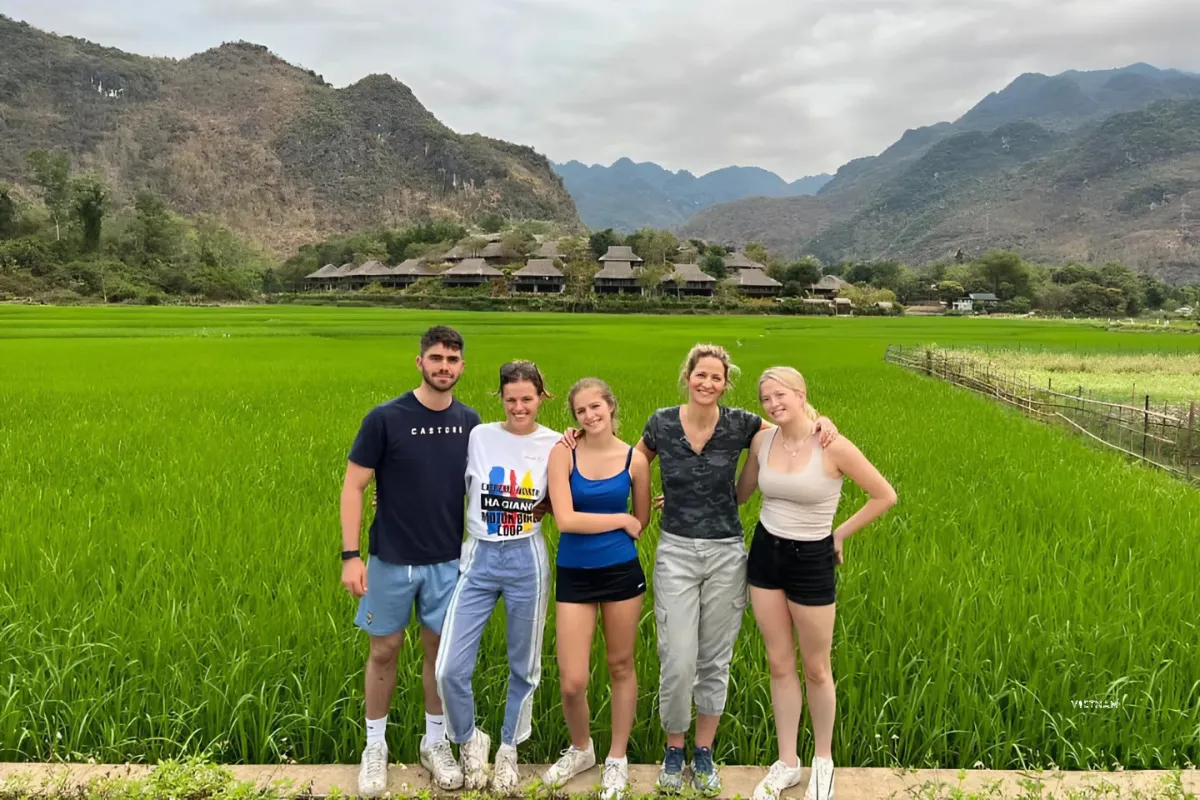
Private Mai Chau Day Trip And Waterfall & Hot Spring Bath

Place
Mai Chau

Duration
1D
Original price was: 175$.125$Current price is: 125$.
Sale!
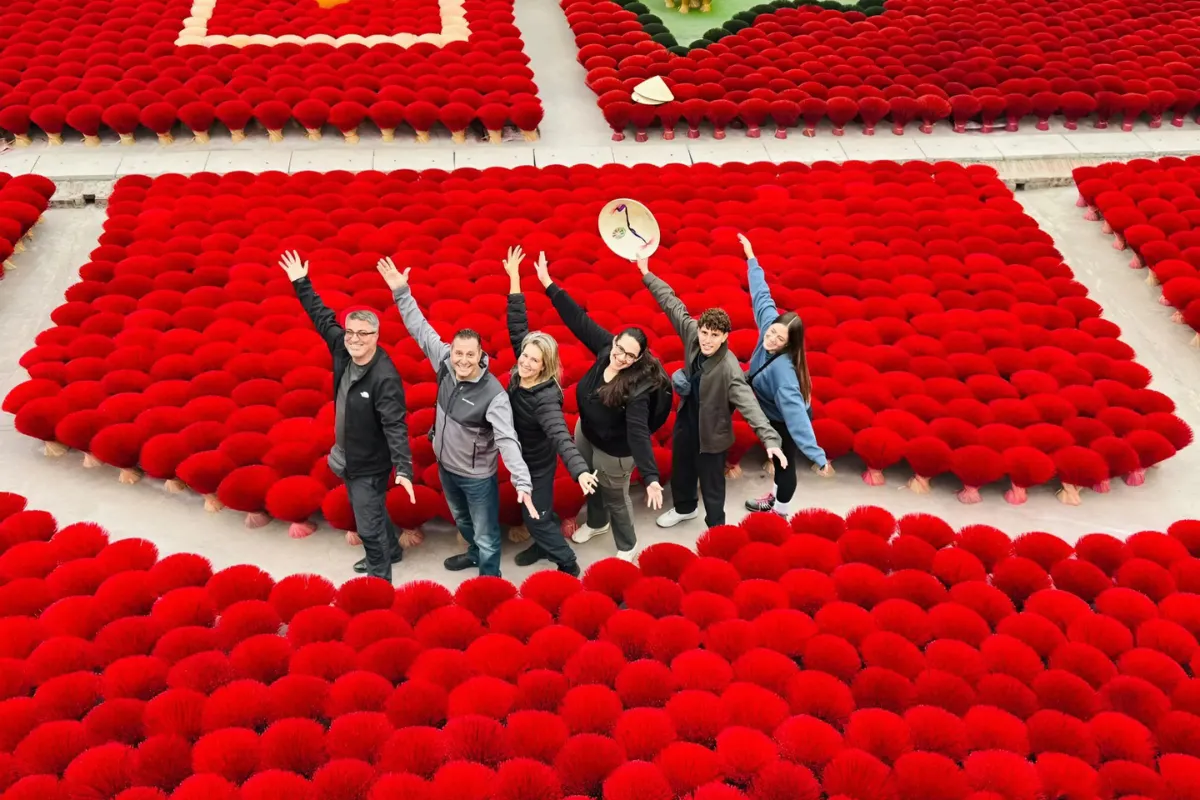
Authentic Hanoi Day Tour | Incense Village & Duong Lam Ancient Village
Place
Hanoi
Duration
1D
Original price was: 120$.105$Current price is: 105$.
Sale!
Hanoi Cycling Tour | Bat Trang, Kim Lan & Xuan Quan Flower Villages
Place
Bat Trang
Duration
1D
Original price was: 65$.55$Current price is: 55$.
Sale!
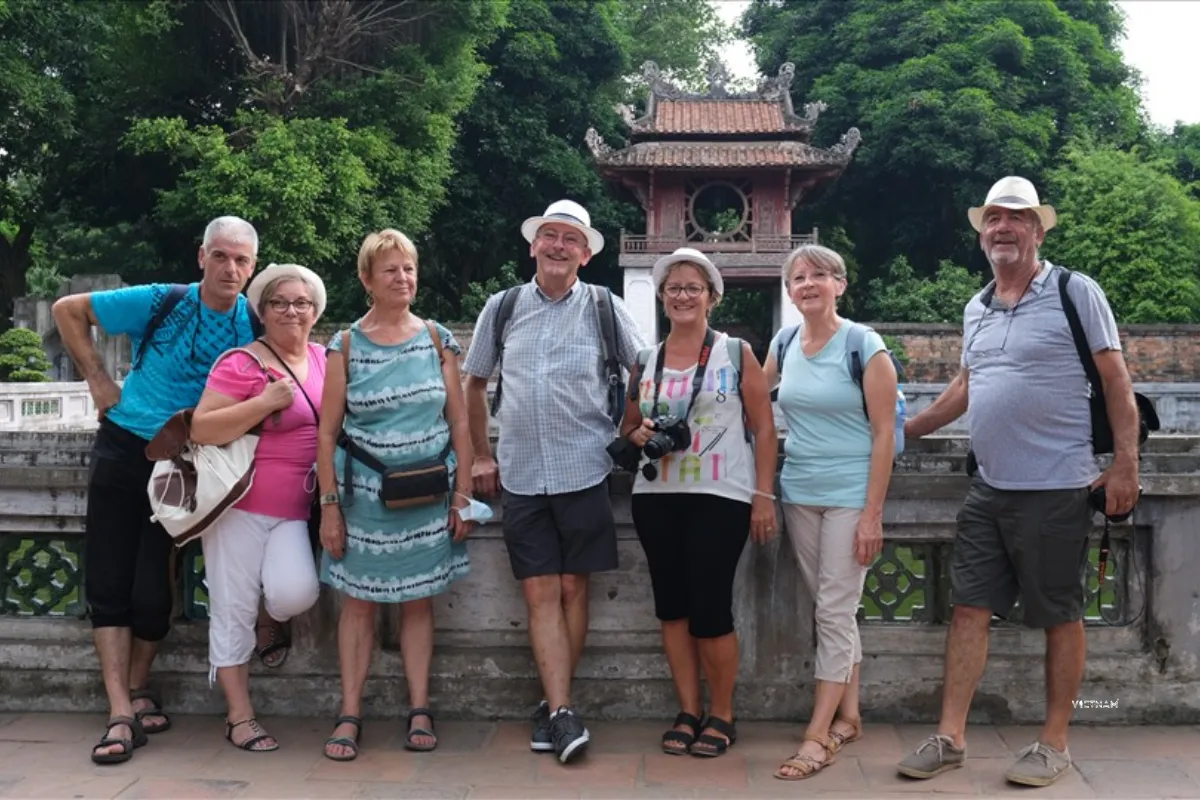
Half-Day Hanoi City Tour | Explore Iconic Landmarks in Just Few Hours
Place
Ha Noi
Duration
1D
Original price was: 50$.35$Current price is: 35$.
Sale!
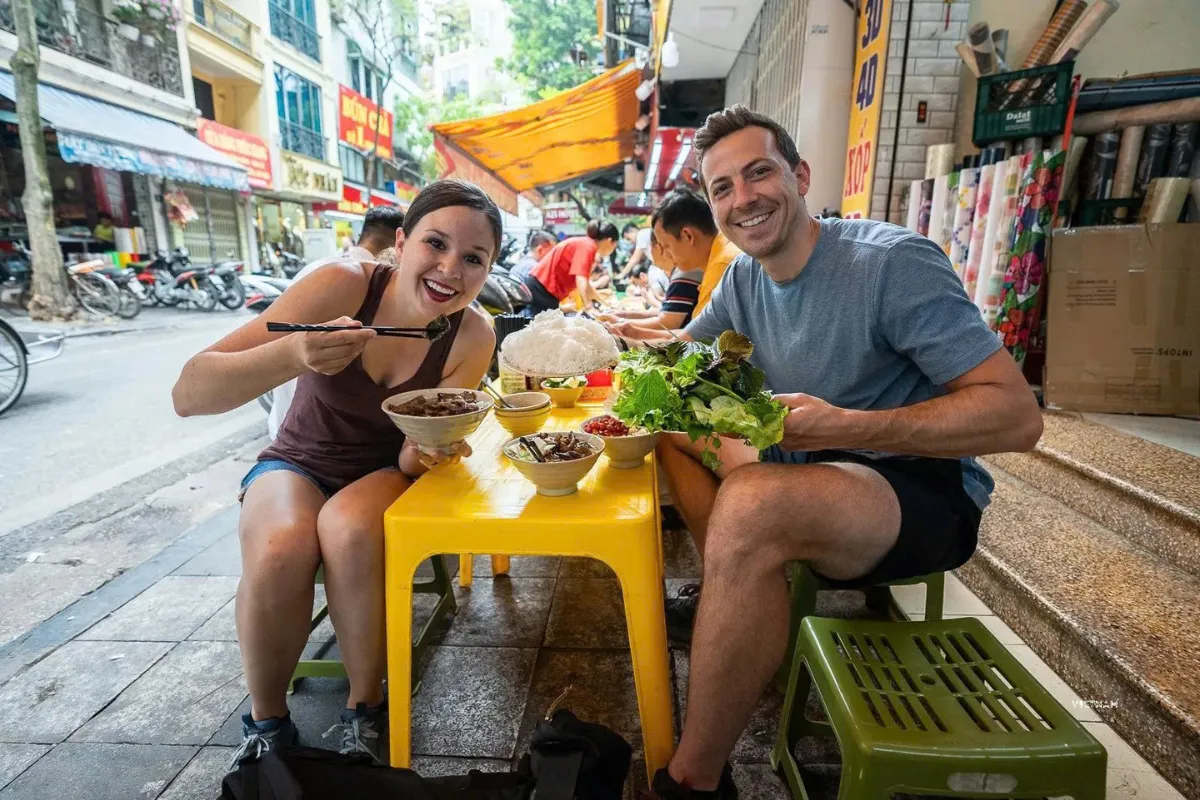
Exclusive Hanoi Street Food Tour | Discover Hanoi’s Best Eats on Foot
Place
Ha Noi
Duration
1D
Original price was: 50$.35$Current price is: 35$.
Sale!
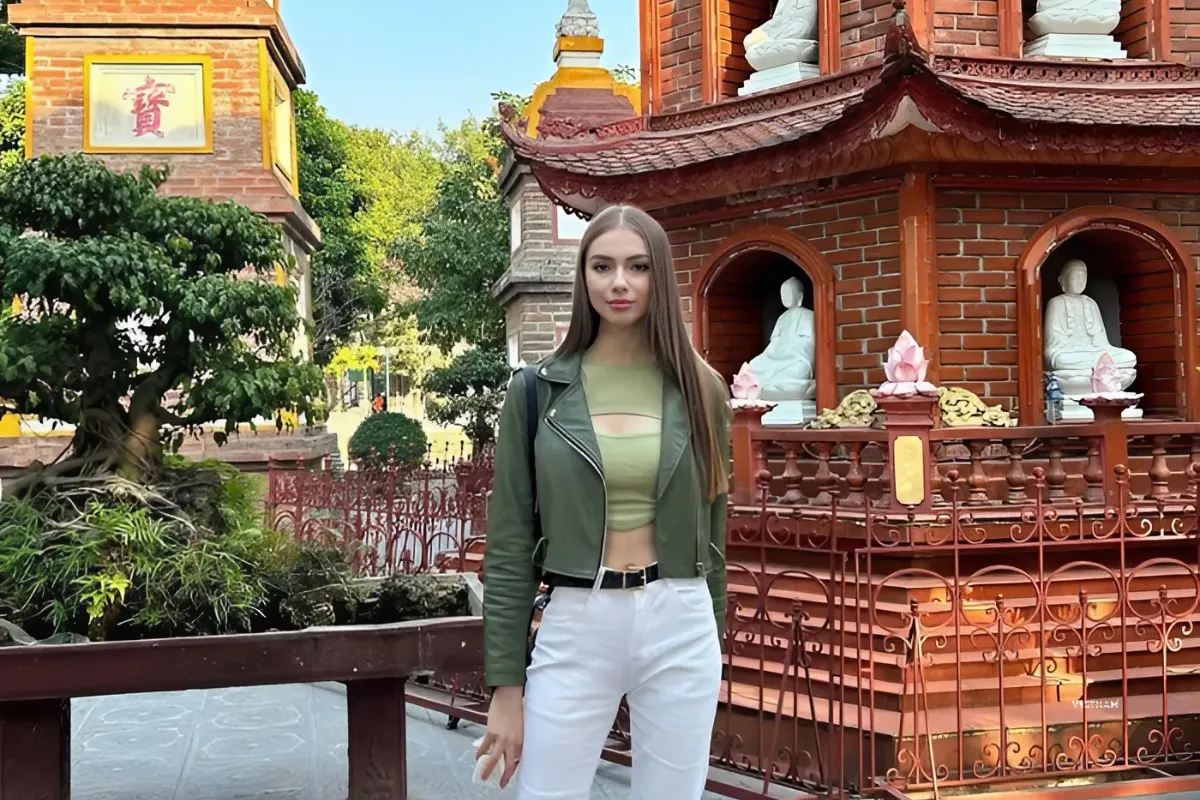
Hanoi City Tour | Highlights, Local Culture | Best of Hanoi in One Day
Place
Ha Noi
Duration
1D
Original price was: 55$.45$Current price is: 45$.
Sale!
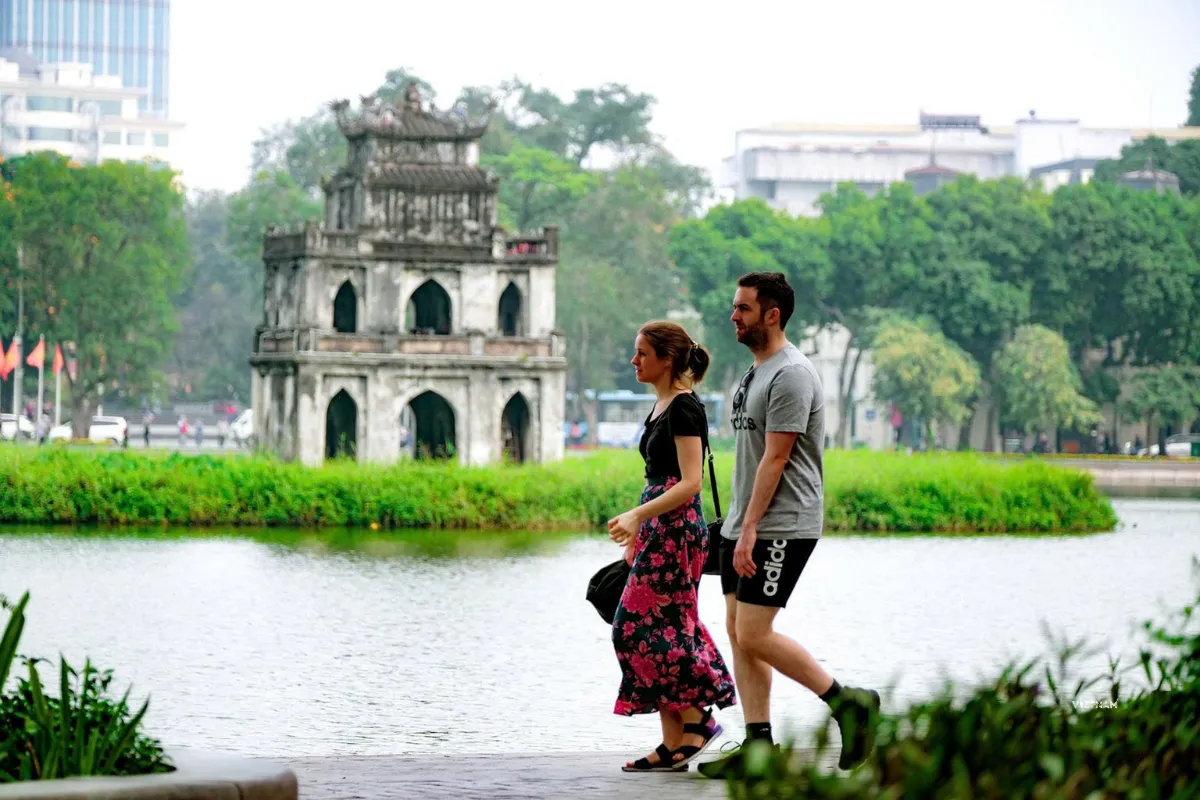
Top Hanoi City Walking Tour | Discover the Best of Hanoi in One Day
Place
Hanoi Capital City
Duration
1D
Original price was: 60$.50$Current price is: 50$.
Sale!
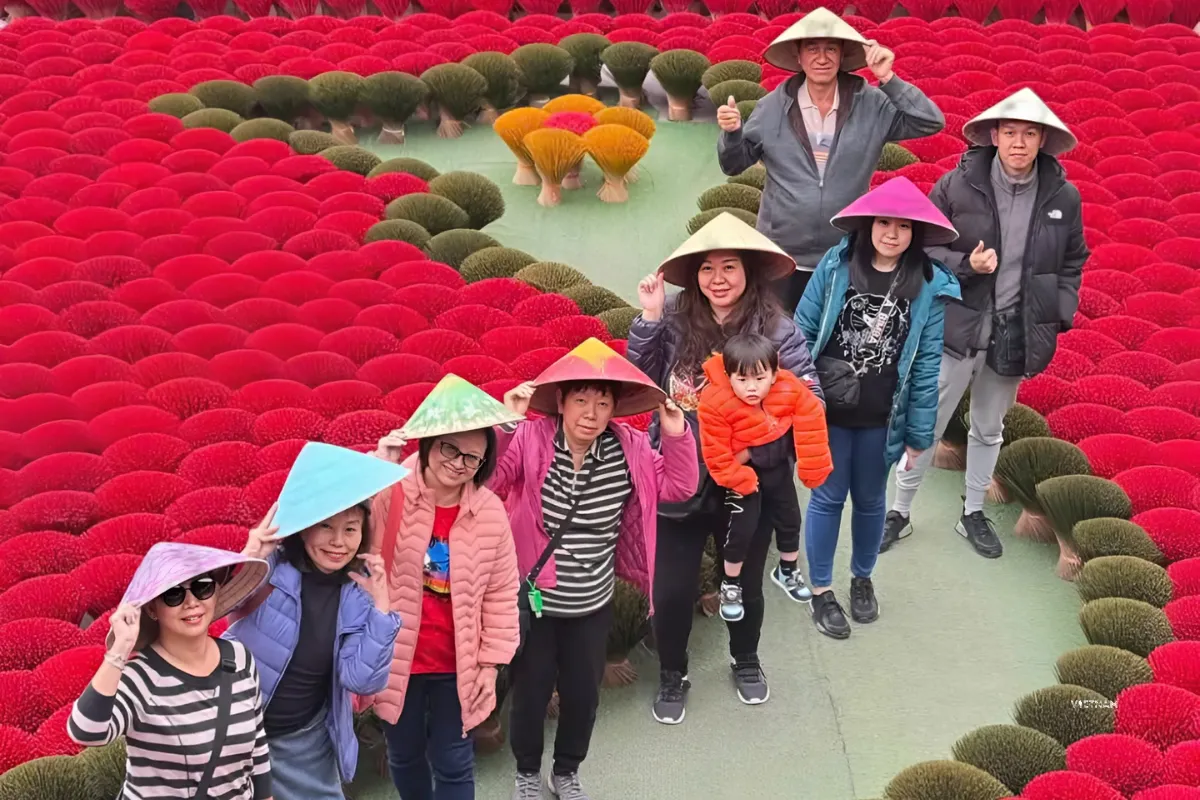
Incense Village Hanoi Tour | Explore Traditional Craft & Local Culture
Place
Quang Phu Cau
Duration
1D
Original price was: 85$.55$Current price is: 55$.
Beyond the Main Circuit: Less-Known Pu Luong Experiences
The Muong cultural encounter at Kho Muong: Most Pu Luong visitors experience only White Thai culture in the valley floor villages. The Muong community at Kho Muong — different language, different architecture, different relationship to the land — is an entirely separate cultural world at 900 metres, reachable only on foot. A local guide who speaks both Thai and Muong (several work out of Don Village) makes the village arrival a genuine encounter rather than a walk-through. This is the part of Pu Luong that most visitors don’t know exists.
- Night sounds in a stilt house during harvest: During the October harvest, Pu Luong villages work until after dark — the sound of water mills grinding continuously, voices carrying across the valley, occasional firelight from the terrace paths. Sitting outside a stilt house in the dark during harvest week is an experience with no equivalent in the rest of northern Vietnam’s tourist circuit.
- Flooded terrace photography at dawn (May–June): The window when Pu Luong’s terraces are flooded for planting — roughly May to mid-June — produces the most technically difficult and visually extraordinary photography conditions: standing water on steep hillsides reflecting early morning sky, with clouds and karst ridges appearing in multiple mirror surfaces simultaneously. Several landscape photographers plan annual trips specifically for this window. If photography is your primary purpose, May–June rivals October as the best time to visit.
- The Ba Thuoc floating market (weekend mornings): The small riverside market at Ba Thuoc, 30 km from Don Village on the Ma River, draws Muong and Thai communities for a traditional trade market that has been functioning for generations. Produce, livestock, handmade tools, woven textiles, and medicinal plants sold by the people who grew or made them. Almost no foreign visitors attend. A 30-minute stop on the return road to Hanoi that adds more cultural context than most half-day village tours deliver.
- Swimming above Hieu Waterfall (dry season): Most visitors swim in the main Hieu Waterfall pool. The upper cascade section — reached by scrambling upstream for 15 minutes above the main fall — has a series of smaller plunge pools that are warmer, clearer, and completely private in all but the busiest summer weeks. Ask your guide to show you the upper access rather than the tourist entry point.
Essential Pu Luong Travel Tips (From Our Local Team)
Book the eco-lodge with the right orientation. The most common Pu Luong disappointment is paying for a “terrace view” room and discovering it faces west (away from the sunrise) or is obscured by trees. Ask specifically: “Does my room have an unobstructed east-facing view over the rice terraces?” before booking. The difference between a sunrise view room and a non-sunrise view room in Pu Luong is the difference between the experience that defines the trip and one that misses its centrepiece entirely.
- Bring cash for everything. There are no ATMs in Don Village, Hieu Village, or anywhere in the Pu Luong Nature Reserve. The nearest ATM is in Ba Thuoc town (~30 km) or back in Mai Chau. Withdraw sufficient cash in Hanoi or Hoa Binh for your entire stay: accommodation (if paying on arrival), trekking guide fees, bicycle rental, waterfall entry, and any market purchases. 600,000–1,000,000 VND per person per day (excluding pre-paid tour costs) is a reasonable estimate.
- The October harvest window is narrow and exact timing matters. The difference between arriving at peak gold (last 10 days of September–first 10 days of October) and two weeks later is significant — post-harvest fields are grey-brown, not gold. Our team monitors conditions during this period; if harvest timing is important to your trip, contact us 4–6 weeks ahead for the current season forecast rather than booking based on calendar dates alone.
- Pack for cold nights even in October. The valley floor at 400–500 metres cools rapidly after sunset, and stilt house floors offer limited insulation from below. October nights in Don Village regularly drop to 16–18°C; November to 12–14°C. A warm fleece and thick socks make the difference between a comfortable night and a miserable one. Eco-lodges typically provide blankets; homestays provide traditional woven blankets that are warmer than they look.
- Hire a local guide for the upper terrace routes. The valley floor loop and Hieu Waterfall trail are walkable with a map. The Kho Muong circuit and Lung Cao ridge are not — the trails above 600 metres are narrow, unmarked in places, and pass through forest sections where navigation errors are easy. Beyond navigation, a local guide from the White Thai or Muong community provides the village introductions that make the upper routes meaningful rather than just physically demanding walks.
- Respect the harvest as a working event, not a photo opportunity. During October harvest week, the entire village population is working long days in the fields. Arriving in a harvest village with a camera is welcome — the communities are accustomed to visitors — but treating workers as subjects rather than people going about hard physical labour is noticed and changes how you’re received. Ask before photographing, offer to help carry rice bundles if invited, and remember that the harvest determines whether a family eats adequately for the next year.
- Waterproof bags for cameras and electronics in May–June. The flooded terrace season (May–June) coincides with the wettest months. Afternoon rain showers are brief but intense — a waterproof bag or dry bag for your camera and phone on the cycling and trekking routes is essential. The flooded terraces themselves are worth every inconvenience of the wet season, but protect your equipment accordingly.

Frequently Asked Questions — Pu Luong Travel Guide
What is Pu Luong famous for?
Pu Luong is famous for its dramatically steep terraced rice fields, White Thai and Muong stilt house villages, traditional water mills, and Hieu Waterfall — all within a nature reserve that sees far fewer tourists than comparable highland destinations in northern Vietnam. It’s particularly celebrated among photographers and trekkers for its golden rice harvest (late September–October), flooded terrace reflections (May–June), and the combination of two distinct ethnic minority cultures — White Thai in the valley floor and Muong in the hillside villages — accessible within a single trekking circuit.
Is Pu Luong worth visiting?
Yes — Pu Luong is consistently rated by experienced Vietnam travelers as one of the most rewarding highland destinations in the country. The combination of spectacular rice terrace scenery, genuine cultural encounters with White Thai and Muong communities, an excellent swimming waterfall, and very low crowd levels makes it exceptional value for the effort required to reach it. It is best visited with an overnight stay — ideally two nights — to experience the sunrise views over the terraces and to trek the upper village routes that most day visitors miss entirely.
How do I get from Hanoi to Pu Luong?
There is no direct public bus to Pu Luong — the nature reserve requires private transport. The most common route is a private car from Hanoi (3.5–4.5 hours, $80–$110 for the whole vehicle) either directly or via Mai Chau. The Mai Chau approach is recommended: spending one night in Mai Chau and transferring to Pu Luong the next morning (1.5–2 hours) creates a natural northwest circuit and means the scenic mountain road between the two destinations adds to rather than detracts from the overall experience. Organised private tours from Hanoi handle all logistics end-to-end.
When is the best time to visit Pu Luong?
The best time to visit Pu Luong is late September to mid-October, when the rice harvest turns the terraces from green to gold — the most visually dramatic window of the year. The peak is typically the last 10 days of September and first 10 days of October, a narrow window that varies slightly by year. May to June is the second-best time for photography: flooded terraces create mirror-like reflections on the steep hillsides. Avoid January–February for terrace scenery (bare fields) and July–August for trekking (heavy rain and muddy trails).
How many days do I need in Pu Luong?
Two nights in Pu Luong is the recommended minimum — enough for a sunrise on the terraces, a full-day Kho Muong trek, the Hieu Waterfall trail, and valley cycling. One night is possible but means rushing the activities that justify the trip. Three nights allows for the full Kho Muong overnight, a Lung Cao ridge hike, and a more relaxed pace overall. Most visitors in the Mai Chau + Pu Luong circuit spend one night in Mai Chau and two nights in Pu Luong — the combination we most consistently recommend for a 3-day northwest Vietnam trip from Hanoi.
What is the difference between Pu Luong and Mai Chau?
Both are White Thai highland valleys in northwest Vietnam, but they offer different experiences. Pu Luong has steeper and more dramatically terraced hillsides, is significantly less crowded (almost no tour buses reach it), has better trekking to Muong highland villages, and includes a swimming waterfall. Mai Chau has a flatter, wider valley better suited to easy cycling, is closer to Hanoi (135 km vs 165 km), has more tourist infrastructure, and is the better introduction for first-time highland visitors. The ideal northwest circuit combines one night in Mai Chau with two nights in Pu Luong.
Where should I stay in Pu Luong?
For a first visit, we recommend combining one night in a hillside eco-lodge above Don or Hieu Village (for the east-facing sunrise terrace views — confirm room orientation before booking) with one night in a White Thai family homestay (for the communal dinner, cultural experience, and village sounds at dawn). Don Village and Hieu Village are the two main accommodation hubs; both are good bases for valley cycling and trekking. For the most remote experience, arrange an overnight homestay in Kho Muong Muong village (900 m) through a local operator in advance.
Is Pu Luong good for families with children?
Yes — with the right approach. The valley floor cycling (flat, traffic-free) and Hieu Waterfall trail (gentle gradient, swimming reward at the end) are excellent family activities suitable for children aged 6 and above. The upper terrace treks to Kho Muong are too demanding for young children. The White Thai stilt house homestay experience — communal dinner, traditional music performance, sleeping on bamboo platforms — is genuinely memorable for older children and teens. An eco-lodge with hot showers and private rooms is more practical than a homestay for families with young children.

Plan Your Pu Luong Trip with a Local Expert
We’re a Hanoi-based travel company — our team visits Pu Luong regularly with guests and knows which eco-lodges genuinely deliver the sunrise terrace views they advertise, which homestay families provide the most authentic experience, and exactly when the harvest season peaks in any given year. When you book through us, you get that knowledge applied to your specific travel dates — and a contact reachable on WhatsApp throughout the trip.
- Pu Luong private tours and overnight packages — eco-lodge and homestay options
- Mai Chau + Pu Luong northwest circuit (our most popular short trip from Hanoi)
- Kho Muong Muong village overnight trek arrangements
- Harvest season timing advice and October booking management
- Available 7 days a week — respond within 2–4 hours on WhatsApp
Get Your Free Pu Luong Trip Plan
Tell us your travel dates, group size, and whether you want to combine with Mai Chau. We’ll send you eco-lodge and homestay options with transparent pricing — and advise on whether your dates align with harvest season peak.
Request Your Free Pu Luong Itinerary →
Or message us directly on WhatsApp: +84 849 391 981
Explore More Northern Vietnam
- Mai Chau Travel Guide — the natural first stop on the northwest circuit
- Sapa Travel Guide — highland trekking in the far northwest
- Ha Giang Travel Guide — Vietnam’s most dramatic road journey
- Ninh Binh Travel Guide — pair with Pu Luong for a complete rural Vietnam circuit
- Hanoi Travel Guide — the departure base for all northwest Vietnam trips
- 5-Day Northern Vietnam Itinerary — Hanoi + Mai Chau + Pu Luong + Ninh Binh
- Browse Pu Luong Tours →