



Mu Cang Chai Travel Guide

Mu Cang Chai is Vietnam’s most spectacular rice terrace destination — a remote highland district in Yen Bai Province where the H’mong people have carved 2,200 hectares of terraced rice fields into steep mountain slopes over centuries, creating a landscape so extraordinary it has been designated a National Heritage Site. For photographers and highland travelers who have seen Sapa and want something rawer, steeper, and less visited, Mu Cang Chai is the answer.
This guide covers everything: the best terrace viewpoints, when the harvest peaks, how to get there from Hanoi, where to stay, trekking routes to remote villages, and the specific knowledge that makes the difference between a rushed viewpoint stop and a genuinely immersive highland experience.
Jump to: Why Mu Cang Chai | Best Viewpoints | Things to Do | Trekking Routes | Best Time to Visit | Getting There | Where to Stay | 3-Day Itinerary | Travel Tips | FAQ
Mu Cang Chai Rice Terraces at a Glance

| Quick Fact | Details |
|---|---|
| Location | Yen Bai Province, Northwest Vietnam — 280 km from Hanoi |
| Heritage Status | National Heritage Scenic Landscape (2007) — 2,200 hectares of protected terraces |
| Distance from Hanoi | ~280 km / 5–6 hrs by car |
| Best Time to Visit | Late September–October (golden harvest) · May–June (flooded terraces) |
| Recommended Stay | 2 nights minimum; 3 nights for full terrace circuit and remote village trekking |
| Main Ethnic Group | Black H’mong (dominant) — one of the largest H’mong concentrations in Vietnam |
| Key Terrace Areas | La Pan Tan, Che Cu Nha, De Xu Phinh — the three UNESCO-nominated terrace clusters |
| Elevation Range | 900–1,800 m — terraces span 900 metres of vertical relief |
| Key Activities | Terrace viewpoints, trekking to H’mong villages, photography, cycling plateau roads |
| Nearest Town | Mu Cang Chai Town — small district capital with guesthouses and local restaurants |
Why Mu Cang Chai — An Honest Local Perspective
There is a moment that happens to most people who reach the main terrace viewpoint at La Pan Tan for the first time. They step out of the car, walk to the edge, and stop talking. The terraces at Mu Cang Chai are not just beautiful — they are overwhelming in a way that requires a moment of recalibration. The scale, the geometry, the sheer vertical extent of fields carved into a mountain face over 500 years — it produces a silence that is itself the experience.
Mu Cang Chai is farther from Hanoi than Sapa (280 km vs 320 km, but via a slower mountain road), less infrastructurally developed, and almost entirely defined by a single visual season: the rice harvest in late September and October. Outside this window, the terraces are beautiful but not extraordinary. Inside it, they are arguably the most photogenic landscape in Vietnam.
Here’s what specifically makes Mu Cang Chai exceptional:
- The rice terraces are the most dramatic in Vietnam. Not the most famous — Sapa has that — but the most visually concentrated. The three main terrace clusters at La Pan Tan, Che Cu Nha, and De Xu Phinh span 2,200 hectares across mountain faces that rise almost vertically from 900 to 1,800 metres. The terraces are narrower and steeper than anywhere comparable, creating a density of layering that produces the most striking rice terrace photographs in the country.
- The H’mong culture here is among the most intact in Vietnam. The Black H’mong of Mu Cang Chai have maintained traditional dress, language, agriculture, and community structure more consistently than comparable communities closer to major tourist infrastructure. Walking through a working terrace village during harvest is a cultural encounter with genuine substance — not a performance, but a community doing what it has done for centuries, which happens to be extraordinary to witness.
- It is genuinely remote by Vietnamese standards. The 280 km from Hanoi includes a significant mountain road section that filters out day-trippers entirely. There are no cable cars, no tourist infrastructure at the viewpoints themselves, no souvenir shops at the terrace edge. What you get at La Pan Tan viewpoint is the terraces, the mountain air, and silence broken only by the wind and occasional sounds from the villages below.
- The flooded terrace season rivals the harvest. In May–June, when the terraces are flooded for planting, the stepped water surfaces reflect clouds and sky across the entire mountain face — producing a different but equally extraordinary visual that most visitors who only know Mu Cang Chai as a “harvest destination” don’t plan for.
- The Khau Pha Pass is one of Vietnam’s great mountain roads. The approach to Mu Cang Chai from Tu Le village crosses the Khau Pha Pass — 1,200 metres above sea level, with views back over the Tu Le valley and forward into the Mu Cang Chai basin. On a clear day it is one of the most dramatic road approaches in the northwest; on a misty morning it has an atmospheric quality that feels almost mythological.
The Best Rice Terrace Viewpoints in Mu Cang Chai
Mu Cang Chai has three officially designated terrace clusters: La Pan Tan, Che Cu Nha, and De Xu Phinh, each with distinct character and the best viewpoints within each. Understanding the differences before you arrive significantly improves how you spend your limited time.
La Pan Tan — The Most Dramatic Terraces
La Pan Tan is the most photographed and most visually concentrated of the three clusters — a single mountain face covered in terraces from valley floor to ridge, visible from a road-level viewpoint that requires no hiking to reach. The main viewpoint is approximately 7 km from Mu Cang Chai Town on the road toward Khau Pha Pass. The terrace layers here are narrower and more densely stacked than elsewhere in the district, creating the characteristic Mu Cang Chai image: hundreds of golden or flooded lines following the mountain’s contours from top to bottom.
Best time of day: Early morning (6:00–8:30 AM) when low mist fills the lower valley and the terraces emerge above it, or late afternoon (4:00–6:00 PM) for directional light across the terrace faces. Midday light is flat and harsh — avoid it for photography.
Access: Road-accessible. Small parking area at the main viewpoint. Walking the terrace paths below the viewpoint (30–60 min) takes you into the working terrace environment rather than observing from above.
Che Cu Nha — The Most Accessible Village Experience
Che Cu Nha’s terraces are slightly less dramatic in scale than La Pan Tan but more accessible for village-level exploration. The trail through the terrace village (2–3 km, easy walking) passes through the working community at a level that no road-level viewpoint provides: irrigation channels at eye level, farmers moving between fields, terrace walls you can touch. The village itself has maintained traditional H’mong architecture more completely than the settlements near the main La Pan Tan viewpoint, which have adapted more to visitor traffic.
Best for: Photography at village level, cultural encounter, half-day walking without a guide.
De Xu Phinh — The Least Visited and Most Rewarding
De Xu Phinh is 10 km from Mu Cang Chai Town in the opposite direction from La Pan Tan — fewer visitors reach it simply because the road direction is different. The terraces here are at a higher average elevation (1,200–1,600 m) than the other two clusters, creating a different visual character: more sky visible above the terrace lines, more forest at the upper edges, a more intimate scale. The sunrise from the De Xu Phinh ridge — when you’re above the cloud layer looking down at terraces emerging from morning mist — is the best in Mu Cang Chai and requires an early start and a willingness to drive 25 minutes in the dark.
Best for: Serious photographers, less-visited terrace experience, sunrise above the clouds.
Practical note: Ask your guesthouse for current access conditions — the road to De Xu Phinh’s upper viewpoints can be rough in wet conditions.
| Terrace Area | Distance from Town | Best Feature | Best Time | Crowd Level |
|---|---|---|---|---|
| La Pan Tan | 7 km | Most dramatic scale, iconic viewpoint | Early morning or late afternoon | Moderate — the most visited of the three |
| Che Cu Nha | 9 km | Best village-level walking experience | Morning, any time | Low–Moderate |
| De Xu Phinh | 10 km (opposite direction) | Best sunrise, least crowds, highest elevation views | Pre-dawn departure for sunrise | Low — fewest visitors |
Our recommendation: Visit all three if you have two days. On Day 1 afternoon: La Pan Tan (late afternoon light). Day 2 pre-dawn: De Xu Phinh sunrise. Day 2 morning: Che Cu Nha village walk. This structure covers the full terrace range without redundancy and catches each area at its best light.
Need help timing your Mu Cang Chai visit to the harvest season peak? Our Hanoi-based team monitors terrace conditions in real time during September–October and can advise on exact harvest timing for your travel dates. Message us on WhatsApp →
Best Things to Do in Mu Cang Chai
1. Terrace Photography at La Pan Tan, De Xu Phinh, and Che Cu Nha
The three terrace clusters offer the core Mu Cang Chai experience — described in detail above. The key is sequencing them correctly: La Pan Tan for the panoramic scale, Che Cu Nha for the village-level walk, De Xu Phinh for the pre-dawn sunrise. Allow at least 2–3 hours at each location and plan each visit around the best light window rather than trying to cover all three in a single rushed day.
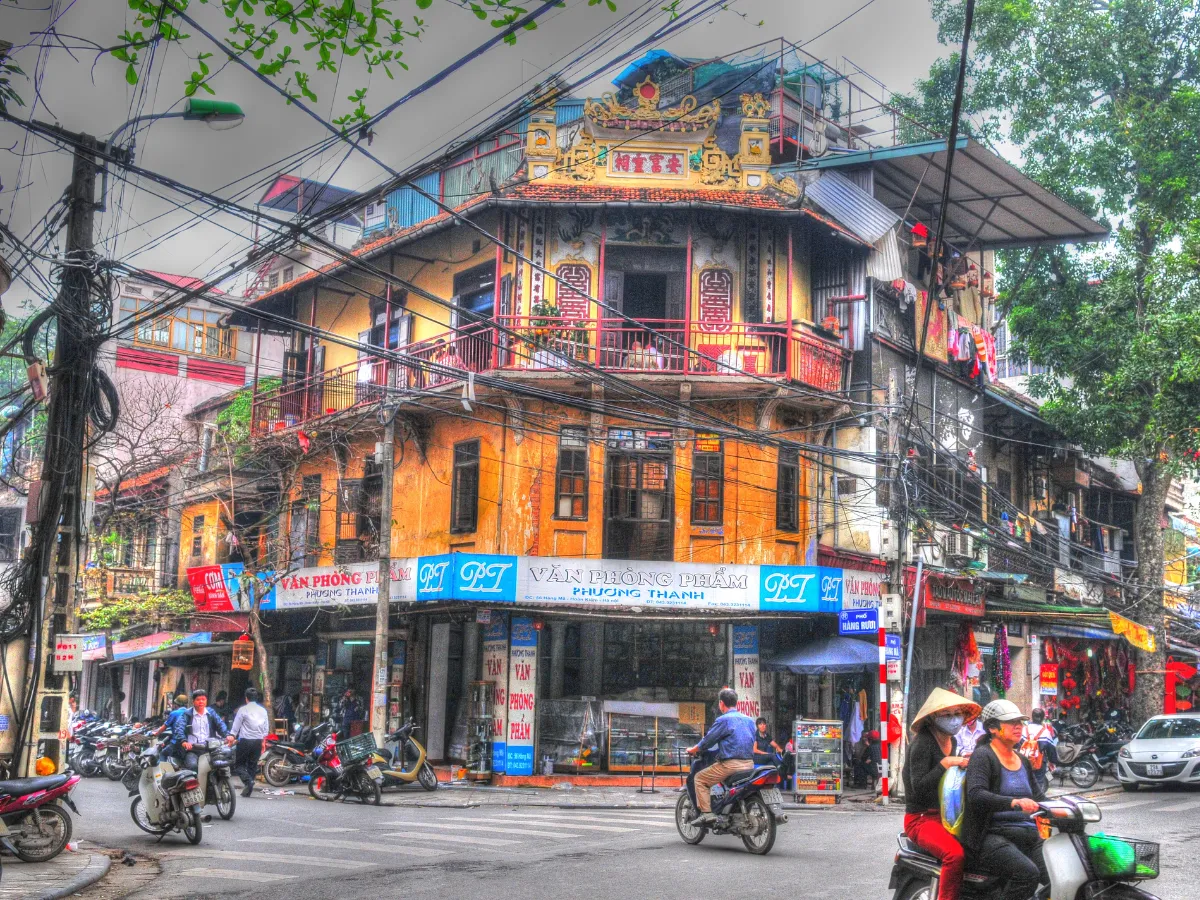
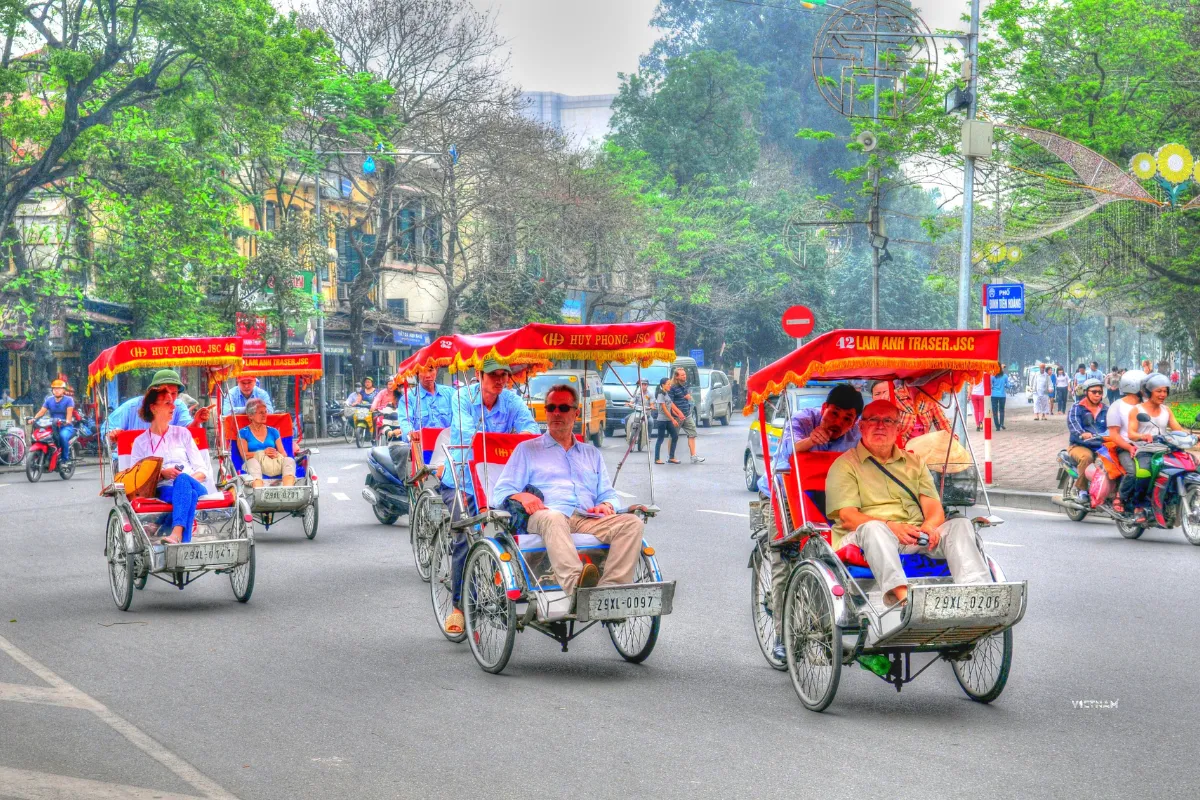
Hanoi Old Quarter
The Heart of Hanoi
2. Trek to Remote H’mong Villages
The villages above the main terrace viewpoints — accessible only on foot — represent a completely different Mu Cang Chai from the road-level experience. Trekking from Che Cu Nha up to the ridge settlements at 1,600 metres (4–5 hours one-way) passes through working terraces, water management systems, and H’mong community life that the viewpoints only hint at. A local H’mong guide is essential and provides both navigation and cultural interpretation that transforms the walk. See the trekking section below for routes.

Hoan Kiem Lake
Central Lake in the Heart of Hanoi
3. Cycle the Mu Cang Chai Valley Road
The flat valley floor road from Mu Cang Chai Town toward Tu Le (20 km one way) runs through rice paddy and village terrain at the base of the terrace mountains — a completely different perspective from the elevated viewpoints. The cycling is easy (flat, low traffic on weekdays), the scenery is excellent, and the roadside encounters with H’mong farmers, market sellers, and school children provide a human texture that the famous terrace photographs don’t convey. Bicycle rental from Mu Cang Chai Town guesthouses: 80,000–120,000 VND/day.
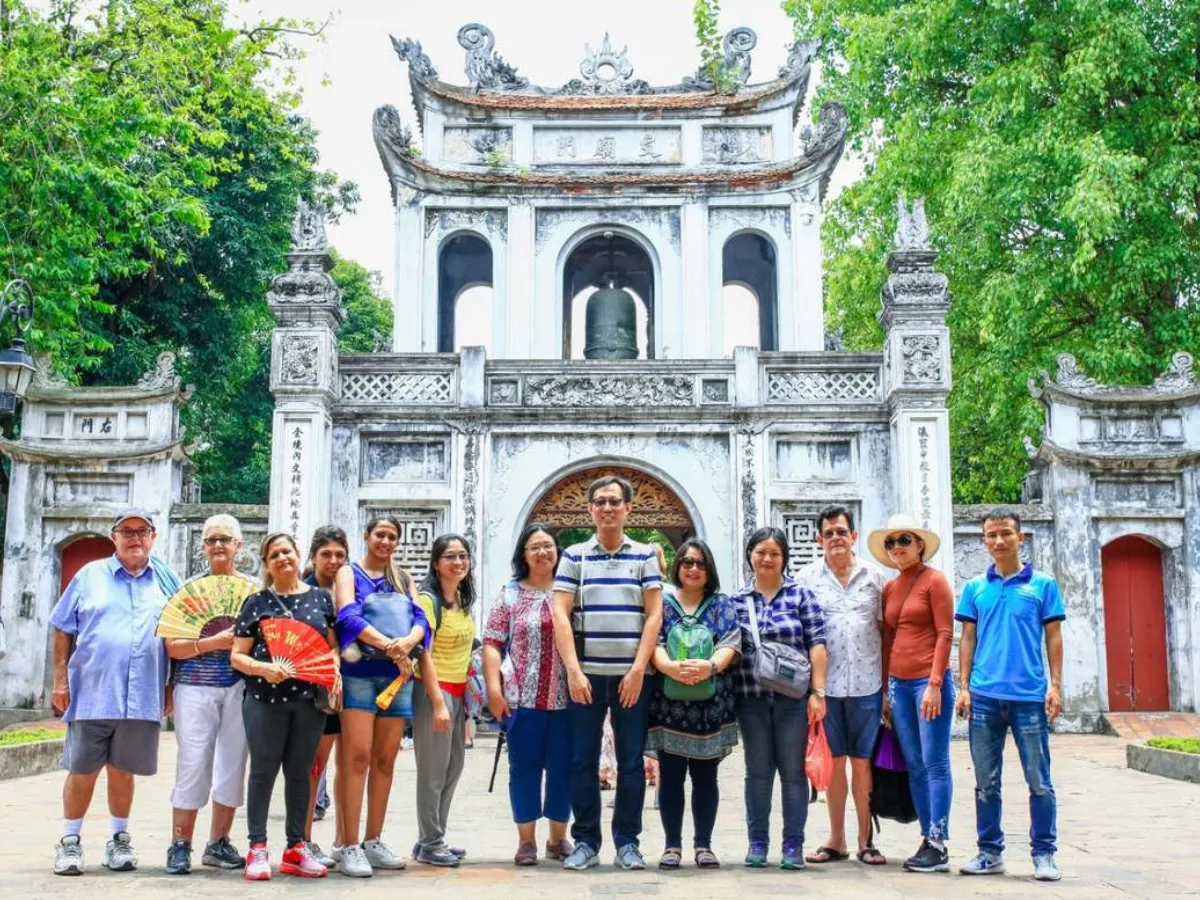
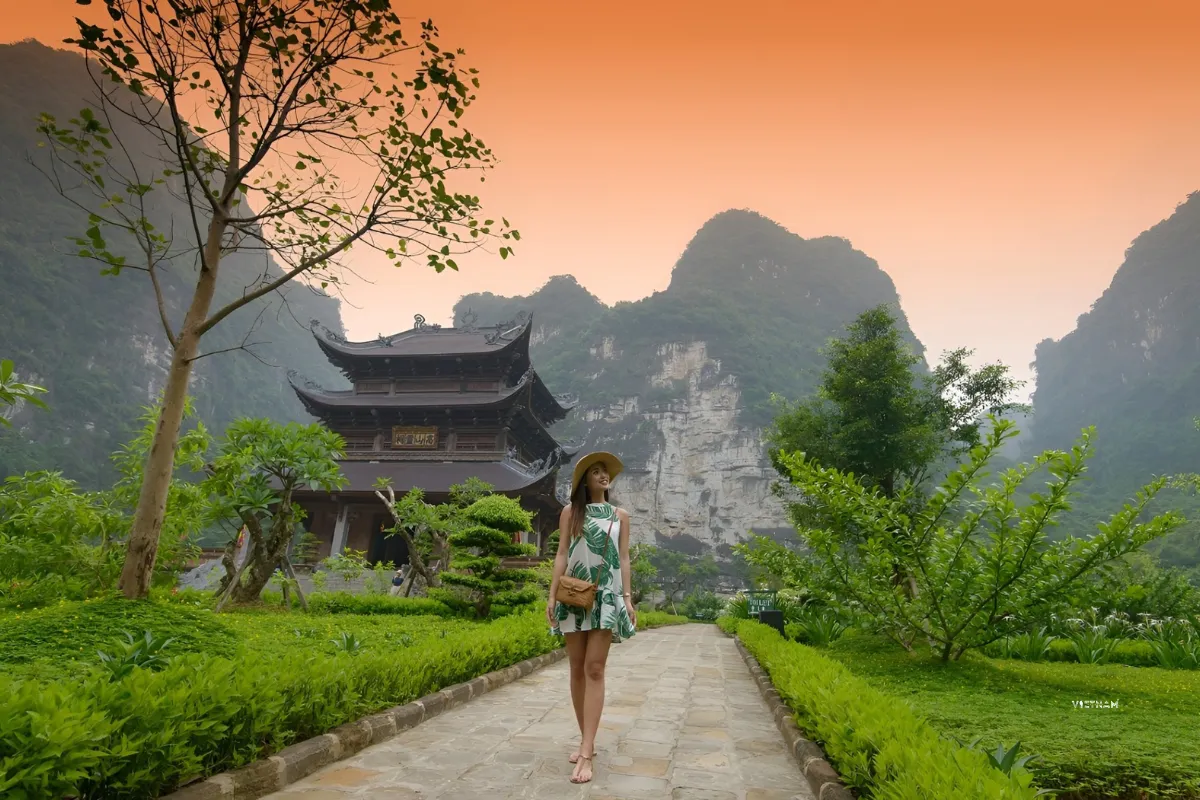
Temple of Literature
The First University in Vietnam
4. Khau Pha Pass Drive and Tu Le Valley
The approach to Mu Cang Chai via Tu Le village and Khau Pha Pass is itself a major highlight — often described as one of the four great mountain passes of northwest Vietnam. The Tu Le valley below the pass is famous for its own sticky rice (nếp tan) — a fragrant glutinous variety grown only here, sold at roadside stalls in Tu Le village. Stop for a bowl of rice and a glass of warm sticky rice wine at a Tu Le stall before the pass ascent. The pass itself at 1,200 metres offers panoramic views back over Tu Le on one side and forward into the Mu Cang Chai basin on the other.
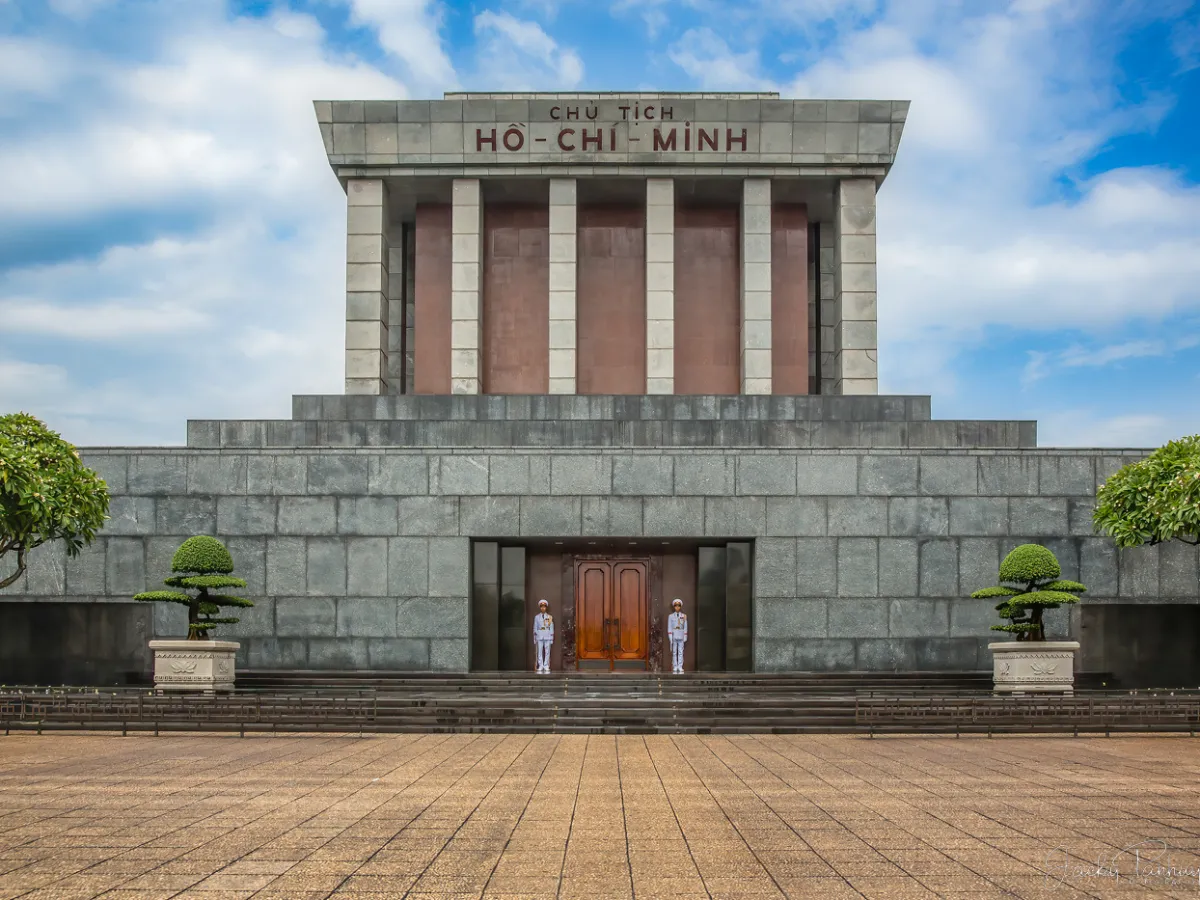
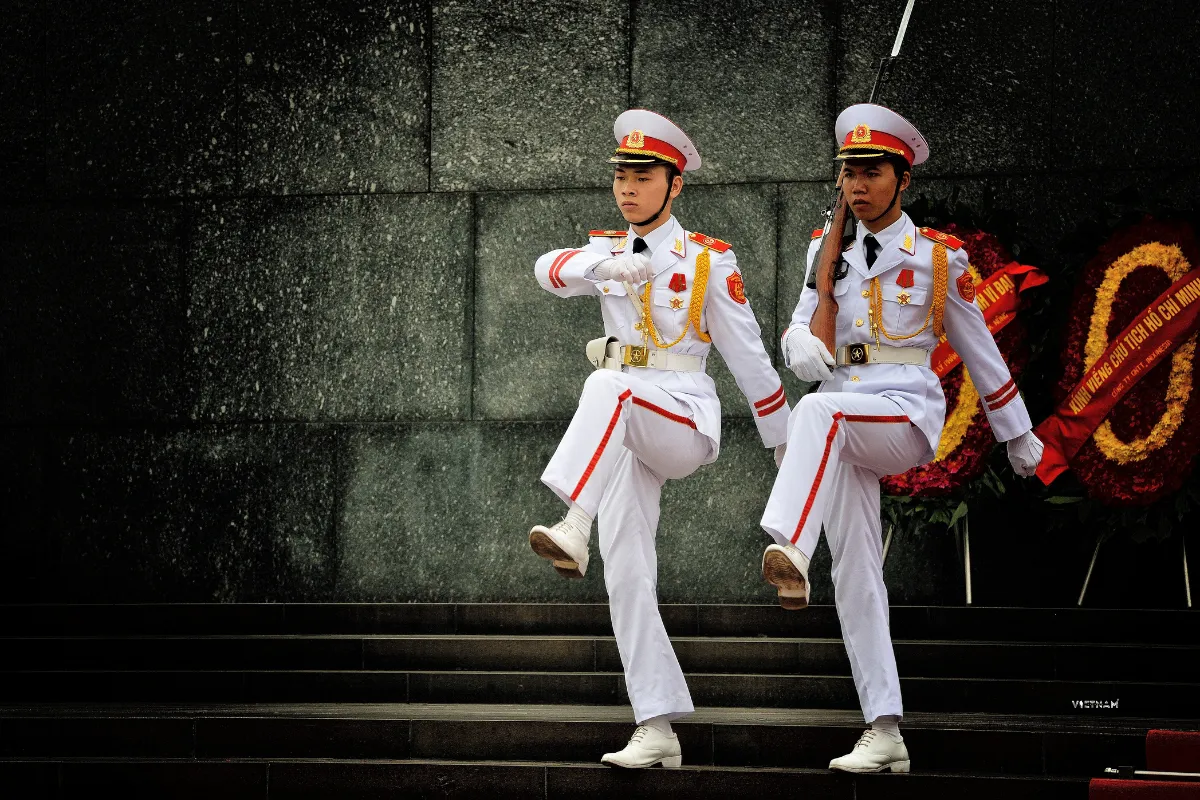
Ho Chi Minh Mausoleum
A Final Rest of National Hero
5. Mu Cang Chai Weekly Market
The weekly market in Mu Cang Chai Town (held on Sundays) draws Black H’mong communities from across the district in traditional indigo-dyed clothing — the women in embroidered skirts and silver jewellery, men in collarless hemp shirts. The market trades primarily in livestock, agricultural produce, and household goods — a functional trade market that has been adapted only slightly for tourism. The contrast between the Sunday market atmosphere and the famous terrace landscapes a few kilometres away illustrates the full depth of what Mu Cang Chai offers beyond photography.
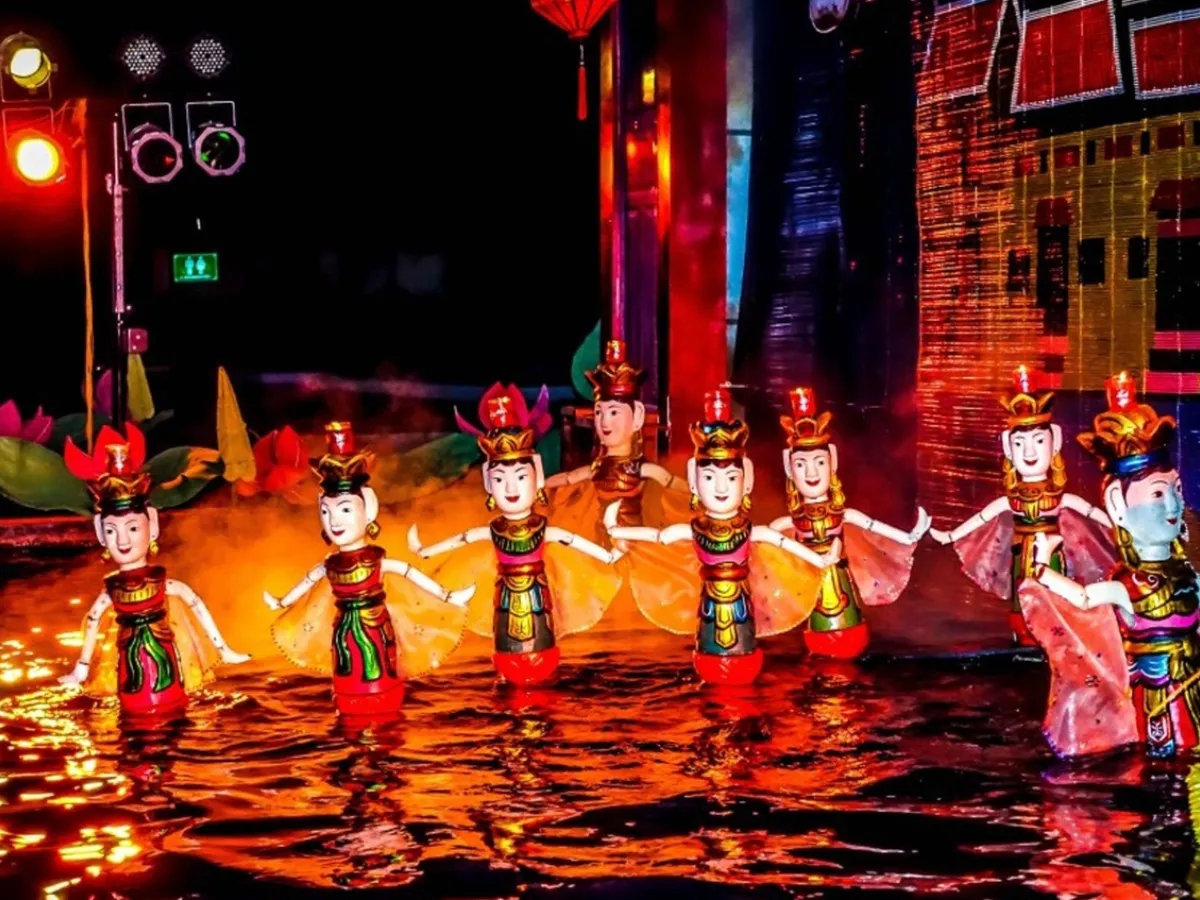
Water Puppet Show
A Must-See in Hanoi
6. Paragliding Above the Terraces (Harvest Season)
An annual paragliding festival takes place over Mu Cang Chai during the harvest season (typically late September–early October), during which professional and amateur pilots fly over the golden terraces. Outside the festival period, several local operators offer tandem paragliding flights for non-pilots — launching from hillside positions above La Pan Tan and flying over the terrace landscape at 1,000–1,500 metres. The combination of altitude, speed, and the terrace geometry below is a completely different experience from anything available on the ground. Cost: approximately $40–$60 for a tandem flight; arrange through your guesthouse 1–2 days ahead.
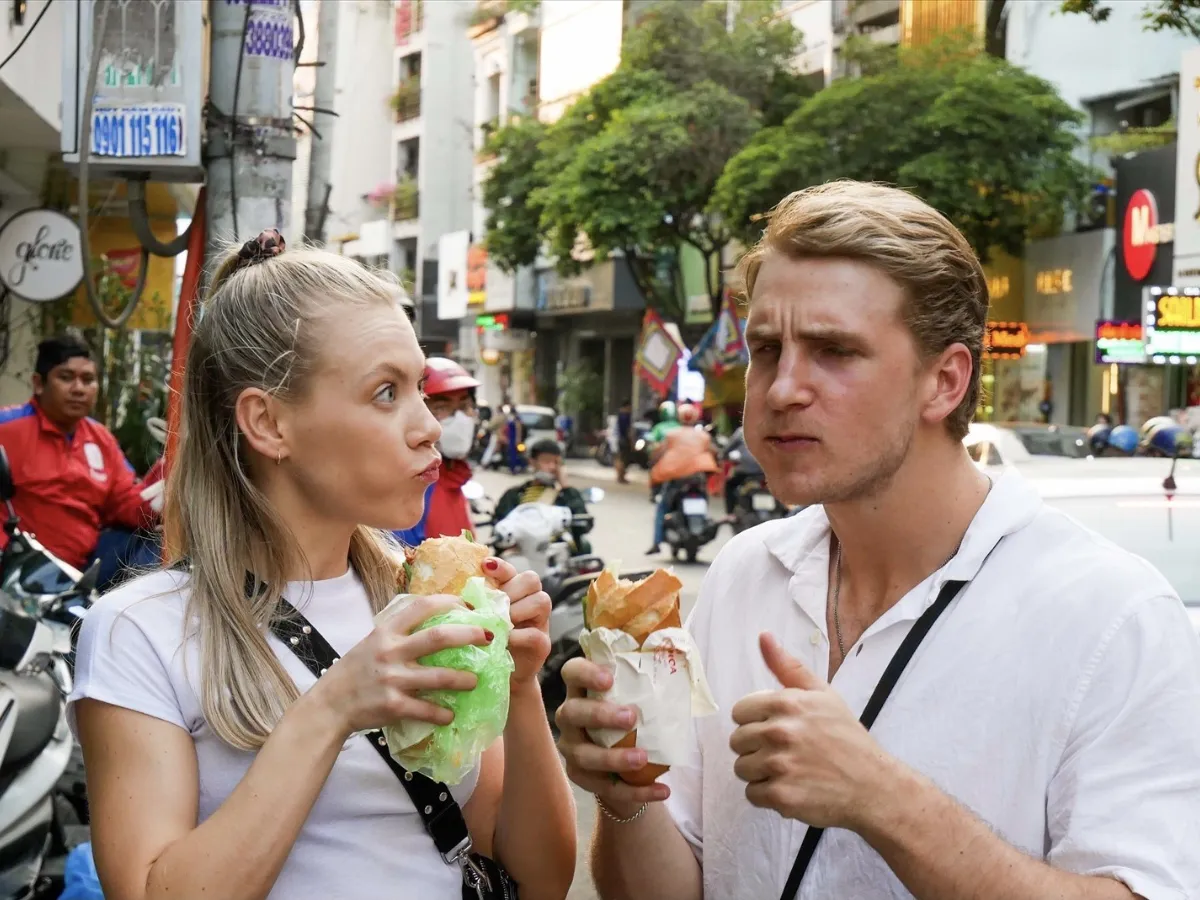
Vietnamese Banh Mi
A Must-Try in Hanoi
Mu Cang Chai Trekking Routes
| Route | Distance / Duration | Difficulty | Best For | Highlights |
|---|---|---|---|---|
| Che Cu Nha Village Trail | 6–8 km / 3–4 hrs | Easy–Moderate | First-timers, cultural focus | Village-level terrace walk, irrigation channels, H’mong households, no guide required |
| La Pan Tan Upper Ridge Trail | 12 km / 5–6 hrs round trip | Moderate | Photographers, ridge views | Ascent above the main viewpoint to ridge at 1,600 m — full terrace panorama from above, H’mong settlements, guide recommended |
| De Xu Phinh – Upper Village Circuit | 15 km / 6–7 hrs | Moderate–Difficult | Serious trekkers, remote experience | Highest accessible terraces in Mu Cang Chai, upper H’mong villages at 1,700 m, forest sections, fewest tourists of any route |
| Mu Cang Chai → Nam Kim Overnight | 25 km / 2 days | Difficult | Experienced trekkers, maximum immersion | Cross-ridge route connecting two H’mong valley systems, overnight homestay in Nam Kim village, almost no foreign visitors |
| Tu Le Valley to Mu Cang Chai (connecting route) | 18 km / 1 day (one-way) | Moderate | Trekkers wanting to arrive on foot | Crosses Khau Pha Pass area on foot, enters Mu Cang Chai basin from the east, traditional approach to the district for pre-road travelers |
Guide note: The Che Cu Nha village trail is walkable independently. All routes that ascend beyond the main viewpoints require a local H’mong guide — not only for navigation but for access to village households and cultural context that makes the upper routes rewarding rather than merely physically demanding. Guides can be arranged through guesthouses in Mu Cang Chai Town (ask 24 hours in advance during peak season) or through a Hanoi operator before departure.
Best Time to Visit Mu Cang Chai: The Complete Seasonal Guide
Mu Cang Chai is Vietnam’s most season-sensitive highland destination. The experience gap between the golden harvest (late September–October) and the off-season (January–March) is greater here than anywhere else in this guide series. Understanding this before booking is essential.
| Period | Conditions | Terrace Status | Verdict |
|---|---|---|---|
| Jan – Mar | Cold (5–15°C), frequent fog and low cloud, some drizzle | Bare — post-harvest, fields being prepared for spring | The least rewarding visual season. The mountain landscape has its own austere beauty in winter mist, but the terraces are empty and brown. Good for solitude and cold-weather photography. Not recommended as a primary destination visit unless combined with other northwest stops. |
| Apr – May | Warming (15–24°C), increasingly clear | Water filling — early flooding begins late April | Good transitional period. Late April flooding begins the mirror-terrace season. Comfortable temperatures. Fewer visitors than either peak season. If you’re flexible on timing, late April can catch early flooded terraces before the May–June crowds arrive. |
| May – Jun ⭐ | 22–28°C, warm with afternoon rain, occasional morning mist | Flooded terraces — mirror surfaces at peak | Second-best season — outstanding for photography. The flooded terrace season produces mirror-like water surfaces across the mountain face, reflecting sky and clouds. Different visual character from the harvest — cooler tones, more sky in the image. Growing appreciation among photographers; still significantly less crowded than October. |
| Jul – Aug | 24–30°C, some rain, green terraces | Intensely green — maximum rice growth | Acceptable. The terraces are vivid green and impressive on clear days. Rain can limit visibility. Harvest season approaches from late August in the lowest terraces. Fewer visitors than either peak season — good value, lower accommodation prices. |
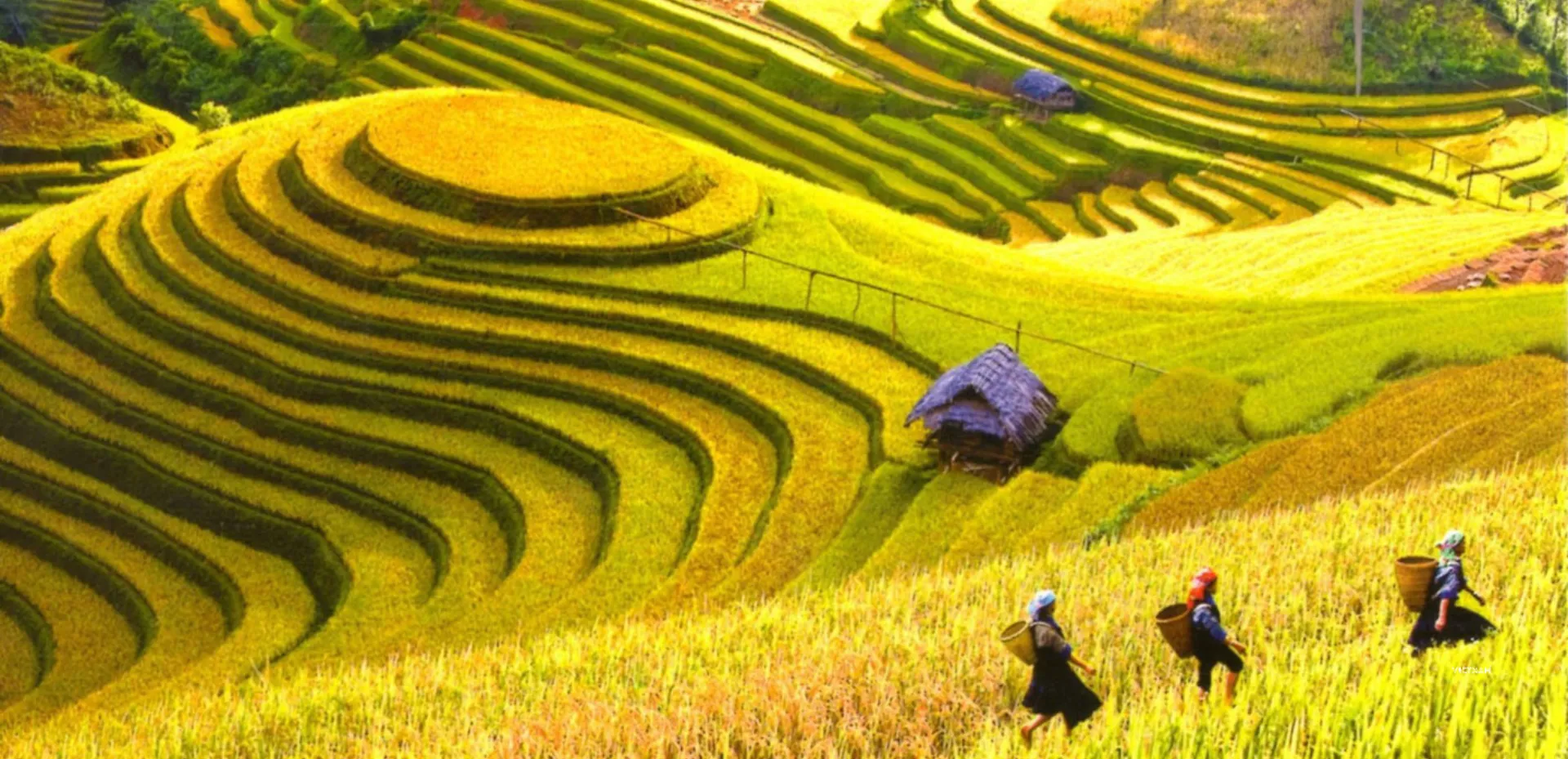
| Late Sep – Oct ⭐⭐ | 16–24°C, clear skies, perfect conditions | Golden harvest — the defining Mu Cang Chai image | Peak season — by far the most spectacular. The rice harvest turns the terraces from green to gold across the full elevation range simultaneously — a 2–3 week window when 2,200 hectares of mountain face are covered in golden rice ready for cutting. This is the season that Mu Cang Chai is famous for. Book everything 6–8 weeks ahead. Arrive for the week before harvest cutting begins for maximum golden terrace coverage. |
| Nov – Dec | 12–20°C, cooling, clear to foggy | Post-harvest, fields emptying from top down | The tail of the harvest season in November can still be excellent in lower terraces while upper fields are already cut. December is quiet and increasingly cold. Good for trekking without harvest crowds; terrace color is diminishing. Underrated as a peaceful visit window for non-photographers. |
The Harvest Season in Detail: What “Peak” Actually Means
The golden harvest window is the most important thing to understand about timing a Mu Cang Chai trip — and the most commonly misunderstood. Here is how it works:
- The harvest does not happen all at once. The terraces at different elevations ripen at different times — the lowest fields (900 m) turn golden first, typically mid-September, while the highest terraces (1,700 m) may not peak until mid-October. The “peak” of simultaneous gold across the full elevation range — the condition that produces the famous photographs — typically lasts 10–14 days.
- Once cutting begins, the gold disappears quickly. The moment harvest cutting starts, the golden appearance vanishes row by row within days. A visit 5 days before cutting begins is very different from a visit 5 days after. The best photographs are taken in the 7–10 days immediately before the harvest cutting begins in any given terrace cluster.
- The window shifts year to year. Rainfall patterns during the growing season determine harvest timing — a wet year typically delays the harvest by 1–2 weeks relative to a dry year. The general range is late September to mid-October, but specific peak dates vary. Our team monitors conditions throughout this period and can provide current-season timing advice.
- Asking “when is the harvest” is less useful than asking “when should I arrive.” Our recommendation: plan to arrive in Mu Cang Chai in the last 7–10 days of September. In most years, this catches at least one terrace cluster at or near peak gold and gives flexibility to adjust between La Pan Tan, De Xu Phinh, and Che Cu Nha based on which is ripest during your specific visit days.
How to Get from Hanoi to Mu Cang Chai

| Transport | Duration | Cost (approx.) | Best For |
|---|---|---|---|
| Private car (Hanoi → Mu Cang Chai) | 5–6 hrs | $100–$140 (whole car) | Groups of 2–4, most recommended option. Flexibility to stop at Tu Le valley (sticky rice) and Khau Pha Pass viewpoint en route. Door-to-door from Hanoi hotel to specific guesthouse. |
| Overnight sleeper bus (Hanoi → Mu Cang Chai) | 6–7 hrs | $12–$18 pp | Budget travelers. Several operators run direct Hanoi–Mu Cang Chai sleeper buses departing 9–10 PM, arriving 4–5 AM. Providers: Hung Thanh, Thanh Buoi. Book through Vexere.com. Arrive early enough for a full first day. |
| Public bus (Hanoi Yen Nghia → Mu Cang Chai) | 6–7 hrs | $7–$12 pp | Budget independent travelers. Multiple daily departures from Yen Nghia station. Slower and less comfortable than sleeper bus. Requires navigating Mu Cang Chai Town on arrival — taxi to guesthouses. |
| Motorbike (self-drive from Hanoi) | 6–7 hrs | Fuel ~$7–10 | Experienced riders wanting the full northwest Vietnam road experience. Route via Nghia Lo and Tu Le is the most scenic approach. The Khau Pha Pass section requires confident riding. Reward: arriving into the Mu Cang Chai basin over the pass on a motorbike at golden hour is one of the best moments in northwest Vietnam travel. |
| Via Nghia Lo (extended route) | +1 hr vs direct route | Same as above with Nghia Lo stop | Travelers on a 4–5 day northwest circuit. Nghia Lo, 70 km before Mu Cang Chai, is a White Thai town with its own market and paddy valley — a comfortable overnight stop that breaks the journey and adds a cultural layer before arriving in H’mong territory. |
Getting around Mu Cang Chai: The three terrace clusters are 7–10 km from Mu Cang Chai Town — close enough for cycling to La Pan Tan (flat approach) but requiring motorbike or car for De Xu Phinh (opposite direction) and the upper trail access points. Motorbike rental in town costs 120,000–180,000 VND/day. For the harvest season photography circuit, a hired car or motorbike with local driver-guide is the most efficient approach.
Where to Stay in Mu Cang Chai?
| Type / Location | Best For | Vibe | Price (per night) |
|---|---|---|---|
| Terrace-view guesthouses (La Pan Tan road) | Photographers, couples, sunrise seekers | Small guesthouses with terrace-facing rooms positioned above the valley — the best sunrise orientation in Mu Cang Chai. Limited facilities but extraordinary location. Book 4–6 weeks ahead in October. | $20–$60 |
| Mu Cang Chai Town guesthouses | Budget travelers, easy access to all terrace areas | Standard provincial guesthouses — comfortable, functional, no views. Good base for early morning departures to all three terrace clusters. Most affordable options concentrated here. | $10–$35 |
| H’mong village homestay (Che Cu Nha, De Xu Phinh) | Cultural immersion, terrace-level experience | Family home within the working terrace community — sleeping on bamboo platforms, communal meals, harvest activity outside the door during October. Basic facilities. The most authentic Mu Cang Chai experience available. | $12–$25 (meals included) |
| Eco-resort / boutique lodge | Comfort-seekers, special occasions | Several small boutique properties have opened post-2019 with terrace views, hot showers, and restaurant service. Better facilities than guesthouses at higher prices. Check terrace view orientation carefully before booking. | $60–$150 |
Critical booking advice for harvest season (late September–October): Accommodation in and around Mu Cang Chai fills completely 4–6 weeks before peak harvest. Any property with direct terrace views — whether guesthouse or eco-lodge — sells out first. If you’re planning a harvest season visit, accommodation booking is not optional to defer — it determines whether you have a bed or are driving back to Nghia Lo in the dark. Book as soon as your travel dates are confirmed.
3-Day Mu Cang Chai Itinerary: The Best Structure for First-Time Visitors
This itinerary is structured for the harvest season (late September–October) — the optimal visit window. The same structure works for the flooded terrace season (May–June) with adjusted activity emphasis.


Day 1: Hanoi → Tu Le → Khau Pha Pass → Mu Cang Chai → La Pan Tan Afternoon
- Depart Hanoi 6:30–7:00 AM by private car. Early departure is important — arriving before 2 PM allows a full afternoon at the terraces on Day 1.
- 10:30 AM: Stop in Tu Le Village (220 km from Hanoi). This White Thai valley is famous for nếp tan sticky rice — buy a portion from a roadside stall (wrapped in banana leaf, eaten warm with sesame salt), and try the sticky rice wine. Allow 30–40 minutes.
- 11:30 AM: Khau Pha Pass ascent. Stop at the pass summit viewpoint — panorama back over Tu Le valley and forward into the Mu Cang Chai basin. On a clear day the view is extraordinary. 20-minute stop.
- 1:00 PM: Arrive Mu Cang Chai Town. Check in and leave main luggage. Light lunch.
- 2:30 PM: Drive to La Pan Tan viewpoint (7 km from town). The afternoon light (3:00–5:30 PM) on the La Pan Tan terraces is directional and warm — the best conditions for the panoramic photograph. Walk the terrace paths below the road-level viewpoint for 45 minutes.
- 5:30 PM: Return to accommodation as the light fades. Dinner in Mu Cang Chai Town.
- Evening: Check conditions with guesthouse owner — which terrace cluster is at peak gold, which has already been cut. Adjust Day 2 programme accordingly.
- Overnight in Mu Cang Chai — terrace-view guesthouse or town guesthouse
- Day 1 tip: La Pan Tan in the afternoon and again at sunrise (Day 2) on the same visit produces two completely different photographs of the same terraces — afternoon directional light versus dawn mist. Both are worth planning for separately.
Day 2: Pre-Dawn → De Xu Phinh Sunrise → Che Cu Nha Village Walk → Paragliding
- 4:45 AM: Depart for De Xu Phinh. Drive 25 minutes in the dark to the De Xu Phinh upper viewpoint. Position at the ridge before first light (5:30 AM).
- 5:30–7:30 AM: Sunrise at De Xu Phinh. The highest terrace viewpoint in Mu Cang Chai — above the cloud layer on clear mornings, watching mist fill the valley below as the terraces emerge gold in the first light. The best two hours of photography available anywhere in the northwest Vietnam highland.
- 8:00 AM: Return to accommodation for breakfast.
- 9:30 AM: Drive to Che Cu Nha (9 km from town). Begin the village trail walk — 2–3 hours at terrace level through the working community. Your guide introduces you to farming families during the harvest; some visitors are invited to try cutting rice by hand.
- 12:30 PM: Lunch at a local restaurant in Mu Cang Chai Town.
- 2:30 PM: Paragliding above La Pan Tan (if arranged in advance, weather permitting). 20–30 minute tandem flight over the golden terraces. Arrange through your guesthouse 1–2 days ahead. If not paragliding: afternoon free for valley cycling or rest.
- Evening: Mu Cang Chai Town market area — Black H’mong women in traditional indigo dress selling at evening stalls. The daily market has a different character after 5 PM when day workers return from the fields.
- Overnight in Mu Cang Chai
Day 3: La Pan Tan Sunrise → Upper Ridge Trek → Return to Hanoi
- 5:15 AM: Drive to La Pan Tan viewpoint. Dawn at La Pan Tan — morning mist below the main viewpoint, terraces emerging from the cloud. Different light and atmosphere from the previous morning’s De Xu Phinh. Allow 90 minutes.
- 7:00 AM: Return for breakfast.
- 8:30 AM: Optional La Pan Tan upper ridge trail (with local guide, 4–5 hours, 12 km round trip) — the best trekking day available in Mu Cang Chai if fitness allows. Ascend above the main viewpoint to the ridge at 1,600 metres for a different angle on the terrace system. H’mong village encounters en route.
- If skipping the trek: Morning free for town market visit (Sunday market is the best), final terrace cycling, or rest before departure.
- 1:00–2:00 PM: Depart Mu Cang Chai for Hanoi.
- Optional stop: Nghia Lo town (70 km from Mu Cang Chai) — White Thai culture, paddy valley scenery, good for a late lunch stop before the highway home.
- Arrive Hanoi approximately 7:00–8:00 PM.
- Return to Hanoi
Want Your Mu Cang Chai Trip Timed to the Harvest Peak?
Our Hanoi-based team monitors Mu Cang Chai’s three terrace clusters throughout September–October and can advise on which days in your travel window will catch the maximum golden coverage. We also handle accommodation booking — which fills completely 4–6 weeks ahead in harvest season. Contact us as early as possible for October travel.
Request Your Free Mu Cang Chai Itinerary →
Tell us your travel dates. We’ll verify harvest season timing and send accommodation options within 4 hours.
Sale!
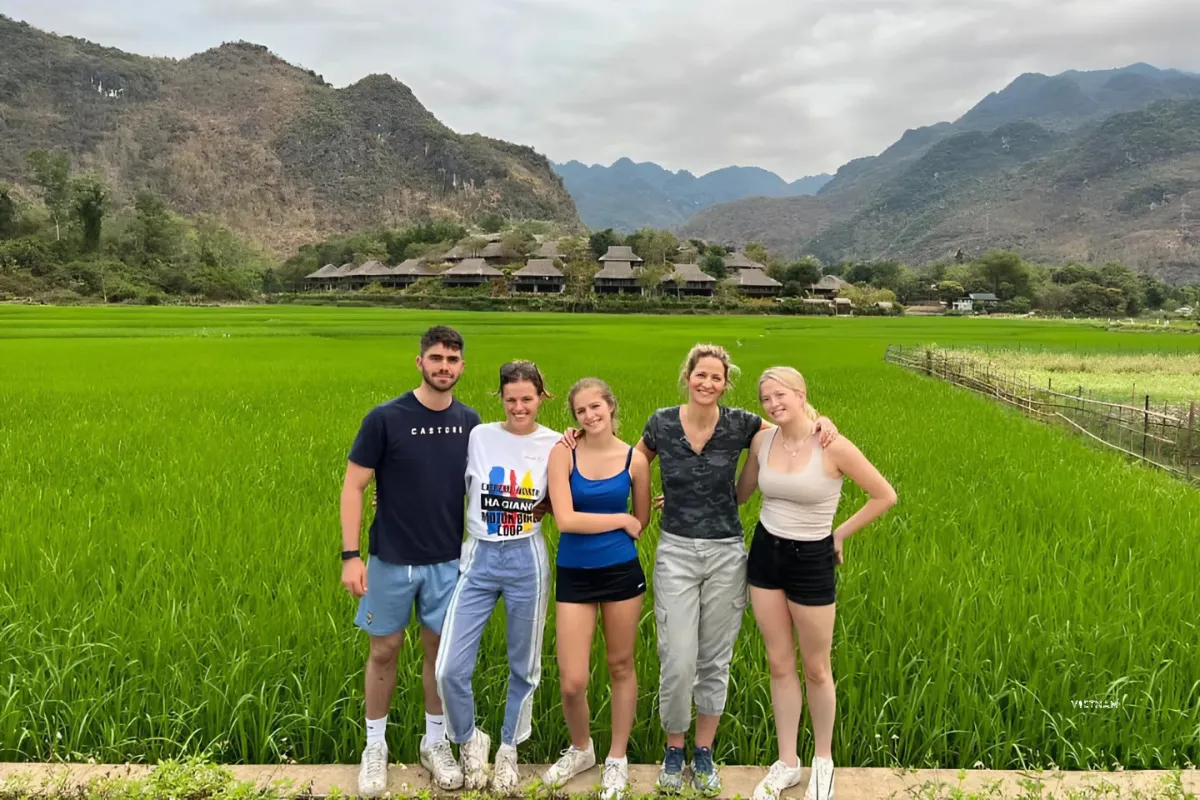
Private Mai Chau Day Trip And Waterfall & Hot Spring Bath

Place
Mai Chau

Duration
1D
Original price was: 175$.125$Current price is: 125$.
Sale!
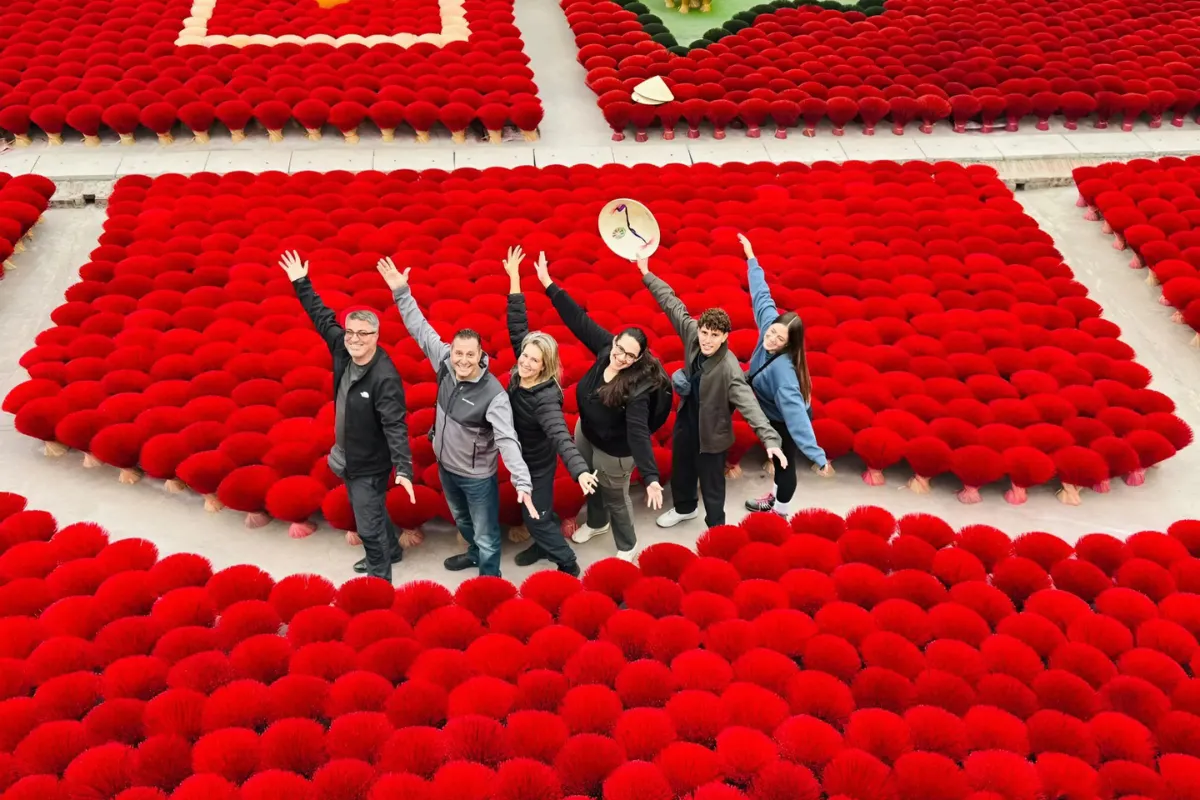
Authentic Hanoi Day Tour | Incense Village & Duong Lam Ancient Village
Place
Hanoi
Duration
1D
Original price was: 120$.105$Current price is: 105$.
Sale!
Hanoi Cycling Tour | Bat Trang, Kim Lan & Xuan Quan Flower Villages
Place
Bat Trang
Duration
1D
Original price was: 65$.55$Current price is: 55$.
Sale!
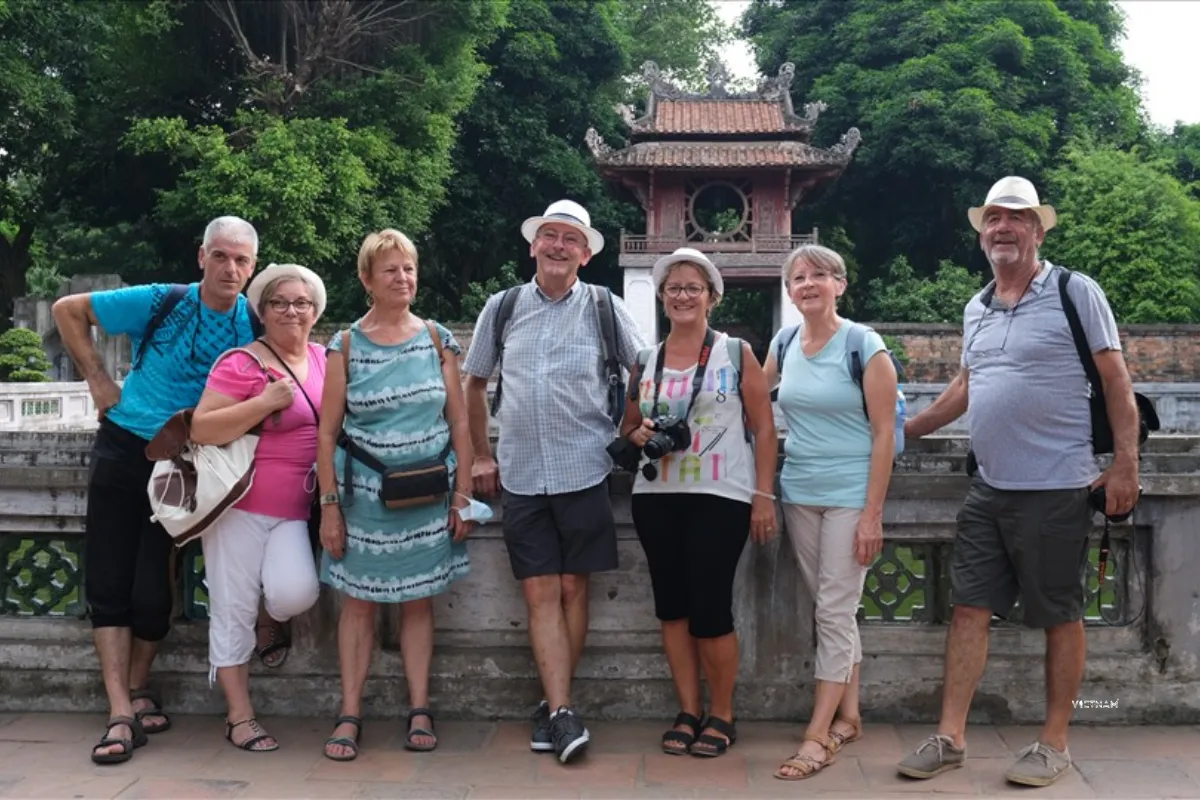
Half-Day Hanoi City Tour | Explore Iconic Landmarks in Just Few Hours
Place
Ha Noi
Duration
1D
Original price was: 50$.35$Current price is: 35$.
Sale!
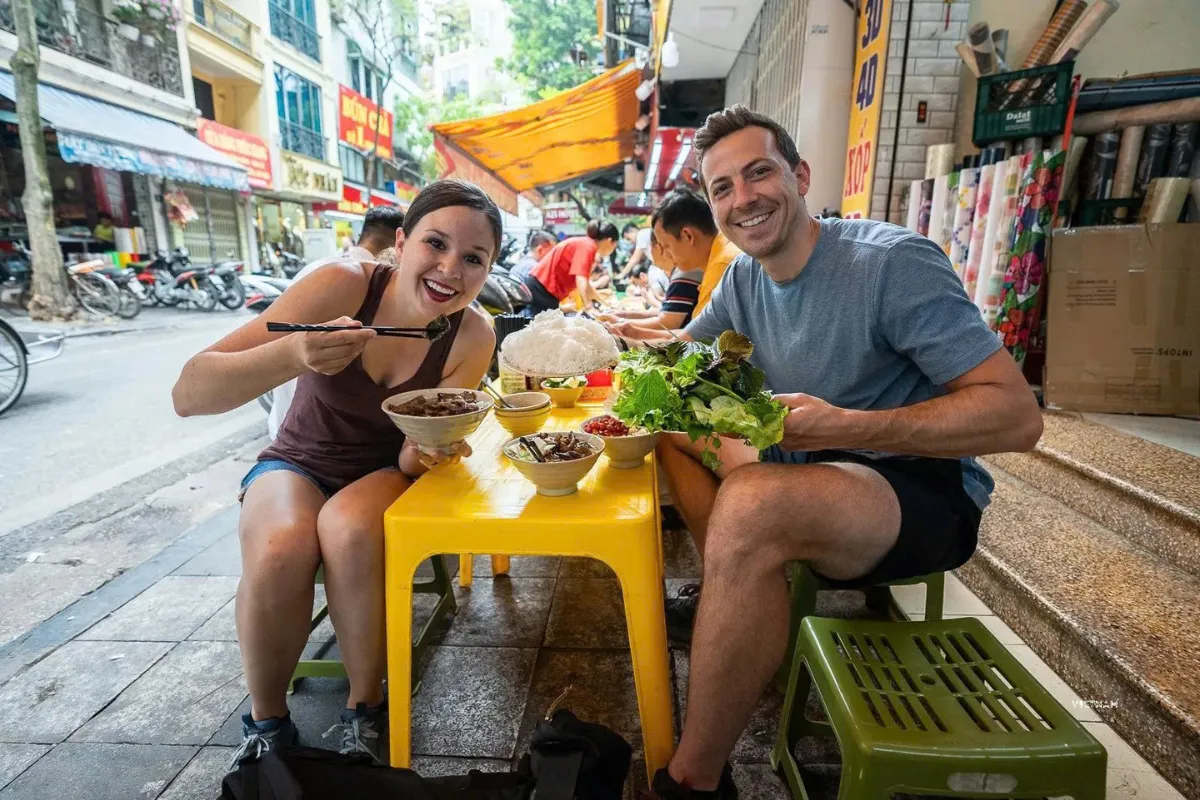
Exclusive Hanoi Street Food Tour | Discover Hanoi’s Best Eats on Foot
Place
Ha Noi
Duration
1D
Original price was: 50$.35$Current price is: 35$.
Sale!

Hanoi City Tour | Highlights, Local Culture | Best of Hanoi in One Day
Place
Ha Noi
Duration
1D
Original price was: 55$.45$Current price is: 45$.
Sale!
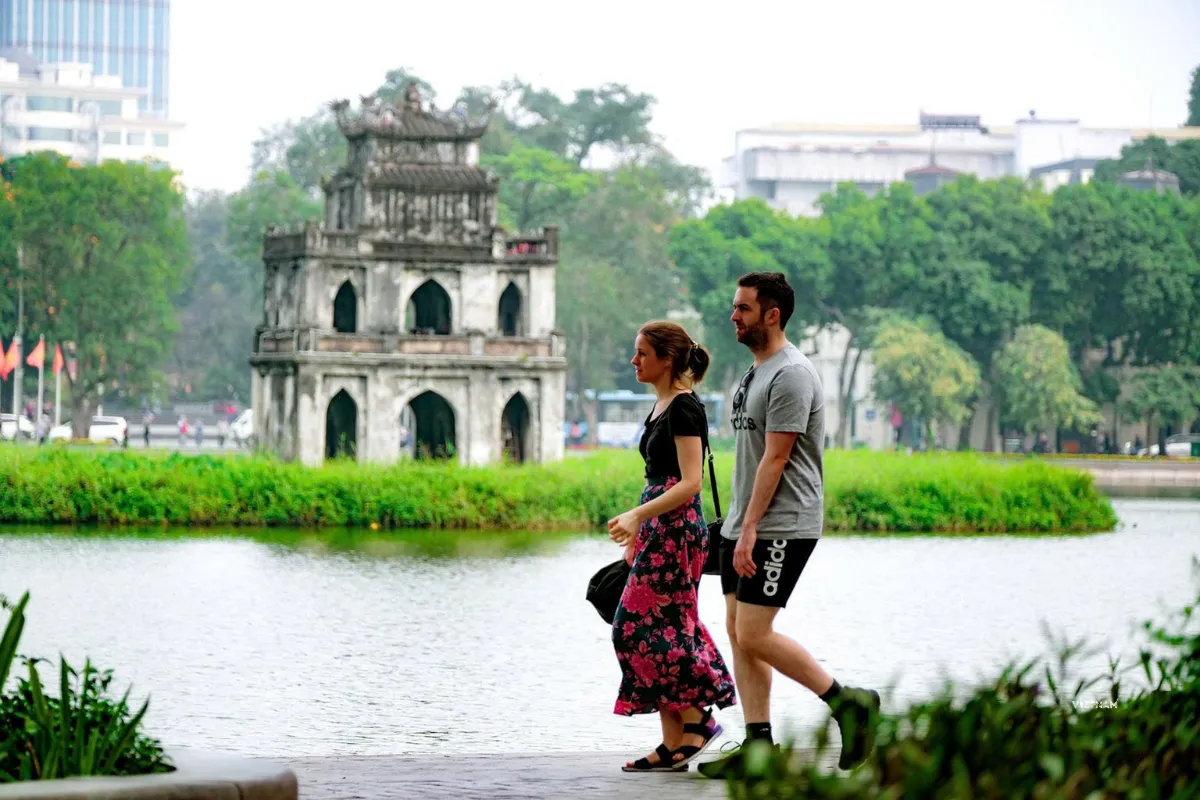
Top Hanoi City Walking Tour | Discover the Best of Hanoi in One Day
Place
Hanoi Capital City
Duration
1D
Original price was: 60$.50$Current price is: 50$.
Sale!
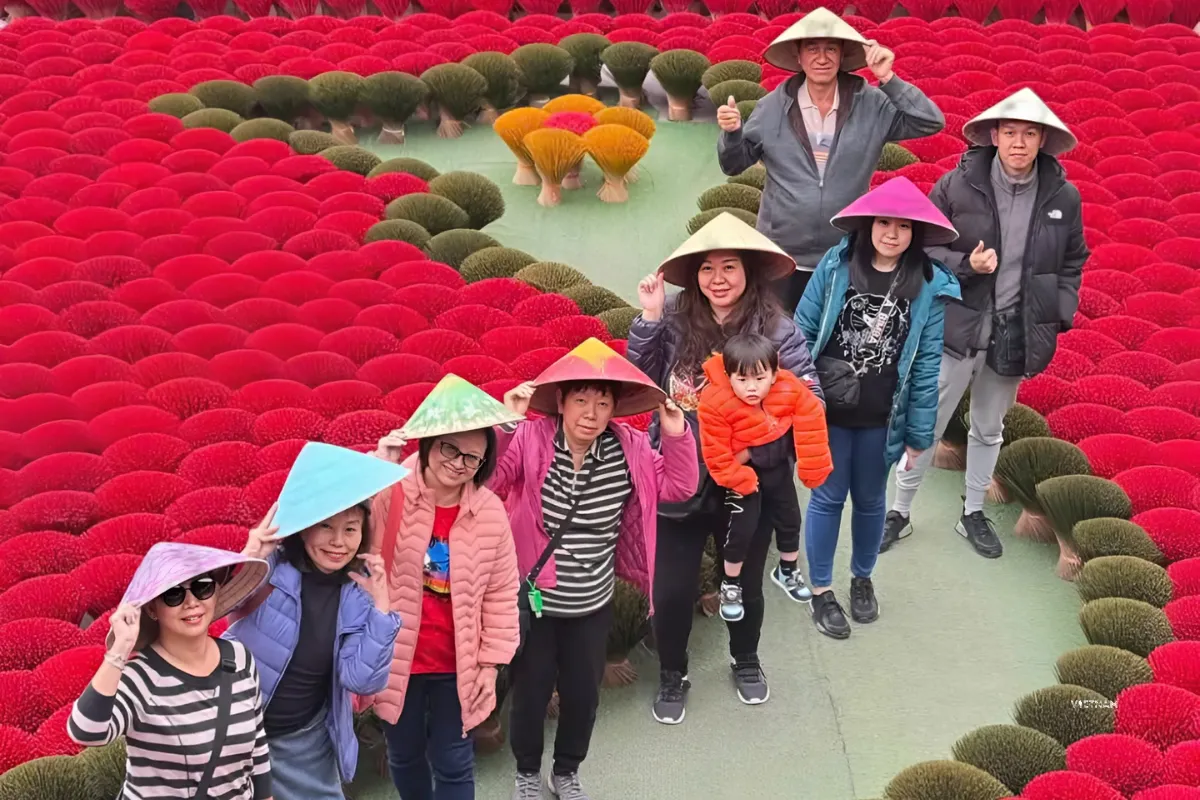
Incense Village Hanoi Tour | Explore Traditional Craft & Local Culture
Place
Quang Phu Cau
Duration
1D
Original price was: 85$.55$Current price is: 55$.
Beyond the Viewpoints: Less-Known Mu Cang Chai Experiences
Joining the harvest on the terrace: During the 2–3 week cutting period (typically early to mid-October), H’mong families harvest their terraces entirely by hand — cutting the rice stalks with small curved blades, bundling them, and carrying them on their backs up and down slopes that would challenge most visitors empty-handed. Several guesthouses can arrange for visitors to join a family for a morning of harvest participation — carrying bundles, learning the cutting technique, eating lunch with the family in the field. This is not a tourist programme — it is genuine agricultural labour that you are invited into. The physical reality of what the terraces represent becomes clear within the first hour.
- The flooded terrace season (May–June) — the uncrowded alternative: The golden harvest draws the most attention but the flooded terrace season in May–June produces photographs of equal technical quality and greater visual complexity. Stepped water surfaces reflecting different sky conditions simultaneously — partly cloudy, partly blue, with clouds moving through the frame — creates dynamic compositions that static golden terraces don’t offer. The season is significantly less crowded, accommodation is available without advance booking, and the mountain weather in May–June is warm and pleasant. For photographers who have seen the harvest photographs and want something different, this is it.
- Nam Kim Valley (2-day trek from Mu Cang Chai): The Nam Kim valley, accessible via a cross-ridge overnight trek from Mu Cang Chai Town, is a H’mong valley with its own terrace system that sees perhaps 2–3 foreign visitors per week. The trek crosses a ridge at 1,800 metres with 360-degree mountain views, descends into a valley that has no road access, and overnight in a family homestay that has been hosting the occasional traveler for ten years without changing its character. Requires a guide with specific Nam Kim experience and 2 full days. The most remote accessible experience in the Mu Cang Chai district.
- Tu Le sticky rice at the source: The White Thai village of Tu Le, 45 km before Mu Cang Chai on the approach road, grows the most famous sticky rice in northern Vietnam — nếp tan, a fragrant glutinous variety that cooks with a distinctive floral aroma. Eaten warm from a stall in Tu Le itself — the village where it is grown — it is a different product from the same rice sold in Hanoi markets. Most Mu Cang Chai visitors drive through Tu Le without stopping; those who stop for 30 minutes consistently say it was one of the most specific food experiences of their Vietnam trip.
- The Sunday market — before 7 AM: The Sunday market in Mu Cang Chai Town is well-documented in travel content, but most descriptions apply to the 9 AM–noon period when it is busiest and most photogenic in a conventional sense. The market between 5:30 and 7:00 AM — when H’mong traders arrive from the surrounding villages having walked 2–4 hours in the dark, set up their stalls in lamplight, and conduct the first trades of the day before tourists arrive — is a completely different experience. Cold, quiet, genuinely transactional, and occasionally extraordinary in the quality of traditional dress visible at that hour.
Mu Cang Chai vs Sapa: Which Is Better for Rice Terraces?
This is the most common planning question for highland Vietnam travelers, and it deserves a direct answer:
| Criteria | Mu Cang Chai | Sapa |
|---|---|---|
| Rice terrace drama | Superior — steeper, denser, more concentrated | Beautiful but spread across a wider, less concentrated area |
| Terrace peak season | Late Sep–Oct (harvest gold) · May–Jun (flooded mirrors) | Sep–Oct (harvest) — similar but less intense |
| Crowd level | Moderate in peak — much less than Sapa year-round | High — significant tourism infrastructure and volumes |
| Distance from Hanoi | 280 km / 5–6 hrs | 320 km / 5–6 hrs (train + road) or 4.5 hrs (direct bus) |
| Trekking variety | Good — terrace-focused routes, 2 H’mong valley systems | Better — more route options, multiple ethnic groups, Fansipan |
| Infrastructure | Basic — small town, limited restaurant options | Extensive — hotels, restaurants, tour operators, cable car |
| Cultural authenticity | Higher — H’mong communities less adapted to tourism | Lower in main villages — more tourist-adapted |
| Best for | Rice terrace photography (best in Vietnam), harvest immersion, off-the-beaten-path | Trekking variety, Fansipan summit, cultural programmes, first-time highland visit |
Our answer: For rice terrace photography specifically, Mu Cang Chai is better — the terraces are more dramatic and the harvest is more visually intense. For a rounded first-time highland Vietnam experience with trekking, cultural programmes, and infrastructure, Sapa is more accessible and more complete. Experienced Vietnam travelers who have done Sapa often say Mu Cang Chai in harvest season was the more visually powerful experience; first-time visitors usually find Sapa’s infrastructure and activity range more satisfying overall.
Essential Mu Cang Chai Travel Tips (From Our Local Team)
Book accommodation immediately after confirming travel dates for October visits. This is not cautionary advice — it is operational necessity. Terrace-view properties in Mu Cang Chai have 10–30 rooms, are fully booked 4–6 weeks before peak harvest, and do not appear on major booking platforms reliably. By the time you see “sold out” notices online, the best options have been gone for weeks. Contact a local operator as soon as you know you’re going in October.
- Arrive for the pre-harvest week, not the cutting week. The golden terraces are at their most photogenic in the 7–10 days immediately before the harvest cutting begins — when the rice is fully ripe but still standing. Once cutting starts, the gold disappears field by field within days. Ask your guesthouse owner on arrival: “Has cutting started at La Pan Tan yet?” The answer determines which cluster to prioritise on your first afternoon.
- Bring a tripod for dawn photography. The pre-dawn and sunrise conditions at De Xu Phinh and La Pan Tan — low mist, soft light, often requiring exposures of 1–5 seconds — are where the best Mu Cang Chai photographs are made. A compact travel tripod weighs almost nothing and makes the difference between sharp dawn images and blurred ones. This is not optional advice for photographers.
- The roads to upper viewpoints require careful driving after rain. The unpaved sections accessing De Xu Phinh’s higher positions and the La Pan Tan upper trail access points can be slippery after rain. Motorbike riders should check conditions with locals before attempting these sections on wet mornings. Four-wheel-drive vehicles can access most points regardless of conditions — another reason private car transport is preferable for photography-focused visits.
- Carry significant cash. Mu Cang Chai Town has one or two ATMs with limited reliability. The terrace villages, trail guides, motorbike rental, and market purchases are all cash-only. Withdraw in Hanoi or Nghia Lo for the full circuit. 800,000–1,200,000 VND per person per day (excluding pre-paid accommodation) is a reasonable estimate including guide fees.
- Dress appropriately for H’mong village visits. The Black H’mong communities of Mu Cang Chai are not accustomed to the same visitor volumes as Sapa’s villages — your presence is noticed and your behaviour remembered. Dress modestly (covered shoulders, no short shorts in villages), ask permission before photographing individuals, and purchase something from village stalls even if you don’t need it. These are small courtesies that create the conditions for genuine rather than transactional village encounters.
- The best overall Mu Cang Chai photographs are not from the main viewpoint. The La Pan Tan road-level viewpoint is the most visited and most photographed position — and consequently the most represented in existing Mu Cang Chai imagery. The least-photographed and most distinctive perspectives are from De Xu Phinh at sunrise, from the Che Cu Nha village trail at terrace level, and from the La Pan Tan upper ridge above 1,600 metres. Planning your shooting locations around these less-visited positions produces images that stand apart from the standard Mu Cang Chai output.

Frequently Asked Questions — Mu Cang Chai Travel Guide
What is Mu Cang Chai famous for?
Mu Cang Chai is famous for its 2,200 hectares of terraced rice fields — designated a National Heritage Scenic Landscape — which are considered the most dramatic and visually concentrated rice terraces in Vietnam. The golden harvest season (late September–October), when the terraces turn from green to gold across three distinct mountain clusters (La Pan Tan, Che Cu Nha, and De Xu Phinh), produces landscape photographs that have made Mu Cang Chai internationally recognised. It is also known for its Black H’mong culture and the annual paragliding festival during harvest season.
When is the best time to visit Mu Cang Chai?
The best time to visit Mu Cang Chai is late September to mid-October for the golden rice harvest — the most spectacular season, when 2,200 hectares of terraces turn gold simultaneously. The peak window typically lasts 10–14 days and shifts by 1–2 weeks year to year based on weather. May to June is the second-best season for the flooded terrace reflections — less crowded, different visual character, equally photogenic. Avoid January–March when the terraces are bare post-harvest.
How far is Mu Cang Chai from Hanoi?
Mu Cang Chai is approximately 280 km from Hanoi — a journey of 5–6 hours by private car via Nghia Lo and the Khau Pha Pass approach. Overnight sleeper buses ($12–$18) depart Hanoi around 9–10 PM and arrive in Mu Cang Chai Town by 4–5 AM. Private car ($100–$140 for the whole vehicle) allows stops at Tu Le village (sticky rice) and the Khau Pha Pass viewpoint en route. There is no direct train service to Mu Cang Chai.
What are the three rice terrace areas in Mu Cang Chai?
Mu Cang Chai’s three designated terrace clusters are La Pan Tan (7 km from town — the most dramatic scale, iconic road-level viewpoint, best afternoon light), Che Cu Nha (9 km — best for village-level walking, most accessible cultural encounter), and De Xu Phinh (10 km in the opposite direction — highest elevation terraces, best sunrise viewpoint, fewest visitors). All three are different in character and ideally visited across two days rather than rushing all three in one.
Is Mu Cang Chai better than Sapa for rice terraces?
For rice terrace photography specifically, yes — Mu Cang Chai’s terraces are steeper, more densely layered, and more visually concentrated than Sapa’s, and the harvest season produces a more intense golden display. For a first-time highland Vietnam experience with broader trekking options, cultural programmes, and infrastructure, Sapa is more complete. Experienced Vietnam travelers who have done both typically rate Mu Cang Chai’s harvest season as the more visually powerful experience; first-time visitors often prefer Sapa’s accessibility and variety.
How many days do I need in Mu Cang Chai?
Two nights is the recommended minimum — enough for La Pan Tan afternoon light on Day 1, De Xu Phinh sunrise and Che Cu Nha village walk on Day 2, and a final La Pan Tan sunrise before departure on Day 3 morning. One night is possible but means choosing between De Xu Phinh and Che Cu Nha rather than covering both. Three nights allows for the La Pan Tan upper ridge trek and a more relaxed photography pace across all three terrace clusters at different times of day.
Do I need a guide for Mu Cang Chai?
For the main road-level terrace viewpoints (La Pan Tan, lower Che Cu Nha, De Xu Phinh), a guide is not required — these are accessible without assistance. For the upper ridge trails, Che Cu Nha village walk (for cultural context beyond navigation), and the Nam Kim overnight trek, a local H’mong guide is strongly recommended. Beyond navigation, a local guide provides village access, language interpretation, and cultural context that transforms the upper route experience. Guides can be arranged through guesthouses in Mu Cang Chai Town with 24 hours notice.
What is the paragliding festival at Mu Cang Chai?
The Mu Cang Chai Paragliding Festival (Festival Dù Lượn) takes place annually during the harvest season, typically in late September or early October, coinciding with peak golden terrace conditions. Professional and amateur pilots from Vietnam and abroad fly over the La Pan Tan terraces, launching from hillside positions above the valley. The festival has grown significantly since its inception — it now attracts thousands of domestic visitors and has become one of the most photographed events in northwest Vietnam. Tandem flights for non-pilots are available both during the festival period and year-round through local operators.

Plan Your Mu Cang Chai Trip with a Local Expert
We’re a Hanoi-based travel company — and Mu Cang Chai in harvest season is the trip we plan most carefully with guests, because the timing precision required and the accommodation scarcity at peak make it the destination where local knowledge matters most. Our team monitors all three terrace clusters throughout September–October, can tell you which specific days in your window will catch the maximum golden coverage, and handles accommodation booking before the good options are gone.
- Harvest season timing verification — real-time terrace condition monitoring
- Accommodation booking in terrace-view guesthouses — done early, before they fill
- Private transport with flexible stopping on the Tu Le and Khau Pha approach
- Local H’mong guide arrangements for upper ridge and village treks
- Paragliding coordination and harvest participation arrangements
- Available 7 days a week — respond within 2–4 hours on WhatsApp
Get Your Free Mu Cang Chai Trip Plan
Tell us your travel dates — especially if you’re planning an October harvest visit. We’ll verify current-season terrace conditions, confirm accommodation availability, and send you a day-by-day plan with transparent pricing within 4 hours. For October travel, contact us as early as possible.
Request Your Free Mu Cang Chai Itinerary →
Or message us directly on WhatsApp: +84 849 391 981
Explore More Northern Vietnam
- Sapa Travel Guide — trekking, Fansipan, and H’mong culture in the northwest
- Ha Giang Travel Guide — the Loop, Dong Van Karst, Vietnam’s most dramatic road
- Mai Chau Travel Guide — White Thai valley, cycling, and homestay culture
- Moc Chau Travel Guide — tea plantations and flower seasons on the northwest plateau
- Hanoi Travel Guide — the departure base for all northwest Vietnam trips
- 7-Day Northern Vietnam Itinerary — Hanoi + Mu Cang Chai + Sapa + Ha Long Bay
- 10-Day Northern Vietnam Itinerary — the complete northwest highland circuit
- Browse Mu Cang Chai Tours →