

Moc Chau Travel Guide

Moc Chau is northern Vietnam’s most seasonally dramatic highland plateau — a 1,050-metre elevation grassland of rolling tea plantations, mustard flower fields, plum orchards, and dairy farms just 180 kilometres from Hanoi. Unlike the rice terrace valleys of Mai Chau or Pu Luong, Moc Chau’s appeal is tied entirely to its flowers — three distinct blooming seasons that transform the plateau into colours that photographers and weekend travelers plan months in advance to catch.
This guide covers everything: which flower season to target, the best things to do beyond the flowers, the honest local knowledge that most Moc Chau content misses, and how to structure a trip that delivers more than a single Instagram viewpoint. Written by our Vietnam-based team who visit Moc Chau regularly with guests.
Jump to: Why Moc Chau | Flower Seasons | Things to Do | Best Time to Visit | Getting There | Where to Stay | 2-Day Itinerary | Travel Tips | FAQ
Moc Chau at a Glance

| Quick Fact | Details |
|---|---|
| Location | Son La Province, Northwest Vietnam — on the Moc Chau Plateau at 1,050 m elevation |
| Distance from Hanoi | ~180 km / 3.5–4 hrs by car via National Highway 6 |
| Elevation | 1,050 m (plateau) — noticeably cooler than Hanoi year-round |
| Best Time to Visit | Late January–February (plum/peach blossom) · October–November (mustard flowers) · December–February (white plum + tea harvest) |
| Recommended Stay | 1 night minimum; 2 nights to cover the plateau properly at a relaxed pace |
| Main Ethnic Groups | White Thai (dominant in valleys) · H’mong · Muong · Dao |
| Key Highlights | Tea plantations, mustard flower fields, plum orchards, pine forests, Dai Yem Waterfall, Ban Ang pine forest, H’mong villages |
| Signature Products | Moc Chau tea, fresh milk and dairy products, plum wine, dried plum, wild honey |
| Distance from Mai Chau | ~100 km — combinable on a northwest Vietnam circuit |
Why Visit Moc Chau — An Honest Local Perspective
Moc Chau requires honest framing — because it is, more than any other destination in this guide series, a place where expectations and reality can diverge significantly depending on when you go and what you know in advance.
The honest reality: Moc Chau on a random weekend in August — no flowers in bloom, plateau grassland brown from dry conditions, domestic tourist infrastructure dominant — is a pleasant but unremarkable highland stop. The same plateau in late January, when plum orchards across 100 hectares explode into white blossom against a cold blue sky, or in October when mustard fields turn the slopes yellow and H’mong women in traditional dress move between the flowers — that Moc Chau is one of the most visually extraordinary places in northern Vietnam.
The trip planning implication is clear: Moc Chau is a destination where the when matters more than almost anywhere else. Get the timing right and it delivers the most dramatic seasonal flower display in Vietnam outside of Sa Pa’s buckwheat. Get it wrong and you’ll wonder why people make the drive.
Here’s what specifically makes Moc Chau worth planning around:
- Three distinct and equally spectacular flower seasons. No other destination in northern Vietnam offers three separate major flower events across the calendar year — white plum and peach blossom (late January–February), mustard flowers (October–November), and the tea plantation green-and-gold cycle (year-round with harvest peaks). Each creates a completely different landscape character on the same plateau.
- The tea plantations are genuinely beautiful at any season. The Moc Chau tea hills — 3,000+ hectares of terraced tea rows at 1,050 metres — are among the most photogenic agricultural landscapes in Vietnam year-round. The rows create a geometric pattern across rolling hills that is distinctive regardless of flowering season. The best tea estates are accessible to visitors for free with a small purchase.
- It is Vietnam’s dairy heartland. Moc Chau is where most of northern Vietnam’s fresh milk and yoghurt comes from — the plateau’s cool temperature and grassland elevation create conditions that don’t exist elsewhere in the country. The dairy farms here are a genuine agricultural curiosity, and the local fresh milk products — consumed warm at roadside stalls — are an experience specific to this place.
- The pine forests and grasslands offer a European highland feeling. Ban Ang pine forest and the open grassland sections of the plateau feel remarkably unlike tropical Vietnam — cool, pine-scented, with a temperature range and landscape character that surprises visitors arriving from the heat of Hanoi. This altitude shift is a genuine physical relief and a significant part of Moc Chau’s appeal for domestic tourists escaping the lowland summer.
- It sits on the road to Son La and Dien Bien Phu. For travelers doing an extended northwest Vietnam circuit — Hanoi → Mai Chau → Moc Chau → Son La → Dien Bien Phu or → Sapa — Moc Chau is not a detour but a natural overnight stop that adds significant value to the route without extending the total journey significantly.
Moc Chau Flower Seasons: The Complete Guide
Season 1: White Plum & Peach Blossom (Late January – Mid-February)
The most spectacular and most weather-dependent of Moc Chau’s three flower seasons. Thousands of plum (mận) and peach (đào) trees across the plateau — in H’mong village orchards, along roadside slopes, and in dedicated growing areas near Ban Ang — bloom simultaneously over a 2–3 week window. The blossoms are white to pale pink, covering entire hillsides in a display that has no close equivalent in Vietnam outside of Japan-style cherry blossom imagery.
Key locations: H’mong villages around Phieng Luong and Chieng Di (best orchard density), Ban Ang area (roadside plum trees most accessible), and the slopes around Nong Luong village (elevated views over multiple orchards simultaneously).
Timing precision: Highly weather-dependent — a warm spell accelerates the bloom by 1–2 weeks; a cold snap delays it. The window typically falls between January 20 and February 15, with peak bloom lasting 5–10 days. Our team monitors conditions annually and can advise on expected peak dates for any given year.
Crowds: This is Moc Chau’s most crowded season — the plum blossom coincides with Tet holiday period (late January/early February), bringing significant domestic tourist volumes. Visit on weekdays if possible; the orchard areas are significantly less crowded Monday–Thursday even at peak blossom.
Season 2: Mustard Flowers (October – November)
The mustard flower (cải vàng) bloom turns sections of the Moc Chau plateau yellow from mid-October through November — fields of bright yellow flowers against the cool-season green of the tea plantations and pine forests, often with H’mong women in traditional dress working between the rows. The visual combination — yellow mustard, dark green tea terraces, blue autumn sky — is the image most commonly associated with Moc Chau in travel photography.
Key locations: The mustard fields are distributed across multiple areas of the plateau, with concentrations near Phieng Luong, along the road toward Na Ka, and in the agricultural land around H’mong villages. The locations shift year to year depending on where farmers have planted — your accommodation in Moc Chau Town can advise on the best current-season locations within 24 hours of your arrival.
Timing: More predictable than the plum blossom — typically October 15 through November 30, with peak color late October to mid-November. Better weather than January (less fog, clearer skies) and significantly lower crowds than Tet season.
Our verdict: The best overall Moc Chau flower season for most travelers — good weather, lower crowds than Tet, excellent photography conditions, and the cultural complement of H’mong harvest activity happening simultaneously in the same fields.
Season 3: White Cabbage Flower & Late Winter (December – Early January)
A smaller but photogenic white cabbage flower (hoa cải trắng) season that covers lower-elevation fields in December and early January — white flowers against the frost-tinged grass of the winter plateau. Less dramatic than the plum or mustard seasons individually but provides the backdrop for the early plum blossom in January and is often the best time for tea plantation photography (the winter light quality on the tea rows at this elevation is exceptional).
Best combined with: Tea estate visits, dairy farm stops, and pine forest walks — the plateau is at its quietest and the winter light quality is excellent for photography even without the major flower displays.
Best Things to Do in Moc Chau
1. Explore the Tea Plantations
The Moc Chau Tea Company’s plantations cover over 3,000 hectares of the plateau — the largest tea-growing area at altitude in northern Vietnam. The geometric rows of tea bushes on rolling hills, best seen from elevated viewpoints in morning light, are among the most photogenic agricultural landscapes in the country at any time of year. Several estates along the main plateau road welcome visitors to walk the rows, watch the hand-picking process (best observed during harvest, March–April and September–October), and purchase directly from the plantation. No entry fee; a small tea purchase is the expected courtesy.
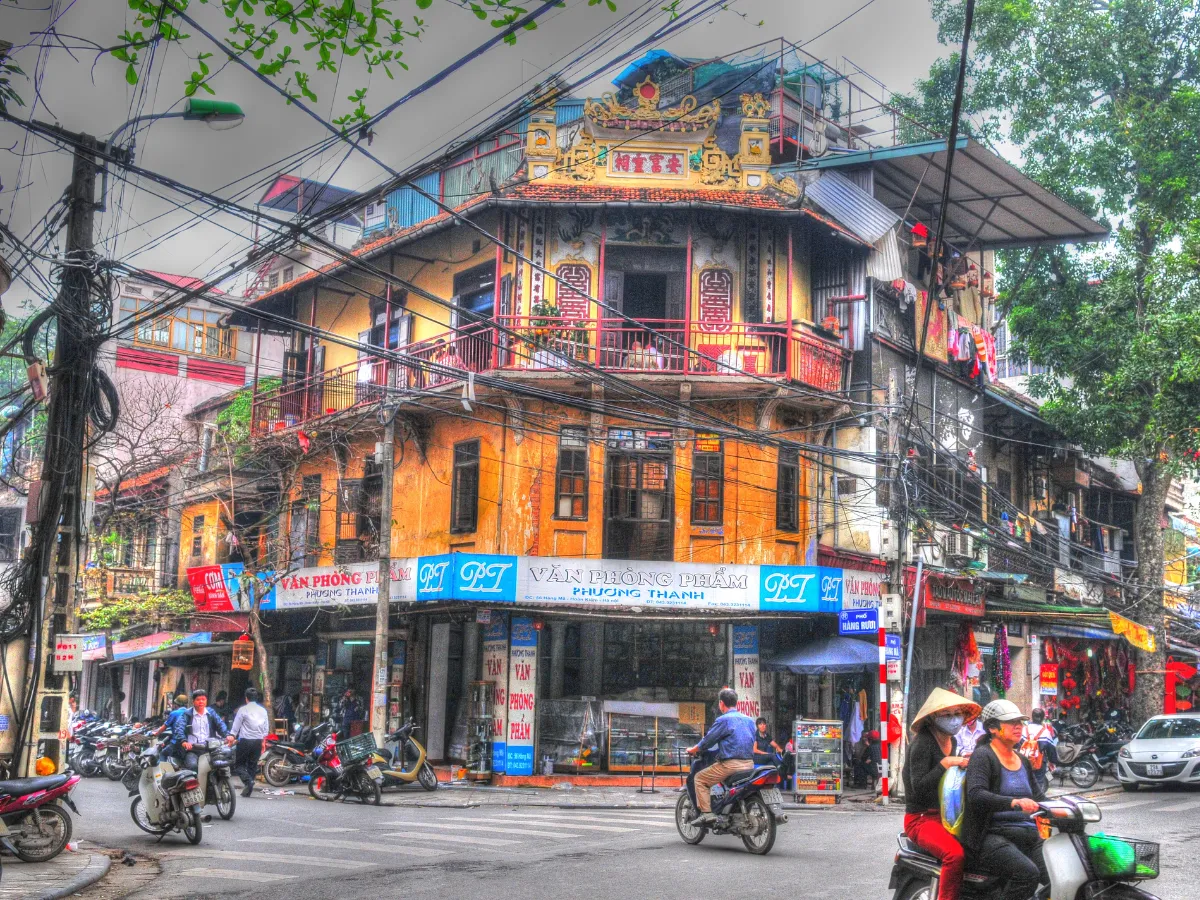
Hanoi Old Quarter
The Heart of Hanoi
2. Visit H’mong Villages Around Phieng Luong
The H’mong communities around Phieng Luong, 15 km from Moc Chau Town, maintain a more traditional way of life than the White Thai villages of the valley floor. The villages are known for their plum and peach orchards (spectacular in January–February), their indigo-dyed textile tradition, and the Sunday market that draws communities from across the surrounding hills. Unlike the White Thai villages of Mai Chau, the H’mong settlements here feel genuinely off the tourist trail — few foreign visitors make the drive to Phieng Luong independently. A local guide adds significant value for village visits.

Hoan Kiem Lake
Central Lake in the Heart of Hanoi
3. Dai Yem Waterfall
Dai Yem Waterfall — “Waterfall of the Pink Blouse” in the local White Thai language, named for a traditional legend — is the most accessible waterfall on the Moc Chau plateau. A 15-metre cascade into a natural pool accessible via a 20-minute forest path from the main road, it’s a standard half-day stop that combines well with the tea plantation and Ban Ang visits. Entry: 20,000 VND. Best visited in the morning before tour groups arrive from Moc Chau Town. In the plum blossom season, the path to the waterfall passes through flowering orchard trees.
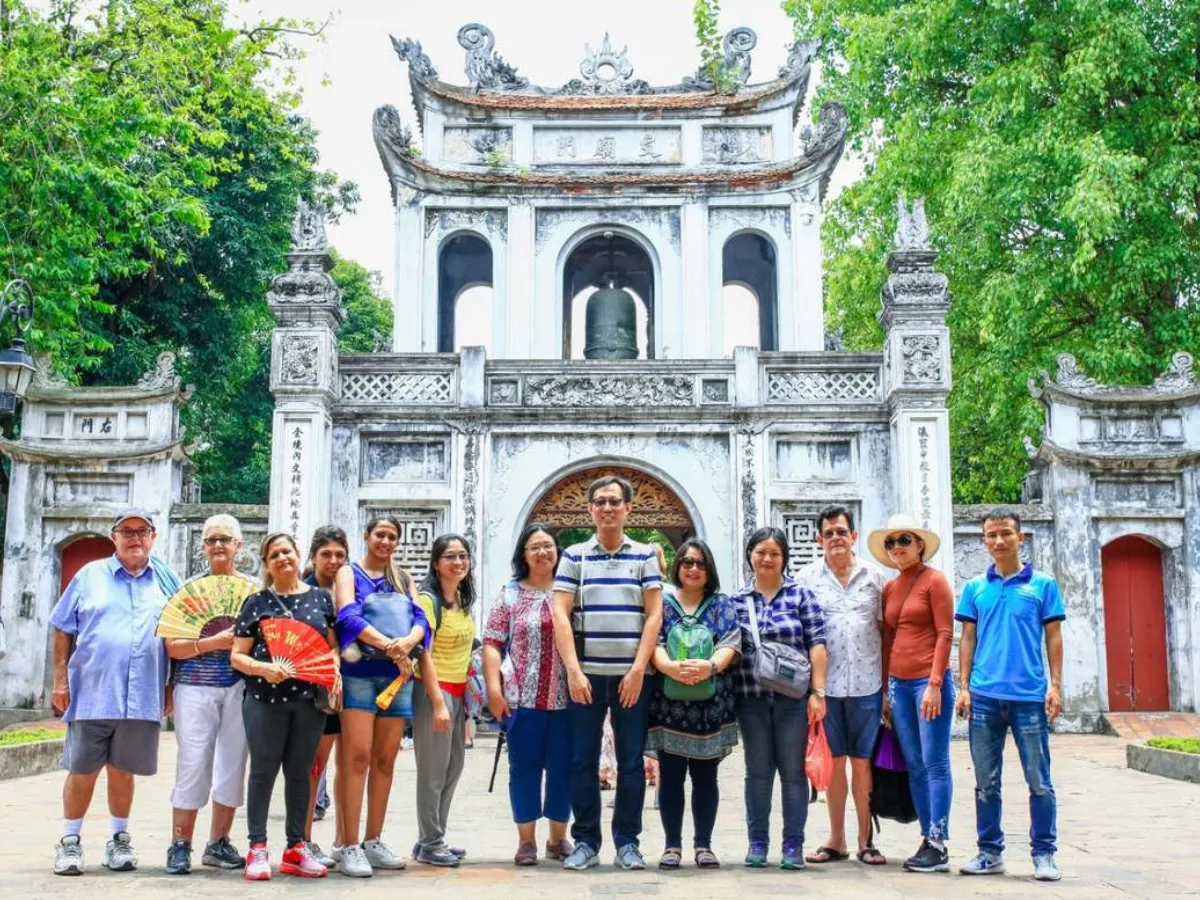
Temple of Literature
The First University in Vietnam
4. Ban Ang Pine Forest
The pine forest at Ban Ang — 20 km from Moc Chau Town — is one of Moc Chau’s most distinctive landscapes: a dense stand of mature pine trees at 1,200 metres with a cool, needle-carpeted floor that feels entirely unlike tropical Vietnam. The forest is particularly atmospheric in winter morning mist (November–February) and is the best cool-weather walking area on the plateau. An adjacent grassland meadow with views toward Son La Province makes it a good picnic and photography stop. Small entry area with parking; no formal fee.
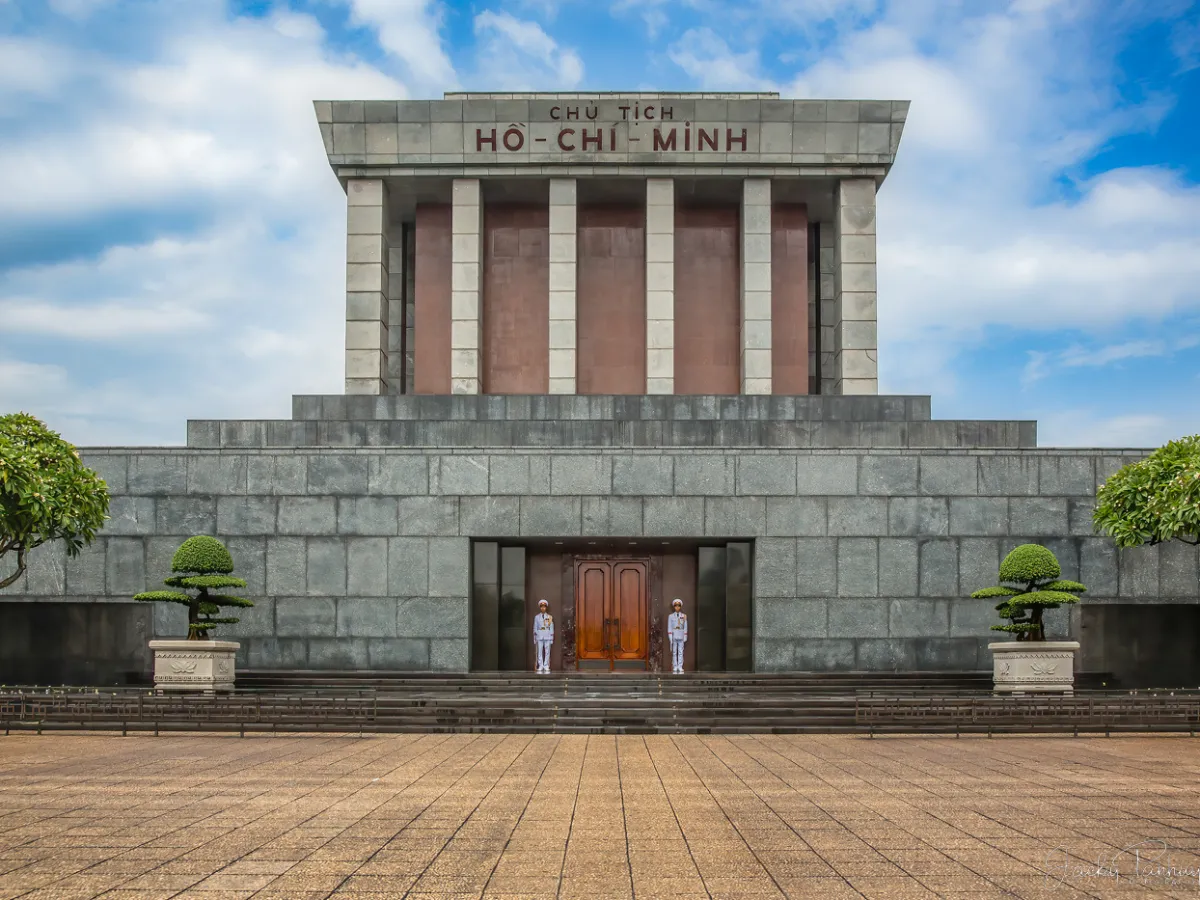
Ho Chi Minh Mausoleum
A Final Rest of National Hero
5. Moc Chau Dairy Farms and Fresh Milk Experience
Moc Chau’s dairy industry — established in the 1970s and expanded significantly since — is genuinely unique in the Vietnamese highland context. Several farms along the plateau road welcome visitors to see the dairy operations, and the roadside stalls selling fresh warm milk, yoghurt, and sữa chua (Vietnamese-style yoghurt with toppings) are a local institution. The experience of drinking fresh warm buffalo or cow milk at a roadside stall at 1,050 metres elevation is oddly memorable — a completely specific-to-Moc-Chau moment that most visitors don’t expect to be a highlight.
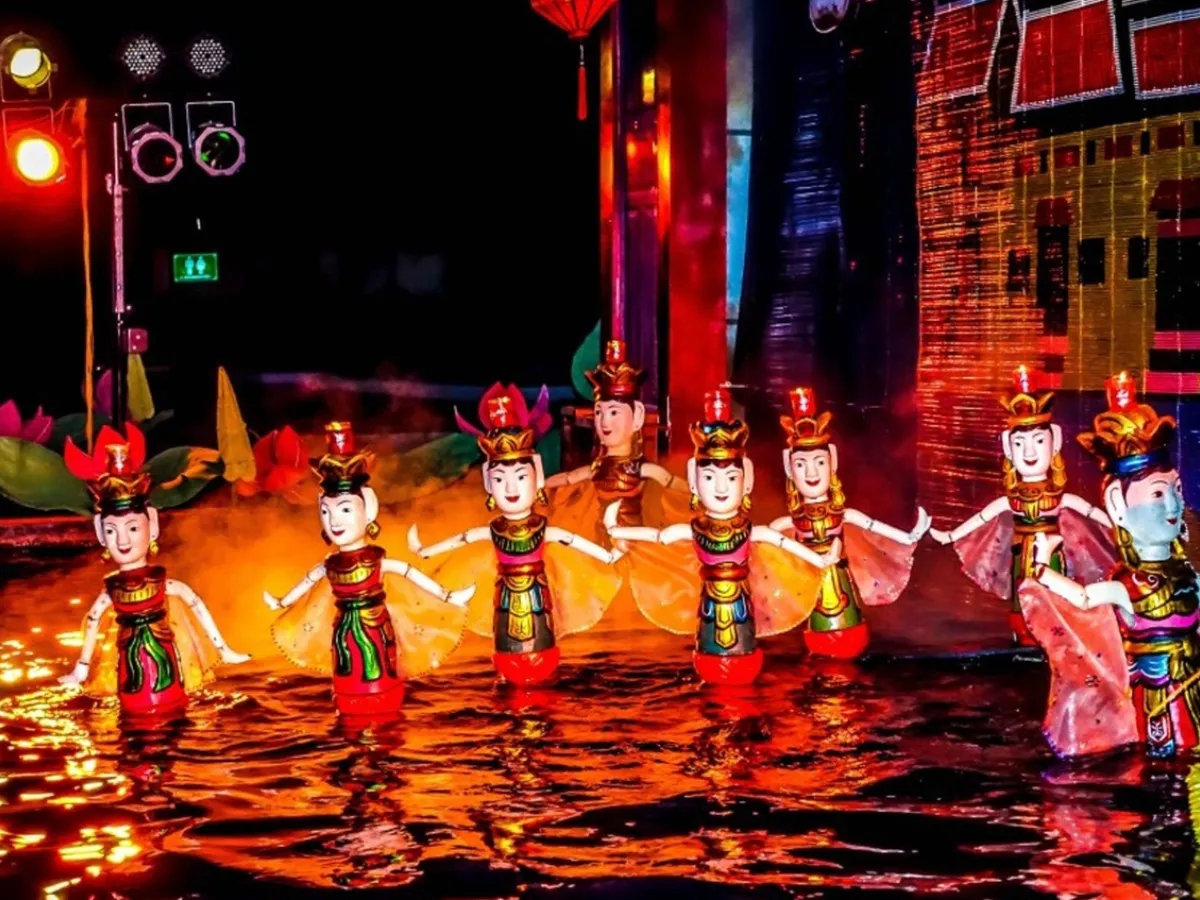
Water Puppet Show
A Must-See in Hanoi
6. Sunset and Sunrise at the Plateau Viewpoints
The plateau’s elevation and open landscape create exceptional sunrise and sunset conditions — particularly at the elevated viewpoints east of Moc Chau Town (sunrise over the tea plantation valleys) and west toward Son La Province (sunset over layered mountain ridges). The best sunrise point is above the tea estates on the road toward Na Ka — arriving 30 minutes before sunrise and watching the morning mist fill the valleys below the plateau edge is one of the most visually rewarding experiences the plateau offers, and requires only an early alarm and a short drive.
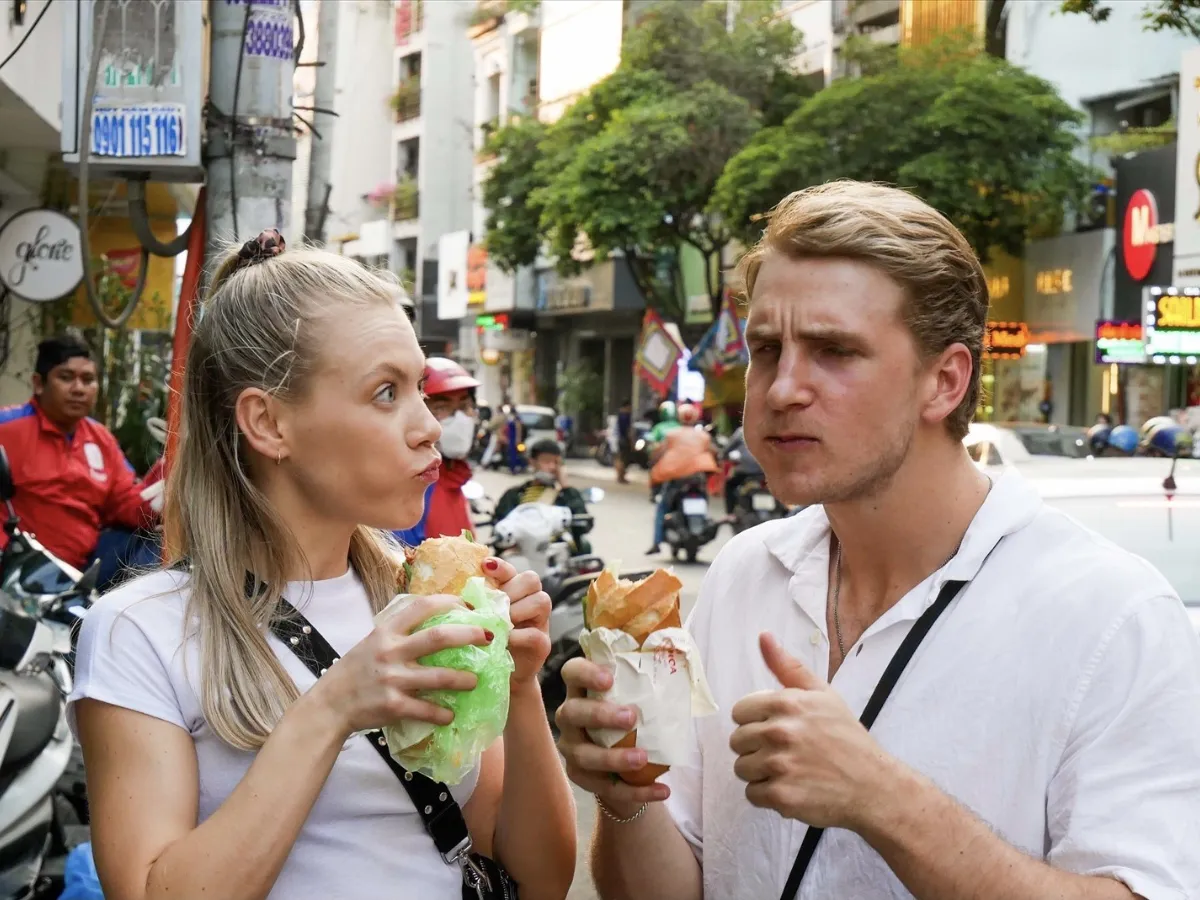
Vietnamese Banh Mi
A Must-Try in Hanoi
Best Time to Visit Moc Chau: Month-by-Month Guide

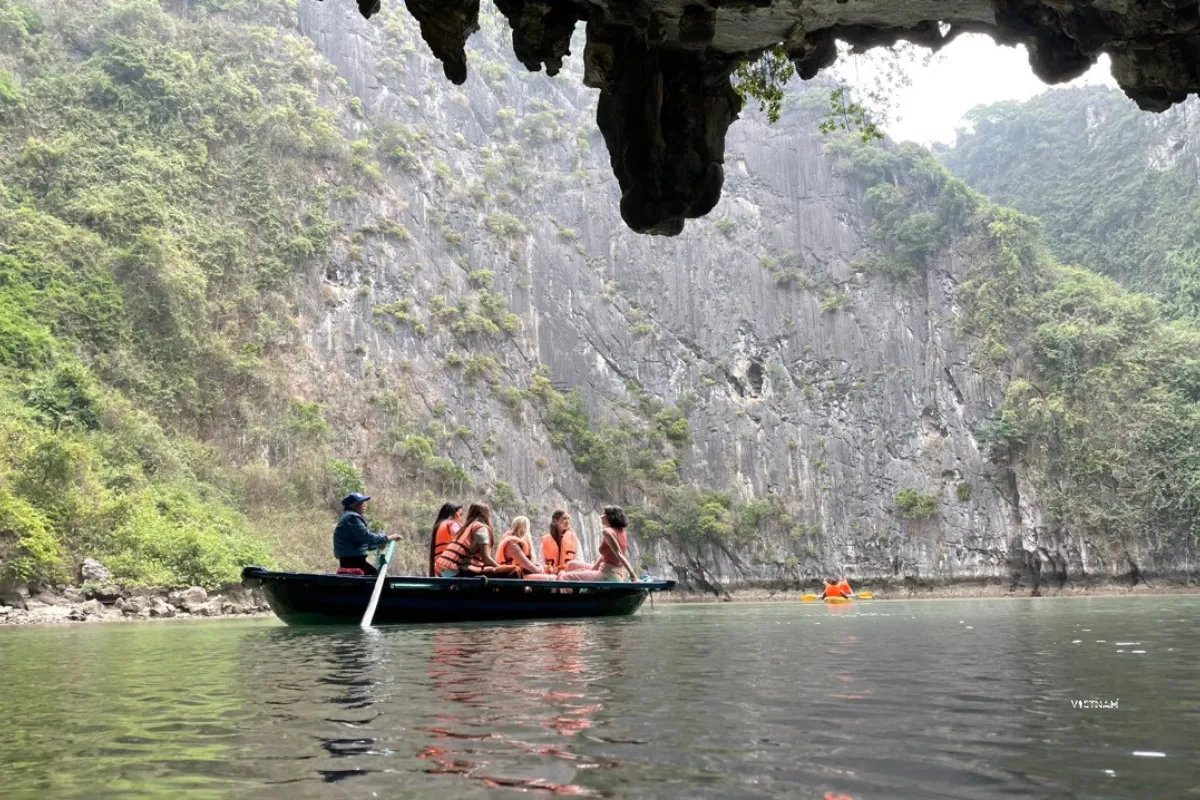
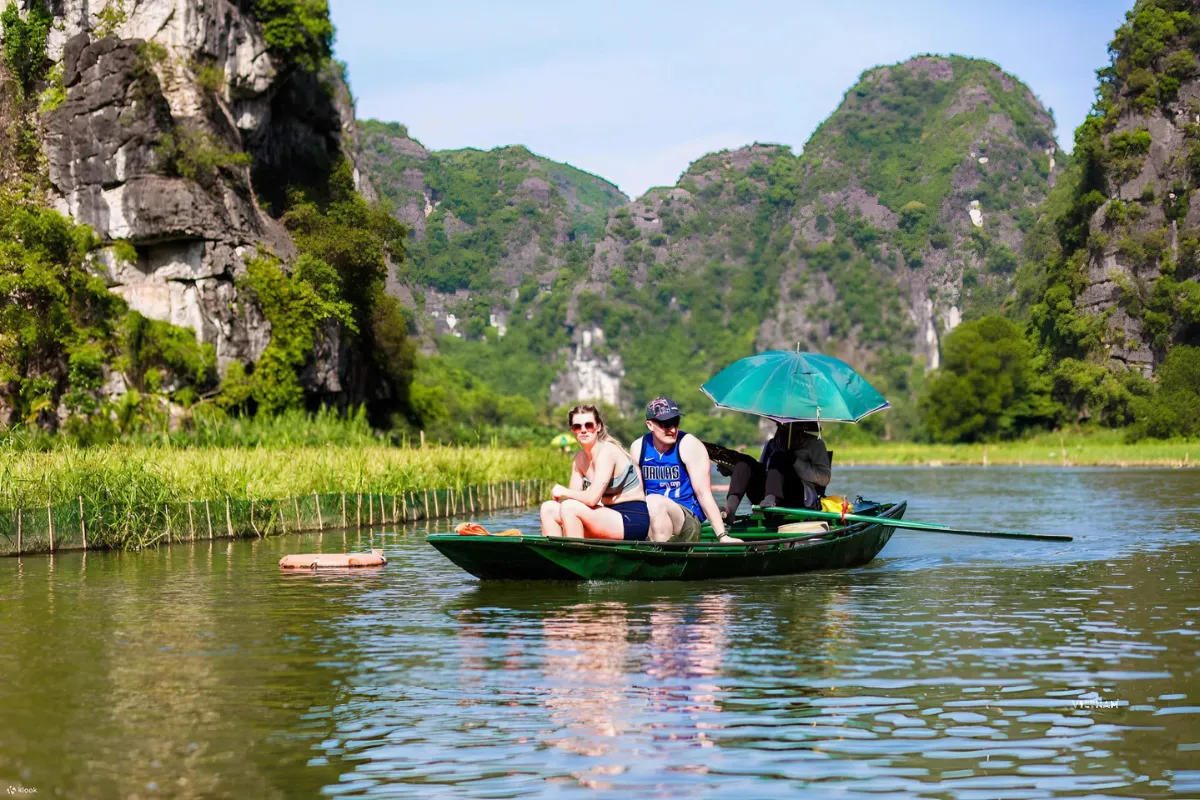
Moc Chau’s seasons are driven by its flower calendar more than its weather. The table below integrates both:
| Period | Temp & Conditions | Flowers / Landscape | Verdict |
|---|---|---|---|
| Jan – Feb ⭐ | 8–16°C / 46–61°F. Cold, clear to misty. Frost on the plateau in January mornings. | White plum & peach blossom (late Jan–mid Feb). White cabbage flowers through January. | Peak flower season. The plum blossom is Moc Chau’s most spectacular display. Cold mornings are offset by the extraordinary visual reward. Tet week (late Jan/early Feb) brings heavy domestic crowds — visit Mon–Thu if possible. Pack serious warm layers. |
| Mar – Apr | 15–22°C / 59–72°F. Warming, mostly clear | Post-blossom green. Tea harvest begins (first flush, March–April). Spring wildflowers on grassland. | Good. The tea harvest is at its most active — first-flush picking produces the best quality tea of the year. Comfortable temperatures. Less dramatic visually than peak flower seasons but excellent for tea estate visits and H’mong village treks. |
| May – Jun | 20–27°C / 68–81°F. Warm, increasing afternoon rain | Lush green plateau. Plum trees fruiting. No major flowers. | Acceptable. The plateau is green and pleasant but lacks the dramatic visual season. Good for dairy farm visits and pine forest walks. Plum harvest (June) — the fresh plums at roadside stalls and the plum wine sold at H’mong villages are a specific seasonal experience worth knowing about. |
| Jul – Aug | 22–28°C / 72–82°F. Warm, some afternoon rain | Green grassland and tea. Occasional wildflowers. | The plateau’s coolness relative to Hanoi (6–8°C lower) makes this the domestic summer escape peak — Moc Chau is noticeably more crowded July–August than any other time outside Tet. The landscape is pleasant but not at a flower peak. Weekday visits strongly recommended. |
| Sep | 18–25°C / 64–77°F. Clearing after summer rain | Tea second harvest. Late summer green on plateau. | Good transition month. Clearer skies returning, temperatures ideal for cycling and walking. The mustard planting begins in late September — early fields may have scattered yellow by late September in a warm year. |
| Oct – Nov ⭐ | 15–22°C / 59–72°F. Cool, clear, excellent | Mustard flowers — yellow fields from mid-October through November | Best overall for most travelers. Yellow mustard fields, clear autumn skies, H’mong harvest activity, cool comfortable temperatures for cycling and trekking. Lower crowds than Tet season. The best combination of visual spectacle, weather, and atmosphere on the plateau. |
| Dec | 10–18°C / 50–64°F. Cooling, some morning mist | White cabbage flower begins (late December). Late mustard lingering in some fields. | Good — the quiet transition into winter. Mustard fields still visible in early December. White cabbage flowers emerge late in the month. Tea plantation winter light is excellent for photography. Cold but manageable with proper clothing. One of the least crowded months. |
The honest summary: Visit in late January–February for the plum blossom (most spectacular, most crowded), October–November for the mustard flowers (best balance of beauty and crowd levels), or December for winter atmosphere and quieter conditions. Avoid July–August weekends unless the plateau’s coolness relative to Hanoi is itself the goal.
Moc Chau vs Mai Chau: Which Should You Visit?
Both sit on National Highway 6 northwest of Hanoi, and many travelers consider them on the same trip. Here is the direct comparison:
| Criteria | Moc Chau | Mai Chau |
|---|---|---|
| Distance from Hanoi | 180 km / 3.5–4 hrs | 135 km / 3–3.5 hrs |
| Landscape type | High plateau — tea farms, pine forest, grassland, flower fields | Mountain valley — flooded rice paddies, stilt house villages, limestone karst |
| Primary draw | Seasonal flower displays — plum blossom, mustard, tea | White Thai culture, homestay experience, cycling |
| Cultural experience | H’mong and White Thai — accessible but less central than Mai Chau | White Thai — central, homestay immersion, communal meals |
| Cycling | Good — plateau roads, some elevation change | Outstanding — flat valley roads, easiest cycling |
| Season-dependency | Very high — timing determines the experience dramatically | Moderate — good year-round, best at harvest |
| Crowds (weekends) | Higher — popular domestic weekend destination | Moderate — Lac Village busy, quieter villages available |
| Unique products | Fresh milk, tea, plum wine, dairy products | Hand-woven textiles, corn wine, sticky rice |
| Best for | Flower season photography, tea culture, plateau scenery, Son La circuit | Highland cultural immersion, homestay experience, easy trekking intro |
Our recommendation: They are complementary rather than competing — Mai Chau offers the best cultural and valley experience, Moc Chau the best flower and plateau experience. On a 3–4 day northwest circuit, one night in each is the ideal structure. If choosing only one: Mai Chau for cultural depth and flexibility regardless of season; Moc Chau only when you can time it for a flower peak.
Not sure if your travel dates align with a Moc Chau flower season? Our Hanoi-based team monitors plateau conditions in real time during peak windows — we’ll tell you honestly whether the plum blossom or mustard will be at its peak for your specific dates. Message us on WhatsApp →
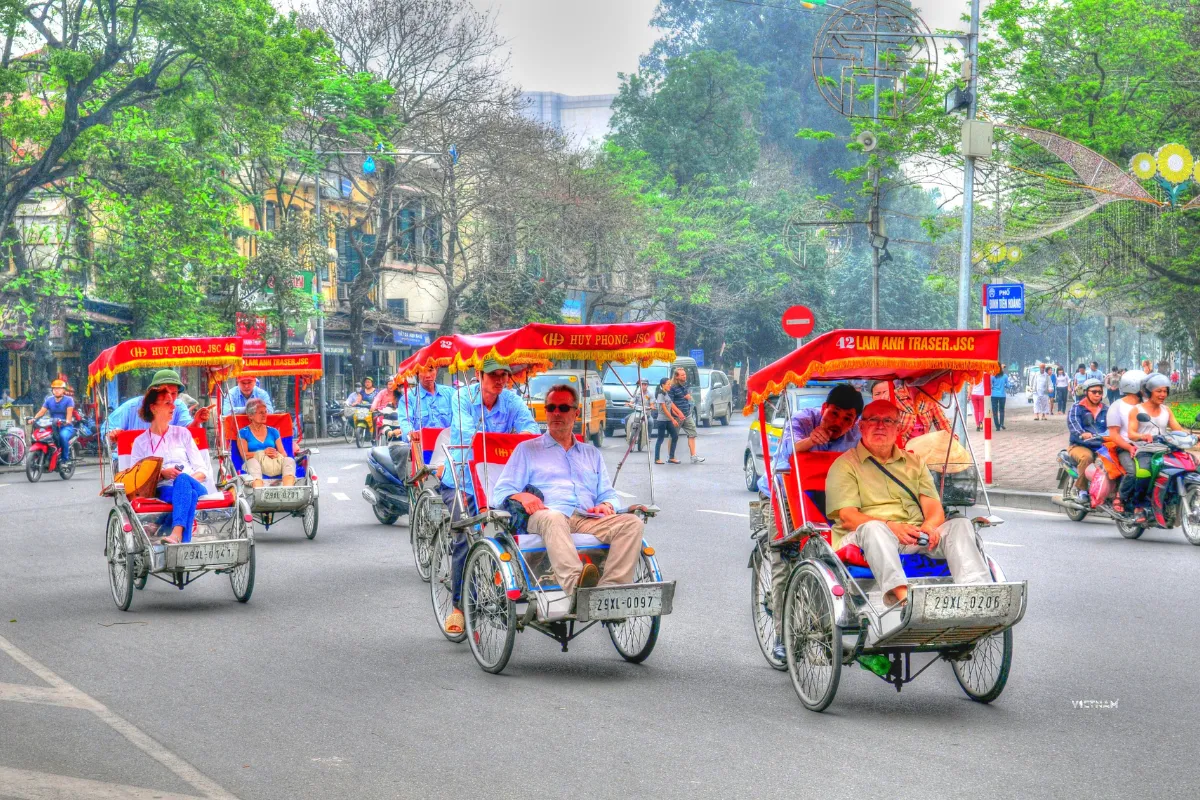

How to Get from Hanoi to Moc Chau?
| Transport | Duration | Cost (approx.) | Best For |
|---|---|---|---|
| Private car (Hanoi → Moc Chau) | 3.5–4 hrs | $70–$100 (whole car) | Groups of 2–4, most flexible option. Door-to-door from Hanoi hotel to specific guesthouse or viewpoint. Recommended for flower season visits when specific field locations matter. The climb up to the plateau on National Highway 6 is scenic from the 2.5-hour mark. |
| Public bus (Hanoi Yen Nghia → Moc Chau Town) | 3.5–4 hrs | $4–$7 pp | Budget solo travelers. Multiple departures daily from Yen Nghia bus station (southwest Hanoi). Drops at Moc Chau Town bus station; requires xe om or taxi to reach specific flower field locations (5–20 km from town). |
| Motorbike (self-drive from Hanoi) | 4–5 hrs | Fuel ~$4–6 | Experienced riders. The National Highway 6 route with the ascent to the plateau is one of the most enjoyable day rides from Hanoi. The plateau itself is ideal motorbike touring terrain — wide roads, good surfaces, minimal traffic on weekdays. Not recommended for inexperienced riders on the ascent section. |
| Via Mai Chau (overnight + continue to Moc Chau) | 1.5–2 hrs (Mai Chau → Moc Chau leg) | $30–$50 (leg cost, private car) | The best northwest circuit structure. One night in Mai Chau (valley and White Thai culture), continue to Moc Chau next morning (45 km further on Highway 6). The most logical road sequence for a 3-day Hanoi → Mai Chau → Moc Chau trip. |
Getting around Moc Chau Plateau: The plateau is large — the main sites are spread across 20–30 km. A motorbike or hired car is necessary to cover the tea estates, Ban Ang, Phieng Luong H’mong villages, and Dai Yem Waterfall in a single day. Bicycle rental from Moc Chau Town guesthouses covers the immediate plateau road (hilly but manageable). For the flower field locations, which shift by season and year, your accommodation or a local guide will direct you to current best spots.
Where to Stay in Moc Chau?
| Type / Area | Best For | Vibe | Price (per night) |
|---|---|---|---|
| Moc Chau Town guesthouses | Budget travelers, convenient base for plateau exploration | Standard provincial guesthouses — functional, no views, but good base for early morning departures to flower fields | $10–$35 |
| Plateau-edge eco-lodges (tea plantation views) | Couples, photography, sunrise views | Bungalows or villas positioned on the plateau edge with views over the valley below. Best sunrise positions on the plateau. Several new properties opened post-2020. | $50–$150 |
| H’mong or White Thai homestay (Phieng Luong, Ban Ang area) | Cultural immersion, photographers, off-the-beaten-path | Village homestay adjacent to plum orchards or mustard fields — the most immersive flower season experience. Limited facilities but extraordinary location during peak bloom. | $15–$30 (meals included) |
| Resort / hotel (Moc Chau Milk Resort, similar) | Families, comfort-seekers, domestic tourism market | Purpose-built resort facilities — pool, restaurant, children’s activities. Misses the plateau’s character but practical for families with young children. | $80–$200 |

Our recommendation: A plateau-edge eco-lodge with valley views for the sunrise position, or a homestay in the Phieng Luong H’mong village area during plum blossom or mustard season — adjacent to the flower fields that define the Moc Chau experience. Staying in Moc Chau Town itself is convenient but misses the atmospheric highland setting that makes the overnight worthwhile.
2-Day Moc Chau Itinerary: The Best Structure for First-Time Visitors
This itinerary works for both the plum blossom season (late January–February) and the mustard flower season (October–November) — the two primary reasons to visit Moc Chau. Adjust the flower field locations to whichever season applies.



Day 1: Hanoi → Moc Chau → Tea Plantations → Sunset Viewpoint
- Depart Hanoi 7:30–8:00 AM by private car or bus via National Highway 6.
- 10:00 AM: Begin the plateau ascent. First views of the tea plantation hills appear approximately 3 hours from Hanoi — a striking transition from valley to plateau scenery.
- 11:00 AM: Arrive Moc Chau plateau. First stop: Tea plantation viewpoint — walk the tea rows, observe picking activity if in harvest season (March–April or September–October), purchase directly from the estate. Allow 45–60 minutes.
- 12:30 PM: Lunch in Moc Chau Town. Try the local specialties: thịt trâu gác bếp (smoke-dried buffalo meat — a H’mong specialty, intensely flavoured), xôi ngũ sắc (five-colour sticky rice dyed with natural plant extracts), fresh warm milk from a roadside dairy stall.
- 2:00 PM: Ban Ang Pine Forest — 20-minute drive from town. 1-hour walk through the pine forest and adjacent grassland. Cool, fragrant, a complete contrast to tropical Vietnam.
- 4:00 PM: Drive to the current season’s primary flower fields:
- January–February: Plum and peach orchards around Phieng Luong and Chieng Di — late afternoon light through white blossom is the best of the day.
- October–November: Mustard fields near Na Ka road or Phieng Luong — golden hour on yellow mustard is the signature Moc Chau photograph.
- 5:30 PM: Check in to eco-lodge or homestay. Sunset from plateau-edge position.
- 7:00 PM: Dinner at eco-lodge or homestay. Smoke-dried buffalo, mountain herbs, local rice wine.
- Overnight in plateau eco-lodge or H’mong village homestay
Day 2: Sunrise → H’mong Villages → Dai Yem Waterfall → Return to Hanoi
- 5:30 AM: Sunrise at the plateau viewpoint. Morning mist in the valleys below the plateau edge, first light on the tea rows, cold air at 1,050 metres — this is the most photogenic 60 minutes on the plateau and requires no more effort than an early alarm.
- 7:30 AM: Breakfast at accommodation. Fresh milk and yoghurt at a roadside dairy stall if leaving early.
- 9:00 AM: H’mong village visit at Phieng Luong (with local guide — arrange through accommodation). Village walk, textile workshop visit, understanding of plum orchard or mustard cultivation depending on season. Allow 2 hours.
- 11:30 AM: Drive to Dai Yem Waterfall. 20-minute forest walk to the cascade. Morning light reaches the pool by 10–11 AM — good swimming and photography conditions.
- 1:00 PM: Return to Moc Chau Town. Lunch. Last purchases — Moc Chau tea, dried plum, plum wine, and fresh yoghurt (the yoghurt is best consumed same-day and does not travel well — eat at source).
- 2:30 PM: Depart Moc Chau for Hanoi. Arrive approximately 6:00–6:30 PM.
- Return to Hanoi
- Return note: The descent from Moc Chau plateau to the valley on the return journey — particularly the section between Moc Chau Town and the Hoa Binh lowlands — is one of the most scenic road descents in northern Vietnam at dusk. If you depart at 3:30–4:00 PM, the light on the mountain ridges during the descent is excellent.
Want a Private Moc Chau Trip Timed to the Flower Season?
Our Hanoi-based team monitors Moc Chau’s plum blossom and mustard flower conditions in real time during peak windows. We’ll confirm whether your travel dates align with peak bloom, arrange private transport, and book accommodation adjacent to the best current-season flower fields. Flower season bookings fill 3–4 weeks ahead.
Request Your Free Moc Chau Itinerary →
Tell us your travel dates and which flower season you’re targeting. We’ll advise on timing and send options within 4 hours.
Sale!
Authentic Hanoi Day Tour | Incense Village & Duong Lam Ancient Village

Place
Hanoi

Duration
1D
Original price was: 120$.105$Current price is: 105$.
Sale!
Hanoi Cycling Tour | Bat Trang, Kim Lan & Xuan Quan Flower Villages
Place
Bat Trang
Duration
1D
Original price was: 65$.55$Current price is: 55$.
Sale!
Half-Day Hanoi City Tour | Explore Iconic Landmarks in Just Few Hours
Place
Ha Noi
Duration
1D
Original price was: 50$.35$Current price is: 35$.
Sale!
Exclusive Hanoi Street Food Tour | Discover Hanoi’s Best Eats on Foot
Place
Ha Noi
Duration
1D
Original price was: 50$.35$Current price is: 35$.
Sale!

Hanoi City Tour | Highlights, Local Culture | Best of Hanoi in One Day
Place
Ha Noi
Duration
1D
Original price was: 55$.45$Current price is: 45$.
Sale!
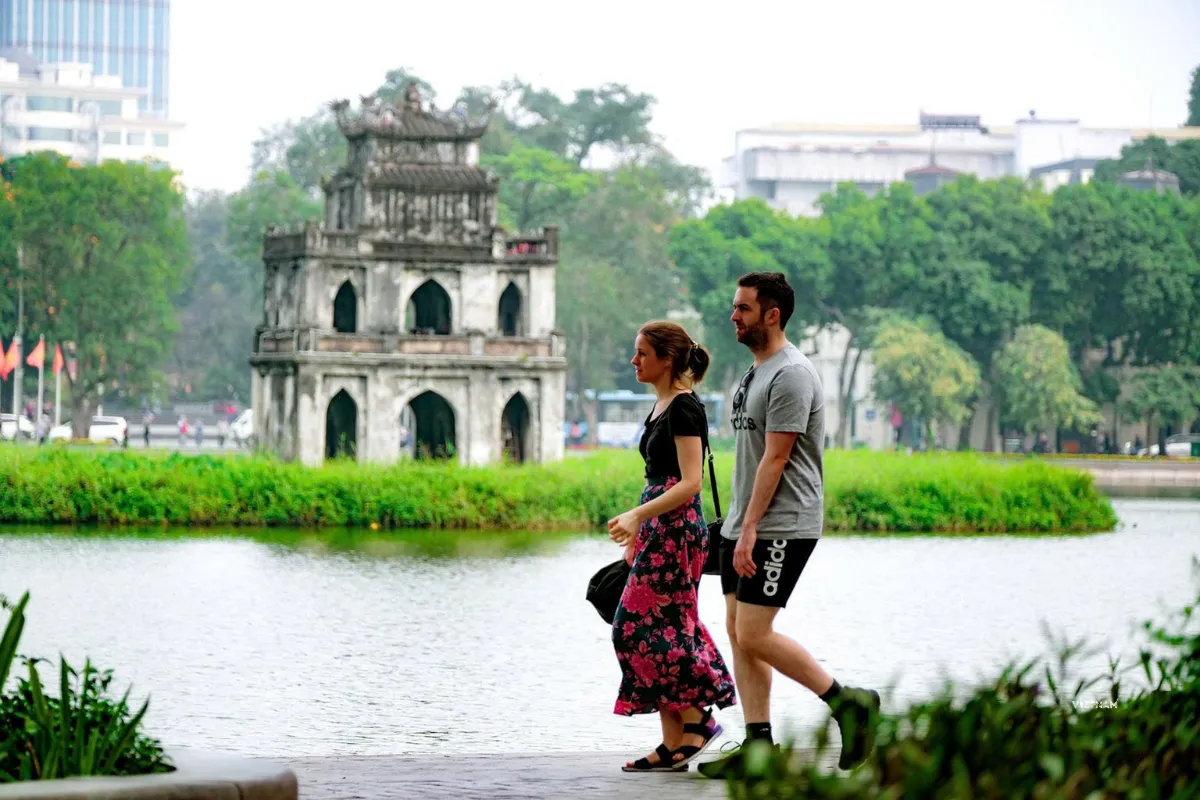
Top Hanoi City Walking Tour | Discover the Best of Hanoi in One Day
Place
Hanoi Capital City
Duration
1D
Original price was: 60$.50$Current price is: 50$.
Sale!
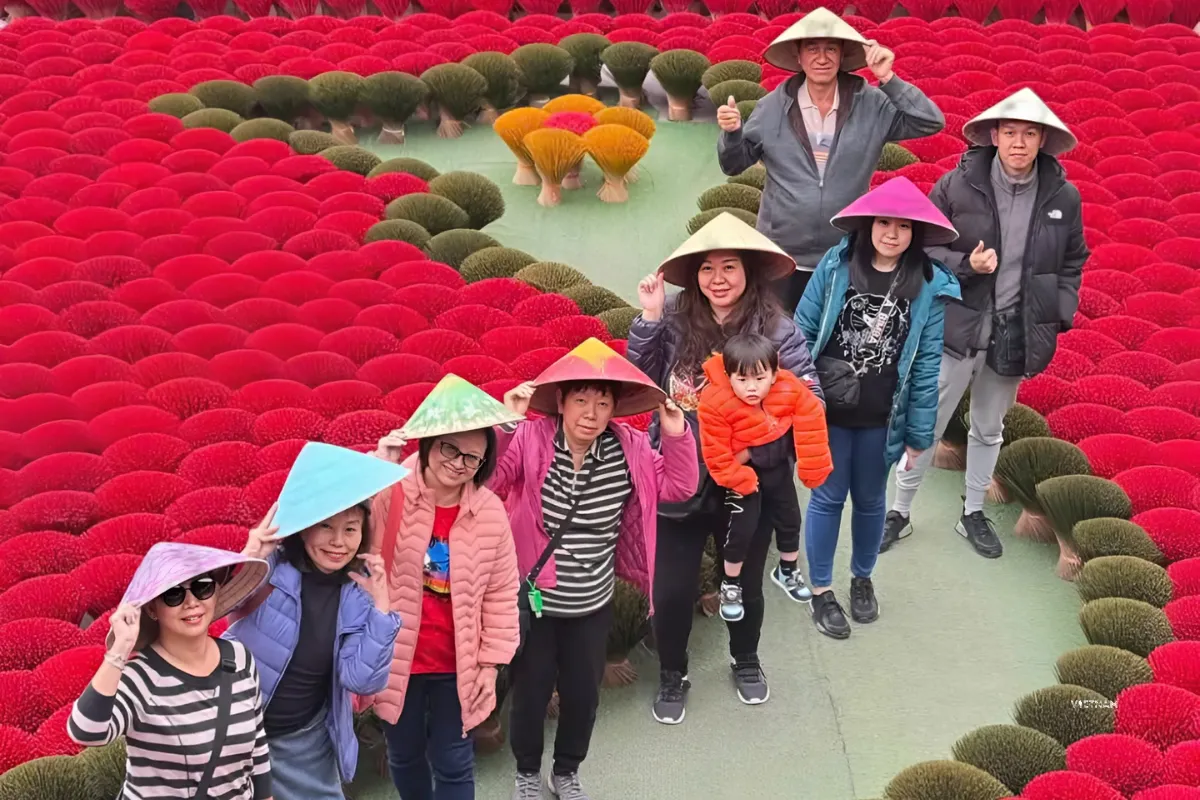
Incense Village Hanoi Tour | Explore Traditional Craft & Local Culture
Place
Quang Phu Cau
Duration
1D
Original price was: 85$.55$Current price is: 55$.
Sale!
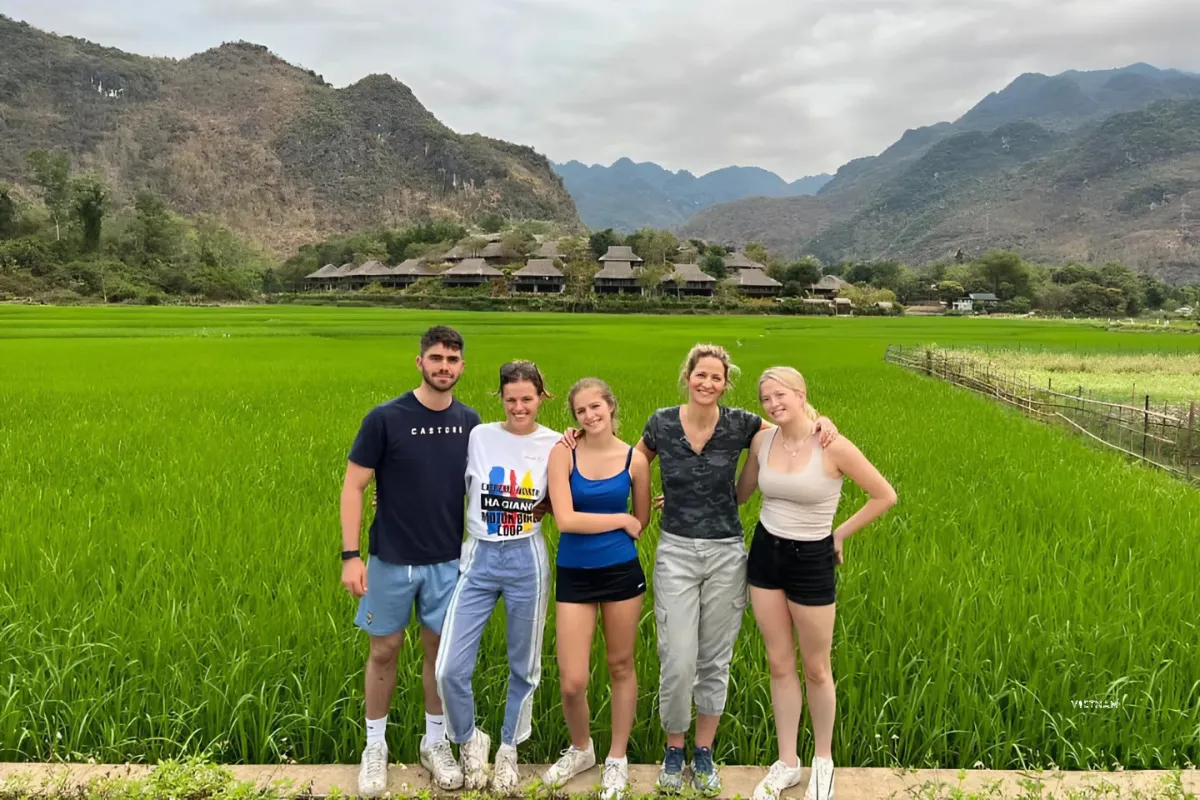
Private Mai Chau Day Trip And Waterfall & Hot Spring Bath
Place
Mai Chau
Duration
1D
Original price was: 175$.125$Current price is: 125$.
Beyond the Flowers: Less-Known Moc Chau Experiences
Fresh warm milk at dawn: The dairy stalls along the plateau road open at 5:30–6:00 AM and serve fresh warm milk drawn the same morning — thick, slightly sweet, completely unlike pasteurised supermarket milk. Drinking a glass of fresh Moc Chau milk at a roadside stall in the cold morning air at 1,050 metres is a specific, unrepeatable experience that most foreign visitors don’t know to look for. The stalls near the Moc Chau Milk Company complex are the most reliable.
- Plum wine production visits (June–July): Following the plum harvest in June, H’mong families across the plateau begin the annual production of rượu mận (plum wine) — a fragrant, fruit-forward spirit that bears no resemblance to the commercial versions sold in Hanoi markets. Several H’mong households in the Phieng Luong area welcome visitors to observe the fermentation process during July–August. Arrange through a local guide. The wine drunk from a gourd beside the fermentation vat is a genuine cultural encounter.
- The plateau at night during Tet: The H’mong New Year festivities that accompany Tet (late January–February) on the Moc Chau plateau — traditional games (spinning tops, arrow shooting, H’mong flute playing) in full traditional dress against the backdrop of blooming plum orchards — represent one of the most culturally specific events in northwest Vietnam. The daytime crowds are significant; the evening village gatherings are the authentic experience. Staying in a village homestay rather than Moc Chau Town is required to access this.
- The Moc Chau tea harvest (first flush, March–April): The first spring tea picking on the plateau — when the youngest leaves are harvested by hand from bushes that have been dormant through winter — is among the most visually specific agricultural experiences available near Hanoi. Several estate owners allow visitors to join the picking for 1–2 hours, observe the initial processing (wilting, rolling, drying), and taste the fresh green tea within hours of harvest. Arrange through a local operator with estate connections.
- Son La Province extension: The road continues west from Moc Chau to Son La City (90 km, 1.5 hrs) — a provincial capital with its own French colonial prison museum, a thriving market, and the gateway to Dien Bien Phu. Travelers doing an extended northwest Vietnam road trip can continue from Moc Chau to Son La for a third night before looping back to Hanoi via a different route. This creates the most complete northwest Vietnam overland circuit available in 4–5 days.
Essential Moc Chau Travel Tips (From Our Local Team)
Verify flower season timing before you book. This is the single most important piece of advice for any Moc Chau visit. The plum blossom peaks for 5–10 days and shifts by 1–3 weeks year to year based on weather; arriving 2 weeks too early means bare branches, 2 weeks too late means fallen petals. The mustard flower season is more predictable (mid-October to late November) but can be shorter in warm years. Contact our team or a reliable local operator to verify current season status 1–2 weeks before your planned visit.
- Visit flower fields on weekdays. Moc Chau is Hanoi’s closest highland weekend destination — on Saturdays and Sundays during flower season, the main viewpoints and orchard areas fill with domestic tourists and motorbike convoys. The same locations Monday–Thursday have a fraction of the crowds and a completely different atmosphere. If a weekend visit is unavoidable, be at the main viewpoints before 7:30 AM and after 4:30 PM when the day-tripper buses have left.
- Pack warm clothing for January–February visits. The plateau sits at 1,050 metres and January mornings regularly reach 6–10°C. For visitors arriving from Hanoi’s relative warmth, the cold is more severe than expected — particularly at dawn at the flower field viewpoints, where you may be standing in an open orchard for 60–90 minutes at the coldest part of the day. Thermal base layer, fleece, and a windproof jacket are the minimum. Frost is possible in January.
- The flower field locations shift each year — ask on arrival. Mustard fields in particular are planted differently each season depending on farmer decisions. The fields that were spectacular in October 2023 may be grass in October 2024. Your guesthouse or accommodation in Moc Chau Town will know the current best locations within 24 hours of your arrival — this is better information than any travel guide can provide for a specific visit date.
- Buy local products directly from H’mong vendors, not tourist shops. The Moc Chau tea, dried plum, plum wine, and five-colour sticky rice available in roadside stalls operated by H’mong families is significantly better quality and better priced than the packaged versions sold in the tourist market on Moc Chau Town’s main street. Your guide or homestay host can direct you to the best producers — typically within the village rather than on the main road.
- Moc Chau works best as part of a northwest circuit, not a standalone destination. For travelers with 3+ days, pairing Moc Chau with Mai Chau (one night each) or extending to Son La (adding a third night) creates a far richer trip than Moc Chau alone. The plateau’s plateau character is most interesting in contrast to Mai Chau’s valley culture — experienced sequentially, the two destinations amplify each other.

Frequently Asked Questions — Moc Chau Travel Guide
What is Moc Chau famous for?
Moc Chau is famous for its three major flower seasons — white plum and peach blossom (late January–February), yellow mustard flowers (October–November), and white cabbage flowers (December–January) — which transform the 1,050-metre highland plateau into some of the most visually dramatic seasonal landscapes in northern Vietnam. It is also known for its tea plantations (over 3,000 hectares, the largest high-altitude tea area in the north), fresh dairy products unique in the Vietnamese highland context, and H’mong and White Thai ethnic minority communities.
When is the best time to visit Moc Chau?
The best time to visit Moc Chau depends on which flower season you prioritise. For the most spectacular display, late January to mid-February offers the white plum and peach blossom — the most dramatic but also the most crowded season, coinciding with Tet. For the best balance of visual beauty and manageable crowds, October to November is optimal — the yellow mustard flower fields at their peak with clear autumn skies and comfortable temperatures. December is the quietest and most atmospheric period for general plateau visits.
How far is Moc Chau from Hanoi?
Moc Chau is approximately 180 km from Hanoi — a journey of 3.5–4 hours by private car or public bus via National Highway 6 through Hoa Binh and Mai Chau. Public buses from Hanoi’s Yen Nghia station make the trip for $4–$7 per person, dropping at Moc Chau Town. Private car ($70–$100 for the whole vehicle) provides door-to-door flexibility and the ability to stop at the specific flower field locations that shift each season.
Is Moc Chau worth visiting without a flower season?
Moc Chau without a flower season is a pleasant but less compelling destination. The tea plantations, pine forest at Ban Ang, Dai Yem Waterfall, and H’mong village visits are worthwhile year-round; the fresh dairy products and the plateau’s cool temperature relative to Hanoi are genuine draws in summer. However, Moc Chau’s strongest appeal is built around its flower peaks — if your travel dates fall between seasons (May–September without the mustard planting, or March–October without plum blossom), Mai Chau or Pu Luong offer more consistent year-round value for a northwest Vietnam highland trip.
Can I do Moc Chau as a day trip from Hanoi?
A day trip to Moc Chau is possible but not recommended. The 3.5–4 hour return transit each way leaves only 4–5 hours on the plateau — barely sufficient for the tea estates and one or two flower field locations, with no time for the H’mong villages, Ban Ang pine forest, or sunrise photography. An overnight stay transforms the experience: you arrive in afternoon light, have the sunrise viewpoint for the most dramatic photography, and leave mid-morning with a complete sense of the plateau. The one-night extension is worth it for most visitors.
Should I visit Moc Chau or Mai Chau?
They offer different experiences and ideally complement each other on a combined northwest circuit. Mai Chau is the better choice for cultural immersion — White Thai homestay, valley cycling, consistent year-round appeal. Moc Chau is the better choice for seasonal flower photography, tea culture, and the highland plateau experience. If you can only choose one: Mai Chau for a first-time highland Vietnam visit regardless of season; Moc Chau only when you can time it to a flower peak. With 3 days from Hanoi, one night in each creates the most complete northwest Vietnam short trip.
What food is Moc Chau famous for?
Moc Chau has several food experiences specific to the plateau: thịt trâu gác bếp (smoke-dried buffalo meat — a H’mong preservation method producing an intensely flavoured jerky-like product), xôi ngũ sắc (five-colour sticky rice dyed with natural plant extracts in red, purple, yellow, green, and white — visually distinctive and specific to the northwest highlands), sữa tươi Moc Chau (fresh Moc Chau milk — consumed warm at roadside stalls, unlike any other available in Vietnam), and rượu mận (plum wine, best bought directly from H’mong producers). The yoghurt at local dairy stalls is also exceptional — eat at source.

Plan Your Moc Chau Trip with a Local Expert
We’re a Hanoi-based travel company — and Moc Chau is the destination where timing advice matters more than anywhere else we cover. Our team monitors the plum blossom and mustard flower conditions annually and will tell you honestly whether your planned dates align with the peak — or whether adjusting by one week will make the difference between a good trip and an extraordinary one.
- Flower season timing verification — real-time plateau condition monitoring
- Private Moc Chau day trips and overnight packages from Hanoi
- Accommodation adjacent to flower fields — not just in Moc Chau Town
- Mai Chau + Moc Chau northwest circuit (1 night each — our most popular 2-night trip)
- Available 7 days a week — respond within 2–4 hours on WhatsApp
Get Your Free Moc Chau Trip Plan
Tell us your travel dates and which flower season you’re targeting. We’ll verify current conditions, suggest the right accommodation near the active fields, and send you a transparent itinerary within 4 hours.
Request Your Free Moc Chau Itinerary →
Or message us directly on WhatsApp: +84 849 391 981
Explore More Northern Vietnam
- Mai Chau Travel Guide — the natural first stop on the Hanoi northwest circuit
- Pu Luong Travel Guide — terraced rice valleys beyond Mai Chau
- Sapa Travel Guide — highland trekking and H’mong culture in the far northwest
- Ha Giang Travel Guide — Vietnam’s most dramatic mountain road
- Hanoi Travel Guide — the departure base for all northwest Vietnam trips
- 5-Day Northern Vietnam Itinerary — Hanoi + Mai Chau + Moc Chau + Ha Long Bay
- Browse Moc Chau Tours →