Mekong Delta Travel Guide
The Mekong Delta is one of the world’s great river landscapes — a 40,000 km² network of channels, river islands, and floating communities where the Mekong River spreads into nine branches before reaching the Gulf of Thailand. Vietnam’s rice bowl and fruit basket, home to 18 million people living in intimate relationship with the water, the Delta offers a completely different Vietnam from the coastal cities and highland valleys — slower, more agricultural, more distinctly southern.
This guide covers everything: which provinces to visit and why, the floating markets and what they actually look like now, the best river town experiences, how to do the Delta properly rather than on the standard day-trip circuit, when to visit, and the local knowledge that most Mekong Delta travel content doesn’t provide.
Jump to: Why the Mekong Delta | Provinces Guide | Floating Markets | Things to Do | Best Time to Visit | Getting There | Where to Stay | 3-Day Itinerary | Travel Tips | FAQ
Mekong Delta at a Glance
| Quick Fact | Details |
|---|---|
| Location | Southern Vietnam — spreading from Ho Chi Minh City to the Gulf of Thailand and Gulf of Tonkin |
| Area | ~40,000 km² — the delta of the Mekong River (world’s 12th longest, 4,350 km from Tibet) |
| Population | ~18 million people — the most densely populated rural area in Vietnam |
| Provinces | 13 provinces: Long An, Tien Giang, Ben Tre, Vinh Long, Tra Vinh, Dong Thap, An Giang, Kien Giang, Ca Mau, Bac Lieu, Soc Trang, Hau Giang, Can Tho |
| Distance from HCMC | 70–250 km depending on destination — 1.5–5 hrs by road |
| Best Time to Visit | December–May (dry season). Flood season (Sep–Nov) has its own appeal. |
| Recommended Stay | 1 night minimum; 3–4 nights for a full delta circuit |
| Key Floating Markets | Cai Rang (Can Tho) · Cai Be (Tien Giang) · Phong Dien (Can Tho, smaller) |
| Key Cities / Towns | Can Tho (largest delta city) · My Tho · Ben Tre · Chau Doc · Ha Tien · Vinh Long |
| Key Activities | Floating market boat tours · River island cycling · Homestay · Mangrove kayaking · Khmer temples (Soc Trang, Tra Vinh) |
Why Visit the Mekong Delta? An Honest Local Perspective
The Mekong Delta requires honest framing that most travel content avoids — because the most common version of it (the standard My Tho day trip from HCMC) is one of Vietnam’s most disappointing tourist experiences, while the actual Delta — experienced over 2–3 nights with some geographical range — is one of the country’s most genuinely distinctive and rewarding destinations.
The honest difference: the My Tho day trip circuit that most HCMC tour operators sell involves 1.5 hours of transit, 45 minutes on a boat, a coconut candy factory visit, a honey bee stall, and a rowing boat through a narrow canal — all within 5 km of the nearest road, with 30 other tourists on the same schedule. This is not the Mekong Delta. The Mekong Delta is Can Tho’s Cai Rang floating market at 5:30 AM when wholesale produce trading is happening from boat to boat; it is cycling the river islands of Vinh Long through orchards you can eat from; it is Chau Doc at the foot of Sam Mountain with Cambodia visible across the river; it is the Khmer Buddhist temples of Tra Vinh and Soc Trang whose existence most Vietnam visitors don’t know about.
What the Mekong Delta genuinely offers:
- A completely different Vietnam from anything on the highland or coastal circuit. The landscape is flat, intensely cultivated, threaded with water — the visual logic of the Delta is entirely unlike the limestone karst of the north or the beach strip of the coast. Every village is water-oriented; every household has a boat; the canal network rather than the road network determines how people move. Understanding this landscape requires time and a boat, not a day trip with a quick canal crossing.
- The floating markets are still extraordinary — with the right approach. The Cai Rang floating market in Can Tho is the largest remaining floating wholesale market in Vietnam. It operates at full scale between 5:00 and 8:00 AM, when boats loaded with watermelon, pineapple, dragon fruit, and dozens of other delta-grown products cluster in the middle of the river and trade directly boat-to-boat. Arriving by private boat at 5:30 AM (not on a group tour boat at 7:00 AM) is one of the most visually spectacular and culturally specific experiences in southern Vietnam.
- The river island experience is unlike anywhere in Vietnam. The Mekong’s river islands — particularly the long, narrow islands in Vinh Long and Ben Tre Provinces — are accessed only by boat and cultivated entirely with fruit orchards, vegetable gardens, and rice paddies. Cycling through an island for 3–4 hours, stopping at orchards where the family invites you to pick and eat whatever is ripe, is a sensory and cultural encounter with no equivalent anywhere on the Vietnamese coastal circuit.
- The Khmer cultural presence is significant and almost unknown to international visitors. Approximately 1.3 million Cambodian (Khmer) people live in the Mekong Delta — the largest indigenous ethnic minority in southern Vietnam. Their Buddhist temple complexes in Tra Vinh and Soc Trang Provinces are architecturally distinct from Vietnamese Buddhist architecture (Khmer Theravada rather than Vietnamese Mahayana) and create a cultural landscape that feels more Cambodian than Vietnamese. This is the most significant cultural counterpoint to the predominantly Vietnamese character of the rest of the Delta, and almost entirely unknown to standard tourist circuits.
- The food is the best in southern Vietnam. The Delta’s position as Vietnam’s agricultural heartland — producing 50% of the country’s rice, 60% of its fruit, and a significant proportion of its freshwater seafood — means the raw ingredient quality for cooking is exceptional. The specific Delta dishes (elephant ear fish, canh chua (sour soup) made with fresh tamarind and delta vegetables, bánh xèo in its southern delta interpretation, and the rice-paper rolls specific to each province) are only at their best here, made with ingredients harvested the same morning.
Mekong Delta Provinces Guide: Where to Go and Why
The Delta’s 13 provinces each have distinct character — understanding the differences makes itinerary planning significantly more rewarding than treating the Delta as a single undifferentiated destination:
| Province / City | Distance from HCMC | Character | Best For |
|---|---|---|---|
| My Tho (Tien Giang) | 70 km / 1.5 hrs | The closest Delta city — the standard HCMC day-trip destination. Pleasant riverside town but the tourist circuit here is crowded and formulaic. Better as a transit point than a destination. | Quick HCMC day trip if time is very limited. Better to go further. |
| Ben Tre Province | 85 km / 2 hrs | The “Coconut Province” — Ben Tre is Vietnam’s largest coconut producer. The river islands here are long and narrow, accessible by ferry from Ben Tre City. Less touristed than My Tho with better river island cycling. The Ben Tre homestay circuit is excellent. | River island cycling, coconut cottage industries, homestay experience, less crowded than My Tho |
| Vinh Long Province | 130 km / 2.5 hrs | The river island province par excellence — An Binh Island (accessible by 5-minute ferry from Vinh Long City) is the best cycling island in the Delta. Long orchards, narrow canal paths, and Mekong tributaries make for an extraordinarily beautiful half-day or full-day cycle. | Best river island cycling experience in the Delta. Homestays on the island. Day trip from Can Tho or HCMC. |
| Can Tho City | 170 km / 3 hrs | The Delta’s largest city and most practical overnight base — a proper city with hotels, restaurants, and the Cai Rang floating market (the most impressive remaining floating market in Vietnam). The Ninh Kieu wharf riverside is pleasant; the French colonial city centre has its own character. Best positioned for accessing multiple Delta sites. | Recommended base for any Delta visit of more than 1 night. Cai Rang floating market, Vinh Long day trip, river canal explorations. |
| Dong Thap Province | 150 km / 3 hrs | Known for lotus flowers (best March–August when lotus ponds cover the landscape), the Tram Chim National Park (one of Vietnam’s most important wetland bird sanctuaries — sarus crane habitat), and the Cao Lanh area’s Khmer communities. Far less visited than Can Tho or Vinh Long. | Lotus fields (seasonal), bird watching (Tram Chim), off-the-beaten-path Delta exploration |
| Chau Doc (An Giang) | 245 km / 4.5 hrs | The Delta’s border town — at the foot of Sam Mountain, with Cambodia visible 5 km upstream. The Cham Muslim community (floating villages on the Hau River), the Vietnamese pilgrimage site of Ba Chua Xu Temple on Sam Mountain, and the overland border crossing to Cambodia make Chau Doc one of the most culturally layered Delta towns. | Cambodia border crossing, floating Cham villages, Sam Mountain pilgrimage, cultural diversity |
| Tra Vinh Province | 160 km / 3 hrs | The Khmer heartland of the Mekong Delta — 30% of Tra Vinh’s population is Khmer, and the province has 140+ Khmer Buddhist temples with distinct Cambodian architecture. The Hang Pagoda (with its ancient trees and Khmer festivals) and the coastal mangrove areas make Tra Vinh the most culturally distinct Delta province. | Best Khmer cultural experience in the Delta. Buddhist temples, ethnic minority encounter, less tourists |
| Soc Trang Province | 230 km / 4 hrs | Another Khmer province — famous for the Bat Pagoda (Chua Doi, where thousands of giant fruit bats roost in the temple trees and fly out at dusk), the Khmer New Year festival (Chol Chnam Thmay, April), and the Soc Trang floating market. | Bat Pagoda at dusk, Khmer festivals (April), unique animal encounter |
| Ha Tien (Kien Giang) | 340 km / 5.5 hrs | The westernmost Delta town on the Gulf of Thailand — a small, pleasant coastal town with nearby limestone cave temples (Thach Dong Cave), access to the Phu Quoc ferry (1 hr to the island), and some of the most dramatic coastal scenery in southern Vietnam at Mui Nai Beach. The Dong Ho lagoon at sunset is extraordinary. | Gateway to Phu Quoc, coastal cave temples, Dong Ho sunset, end point of the Cambodia border overland route |
| Ca Mau Province | 350 km / 6+ hrs | Vietnam’s southernmost point — the Dat Mui cape where the country ends at the tip of the Ca Mau Peninsula. The U Minh mangrove forest (the largest mangrove ecosystem in Southeast Asia outside the Amazon) and the raw, working character of Vietnam’s most remote delta province. | Specialist travelers, Vietnam’s southernmost point, mangrove forest, completely off the tourist trail |
Our honest recommendation for a 3-day Delta circuit: Can Tho (1–2 nights) as the base — covering Cai Rang floating market, Vinh Long river island cycling, and the Can Tho city itself — plus 1 night in Chau Doc (for the Cham floating villages and Sam Mountain) or Tra Vinh (for the Khmer temples). This circuit covers the Delta’s three most distinct experiences: river commercial life (Cai Rang), agricultural island life (Vinh Long), and cultural diversity (Chau Doc or Tra Vinh).
Want a Mekong Delta trip that goes beyond the My Tho day-trip circuit? Our Vietnam-based team designs Delta itineraries that cover Can Tho, Vinh Long, and Chau Doc — with private boats and local guides who know which canal to take. Message us on WhatsApp →
Mekong Delta Floating Markets: The Honest Guide
The floating markets are the most marketed and most misrepresented aspect of Mekong Delta tourism. Here is what they actually are in 2025, and how to experience them correctly:
The Context
Floating markets were functional wholesale trading systems — where farmers from river islands with no road access brought their produce to a central river point to sell to distribution traders who supplied the mainland markets. At their peak (pre-2000), the largest markets had hundreds of boats trading simultaneously from dawn to mid-morning. The growth of road infrastructure, refrigeration, and supermarket culture has reduced most floating markets significantly from their historical scale. Many “floating markets” that tourist brochures promote have effectively stopped operating as genuine wholesale venues and exist primarily for tourist boat photography.
What’s Real and What Isn’t
| Market | Location | Current Status | Best Time | Honest Assessment |
|---|---|---|---|---|
| Cai Rang | 5 km from Can Tho City centre | Still genuinely operating — the largest and most active remaining floating wholesale market in Vietnam. 200–400 boats on peak days. Primarily wholesale produce trading between delta farmers and distribution traders. | 5:00–8:00 AM (peak trading). 7:30 AM is the latest meaningful arrival. | Go here. It is real. The 5:30 AM version — when wholesale trade is active and tourist boats are minimal — is one of the most extraordinary market experiences in Southeast Asia. The 7:00 AM group tour version is a photographic exercise with the activity winding down. Arrive early by private boat from Can Tho’s Ninh Kieu wharf. |
| Cai Be | Tien Giang Province, 90 km from HCMC | Reduced significantly from historical scale. Still operates 5:00–8:00 AM but primarily for tourist photographic purposes rather than genuine wholesale trade. The adjacent Cai Be town and river islands are more interesting than the market itself. | 5:00–7:00 AM for remaining genuine activity | Acceptable if passing through Tien Giang, but do not make this the primary reason for visiting. Combine with the Cai Be village cottage industries and river canal exploration for a worthwhile half-day. |
| Phong Dien | 20 km from Can Tho City | Small but genuine — a local retail floating market rather than wholesale. The atmosphere is less dramatic than Cai Rang but more intimate, and the tourist boat presence is almost zero. Primarily Vietnamese domestic visitors on weekends. | 5:30–8:00 AM | Good complement to Cai Rang on the same early morning trip from Can Tho — 45 minutes by boat from the city, smaller scale, more accessible by kayak or small boat. |
| Nga Nam (Soc Trang) | Soc Trang Province, 230 km from HCMC | A genuine retail floating market at a five-waterway junction — smaller than Cai Rang but extraordinary for its location geometry and the diversity of products still traded on the water. Almost no international tourists. | 5:00–8:00 AM | The most authentic remaining floating market experience in terms of the original functional character — trade rather than tourism. Worth specifically visiting for travelers spending a night in Soc Trang. |
How to Do Cai Rang Correctly
- Stay in Can Tho city the night before. The market is 5 km from the city centre and requires a 4:45–5:00 AM boat departure to reach it at peak trading. This is only practical with an overnight in Can Tho — not as a HCMC day trip.
- Hire a private boat from Ninh Kieu wharf, not a group tour boat. A private boat (40,000–60,000 VND per hour, capacity 2–6 people) reaches the market faster, positions you where the trading is happening (between the boats, not observing from 50 metres), and gives you control over timing and duration. Group tour boats arrive at 7:30 AM and spend 30 minutes before moving on.
- Arrive between 5:00 and 5:30 AM for maximum activity. The Cai Rang wholesale trade peaks between 5:30 and 7:00 AM. Arriving at 5:00 AM catches the pre-dawn setup. By 8:00 AM the activity is winding down significantly.
- Bring cash for the market boats. Several boats sell coffee (café đen from a thermos, 10,000 VND), fresh fruit, and bánh mì to other market vendors and to the occasional tourist. Buying from the boats is the most direct participation possible in the market economy.
Best Things to Do in the Mekong Delta
1. Vinh Long River Island Cycling (An Binh Island)
The definitive non-market Mekong Delta experience — a half-day or full-day bicycle circuit on An Binh Island in Vinh Long Province, accessible by 5-minute ferry from Vinh Long City. The island is 12 km long, 2 km wide, entirely cultivated with fruit orchards, vegetable plots, and rice paddies connected by narrow paths between the canal banks. Cycling from the ferry landing through the orchards — longan, rambutan, star fruit, pomelo, and jackfruit depending on season — with canal water on both sides and the sounds of the fruit farm operations around you is one of the most peaceful and sensory-rich activities available in southern Vietnam. The family orchards welcome visitors to pick and eat fruit directly from the trees; the coconut candy and fermented fish sauce cottage operations visible from the path provide insight into the Delta’s food production economy. Bicycle rental: 30,000–50,000 VND/day from the ferry landing. A local guide adds cultural context that the solo cycling experience lacks; ask at the Vinh Long tourist landing for current guide recommendations.
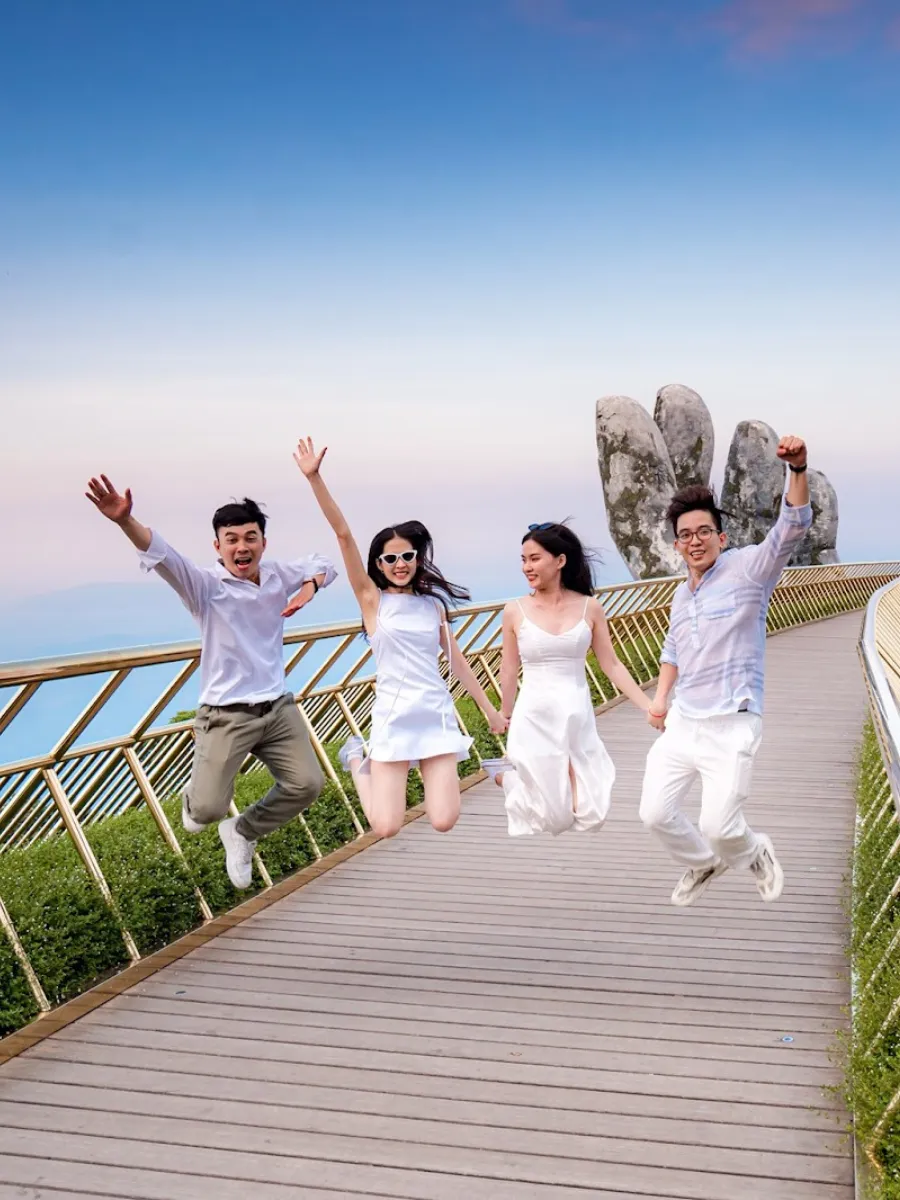
Marble Mountains in Da Nang
The Vietnam’s Spiritual Landmark
2. Chau Doc Floating Cham Village and Sam Mountain
Chau Doc, on the Hau River 5 km from the Cambodian border, is the most culturally complex town in the Delta. The floating villages below Sam Mountain house the Cham Muslim community — descendants of the ancient Champa civilisation whose kingdom extended across coastal Vietnam before being absorbed by Vietnamese expansion. The Cham float their houses on the river, fish from their doorsteps, and maintain a distinct language, religion (Sunni Islam), and material culture. A boat visit to the Cham village from the Chau Doc riverside takes 45 minutes and is entirely different from any other cultural encounter in southern Vietnam. Sam Mountain (230 metres, directly above the town) provides the panoramic view across the Cambodian border — the flat agricultural landscape extending to the horizon in both directions with the Mekong’s branches visible as silver threads.
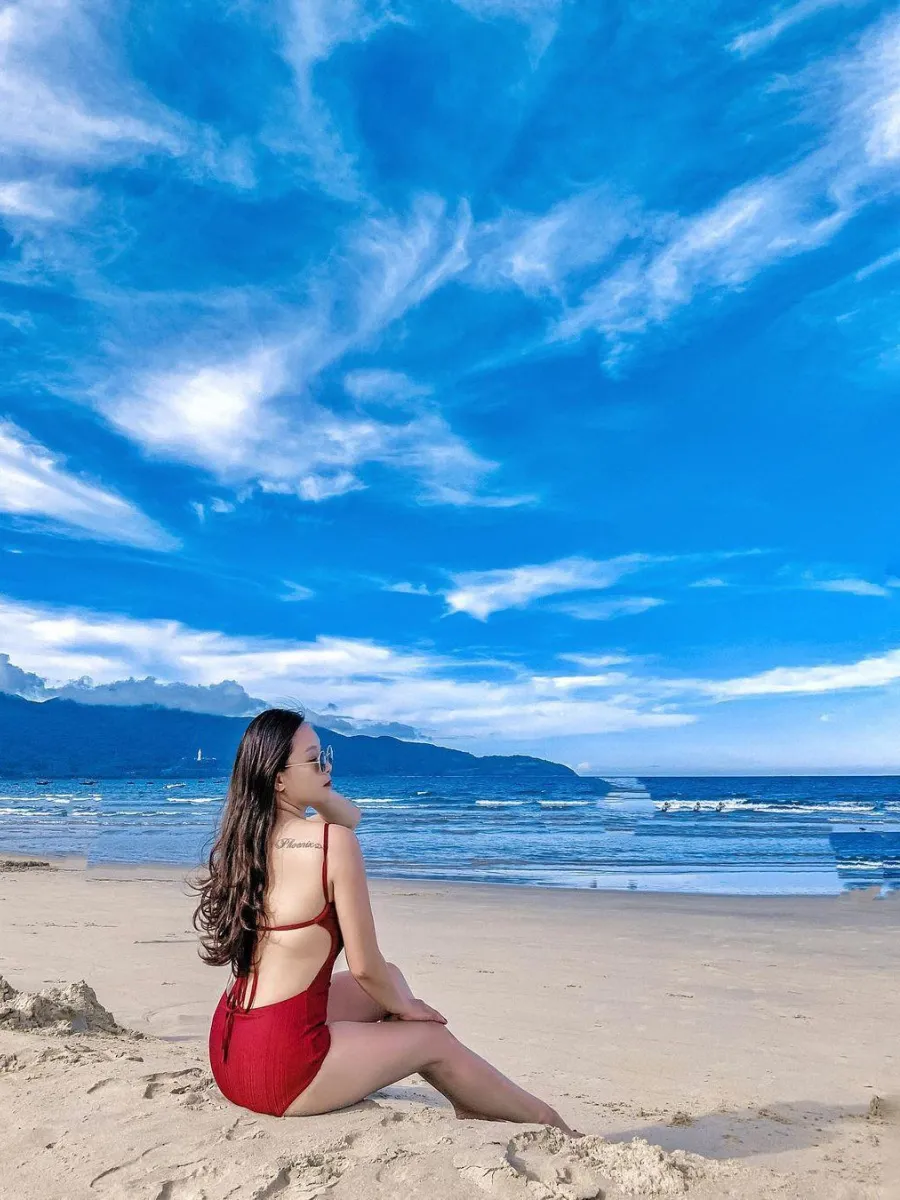
My Khe Beach
Best Beach in Da Nang Vietnam
3. Tra Vinh Khmer Temple Circuit
Tra Vinh Province’s 140+ Khmer Buddhist temples — the most concentrated collection of Theravada Buddhist architecture in Vietnam — represent the least-known and most architecturally distinct cultural landscape in the Mekong Delta. The Ang Pagoda (a 9th-century Khmer temple complex in the centre of Tra Vinh City, with sacred ancient trees growing through the courtyard walls) and the Hang Pagoda (40 km from the city, with a sacred pond and the most serene forested setting of any Delta temple) are the two essential stops. The architecture — tiered roofs, elaborate ceramic decorations in Cambodian rather than Chinese style, the distinctive prang spire forms — immediately communicates a cultural tradition entirely different from the Mahayana Vietnamese temples that dominate the rest of the country. Almost no international tourists visit Tra Vinh; a morning temple circuit requires a half-day commitment but produces a cultural encounter without precedent elsewhere in the Delta.
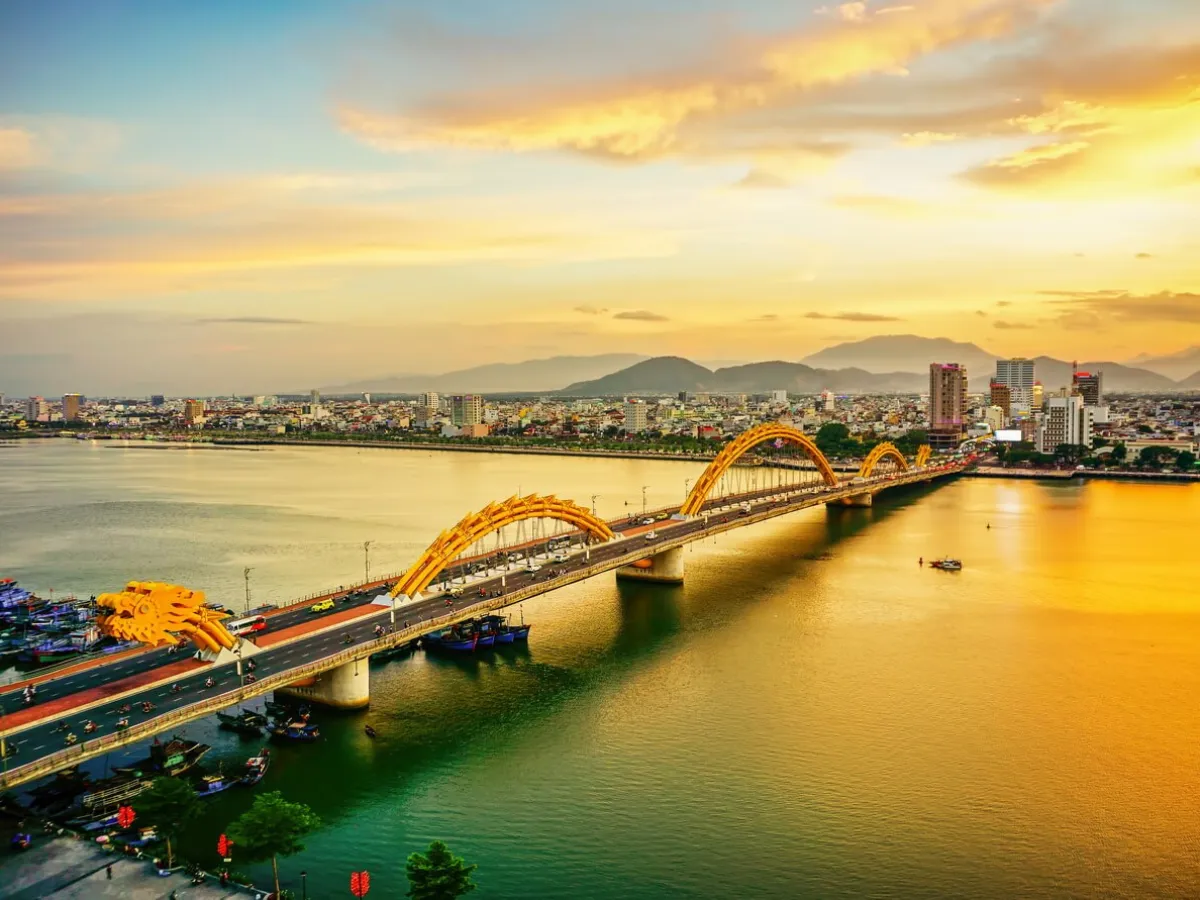
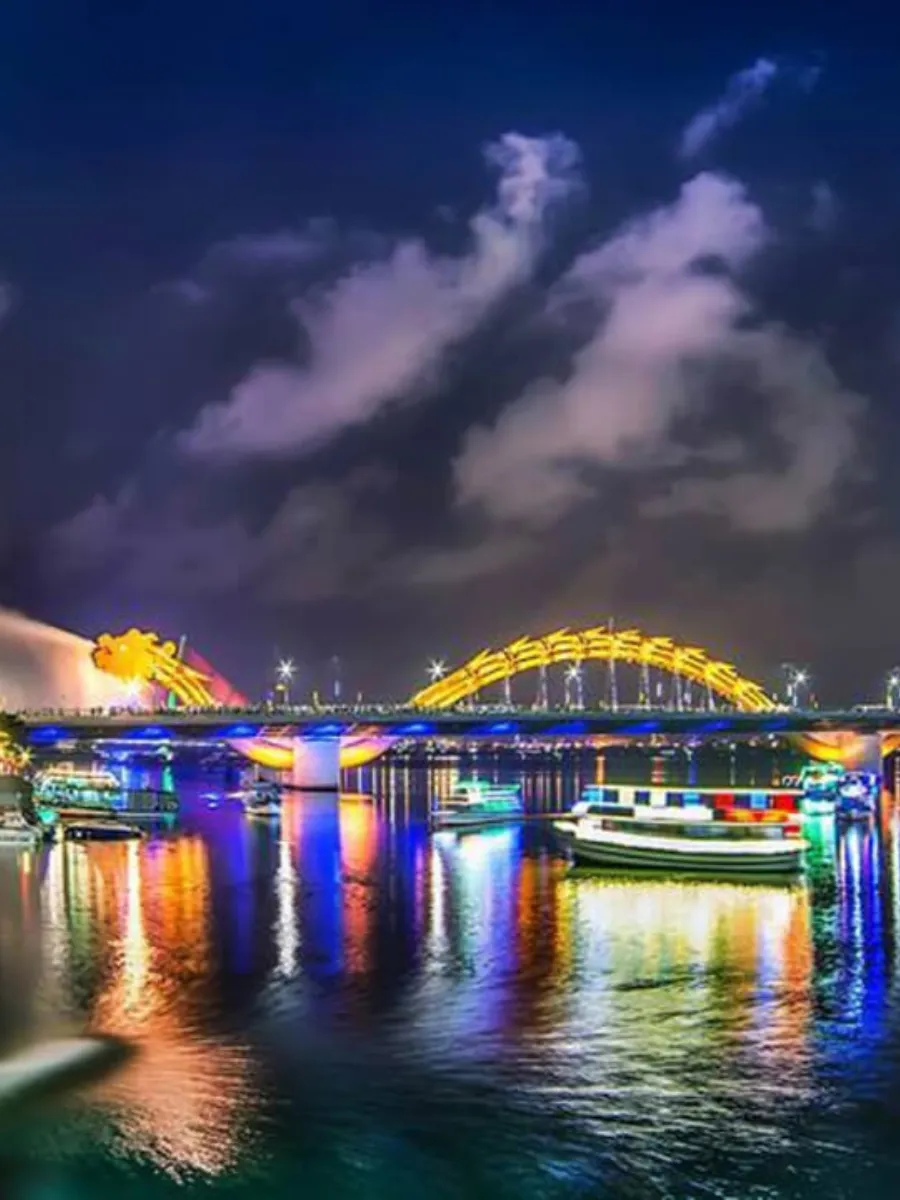
The Dragon Bridge
Iconic Landmark in Central Vietnam
4. U Minh Mangrove Forest Kayaking (Ca Mau)
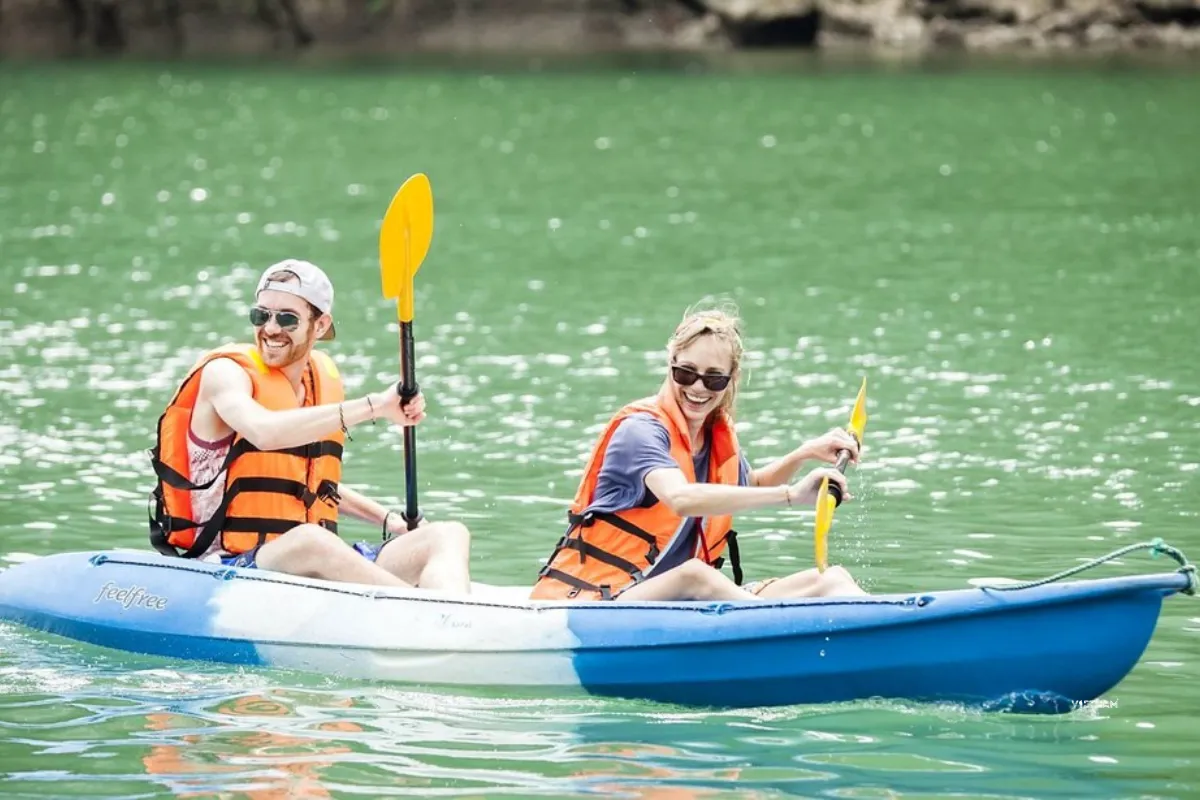
The U Minh Mangrove Forest in Ca Mau Province — covering 30,000 hectares of primary mangrove ecosystem — is the largest remaining mangrove forest in Southeast Asia outside of the Amazon Basin. Kayaking through the mangrove channels (guided by local operators from Minh Hai eco-lodge or similar) produces an entirely different river experience from the fruit orchard islands of Vinh Long: the tangled mangrove roots rising from black tidal water, the birds (including the endangered adjutant stork), and the silence of a forest ecosystem that has remained largely unchanged for centuries. Ca Mau is the most remote Delta province — 350 km from HCMC — and rarely reached by tourists, which is precisely why the mangrove experience here retains a genuine wilderness character.
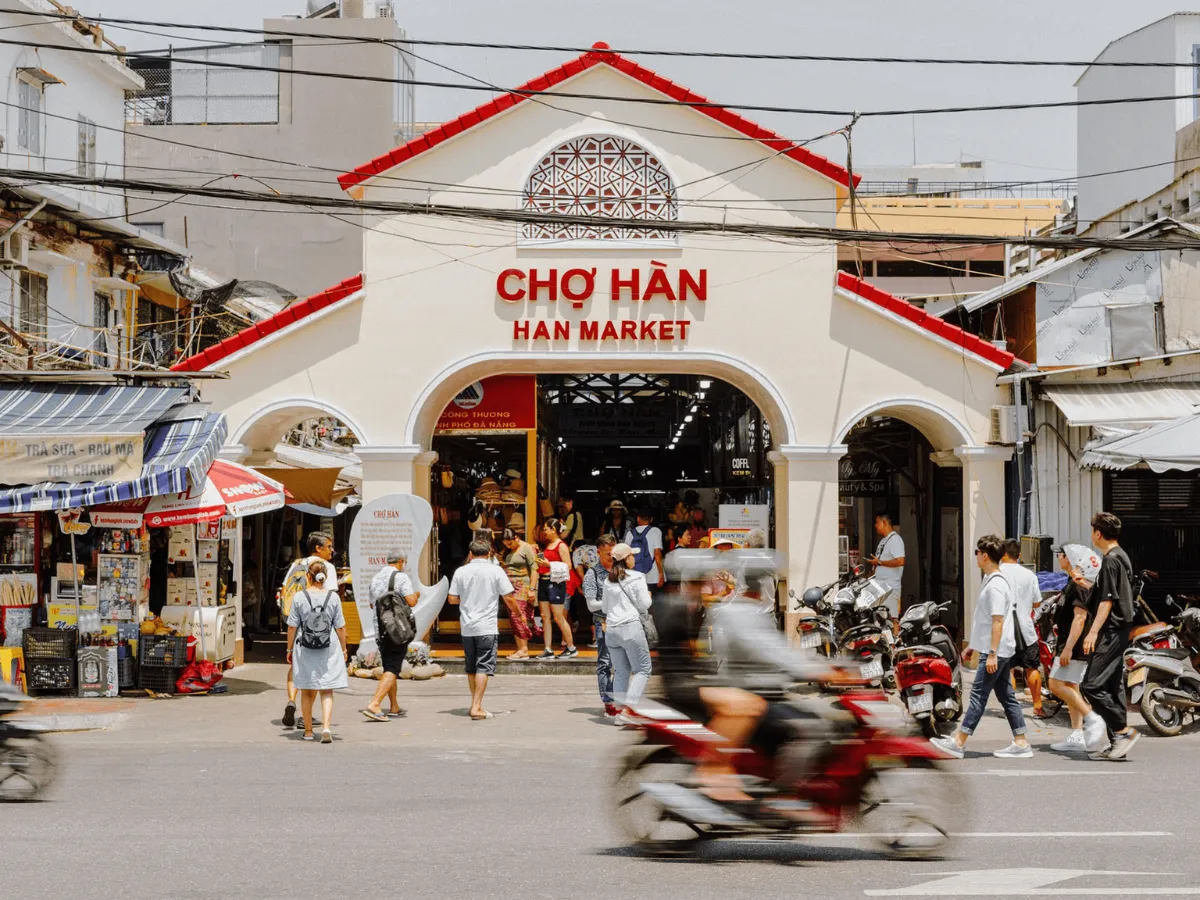
Han Market in Da Nang
Ideal place for local & traditional products
5. Mekong Delta Homestay (Ben Tre or Vinh Long)
Overnight homestays on the river islands of Ben Tre or Vinh Long — where Delta families accommodate guests in their traditional wooden riverside houses, serve communal dinners of fresh-caught river fish and delta vegetables, and allow the 5:30 AM experience of the river waking up outside the window — are the most immersive version of the Mekong Delta experience available. The homestay networks in Ben Tre (particularly around the Cai Son Island commune) and in Vinh Long (An Binh Island) have been operating for 20+ years and have refined their hospitality without losing the genuine character of living on the river. Cost: $15–$30 per person including dinner and breakfast. Arrange through Can Tho or HCMC operators with specific island homestay networks.
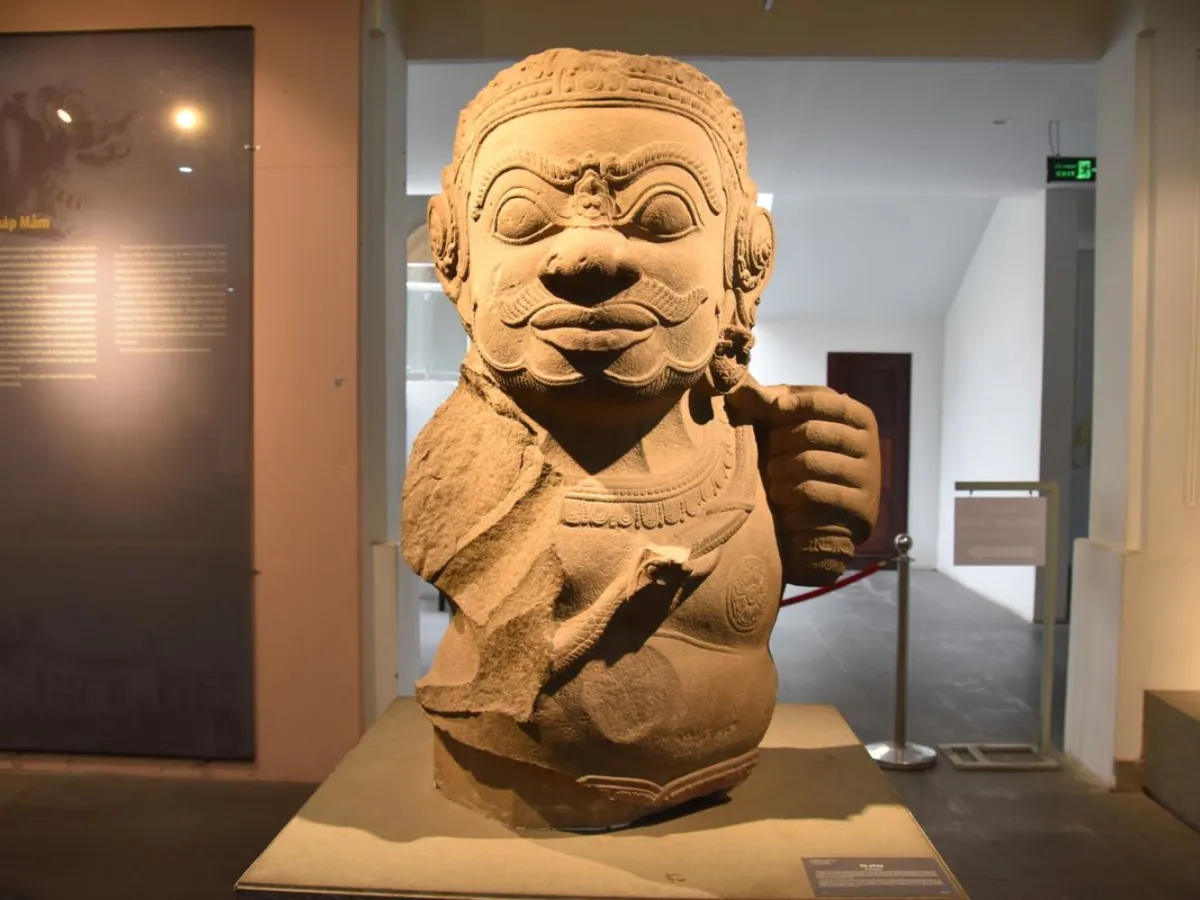
Da Nang Museum of Cham Sculpture
The Cham Arts
6. Soc Trang Bat Pagoda at Dusk
The Mahatup Pagoda (known locally as Chua Doi, “Bat Pagoda”) in Soc Trang is home to a colony of approximately 1.5 million giant Indian flying foxes (Pteropus giganteus) — fruit bats with 1.5-metre wingspans who roost in the temple’s ancient trees. At dusk (approximately 5:30–6:30 PM depending on season), the bats emerge in a continuous stream from the tree canopy — initially dozens, then hundreds, then thousands, then an overwhelming continuous flow of large bats blackening the sky above the temple grounds for 30–45 minutes. The combination of the Khmer temple setting, the monks at evening prayer below, and the extraordinary spectacle of one of the largest bat roosts in Southeast Asia emerging overhead makes this one of the most unexpected and memorable wildlife encounters accessible in southern Vietnam. Entry: free. Arrive 30 minutes before sunset for the best position.
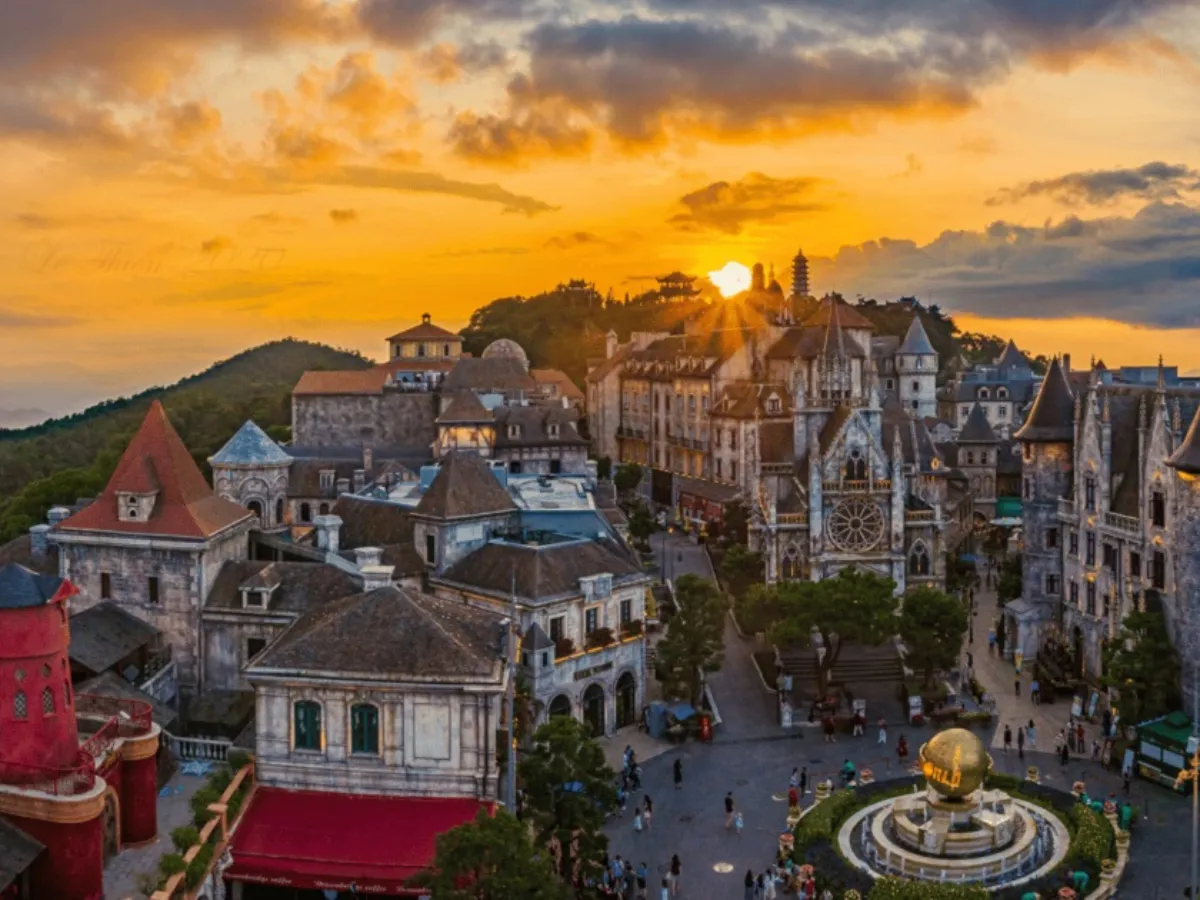
Ba Na Hills Day Trip from Da Nang
The French Village
Best Time to Visit the Mekong Delta: Month-by-Month Guide
The best time to visit the Mekong Delta is December to May — the dry season, when roads are accessible, river levels are optimal for boat tourism, and the agricultural landscape is at its most vivid. The flood season (September–November) is genuinely interesting rather than simply avoided — but it changes what’s accessible and requires different planning.
| Period | Conditions | River / Water | Landscape | Verdict |
|---|---|---|---|---|
| Dec – Feb ⭐⭐ | 25–30°C / 77–86°F. Cool, dry, excellent visibility. Lowest humidity of the year. | Optimal — dry season river levels. Canals navigable but not flooded. | Rice harvest (December) · Fruit orchards productive · Clear skies for photography | Best overall. The classic dry season Delta visit — cool mornings at the floating market, excellent cycling conditions on the river islands, best visibility for photography. The December rice harvest adds a golden agricultural dimension to the landscape. Tet holiday (late Jan/Feb) brings festive delta atmosphere; the flower market preparations in Can Tho and the decorative banana grove plantings for Tet are delta-specific seasonal phenomena. |
| Mar – May ⭐ | 28–35°C / 82–95°F. Hot, dry, building toward wet season. Very sunny. | Dry season water levels — canals at their lowest. Some smaller canals less navigable. | Fruit season peak (Mar–May) — longan, rambutan, mango, durian beginning · Rice planting season | Excellent for fruit tourism. March–May is the peak fruit production season on the Delta’s river islands — the cycling on An Binh Island through fully productive longan and mango orchards is particularly good. Hot but the morning floating market and island activities are feasible with early starts. May brings the first pre-monsoon rain showers. |
| Jun – Aug | 26–32°C / 79–90°F. Wet season beginning. Afternoon rain (predictable pattern). | Rising river — canals filling, some island paths becoming less cyclable | Green landscape intensifying · Paddy fields being planted · Lotus ponds at peak in Dong Thap | Acceptable with morning-focused planning. The afternoon rain pattern (predictable 1–3 hour showers) means morning activities are generally fine. The Dong Thap lotus ponds (pink lotus at maximum bloom July–August) are accessible and extraordinary. Some island paths become muddy and less cyclable. Fewer tourists than dry season. |
| Sep – Nov | 26–30°C / 79–86°F. Flood season. Sustained high river levels in October. | Maximum flood season (October) — some roads impassable, canals at maximum depth, some island land areas flooded | Flood season fishing activity at peak · Floating houses more visible on expanded water surface · Migratory bird arrivals (Oct–Nov) | The Delta’s most dramatic and most misunderstood season. The annual flood (lũ) is not a disaster but an agricultural cycle — the floodwaters deposit the silt that makes the Delta the most productive agricultural land in Vietnam. The flood season reveals a different Delta: more water, more boat activity, expanded wetlands full of migratory birds, and the distinct flood season foods (snakehead fish, water lilies, lotus seeds). Requires more flexible planning and accommodation booking in advance. Recommended for experienced travelers specifically interested in the flood season ecology and culture. |
Flood season note: The Mekong Delta flood season (September–November) is one of Vietnam’s most misunderstood seasonal phenomena. The annual flooding — driven by monsoon rainfall across the entire Mekong catchment from Tibet through Yunnan, Laos, and Thailand — deposits approximately 150 million tonnes of silt on the Delta annually, replenishing the soil that makes it the most productive agricultural land in Vietnam. The communities of the Delta have built their entire material culture around the flood cycle: flood-adapted houses on stilts or floating platforms, a specific calendar of flood-season crops and fishing practices, and the convergence of migratory waterbirds that arrive as the floodwaters expand the wetland habitat. A flood-season Delta visit requires planning around road accessibility (some lower roads flood) but delivers an entirely different — and equally remarkable — landscape from the dry season version.
How to Get to the Mekong Delta from Ho Chi Minh City?
| Destination | Transport | Duration | Cost (approx.) | Notes |
|---|---|---|---|---|
| My Tho (Tien Giang) | Public bus from Mien Tay station / Private car | 1.5–2 hrs | $2–$4 pp (bus) / $40–$50 (car) | Closest Delta destination — easy day trip but limited experience value. Mien Tay bus station is 6 km from District 1 (15 min Grab). |
| Ben Tre | Public bus / Private car | 2–2.5 hrs | $3–$5 pp (bus) / $45–$55 (car) | Direct buses from Mien Tay station. Better river island experience than My Tho. Homestay networks well-established. |
| Can Tho | Public bus / Private car / Speedboat | 3–3.5 hrs (road) / 2.5 hrs (speedboat) | $5–$8 pp (bus) / $60–$80 (private car) / $15–$20 pp (speedboat) | The recommended Delta base. Multiple daily buses from Mien Tay station. The speedboat option (Via Nha Be) is faster and scenically different. Private car allows intermediate stops (Vinh Long city). |
| Vinh Long | Public bus / Private car | 2.5–3 hrs | $4–$6 pp (bus) / $55–$65 (car) | An Binh Island ferry accessible from Vinh Long City. Best combined as a Can Tho day trip rather than a standalone destination from HCMC. |
| Chau Doc (An Giang) | Public bus / Private car / Speedboat from Can Tho | 4–4.5 hrs (direct road from HCMC) / 2.5 hrs from Can Tho | $8–$12 pp (bus) / $80–$100 (private car from HCMC) / $15–$20 pp (speedboat from Can Tho) | The Cambodia border destination. The Chau Doc speedboat from Can Tho is the most scenic approach — 2.5 hours on the Hau River with delta scenery throughout. Chau Doc is also the overland Cambodia entry point for travelers continuing to Phnom Penh. |
| Tra Vinh / Soc Trang | Public bus / Private car | 3–4 hrs (from HCMC) / 1.5–2.5 hrs (from Can Tho) | $5–$8 pp (bus) / $60–$80 (car from HCMC) | Best accessed from Can Tho as day trips on a multi-night Delta circuit. Direct buses from Mien Tay but requires combining with a Can Tho base to cover the Khmer province circuit efficiently. |
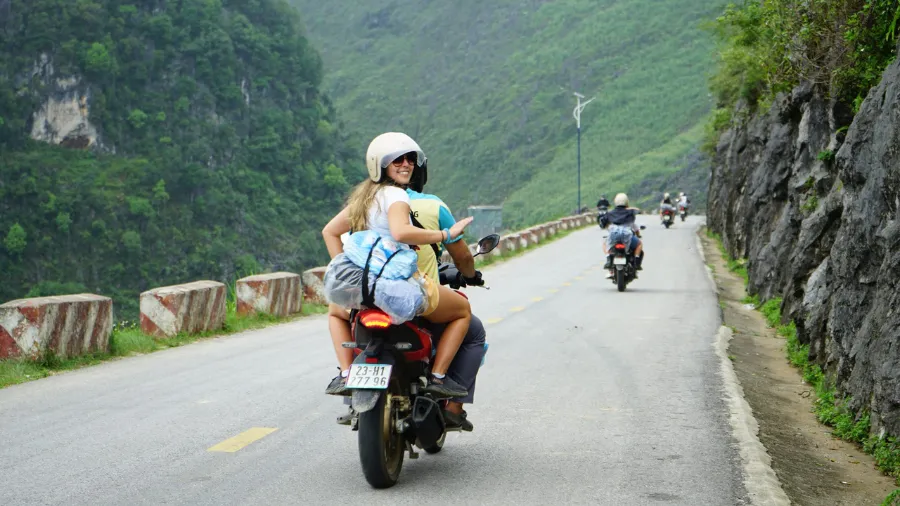
Getting around within the Delta: Local boats (hired from riverside jetties) for canal and river exploration: 40,000–100,000 VND per hour depending on boat size and waterway. Motorbike rental available in all Delta cities (150,000–200,000 VND/day). The Cai Rang floating market approach requires a specific boat negotiated from Can Tho’s Ninh Kieu wharf — 400,000–600,000 VND for a 2–3 hour private boat with the pre-dawn departure included.
Where to Stay in the Mekong Delta?
| Location | Type | Best For | Price (per night) |
|---|---|---|---|
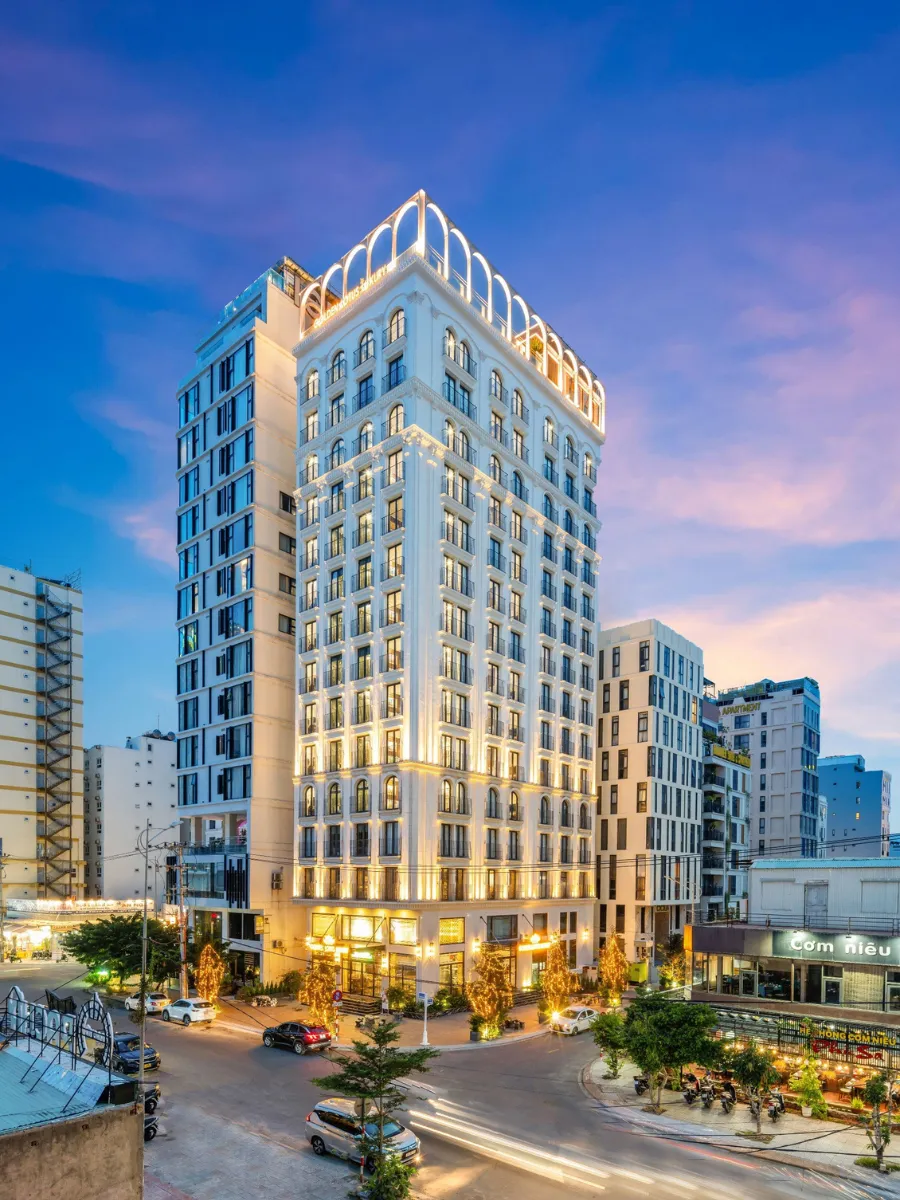
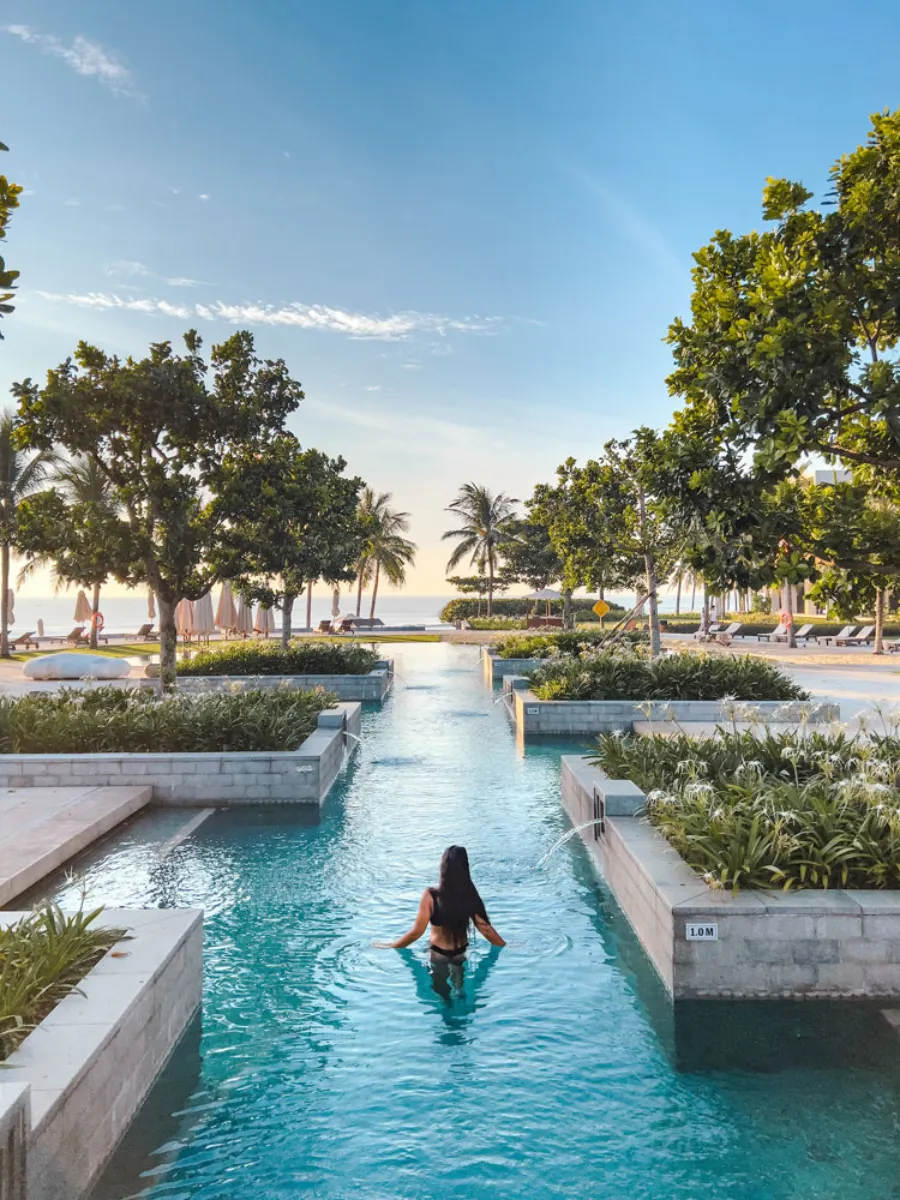
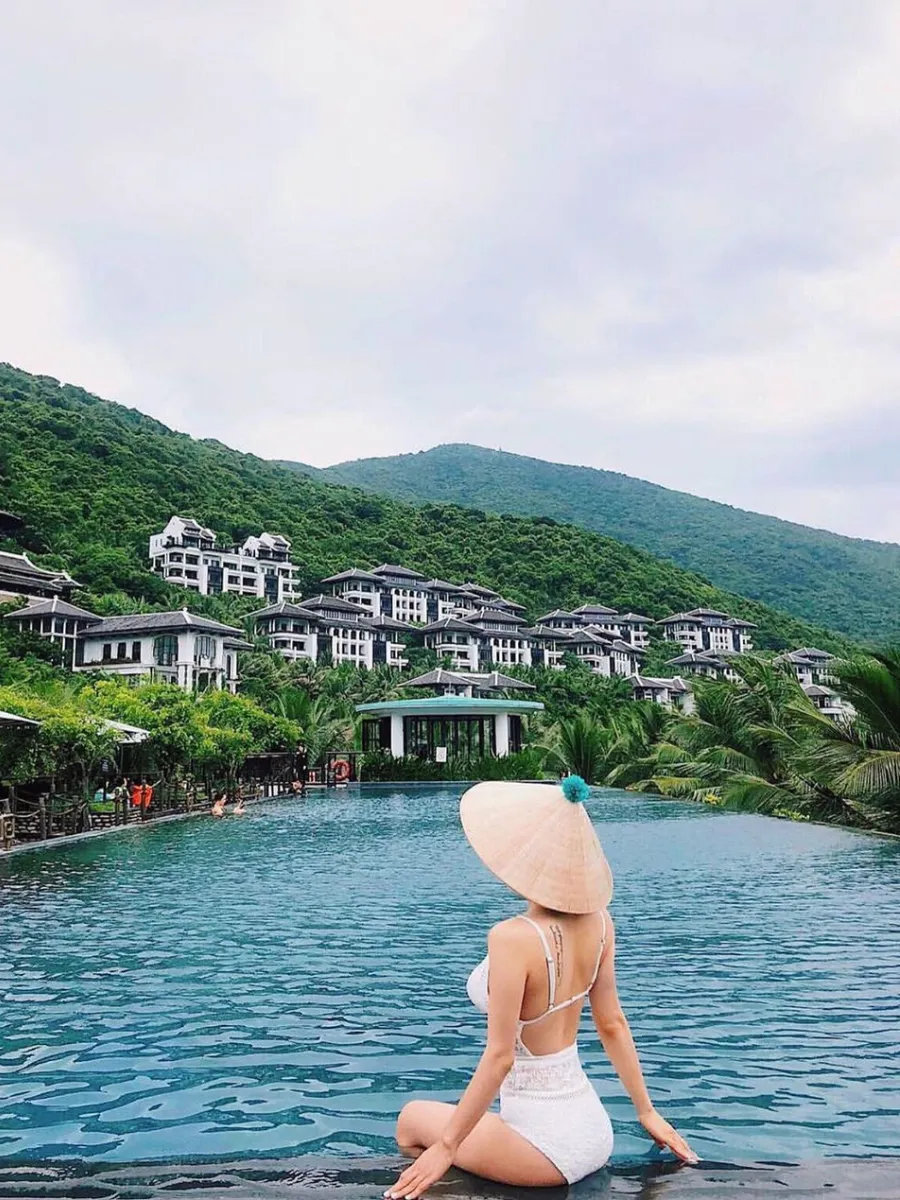
| Can Tho City — Ninh Kieu riverside | Hotels (budget to 4-star) | Most visitors — the most practical base for the Cai Rang floating market and Vinh Long day trip. Riverside hotels give the most atmospheric setting; the Nam Bo Boutique Hotel is the most consistently recommended mid-range property in the Delta. | $20–$120 |
| An Binh Island (Vinh Long) homestay | River island family homestay | The most authentic overnight Delta experience — a working family orchard home on the river island, accessed by ferry. Morning rowing boat on the canal, breakfast of fresh fruit from the surrounding trees. | $15–$35 per person (meals included) |
| Ben Tre Province homestay | Riverside family homestay | The Cai Son Island commune in Ben Tre has well-established homestay operations with good English communication. The coconut orchard setting and the Ben Tre river character are different from Vinh Long. | $15–$30 per person (meals included) |
| Chau Doc — Victoria Chau Doc | Boutique colonial hotel | The only genuinely comfortable hotel in the border area — a French colonial property on the Hau River with the most atmospheric position of any Delta accommodation outside Can Tho. Good base for Sam Mountain and Cham village visits. | $80–$180 |
| Eco-lodges (U Minh / Ca Mau area) | Forest eco-lodge | Travelers specifically seeking the mangrove forest kayaking experience. Minh Hai eco-lodge and similar properties provide boat access to the mangrove channels. | $25–$60 per person (meals usually included) |
Our recommendation: Can Tho City for the primary overnight base (Ninh Kieu riverside, 3-star hotel minimum for early morning floating market departure) combined with one night in an An Binh Island or Ben Tre homestay for the river island character. This two-accommodation structure covers the Delta’s two most distinct overnight experiences within a 3-night circuit.
3-Day Mekong Delta Itinerary: The Best Structure for First-Time Visitors
3-Day Mekong Delta Itinerary – Floating Markets & River Life. Explore the peaceful waterways of the Mekong Delta, where floating markets, coconut villages, fruit orchards, and traditional river culture create one of Vietnam’s most authentic travel experiences. Visit local highlights like Cai Rang Floating Market and enjoy scenic boat trips through the lush countryside. This 3-day itinerary is perfect for travelers seeking local culture, nature, and unforgettable river adventures in Southern Vietnam.
Day 1: HCMC → Vinh Long River Island → Can Tho
- Depart HCMC 7:30 AM by private car (most flexible) or public bus from Mien Tay station.
- 10:30 AM: Arrive Vinh Long City. Take the 5-minute ferry to An Binh Island. Rent bicycles at the ferry landing (30,000–50,000 VND/day).
- 11:00 AM – 2:30 PM: River island cycling circuit — 10–15 km through longan orchards, past canal homestays, across bamboo bridge crossings, and through the working cottage industries of the island interior. Stop at an orchard and eat directly from the trees (the family operating the orchard will typically welcome this). Lunch at an island restaurant — fresh river fish, morning glory vegetables, steamed rice.
- 3:00 PM: Return ferry to Vinh Long City. Collect car or continue by public bus to Can Tho (45 min from Vinh Long).
- 5:00 PM: Arrive Can Tho. Check in to riverside hotel. Evening walk along the Ninh Kieu wharf — the sunset over the Can Tho River from the wharf, with the boat traffic and the flower market visible, is a good first impression of the Delta’s largest city.
- 7:30 PM: Dinner at a Can Tho riverside restaurant — lẩu mắm (fermented fish hot pot, a Delta specialty with river fish, pork, and vegetables cooked at the table in a shrimp paste-based broth), or grilled whole elephant ear fish (cá tai tượng chiên xù) served with rice paper and fresh herbs.
- Arrange the Cai Rang boat with your hotel or directly at the Ninh Kieu jetty for 4:45 AM tomorrow. Confirm the price (350,000–500,000 VND for a private 2-hour boat) and the departure time in person.
- Overnight in Can Tho — Ninh Kieu riverside hotel
Day 2: Cai Rang Floating Market → Can Tho Canals → Chau Doc or Tra Vinh
- 4:45 AM: Private boat departs Ninh Kieu wharf for Cai Rang. The journey takes 30 minutes through the dark, with the boat lights of returning fishing vessels visible on the river.
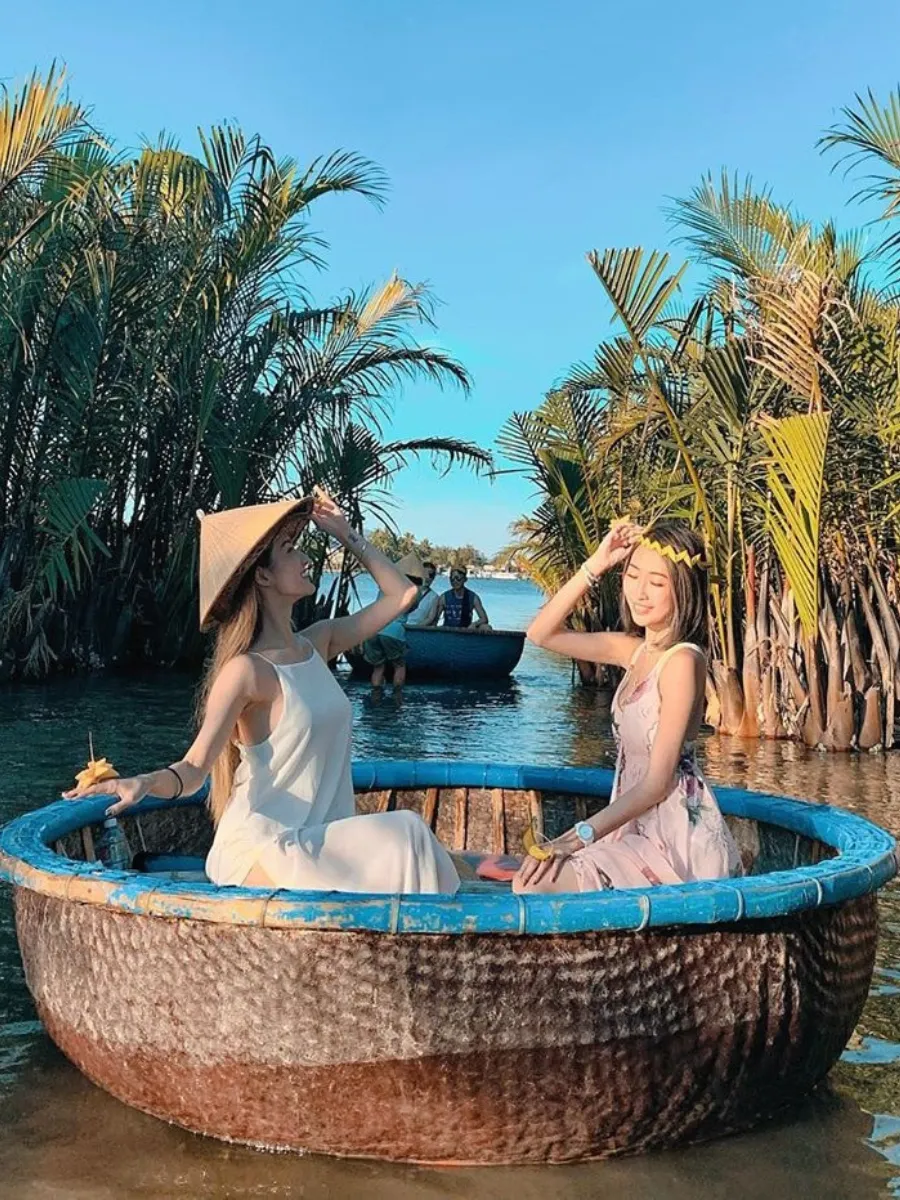
- 5:15–7:30 AM: Cai Rang Floating Market. Arrive as the wholesale trading is fully active. Hundreds of boats loaded with delta produce clustered in the river — the boat seller identifies their stock by hanging a sample from a bamboo pole at the bow (a hung display system called cây bẹo). Buy coffee from a market boat (10,000 VND), fresh fruit from passing vendors, and bánh mì from the floating breakfast stall that circles the market. Stay until 7:30 AM when activity begins to wind down.
- 8:00 AM: On the return to Can Tho, ask the boatman to take the canal route through Phong Dien — the smaller floating market and the canal villages that the main river route bypasses.
- 9:30 AM: Return to hotel. Breakfast and rest.
- 11:00 AM: Depart for afternoon destination by private car or speedboat:
- Option A (Cultural depth): Tra Vinh — 1.5 hrs from Can Tho. Afternoon Khmer temple circuit (Ang Pagoda, Hang Pagoda), overnight in Tra Vinh. Next morning: continue circuit or return to HCMC.
- Option B (Border/cultural diversity): Chau Doc — 2.5 hrs by speedboat from Can Tho’s Ninh Kieu wharf (the most scenic approach). Arrive Chau Doc afternoon. Visit Cham floating village by small boat, Sam Mountain at dusk.
- Overnight in Tra Vinh or Chau Doc
Day 3: Cultural/Border Experience → Return to HCMC or Cambodia Border
- If in Tra Vinh:
- Morning: Complete the Khmer temple circuit — Hang Pagoda (the most beautiful temple setting in the province, 40 km from Tra Vinh City). Return to Tra Vinh City for lunch.
- Afternoon: Return to HCMC by private car or public bus (3–4 hours from Tra Vinh). Arrive HCMC by 5:00–6:00 PM.
- If in Chau Doc:
- Morning: Sam Mountain ascent (by motorbike to the base, 20-minute walk to the summit viewpoint) — panoramic view across the Cambodian border. The Ba Chua Xu Temple at the mountain base is the most visited pilgrimage site in southern Vietnam (3 million visitors annually) — arrive early morning for the devotional activity rather than the tourist crowds.
- Option to continue to Cambodia: The Moc Bai or Vinh Xuong border crossings near Chau Doc are the standard overland Vietnam–Cambodia route. The speedboat from Chau Doc to Phnom Penh (operated by Hang Chau fast boat, approximately 5.5 hours, $20–$25 per person) is the most scenic Cambodia approach available.
- Return to HCMC: Private car from Chau Doc (4.5 hours) or speedboat to Can Tho then bus/car to HCMC.
- Return to HCMC or onward to Cambodia
Want a Mekong Delta Circuit That Goes Beyond the Standard My Tho Day Trip?
Our Vietnam-based team designs 2–4 night Delta circuits covering Can Tho, Vinh Long, Chau Doc, and the Khmer provinces — with private boats for the Cai Rang pre-dawn approach, island homestay bookings, and the Cambodia speedboat arrangement if you’re continuing north. Most guests receive a custom plan within 4 hours.
Request Your Free Mekong Delta Itinerary →
Tell us your travel dates, how many nights you want in the Delta, and whether you’re combining with Cambodia.
Sale!
Private Mai Chau Day Trip And Waterfall & Hot Spring Bath

Place
Mai Chau

Duration
1D
Original price was: 175$.125$Current price is: 125$.
Sale!
Authentic Hanoi Day Tour | Incense Village & Duong Lam Ancient Village
Place
Hanoi
Duration
1D
Original price was: 120$.105$Current price is: 105$.
Sale!
Hanoi Cycling Tour | Bat Trang, Kim Lan & Xuan Quan Flower Villages
Place
Bat Trang
Duration
1D
Original price was: 65$.55$Current price is: 55$.
Sale!
Half-Day Hanoi City Tour | Explore Iconic Landmarks in Just Few Hours
Place
Ha Noi
Duration
1D
Original price was: 50$.35$Current price is: 35$.
Sale!
Exclusive Hanoi Street Food Tour | Discover Hanoi’s Best Eats on Foot
Place
Ha Noi
Duration
1D
Original price was: 50$.35$Current price is: 35$.
Sale!
Hanoi City Tour | Highlights, Local Culture | Best of Hanoi in One Day
Place
Ha Noi
Duration
1D
Original price was: 55$.45$Current price is: 45$.
Sale!
Top Hanoi City Walking Tour | Discover the Best of Hanoi in One Day
Place
Hanoi Capital City
Duration
1D
Original price was: 60$.50$Current price is: 50$.
Sale!
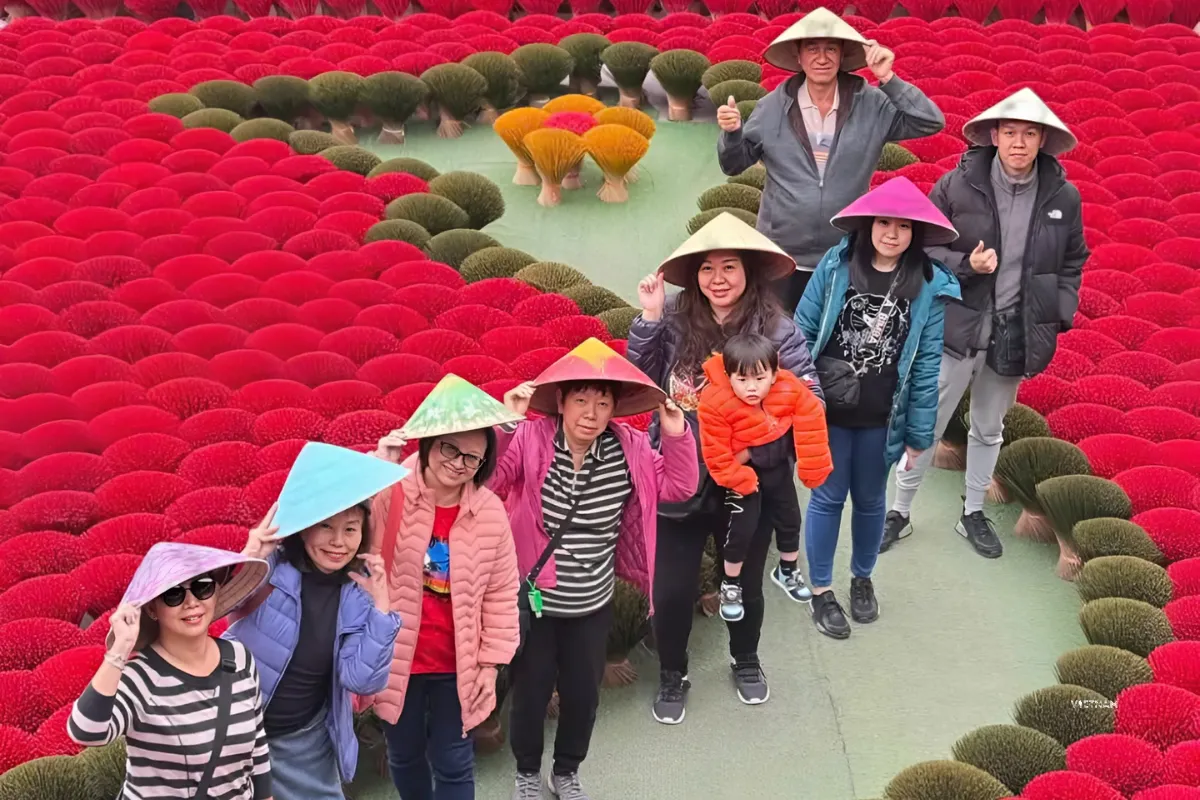
Incense Village Hanoi Tour | Explore Traditional Craft & Local Culture
Place
Quang Phu Cau
Duration
1D
Original price was: 85$.55$Current price is: 55$.
Beyond the Standard Circuit: Less-Known Mekong Delta Experiences
The Dong Thap lotus fields (July–August): Dong Thap Province’s lotus ponds — covering thousands of hectares in the upper delta — are at maximum bloom from approximately June through August, when the pink and white flowers and the large circular lotus leaves create one of the most extraordinary agricultural landscapes in Vietnam. Arriving at a lotus pond at 5:30 AM (the flowers are open in the morning and close by noon) by small boat, moving through the standing flowers at water level, is a visual experience that photographs incompletely and rewards presence entirely. Almost no tourist infrastructure around the lotus areas — arrange by motorbike from Cao Lanh City with a local guide.

- The Tram Chim National Park sarus crane viewing (December–May): Tram Chim National Park in Dong Thap Province is the primary remaining habitat in Vietnam for the sarus crane — the world’s tallest flying bird, standing 1.8 metres. A December–April dry season boat tour through the flooded grassland sections of the park (the cranes prefer the areas between the melaleuca forest and the open water) may encounter groups of 10–30 birds in their distinctive red-headed grey plumage. Very few international visitors; the park rangers at Tram Chim can arrange boat access. The bird photography here is excellent for specialists.
- The Mekong flood season fishing with delta families (September–November): During the annual flood, the temporary lakes formed across the flooded delta landscape become extraordinary fishing grounds — fish from the Mekong River system spread into the flooded fields to feed, and the local communities deploy enormous circle nets, bamboo fish traps, and long-line setups across the temporary water. Joining a delta family’s flood-season fishing operation for a morning (arranged through homestay operators or via our team) is one of the most specifically seasonal and most culturally specific Delta experiences available — possible only in the October–November window.
Can Tho’s Binh Thuy Ancient House: A 130-year-old Vietnamese merchant house in the French colonial style, located 5 km from Can Tho City centre, that was used as a filming location for the 1992 film adaptation of Marguerite Duras’s “The Lover.” The house remains in the family of its original builders — a Cantonese-Vietnamese merchant family whose hybrid architectural choices produced one of the most unusual private buildings in the Delta: French facade, Vietnamese interior layout, Chinese altar room, and a garden of a kind that combines all three design traditions simultaneously. Entry: 30,000 VND. Almost never crowded. Allow 45 minutes.<
Essential Mekong Delta Travel Tips (From Our Local Team)
Do not treat the Mekong Delta as a one-day side trip from HCMC. The standard My Tho day trip circuit produces the least rewarding version of the Delta available — 1.5 hours of transit, 45 minutes on a staged tourist boat, a coconut candy demonstration, and 3 hours of return transit. The Delta requires at minimum one overnight stay in Can Tho to access the Cai Rang floating market at its genuine operating hours (pre-dawn) and to experience the river landscape without the time pressure of a day trip. Every additional night in the Delta produces a disproportionate improvement in the quality of encounter with its landscape and communities.
- Hire private boats rather than joining group tours for the floating market. The Cai Rang floating market experience is entirely dependent on arrival time (before 6:00 AM) and positioning (within the trading boats, not observing from 50 metres on a large tour boat). A private boat from Ninh Kieu wharf achieves both; a standard group tour achieves neither. The price difference (a private boat costs 350,000–500,000 VND for 2 hours; a group tour spot costs 150,000–200,000 VND) is significant in absolute terms but represents the difference between an extraordinary experience and a mediocre one.
- Carry significant cash — ATMs are unreliable outside major city centres. Can Tho City has reliable ATMs; Vinh Long and Ben Tre have some; Tra Vinh, Dong Thap, and the rural island homestay areas have very limited or no ATM access. Withdraw in Can Tho or HCMC before heading into rural Delta areas. Daily cash requirements: 300,000–600,000 VND per person (homestay, meals, boat hire, transport, market purchases).
- The best floating market food is on the boats, not in restaurants. The bánh mì boats, coffee thermos boats, and fresh fruit vendors that circle the Cai Rang market selling to other boat operators are the best food experience at the market — a cup of ca phe den (black coffee from a thermos) and a bánh mì consumed while floating between produce boats at 5:45 AM is a breakfast impossible to replicate elsewhere. Bring 50,000–100,000 VND specifically for boat purchases.
- Mosquito repellent is essential in the evening in all Delta locations. The Delta’s combination of standing water, tropical temperature, and agricultural landscape creates excellent mosquito habitat throughout the year, with the worst conditions in the wet season (June–October). DEET-based repellent applied from dusk through the first hours of darkness is the practical precaution; the homestay mosquito nets are reliable but don’t protect during outdoor evening time at the boat jetty or riverside.

The Khmer Delta provinces (Tra Vinh, Soc Trang) require their own dedicated day. The most consistent planning error for Delta visitors is treating the Khmer provinces as a 2-hour addition to the Can Tho floating market day. Tra Vinh’s temple circuit alone requires 4–5 hours if properly visited; Soc Trang’s Bat Pagoda requires being present at the correct sunset time. Both deserve specific overnight positioning or a dedicated day-long excursion from Can Tho — not a rushed afternoon detour.
Frequently Asked Questions — Mekong Delta Travel Guide
What is the Mekong Delta?
The Mekong Delta is the deltaic region of southern Vietnam where the Mekong River — the world’s 12th longest, originating on the Tibetan Plateau and flowing through China, Myanmar, Laos, Thailand, and Cambodia before reaching Vietnam — spreads into nine branches across a 40,000 km² agricultural plain before reaching the Gulf of Thailand and Gulf of Tonkin. Home to approximately 18 million people, it produces 50% of Vietnam’s rice and 60% of its fruit, and is characterised by an intricate network of canals, river islands, floating markets, and water-based communities that constitute one of the world’s most distinctive human-landscape relationships.
What are the floating markets in the Mekong Delta?
Floating markets (chợ nổi) are wholesale produce trading points where farmers from river islands with limited road access meet distribution traders on the water, exchanging delta-grown produce boat-to-boat. The most active remaining floating market is Cai Rang in Can Tho Province — a genuine wholesale market with 200–400 boats trading between 5:00 and 8:00 AM, best experienced at 5:30 AM by private boat from Can Tho’s Ninh Kieu wharf. Most other marketed “floating markets” have significantly reduced in scale; Cai Rang is the only one that continues to function as a genuine wholesale operation rather than a tourist demonstration.
Is the Mekong Delta worth visiting?
Yes — with the right planning. The standard HCMC day trip to My Tho produces a staged, rushed, and underwhelming version of the Delta. The genuine Mekong Delta — experienced over 2–3 nights with private boats, the Cai Rang floating market at pre-dawn, river island cycling in Vinh Long, and either the Chau Doc border cultural mix or the Tra Vinh Khmer temples — is one of Vietnam’s most distinctive and most rewarding travel experiences. The Delta is uniquely Vietnamese in character and requires more planning than most destinations, but consistently delivers for travelers who invest the time.
What is the best base for the Mekong Delta?
Can Tho is the best base for any Mekong Delta visit of more than one night. Vietnam’s seventh-largest city, Can Tho has the Delta’s best accommodation range, the most accessible approach to Cai Rang floating market, good transport connections to Vinh Long, Chau Doc, and Tra Vinh, and a pleasant riverside character. The Ninh Kieu wharf area has the highest concentration of hotels, restaurants, and boat operators. For a single-night stay, Can Tho with a pre-dawn Cai Rang visit and a Vinh Long island afternoon covers the essential Delta experience efficiently.
When is the best time to visit the Mekong Delta?
The best time to visit the Mekong Delta is December to May — the dry season, when roads and river island paths are fully accessible, the floating market operates in ideal conditions, and temperatures are at their most comfortable. December benefits from the rice harvest golden landscape; March–May from the peak fruit production on the river islands. The flood season (September–November) has its own appeal — an expanded water landscape, flood-season fishing activity, and the annual delta ecology at maximum expression — but requires more flexible planning as some roads become impassable.
How do I get from Ho Chi Minh City to Can Tho?
Can Tho is 170 km from Ho Chi Minh City — approximately 3–3.5 hours by private car or public bus. Multiple public buses depart from HCMC’s Mien Tay bus station (6 km from District 1, 15 min by Grab) throughout the day for 60,000–80,000 VND per person. Private car ($60–$80 for the whole vehicle) provides door-to-door flexibility and the ability to stop at Vinh Long’s river island ferry en route. A speedboat option via Nha Be is available from some HCMC river piers (2.5 hours, more expensive). For a Mekong Delta circuit, arrive Can Tho in the afternoon of Day 1 to prepare for the pre-dawn Cai Rang floating market on Day 2 morning.
What food is the Mekong Delta famous for?
The Mekong Delta has several distinct regional dishes: Cá tai tượng chiên xù (whole deep-fried elephant ear fish served with rice paper, herbs, and green mango for wrapping — the most iconic Delta restaurant dish), Lẩu mắm (fermented fish hot pot with river fish, pork, and delta vegetables — the most specifically southern Delta flavour profile), Bánh xèo đồng bằng (the Delta’s large sizzling rice pancake with fresh river shrimp), and the extraordinary range of fresh tropical fruit — longan, rambutan, durian, dragon fruit, mangosteen, and pomelo — grown on the river islands and available at floating market prices throughout the delta provinces.
Plan Your Mekong Delta Trip with a Local Expert
We’re a Vietnam-based travel company — and the Mekong Delta is the destination where the difference between booking through a local expert and going independently is largest. The Cai Rang boat requires local negotiation and a 4:45 AM start that only works with a Can Tho overnight and a confirmed arrangement the evening before. The An Binh Island homestay network in Vinh Long requires specific family contacts. The Tra Vinh Khmer temple circuit requires a driver who knows which temples to prioritise and which to pass. We know all of these details — and our team applies them to every Mekong Delta itinerary we plan.
- Cai Rang floating market private boat arrangement (pre-dawn)
- An Binh Island (Vinh Long) and Ben Tre river island homestay bookings
- Chau Doc Cham village boat tours and Sam Mountain circuit
- Tra Vinh and Soc Trang Khmer temple circuit design
- Chau Doc → Phnom Penh speedboat Cambodia crossing arrangement
- Available 7 days a week — respond within 2–4 hours on WhatsApp
Get Your Free Mekong Delta Trip Plan
Tell us your travel dates, how many nights you want in the Delta, and whether you’re combining with Cambodia or specific cultural priorities (floating market, Khmer temples, flood season). We’ll send you a sequenced itinerary with accommodation options and transparent pricing within 4 hours.
Request Your Free Mekong Delta Itinerary →
Or message us directly on WhatsApp: +84 849 391 981
Explore More Vietnam
- Ho Chi Minh City Travel Guide — the Delta gateway, 1.5–5 hrs north
- Phu Quoc Travel Guide — the island accessible from Ha Tien in the western Delta
- Mui Ne Travel Guide — sand dunes and kitesurfing, north of HCMC on the coast
- Da Lat Travel Guide — cool highlands northeast of HCMC
- 10-Day South Vietnam Itinerary — HCMC + Mekong Delta + Phu Quoc
- Browse Mekong Delta Tours →
- Can Tho Floating Market Private Boat Tours →