



Hoang Su Phi Travel Guide

Hoang Su Phi is northern Vietnam’s most overlooked terrace destination — a remote western district of Ha Giang Province where La Chi, Dao, and H’mong communities have carved layered rice terraces into steep mountain slopes for over 300 years, earning National Heritage recognition in 2012. Less visited than Mu Cang Chai, further from Hanoi than Sapa, and almost entirely unknown to casual tourists, it rewards the travelers who make the effort with some of the most dramatic and least-photographed highland scenery in Vietnam.
This guide covers everything: the best terrace viewpoints and villages, trekking routes, the harvest timing window, how to get there from Hanoi or Ha Giang, where to stay, and the local knowledge that separates a remarkable Hoang Su Phi trip from a missed opportunity.
Jump to: Why Hoang Su Phi | Things to Do | Villages Guide | Trekking Routes | Best Time to Visit | Getting There | Where to Stay | 3-Day Itinerary | Travel Tips | FAQ
Hoang Su Phi Rice Terraces at a Glance

| Quick Fact | Details |
|---|---|
| Location | Western Tuyen Quang Province (former Ha Giang Province), Northwest Vietnam — borders Yunnan Province, China |
| Heritage Status | National Heritage Scenic Landscape (2012) — one of Vietnam’s largest terrace systems |
| Distance from Hanoi | ~320 km / 6–7 hrs by car (via Ha Giang City or via Lao Cai) |
| Distance from Ha Giang City | ~100 km / 2.5–3 hrs by car westward |
| Best Time to Visit | Late September–early October (golden harvest) · May–June (flooded terraces) |
| Recommended Stay | 2 nights minimum; 3 nights for full terrace and village circuit |
| Main Ethnic Groups | La Chi (most distinctive — unique to this area) · Dao (Red Dao dominant) · H’mong · Nung · Tay |
| Key Villages | Ban Phung, Thong Nguyen, Nam Ty, Pho Is, Tham Ve, Chieu Lau Thi |
| Terrace Area | ~3,500 hectares — larger than Mu Cang Chai’s designated area |
| Crowd Level | Very low — significantly less visited than Mu Cang Chai or Sapa year-round |
Why Hoang Su Phi? An Honest Local Perspective
Hoang Su Phi is the answer to a question that experienced highland Vietnam travelers eventually ask: where can I see rice terraces as spectacular as Mu Cang Chai, in a landscape that hasn’t yet been shaped by the expectations of international tourism?
The honest answer is that Hoang Su Phi’s terraces are not just comparable to Mu Cang Chai — in certain respects they exceed them. The terrace system here covers approximately 3,500 hectares across a mountain landscape of greater vertical relief, with the added dimension of five distinct ethnic minority cultures whose architectural traditions, textile patterns, and agricultural practices are entirely different from each other and from the H’mong communities that dominate most of the northwest highlands.
What makes it difficult to visit is also what makes it exceptional. There are no cable cars, no tourist buses, no souvenir rows. The road from Ha Giang City to Hoang Su Phi Town is 100 km of mountain passes — beautiful but slow and demanding. The guesthouses are basic. English is rarely spoken in the villages. The reward for navigating all of this is a landscape that remains genuinely, functionally remote: villages where your arrival is noted, terraces where the farmers are focused on agriculture rather than tourism, and viewpoints where you are sometimes the only person standing.
Here is what specifically makes Hoang Su Phi exceptional:
- The La Chi culture exists almost nowhere else. The La Chi ethnic minority — one of Vietnam’s smallest and least-known groups — is concentrated primarily in Hoang Su Phi District. Their distinctive stilt house architecture, traditional clothing (indigo and red geometric patterns entirely different from H’mong or Dao), and agricultural calendar built around the terrace system make Hoang Su Phi the only place in the world where this culture can be encountered on its own terms. This is not a reason to visit for most travelers — but for those who find it, it is the reason that makes every other reason secondary.
- The terrace scale rivals and in places exceeds Mu Cang Chai. The terraces around Ban Phung, Thong Nguyen, and Nam Ty cover mountain faces of similar dramatic gradient to La Pan Tan — but across a larger total area, with greater diversity of village types and terrace styles visible within a single day’s driving or trekking circuit.
- The harvest timing is earlier than Mu Cang Chai. Hoang Su Phi’s terraces peak approximately 2–3 weeks before Mu Cang Chai’s — typically mid-September to early October — making it possible to visit both destinations in sequence across a single 10-day northwest highland trip and catch the golden harvest at each. This is the most complete rice terrace journey available in Vietnam.
- It is genuinely off the international tourist circuit. On any given weekday in October, foreign visitors to Hoang Su Phi number in the dozens rather than the hundreds. The villages have not adapted their appearance, schedule, or hospitality practices to the expectations of tourism. What you encounter here is agricultural life happening on its own terms, with the terrace landscape as the natural backdrop.
- It can be combined with the Ha Giang Loop. Hoang Su Phi lies 100 km west of Ha Giang City — in the opposite direction from the Loop’s Dong Van route. A Ha Giang itinerary that includes both the Loop (3–4 days east) and Hoang Su Phi (2–3 days west) covers the full geographic and cultural range of Vietnam’s most extraordinary northern province. This 6–7 day Ha Giang circuit is the most complete highland Vietnam experience available to travelers with the time and appetite for it.
Best Things to Do in Hoang Su Phi
1. The Terrace Viewpoints — Ban Phung and Thong Nguyen
The terrace clusters around Ban Phung village and Thong Nguyen commune are the most visually concentrated in Hoang Su Phi — mountain faces layered from valley floor to ridge in the same dense geometric pattern that defines the best terrace photography in Vietnam. The Ban Phung viewpoint, accessible by a short walk from the road, overlooks several hundred hectares of terraces simultaneously; in harvest season the golden colour extends from foreground to horizon across multiple mountain faces.
Thong Nguyen, 15 km from Hoang Su Phi Town, has terraces at a higher elevation (above 1,000 m) that peak slightly later in the harvest season and offer a different angular perspective — steeper, narrower, with more visible sky above the terrace lines. Both are worth visiting on separate half-days rather than rushed in a single loop.
Best time of day: Early morning (6:00–8:30 AM) for mist in the valleys and soft light. Late afternoon (4:00–5:30 PM) for directional light across the terrace faces.
Hanoi Old Quarter
The Heart of Hanoi
2. Trek to La Chi Villages
The La Chi villages — Nam Ty, Pho Is, and several smaller settlements — are the most culturally specific experience available in Hoang Su Phi and one of the most distinctive cultural encounters in all of northern Vietnam. The La Chi stilt houses have a different structural logic from White Thai or H’mong architecture: lower pitched roofs, a specific arrangement of the sleeping and gathering spaces relative to the terrace orientation, and a communal granary system that reflects their collective approach to rice storage. Walking through a La Chi village with a guide who speaks the language — not Vietnamese-mediated communication, but direct La Chi — produces a completely different quality of encounter from anything available in the more visited highland destinations.

Hoan Kiem Lake
Central Lake in the Heart of Hanoi
3. Red Dao Herbal Bath and Village Visit
The Red Dao communities of Hoang Su Phi maintain the same herbal bathing tradition found in Sapa’s Ta Phin Village — a therapeutic soak in water infused with 100+ mountain herbs, traditionally used for post-harvest recovery and as a medicinal practice across generations. In Hoang Su Phi, this experience is available in genuine village settings rather than tourist bathhouses: a wooden tub beside a Dao family home, with the herbs gathered that morning from the surrounding forest. The combination of the terrace landscape visible from the bath, the medicinal herbs in the water, and the family context makes this a fundamentally different experience from the Ta Phin version. Arrange through your guesthouse or local guide 1–2 days in advance.
Temple of Literature
The First University in Vietnam
4. Chieu Lau Thi Mountain (Fansipan of the West)
Chieu Lau Thi peak at 2,402 metres is the highest mountain in Ha Giang Province — locally called the “Fansipan of the West” for its prominence above the surrounding highland. The 2-day trekking route from Hoang Su Phi Town (via Ban Phung and the La Chi village of Pho Is) crosses forest-covered ridges, passes through ethnic minority communities at 1,500–1,800 metres, and reaches a summit with 360-degree views over the terrace landscape, western Ha Giang Province, and — on clear days — into Yunnan Province, China. One of the most physically demanding and most rewarding treks available in Ha Giang Province. Requires an experienced local guide and overnight equipment.
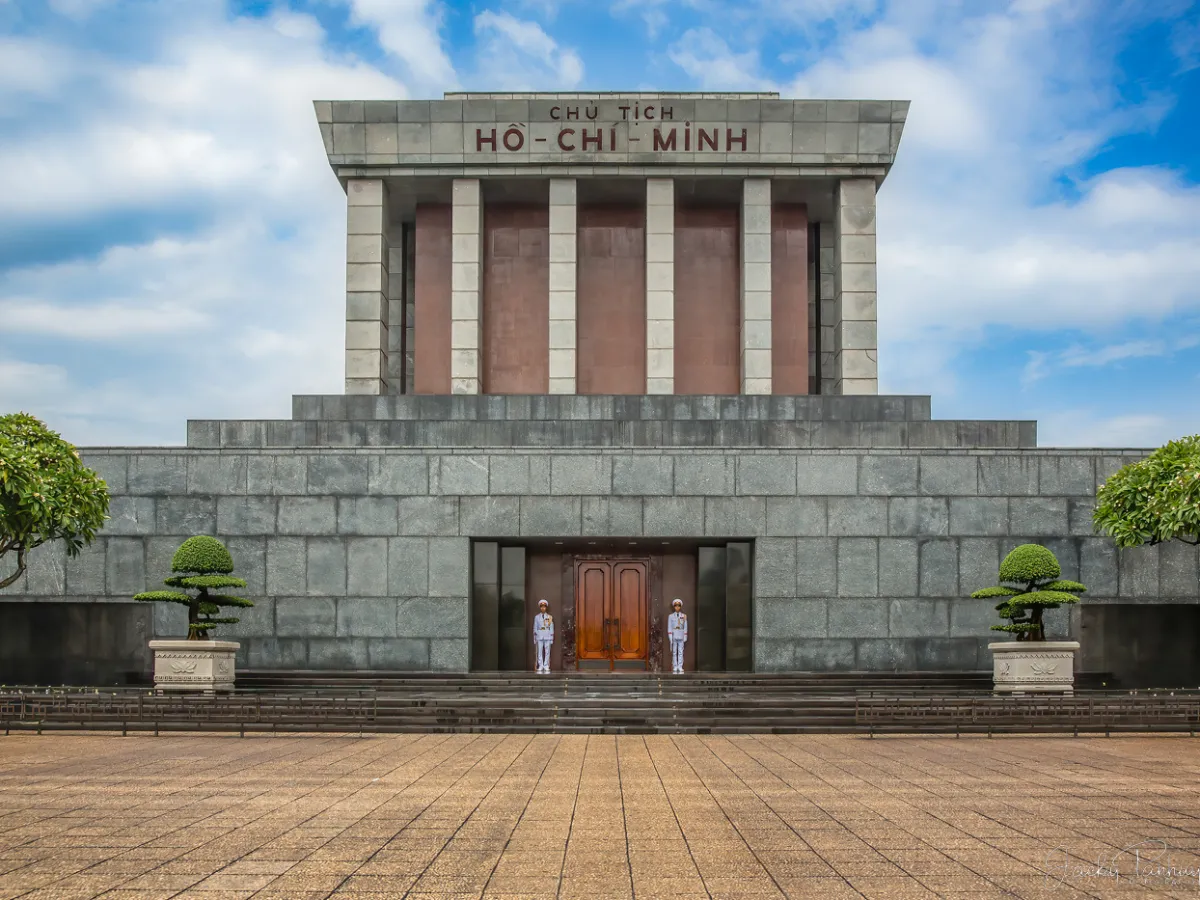
Ho Chi Minh Mausoleum
A Final Rest of National Hero
5. Hoang Su Phi Weekly Market
The Sunday market in Hoang Su Phi Town draws La Chi, Red Dao, H’mong, Nung, and Tay communities from across the district in traditional dress — the most ethnically diverse single market gathering in northwest Vietnam. Unlike the markets at Dong Van or Bac Ha (which have adapted significantly to domestic tourism), Hoang Su Phi’s market remains primarily a functional trade event: agricultural tools, medicinal plants, livestock, and handmade textiles exchanged between communities who have been coming here for generations. The visual diversity of five distinct ethnic minority dress traditions in the same 200-square-metre market is extraordinary and available essentially nowhere else in Vietnam.
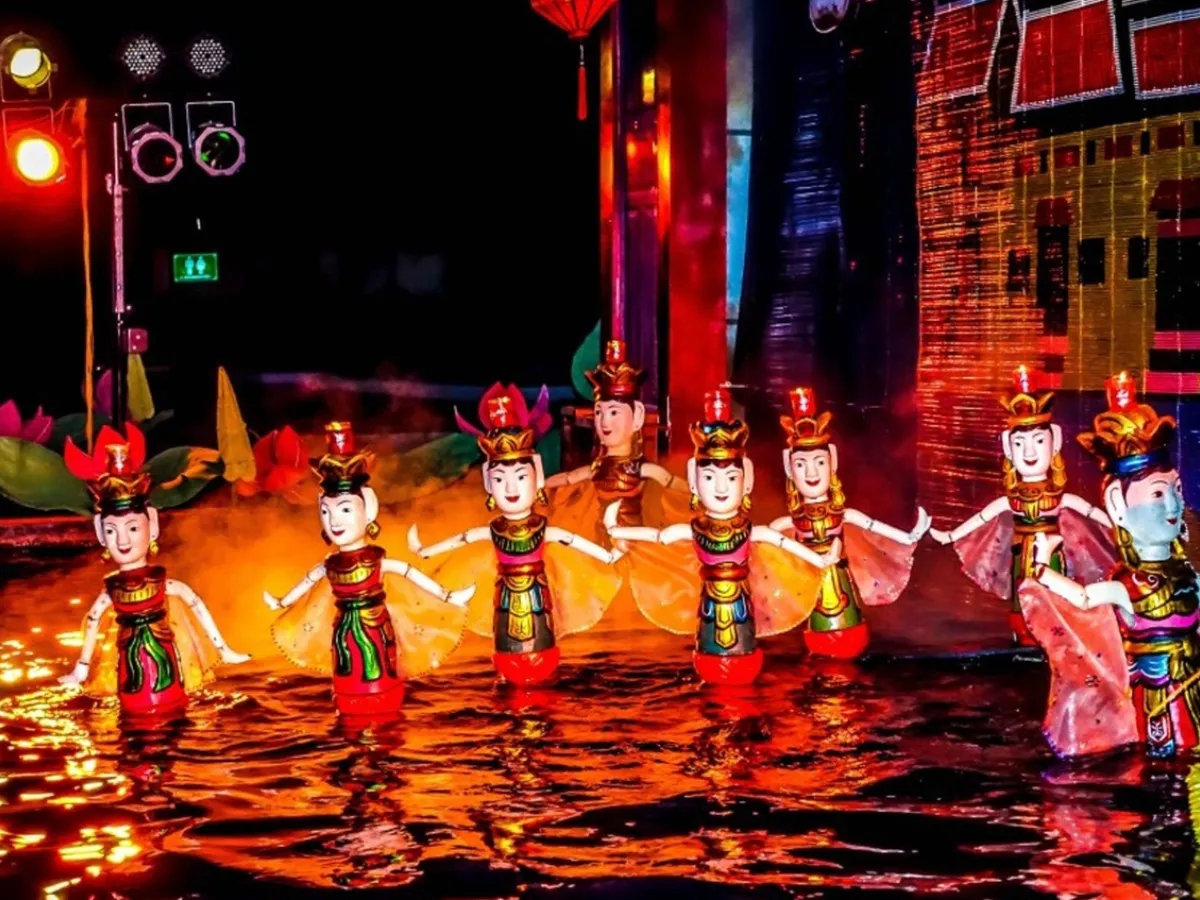
Water Puppet Show
A Must-See in Hanoi
6. Ngan (Tham Ve) Waterfall
The waterfall complex above Tham Ve village, 20 km from Hoang Su Phi Town, cascades through a limestone gorge in three stages — the lower pool accessible by a 30-minute trail through bamboo forest, the upper stages requiring a 2-hour scramble with a guide. The water is clean enough for swimming in the dry season (October–April); the surrounding forest holds several endemic plant species documented by botanical researchers. Few foreign visitors make the detour — making it one of the most private swimming waterfall experiences accessible from a highland Vietnam guesthouse.

Vietnamese Banh Mi
A Must-Try in Hanoi
Hoang Su Phi Villages Guide: Where to Focus Your Time
Hoang Su Phi’s villages are its most compelling feature — but understanding which village represents which ethnic group and what each offers requires more advance knowledge than most travel content provides:
| Village / Area | Distance from Town | Primary Ethnic Group | Best For | Crowd Level |
|---|---|---|---|---|
| Ban Phung | 8 km | La Chi | Best terrace panorama viewpoint, La Chi architecture, easiest access. The most visited location in Hoang Su Phi — still very quiet by regional standards. | Low |
| Thong Nguyen | 15 km | H’mong + La Chi | Higher elevation terraces (peak later in harvest), more remote feel, excellent for upper viewpoint photography. Less visited than Ban Phung. | Very low |
| Nam Ty | 22 km | La Chi | Most intact La Chi village structure — communal granary still in use, traditional house construction visible. Requires a guide. Almost no foreign visitors. | Extremely low |
| Pho Is | 12 km (trailhead for Chieu Lau Thi) | La Chi | Gateway village for Chieu Lau Thi mountain trek. Authentic La Chi community, excellent pre-trek cultural orientation. | Very low |
| Tham Ve | 20 km | Red Dao | Red Dao herbal bath tradition, Ngan waterfall access, Red Dao textile weaving visible in village. Different cultural register from La Chi villages. | Very low |
| Bản Lài / Nậm Dịch area | 30+ km | Nung + Tay | Remote Nung and Tay communities at lower elevation — river valley setting, different agricultural system, accessible only by motorbike or on foot. Specialist visitors only. | Near zero |
Our recommendation: Ban Phung for the terrace panorama and first La Chi cultural encounter; Nam Ty for the most authentic La Chi village experience; Tham Ve for the Red Dao herbal bath and waterfall. If combining with a Chieu Lau Thi trek, base at Pho Is for the second night. This circuit covers the full ethnic and landscape range of Hoang Su Phi in 3 days.
Hoang Su Phi’s harvest timing peaks 2–3 weeks before Mu Cang Chai. Our Hanoi-based team monitors terrace conditions throughout September and can combine both destinations into a single 7-day northwest circuit timed to catch both harvests at peak. Message us on WhatsApp →
Hoang Su Phi Trekking Routes
| Route | Distance / Duration | Difficulty | Best For | Highlights |
|---|---|---|---|---|
| Ban Phung Terrace Loop | 8 km / 3–4 hrs | Easy–Moderate | First-timers, terrace photography, half-day option | Best panoramic terrace viewpoint, La Chi village walk, irrigation channel paths, no guide required |
| Thong Nguyen Upper Terrace Trail | 12 km / 5–6 hrs round trip | Moderate | Serious photographers, ridge views | Higher elevation terraces at 1,200–1,500 m, H’mong settlements above the main terrace belt, guide recommended |
| Ban Phung → Nam Ty Village Trek | 18 km / 7–8 hrs one-way | Moderate–Difficult | Cultural focus, La Chi immersion, full-day commitment | Traverse between two La Chi village systems through working terraces, traditional granary visits in Nam Ty, vehicle pickup at trail end |
| Chieu Lau Thi Mountain Summit Trek | 30 km / 2 days | Difficult | Experienced trekkers, summit seekers | Ha Giang Province’s highest peak (2,402 m), forest-covered ridges, La Chi villages en route, 360° summit views into China |
| Hoang Su Phi → Xin Man Circuit | 40+ km / 3 days | Difficult | Specialist trekkers, maximum remoteness | Connects Hoang Su Phi to Xin Man district via mountain ridge — Nung and La Chi villages with near-zero tourist presence, requires experienced local guide |
Guide requirement and quality: The Ban Phung loop is walkable independently with a basic map. All routes to Nam Ty and above require a local guide — specifically one from the La Chi community where possible, as Vietnamese-speaking guides from Hoang Su Phi Town lack the language access and village relationships that make the upper routes culturally meaningful. Your guesthouse can arrange community guides with 1–2 days notice; Hanoi operators with genuine Hoang Su Phi experience can arrange them in advance.
Best Time to Visit Hoang Su Phi: Month-by-Month Guide

The best time to visit Hoang Su Phi is mid-September to early October for the golden harvest — arriving 2–3 weeks before Mu Cang Chai peaks, making it the ideal first stop on a sequential northwest highland harvest circuit. The flooded terrace season (May–June) is the strong second choice.
| Period | Conditions | Terrace Status | Verdict |
|---|---|---|---|
| Jan – Mar | Cold (5–15°C at elevation), heavy fog, some frost above 1,200 m. Roads occasionally icy on passes. | Bare to newly planted — least visual season | Not recommended for terrace visits. The district has its own austere winter beauty in fog, but the terraces are empty. Roads can be hazardous on motorcycle. Hoang Su Phi market in January–February draws communities in traditional Tet dress — the cultural draw that exists in this window. |
| Apr – May | Warming (14–24°C), clearing skies, spring light | Flooding begins late April — early mirror terraces | Good transitional period. Late April flooding creates early mirror-terrace conditions. Comfortable for trekking. The Chieu Lau Thi summit is clear of cloud more reliably in April–May than in other seasons — best window for the mountain trek. |
| May – Jun ⭐ | 22–28°C, warm, afternoon rain possible | Flooded terraces at peak — mirror surfaces | Outstanding for photography. The flooded terrace season in Hoang Su Phi is comparable in quality to Mu Cang Chai’s May–June window — stepped water surfaces on steep mountain faces, reflecting clouds and sky simultaneously across multiple elevation levels. Significantly less crowded than harvest season. Ngan Waterfall at peak flow. Leeches active on forest trails — bring gaiters. |
| Jul – Aug | 24–30°C, heaviest rain of the year | Deep green — maximum rice growth | Significant road and trail risk from landslides — the mountain roads in western Ha Giang Province are among the most vulnerable in northern Vietnam after heavy rain. Not recommended unless prepared for potential road closures and itinerary disruption. The green terraces are beautiful when visible; the risk is real. |
| Mid-Sep – early Oct ⭐⭐ | 18–26°C, clearing rapidly, excellent visibility | Golden harvest — peak season, earlier than Mu Cang Chai | Best overall. Hoang Su Phi’s harvest peaks approximately 2–3 weeks before Mu Cang Chai — typically the second half of September to the first week of October. This earlier timing is a strategic advantage: travelers can visit Hoang Su Phi at golden harvest peak, then continue to Mu Cang Chai as it ripens. Clear skies, cool mornings, ideal trekking conditions. Book accommodation 4–5 weeks ahead. |
| Oct – Nov | 15–22°C, clear and cool | Post-harvest in lower terraces; upper terraces may still be golden early October | Good in early October for upper-elevation terraces still at peak. By mid-October most lower terraces are cut. Late October and November are clear and comfortable for trekking — the post-harvest landscape has its own texture, particularly in the La Chi village areas where harvest processing continues. Fewer visitors than the peak harvest window. |
| Dec | 10–18°C, cooling, some fog | Post-harvest, fields being prepared | Quiet season — good for solitude and cold-weather trekking. The Sunday market draws its most traditional attendance in December when communities wear full traditional dress against the cold. Not a terrace visit window but a genuine cultural one. |
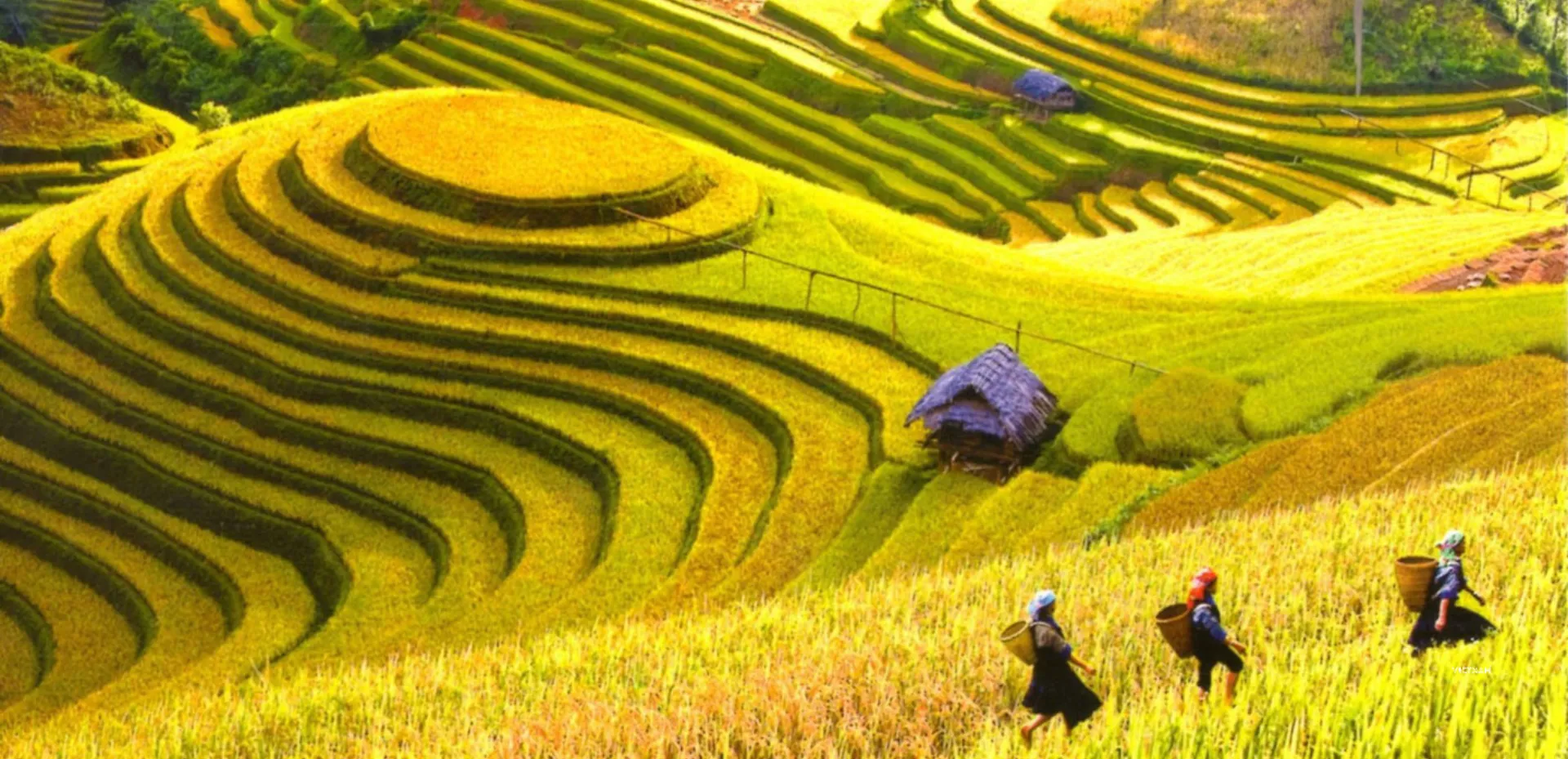
The Harvest Sequence: Hoang Su Phi + Mu Cang Chai
This is the most valuable timing insight available for northwest Vietnam harvest travel — and almost no travel content explains it clearly:
- Hoang Su Phi harvest peak: approximately September 15–30 (second and third weeks of September in most years)
- Mu Cang Chai harvest peak: approximately September 25 – October 10 (last week of September through first 10 days of October)
- The overlap window: approximately September 25–30 — when both destinations are simultaneously at or near peak golden terrace coverage
- The optimal 10-day itinerary: Arrive Hoang Su Phi around September 17–18 (catch the harvest at Ban Phung and Thong Nguyen), depart for Mu Cang Chai September 22–23 (arriving as Mu Cang Chai’s terraces begin turning gold), spend 3 days in Mu Cang Chai at peak (September 24–27), return to Hanoi. This structure catches both destinations within a single golden window that no other trip plan replicates.
How to Get from Hanoi to Hoang Su Phi
Hoang Su Phi is one of the most logistically challenging destinations in this guide series to reach — no direct bus service, mountain roads requiring private transport, and a geographical position that makes it a genuine off-the-beaten-path commitment. This is also precisely why it remains as extraordinary as it does.

| Route | Duration | Cost (approx.) | Best For |
|---|---|---|---|
| Private car: Hanoi → Ha Giang City → Hoang Su Phi | 6–7 hrs total (5 hrs to Ha Giang + 2.5 hrs west) | $130–$170 (whole car) | Groups, most comfortable option. Allows stops along the way. The most recommended approach for first-time visitors — gives flexibility for road conditions and stops in Ha Giang City for the Loop permit if combining with the Ha Giang Loop. |
| Overnight bus to Ha Giang City + local bus/car to Hoang Su Phi | 6 hrs (bus) + 2.5–3 hrs (local transport) | $12–$18 (overnight bus) + $20–$40 (Ha Giang → Hoang Su Phi leg) | Budget independent travelers. Take overnight bus Hanoi → Ha Giang City (9–10 PM departure, arrive 4–5 AM), then hire a local car or motorbike taxi for the 100 km western leg. The local car/taxi leg is non-negotiable — no reliable public bus serves Hoang Su Phi from Ha Giang City. |
| Alternative route: Hanoi → Lao Cai → Hoang Su Phi (via Xin Man) | 7–8 hrs total | $120–$160 (whole car) | Travelers combining with Sapa. The northern approach via Lao Cai and the border road through Xin Man is longer but passes through spectacular scenery and avoids the Ha Giang City detour. Useful for circuits that begin in Sapa and end in Ha Giang City or vice versa. |
| Motorbike (self-drive from Hanoi or Ha Giang City) | 6–7 hrs from Hanoi / 3–4 hrs from Ha Giang City | Fuel ~$8–12 | Experienced riders only. The 100 km road from Ha Giang City to Hoang Su Phi Town crosses 4 mountain passes — genuinely beautiful and genuinely demanding. The most rewarding approach for qualified riders. Not recommended for inexperienced riders or in wet conditions (July–August). |
Getting around Hoang Su Phi: The district roads are too spread out and hilly for cycling to all sites. Motorbike rental in Hoang Su Phi Town (150,000–200,000 VND/day) is the most practical local transport. For the Chieu Lau Thi trek and Nam Ty village route, all movement is on foot with a guide. Ask your guesthouse about current road conditions to specific villages — landslides can temporarily close sections of the approach roads in September after heavy rain.
Where to Stay in Hoang Su Phi?
| Type / Location | Best For | Vibe | Price (per night) |
|---|---|---|---|
| Hoang Su Phi Town guesthouses | Most visitors — convenient base, all road directions accessible | Small provincial town guesthouses — basic to mid-range, functional, local restaurants adjacent. The practical base for day excursions to Ban Phung, Thong Nguyen, and Tham Ve. | $10–$40 |
| Ban Phung village homestay | Terrace immersion, harvest-season photographers | La Chi family home adjacent to the main terrace viewpoint — waking up above the terraces, dawn light on the fields from outside your window. Basic facilities. The most atmospheric accommodation in Hoang Su Phi. | $12–$25 (meals included) |
| Nam Ty or Pho Is remote homestay | Maximum cultural immersion, specialist travelers | Genuine La Chi family home in remote village — no tourist infrastructure, communal meals, village sounds at dawn. Requires advance arrangement through a local operator. Almost no foreign visitors stay here. | $8–$18 (meals included) |
| Red Dao homestay (Tham Ve area) | Cultural contrast, herbal bath experience | Red Dao family home — different architectural style from La Chi, herbal bath available, waterfall access nearby. Best for travelers wanting to experience both La Chi and Red Dao cultures in a single trip. | $10–$22 (meals included) |
Our recommendation: First night in a Ban Phung homestay for terrace-level immersion and dawn access to the best viewpoint without a drive. Second night in Hoang Su Phi Town for flexibility to reach Thong Nguyen, Tham Ve, or the market. If staying three nights, the third at a Nam Ty La Chi homestay adds the most culturally distinctive overnight available in the district.
Harvest season booking: Ban Phung homestays have very limited capacity (2–6 guest rooms) and book out 3–5 weeks before harvest peak. Hoang Su Phi Town guesthouses have more rooms and more availability — but the better-known ones still fill in the peak harvest window. Book as early as possible for mid-September to early October travel.
3-Day Hoang Su Phi Itinerary: The Best Structure for First-Time Visitors
This itinerary is structured for the harvest season visit (mid-September to early October). It can be preceded by 1–2 days in Ha Giang City (for the Loop permit and orientation) or followed by Mu Cang Chai for the sequential harvest circuit.


Day 1: Ha Giang City → Mountain Passes → Hoang Su Phi → Ban Phung Afternoon
- Depart Ha Giang City 7:30 AM by private car or motorbike. The 100 km road west crosses four mountain passes — allow 2.5–3 hours with stops.
- Notable road stops: Tay Con Linh ridge viewpoint (~30 km from Ha Giang City) — panoramic view over the Chay River valley. Nam Po pass at 1,400 m — on clear days the view extends west into the Hoang Su Phi basin.
- 10:30 AM: Arrive Hoang Su Phi Town. Check in and leave luggage. Brief stop at town market if timing is right (busiest 8–10 AM weekdays).
- 11:30 AM: Drive to Ban Phung village (8 km). Walk the terrace viewing path — the full panorama of the Ban Phung terraces in afternoon harvest light is the first major Hoang Su Phi visual. Allow 2 hours.
- 1:30 PM: Lunch at a La Chi household or simple roadside restaurant near Ban Phung. Try thắng cố ngựa (horse stew — a La Chi and H’mong specialty, intensely flavoured, acquired taste) or grilled corn and sticky rice from village stalls.
- 3:00 PM: Check in to Ban Phung homestay (if staying in village) or return to Hoang Su Phi Town guesthouse. Afternoon walk through the lower terrace paths — the golden light between 4:00 and 5:30 PM is at its best on the terrace faces above Ban Phung village.
- Evening: Communal dinner with La Chi host family. Corn wine. Village sounds as darkness falls over the terraces.
- Overnight in Ban Phung La Chi homestay or Hoang Su Phi Town
- Day 1 tip: The Ban Phung homestay position above the main terrace viewpoint means you can photograph the terraces at dawn from outside your door without driving. Set your alarm for 5:30 AM — mist fills the valley below and the terraces emerge gold in the first light.
Day 2: Dawn → Thong Nguyen Terraces → Nam Ty Village Trek → Sunday Market
- 5:30 AM: Dawn at Ban Phung viewpoint — mist over the valley, terraces emerging. 60–90 minutes of the best photography available in Hoang Su Phi.
- 7:30 AM: Breakfast. Depart for Thong Nguyen (15 km from town).
- 9:00 AM: Thong Nguyen upper terrace viewpoint — higher elevation, different angle, terraces at 1,000–1,400 m. The perspective here shows the full vertical extent of the terrace system more clearly than Ban Phung. Walk the terrace paths for 1.5 hours with guide.
- 11:00 AM: If Day 2 falls on Sunday — Hoang Su Phi Sunday Market (return to town by 10:30 AM to arrive before the best market hours). The multi-ethnic market: La Chi, Red Dao, H’mong, Nung, and Tay in traditional dress simultaneously. The most ethnically diverse weekly market in northwest Vietnam. Allow 1.5–2 hours.
- 1:00 PM: Lunch in Hoang Su Phi Town. Afternoon: guided walk to Nam Ty La Chi village (22 km from town — vehicle to trailhead, 2-hour walk each way through terraces). The most intact La Chi village in the district. Visit the communal granary, observe traditional house construction if active, meet the community with your guide as intermediary.
- Alternative afternoon (if not doing Nam Ty trek): Drive to Tham Ve village for the Red Dao herbal bath — arrange through guesthouse 1 day ahead. 60–90 minute soak in a wooden tub with mountain herbs. Combine with the Ngan Waterfall walk (30 min to lower pool, swimming if conditions allow).
- Evening: Return to Hoang Su Phi Town. Dinner at a local restaurant — thịt lợn bản (free-range village pork, the best in northwest Vietnam for many visitors) and cơm lam (bamboo sticky rice).
- Overnight in Hoang Su Phi Town
Day 3: Final Dawn → La Chi Village Deep Dive → Depart for Mu Cang Chai or Ha Giang Loop
- 5:30 AM: Final terrace dawn. Return to Ban Phung viewpoint or explore a different position above Thong Nguyen — different morning conditions often produce completely different atmospheric quality.
- 7:30 AM: Breakfast. Final morning activity based on remaining interests:
- Option A (cultural depth): Guided walk through Pho Is La Chi village — the trailhead community for Chieu Lau Thi, with some of the best-preserved traditional La Chi architecture accessible without an overnight trek commitment. 2-hour guided village walk.
- Option B (trekking start): Begin Chieu Lau Thi summit trek Day 1 — depart 7:00 AM for the 2-day summit route. Requires pre-arrangement of guide and overnight equipment. The most physically demanding and most rewarding activity available in Hoang Su Phi.
- 11:00 AM (Option A): Depart Hoang Su Phi toward Mu Cang Chai (for the sequential harvest circuit) or back to Ha Giang City (for the Loop or Hanoi return).
- To Mu Cang Chai: 4.5–5.5 hrs via Lao Cai or 5–6 hrs via Nghia Lo — arrive in time for afternoon terrace photography at La Pan Tan if departing by noon.
- Back to Ha Giang City: 2.5 hrs — afternoon for Ha Giang Loop permit and preparation.
- Direct to Hanoi: 6–7 hrs — arrive early evening.
- Onward to Mu Cang Chai / Ha Giang Loop / Hanoi
- Sequential harvest circuit tip: The ideal departure date from Hoang Su Phi for Mu Cang Chai is September 22–24 — when Hoang Su Phi’s harvest is past peak and Mu Cang Chai’s terraces are beginning to turn gold. This 10-day circuit (Hanoi → Hoang Su Phi → Mu Cang Chai → Hanoi) is the only itinerary that catches both destinations at or near simultaneous harvest peak.
Want the Full Harvest Circuit — Hoang Su Phi + Mu Cang Chai in One Trip?
Our Hanoi-based team designs the sequential harvest circuit that catches both destinations at golden terrace peak within a single 8–10 day trip. We monitor both harvest windows in real time throughout September, handle accommodation booking (essential 4–5 weeks ahead for Ban Phung homestays), and arrange local La Chi guides for the village routes. This is the trip most of our northwest highland guests call the best of their Vietnam experience.
Request Your Free Hoang Su Phi Itinerary →
Tell us your travel dates and whether you want to combine with Mu Cang Chai. We’ll advise on harvest timing and send options within 4 hours.
Sale!
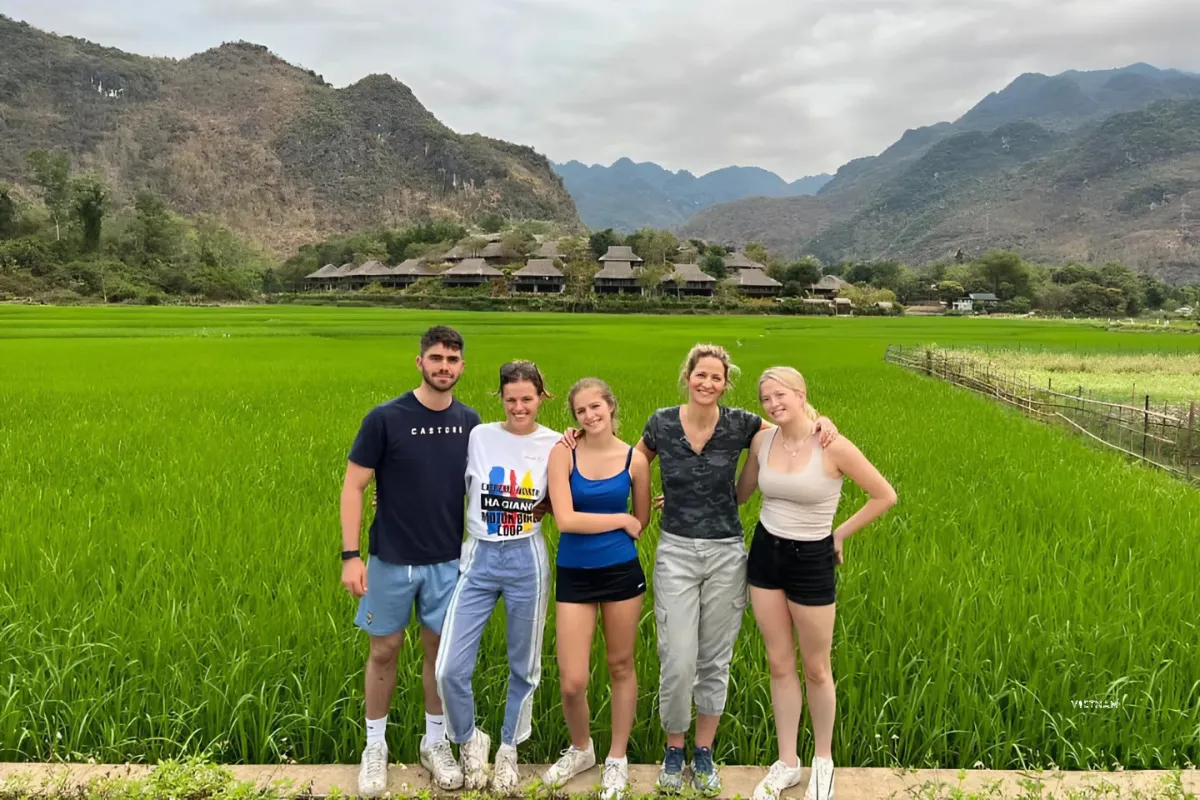
Private Mai Chau Day Trip And Waterfall & Hot Spring Bath

Place
Mai Chau

Duration
1D
Original price was: 175$.125$Current price is: 125$.
Sale!
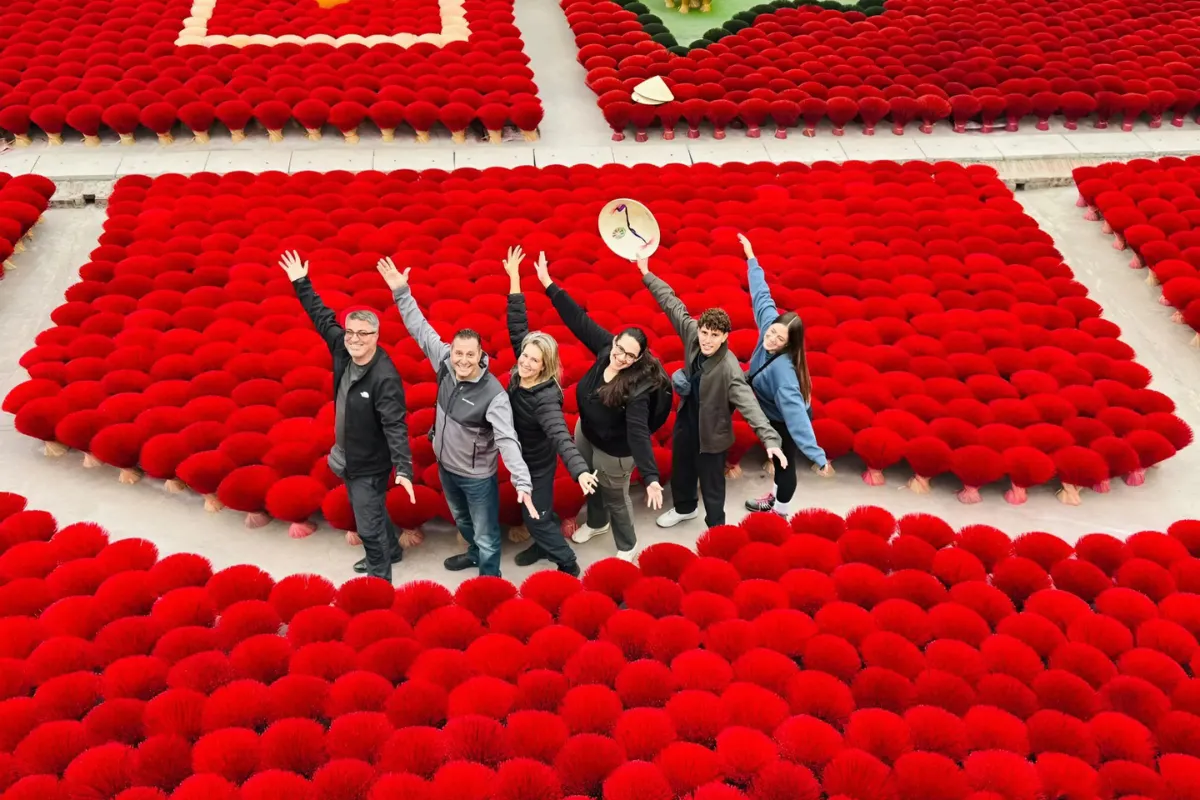
Authentic Hanoi Day Tour | Incense Village & Duong Lam Ancient Village
Place
Hanoi
Duration
1D
Original price was: 120$.105$Current price is: 105$.
Sale!
Hanoi Cycling Tour | Bat Trang, Kim Lan & Xuan Quan Flower Villages
Place
Bat Trang
Duration
1D
Original price was: 65$.55$Current price is: 55$.
Sale!
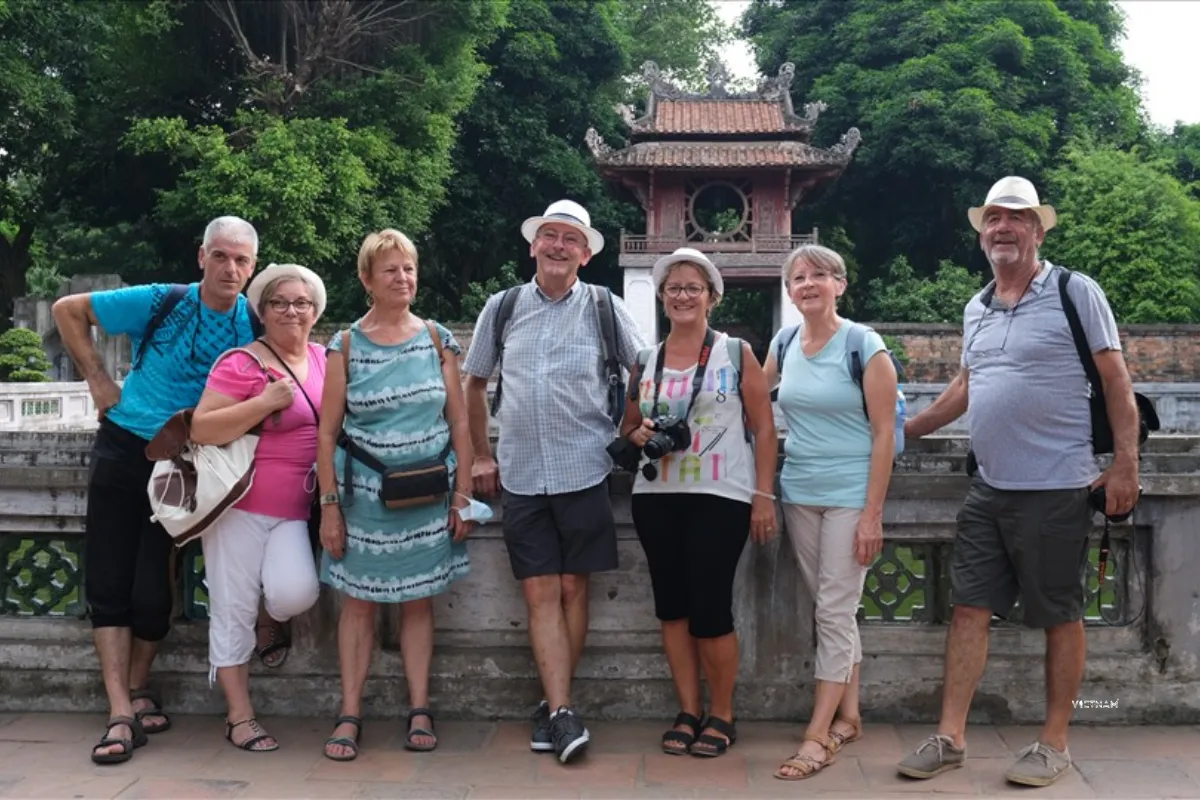
Half-Day Hanoi City Tour | Explore Iconic Landmarks in Just Few Hours
Place
Ha Noi
Duration
1D
Original price was: 50$.35$Current price is: 35$.
Sale!
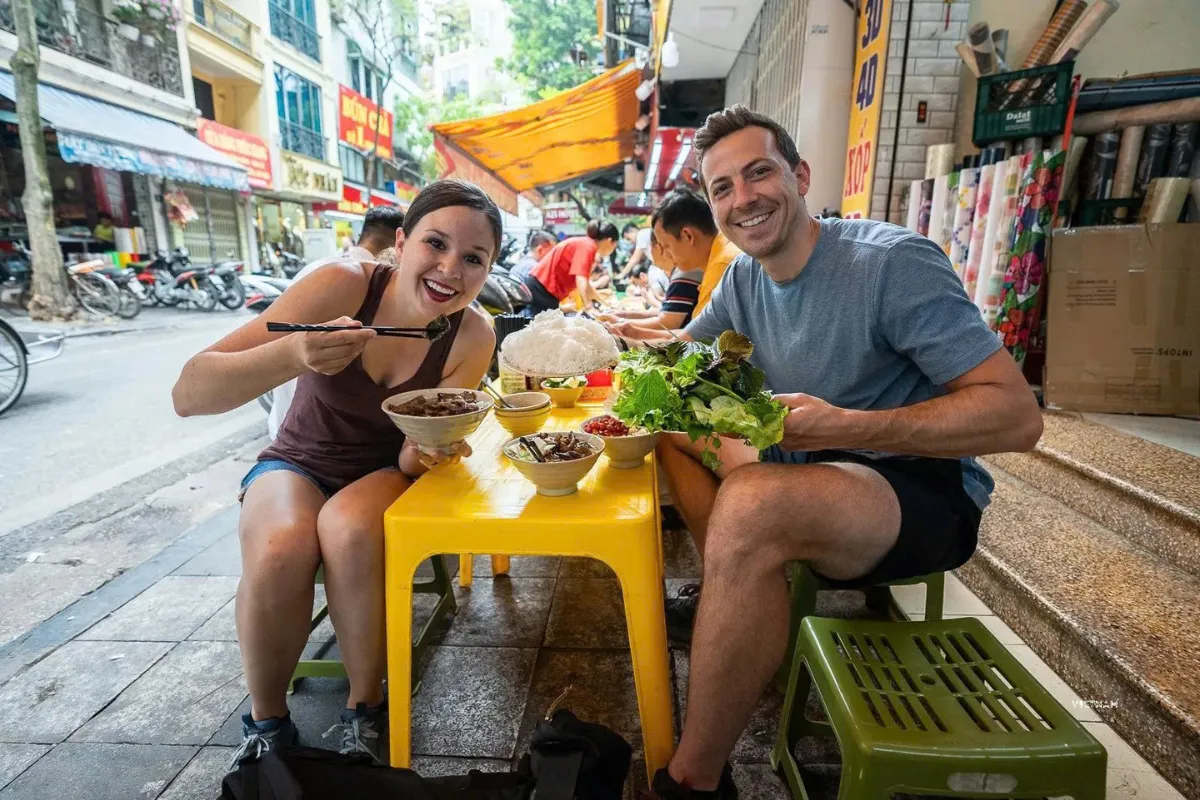
Exclusive Hanoi Street Food Tour | Discover Hanoi’s Best Eats on Foot
Place
Ha Noi
Duration
1D
Original price was: 50$.35$Current price is: 35$.
Sale!

Hanoi City Tour | Highlights, Local Culture | Best of Hanoi in One Day
Place
Ha Noi
Duration
1D
Original price was: 55$.45$Current price is: 45$.
Sale!
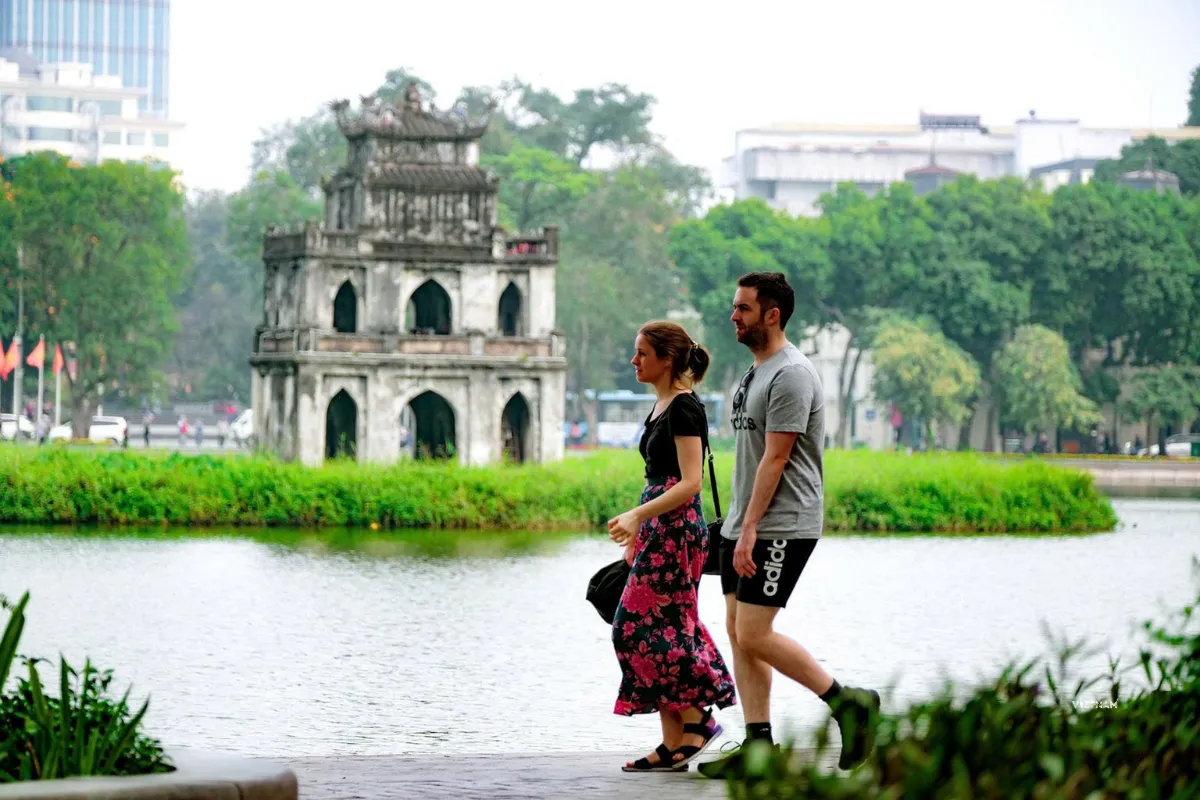
Top Hanoi City Walking Tour | Discover the Best of Hanoi in One Day
Place
Hanoi Capital City
Duration
1D
Original price was: 60$.50$Current price is: 50$.
Sale!
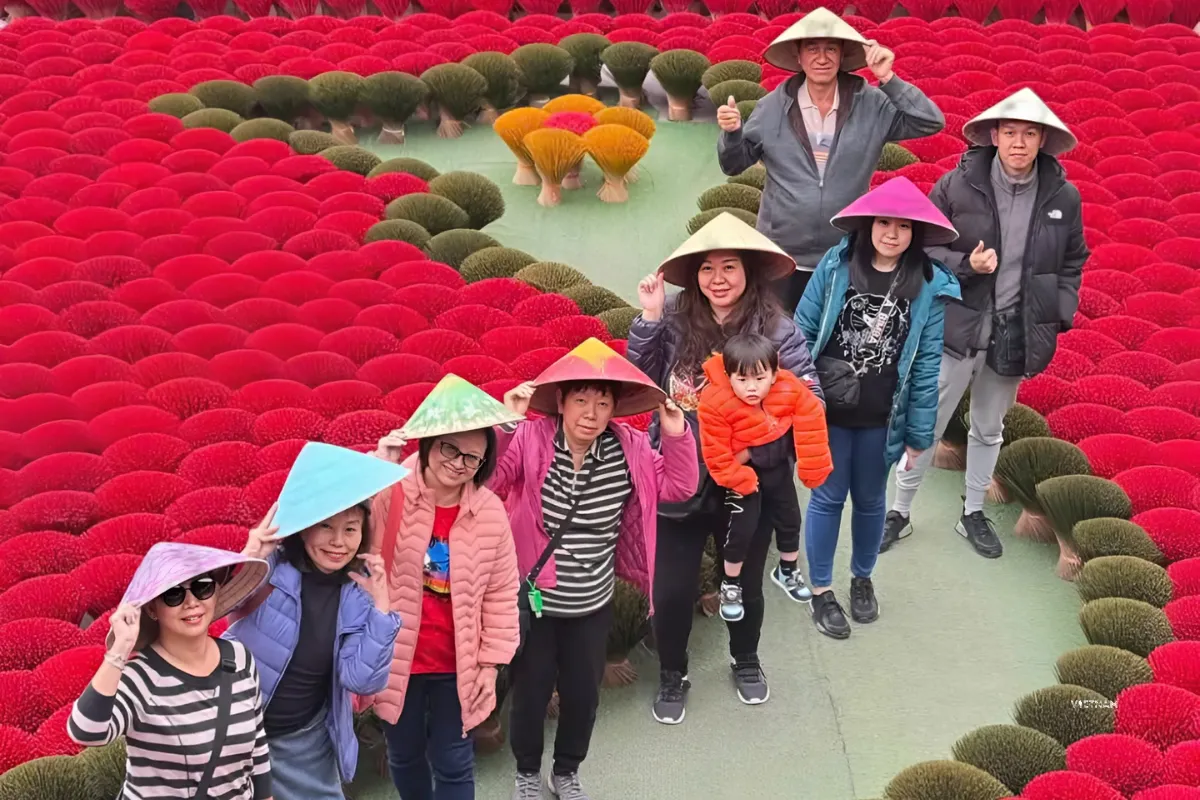
Incense Village Hanoi Tour | Explore Traditional Craft & Local Culture
Place
Quang Phu Cau
Duration
1D
Original price was: 85$.55$Current price is: 55$.
Beyond the Terraces: Less-Known Hoang Su Phi Experiences
The La Chi granary system — a living agricultural heritage: The La Chi maintain a communal rice storage system in several villages — traditional granaries built on stilts away from the main houses to protect against fire and pests, managed collectively by the village community, and accessed according to traditional protocols around harvest sharing and emergency food access. This is not a museum exhibit — it is a functioning system. A guide from the La Chi community can explain how it works and, in some villages, arrange a visit to the granary interior during the active harvest period. The agricultural logic behind it is as interesting as the structure itself.
- The multi-day Chieu Lau Thi summit approach: The route to the summit of Ha Giang Province’s highest peak (2,402 m) passes through La Chi villages at 1,400 m, a ridge section at 1,800 m with views across the terrace landscape and into Yunnan Province, and a summit area of subalpine meadow unlike anything else accessible in the Ha Giang region. The overnight at a La Chi family home at Pho Is village — before the summit push on Day 2 — is one of the most atmospheric Highland accommodations available in northern Vietnam. Fewer than 200 foreign travelers make this trek per year.
- The indigo dyeing tradition of the La Chi and H’mong: The textile production in Hoang Su Phi’s La Chi and H’mong villages uses natural indigo dye (chàm) processed from the plant grown on the terrace margins — the same plant that has coloured these communities’ clothing for generations. Several village women in Ban Phung and Thong Nguyen demonstrate the process if approached respectfully with a guide — wax resist application, repeated cold-dye immersion, sun-drying, and final patterning by hand. The finished fabric bears the scent of the dye plant and the marks of a process that takes weeks. Purchasing directly from the maker rather than a market stall keeps the economics at the source.
- Red Dao ritual bathing as therapeutic practice: The Red Dao herbal bath in Tham Ve village, described in the activities section, warrants additional framing here — because it is not simply a wellness experience but a traditional medical practice with specific prescriptions for specific conditions. The herb combinations used for post-harvest recovery are different from those used for cold prevention or joint pain. A practitioner in the Tham Ve community can explain the specific properties of each component; a guide who speaks Red Dao can facilitate this conversation. The difference between a tourist herbal bath and a medically intentional one is the conversation around it.
- Dawn on the approach road from Ha Giang City: The 100 km drive from Ha Giang City to Hoang Su Phi Town crosses four mountain passes — typically done as an unremarkable transit. Departing Ha Giang City at 4:30 AM instead of 7:30 AM means crossing the Tay Con Linh ridge area at sunrise, with views over the Chay River valley in the early light that the daytime drive never provides. The approach road, driven at dawn, is itself a travel experience rather than a logistics necessity.
Hoang Su Phi vs Mu Cang Chai: Which Is Better?
For travelers choosing between the two major terrace destinations in northwest Vietnam, here is the honest comparison that most content avoids giving directly:
| Criteria | Hoang Su Phi | Mu Cang Chai |
|---|---|---|
| Terrace drama | Comparable — 3,500 ha, steep gradients, impressive scale | Slightly more concentrated — La Pan Tan’s single-face drama is hard to match |
| Harvest timing | Earlier — mid to late September peak | Later — late September to mid-October peak |
| Crowd level | Far lower — a fraction of Mu Cang Chai’s visitor numbers | Moderate in peak season — busy by northwest Vietnam standards |
| Cultural diversity | Greater — La Chi, Red Dao, H’mong, Nung, Tay in one district | Primarily Black H’mong — culturally deep but less diverse |
| La Chi culture access | Unique — only major La Chi concentration in Vietnam | Not available |
| Infrastructure | More basic — limited guesthouses, fewer restaurant options | Better developed — more guesthouses, clearer tourist infrastructure |
| Road access difficulty | Higher — 4 mountain passes from Ha Giang City | Lower — more direct from Hanoi via Nghia Lo |
| Photography crowd at viewpoints | Almost none — viewpoints rarely have more than 5–10 people | Moderate — La Pan Tan viewpoint crowded in peak season |
| Best for | Authentic cultural encounter, La Chi culture, uncrowded terraces, sequential harvest circuit | Most dramatic single-viewpoint terrace photography, paragliding, easier logistics |
The honest answer: Hoang Su Phi is better for cultural depth and authenticity; Mu Cang Chai is better for ease of access and the most dramatic single terrace viewpoint. Neither is objectively superior — they serve different priorities. The travelers who get the most from northern Vietnam’s terrace landscape visit both, sequenced across the September harvest window.
Essential Hoang Su Phi Travel Tips (From Our Local Team)
This is not a destination for underprepared logistics. Unlike Mu Cang Chai — which has direct overnight buses, a reasonably clear tourist infrastructure, and multiple guesthouse options bookable online — Hoang Su Phi requires advance planning for transport, accommodation, and guide arrangements that cannot be improvised on arrival. Travellers who show up without bookings in harvest season will find guesthouses full and guides unavailable. Plan 4–6 weeks ahead for September–October visits.
- A La Chi community guide changes everything. The difference between a Vietnamese-speaking guide from Hoang Su Phi Town and a guide from the La Chi community you’re visiting is not just language — it is access. Village elders greet community members differently than outsiders; granaries that are closed to casual visitors open to people known to the community; the meals offered are different; the conversations are different. Insist on a local community guide, not just any guide. Your guesthouse or a specialist Hanoi operator can arrange this with 2–3 days notice.
- The mountain roads are genuinely hazardous in wet conditions. The 100 km between Ha Giang City and Hoang Su Phi Town crosses terrain that is among the most landslide-prone in northern Vietnam after heavy rain. July–August visits are not recommended for this reason. Even in September, a heavy rainstorm 24 hours before your planned drive can leave road sections impassable for several hours. Check current road conditions with your accommodation before departing Ha Giang City — they will know the situation before any official source does.
- Carry more cash than you think you need. There is one ATM in Hoang Su Phi Town with inconsistent reliability, and nothing in the villages. The Ha Giang City ATMs are your last reliable cash point before the district. Withdraw for the full stay: accommodation, guide fees, market purchases, herbal bath, and food — 1,000,000–1,500,000 VND per person per day is a conservative estimate including guide costs.
- The Sunday market is worth timing your trip around. Hoang Su Phi’s Sunday market is one of the most ethnically diverse weekly gatherings in Vietnam — five distinct minority groups in traditional dress trading simultaneously in a small town. If your travel dates allow flexibility, arrive Saturday evening and spend Sunday morning at the market before moving to the terrace viewpoints in the afternoon. The market alone justifies the distance from Hanoi for many travelers who encounter it.
- Photograph people with the same respect the remoteness demands of you. Hoang Su Phi’s communities are not accustomed to international tourism at the level of Sapa or Mu Cang Chai. A camera pointed at a La Chi woman without acknowledgement is intrusive in a way it would not register as in a heavily visited tourist village. Ask through your guide. Wait for the moment to be offered rather than taken. The photographs made with permission and relationship are different in quality from those taken without.
- The sequential harvest circuit requires flexible dates. If your primary goal is catching both Hoang Su Phi and Mu Cang Chai at golden harvest peak, build 2–3 days of flexibility into your dates rather than fixing specific travel days 8 weeks ahead. Harvest timing varies by 1–2 weeks year to year, and the difference between arriving 3 days before peak and 3 days after is visually significant. A local operator who monitors conditions can advise on specific departure dates from Hanoi closer to your travel window.

Frequently Asked Questions — Hoang Su Phi Travel Guide
What is Hoang Su Phi famous for?
Hoang Su Phi is famous for its 3,500 hectares of terraced rice fields — designated a National Heritage Scenic Landscape in 2012 — which are among the largest and most spectacular in Vietnam. It is also known as the primary homeland of the La Chi ethnic minority, one of Vietnam’s smallest and least-known ethnic groups with a distinct culture, architecture, and agricultural tradition found almost nowhere else. The golden rice harvest (mid to late September) and the multi-ethnic Sunday market drawing La Chi, Red Dao, H’mong, Nung, and Tay communities are the two most significant draws.
When is the best time to visit Hoang Su Phi?
The best time to visit Hoang Su Phi is mid to late September for the golden rice harvest — approximately 2–3 weeks earlier than Mu Cang Chai’s peak, making it the first stop on a sequential northwest Vietnam harvest circuit. The harvest typically peaks between September 15–30, with exact dates varying 1–2 weeks by year based on rainfall patterns. May to June is the second-best season for flooded terrace reflections. Avoid July–August due to landslide risk on mountain roads.
How do I get from Hanoi to Hoang Su Phi?
There is no direct bus service from Hanoi to Hoang Su Phi. The most practical route is a private car from Hanoi to Ha Giang City (5 hours, $80–$110 for the vehicle), followed by a separate car hire or taxi for the 100 km western leg to Hoang Su Phi Town (2.5–3 hours, $40–$60). The total journey is 6–7 hours and 320 km. Overnight buses to Ha Giang City (departing Hanoi 9–10 PM) followed by a local car arrangement the next morning is the budget alternative. A specialist tour operator can handle both legs end-to-end.
What is the La Chi ethnic group?
The La Chi are one of Vietnam’s smallest officially recognised ethnic minorities — with a total population of approximately 15,000 people, concentrated almost entirely in Hoang Su Phi District. They are distinct from the H’mong, Dao, and Thai groups that dominate most northwest Vietnam highland destinations, with their own language (Kra-Dai family), distinct stilt house architecture (lower-pitched roof form, specific spatial organisation), communal rice storage traditions, and geometric textile patterns in indigo and red. Hoang Su Phi is effectively the only place in Vietnam — and possibly the world — where La Chi culture can be encountered in a functioning village setting.
Is Hoang Su Phi better than Mu Cang Chai?
They serve different priorities. Hoang Su Phi has greater cultural diversity (five ethnic groups in one district, including the unique La Chi community), significantly lower visitor numbers, and an earlier harvest peak that allows sequential harvest travel with Mu Cang Chai. Mu Cang Chai has the more concentrated single-viewpoint terrace drama (particularly La Pan Tan), better infrastructure, and easier access from Hanoi. For rice terrace photography specifically, both are outstanding. For cultural depth and authentic village encounter, Hoang Su Phi is the stronger destination. Experienced northwest Vietnam travelers typically rate visiting both — sequenced across September’s harvest window — as the most complete highland Vietnam experience available.
Do I need a guide for Hoang Su Phi?
For the Ban Phung terrace viewpoint and lower village paths, a guide is not strictly required. For Nam Ty village, the Thong Nguyen upper terrace trail, the Chieu Lau Thi summit trek, and Tham Ve Red Dao village visits, a local guide is essential — for navigation, language access, and the village introductions that make these routes culturally meaningful rather than just physically demanding walks. Specifically, a guide from the La Chi community (rather than a Vietnamese-speaking guide from the town) dramatically improves the village encounter quality. Arrange through a specialist local operator 2–3 days in advance.
Can I combine Hoang Su Phi with the Ha Giang Loop?
Yes — and this is the most complete Ha Giang Province itinerary available. Hoang Su Phi lies 100 km west of Ha Giang City (toward China), while the Ha Giang Loop extends east (toward Dong Van and Meo Vac). A combined itinerary typically spends 2–3 days in Hoang Su Phi first, returns to Ha Giang City, obtains the Loop permit, then rides the 3–4 day Loop circuit east. The total Ha Giang Province circuit — 6–7 days — covers the full geographical and cultural range of Vietnam’s most extraordinary northern province. This is the itinerary we most often recommend to travelers with serious highland Vietnam interest.
What food is Hoang Su Phi known for?
Hoang Su Phi’s food reflects its ethnic diversity: thắng cố ngựa (La Chi and H’mong horse stew — strongly flavoured, served at the Sunday market and in village homestays), thịt lợn bản (free-range village pork, considered among the best in the northwest highlands due to the pigs’ forest-foraging diet), xôi ngũ sắc (five-colour sticky rice made with natural plant dyes — each colour representing a different La Chi or Dao community tradition), rượu ngô nếp (glutinous corn wine, made in La Chi villages from the sticky corn grown on upper terrace margins), and mật ong rừng (wild forest honey — collected from cliff hives by La Chi honey hunters, sold at the Sunday market in bamboo containers).

Plan Your Hoang Su Phi Trip with a Local Expert
We’re a Hanoi-based travel company and Hoang Su Phi is the destination in our portfolio that requires the most specific local knowledge to get right. The harvest timing window, the La Chi community guide connections, the Ban Phung homestay availability, and the road condition monitoring in September all make this a trip where the difference between booking through a specialist and going independently is the difference between a remarkable experience and a logistically frustrating one.
- Harvest season timing verification — real-time monitoring of all three terrace clusters
- La Chi community guide arrangements — not town guides, village guides
- Ban Phung and Nam Ty homestay bookings — done early, before harvest season fills them
- Full transport logistics from Hanoi or Ha Giang City with road condition monitoring
- Sequential Hoang Su Phi + Mu Cang Chai harvest circuit — our most requested 10-day northwest itinerary
- Available 7 days a week — respond within 2–4 hours on WhatsApp
Get Your Free Hoang Su Phi Trip Plan
Tell us your September or October travel dates and whether you want to combine with Mu Cang Chai and/or the Ha Giang Loop. We’ll verify harvest timing, confirm accommodation availability, and send you a day-by-day plan with transparent pricing within 4 hours.
Request Your Free Hoang Su Phi Itinerary →
Or message us directly on WhatsApp: +84 849 391 981
Explore More Northern Vietnam
- Ha Giang Travel Guide — the Loop, Dong Van Karst, and Vietnam’s most dramatic mountain road
- Mu Cang Chai Travel Guide — the sequential harvest partner to Hoang Su Phi
- Sapa Travel Guide — trekking, Fansipan, and H’mong culture in the northwest
- Moc Chau Travel Guide — tea plantations and flower seasons on the northwest plateau
- Hanoi Travel Guide — the departure base for all northwest Vietnam trips
- 10-Day Northern Vietnam Itinerary — the complete northwest highland harvest circuit
- Browse Hoang Su Phi Tours →