
Ho Chi Minh City Travel Guide
Ho Chi Minh City is Vietnam’s most dynamic metropolis — a city of 10 million people where French colonial boulevards meet glass towers, where war history and economic ambition exist on the same street, and where the world’s most vibrant street food culture operates 24 hours a day. Formerly Saigon, it remains Vietnam’s commercial capital, southern gateway, and the starting point for some of the country’s best day trips and circuits.
This guide covers everything: the best things to do in the city, the war history sites, the districts and where to base yourself, the street food circuit, day trips to the Mekong Delta and Cu Chi Tunnels, when to visit, and the honest local knowledge that makes the difference between a rushed 48-hour transit and a genuinely rewarding city experience.
Jump to: Why HCMC | Things to Do | War History Sites | Street Food Guide | Districts Guide | Best Time to Visit | Getting There | Where to Stay | 3-Day Itinerary | Day Trips | Travel Tips | FAQ
Ho Chi Minh City at a Glance
| Quick Fact | Details |
|---|---|
| Official Name | Ho Chi Minh City (Thành phố Hồ Chí Minh) — colloquially still called Saigon by locals and most Vietnamese |
| Population | ~10 million (city) / ~13 million (metro area) |
| Airport | Tan Son Nhat International Airport (SGN) — 7 km from District 1 centre, 20–30 min by taxi |
| Distance from Hanoi | 1,726 km — 2 hrs by flight, 34 hrs by train |
| Best Time to Visit | December–April (dry season). Shoulder: May and November. |
| Recommended Stay | 3 nights minimum; 4–5 nights with Mekong Delta and Cu Chi day trips |
| Key Districts | District 1 (tourist centre) · District 3 (French colonial, local) · Binh Thanh · District 4 (seafood) · Phu Nhuan |
| Currency | Vietnamese Dong (VND). 1 USD ≈ 25,000 VND. ATMs everywhere in District 1. |
| Language | Vietnamese — English widely spoken in tourist areas, hotels, and restaurants |
| Key Day Trips | Cu Chi Tunnels (40 km) · Mekong Delta (70–90 km) · Can Gio Mangrove Forest (50 km) |
Why Visit Ho Chi Minh City? An Honest Local Perspective
Ho Chi Minh City is one of those destinations that divides travelers — some find its energy overwhelming and its history confronting, while others find it the most alive city in Southeast Asia. The honest truth is that it is both. HCMC moves faster than almost anywhere in the region: the traffic is relentless, the development is constant, the food is extraordinary, and the historical weight of the 20th century’s most significant conflict sits inside museums and tunnels within day-trip distance of a rooftop cocktail bar.
Understanding what HCMC is good for — and what it isn’t — shapes a much more satisfying visit:
- The war history is the most significant in Southeast Asia. The War Remnants Museum, Cu Chi Tunnels, and the Reunification Palace together provide the most complete and most emotionally complex engagement with the Vietnam War (called the American War in Vietnam) available anywhere in the world. The combination of the tunnels’ physical scale and the museum’s documentary record creates an experience that most visitors describe as the most affecting of their Vietnam trip.
- The street food scene is the best in Vietnam. This is a strong claim in a country where every city has legitimate food culture, but HCMC’s combination of southern Vietnamese tradition, French colonial culinary influence, and the immigrant communities (Chinese, Khmer, Cham) that settled in and around the city produces the most diverse and highest-density street food ecosystem in the country. The specific dishes — hủ tiếu Nam Vang, cơm tấm, bánh mì, bún bò Huế in its southern interpretation, and the extraordinary range of chè desserts — are best eaten here.
- The French colonial architecture is the most complete outside Hanoi. The Boulevard de la Somme (Hàm Nghi), the Rue Catinat (Đồng Khởi), Notre-Dame Cathedral, the Central Post Office, the Municipal Theatre (City Hall), and the dozens of villa-style colonial buildings that survive in Districts 1 and 3 create a architectural character that is genuinely beautiful when approached slowly and deliberately.
- The Mekong Delta is one of the world’s great river landscapes. The delta of the Mekong River — spreading from HCMC to the Gulf of Thailand across 40,000 km² — contains one of the most distinctive agricultural and water-based communities in Asia: floating markets, river islands cultivated entirely with fruit, the network of canals that connect hundreds of communities without road access. No equivalent experience exists anywhere else in Vietnam.
- It is the gateway to southern Vietnam’s best circuits. HCMC is the starting point for the south-central coastal circuit (Mui Ne → Da Lat → Nha Trang), the Mekong Delta circuit, and the Cambodia border crossing. As a base for exploring southern and central-south Vietnam, it has no substitute.
Best Things to Do in Ho Chi Minh City
1. Reunification Palace (Dinh Thong Nhat)
The building where the Vietnam War ended — at 11:30 AM on April 30, 1975, a North Vietnamese Army tank crashed through the main gate and soldiers raised the flag on the rooftop, ending the Republic of South Vietnam. The palace itself — built in 1966 as the residence and working space of South Vietnam’s president — has been preserved almost exactly as it was abandoned on that day: the war room in the basement with its aging communications equipment, the reception halls with their mid-century modernist décor, and the rooftop helipad where the last helicopters departed. Entry: 65,000 VND. Allow 90 minutes with an audio guide. A genuinely important historical site — not a museum of artifacts but a preserved space where the events themselves happened.
Marble Mountains in Da Nang
The Vietnam’s Spiritual Landmark
2. War Remnants Museum (Bảo Tàng Chứng Tích Chiến Tranh)
The most visited museum in Vietnam — and the most emotionally complex. The War Remnants Museum documents the Vietnam War (called the American War here) from the Vietnamese perspective, with an emphasis on civilian casualties, the effects of Agent Orange defoliant (which continues to affect Vietnamese communities through generational health impacts), and the human cost of the conflict. The photographs — many by renowned war photographers including Nick Ut (Napalm Girl) and Larry Burrows — are among the most powerful documentary images of the 20th century. This is not comfortable museum-going; it is a necessary historical encounter. Entry: 40,000 VND. Allow 2–3 hours. Not recommended for children under 10.
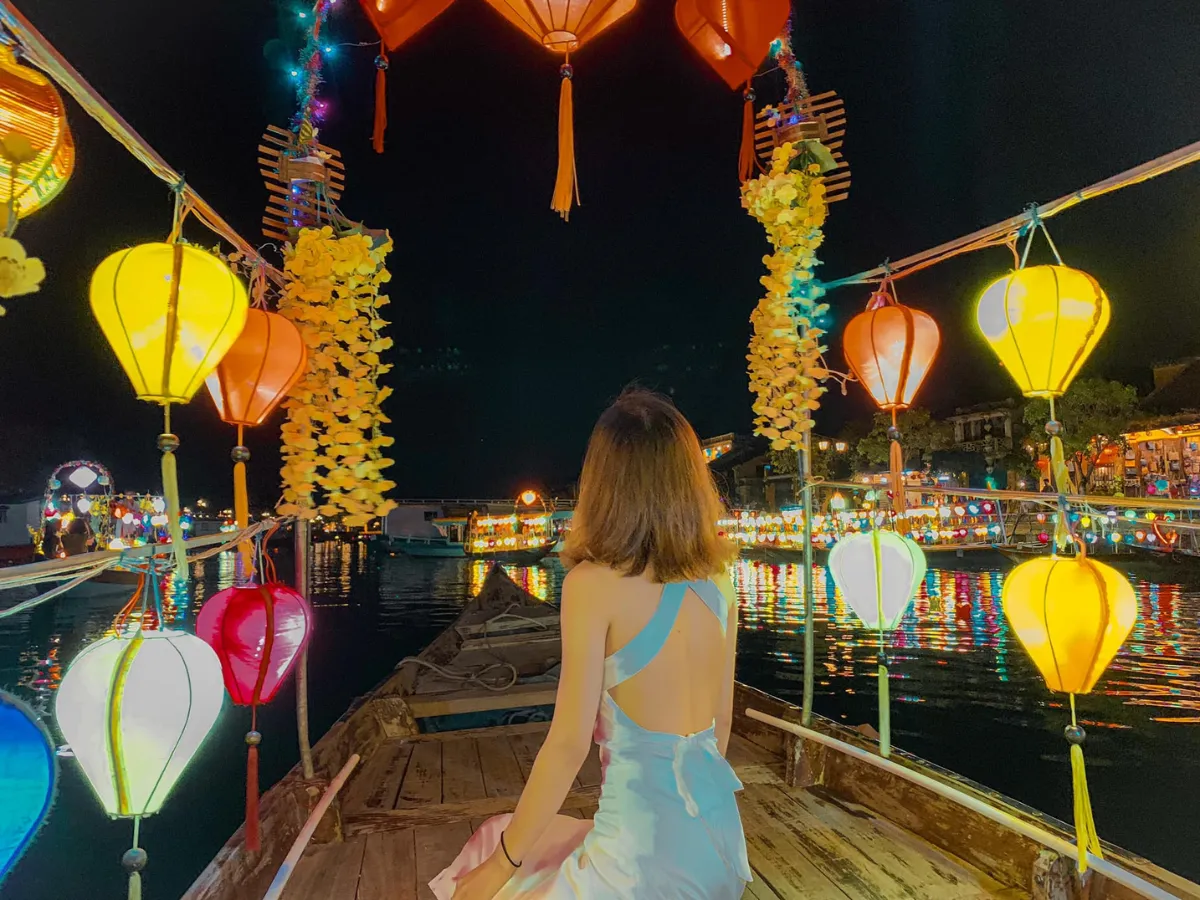
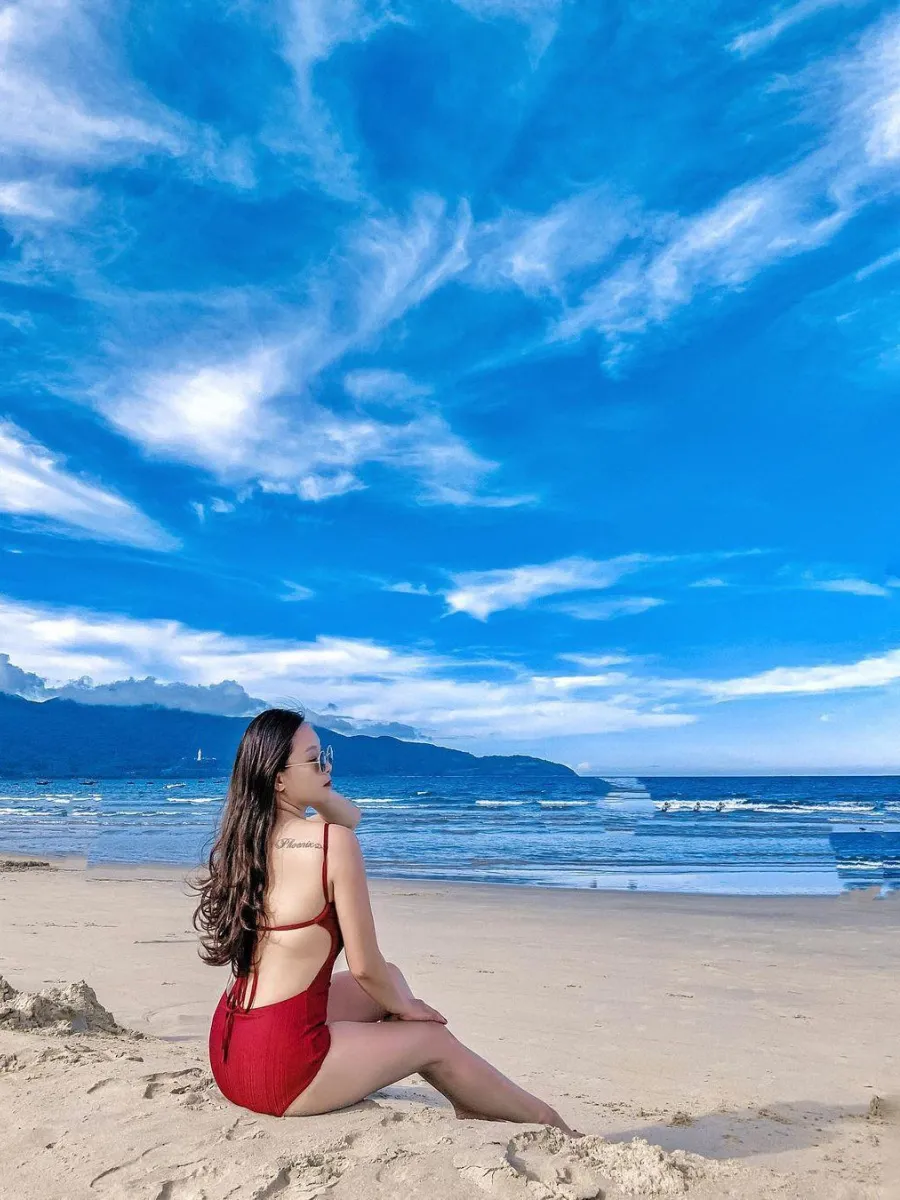
My Khe Beach
Best Beach in Da Nang Vietnam
3. Ben Thanh Market and District 1 Walking
Ben Thanh Market — the 1914 central market building at the heart of District 1 — is the most iconic single structure in HCMC and the anchor point for the street food stalls, tourist shops, and local produce vendors that surround it. The market itself (two large interior halls) has a genuine produce and food section in the east wing (best before 9:00 AM) and a tourist souvenir section in the main hall. The surrounding streets — particularly the evening street market on Phan Boi Chau and Phan Chu Trinh — are better for food than the interior. The 1 km walk from Ben Thanh north along Nguyen Hue Boulevard to the Reunification Palace passes through the best concentration of French colonial architecture in the city: the City Hall (HCMC People’s Committee), the Rex Hotel, Notre-Dame Cathedral, and the Central Post Office (designed by Gustave Eiffel’s office, 1891).
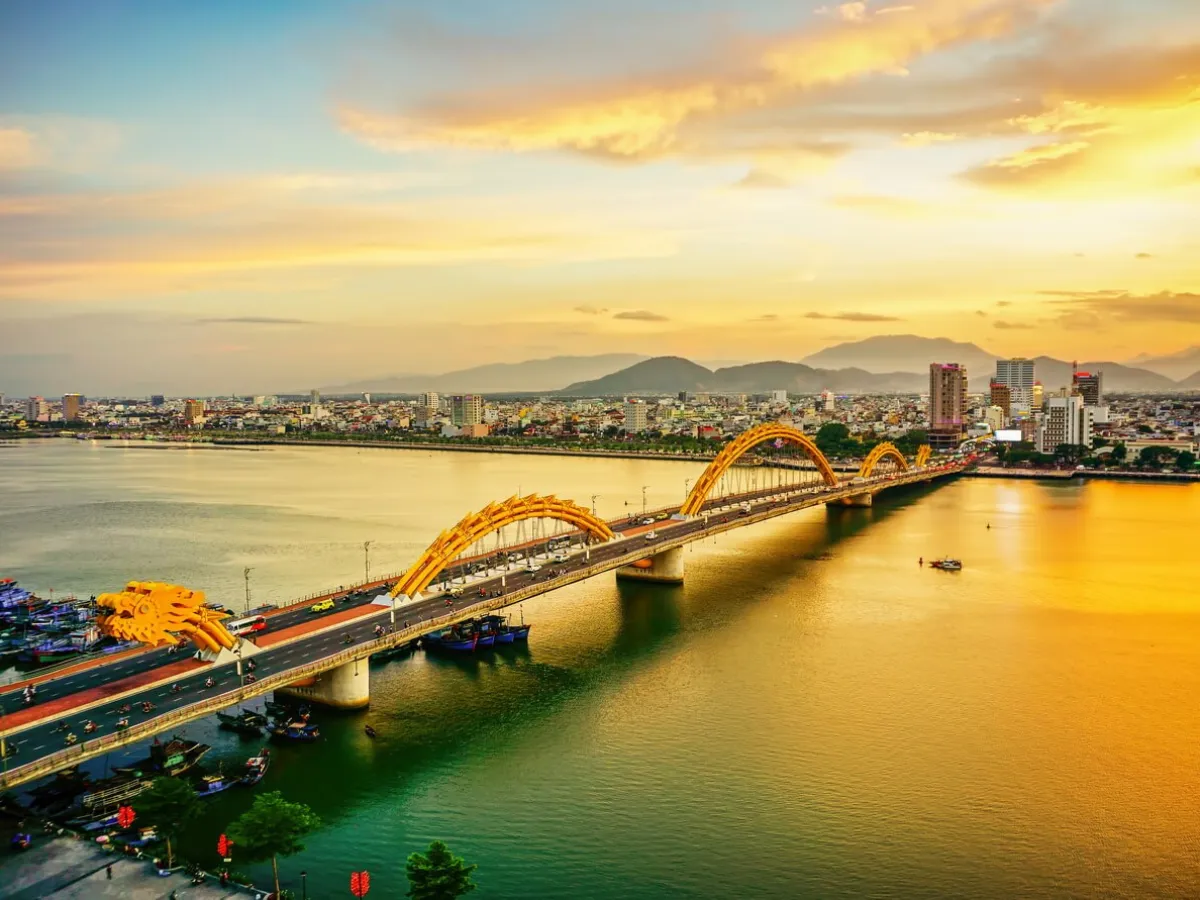
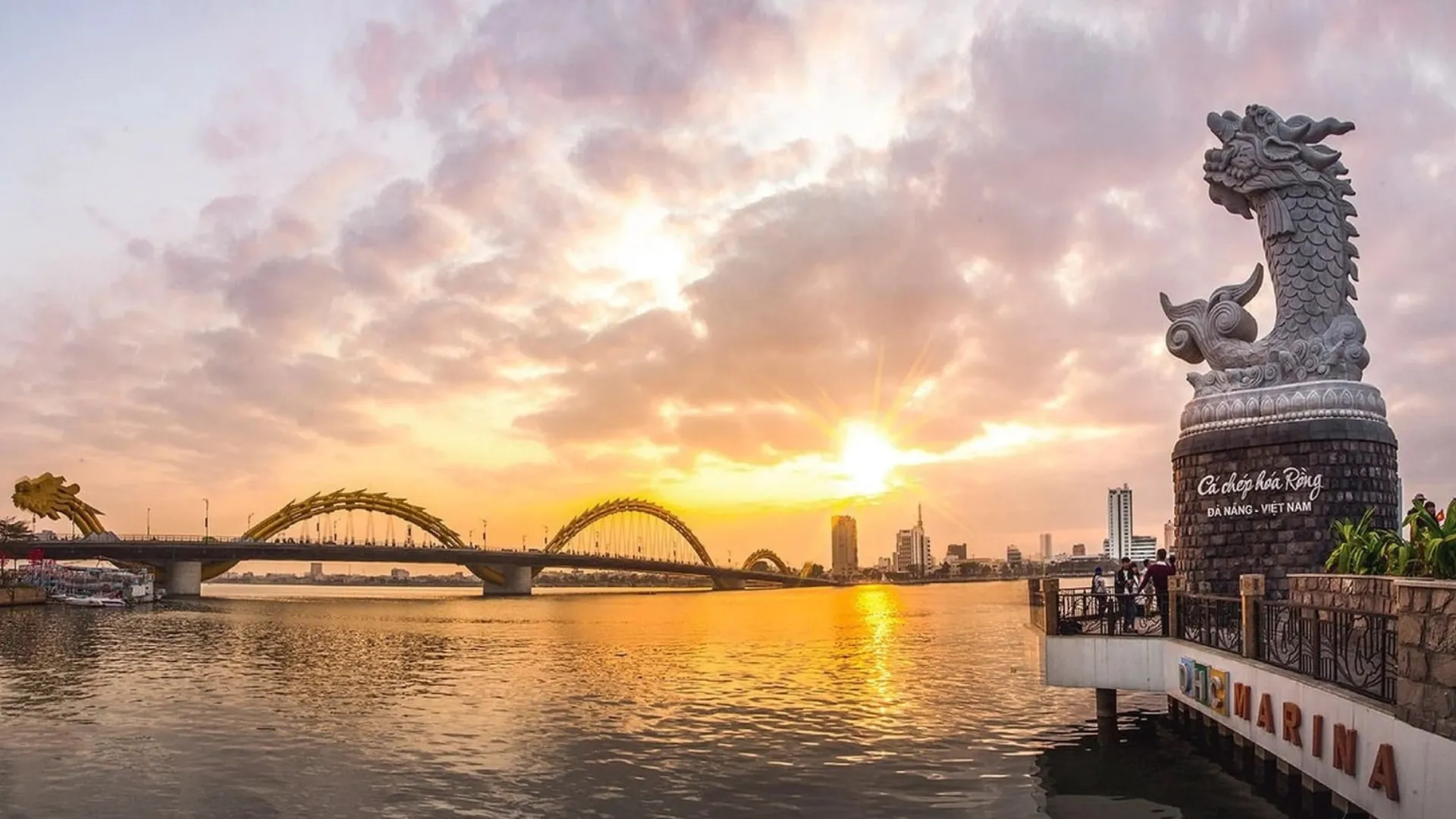
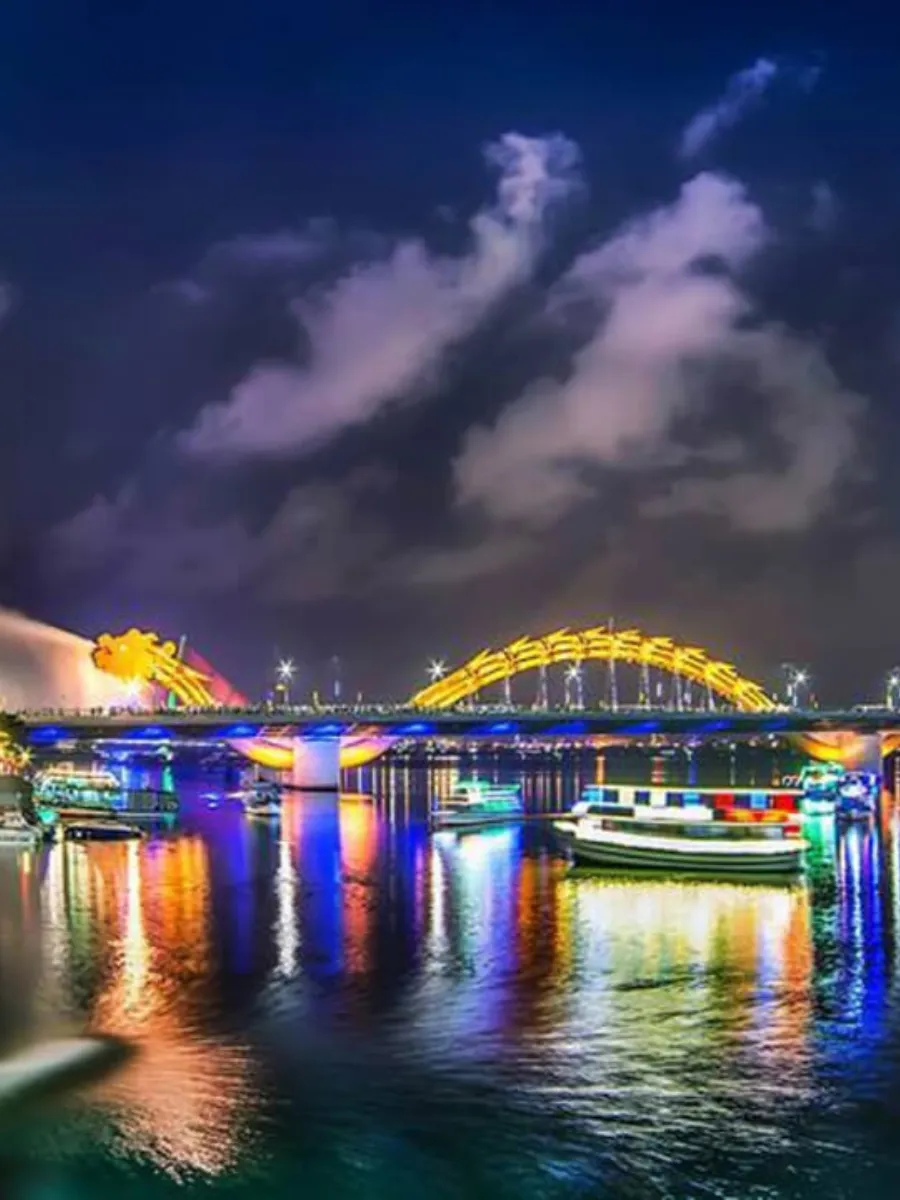
The Dragon Bridge
Iconic Landmark in Central Vietnam
4. Notre-Dame Cathedral and Central Post Office
The two most architecturally significant French colonial buildings in HCMC, 50 metres apart in Paris Square (Cong Xa Paris). Notre-Dame Cathedral (built 1877–1883 from materials shipped from France, including Marseille brick and glass from Chartres) is a twin-spired neo-Romanesque church that remains active — mass is held daily and the interior is open between services. The Central Post Office (1891) is one of the most beautiful functional buildings in Southeast Asia: a vast vaulted interior space with cast iron columns, the original floor tiles, large historical maps of Saigon on the walls, and postal services still operating at the original wooden booths. Both are free to enter. Allow 45 minutes combined. The cathedral’s western facade is the most photographic at golden hour (5:00–6:00 PM).
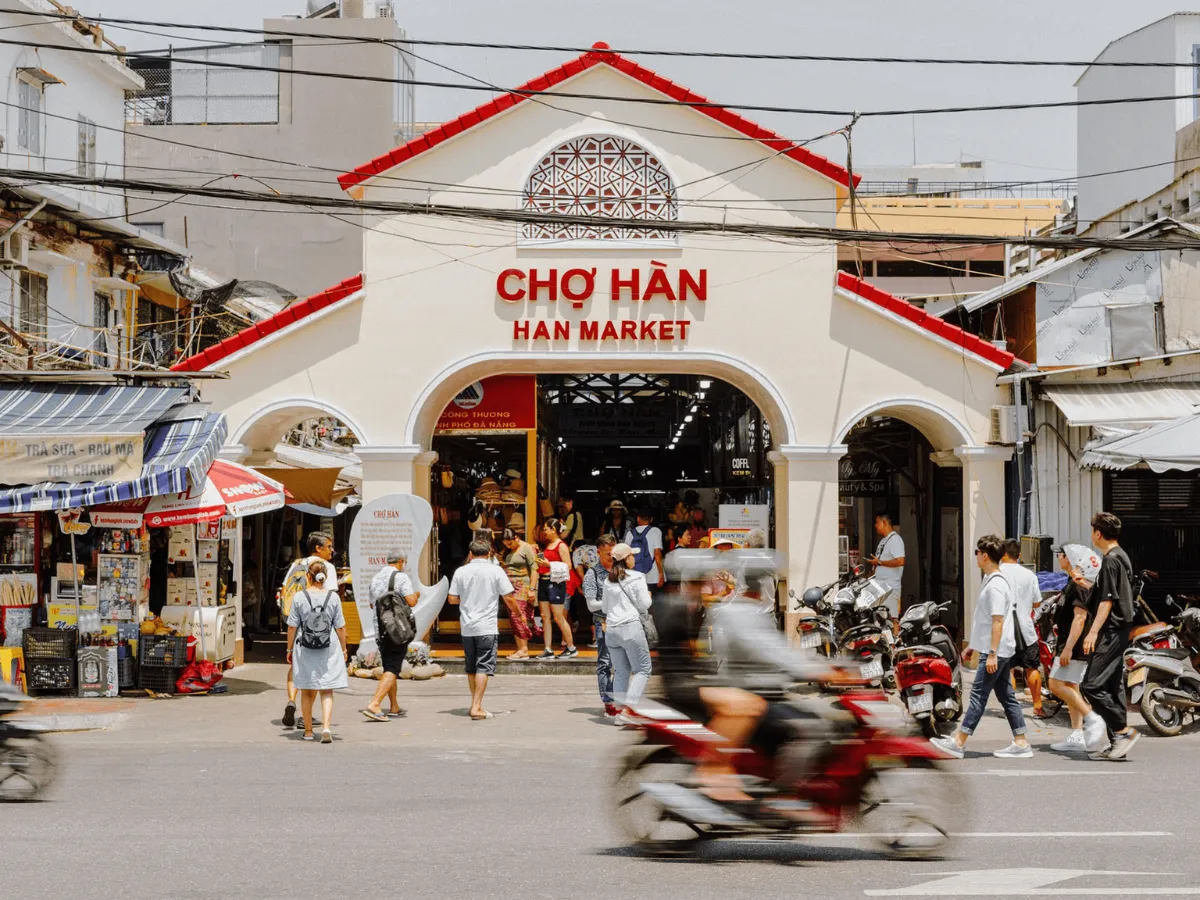
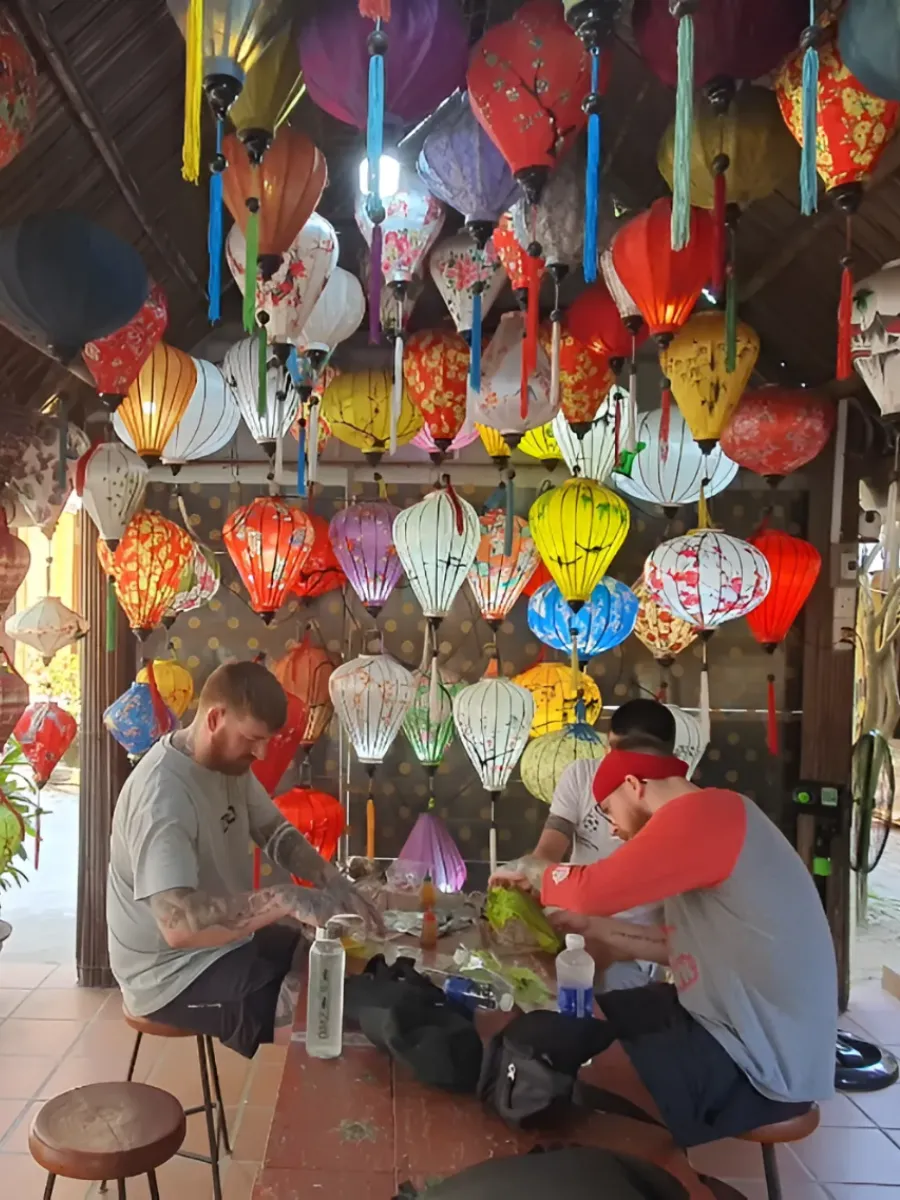
Han Market in Da Nang
Ideal place for local & traditional products
5. Nguyen Hue Walking Street and HCMC at Night
Nguyen Hue Boulevard — pedestrianised between Le Loi and the Saigon River — is HCMC’s main urban promenade and the best expression of the city’s evening energy. The street is lined with cafés, flower vendors, food carts, and the river end opens to a view of the Saigon River and the Binh Thanh district skyline. On weekends the boulevard becomes a gathering point for thousands of local families, couples, and young people. The rooftop bars above the boulevard (Chill Skybar, Level 23 at the Sheraton) provide the aerial perspective on the city’s evening density. The street is at its best between 7:00 PM and 10:00 PM on any day of the week.
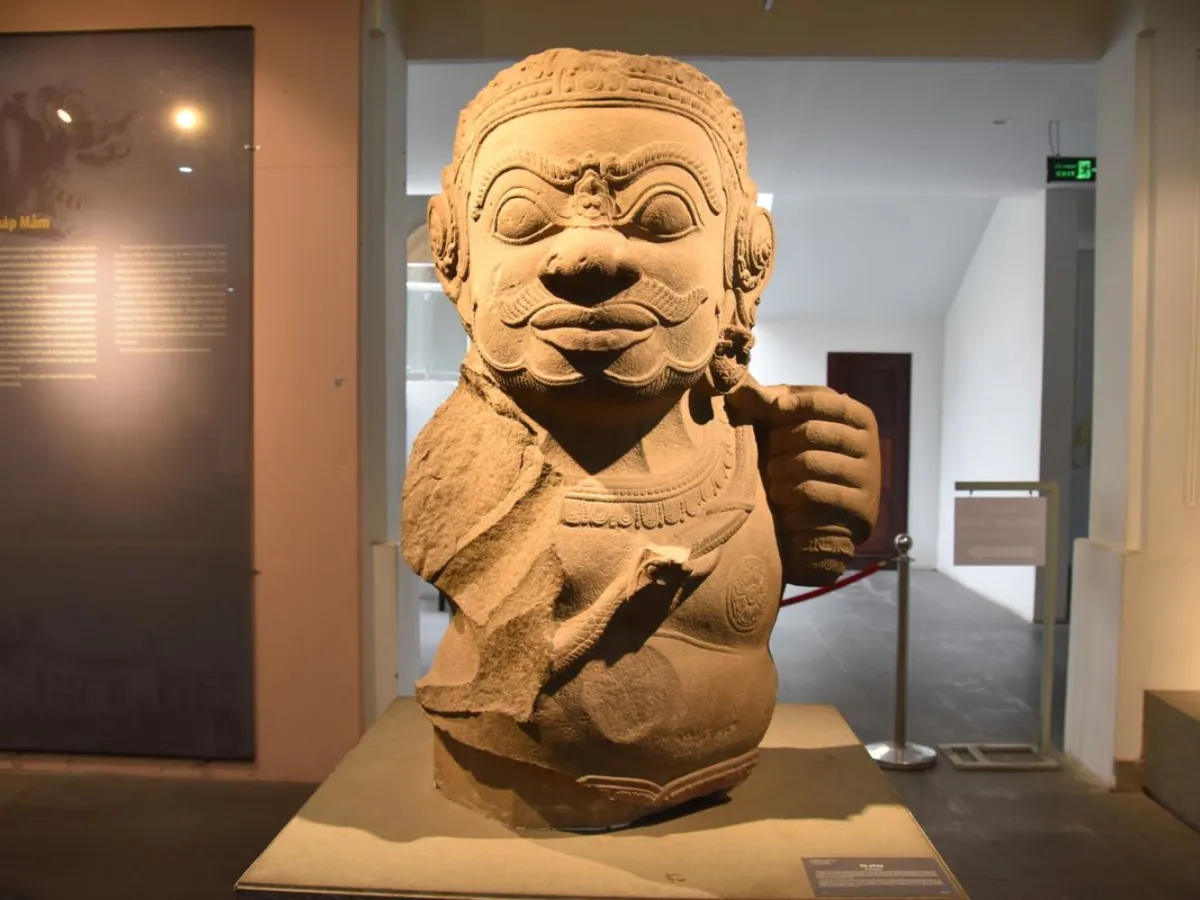
Da Nang Museum of Cham Sculpture
The Cham Arts
6. Jade Emperor Pagoda (Chùa Phước Hải)
The most atmospheric religious site in HCMC — a Taoist pagoda built in 1909 by the Cantonese community, filled with extraordinary carved wooden figures, incense smoke rising from coils suspended from the ceiling, and a genuine devotional energy from the Vietnamese and Chinese community members who come to pray. The pagoda’s inner sanctum contains the Jade Emperor enthroned above a supporting cast of guardian deities, celestial bureaucrats, and mythological animals rendered in lacquered and gilded wood. Entry free; dress modestly. Visit on a weekday morning (8:00–10:00 AM) when the devotional activity is at its most genuine and the tourist presence minimal. A genuinely sacred space that rewards quiet attention over photography.
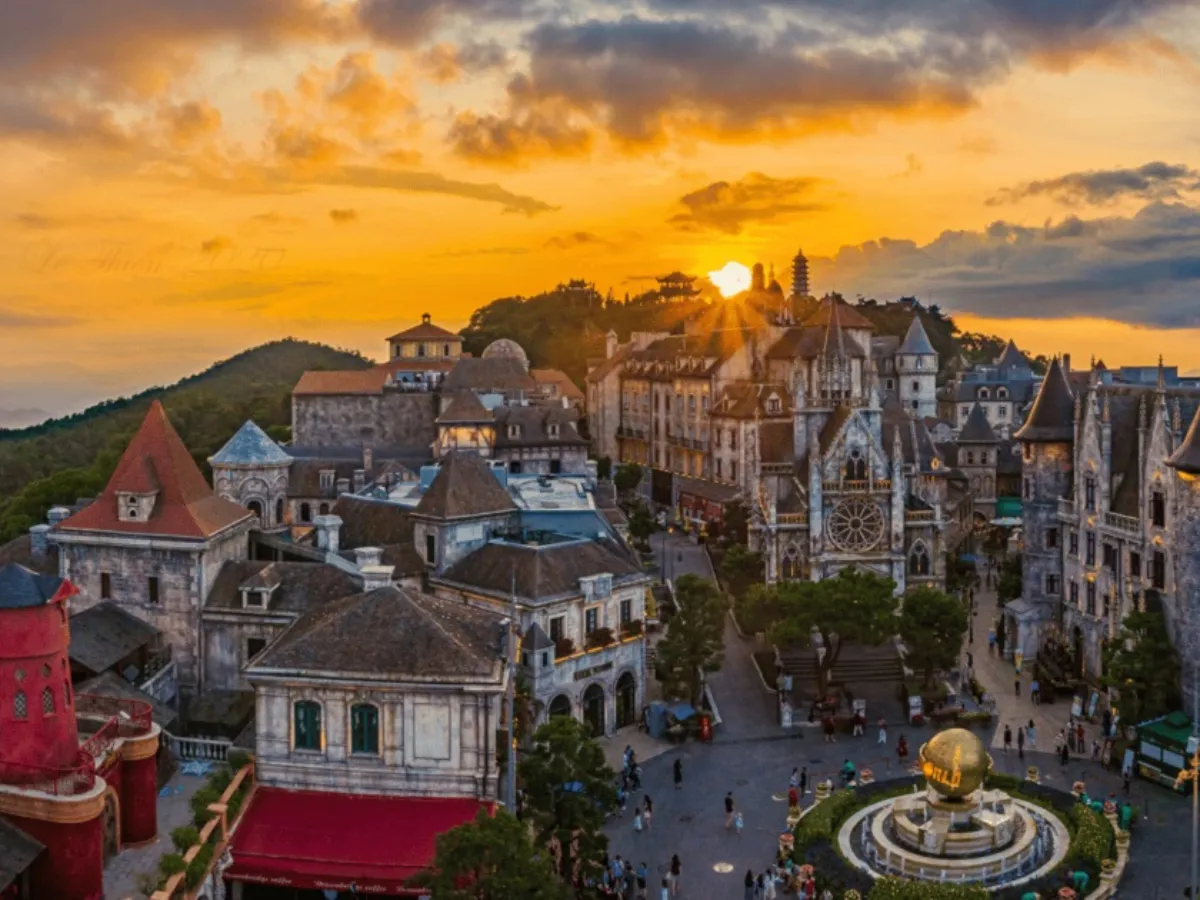
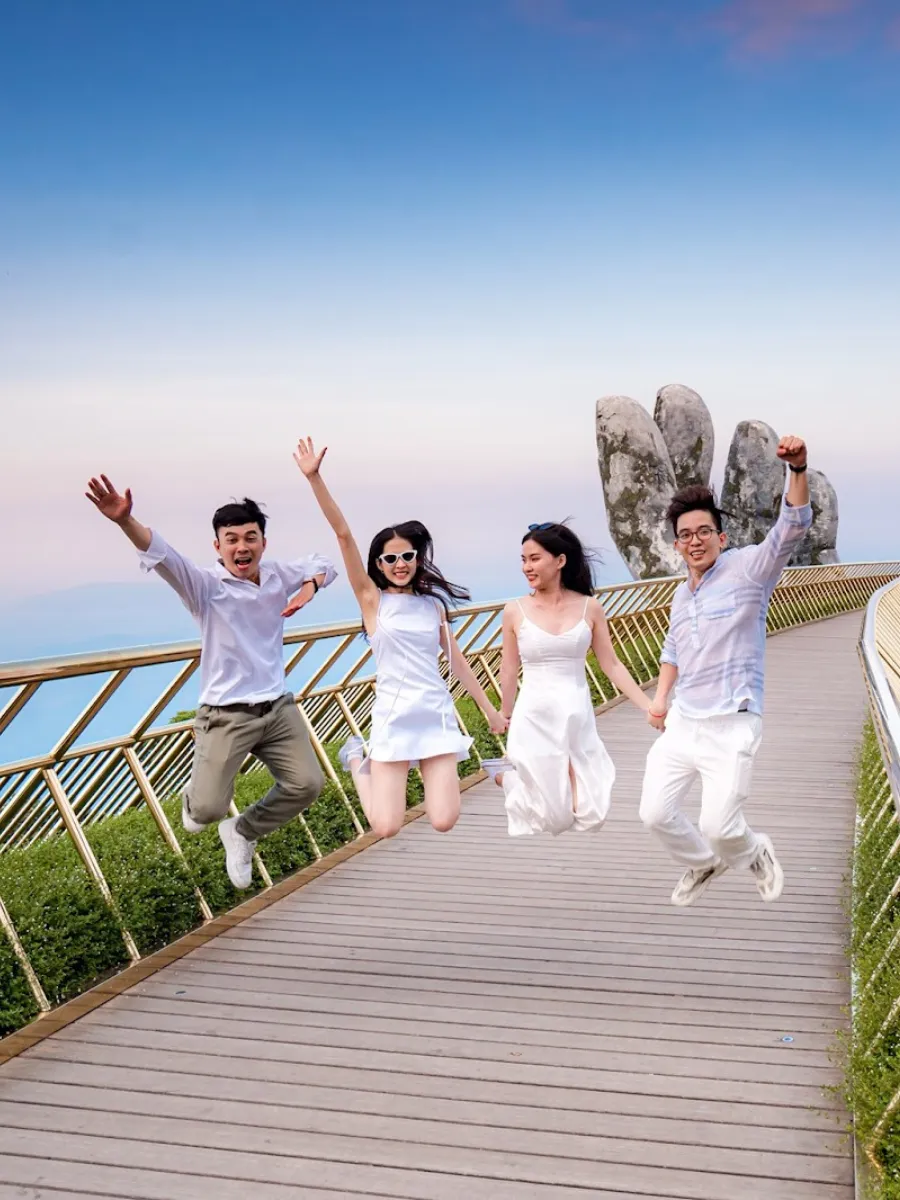
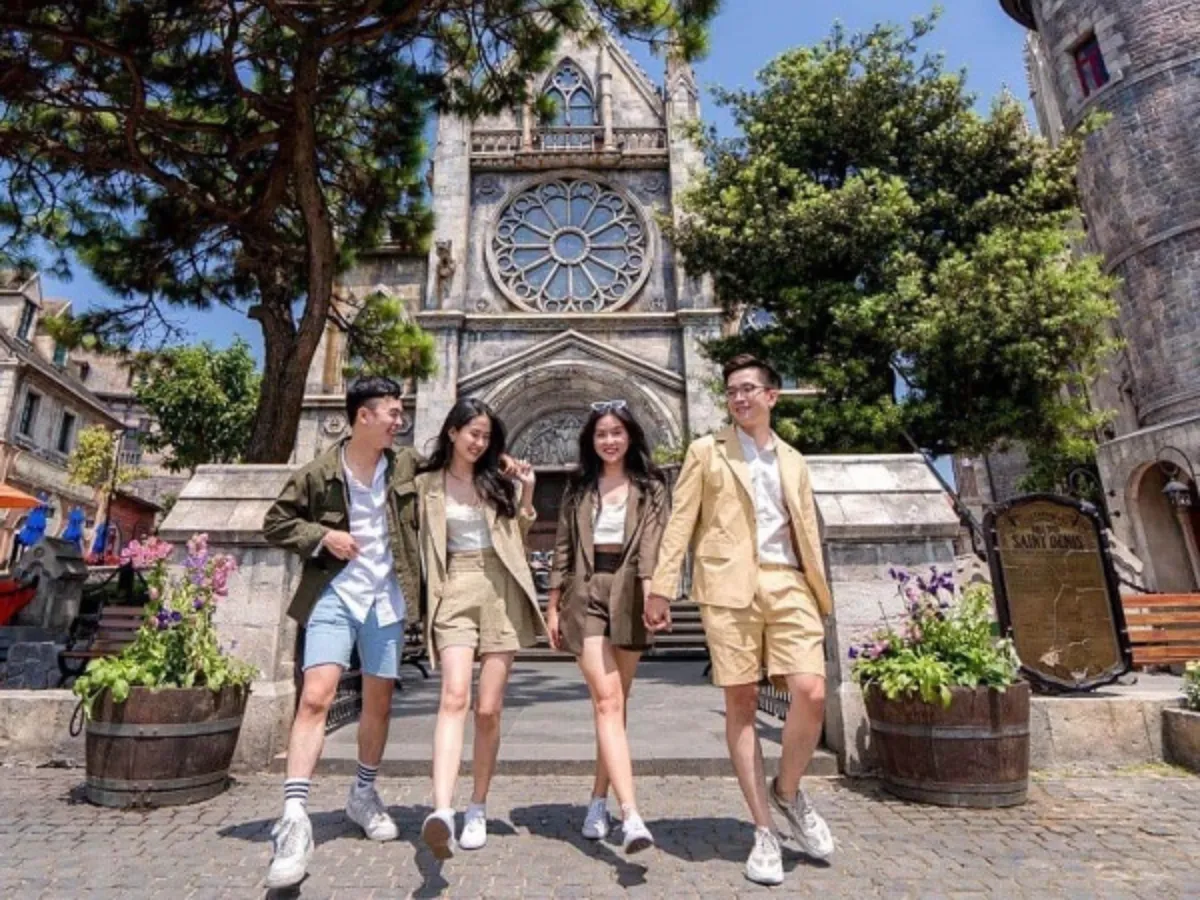
Ba Na Hills Day Trip from Da Nang
The French Village
7. Cholon (District 5) — HCMC’s Chinatown
The Cholon district in District 5, 5 km from District 1 by Grab, is the largest Chinatown in Southeast Asia — a functioning Cantonese and Teochew commercial community that has been here since the 18th century. The Binh Tay Market (the largest market in HCMC — wholesale and retail, extraordinary scale) and the Thien Hau Temple (a Cantonese assembly hall dedicated to the sea goddess, with incense coils the size of tables hanging from the ceiling and murals of Guangzhou) are the two essential stops. The streets around Binh Tay trade in everything from dried seafood to paper offerings to herbal medicine — the most atmospheric commercial neighbourhood in the city. Allow a full morning; the market is best before 10:00 AM.
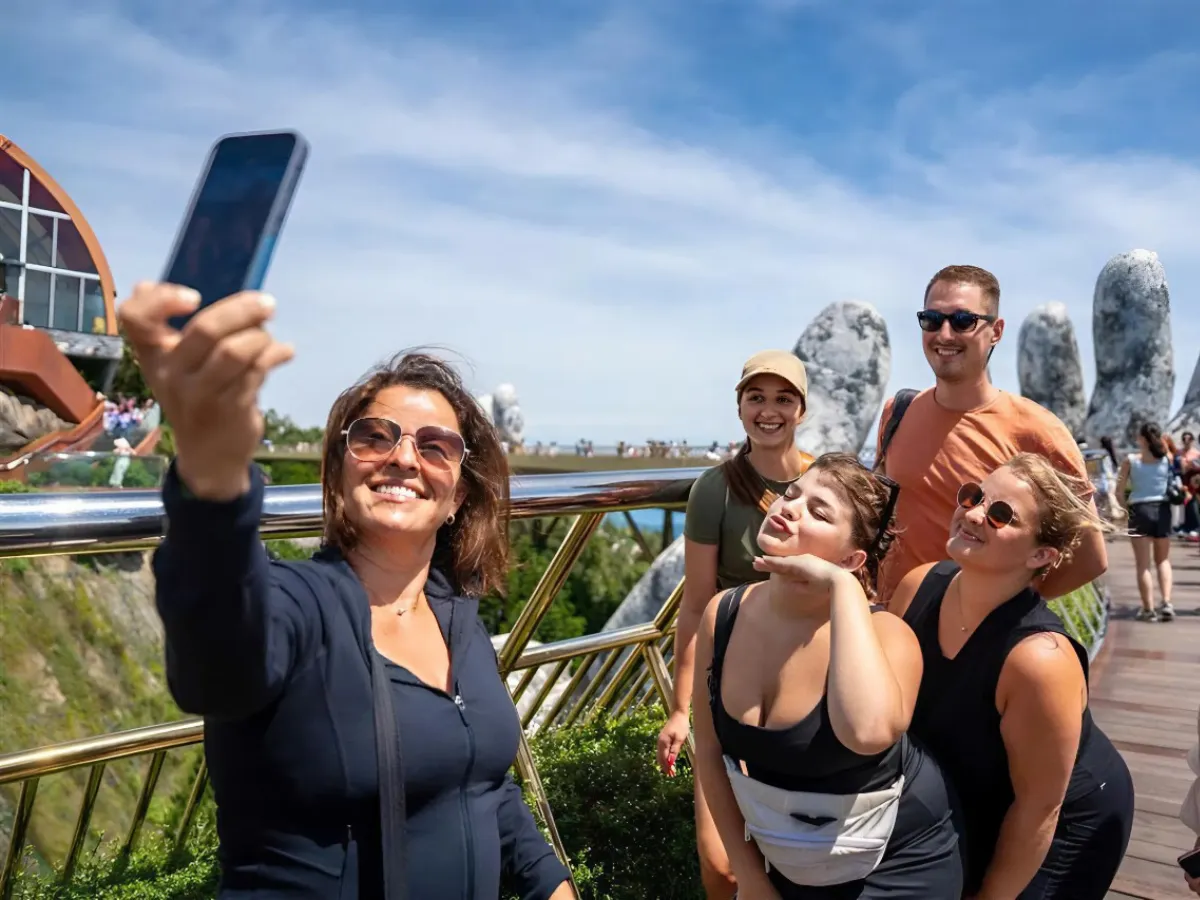
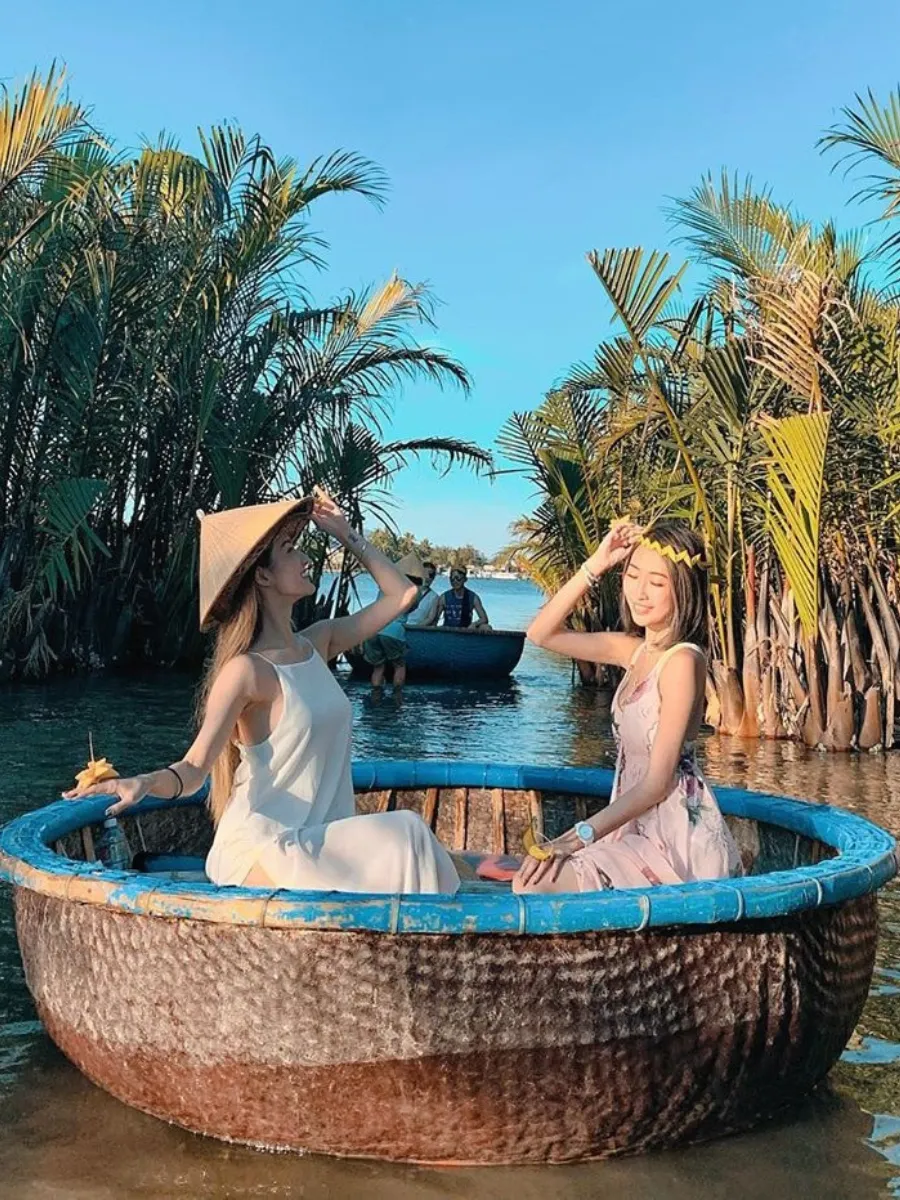
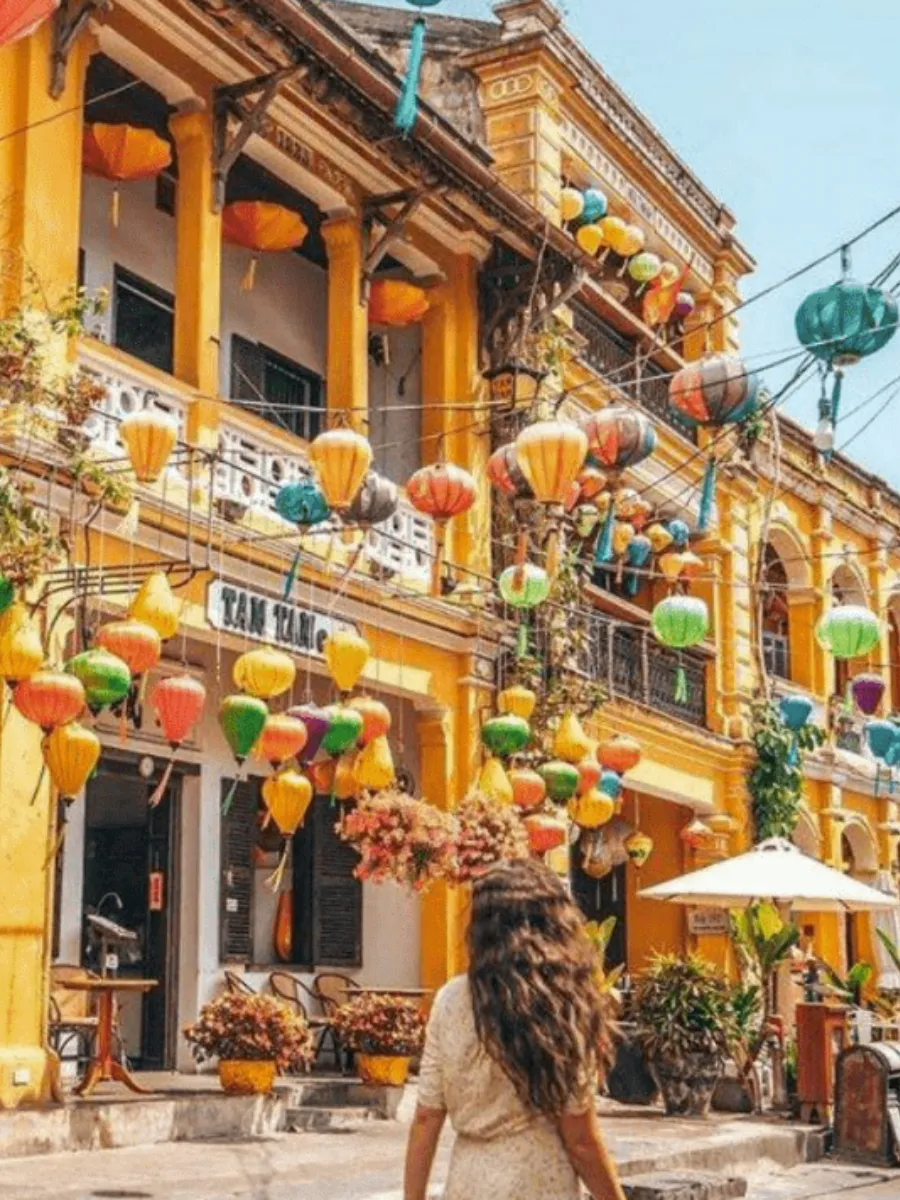
Hoi An Day Trip fom Da Nang
Thu Bon River Boat Ride
Ho Chi Minh City War History: The Essential Sites
The Vietnam War (1955–1975) is the defining event in HCMC’s modern history — and the most significant geopolitical conflict in 20th-century Southeast Asia. The city’s war history sites, taken together, provide the most complete and most accessible engagement with this history available anywhere in the world. Here is how to approach them:
| Site | Distance | Time Required | Entry | Character |
|---|---|---|---|---|
| Reunification Palace | City centre, District 1 | 90 min with audio guide | 65,000 VND | The physical site where the war ended. Preserved in 1975 state. The most historically specific location in the city. |
| War Remnants Museum | 5 min walk from Reunification Palace | 2–3 hrs | 40,000 VND | Documentary photographs, Agent Orange exhibition, war equipment. The most emotionally intense museum in Vietnam. Essential but prepare for its weight. |
| Cu Chi Tunnels | 40 km northwest — 1.5 hrs by car/bus | Half day (3–4 hrs at the tunnels) | 110,000 VND (Ben Dinh site) | The 250 km tunnel network built by the Viet Cong below Cu Chi district — used as living quarters, hospitals, command centres, and supply routes during the war. The most physically immersive war site in Vietnam. |
| Hoa Lo Prison Museum (Hanoi, for reference) | N/A — Hanoi | N/A | N/A | The “Hanoi Hilton” where American POWs were held — a different perspective on the same conflict, accessible on the northern end of any Vietnam circuit. |
Sequencing advice: Visit the Reunification Palace first (physical site, historical orientation), then the War Remnants Museum (documentary evidence, emotional depth), then Cu Chi Tunnels (physical immersion, tactical understanding). This sequence builds historical context progressively. Visiting Cu Chi before the other two sites produces an experience without sufficient context; visiting all three in a single day produces emotional exhaustion. Two separate days — War Remnants Museum and Reunification Palace on Day 1, Cu Chi on Day 2 — is the most sustainable approach.
Planning a private Cu Chi Tunnels tour or Mekong Delta day trip from HCMC? Our Vietnam-based team arranges private tours that avoid the standard group bus circuit — with guides who speak English at a level that makes the history genuinely accessible. Message us on WhatsApp →
Ho Chi Minh City Street Food Guide
HCMC’s food culture is the most diverse in Vietnam — the result of its position as the commercial capital drawing people from every region, its Cholon Chinatown, and its French colonial culinary legacy. Here are the essential dishes and where to find them:
| Dish | What It Is | Where to Eat | Price |
|---|---|---|---|
| Cơm Tấm (Broken Rice) | Saigon’s signature dish — broken jasmine rice topped with grilled pork chop (sườn nướng), pork skin (bì), steamed egg cake (chả trứng hấp), and served with a specific fish sauce. The broken rice has a different texture from regular rice; the combination is distinctly southern Vietnamese. | Cơm Tấm Bà Ghẻ (84 Dinh Tien Hoang) · Cơm Tấm 236 (236 Cong Quynh) · any morning street stall | 40,000–70,000 VND |
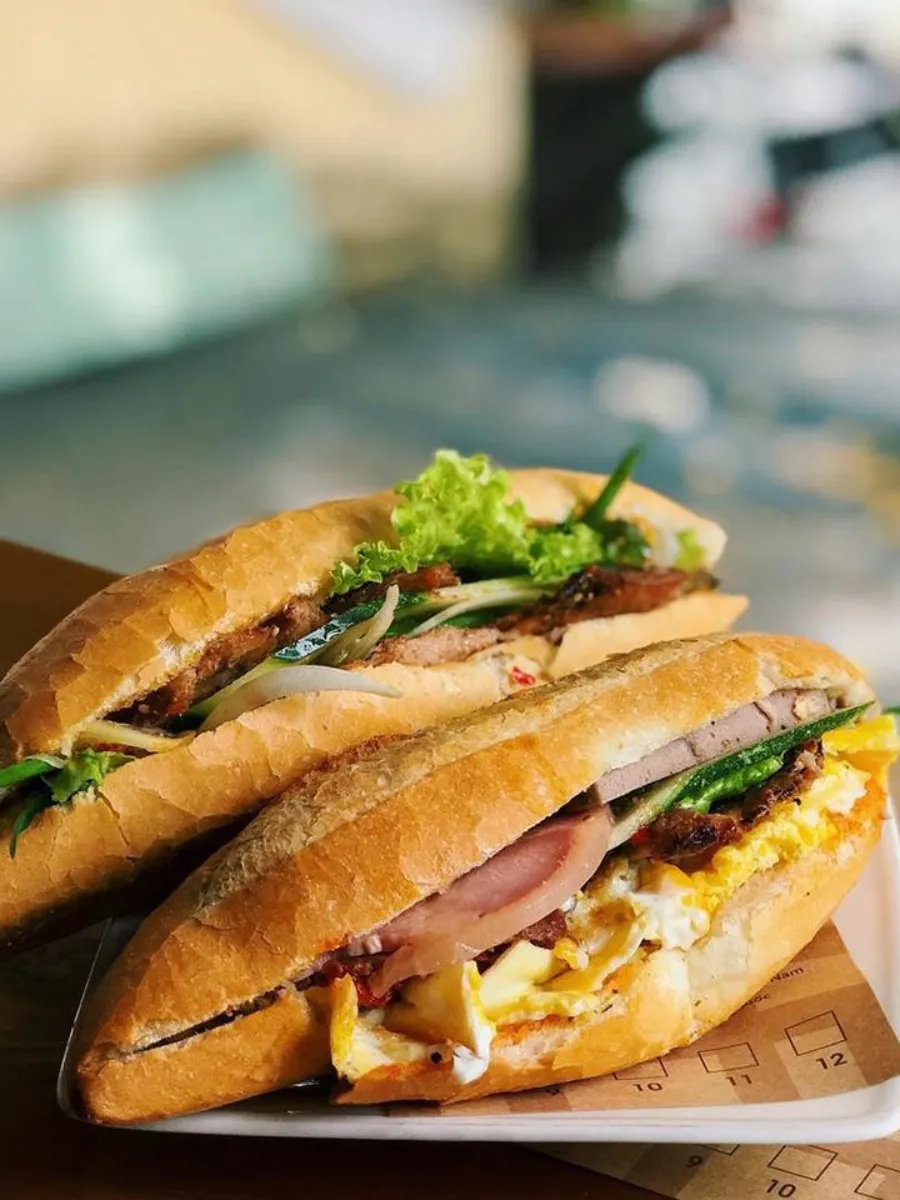
| Bánh Mì Saigon | The southern Vietnamese bánh mì — longer, crustier baguette than Hoi An’s version, with emphasis on cold cuts and pâté rather than the herb-heavy Hoi An interpretation. Several specific fillings are HCMC-specific: bánh mì thịt nguội (cold cut), bánh mì xíu mại (pork meatball sauce). | Bánh Mì Huỳnh Hoa (26 Le Thi Rieng — the most famous, expect a queue) · Bánh Mì 37 Nguyen Trai · morning stalls throughout the city | 20,000–40,000 VND |
| Hủ Tiếu Nam Vang | Phnom Penh-style noodle soup — a clear pork and seafood broth with rice noodles, pork offal, dried shrimp, and fresh herbs. The Nam Vang (Phnom Penh) designation reflects the Cambodian-Chinese community origin of this dish, which arrived in Saigon with immigrant communities. Eaten for breakfast primarily. | Hủ Tiếu Nam Vang Ký Cồ (253 Nguyen Trai, District 5) · Cholon market area morning stalls | 35,000–60,000 VND |
| Bún Thịt Nướng | Cold rice noodles with grilled pork, fresh herbs, crushed peanuts, fried shallots, and nước chấm — a room-temperature dish eaten at any time of day. The southern version is more herb-heavy and lighter than comparable northern preparations. | Street stalls throughout Districts 1, 3, and 4 · Bến Thành area | 30,000–50,000 VND |
| Bánh Xèo (Saigon style) | Large sizzling rice flour pancake filled with pork, shrimp, and bean sprouts — eaten by breaking into pieces and wrapping in rice paper with fresh herbs and dipping in a peanut-fish sauce. The Saigon size is larger than the central or Hoi An versions. | Banh Xeo 46A (46A Dinh Cong Trang, District 3 — long-established, excellent) · Cholon area evening | 80,000–150,000 VND |
| Chè (Sweet Soups / Desserts) | The most diverse sweet food tradition in Vietnam — cold or hot preparations with mung bean, coconut milk, taro, lotus seed, pandan jelly, and dozens of other ingredients. HCMC’s chè culture has Cambodian, Chinese, and Vietnamese traditions merged into combinations unavailable in the north. | Chè stalls along Nguyen Trai Street (District 5) · Ben Thanh area evening stalls · Chè Hiển Khánh | 20,000–40,000 VND |
The honest HCMC food circuit: Broken rice breakfast at 7:00 AM from a street stall (35,000–50,000 VND). Bánh mì from Huỳnh Hoa mid-morning (30,000 VND). Hủ tiếu for a late lunch in Cholon (50,000 VND). Bánh xèo at 46A for dinner (130,000 VND). Chè dessert from the Nguyen Trai stalls afterward (25,000 VND). This circuit costs less than $15 total and covers the essential Saigon food experience across a single day.
Ho Chi Minh City Districts Guide: Where to Base and Explore
| District | Character | Best For | Key Sites |
|---|---|---|---|
| District 1 (Quận 1) | The tourist centre — most hotels, restaurants, bars, and heritage sites. Busy, commercial, energetic. Backpacker area around Bui Vien Street; boutique hotel zone around Dong Khoi. | First-time visitors, convenience, all tourist infrastructure | Reunification Palace, War Remnants Museum, Notre-Dame Cathedral, Central Post Office, Ben Thanh Market, Jade Emperor Pagoda, Nguyen Hue Walking Street |
| District 3 (Quận 3) | The most pleasant residential district adjacent to District 1 — French colonial villas on tree-lined streets, independent cafés, good local restaurants, the best Vietnamese coffee culture. Less tourist infrastructure but more neighbourhood character. | Travelers who want local atmosphere alongside proximity to tourist sites | Tân Định Church (pink colonial church), Vo Thi Sau Market, Hai Ba Trung Street café strip |
| District 4 (Quận 4) | Once HCMC’s most notorious district — now gentrified into one of the best food and night market areas in the city. The Ton Dan Street seafood market (evening) and the District 4 food alley are the best concentrated food experiences adjacent to District 1. | Food-focused travelers, evening dining | District 4 food alleys (Vinh Khanh Street), seafood restaurants, local bars |
| District 5 / Cholon | Southeast Asia’s largest Chinatown — Cantonese and Teochew commercial community since the 18th century. The most culturally distinct neighbourhood in HCMC. Binh Tay Market, Thien Hau Temple, and the herb/medicine market streets. | Cultural exploration, market immersion, Chinatown experience | Binh Tay Market, Thien Hau Temple, Quan Am Pagoda, Cholon Mosque, traditional medicine street |
| Binh Thanh District (Quận Bình Thạnh) | The rapidly developing district across the Thi Nghe Canal from District 1 — a mix of old Saigon warehouses and new residential towers. Saigon Zoo and Botanical Gardens, the newly developed creative district around Nguyen Huu Canh, and the Vietnam War’s most famous photograph location (the house where Nick Ut’s “Napalm Girl” photograph was taken is in a commune accessible from here). | Longer stays, creative scene, botanical gardens | Saigon Zoo and Botanical Gardens, Art District, riverside development |
| Thu Duc City (Thủ Đức) | The new urban development area east of the city — Vietnam’s largest urban project. Less relevant for tourists currently but home to the HCMC University of Technology and a growing creative and café scene. | Specialist interest | Developing creative district, university area cafés |
Our recommendation for first-time visitors: Stay in District 1 for convenience and access — the tourist infrastructure is genuinely excellent here and the walking radius to major sites is manageable. Spend Day 2 in District 3 for local café culture and tree-lined colonial streets. Make a dedicated half-day trip to Cholon (District 5) for the Binh Tay Market and Thien Hau Temple. District 4 for evening food. This coverage gives a more complete picture of HCMC than staying exclusively within District 1’s tourist zone.
Best Time to Visit Ho Chi Minh City: Month-by-Month Guide
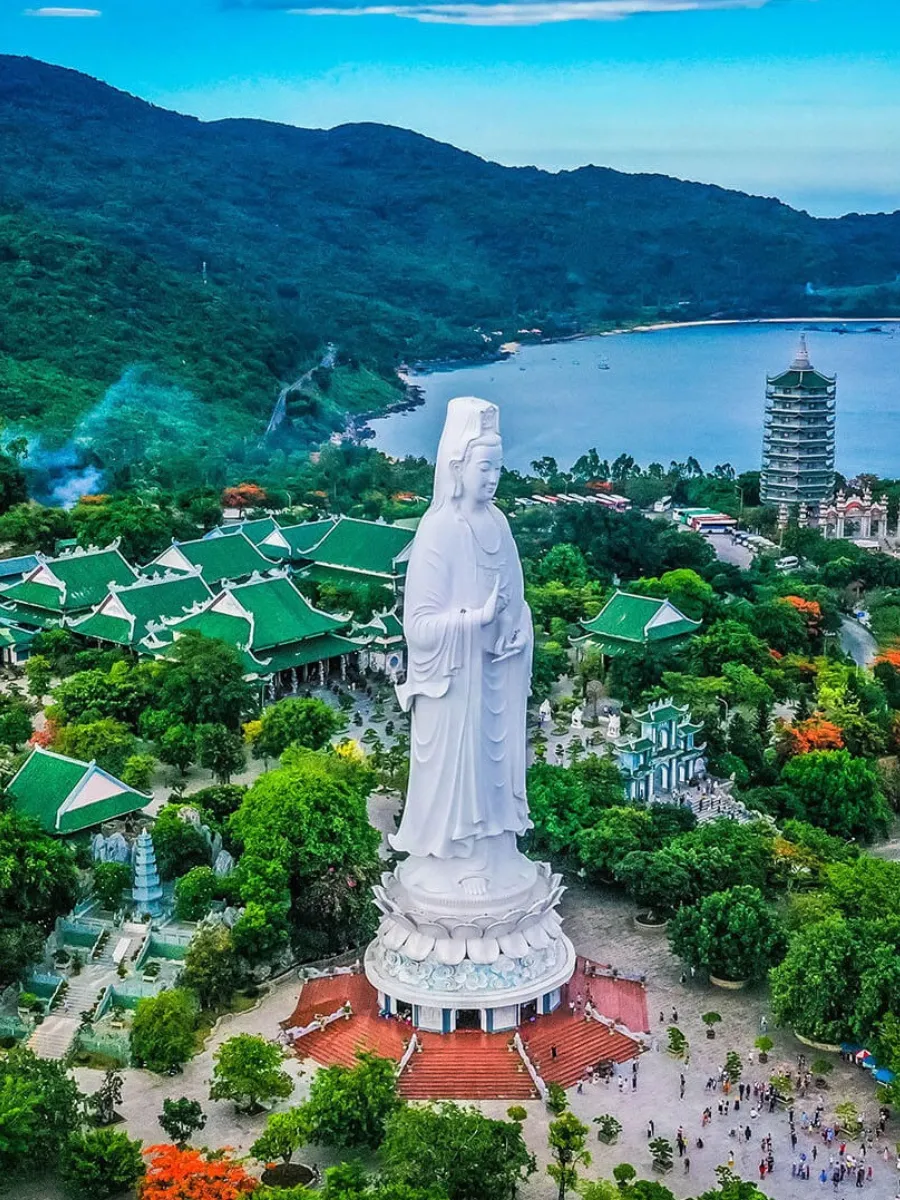
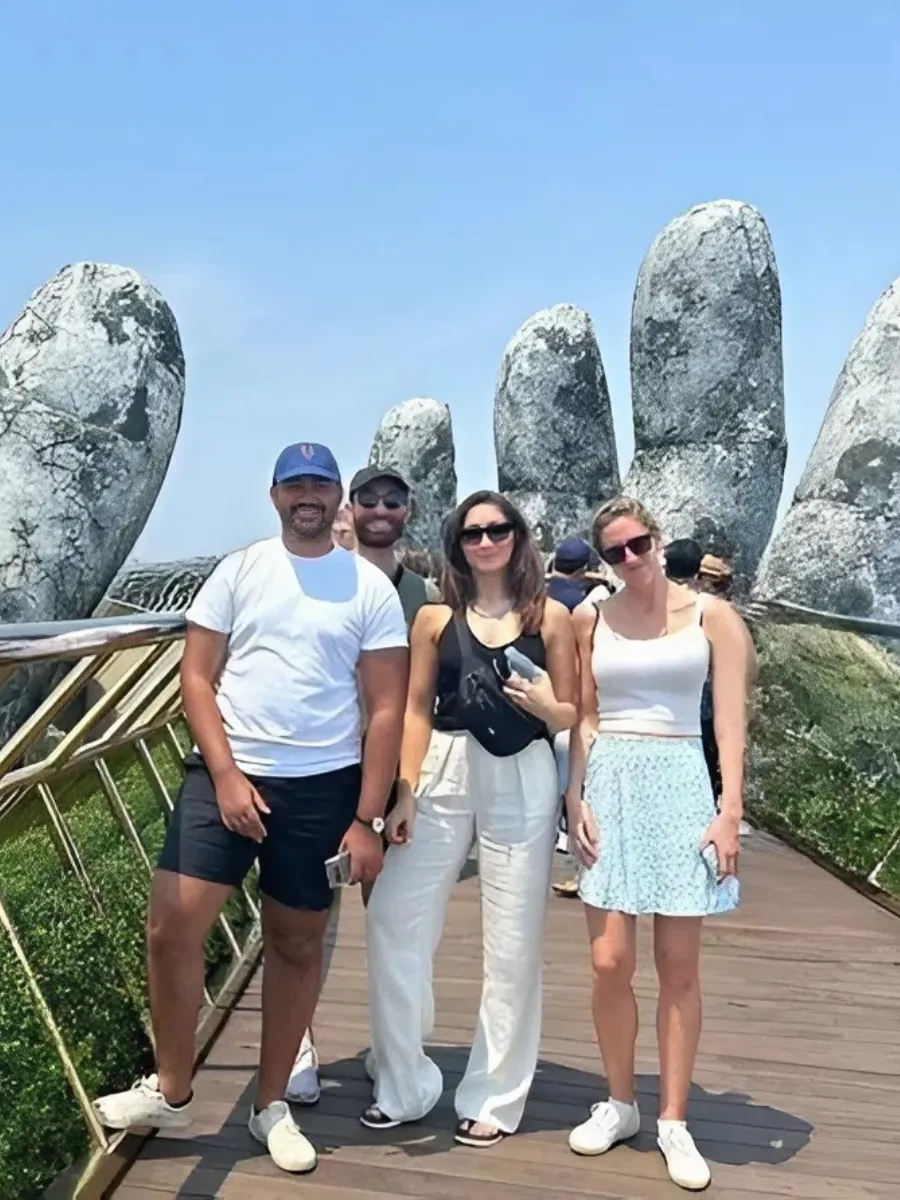
The best time to visit HCMC is December to April — the dry season in southern Vietnam, when the city is at its most navigable and the day trip destinations (Mekong Delta, Cu Chi Tunnels) are most accessible. Unlike northern Vietnam (which has a distinct four-season climate), HCMC essentially has two seasons: dry and wet.
| Period | Temp & Conditions | Activity Impact | Verdict |
|---|---|---|---|
| Dec – Feb ⭐⭐ | 25–30°C / 77–86°F. Dry, low humidity. The coolest months. Excellent visibility. | All activities excellent. Cu Chi and Mekong fully accessible. Low air quality impact. | Best overall. The classic HCMC dry season — warm but not oppressive, low humidity, clear skies. Tet holiday (late Jan/Feb) brings festive city atmosphere but also the busiest domestic travel period — accommodation prices spike during the Tet week itself. February post-Tet is the best single month: good weather, post-holiday quiet. |
| Mar – Apr ⭐ | 28–35°C / 82–95°F. Hot, dry, building humidity toward April. | Good for all activities but heat demands early starts (7:00–10:00 AM). Midday outdoor activity is challenging. | Good. Still dry season conditions but the heat builds significantly toward April. Cu Chi Tunnels are particularly hot in March–April (underground is cooler than surface, but the approach areas are exposed). Start all outdoor activities before 9:00 AM. Good for indoor activities (museums, markets, cafés) at any time. |
| May – Jun | 26–32°C / 79–90°F. Transition to wet season. Afternoon rain showers beginning. | Morning activities generally fine. Afternoon rain (typically 1–3 hours, intense then clear) disrupts outdoor plans. | Acceptable. The afternoon rain pattern of the wet season is typically predictable — heavy rain for 1–3 hours from approximately 2:00–5:00 PM, then clear. Morning activities and evening activities are generally unaffected. Fewer tourists than dry season. Lower accommodation prices. |
| Jul – Aug | 26–30°C / 79–86°F. Wet season — heavy afternoon and evening rain. Occasional flooding in low-lying areas. | Morning activities still workable. Mekong Delta flooding begins (actually good for certain boat tour routes). Cu Chi less comfortable in rain. | The wet season peak. The city continues to function normally — HCMC has significant flood mitigation infrastructure. The Mekong Delta during wet season has its own appeal (high water, more boat access). Not recommended for those prioritising comfortable outdoor conditions throughout the day. |
| Sep – Oct | 26–30°C / 79–86°F. Heaviest rain months. Some street flooding. | Rain can be heavy and sustained; some outdoor sites less accessible | The most challenging period for outdoor tourism. The city manages; the day trips (Cu Chi, Mekong) are less comfortable. Good for indoor cultural activities, museum visits, and food exploration. Significantly lower prices and almost no international tourist congestion. |
| Nov | 26–31°C / 79–88°F. Rain decreasing. Transition to dry season. | Improving rapidly through the month. Good from mid-November. | The shoulder month before the dry season peak. Late November is already good — rain frequency declining, temperatures comfortable, accommodation prices still below peak. A good value window for visitors with flexible dates. |
How to Get to Ho Chi Minh City?
| Route | Duration | Cost (approx.) | Best For |
|---|---|---|---|
| International flight (direct) | Varies by origin | Varies | Tan Son Nhat Airport (SGN) has direct connections from Singapore (2 hrs), Bangkok (2 hrs), Seoul (5 hrs), Tokyo (6 hrs), Kuala Lumpur (2.5 hrs), Hong Kong (2.5 hrs), Sydney (9 hrs), London (11.5 hrs), and dozens of other cities. One of Asia’s most connected airports. |
| Domestic flight from Hanoi | 2 hrs | $25–$80 pp | Most common domestic approach. Vietnam Airlines, VietJet, and Bamboo Airways serve the route 20+ times daily. Book 2+ weeks ahead for best prices. |
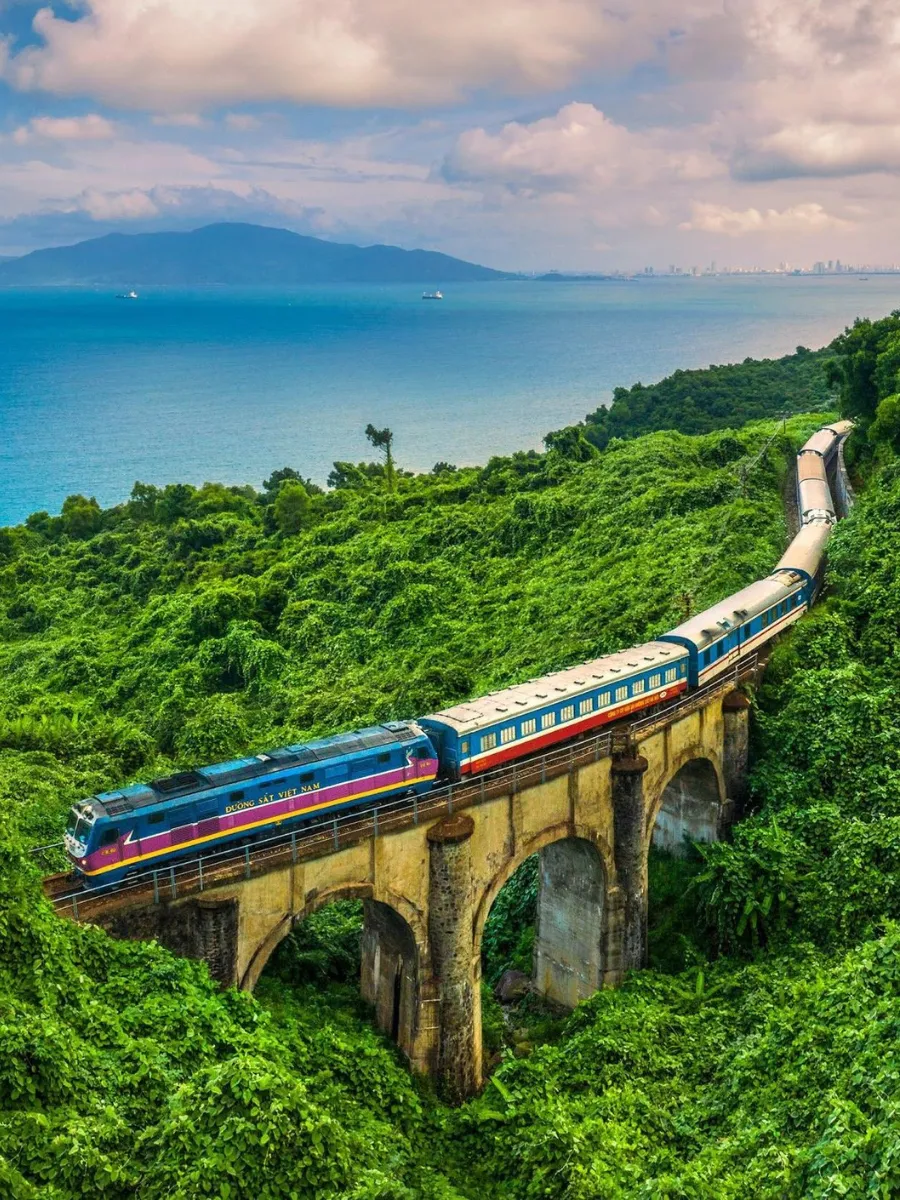
| Reunification Express train from Hanoi | 30–34 hrs | $40–$80 pp (soft sleeper) | Travelers doing the full Vietnam coastal rail journey — one of the classic Asian train experiences. The full Hanoi–HCMC journey passes through Da Nang, Nha Trang, and Bien Hoa in 34 hours of coastal and highland scenery. Book soft sleeper 4-bed or 2-bed cabins for the overnight sections. |
| From Da Nang by flight | 1.25 hrs | $25–$70 pp | Travelers completing the central Vietnam leg and flying south. Multiple daily flights. |
| From Nha Trang by bus or train | 8.5 hrs (train) / 8–9 hrs (bus) | $15–$35 pp (train) / $10–$18 pp (bus) | Travelers on the south-central coastal circuit. Phuong Trang sleeper bus is comfortable and affordable. Train is scenic (the coastal section south of Nha Trang is excellent). |
Getting around HCMC: Grab is the essential app — use it for all taxi journeys to avoid metered taxi overcharging. The airport to District 1 centre by Grab costs approximately 80,000–120,000 VND (vs 200,000–300,000 VND for the metered taxis at the arrivals rank). Within District 1 and adjacent districts, walking is practical for distances under 2 km. Motorbike taxi (Grab bike) is the fastest and most affordable option for distances of 2–5 km. Electric bus routes now cover some city corridors — check Google Maps for current routing.
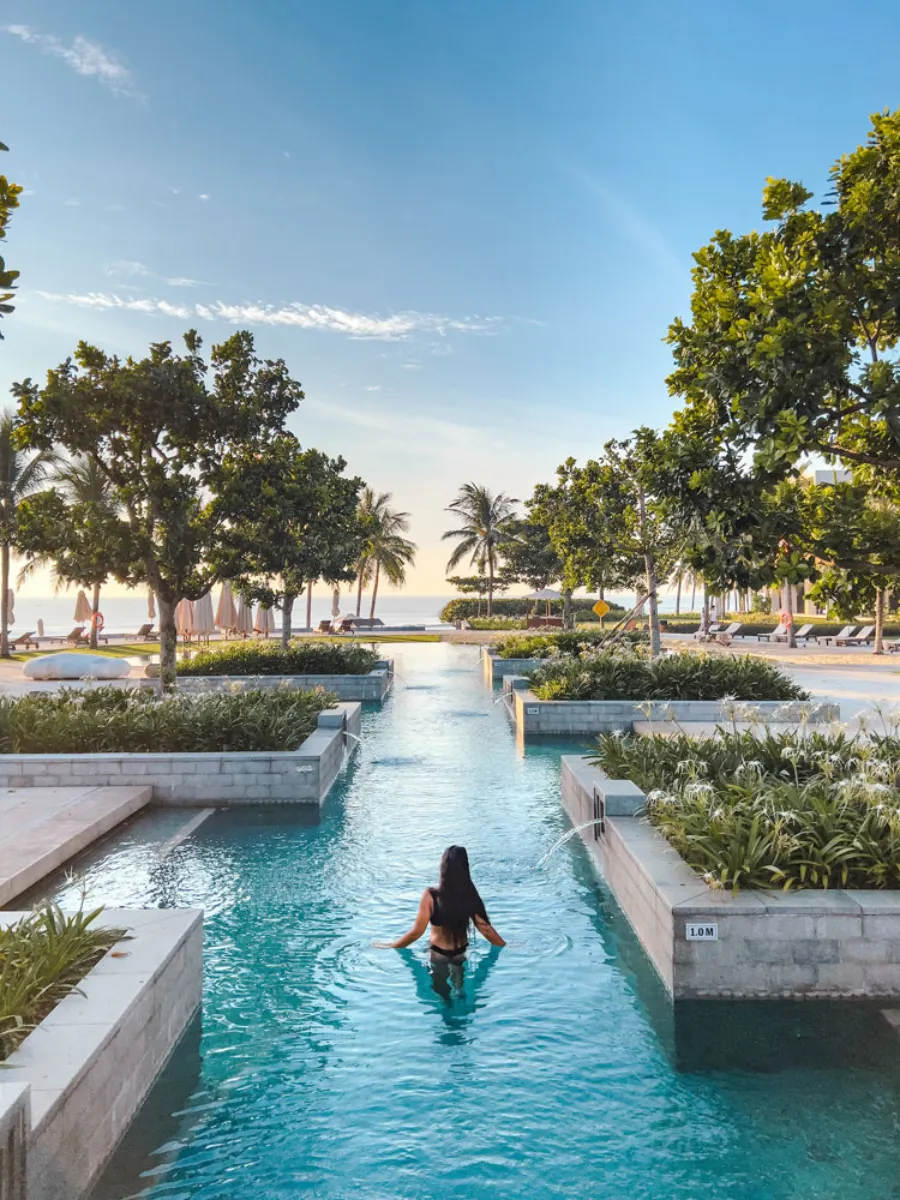
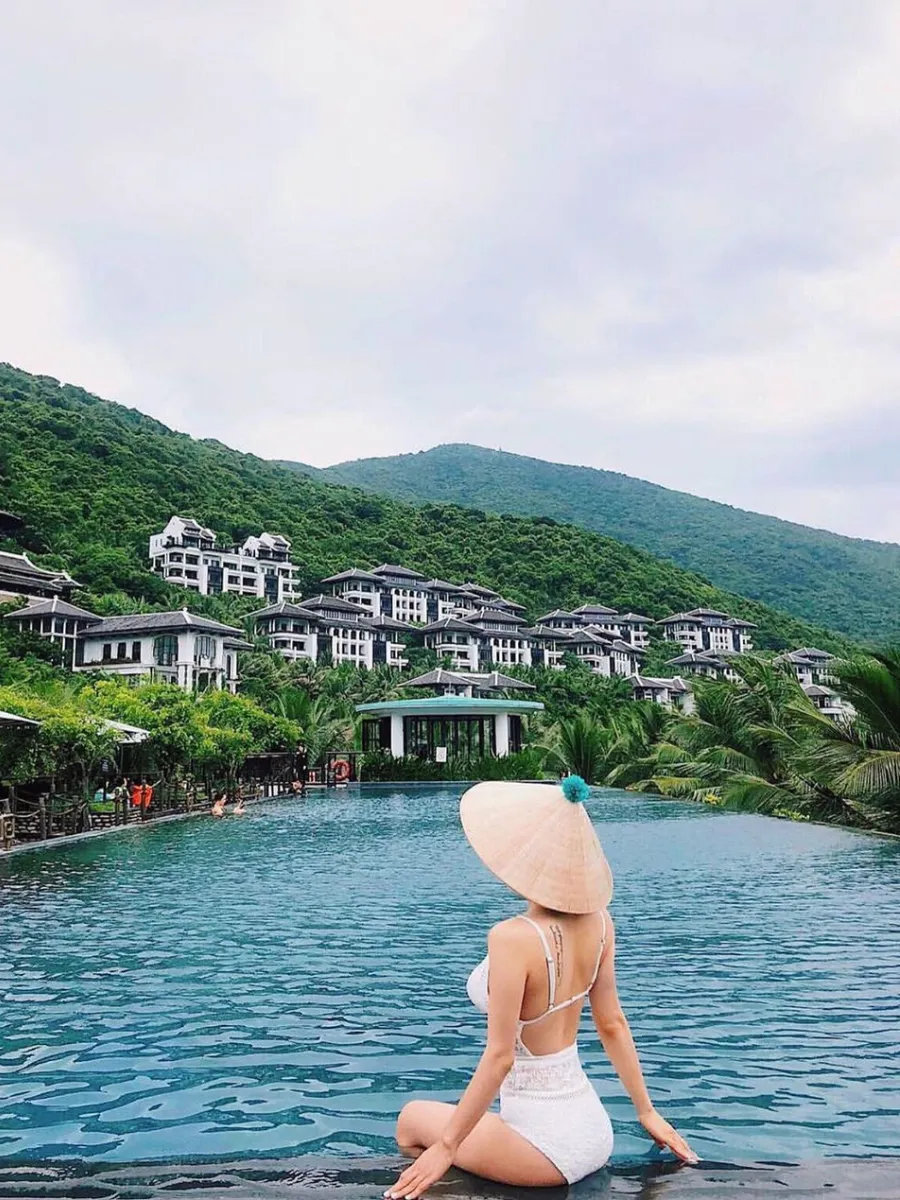
Where to Stay in Ho Chi Minh City?
| Area / Type | Best For | Vibe | Average Range (per night) |
|---|---|---|---|
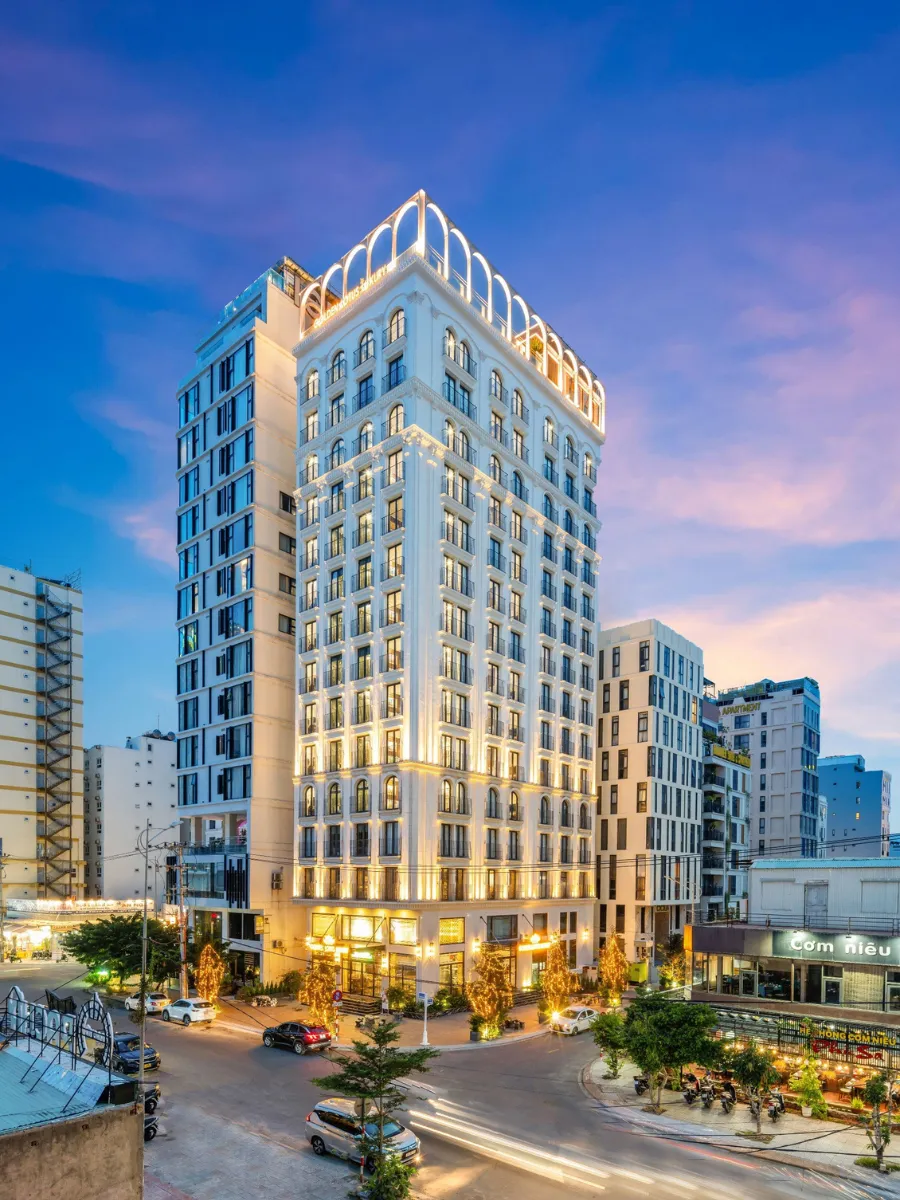
| Dong Khoi / Nguyen Hue area (District 1 central) | First-time visitors, business travelers, luxury stays | The most prestigious address in HCMC — the Caravelle, Park Hyatt, Sofitel, and Sheraton are all on or adjacent to these streets. Walking distance to Notre-Dame Cathedral, the Central Post Office, the Reunification Palace, and the river. The best location in the city for those prioritising convenience and heritage atmosphere. | $80–$400+ |
| Pham Ngu Lao / Bui Vien (Backpacker District 1) | Budget travelers, solo travelers, backpacker social scene | The most affordable area in District 1 — hostels, guesthouses, budget hotels. The Bui Vien Walking Street is HCMC’s nightlife strip; staying here means proximity to other travelers and cheap beer, but also noise until 2:00 AM. Good location despite the reputation — still 10 min walk from Ben Thanh Market and 15 min from the war sites. | $8–$40 |
| District 3 (Vo Thi Sau, Vo Van Tan area) | Boutique hotel experience, local neighbourhood feel, couples | Tree-lined streets with French colonial villa conversions, independent cafés, and a genuinely residential character that the District 1 tourist zone lacks. 15-minute walk or 5-minute Grab to all District 1 sites. The best balance of atmosphere and access for independent travelers. | $30–$150 |
| District 1 mid-range (De Tham, Ly Tu Trong area) | Mid-budget travelers wanting District 1 access without backpacker strip noise | The mid-range zone between the luxury corridor and the backpacker strip — 3-4 star hotels with pools, walking distance to everything, quieter than Bui Vien. The most practical accommodation tier for most independent travelers. | $35–$100 |
Our recommendation: District 3 boutique hotels or District 1 mid-range for most independent travelers — the combination of authentic neighbourhood atmosphere (District 3) or tourist infrastructure (District 1 mid-range) at prices that don’t require the Dong Khoi luxury corridor budget. The specific blocks around Vo Van Tan Street in District 3 contain some of the best-value independent hotels in HCMC — converted French villa buildings with genuine character at $40–$80 per room.
3-Day Ho Chi Minh City Itinerary: The Best Structure for First-Time Visitors
3-Day Ho Chi Minh City Itinerary – Culture, Food & Urban Energy. Discover the vibrant energy of Ho Chi Minh City through historic landmarks, rooftop cafés, bustling markets, and incredible Southern Vietnamese street food. Visit iconic attractions like Ben Thanh Market and the War Remnants Museum while experiencing the dynamic atmosphere of Vietnam’s largest city. This 3-day itinerary is perfect for travelers seeking culture, nightlife, history, and authentic local experiences in Southern Vietnam.
Day 1: War History → French Quarter → Street Food Evening
- Arrive HCMC. Check in. The airport is 7 km from District 1 — Grab from the arrivals hall (not the taxi queue): 80,000–100,000 VND to most District 1 hotels.
- 9:00 AM: Reunification Palace — hire the audio guide at the entrance (30,000 VND extra). Allow 90 minutes. Start with the basement war room; finish on the rooftop helipad. The building where the war ended.
- 11:00 AM: Walk 5 minutes to the War Remnants Museum. Allow 2–2.5 hours. The third floor Agent Orange exhibition is the most important; the ground-floor military equipment courtyard provides context. Exit before the emotional exhaustion sets in — this is not a museum to rush through.
- 2:00 PM: Lunch at a nearby restaurant — order cơm tấm (broken rice with grilled pork) at any of the street stalls on Vo Van Tan Street.
- 3:30 PM: French Quarter walk — Notre-Dame Cathedral (exterior photography and interior visit between mass times), Central Post Office (30 min inside the Eiffel-designed vaulted space), along Dong Khoi Street to the Saigon River view. The walk takes 90 minutes at a relaxed pace.
- 5:30 PM: Rooftop bar — Chill Skybar (above AB Tower, Nguyen Hue Boulevard) for the aerial view over the city at golden hour. One drink. 90,000–130,000 VND per cocktail. Worth it once for the city perspective.
- 7:30 PM: Street food dinner — Bánh xèo at 46A Dinh Cong Trang (allow 60 min, order the medium size for two people, it arrives sizzling in a cast iron pan). Follow with chè from a stall on Nguyen Trai Street (District 5 direction, 5 min Grab from 46A).
- Overnight in HCMC
Day 2: Cholon Morning → Jade Emperor Pagoda → Ben Thanh → District 4 Evening
- 7:00 AM: Binh Tay Market (Cholon) — Grab to District 5 (15 min from District 1). The wholesale market at full morning operation is the most overwhelming and most authentic market experience in southern Vietnam. Walk every hall; buy nothing immediately; return to the food section for breakfast — hủ tiếu Nam Vang from a Cholon stall at 7:30 AM is a specifically different version from the same dish elsewhere in the city.
- 9:30 AM: Thien Hau Temple (5 min walk from Binh Tay) — the Cantonese community’s sea goddess assembly hall. The incense coils, the tile murals, and the genuine devotional activity of the Tuesday and Thursday morning prayer sessions (if timing aligns) are extraordinary.
- 11:30 AM: Return to District 1 by Grab.
- 12:30 PM: Lunch — bánh mì at Huỳnh Hoa (26 Le Thi Rieng) for the queue-worthy Saigon version. Eat on the street.
- 2:00 PM: Jade Emperor Pagoda (Grab, 10 min from District 1) — the Taoist temple in its most atmospheric weekday afternoon state. The incense smoke, the wooden guardian figures, and the devotional atmosphere are best experienced without crowds. Allow 45 minutes. Photography respectfully — this is an active place of worship.
- 4:00 PM: District 3 neighbourhood walk — the streets around Tran Quoc Toan, Nguyen Thi Minh Khai, and Vo Van Tan contain the densest concentration of preserved French villas in HCMC. The pink Tan Dinh Church (1876, a Vietnamese adaptation of French neo-Gothic) is on Hai Ba Trung and worth a 20-minute stop.
- 7:00 PM: District 4 evening food — Grab to Vinh Khanh Street (5 min from District 1) for the evening seafood and grilled meat stalls. This is where HCMC residents eat in the evening — grilled whole squid, clam with lemongrass, grilled corn, cold beer. Budget: 150,000–250,000 VND per person for a generous meal.
- Overnight in HCMC
Day 3: Cu Chi Tunnels (or Mekong Delta) → City Final Evening
- Choose your day trip:
- Option A: Cu Chi Tunnels — depart 7:00–7:30 AM by private car or tour minibus (1.5 hrs). Arrive before the tour group peak at 9:30 AM. At the Ben Dinh site (less crowded than Ben Duoc), crawl through the tunnel sections, view the trap demonstrations, shoot an AK-47 on the practice range (optional: 35,000 VND per bullet). Return to HCMC by 1:30–2:00 PM. Half-day private tour: $30–$45 per person.
- Option B: Mekong Delta (My Tho or Ben Tre) — depart 7:00 AM by private car (1.5 hrs to My Tho). Boat along the river islands, visit fruit orchards, sample delta specialties (elephant ear fish, coconut candy), rowing boat through the narrow canals. Return by 5:30–6:00 PM. Full day private tour: $40–$60 per person.
- Evening: Final night in HCMC. The Nguyen Hue Walking Street is best on the final evening — the city’s energy at 8:00–10:00 PM on a warm night, with the river visible at the end of the boulevard, is the defining HCMC impression to carry home.
- Dinner: Cơm tấm for a final time, or explore the Bui Vien area for street food variety if appetite for discovery remains.
- Overnight in HCMC or depart by late flight
Want a Private HCMC Tour — War History, Cholon, and the Best Day Trips?
Our Vietnam-based team arranges private Cu Chi Tunnels tours with guides who contextualise the history meaningfully, Mekong Delta day trips that go beyond the standard tourist circuit, and full HCMC city programmes that cover the city’s cultural depth beyond the main sites. Most guests receive a custom plan within 4 hours.
Request Your Free HCMC Itinerary →
Tell us your travel dates, group size, and which day trips interest you. No obligation.
Sale!
Private Mai Chau Day Trip And Waterfall & Hot Spring Bath

Place
Mai Chau

Duration
1D
Original price was: 175$.125$Current price is: 125$.
Sale!
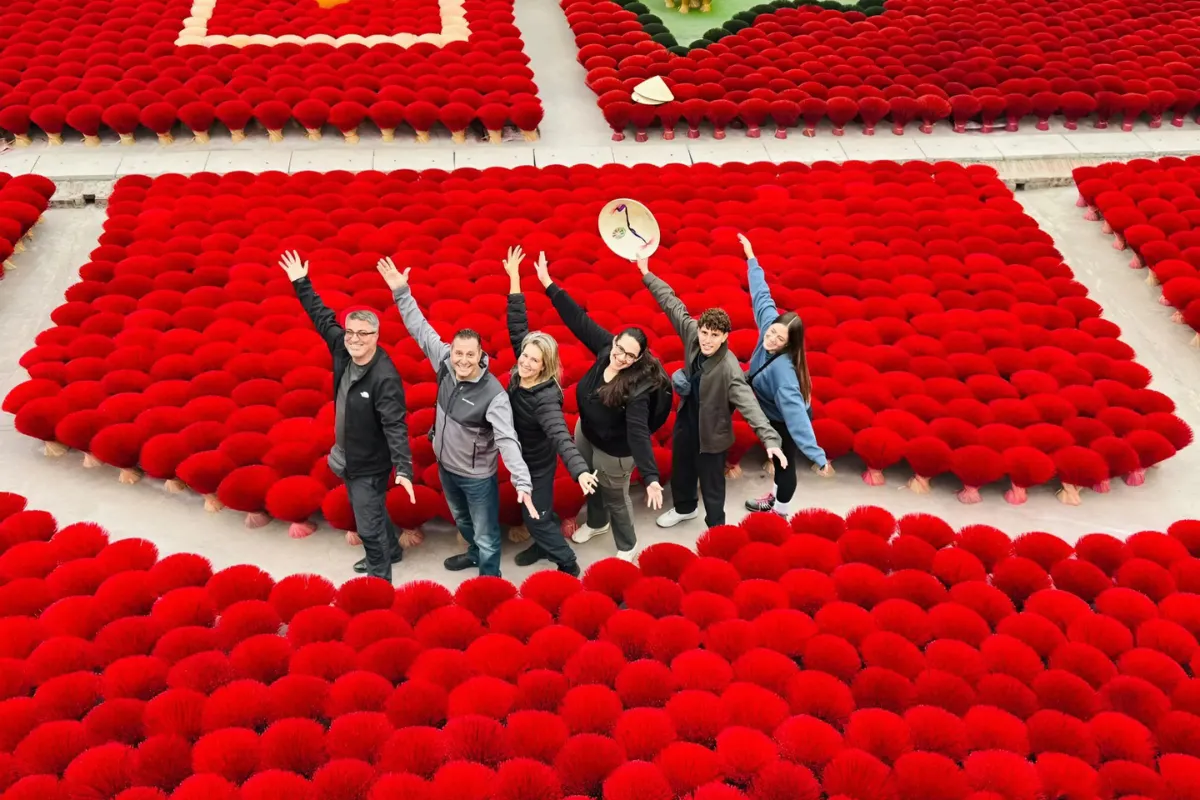
Authentic Hanoi Day Tour | Incense Village & Duong Lam Ancient Village
Place
Hanoi
Duration
1D
Original price was: 120$.105$Current price is: 105$.
Sale!
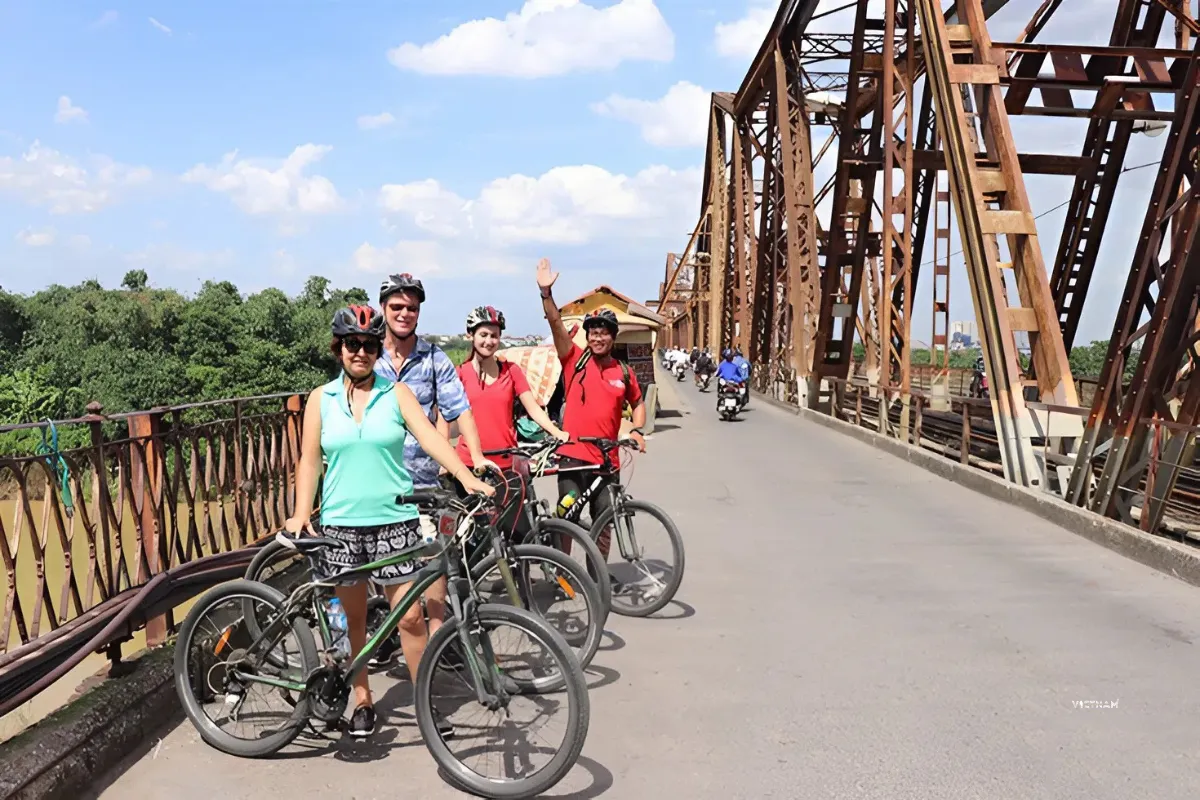
Hanoi Cycling Tour | Bat Trang, Kim Lan & Xuan Quan Flower Villages
Place
Bat Trang
Duration
1D
Original price was: 65$.55$Current price is: 55$.
Sale!
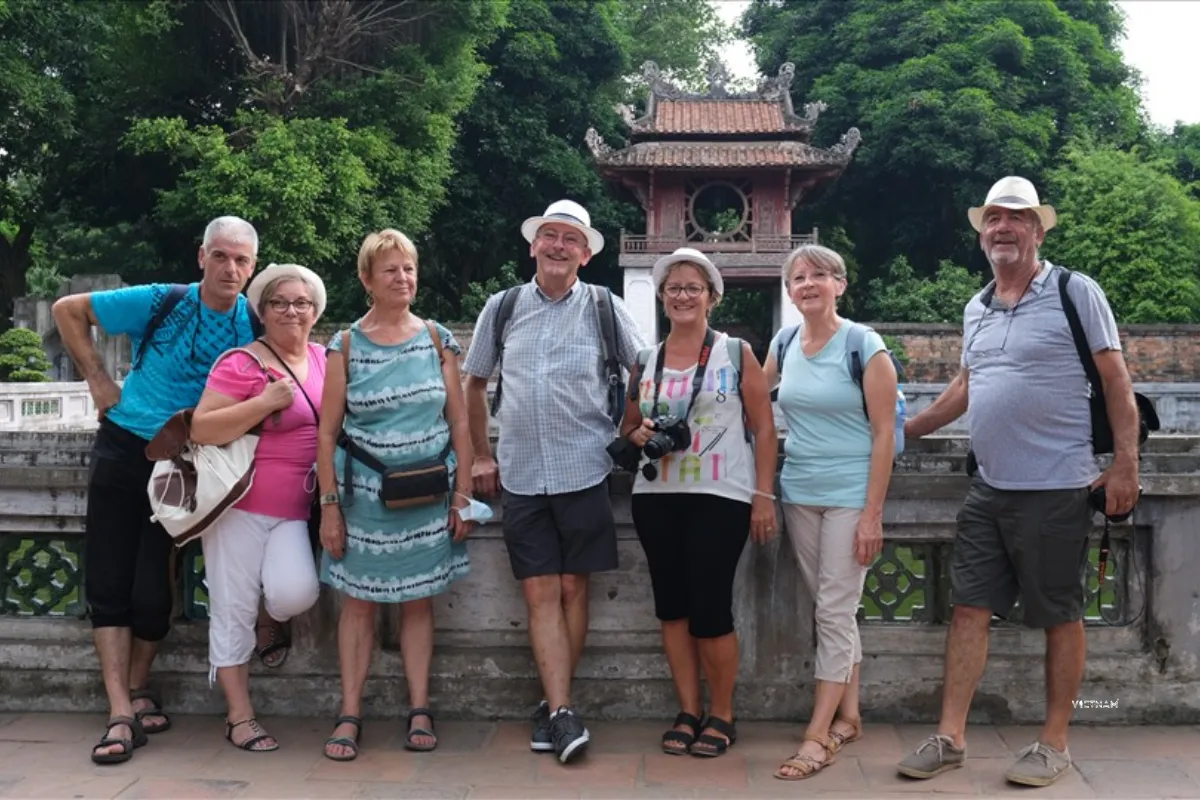
Half-Day Hanoi City Tour | Explore Iconic Landmarks in Just Few Hours
Place
Ha Noi
Duration
1D
Original price was: 50$.35$Current price is: 35$.
Sale!
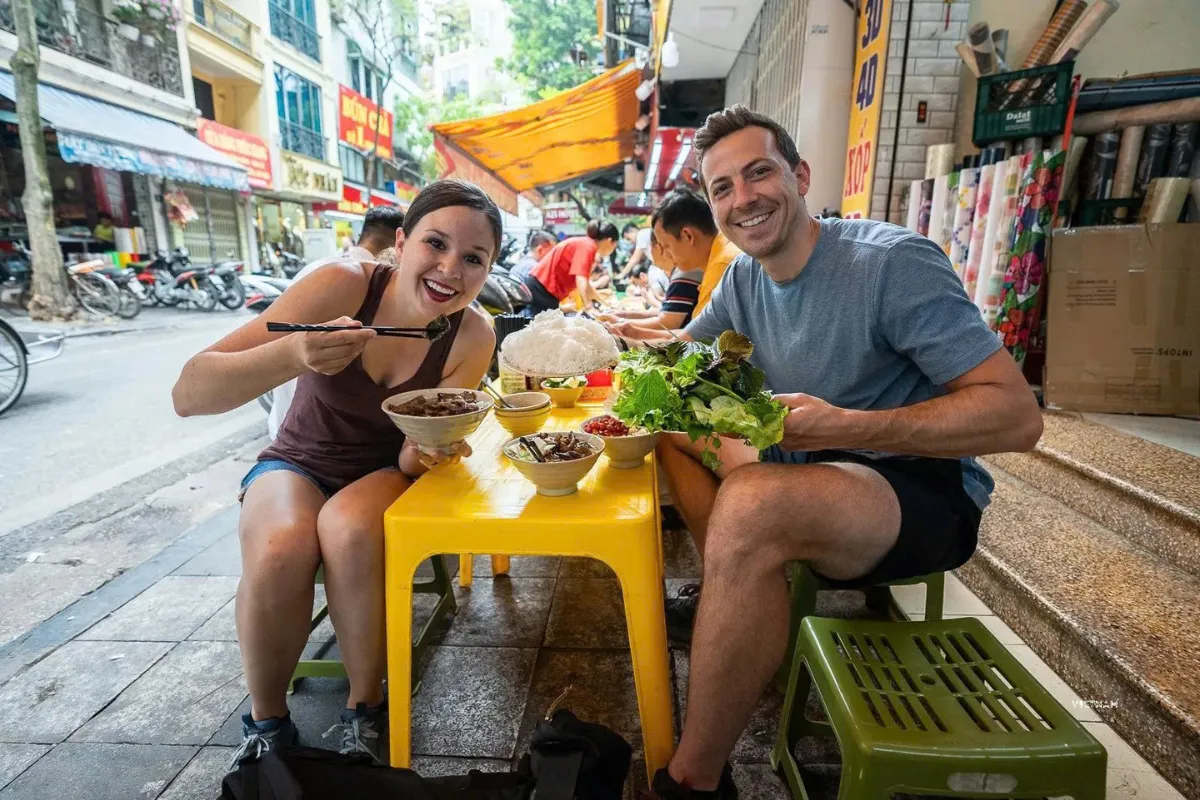
Exclusive Hanoi Street Food Tour | Discover Hanoi’s Best Eats on Foot
Place
Ha Noi
Duration
1D
Original price was: 50$.35$Current price is: 35$.
Sale!
Hanoi City Tour | Highlights, Local Culture | Best of Hanoi in One Day
Place
Ha Noi
Duration
1D
Original price was: 55$.45$Current price is: 45$.
Sale!
Top Hanoi City Walking Tour | Discover the Best of Hanoi in One Day
Place
Hanoi Capital City
Duration
1D
Original price was: 60$.50$Current price is: 50$.
Sale!
Incense Village Hanoi Tour | Explore Traditional Craft & Local Culture
Place
Quang Phu Cau
Duration
1D
Original price was: 85$.55$Current price is: 55$.
Best Day Trips from Ho Chi Minh City
Cu Chi Tunnels (40 km northwest — 1.5 hrs)
The 250 km tunnel network built by the Viet Cong beneath Cu Chi district during the Vietnam War — used as living quarters, hospitals, command centres, ammunition storage, and supply routes through two decades of sustained military operations. The Ben Dinh site (the more authentic of the two accessible sites) has been partially widened for foreign visitor access but still requires genuine crawling through narrow passages to complete certain sections. The surface area includes demonstration traps, a shooting range, and the orchard gardens under which the tunnel entrances were hidden. This is the most physically immersive engagement with the war available — the underground spaces communicate the conditions of tunnel warfare in a way that no museum photograph can. Allow 3–4 hours at the site. Arrange private rather than group tours for a guide who can speak at a level that makes the historical context genuinely accessible.
Mekong Delta — My Tho and Ben Tre (70–90 km south — 1.5 hrs)
The Mekong River delta — where the world’s 12th-longest river spreads into a 40,000 km² network of channels, islands, and floating communities before reaching the Gulf of Thailand — is one of the world’s great river landscapes. The standard day trip from HCMC visits My Tho (the closest delta city) or Ben Tre (the most characteristically delta province, famous for coconut products): boat along the river channels between fruit orchards, visit cottage industries (coconut candy, rice wine, honey production), take a rowing boat through the narrower canal passages, and eat fresh delta fish and seasonal fruit at a riverside restaurant. A full day from HCMC; private tours are significantly better than group tours (the group boat schedules at My Tho are too crowded and rushed). Allow a full day for a meaningful delta experience.
Can Gio Mangrove Biosphere Reserve (50 km south — 1.5 hrs by boat or car + ferry)
The Can Gio Mangrove Forest — a UNESCO Biosphere Reserve covering 75,000 hectares of restored mangrove ecosystem on the coast south of HCMC — offers a completely different day from the Mekong or Cu Chi options: boat tours through mangrove channels, wildlife observation (estuarine crocodiles, monitor lizards, macaque colonies), and the former wartime history of the Can Gio area (used as a Viet Cong base and subsequently defoliated with Agent Orange — the current forest is a 30-year restoration). Less visited than Cu Chi or the Mekong; recommended for natural history travelers and those who want an off-the-standard-circuit day trip.
Beyond the Standard Circuit: Less-Known HCMC Experiences
The Saigon Opera House (Municipal Theatre) — evening performance: The Municipal Theatre of Ho Chi Minh City — a French colonial opera house built in 1900 as the city’s premier performance venue — stages traditional Vietnamese music, AO Show acrobatic performances, and international productions in an atmosphere that combines colonial architecture with contemporary Vietnamese performance. The AO Show (a bamboo and acrobatic performance telling Vietnamese cultural history through physical theatre) is specifically recommended for its combination of artistry and cultural content: $30–$50 per ticket, runs nightly. Book online through the venue.
- The HCMC Museum of Fine Arts (Bảo Tàng Mỹ Thuật): One of the most undervisited significant cultural institutions in southern Vietnam — housed in a restored French colonial building with Vietnamese art from the 20th century through contemporary practice. The early 20th-century lacquerware panels, the Socialist Realist works of the war period, and the contemporary Vietnamese art on the upper floors together form the most complete picture of Vietnamese visual culture in the south. Entry: 30,000 VND. Almost always uncrowded. Allow 90 minutes.
- Binh Tay Market at 5:30 AM (wholesale hour): The Binh Tay wholesale market in Cholon operates at its most intense and most photogenic between 5:00 and 7:00 AM — when the porters (cửu vạn) are moving hundreds of kilograms of goods through the market halls on hand trolleys, when the fresh produce arrives from delta farms, and when the commercial activity of a city of 10 million people is funnelled through one building’s loading docks. Arriving at 5:30 AM (easy by Grab from District 1 at that hour) reveals a Binh Tay that the 9:00 AM tourist visit doesn’t hint at.
- The Nguyen Hue Street at Tet (late January/early February): The Nguyen Hue Walking Street is transformed during the Tet holiday period into a flower market of extraordinary scale — hundreds of vendors from the Mekong Delta selling kumquat trees, peach blossom branches, and orchid displays across the full width of the boulevard for 10 days before the Lunar New Year. The flower market (from approximately January 15–30) is the most visually spectacular version of HCMC’s public spaces available at any point in the year.
The Saigon River at dawn (from the Bach Dang jetty): The riverfront at the end of Nguyen Hue Boulevard, where the Saigon River is wide and the morning traffic of fishing boats, cargo vessels, and water taxis passes from 5:30 AM onward, is the most specific and most overlooked morning experience in District 1. The light over the water at 6:00 AM, with the Binh Thanh district skyline across the river and the cruise boats docked in the foreground, produces photographs entirely different from the midday or evening version of the same view.
Essential Ho Chi Minh City Travel Tips (From Our Local Team)
Use Grab for all taxi and motorbike journeys. HCMC’s metered taxis have a significant proportion of operators who use tampered meters or take indirect routes — a problem specific to the airport taxi rank and the tourist areas of District 1. Grab shows you the price upfront, eliminates the routing problem, and is almost always cheaper. Download it before landing. Use Grab Bike (motorbike) for short distances (2–5 km) and Grab Car for luggage or longer journeys.
- Visit the War Remnants Museum and Reunification Palace on separate days if possible. Both are emotionally significant sites that reward time and attention rather than a rushed combination. The War Remnants Museum specifically — particularly the Agent Orange documentation and the photographs — can produce an emotional weight that makes the same afternoon’s activity less meaningful. Schedule the museum for a morning, take a long lunch, and give yourself an afternoon of lighter activity. Don’t combine both war sites with a Cu Chi Tunnels visit in a single day.
- Cross the street on your own terms. HCMC’s traffic — the density of motorbikes, the absence of meaningful traffic signals compliance — confounds most first-time visitors. The method: walk to the road edge, make eye contact with approaching motorbike riders, begin walking at a slow, predictable pace. Motorbikes will flow around you. Do not stop, do not run, do not wait for a gap that never comes. The traffic accommodates pedestrians who move predictably; it does not accommodate those who freeze or dart unpredictably.
- The Bui Vien Walking Street is not the best of HCMC. The backpacker nightlife street in District 1 — loud music, neon lights, $1 beer — is a legitimate scene and genuinely lively, but it represents the most tourist-adapted version of HCMC available. The best food, the most authentic atmosphere, and the most interesting evening experiences are in District 3, District 4, and Cholon. Visit Bui Vien once if the energy appeals; don’t base your HCMC evening experience around it.
- The heat requires early starts for outdoor activities. Between 10:00 AM and 4:00 PM in March–April (and to a lesser extent December–February), HCMC’s combination of temperature (32–36°C), humidity, and sun exposure makes prolonged outdoor activity genuinely uncomfortable. The city’s sites are most rewarding in the 7:00–10:00 AM window and from 4:30 PM onward. Structure museum visits for midday; save outdoor walking and market visits for morning and late afternoon.

The airport taxi queue is a known overcharging point — use Grab from the terminal. Tan Son Nhat Airport’s metered taxi rank has a documented reputation for fare manipulation — reported overcharging of 2–3x the correct fare from the arrivals terminal is common. From the international arrivals hall, walk to the departures level above, then use the Grab app to book a car from the designated pickup area (signposted inside the terminal). The Grab cost to District 1 is 80,000–120,000 VND; the metered taxi from the arrivals rank regularly charges 250,000–350,000 VND for the same journey.
Frequently Asked Questions — Ho Chi Minh City Travel Guide
Is Ho Chi Minh City worth visiting?
Yes — Ho Chi Minh City is one of the most energetic and historically significant cities in Southeast Asia. The combination of the war history sites (Reunification Palace, War Remnants Museum, Cu Chi Tunnels), the French colonial architecture, the most diverse street food scene in Vietnam, and the Mekong Delta and Cholon day experiences make it a genuinely rich destination. It rewards engagement with its history and its food culture over surface-level sightseeing — travelers who approach it with context and curiosity consistently rate it more highly than those who experience it as a transit city.
How many days should I spend in Ho Chi Minh City?
Three nights (four days) is the recommended minimum for a worthwhile HCMC experience — enough for the key war history sites (Reunification Palace and War Remnants Museum), a Cholon half-day, a Cu Chi Tunnels day trip, and enough time in the city’s street food and neighbourhood culture to form a genuine impression. Two nights is possible if priorities are narrowed. Four to five nights allows for the Mekong Delta day trip alongside Cu Chi and covers the city’s cultural range more completely. HCMC is also the natural departure point for south-central Vietnam circuits, which adds days to the surrounding region.
What is the best thing to do in Ho Chi Minh City?
The most consistently recommended HCMC experience for first-time visitors is the combination of the Reunification Palace (the building where the Vietnam War ended — preserved in 1975 state with the original war room and rooftop helipad) and the War Remnants Museum (documentary photographs and Agent Orange evidence — the most important museum in southern Vietnam). The Cu Chi Tunnels day trip (the underground tunnel network used by the Viet Cong) is the best physical complement to these museum experiences. Together, these three sites form the most significant historical encounter available in southern Vietnam.
When is the best time to visit Ho Chi Minh City?
The best time to visit Ho Chi Minh City is December to April — the dry season, when the humidity is lower, the skies are clearer, and the day trip destinations (Mekong Delta, Cu Chi Tunnels) are most accessible and comfortable. December and January are the most pleasant months overall. The Tet holiday period (late January–early February) brings a festive atmosphere and the extraordinary Nguyen Hue flower market, but also the highest accommodation prices and domestic travel congestion. The wet season (May–October) is acceptable — the afternoon rain pattern is predictable — but not optimal for outdoor activities.
What is Cu Chi Tunnels and is it worth visiting?
Cu Chi Tunnels are a 250 km network of underground passages built by the Viet Cong beneath Cu Chi district, 40 km northwest of HCMC, used during the Vietnam War as living quarters, hospitals, command centres, and supply routes. They are worth visiting — the physical experience of crawling through the tunnel passages communicates the conditions of the conflict in a way that no museum photograph can. Allow 3–4 hours at the site. The Ben Dinh site is recommended over the larger Ben Duoc site as it is less crowded. A private tour with a well-qualified English-speaking guide significantly improves the historical context and makes the visit more meaningful.
What is Ho Chi Minh City’s best food?
HCMC’s most essential dishes: Cơm tấm (broken rice with grilled pork chop and steamed egg — Saigon’s signature breakfast and lunch dish, available at street stalls from 6:00 AM), Bánh mì Saigon (the southern version of the Vietnamese sandwich — Huỳnh Hoa on Le Thi Rieng Street is the most famous single bánh mì stall in the country), Bánh xèo (sizzling rice flour pancake at 46A Dinh Cong Trang), Hủ tiếu Nam Vang (Phnom Penh-style noodle soup in Cholon), and chè (sweet dessert soups with coconut milk — the most varied chè selection in Vietnam is in the streets around District 5).
Is Ho Chi Minh City safe?
Ho Chi Minh City is generally safe for tourists — violent crime targeting visitors is rare. The main safety considerations are bag snatching by motorbike (a persistent problem on the pavements of District 1, particularly on Dong Khoi and Nguyen Hue Streets — keep bags on the building side rather than the road side), taxi fare manipulation at the airport arrivals rank (use Grab instead), and traffic when crossing roads (move slowly and predictably — the traffic accommodates this). Standard urban precautions — keeping valuables secured, using Grab rather than street taxis, not carrying more cash than needed — address all of these reliably.
Plan Your Ho Chi Minh City Trip with a Local Expert
We’re a Vietnam-based travel company — and HCMC is the city where local knowledge matters most for day trips. The Cu Chi Tunnels experience depends almost entirely on guide quality; the Mekong Delta day trip quality depends on whether you get the standard tourist boat circuit or access to the working delta away from the tourist route. When you plan with us, you get both the city itinerary and the day trips arranged with guides and operators who deliver meaningful rather than generic experiences.
- Private Cu Chi Tunnels tours with historically informed English guides
- Mekong Delta private circuits — beyond the standard My Tho tourist route
- HCMC city programme: war history, Cholon, French quarter, street food circuit
- Full Vietnam circuits starting and ending in HCMC
- Airport transfer coordination (Grab setup before arrival guidance)
- Available 7 days a week — respond within 2–4 hours on WhatsApp
Get Your Free HCMC Trip Plan
Tell us your travel dates, group size, which day trips interest you, and whether you’re continuing to central or northern Vietnam. We’ll send you a sequenced itinerary with accommodation options and transparent pricing within 4 hours.
Request Your Free HCMC Itinerary →
Or message us directly on WhatsApp: +84 849 391 981
Explore More Vietnam
- Mekong Delta Travel Guide — the river landscape south of HCMC
- Mui Ne Travel Guide — sand dunes and kitesurfing, 200 km northeast
- Da Lat Travel Guide — cool highlands and canyoning, 300 km northeast
- Nha Trang Travel Guide — diving and islands, 450 km north
- Hoi An Travel Guide — UNESCO Ancient Town, central Vietnam
- Hanoi Travel Guide — the northern counterpart, 1,726 km north
- 10-Day South-Central Vietnam Itinerary — HCMC + Mui Ne + Da Lat + Nha Trang
- Browse HCMC Day Tours →
- Cu Chi Tunnels Private Tours →