



Hanoi Travel Guide – Best Things to Do, Where to Stay & Travel Tips
Hanoi is Vietnam’s 1,000-year-old capital — a city where French colonial architecture sits beside ancient pagodas, street vendors serve bowls of pho at 6 AM, and the Old Quarter buzzes with life 24 hours a day. For first-time visitors, it’s one of the most rewarding cities in Southeast Asia: culturally deep, surprisingly affordable, and genuinely unlike anywhere else.
This guide covers everything you need to plan your Hanoi trip: the best things to do, where to stay in each neighborhood, when to visit, how many days you need, and honest local tips that most travel sites won’t tell you. It’s written by our Vietnam-based team who explore Hanoi every week with our guests.
Jump to: Why Visit Hanoi · Things to Do · Where to Stay · Best Time to Visit · 5-Day Itinerary · Travel Tips · FAQ
Hanoi at a Glance
| Quick Fact | Details |
|---|---|
| Country | Vietnam |
| Region | Northern Vietnam |
| Population | ~8.5 million (metro area) |
| Language | Vietnamese (English widely spoken in tourist areas) |
| Currency | Vietnamese Dong (VND). 1 USD ≈ 26,000 VND |
| Best Time to Visit | September – November (Autumn) |
| Recommended Stay | 2–3 days minimum; 4–5 days with day trips |
| Airport | Noi Bai International Airport (HAN) — 45 min from center |
| Nearest UNESCO Sites | Ha Long Bay (2,5 hrs), Trang An / Ninh Binh (2 hrs) |
Why Visit Hanoi? An Honest Local Perspective
Hanoi doesn’t try to impress you — it just gets on with being itself, and that’s exactly what makes it special. While cities like Bangkok or Singapore have polished tourist infrastructures, Hanoi still feels unfiltered. You’ll find a 100-year-old banh mi stand wedged between a luxury hotel and a family home where three generations share the same floor.
Here’s what genuinely sets Hanoi apart from other Southeast Asian capitals:
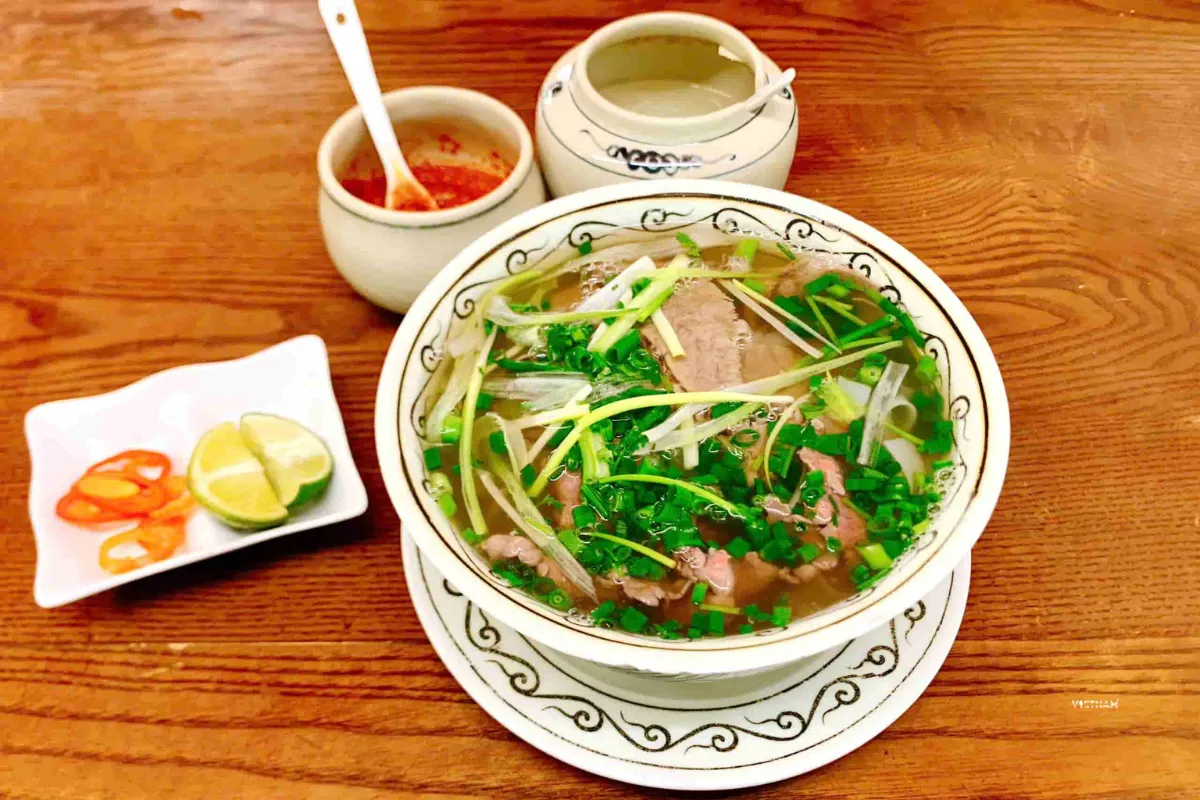
- The food scene is exceptional and affordable. Hanoi is the birthplace of pho, bun cha, and cha ca — dishes you can eat for under $2 at street level or $15 at a rooftop restaurant. The quality gap between cheap and expensive is surprisingly small.
- It’s the best base in northern Vietnam. Ha Long Bay, Ninh Binh, Sapa, and Ha Giang are all within a few hours. No other city gives you this access to so many UNESCO-level landscapes.
- History is visible, not just in museums. The Old Quarter’s street layout has barely changed in 800 years. You can walk on streets that French colonists, American GIs, and ancient Vietnamese traders all walked on.
- It rewards slow travel. The more time you spend, the more layers you uncover — hidden courtyard cafés, neighbourhood temples, morning exercise routines at the lake, late-night bia hoi corners.
Best Things to Do in Hanoi (First-Time Visitor’s List)
1. Explore the Old Quarter (Phố Cổ)
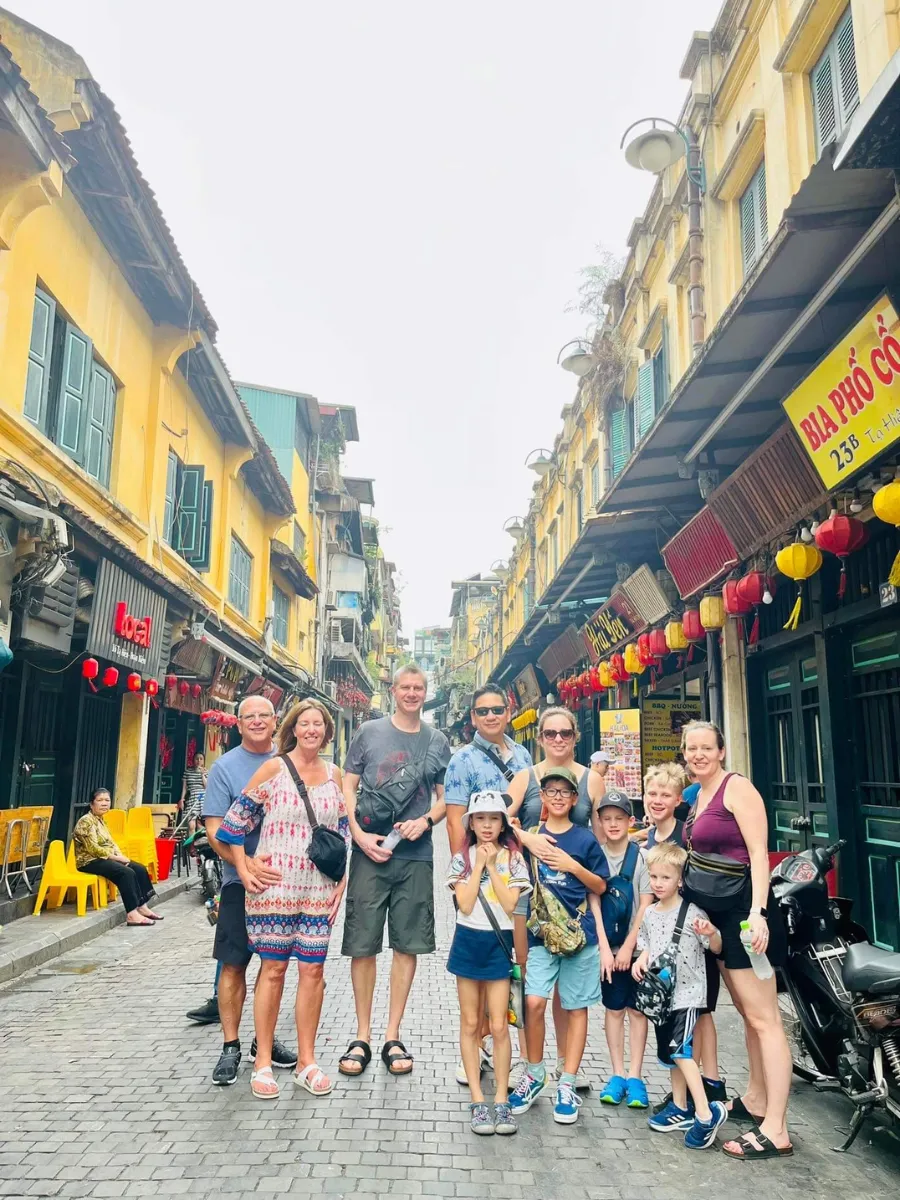
The Old Quarter is 36 narrow streets originally organized by trade guild — Silk Street, Paper Street, Tin Street — dating back to the 13th century. Today it’s still a working commercial district, not a tourist replica. The best way to experience it is on foot, ideally before 8 AM when delivery motorbikes and breakfast crowds are in full swing and the streets feel genuinely local.
Don’t miss: Hang Dao Street for fabric and ao dai, Hang Ma for paper goods and decorations, and the covered market at Dong Xuan — Hanoi’s oldest covered market, open since 1889.
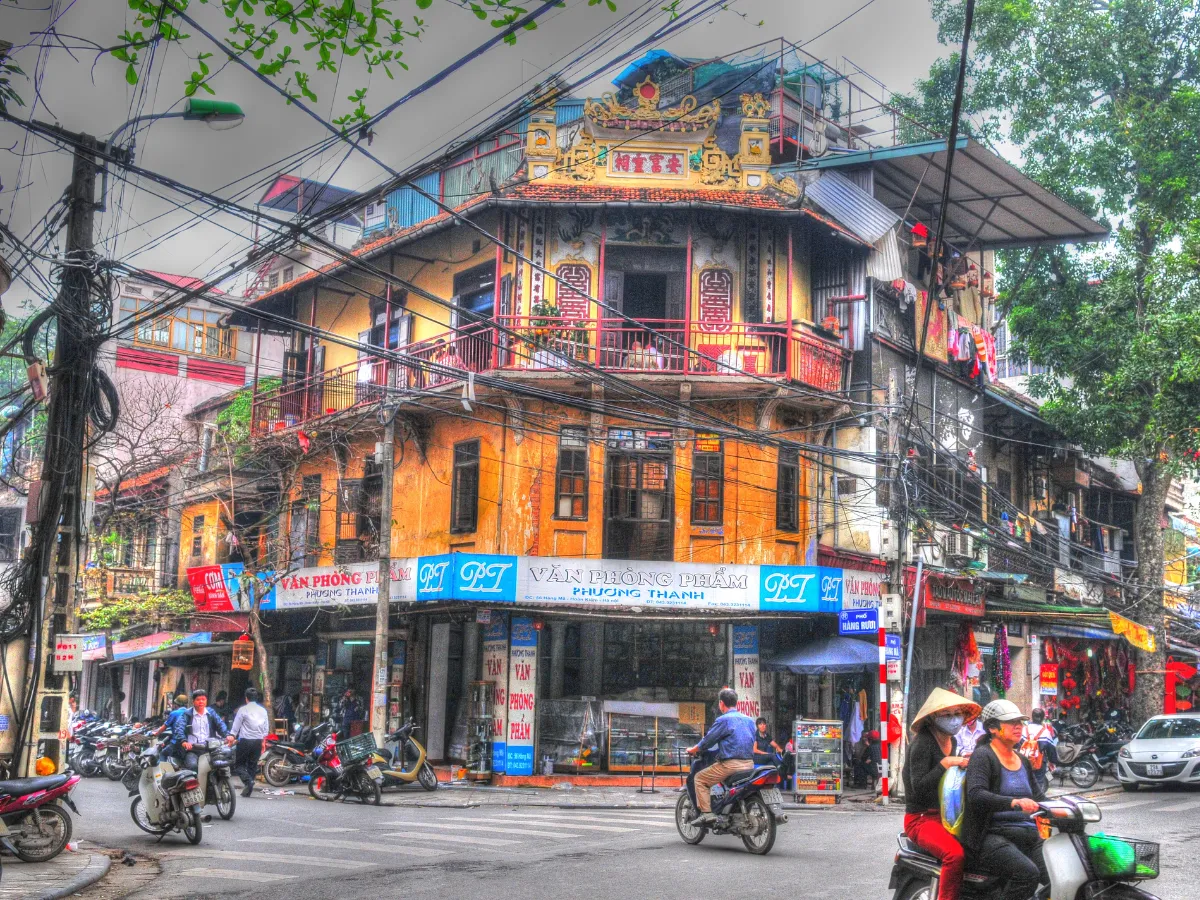
Hanoi Old Quarter
The Heart of Hanoi
2. Hoan Kiem Lake — The Heart of Hanoi
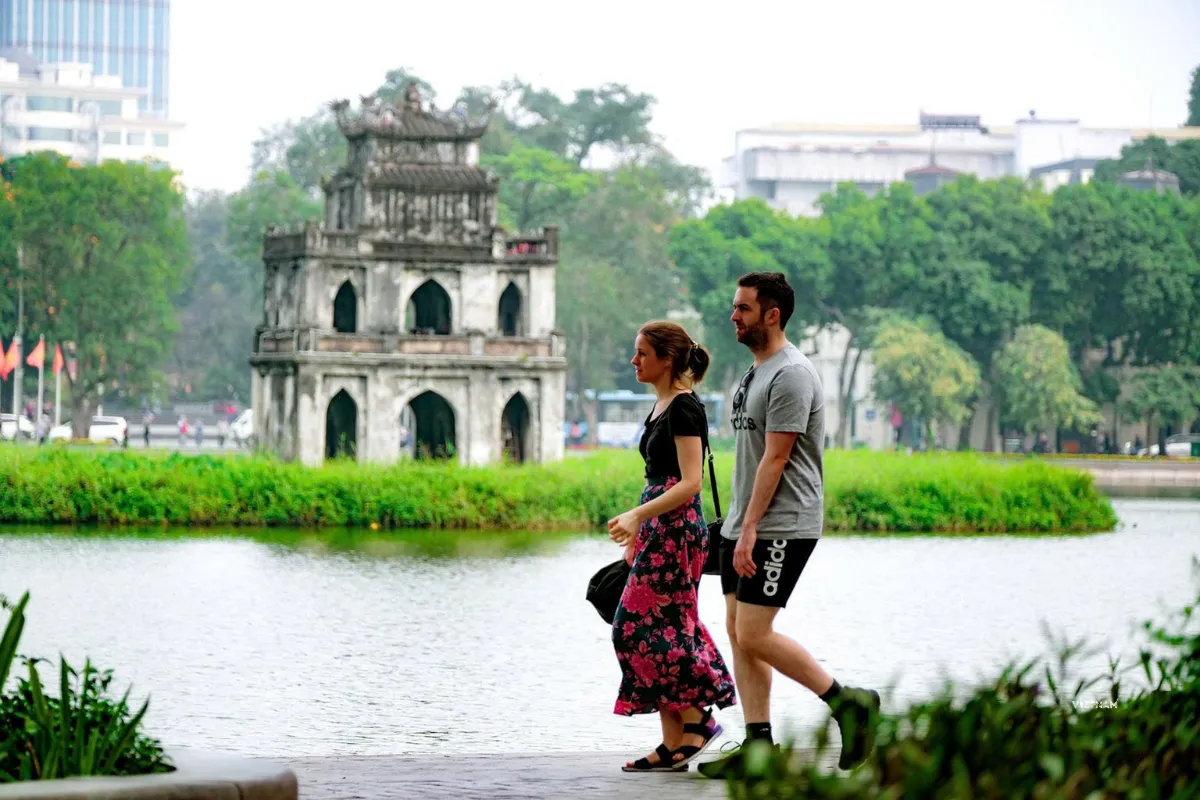
Hoan Kiem (“Returned Sword”) Lake sits at the center of the city and is genuinely used by locals every single day. Mornings bring joggers, tai chi groups, and badminton players. Weekends see it transform into a pedestrian zone with street performers and food stalls. The Ngoc Son Temple on a small island in the middle is accessible via a red bridge and costs about 30,000 VND (~$1.20) to enter.
Local tip: Arrive by 6:30 AM on a weekend to see the lake at its most alive — locals dominate this time, before tourists arrive.

Hoan Kiem Lake
Central Lake in the Heart of Hanoi
3. Temple of Literature (Văn Miếu)
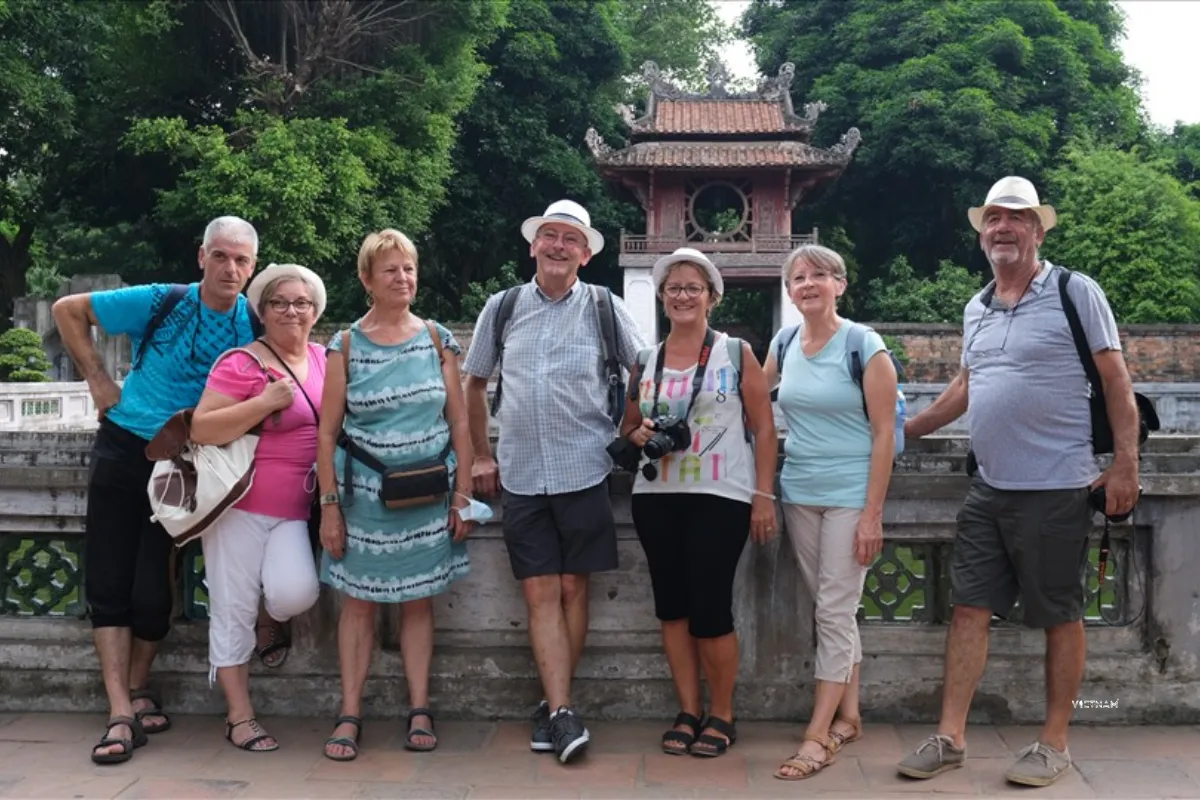
Vietnam’s first national university, founded in 1070 under Emperor Lý Thánh Tông. The complex has five courtyards and 82 stone stelae bearing the names of doctoral graduates from 1442–1778 — a kind of ancient honour board. It’s one of the best-preserved examples of traditional Vietnamese architecture in the country and far less crowded than Hoan Kiem Lake.
Practical info: Open daily 8 AM – 5 PM. Entry ~30,000 VND. Allow 45–60 minutes.
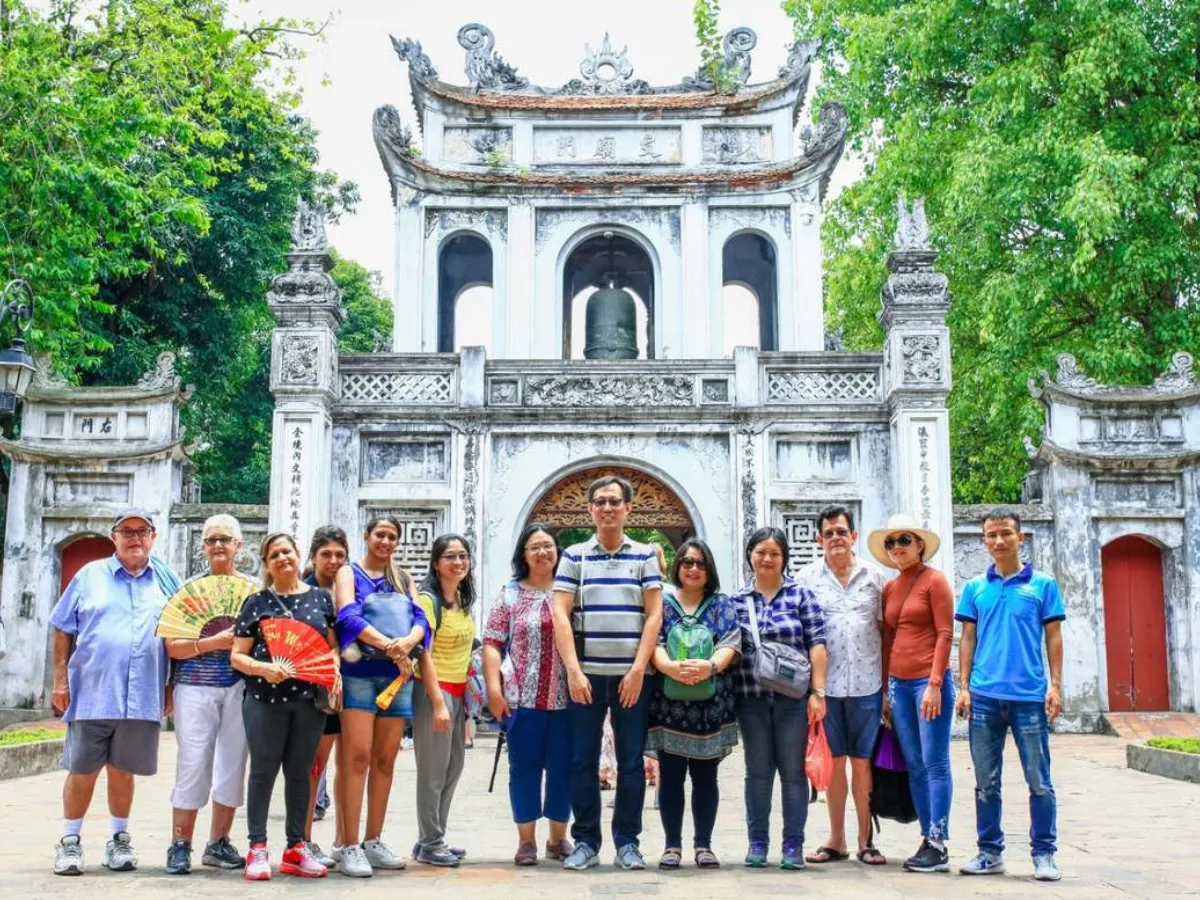
Temple of Literature
The First University in Vietnam
4. Ho Chi Minh Mausoleum Complex
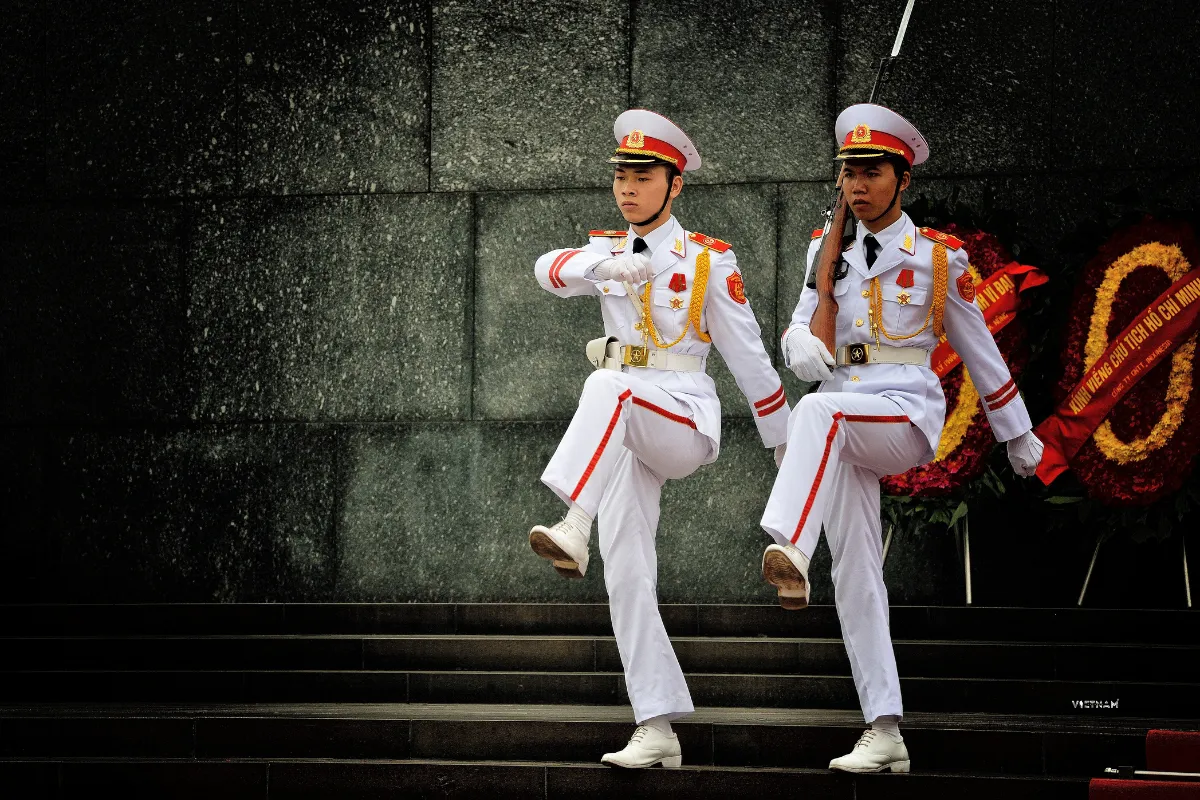
This is more than a tourist attraction — it’s a place of genuine national reverence. Ho Chi Minh’s body is preserved in a glass case inside the mausoleum (closed Mondays, Fridays, and during an annual maintenance period). The surrounding complex includes his stilt house where he lived simply while leading the country, and the Presidential Palace — a French colonial building he refused to occupy.
Dress code strictly enforced: Shoulders and knees must be covered. Bags are checked. Photography inside the mausoleum is prohibited.
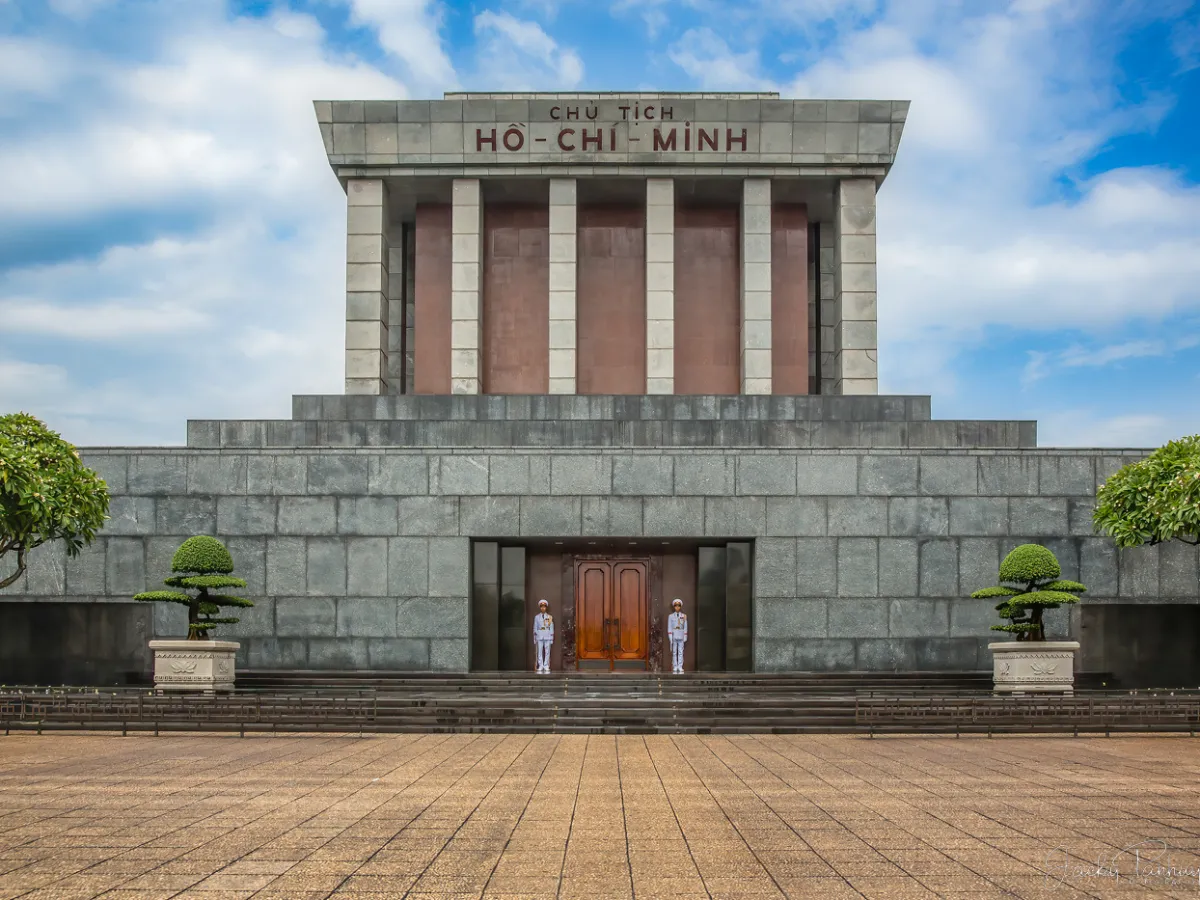
Ho Chi Minh Mausoleum
A Final Rest of National Hero
5. Watch a Water Puppet Show
Water puppetry (múa rối nước) is a northern Vietnamese art form that dates back to the 11th century. Performances take place on a waist-deep pool, with puppeteers hidden behind a bamboo screen controlling figures through underwater rods. It tells stories of rural life — rice farming, fishing, dragon dances. The Thang Long Water Puppet Theatre near Hoan Kiem Lake runs shows throughout the day; book same-day tickets at the box office for about 100,000–200,000 VND.

Water Puppet Show
A Must-See in Hanoi
6. Join a Street Food Tour
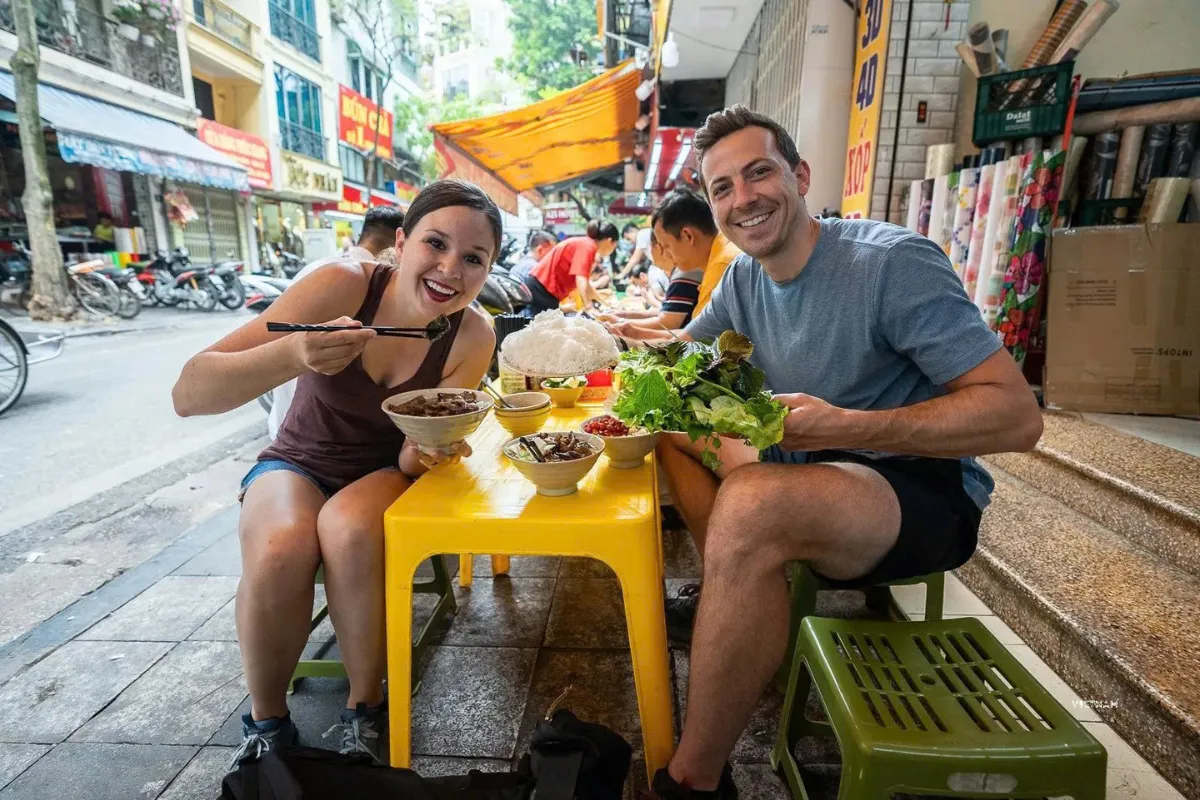
Hanoi’s food culture is best experienced with someone who knows where to go. A guided street food tour covers 6–8 stops in 3 hours and costs around $25–$40 per person. The dishes you need to try: pho bo (beef noodle soup), bun cha (grilled pork with vermicelli), cha ca La Vong (turmeric fish with dill), banh mi, and ca phe trung (egg coffee — a Hanoi invention from the 1940s when fresh milk was scarce).

Vietnamese Banh Mi
A Must-Try in Hanoi
7. Train Street
A narrow residential alley in the Old Quarter where a working train passes within arm’s reach of café tables, twice a day. The experience is genuinely surreal. Authorities have periodically closed and reopened the café stretch — check current status before visiting as policies change. The train schedule is roughly 3:30 PM and 7:30 PM (Hanoi to Hai Phong direction) — times vary so confirm locally.
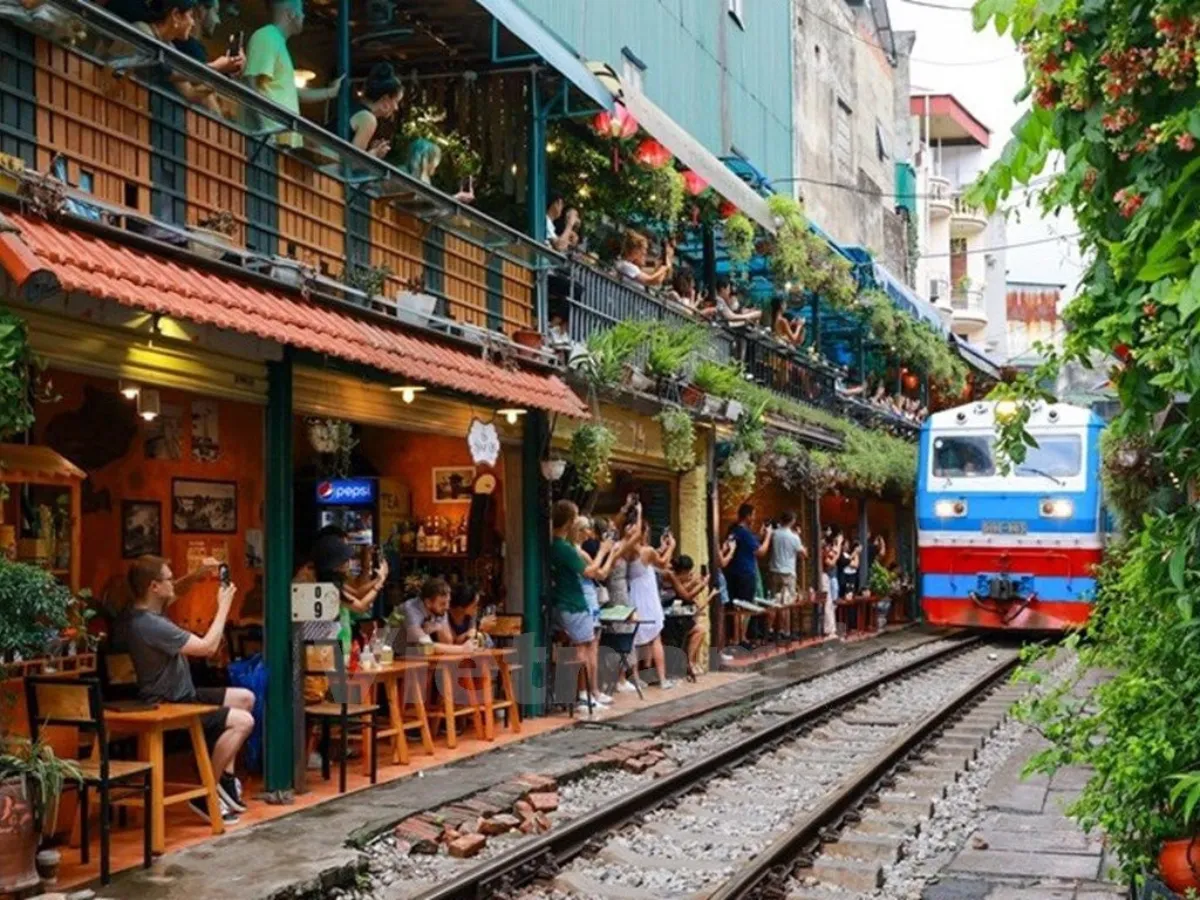
Hanoi Train Street
A Must-Visit in Hanoi
Unique Hanoi Experiences Beyond the Highlights
Once you’ve covered the main landmarks, Hanoi has a second layer of experiences that most first-timers don’t get to — here’s what our guests consistently say was the best part of their trip:
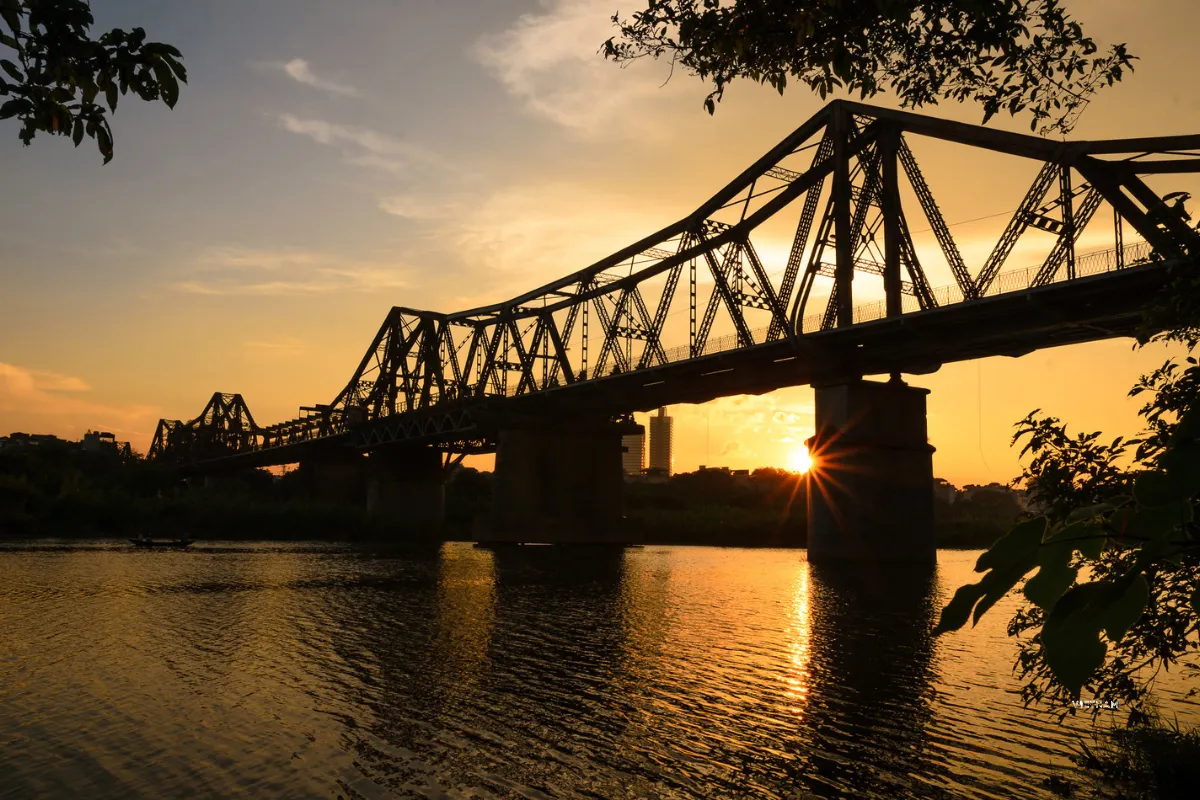
- Sunrise at Long Bien Bridge: The 1902 French-built bridge is still used by motorbikes, pedestrians, and occasional trains. At sunrise, local farmers cycle across carrying vegetables to market. It’s a 15-minute walk from the Old Quarter and completely free.
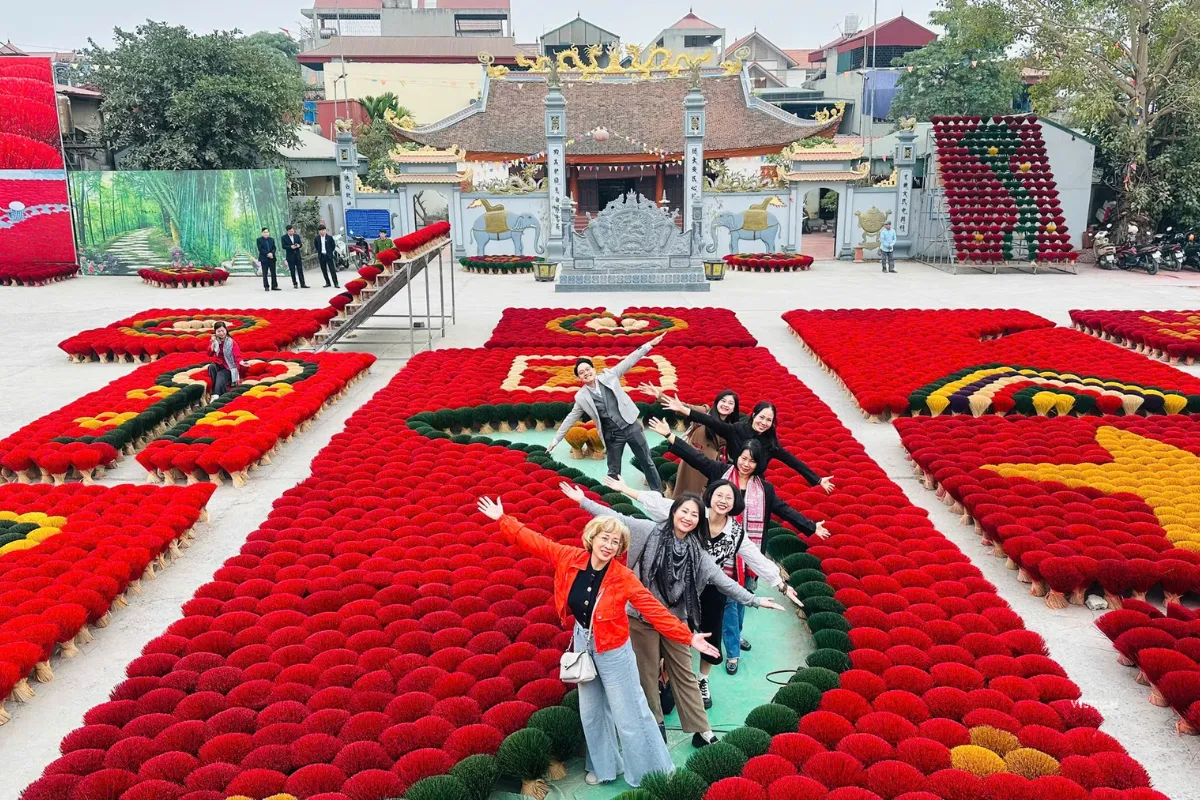
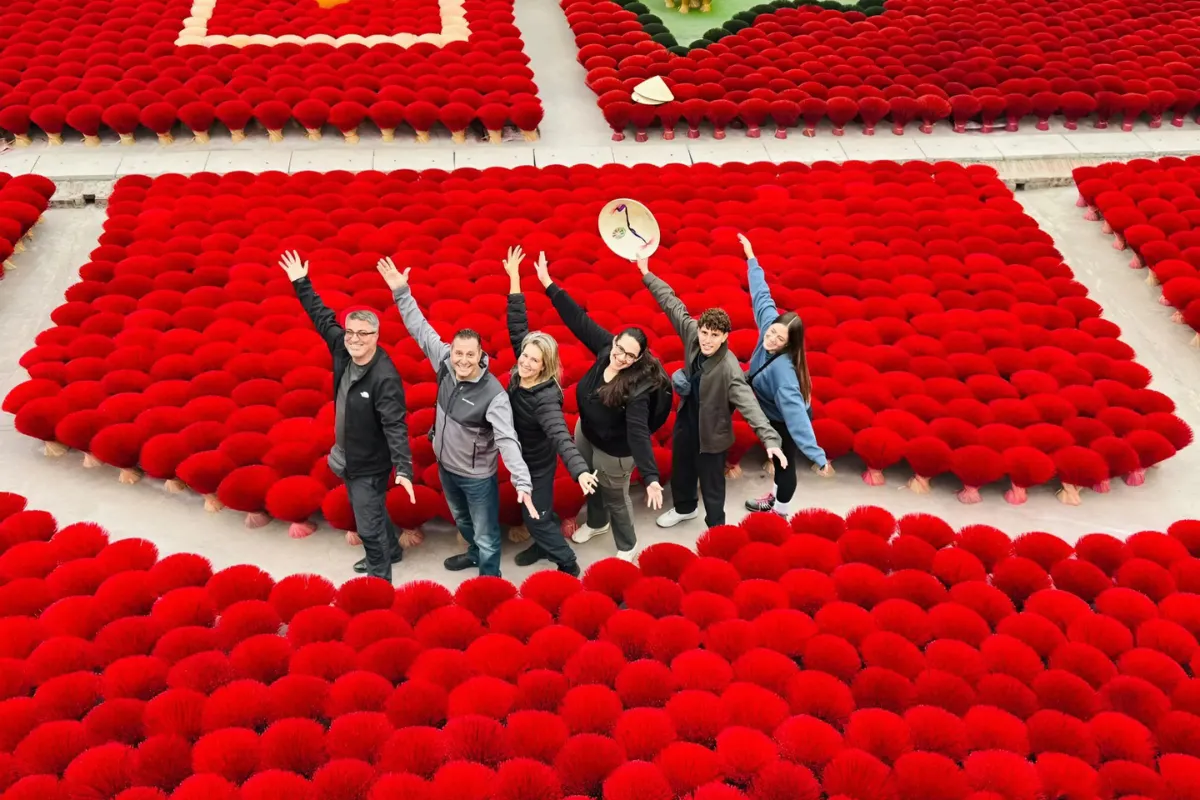
- Quang Phu Cau Incense Village: About 35 km southwest of Hanoi, this village produces incense sticks the traditional way. The drying bundles fanned out in circular formations make for extraordinary photos. Best visited in the morning on a clear day.
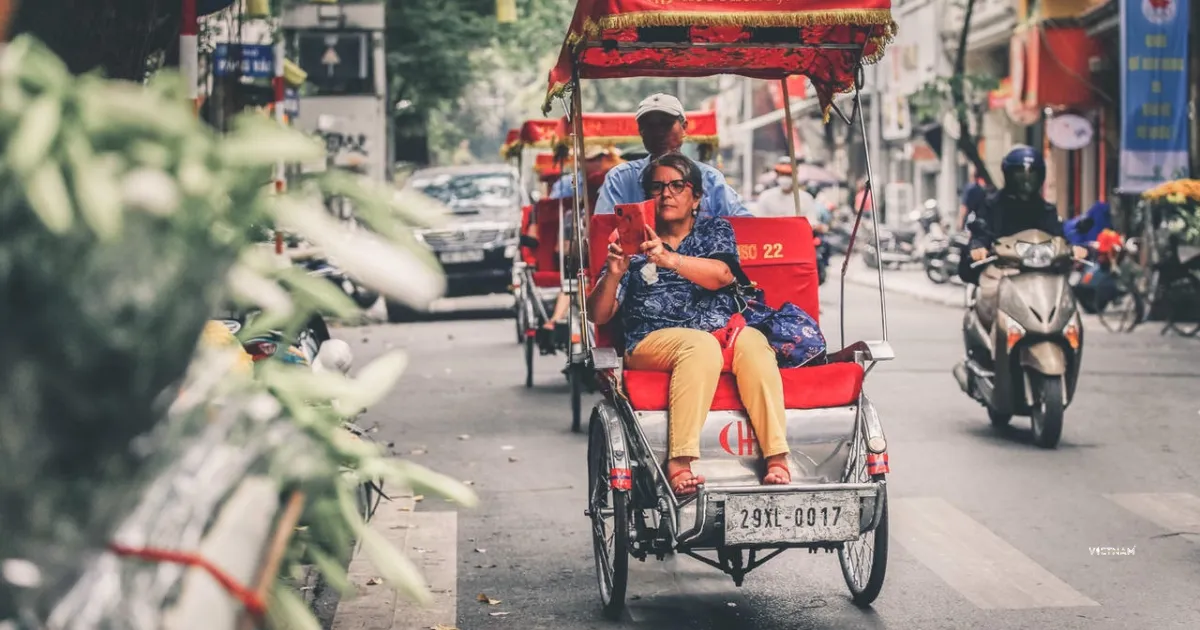
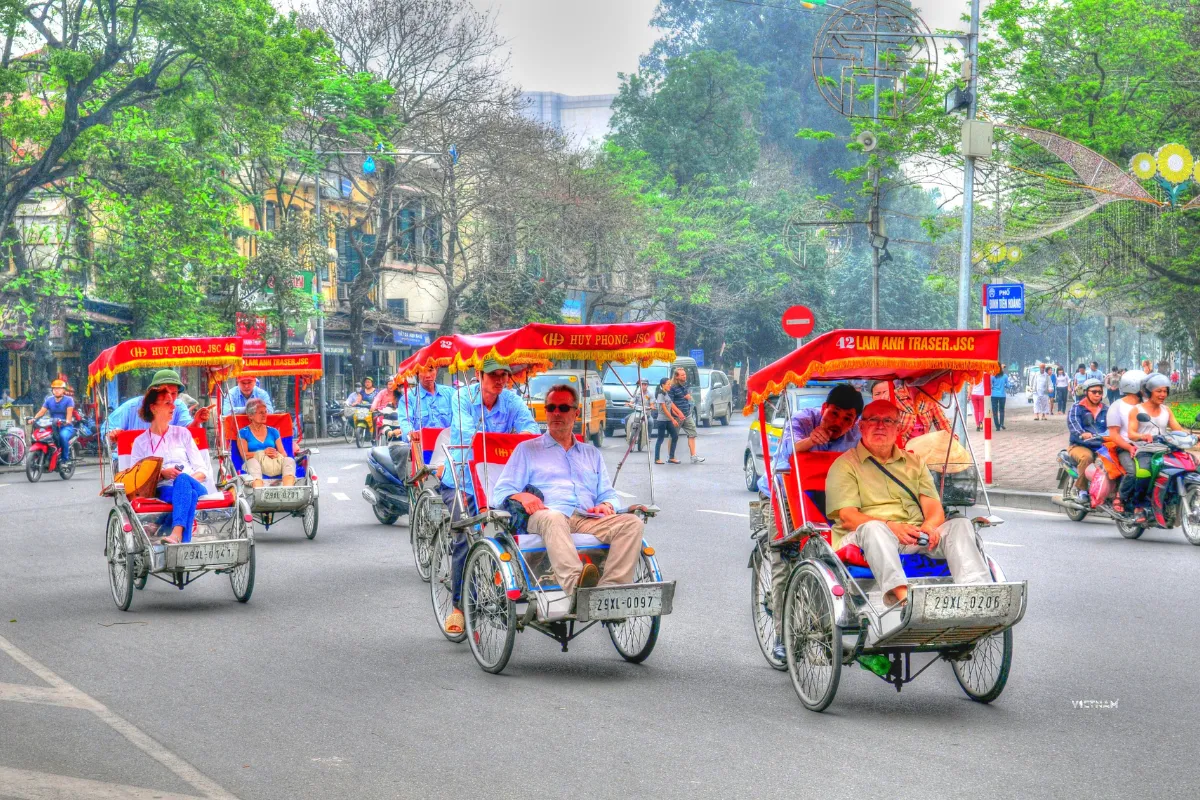
- Cyclo ride at dusk: A 45-minute cyclo (three-wheeled bicycle rickshaw) tour through the Old Quarter at dusk, when the streets light up and traffic slows, costs around $10–$15. Agree on price before you start.
- Bia hoi corner (Bia Hơi Junction): The intersection of Luong Ngoc Quyen and Dinh Liet streets in the Old Quarter is where fresh draft beer (brewed daily, very low alcohol) is served for about 7,000 VND (~$0.30) a glass. It fills up from 5 PM onward with locals and travelers alike.
- Duong Lam Ancient Village day trip: 45 minutes from Hanoi, this is one of Vietnam’s oldest preserved villages with communal houses, ancient temples, and traditional architecture dating to the 17th–18th century. A local guide makes this worthwhile.
Where to Stay in Hanoi: Choosing the Right Neighborhood
Hanoi’s neighborhoods have very different feels. Here’s an honest breakdown based on traveler type:
| Neighborhood | Best For | Vibe | Average Hotel Range (per night) |
|---|---|---|---|
| Old Quarter (Hoàn Kiếm) | First-timers, solo travelers, backpackers | Noisy, vibrant, central — streets can be chaotic until midnight | $20–$120 |
| French Quarter (Hoàn Kiếm south) | Business travelers, luxury seekers | Wide boulevards, colonial buildings, quieter evenings | $80–$300+ |
| West Lake (Tây Hồ) | Long stays, families, expat-style comfort | Leafy, calm, lakeside — farther from Old Quarter (~20 min taxi) | $40–$200 |
| Ba Dinh District | History-focused travelers | Near Ho Chi Minh Mausoleum and Temple of Literature — residential feel | $30–$100 |
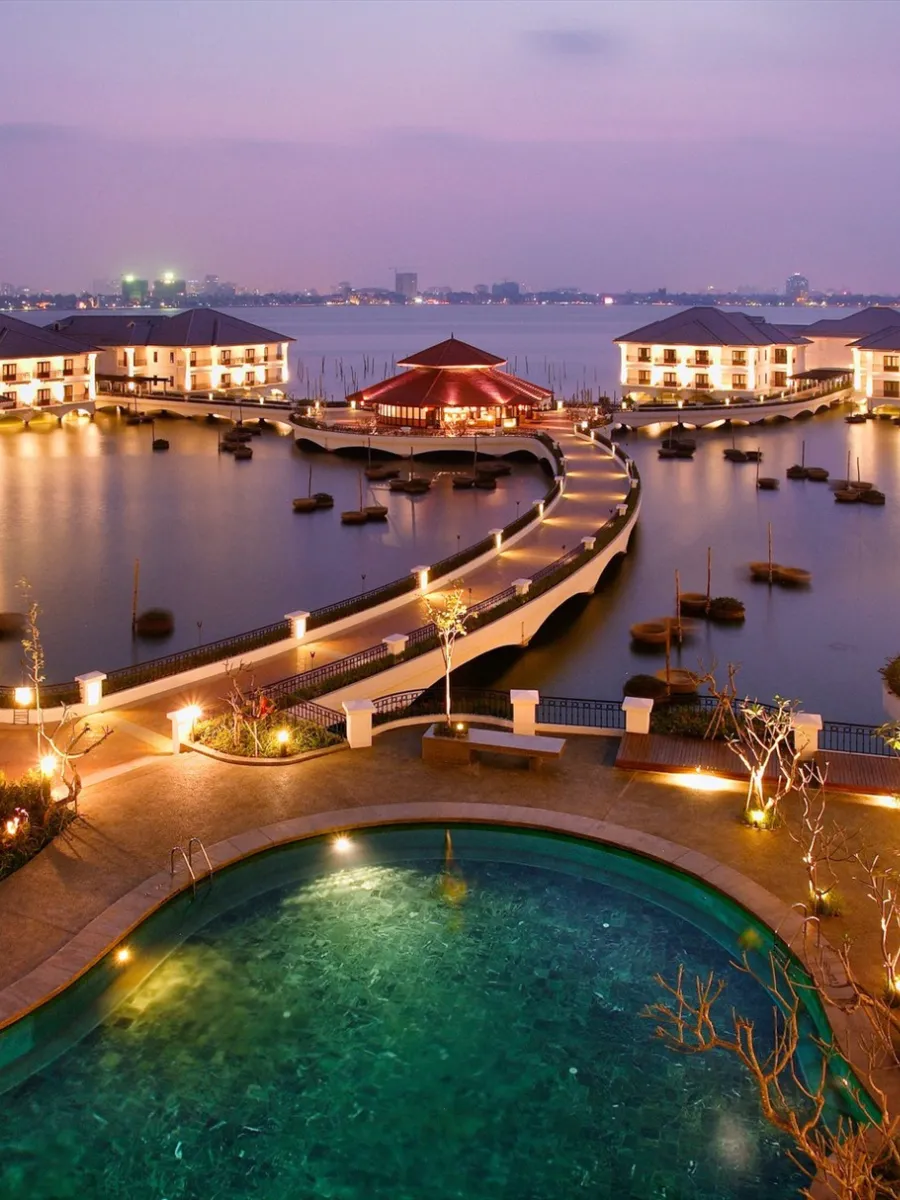
Our recommendation for first-time visitors: Stay in the Old Quarter for your first 1–2 nights to get oriented, then consider West Lake if you’re extending your stay or traveling with family.
Need help choosing the right hotel or neighborhood for your trip? Our local team in Hanoi can recommend options that fit your budget, travel dates, and style — and handle bookings directly. Chat with us on WhatsApp →



Best Time to Visit Hanoi: Month-by-Month Guide
The best time to visit Hanoi is September to November (Autumn). Temperatures are comfortable (18–25°C / 64–77°F), humidity drops, skies are clearest, and the city feels at its most photogenic. This is peak season for good reason.
| Period | Temp Range | Rain | Crowds | Verdict |
|---|---|---|---|---|
| Jan – Feb | 15–20°C / 59–68°F | Low (drizzle possible) | High (Tet holiday) | Good for culture; Tet (Jan/Feb) brings festive atmosphere but some businesses close |
| Mar – Apr | 18–26°C / 64–79°F | Low–Medium | Moderate | Excellent — mild temperatures, spring blossoms, less crowded than autumn |
| May – Aug | 28–36°C / 82–97°F | High | Low–Moderate | Hot and humid with afternoon storms; budget travel season — lower prices, fewer tourists |
| Sep – Nov ⭐ | 18–28°C / 64–82°F | Low (eases in Oct) | High | Best overall. Perfect weather, ideal for Ha Long Bay and Ninh Binh day trips |
| Dec | 13–20°C / 55–68°F | Very low | Moderate | Cool and dry — good for sightseeing; bring a light jacket for evenings |
Note on Ha Long Bay timing: If a Ha Long Bay cruise is on your list (and it should be), September–April gives the best visibility and sailing conditions. Heavy summer rain and occasional typhoons can disrupt cruises in July–August.
How Many Days Do You Need in Hanoi?

The honest answer depends on your goals. Here’s how to think about it:
- 1 day in Hanoi: Possible but rushed. You can cover Hoan Kiem Lake, the Old Quarter, and one evening street food tour. You’ll leave wanting more.
- 2 days in Hanoi: The sweet spot for the city itself — Old Quarter, key landmarks, street food, a water puppet show, and time to wander without a schedule.
- 3 days in Hanoi: Add a full-day trip to either Ninh Binh (Trang An boat tour + Mua Cave) or Ha Long Bay (day cruise).
- 4–5 days in Hanoi: Combine Hanoi city days with an overnight Ha Long Bay or Lan Ha Bay cruise, plus Ninh Binh. This is our most popular trip structure for first-timers.
- 7+ days: Extend into Sapa (2–3 days trekking), Ha Giang Loop (3–4 days), or Hue/Da Nang for a north-to-central Vietnam route.
Suggested 5-Day Hanoi Itinerary: Hanoi + Ha Long Bay + Ninh Binh
This is the itinerary we recommend most often to first-time visitors to northern Vietnam. It combines the cultural depth of Hanoi city, the landscape drama of an overnight Ha Long Bay cruise, and the “Ha Long Bay on land” scenery of Ninh Binh — all within 5 days.


Day 1: Arrival in Hanoi — Old Quarter & Street Food Evening
- Arrive at Noi Bai International Airport. Private transfer to your hotel (45–60 minutes). Check in, freshen up, then head to the Old Quarter.
- Afternoon: Walk through iconic Old Quarter streets — Hang Bac, Hang Dao, Hang Ma.
- Late afternoon: Visit Hoan Kiem Lake and cross to Ngoc Son Temple.
- Evening: Join a street food tour — pho, bun cha, banh cuon, egg coffee.
- Optional: Water puppet show at Thang Long Theatre (book same day).
- Overnight in Hanoi
- Where to eat?: Pho Gia Truyen (49 Bat Dan St) for pho, Bun Cha Huong Lien (24 Le Van Huu St) for bun cha — famously visited by President Obama and Anthony Bourdain in 2016.
Day 2: Hanoi Culture Day — Landmarks & Neighborhoods
- Full day exploring Hanoi’s cultural and historical highlights. Best done with a half-day private guide.
- Morning: Ho Chi Minh Mausoleum Complex (arrive by 8 AM) → One Pillar Pagoda → Ho Chi Minh Museum.
- Late morning: Temple of Literature (allow ~60 minutes).
- Lunch: Old Quarter or French Quarter.
- Afternoon: Hoa Lo Prison Museum — a powerful historical site.
- Late afternoon: Walk through the French Quarter — Opera House, Sofitel Metropole, Trang Tien Street.
- Evening: Rooftop bar or local bia hoi experience.
- Overnight in Hanoi
Day 3 & 4: Overnight Ha Long Bay / Lan Ha Bay Cruise
- An overnight cruise is the best way to experience Ha Long Bay — far better than a rushed day trip.
- Morning: Transfer from Hanoi (2.5–3 hours).
- Noon: Board cruise and sail into Lan Ha Bay — quieter and less crowded.
- Afternoon: Kayaking, cave exploration, swimming.
- Sunset: Drinks on deck with limestone karst views.
- Evening: Cooking class, dinner, stargazing.
- Day 4 morning: Sunrise, tai chi session, final cruise before disembarkation.
- Return to Hanoi in the afternoon.
- Overnight on cruise
- Cruise recommendation: Mid-range cruises ($120–$200/person for 2D1N) offer the best value. Choose itineraries that explore Lan Ha Bay instead of the crowded Ha Long core area.
Day 5: Ninh Binh Day Trip — Trang An & Mua Cave
- Ninh Binh is often called “Ha Long Bay on land” — featuring limestone mountains, rice fields, and river valleys just 2 hours from Hanoi.
- Morning: Depart Hanoi (7:30–8:00 AM) → Hoa Lu Ancient Capital.
- Late morning: Trang An boat tour — 3-hour scenic ride (UNESCO site).
- Lunch: Local restaurant in Ninh Binh.
- Afternoon: Mua Cave viewpoint — climb ~500 steps for panoramic views.
- Optional: Visit Bai Dinh Pagoda.
- Return to Hanoi (7–8 PM).
- Overnight in Hanoi
- Tip: Book Day 5 as a private tour for better flexibility — the price difference is small but the experience is significantly better.
Customize This Itinerary for Your Travel Style
Whether you want a private guide for every day, a specific type of cruise, or you’re traveling with kids or elderly family members — our Hanoi-based team builds itineraries around your actual needs. Most guests get their custom plan within 24 hours.
Get Your Free Custom Itinerary →
No obligation. We’ll send you options with prices, not a sales pitch.
Sale!
Authentic Hanoi Day Tour | Incense Village & Duong Lam Ancient Village

Place
Hanoi

Duration
1D
Original price was: 120$.105$Current price is: 105$.
Sale!
Hanoi Cycling Tour | Bat Trang, Kim Lan & Xuan Quan Flower Villages
Place
Bat Trang
Duration
1D
Original price was: 65$.55$Current price is: 55$.
Sale!
Half-Day Hanoi City Tour | Explore Iconic Landmarks in Just Few Hours
Place
Ha Noi
Duration
1D
Original price was: 50$.35$Current price is: 35$.
Sale!
Exclusive Hanoi Street Food Tour | Discover Hanoi’s Best Eats on Foot
Place
Ha Noi
Duration
1D
Original price was: 50$.35$Current price is: 35$.
Sale!

Hanoi City Tour | Highlights, Local Culture | Best of Hanoi in One Day
Place
Ha Noi
Duration
1D
Original price was: 55$.45$Current price is: 45$.
Sale!
Top Hanoi City Walking Tour | Discover the Best of Hanoi in One Day
Place
Hanoi Capital City
Duration
1D
Original price was: 60$.50$Current price is: 50$.
Sale!

Incense Village Hanoi Tour | Explore Traditional Craft & Local Culture
Place
Quang Phu Cau
Duration
1D
Original price was: 85$.55$Current price is: 55$.
Sale!

Private Mai Chau Day Trip And Waterfall & Hot Spring Bath
Place
Mai Chau
Duration
1D
Original price was: 175$.125$Current price is: 125$.
Hanoi vs Ho Chi Minh City: Which Should You Visit First?
This is one of the most common questions we get. The short answer: if you care about history, culture, and authentic local life, start with Hanoi. If you want a faster-paced urban experience with excellent nightlife and day trips to the Mekong Delta, start with Ho Chi Minh City. Ideally, visit both — they’re very different cities and each is better for different reasons.
| Criteria | Hanoi | Ho Chi Minh City (Saigon) |
|---|---|---|
| Overall vibe | Historic, layered, slower-paced | Modern, fast, entrepreneurial |
| Street food quality | Excellent — refined northern cuisine | Excellent — more variety, influences from south |
| Cultural depth | Very high — 1,000 years of history visible | High — particularly around the American War era |
| Day trip options | Ha Long Bay, Ninh Binh, Sapa, Ha Giang | Mekong Delta, Cu Chi Tunnels, Mui Ne |
| Weather (best season) | Sep–Nov and Mar–Apr | Nov–Apr (dry season) |
| Best for first-timers? | Yes — especially if flying into Vietnam | Yes — especially if flying in from Australia/Asia |


Essential Travel Tips for Hanoi (From Our Local Team)
These are the things we tell every guest before they arrive in Hanoi — the practical stuff that makes a real difference:


- Get a local SIM card at the airport. Viettel and Vietnamobile both offer tourist SIMs with 5–10GB data for ~$5. Don’t rely on expensive international roaming — Google Maps and Grab (the Uber of Vietnam) are essential.
- Use Grab for taxis, not street taxis. Metered taxis do exist and most are honest, but Grab shows you the price upfront and eliminates language barriers. Download it before you arrive.
- Carry small denomination VND cash. Street food, local buses, and temple entrance fees are cash-only. ATMs are everywhere in the Old Quarter. Avoid currency exchange at hotels — rates are poor.
- Crossing the street is a skill. Traffic doesn’t fully stop at crossings. Walk at a steady, predictable pace and vehicles will flow around you. Don’t freeze, don’t run. It’s counterintuitive but it works.
- Bargain respectfully in the Old Quarter market stalls, but not at street food vendors or family restaurants — prices are already low and haggling here is considered rude.
- Dress codes matter at temples and the Ho Chi Minh Mausoleum. Cover shoulders and knees. A light scarf in your bag solves this everywhere.
- Book Ha Long Bay cruises through a reputable agency. The quality gap between budget and mid-range cruises is large. Avoid the very cheapest options — boats matter for safety and comfort on the water.
- Hanoi’s weather can be unpredictable in spring (Feb–Apr). Pack a light waterproof layer even in the “good” seasons.
Hanoi is one of the most rewarding destinations in Vietnam for travelers seeking culture, history, and authentic experiences. With its iconic Old Quarter, rich cuisine, and easy access to Ha Long Bay and Ninh Binh, Hanoi remains a must-visit city in Southeast Asia.
Frequently Asked Questions — Hanoi Travel Guide
Is Hanoi worth visiting?
Yes — Hanoi is genuinely one of the most rewarding cities in Southeast Asia for first-time visitors. It offers a rare combination of authentic street life, 1,000 years of visible history, world-class street food, and easy access to two UNESCO World Heritage sites (Ha Long Bay and Trang An). It’s also one of the most affordable capital cities in Asia, with comfortable accommodation and excellent food available at every budget level.
How many days should I spend in Hanoi?
Most first-time visitors need at least 2 full days to cover Hanoi’s main highlights — the Old Quarter, Hoan Kiem Lake, Temple of Literature, and a street food evening. Add 1–2 days if you want to include a Ha Long Bay cruise or a Ninh Binh day trip. A 4–5 day Hanoi-based itinerary covering the city plus both Ha Long Bay and Ninh Binh is the most popular structure for northern Vietnam trips.
Is Hanoi safe for tourists?
Hanoi is generally very safe for international tourists. Violent crime targeting travelers is rare. The main risks are petty theft (bag snatching from motorbikes on busy streets), overcharging in tourist areas, and traffic when crossing roads. Standard precautions — keeping bags close, using Grab instead of unmarked taxis, and not walking alone late at night in unfamiliar areas — are sufficient for most travelers.
What food is Hanoi famous for?
Hanoi is the birthplace of several of Vietnam’s most iconic dishes. The must-try list: pho bo (beef noodle soup, best eaten for breakfast), bun cha (grilled pork patties with vermicelli noodles and dipping broth), cha ca La Vong (turmeric-marinated fish fried with dill), banh mi (French-influenced Vietnamese sandwich), and ca phe trung (egg coffee — whisked egg yolk and condensed milk over espresso, a 1940s Hanoi invention).
When is the best time to visit Hanoi?
The best time to visit Hanoi is September to November, when temperatures are comfortable (18–25°C), humidity is low, and skies are clear. This autumn season is ideal for sightseeing, day trips to Ha Long Bay, and outdoor activities. March–April is also excellent with mild spring weather. Avoid July–August if possible — temperatures reach 36°C+ and afternoon thunderstorms are frequent, though prices are lower.
Do I need a visa to visit Vietnam as a tourist?
Citizens of many countries can enter Vietnam visa-free for 45–90 days, including most Western European countries, the USA, UK, Canada, and Australia. The E-visa ($25, valid 90 days, multiple entry) is available to nationals of 80+ countries and is straightforward to apply for online at the official Vietnam Immigration portal. Requirements change periodically — check the current list before booking flights.
How do I get from Hanoi to Ha Long Bay?
The most common route is by private car or shuttle bus, taking approximately 2.5–3.5 hours depending on traffic. Most cruise operators include transfers in their package price. Seaplanes are also available (35 minutes, from ~$120 one way) and offer spectacular aerial views of the bay before landing directly at the marina. Independent travelers can take a public bus from Hanoi’s My Dinh bus station.
What’s the difference between Ha Long Bay and Lan Ha Bay?
Both bays share the same dramatic limestone karst landscape and are part of the same geological region. Ha Long Bay (UNESCO-listed since 1994) is more famous and busier — particularly the core area near Cat Ba Island. Lan Ha Bay, just south of Ha Long, has the same scenery with far fewer boats, better swimming spots, and more authentic fishing communities. Most experienced travelers and cruise operators now prefer Lan Ha Bay for overnight itineraries.

Plan Your Hanoi Trip with a Local Expert
We’re a Hanoi-based travel company — our team lives here, guides here, and eats here every day. When you plan with us, you’re not getting a call center or a chatbot. You’re getting a real person who knows which Ha Long Bay cruise is worth the price, which Old Quarter hotel is quieter than it looks on Booking.com, and which street to find the best bowl of bun cha.
- Local Hanoi-based team, available 7 days a week
- Private and small-group tours (no 40-person buses)
- Fully customizable — we adjust to your budget, pace, and interests
- Respond within 2–4 hours on WhatsApp
Get Your Free Hanoi Trip Plan
Tell us your travel dates, group size, and interests. We’ll send you a suggested itinerary with options and transparent pricing — no pressure, no hidden fees.
Request Your Hanoi Itinerary →
Or message us directly on WhatsApp: +84 849 391 981
Explore More Northern Vietnam
- Ha Long Bay Travel Guide — cruises, what to expect, which bay to choose
- Ninh Binh Travel Guide — Trang An, Tam Coc, Mua Cave
- 5-Day Northern Vietnam Itinerary
- 7-Day Northern Vietnam Itinerary
- Vietnam Day Tours