



Ha Long Bay Travel Guide
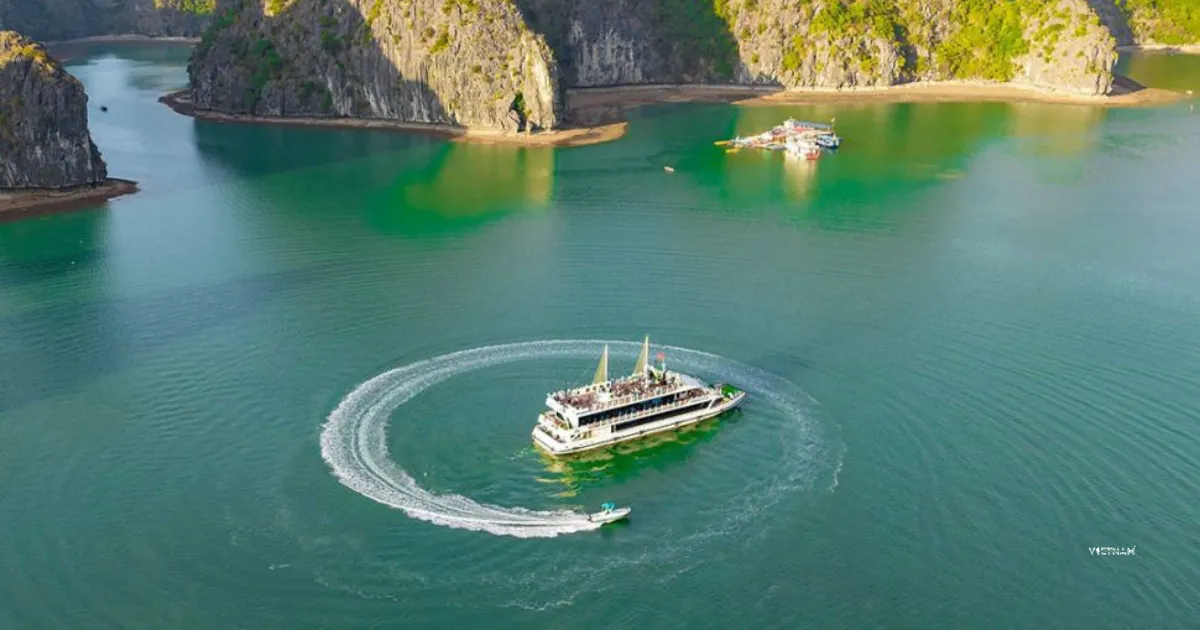
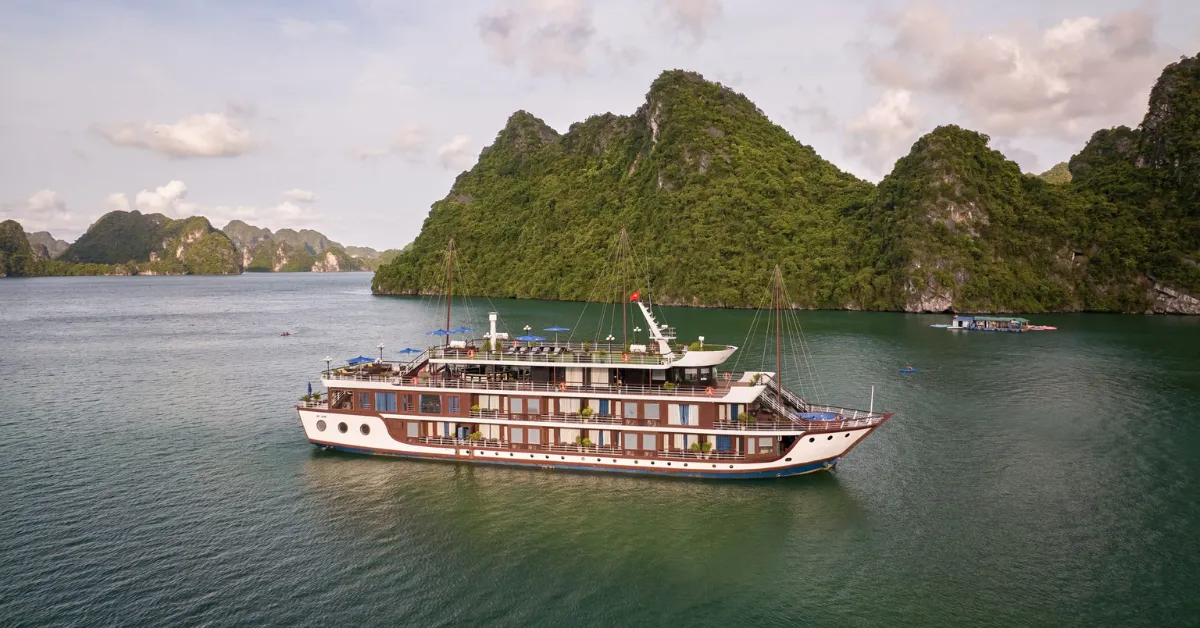
Ha Long Bay is one of the world’s most dramatic natural landscapes — nearly 2,000 limestone karst islands rising from emerald-green water across 1,553 km² of the Gulf of Tonkin. A UNESCO World Heritage Site since 1994, it’s Vietnam’s most iconic destination: staggering at first glance, genuinely magical when explored by overnight cruise.
This guide covers everything you need to plan a Ha Long Bay trip the right way: which bay to choose, which cruise level is worth it, what the experience actually feels like, when to go, and how to avoid the overcrowded, overpriced traps most first-timers fall into. Written by our Vietnam-based team who cruise these waters regularly with our guests.
Jump to: Why Visit Ha Long Bay · Ha Long vs Lan Ha Bay · Choosing a Cruise · Best Time to Visit · Getting There · 3-Day Itinerary · Travel Tips · FAQ
Ha Long Bay at a Glance

| Quick Fact | Details |
|---|---|
| Location | Quang Ninh Province, Northern Vietnam |
| UNESCO Status | World Heritage Site since 1994 (natural criteria) |
| Area | ~1,553 km² with 1,969 islands and islets |
| Nearest City | Ha Long City (Bai Chay Port) — main embarkation point |
| Distance from Hanoi | ~160 km / 2.5–3 hours by car |
| Best Time to Visit | October – April (cool and clear) |
| Recommended Stay | 2 days / 1 night minimum; 3 days / 2 nights ideal |
| Best Alternative | Lan Ha Bay (same scenery, far fewer tourists) |
| Cruise Price Range | Budget: $80–$100 · Mid-range: $120–$250 · Luxury: $300–$600+ (per person, 2D1N) |
Why Ha Long Bay Is Worth the Trip — An Honest Local Perspective?
Ha Long Bay is one of those places where the photos, for once, don’t exaggerate. The scale of the karst landscape — thousands of limestone peaks draped in jungle, rising straight from sea level — is something that doesn’t translate until you’re standing on a boat deck at 6 AM watching mist move between the islands.
But there’s a version of Ha Long Bay that disappoints, and it’s the overcrowded, rushed, budget-cruise version that packs 50 people onto a boat and ticks boxes rather than creates an experience. Done right, it’s one of the best two days you’ll spend in Southeast Asia. Done wrong, it’s a floating traffic jam with bad buffet food.
Here’s what genuinely makes Ha Long Bay exceptional — and what most travel content won’t tell you:
- The geology is genuinely ancient and unique. The karst formations took over 500 million years to develop. The islands have their own micro-ecosystems — some contain freshwater lakes, others have caves the size of cathedrals. No two islands look the same up close.
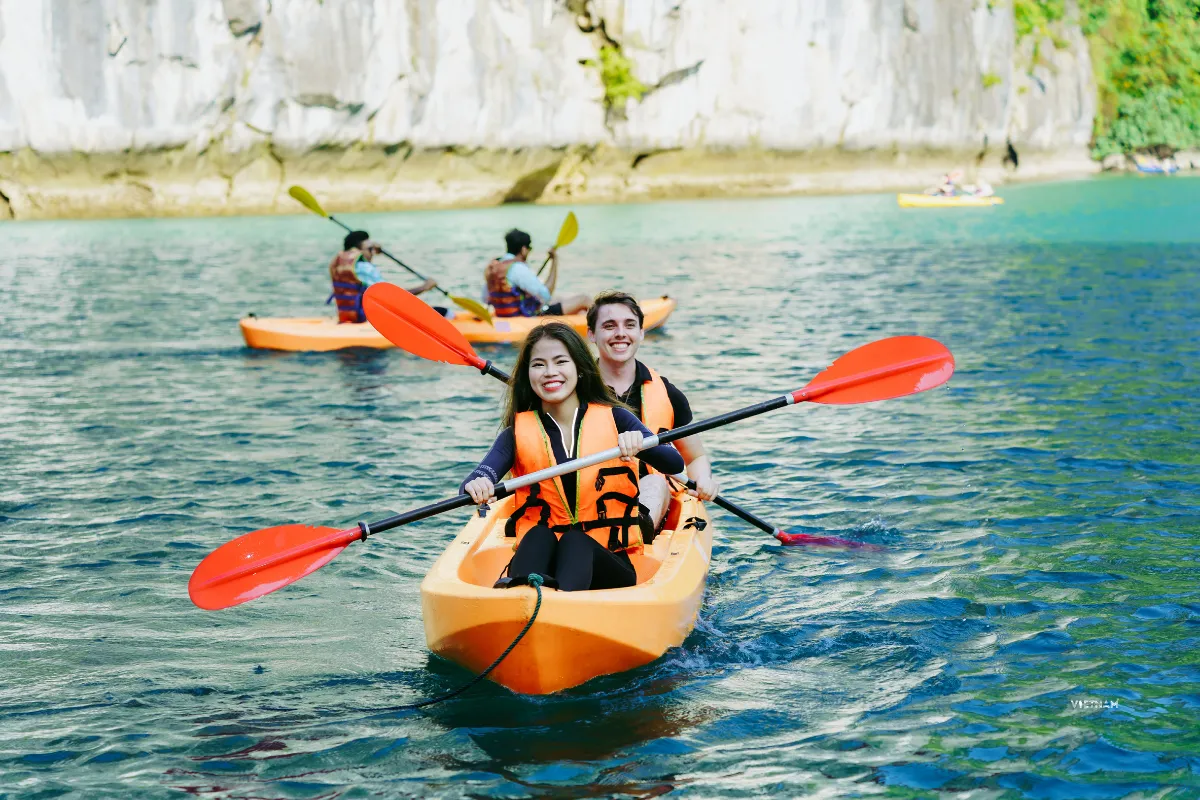
- Kayaking through caves is a different experience entirely. Paddling through a dark sea cave into a hidden lagoon surrounded by sheer limestone walls — no roads, no other people, just water and stone — is one of those travel moments that stays with you. Most mid-range cruises include this.
- Sunrise and sunset are extraordinary. The bay’s orientation means you get both. Dawn over still water with mist rising from karst peaks, sunset painting the limestone orange-pink. Overnight cruises are the only way to experience both.
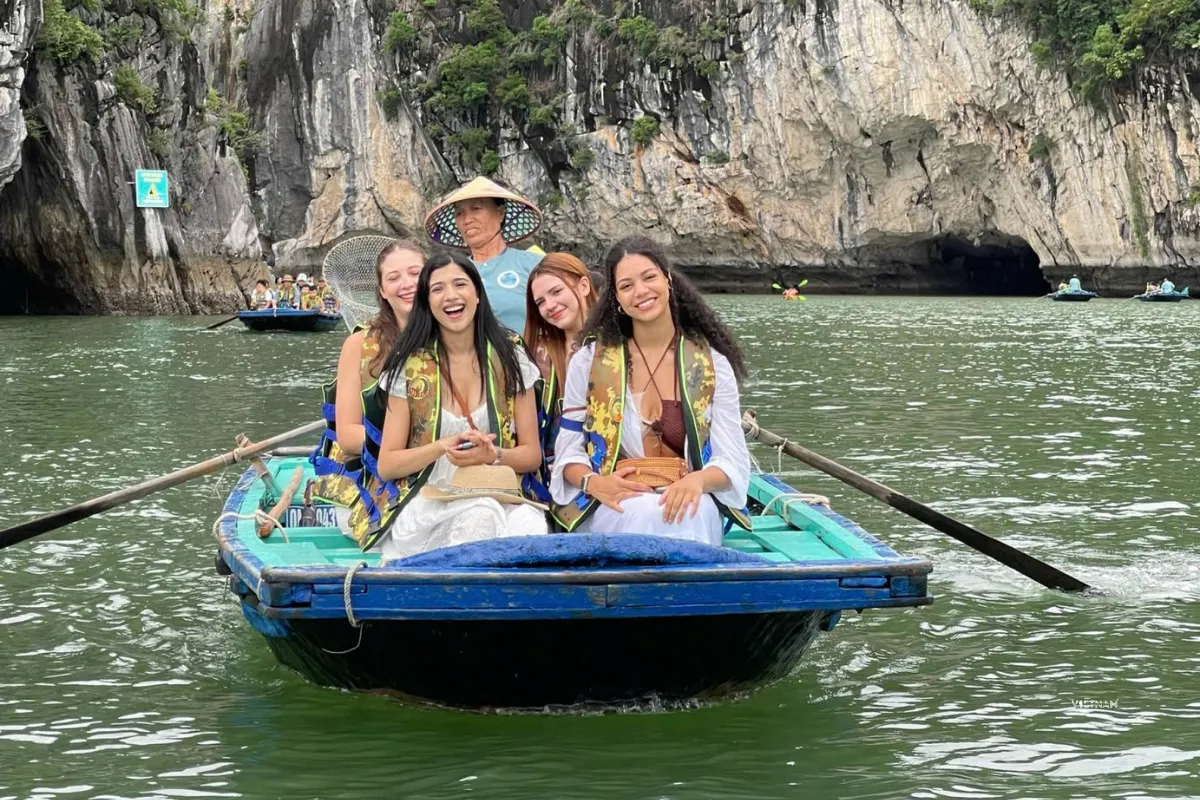
- Local fishing culture is still visible. Floating fishing villages like Vung Vieng and Cua Van — where families live entirely on the water in wooden houses — offer a glimpse of a way of life that’s centuries old. Some cruises include a visit by kayak or rowing boat.
- It pairs perfectly with Hanoi. At 2.5–3 hours from the city, Ha Long Bay is the natural complement to 2 days in Hanoi — making a 5-day northern Vietnam trip one of the most complete and varied short trips in Asia.
Ha Long Bay vs Lan Ha Bay: Which Should You Choose?
This is the most important decision most travelers don’t know they need to make. Both bays are part of the same spectacular geological system, but they offer very different experiences on the water. Here’s an honest comparison:
| Criteria | Ha Long Bay (Core Area) | Lan Ha Bay |
|---|---|---|
| Scenery | Iconic — the postcard karst landscape | Identical geology, arguably more varied |
| Boat traffic | High — hundreds of cruise boats daily | Low — far fewer permits issued |
| Swimming | Limited — some areas restricted | Excellent — cleaner water, more spots |
| Kayaking | Good but crowded at popular caves | Outstanding — hidden lagoons, quiet passages |
| Floating villages | Cua Van (can feel touristy) | Vung Vieng (more authentic) |
| UNESCO status | Listed since 1994 | Not separately listed — less regulated |
| Best for | Iconic photos, first-time visitors | Kayaking, swimming, quieter experience |
| Price | Similar | Similar or slightly higher (fewer boats) |
| Our verdict | Worth seeing, but avoid the core anchor zone | Recommended for most travelers |
Our recommendation: For first-time visitors who want the full experience — good kayaking, quieter nights, cleaner water, and the same karst scenery — choose a cruise that operates in Lan Ha Bay or combines both. Operators based out of Cat Ba Island typically offer the best Lan Ha Bay itineraries.


How to Choose the Right Ha Long Bay Cruise?
The cruise market in Ha Long Bay is enormous and uneven. There are over 500 licensed cruise vessels operating on the bay — ranging from rusting budget junks to genuinely world-class boutique ships. The right choice depends on your budget, travel style, and how much the onboard experience matters to you.
By Trip Length
- Day trip (no overnight): Not recommended. You spend 6+ hours round-trip in transit for 4 hours on the water. You’ll see the bay but not experience it. Fine if you have a single day and no alternative — otherwise, book an overnight.
- 2 Days / 1 Night (2D1N): The minimum for a real Ha Long Bay experience. You board around noon, have a full afternoon and evening on the water, and disembark mid-morning the next day. Sufficient for a good kayaking session, sunset, and sunrise.
- 3 Days / 2 Nights (3D2N): The ideal length. You get more kayaking time, usually a visit to a floating village, a sunrise photography session, and a more relaxed pace overall. Most guests say the second evening on the water is when the bay truly gets under your skin.
- 4+ Days: Available on select luxury operators. Includes Cat Ba Island exploration, deeper bay itineraries, and complete seclusion. For serious travelers who want Ha Long Bay as a destination, not just a tick-box.
By Budget Level
| Tier | Price (2D1N, per person) | What You Get | Our Verdict |
|---|---|---|---|
| Budget | $60–$100 | Shared cabin, basic meals, large group tours (20–40 people), older boats | Avoid if possible — boat quality and safety standards vary significantly |
| Mid-Range | $120–$250 | En-suite cabin, included meals (usually good), kayaking, max 20 guests, newer boats | Best value tier. This is where quality jumps dramatically. Operators like Indochina Junk, Paradise Cruises, and Bhaya offer excellent experiences here. |
| Luxury | $300–$600+ | Premium cabins with balconies, à la carte dining, butler service, smaller boats (8–16 guests), private kayak tours | Worth it for honeymoons, special occasions, or travelers who want complete exclusivity. Garden Bay Luxury Cruise and Au Co are standouts. |
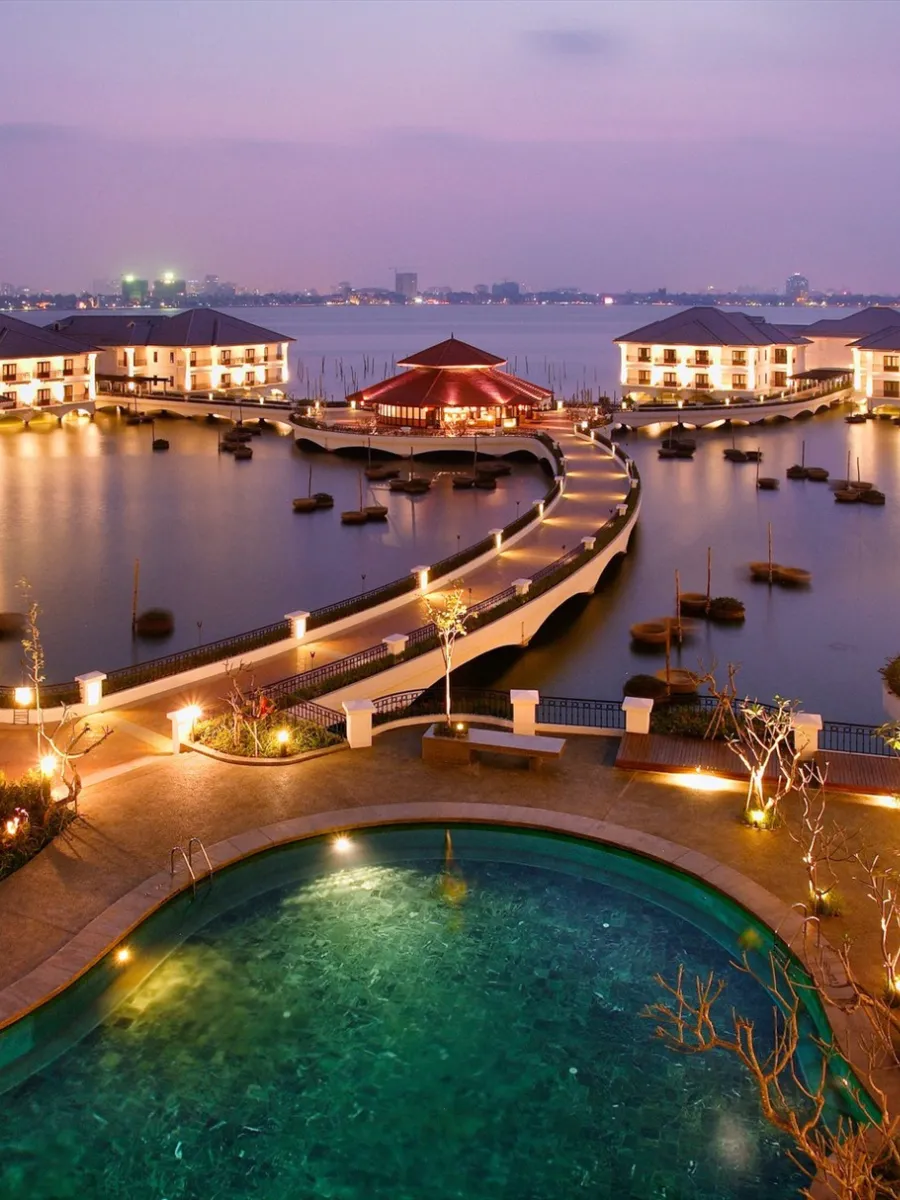
What to Look For When Booking
- Maximum passenger count. Boats with 20 or fewer guests offer a fundamentally better experience. Avoid any boat advertising 40+ capacity for overnight trips.
- Itinerary area. Ask specifically whether the cruise operates in Lan Ha Bay, the outer Ha Long Bay, or only the crowded core anchor zone. Operators who don’t specify are usually in the busiest area.
- Kayaking included or extra. Some budget operators charge separately for kayaking. Mid-range and above should include it.
- Cabin configuration. Double vs twin beds, window vs porthole vs balcony — confirm before booking, especially for solo travelers (many “double” cabins have no single supplement on mid-range boats).
- Safety certification. Reputable operators display Vietnam Register certification. Not something to skip checking if booking independently.
Not sure which cruise fits your budget and travel style? Our Hanoi-based team books Ha Long Bay cruises every week — we know which boats are worth the price and which aren’t. Message us on WhatsApp and we’ll suggest the right option →
Best Experiences on a Ha Long Bay Cruise
Ha Long Bay isn’t a passive destination — the best moments come from getting off the boat. Here’s what the standout experiences look like, from the included activities to the optional extras:
1. Kayaking Through Sea Caves and Hidden Lagoons
This is the activity that makes Ha Long Bay unforgettable. Paddling a kayak through a low sea cave — sometimes so narrow you have to lie back to clear the ceiling — and emerging into a completely enclosed lagoon surrounded by 200-metre karst walls is a surreal, genuinely primeval experience. The most famous passages are in Hang Toi (Dark Cave) and the lagoons around Tra Bau in Lan Ha Bay. Most mid-range cruises include 1–2 kayaking sessions; 3D2N itineraries usually include more extensive routes.
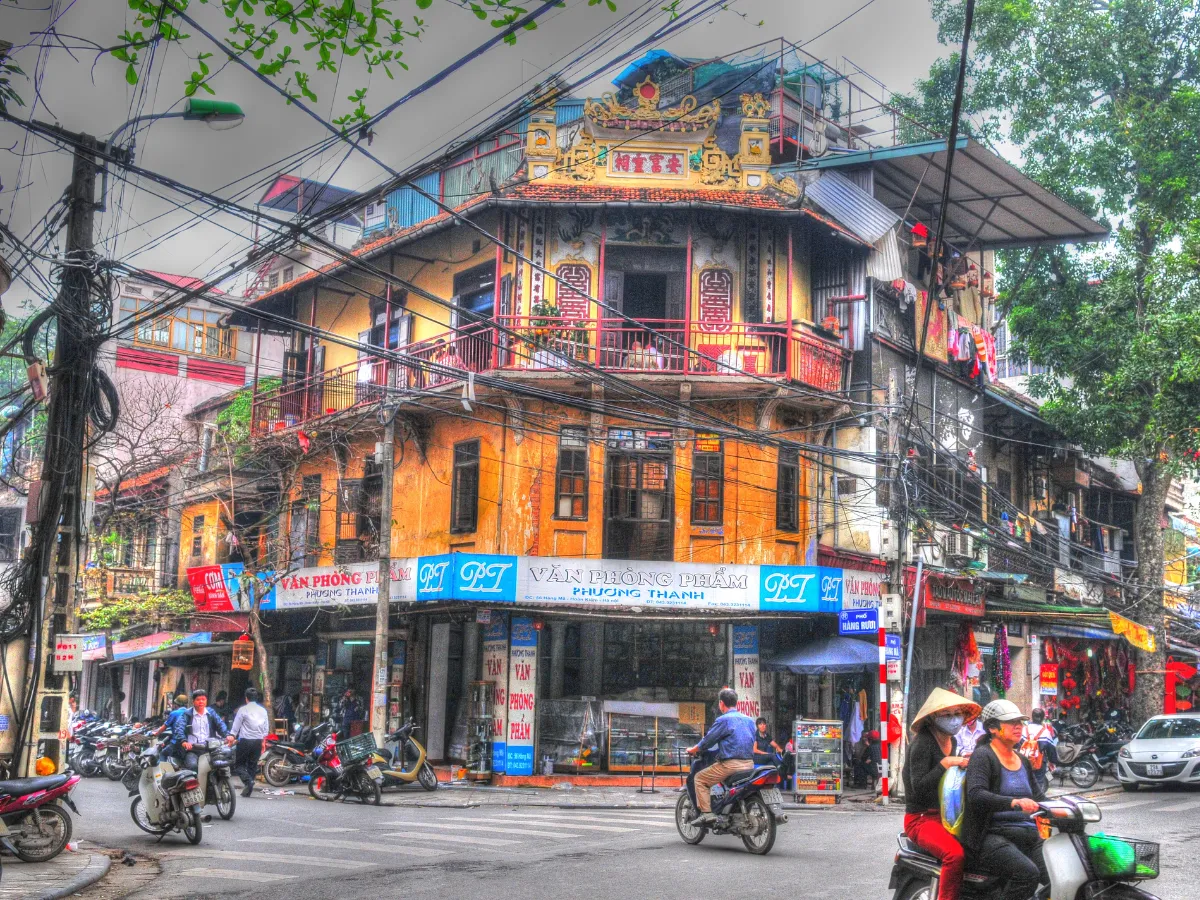
Hanoi Old Quarter
The Heart of Hanoi
2. Sunrise on Deck
Set an alarm for 5:45 AM. The light in Ha Long Bay at dawn — mist lifting off the water, karst peaks emerging from low fog, the bay entirely silent before the day boats arrive — is worth the entire trip. Most anchoring spots face east. Bring a light jacket; mornings are cool even in autumn.

Hoan Kiem Lake
Central Lake in the Heart of Hanoi
3. Exploring Hang Sung Sot (Surprise Cave)
The largest and most spectacular cave in Ha Long Bay — three chambers totalling 10,000 m², with stalactites and stalagmites up to 15 metres tall. The second chamber opens into a vast cathedral-like space that genuinely surprises even jaded travelers. Included in most Ha Long Bay itineraries; accessible via a short boat tender ride and 10-minute uphill walk.

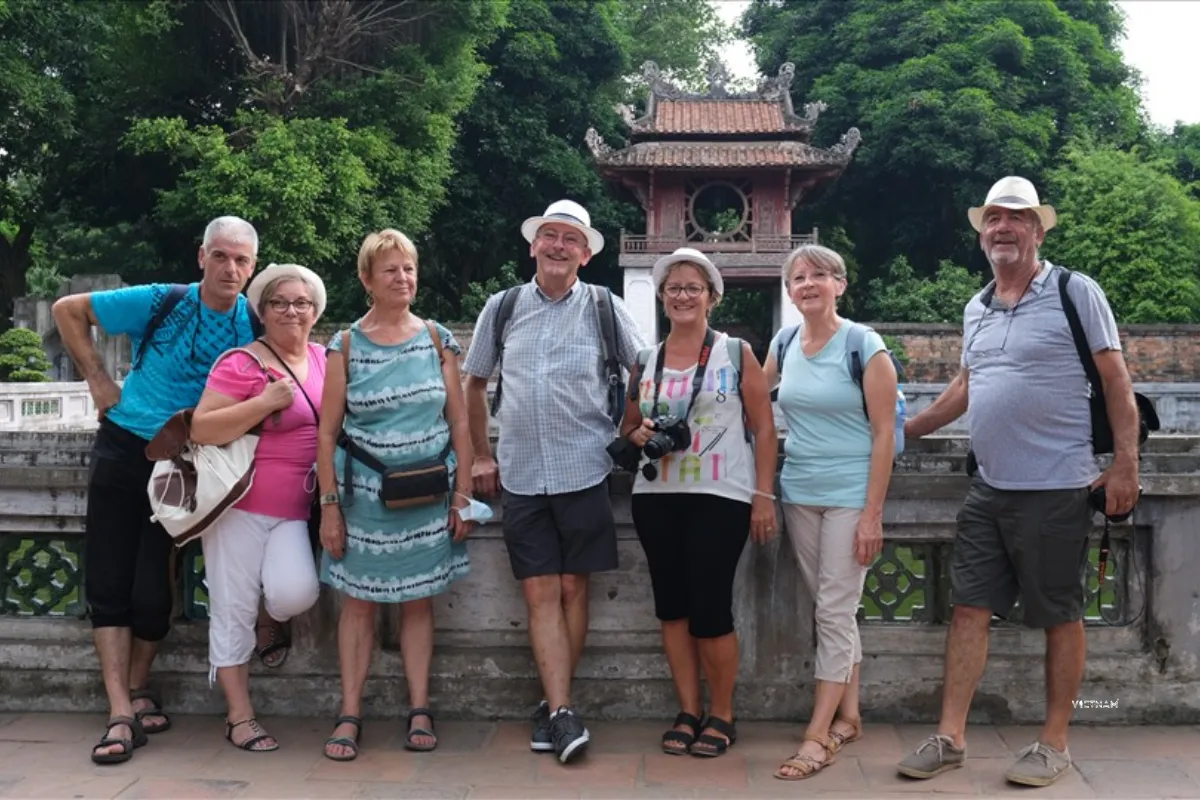
Temple of Literature
The First University in Vietnam
4. Visiting a Floating Fishing Village
Vung Vieng Village in Lan Ha Bay (around 600 residents living entirely on the water) and Cua Van in Ha Long Bay are the most visited. Exploring by small rowing boat or kayak gives you a closer look at the floating homes, fish cages, and daily life of communities that have no connection to the mainland road network. Best done with a guide who can provide context — many cruise operators include a short guided row through the village.
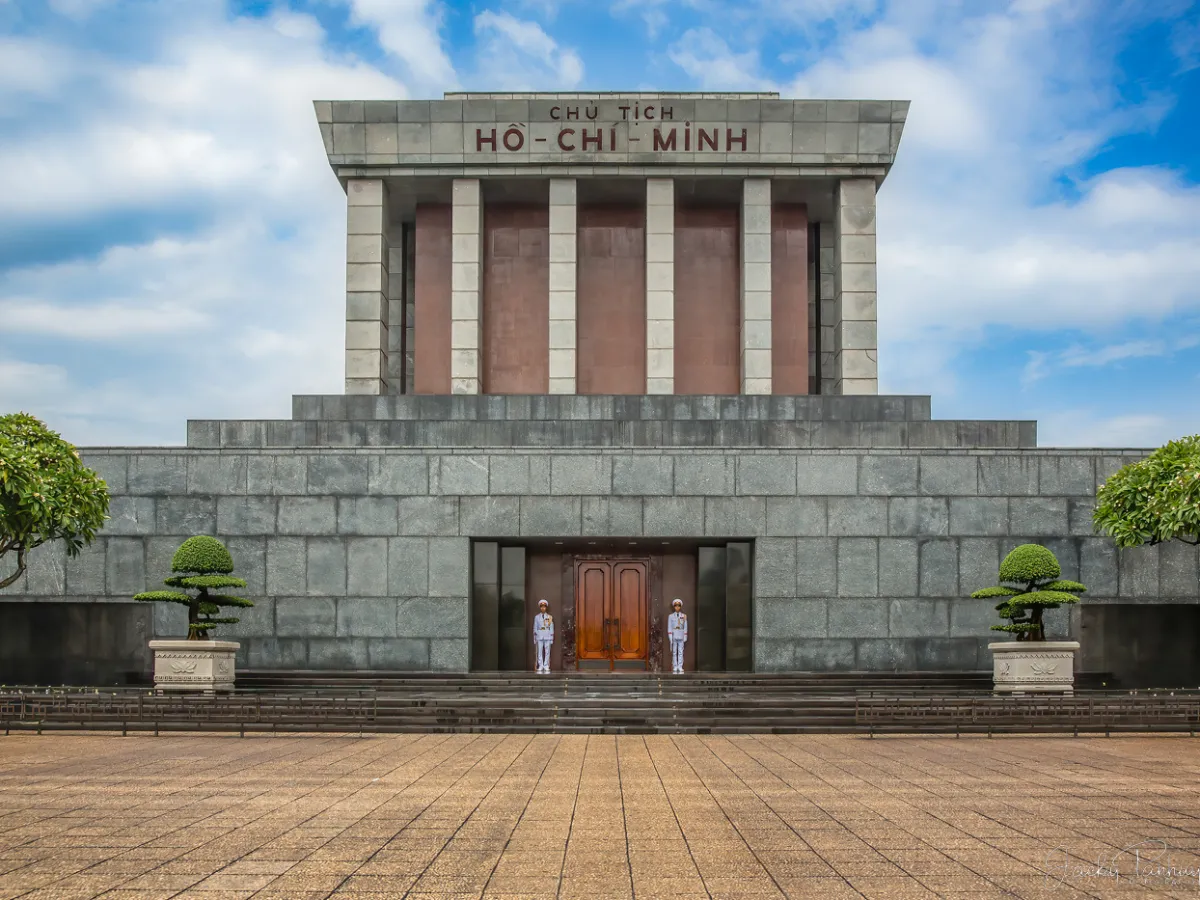
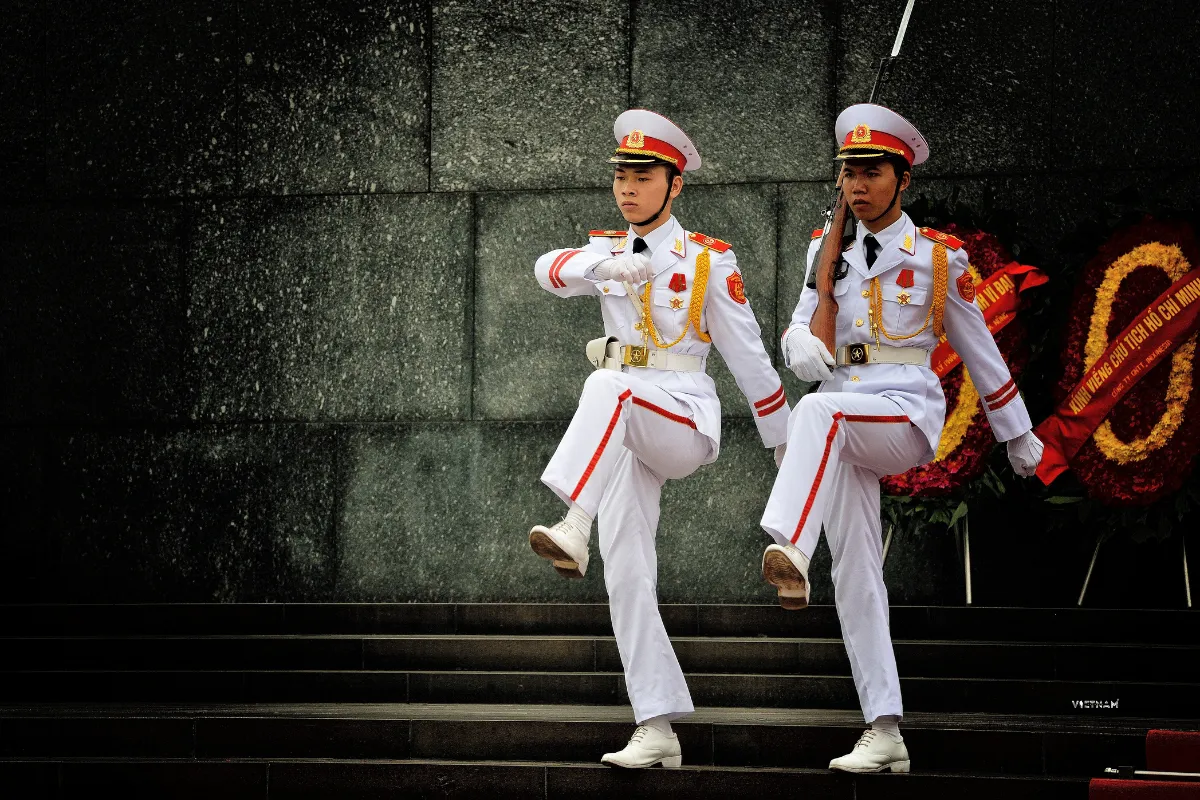
Ho Chi Minh Mausoleum
A Final Rest of National Hero
5. Cooking Class on Board
Most mid-range and luxury cruises include a Vietnamese cooking class as part of the evening program — typically teaching spring rolls, pho, or fresh rice paper wraps using ingredients sourced that morning. Low-key, genuinely enjoyable, and a good social activity on nights when the weather keeps you inside.
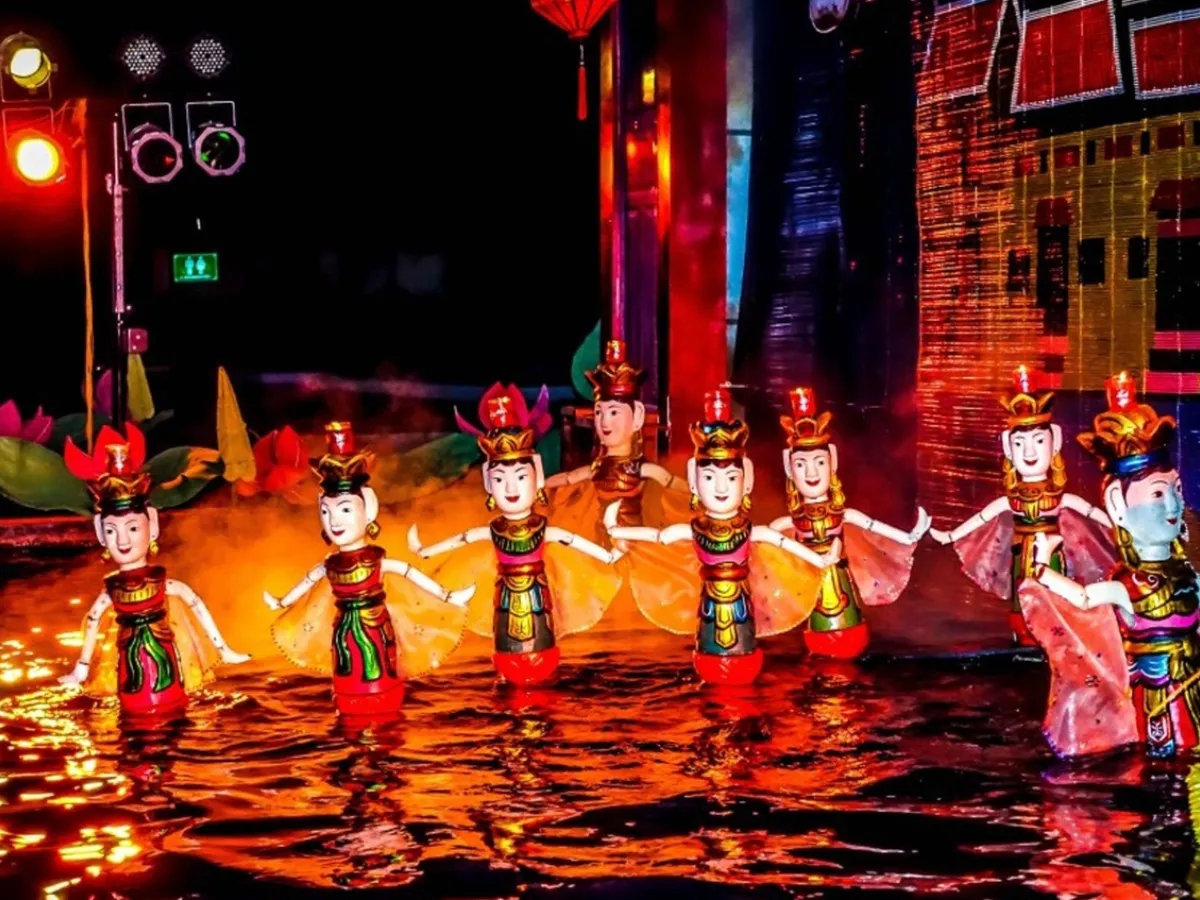
Water Puppet Show
A Must-See in Hanoi
6. Squid Fishing at Night
A surprisingly popular late-evening activity offered by many operators. Crew members set up fishing lines off the back deck after dinner, and guests try their luck catching squid attracted to the boat’s lights. More about the experience than the outcome — but the squid that are caught often end up as a midnight snack. Usually included for free on overnight cruises.

Vietnamese Banh Mi
A Must-Try in Hanoi



Best Time to Visit Ha Long Bay: Month-by-Month Guide
The best time to visit Ha Long Bay is October to April — when skies are clear, water is calm, and visibility is at its best. The bay’s weather is distinct from the rest of Vietnam due to its northern coastal position; planning around it makes a significant difference to the experience.
| Period | Temp & Conditions | Sea State | Crowds | Verdict |
|---|---|---|---|---|
| Jan – Feb | 15–20°C / 59–68°F. Cool, possible mist and drizzle | Calm | Moderate (Tet spike in Jan/Feb) | Good for photography — misty conditions create ethereal atmosphere. Pack layers. Tet week (late Jan/early Feb) sees domestic tourist surge. |
| Mar – Apr | 20–28°C / 68–82°F. Warming, still relatively clear | Calm to light chop | Moderate | Excellent. Comfortable temperatures, less rain, before peak summer crowds. One of our favourite windows for cruising. |
| May – Jun | 28–34°C / 82–93°F. Getting humid | Increasingly choppy | High (Chinese/Korean group tours peak) | Acceptable but not ideal. Water activities are fine; heat can be draining. Starting to see afternoon storms. |
| Jul – Aug | 30–36°C / 86–97°F. Typhoon season | Rough — cruise cancellations possible | Peak domestic | Avoid if possible. Typhoons and tropical storms occasionally force cruise cancellations with little notice. Water visibility drops. Not worth the risk for a trip planned in advance. |
| Sep | 28–32°C / 82–90°F. Tail end of rainy season | Improving | Low–Moderate | Hit or miss. Early September still carries storm risk. Late September is usually much better — good value, fewer boats. |
| Oct – Nov ⭐ | 22–28°C / 72–82°F. Clear, dry, perfect | Calm and clear | High (international peak) | Best overall. The ideal Ha Long Bay experience — perfect visibility, comfortable temperature, full kayaking access, best sunrises and sunsets. |
| Dec | 15–22°C / 59–72°F. Cool, clear | Calm | Moderate | Excellent for sightseeing and photography. Too cold for swimming for most visitors but all other activities are ideal. Often underrated as a visit window. |
Note on cruise cancellations: Typhoons are the main risk for Ha Long Bay cruises, primarily July–September. Reputable operators will offer full refunds or rescheduling if weather forces cancellation — confirm this policy before booking. Travel insurance is strongly recommended.
How to Get from Hanoi to Ha Long Bay

Almost all Ha Long Bay visitors depart from Hanoi. Here are your options, with honest pros and cons:
| Transport Option | Duration | Cost (approx.) | Best For |
|---|---|---|---|
| Private car transfer | 2.5–3.5 hrs | $50–$80 (shared between group) | Couples, families, anyone who values flexibility. Most cruise operators include this in package price. |
| Shuttle bus (cruise-operated) | 3–4 hrs (including stops) | $15–$25 pp | Solo travelers and couples on a budget. Usually comfortable, AC, door-to-door from Old Quarter hotels. |
| Seaplane (Hai Au Aviation) | 35–45 min | $120–$160 one way | Travelers who want aerial views of the karst landscape before arrival. Spectacular but weather-dependent. |
| Public bus (Hanoi My Dinh → Ha Long) | 3.5–4.5 hrs | $5–$8 pp | Independent budget travelers. Requires navigating Ha Long City independently — not ideal if boarding a cruise same day. |
Practical note: If you book a cruise package, always confirm whether transfers are included — most reputable operators include round-trip transport from Hanoi Old Quarter. Confirm your hotel pickup time and location in advance; some shuttle buses pick up across multiple hotels and departure can be earlier than expected.
3-Day Ha Long Bay Itinerary: The Best Structure for First-Time Visitors
This is the itinerary structure we recommend most often — combining two nights in Hanoi with a 2D1N or 3D2N Ha Long Bay cruise as the centerpiece. It works within most 5-day northern Vietnam trip structures and covers the core experience without feeling rushed.

Day 1: Hanoi → Ha Long Bay → Embarkation
- Depart Hanoi Old Quarter 8:00–8:30 AM (private transfer or shuttle bus).
- Arrive at Ha Long City or Cat Ba pier approximately 11:00–11:30 AM.
- Noon: Board cruise, welcome drinks, room orientation. Most boards include a full lunch on the water.
- Afternoon: First kayaking session through sea caves and karst passages (most itineraries: 2–3 hours).
- Late afternoon: Swimming stop (mid-range+ cruises usually anchor at a secluded beach or floating dock).
- Sunset on deck — position yourself at the bow for unobstructed views.
- Evening: Seafood dinner on board, optional squid fishing, cooking demo.
- Overnight on cruise
- Cruise tip: Request an upper-deck cabin if available — slightly more noise from crew activity but dramatically better views and natural light.
Day 2: Full Bay Day — Caves, Villages & Sunrise
- 5:45 AM: Sunrise on deck. Set your alarm. This is the best 30 minutes of the entire trip.
- Morning: Tai chi session on deck (offered by most mid-range operators — low-key, surprisingly enjoyable on the water).
- Mid-morning: Visit Hang Sung Sot (Surprise Cave) — allow 45–60 minutes.
- Late morning: Floating village visit by rowing boat (Vung Vieng in Lan Ha Bay, or Cua Van in Ha Long Bay).
- Lunch on board — typically fresh seafood including catch from last night.
- Afternoon: Second kayaking session (longer route on 3D2N itineraries; typically a hidden lagoon or passage not accessible by larger boats).
- Free time: Reading, swimming off the back deck, or simply watching the karst landscape pass.
- Second sunset. Cocktails optional.
- Evening: More relaxed than Day 1 — most guests simply enjoy being on the water without an agenda.
- Overnight on cruise (3D2N) / Last night on cruise (2D1N — disembark tomorrow)
Day 3: Final Morning on the Water → Return to Hanoi
- 6:00 AM: Final sunrise. The bay in early morning light before other boats arrive is the quietest and most beautiful moment of the cruise.
- Morning: Brunch on board. Optional: cooking class, final swim, or simply sitting on deck.
- Check out and pack bags by 10:00 AM. Most cruises disembark 10:30–11:30 AM.
- Transfer back to Hanoi (arrive approximately 2:30–3:30 PM).
- Rest of the day free in Hanoi — a relaxed evening in the Old Quarter, bia hoi at the corner, or early departure prep.
- Overnight in Hanoi
- Tip: Book a late checkout or luggage storage at your Hanoi hotel before departure — arriving back mid-afternoon with nowhere to leave bags is unnecessarily stressful.
Want This Itinerary Customized for Your Group?
Whether you’re traveling as a couple, with kids, or on a tighter budget — our Hanoi-based team can put together the right Ha Long Bay cruise and transfer package for your exact trip. Most guests receive their custom quote within 4 hours.
Request Your Free Ha Long Bay Itinerary →
No obligation. We’ll match you with the right cruise, not the most expensive one.
Sale!
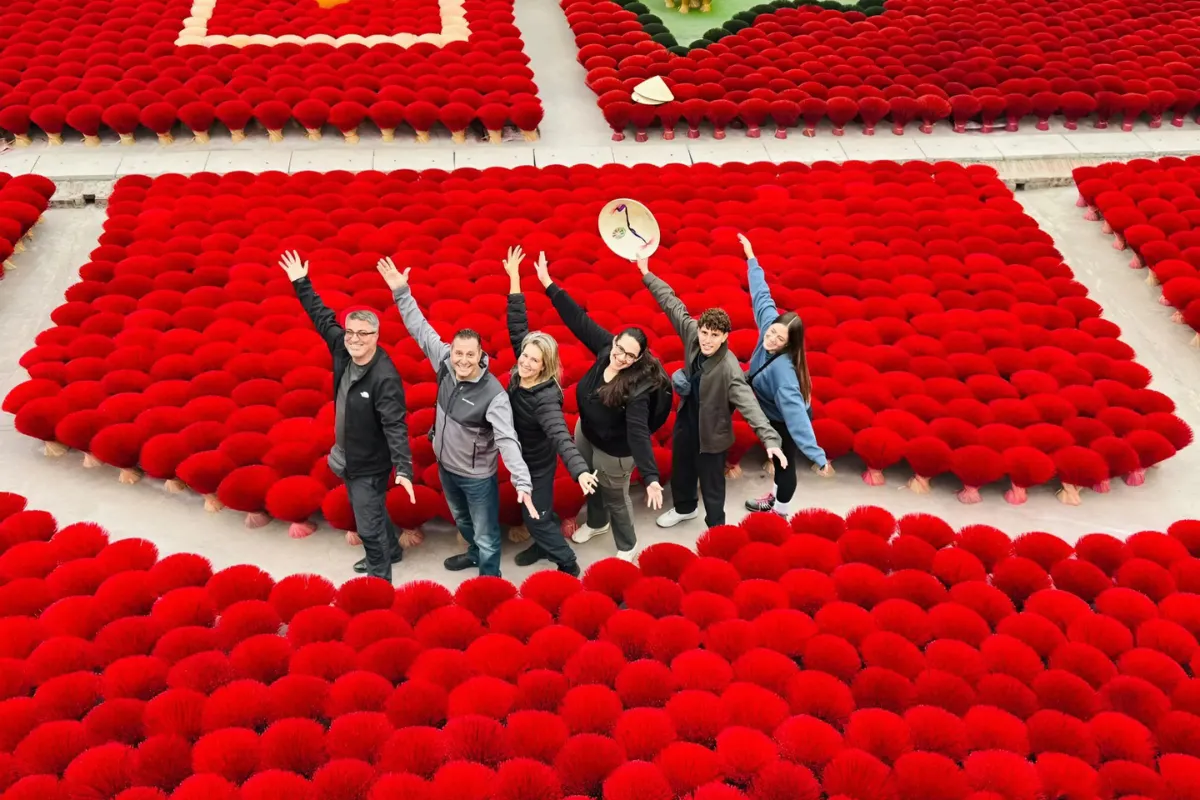
Authentic Hanoi Day Tour | Incense Village & Duong Lam Ancient Village

Place
Hanoi

Duration
1D
Original price was: 120$.105$Current price is: 105$.
Sale!
Hanoi Cycling Tour | Bat Trang, Kim Lan & Xuan Quan Flower Villages
Place
Bat Trang
Duration
1D
Original price was: 65$.55$Current price is: 55$.
Sale!
Half-Day Hanoi City Tour | Explore Iconic Landmarks in Just Few Hours
Place
Ha Noi
Duration
1D
Original price was: 50$.35$Current price is: 35$.
Sale!

Exclusive Hanoi Street Food Tour | Discover Hanoi’s Best Eats on Foot
Place
Ha Noi
Duration
1D
Original price was: 50$.35$Current price is: 35$.
Sale!

Hanoi City Tour | Highlights, Local Culture | Best of Hanoi in One Day
Place
Ha Noi
Duration
1D
Original price was: 55$.45$Current price is: 45$.
Sale!

Top Hanoi City Walking Tour | Discover the Best of Hanoi in One Day
Place
Hanoi Capital City
Duration
1D
Original price was: 60$.50$Current price is: 50$.
Sale!

Incense Village Hanoi Tour | Explore Traditional Craft & Local Culture
Place
Quang Phu Cau
Duration
1D
Original price was: 85$.55$Current price is: 55$.
Sale!

Private Mai Chau Day Trip And Waterfall & Hot Spring Bath
Place
Mai Chau
Duration
1D
Original price was: 175$.125$Current price is: 125$.
Beyond the Standard Cruise: Less-Known Ha Long Bay Experiences
Once you’ve locked in the cruise basics, there are a handful of experiences that elevate a Ha Long Bay trip from great to genuinely exceptional. These are what our guests consistently describe as the most memorable parts of their trip:

- Rock climbing on Cat Ba Island: The karst walls that look impressive from the water are genuinely world-class climbing terrain when you’re on them. Several operators on Cat Ba Island offer guided half-day climbing sessions — no prior experience required. The combination of vertical limestone, sea views, and adrenaline makes for a completely different Ha Long Bay experience.
- Kayaking at night: Some luxury operators offer a guided night kayak — paddling in complete darkness through bioluminescent plankton-lit water, surrounded by the silhouettes of karst peaks. One of the most surreal experiences in Vietnam. Ask specifically when booking — this isn’t advertised widely.
- Cat Ba National Park trek: If you’re on a 3D2N itinerary that includes Cat Ba Island, a half-day hike through the national park (the largest area of primary forest in northern Vietnam) offers a completely different perspective — jungle, wildlife, and panoramic views over the bay from 200+ metres above sea level.
- Solo kayak passage at dawn: On some 3D2N itineraries, guests can take kayaks out independently at dawn before the crew breakfast. Paddling alone through mist-covered karst passages in complete silence, with no other boats visible, is the closest thing to having Ha Long Bay to yourself. Ask your cruise operator if early independent kayaking is permitted.
- Overnight at Cat Ba Town: Extending your trip to include a night in Cat Ba Town (the only inhabited island in Ha Long Bay) gives access to local seafood restaurants, a dramatically different vibe from the cruise, and easier access to Lan Ha Bay morning kayaking before transfer back to Hanoi. Less convenient, more adventurous.
Essential Ha Long Bay Travel Tips (From Our Local Team)
These are the practical insights we give every guest before they board — the specifics that make a real difference:
- Pack light for the cruise. Most cruise cabins have limited storage. A small daypack with swimwear, sunscreen, a light layer for evenings, camera, and toiletries is all you need. Leave large suitcases at your Hanoi hotel.
- Bring reef-safe sunscreen. Standard chemical sunscreens damage coral and marine ecosystems. The bay is a marine protected area — use mineral SPF (zinc oxide) if possible. Some cruise operators now provide it.
- Confirm your cruise category is correct before boarding. “Ha Long Bay” is a broad term used to market everything from 8-guest boutique boats to 40-person budget ferries. Confirm the boat name, maximum guest count, and area of operation before you board. If it looks significantly different from what was advertised, flag it immediately.
- Take seasickness precautions if needed. Ha Long Bay is generally calm, but chop picks up during shoulder season and some guests are sensitive to boat movement overnight. Take seasickness medication the evening before if you’re susceptible. Ginger tea (available on most boats) also helps.
- Protect your electronics from humidity and water. A dry bag or waterproof phone pouch is essential for kayaking. Moisture in the karst caves and sea spray on deck can damage cameras quickly.
- Tip your cruise crew. Crew wages are low; tips are expected and genuinely appreciated. A typical tip is $5–$10 USD per person per day, left at the end of the cruise in an envelope. Many boats have a communal tip box.
- Book Ha Long Bay cruises through a verifiable operator, not via random online agencies. The Ha Long Bay cruise market has many intermediaries adding margin without adding value — or worse, booking you onto a different boat than advertised. Book direct with the cruise operator or through a trusted local travel company who can verify the booking.
- Arrival time matters. Cruises board around noon but getting to the pier earlier doesn’t help — boats leave on schedule. What matters is leaving Hanoi by 8:00–8:30 AM to account for traffic on the Hanoi-Ha Long expressway, especially on weekends and holidays.


Frequently Asked Questions — Ha Long Bay Travel Guide
Is Ha Long Bay worth visiting?
Yes — Ha Long Bay is genuinely one of the most spectacular natural landscapes in the world, and the UNESCO designation is deserved. An overnight cruise on a well-chosen mid-range boat is one of the best experiences in Southeast Asia. The key is choosing the right cruise (mid-range, max 20 guests, Lan Ha Bay itinerary) rather than the cheapest option — the experience gap is significant.
How many days should I spend on Ha Long Bay?
A 2-day / 1-night cruise is the minimum for a worthwhile experience. A 3-day / 2-night cruise is better — it allows more time for kayaking, a floating village visit, two sunrises, and a more relaxed pace overall. Day trips to Ha Long Bay are not recommended; the 6+ hours of round-trip transit from Hanoi leaves too little time on the water to justify the trip.
What is the difference between Ha Long Bay and Lan Ha Bay?
Both bays share the same dramatic limestone karst geology and are part of the same natural system. Ha Long Bay (the core area) is more famous and significantly more crowded, with hundreds of cruise boats operating daily. Lan Ha Bay, located just south near Cat Ba Island, has the same scenery with far fewer boats, better swimming, and more authentic floating villages. Most experienced travelers now prefer Lan Ha Bay for overnight cruises.
What is the best time to visit Ha Long Bay?
The best time to visit Ha Long Bay is October to April, when skies are clear, seas are calm, and visibility is excellent for kayaking and photography. October and November are peak season for good reason — ideal weather with warm but not oppressive temperatures. Avoid July and August if possible: typhoon season brings rough seas, rain, and occasional cruise cancellations with little notice.
How much does a Ha Long Bay cruise cost?
A 2-day / 1-night cruise costs approximately $80–$100 per person on budget boats, $120–$250 on mid-range (recommended), and $300–$600+ on luxury vessels. Most packages include meals, kayaking, cave entry fees, and round-trip transfer from Hanoi. The quality difference between budget and mid-range is substantial — boats, food, service, and itinerary areas all improve significantly at the $150+ per person level.
Is Ha Long Bay safe?
Ha Long Bay is generally safe for tourists when booked through reputable, certified operators. Licensed cruise vessels are inspected by the Vietnam Register authority. The main risks are rough seas during typhoon season (July–September), low-quality boats that cut corners on safety equipment, and minor seasickness on choppier days. Travel insurance is strongly recommended. Stick to operators with verifiable certifications and recent guest reviews.
Can I visit Ha Long Bay as a day trip from Hanoi?
Technically yes, but it’s not recommended. The return journey from Hanoi takes 5–7 hours total, leaving only 3–4 hours on the water. You’ll see the bay’s scenery but won’t experience its best qualities — sunrise, anchoring in quiet coves, kayaking through sea caves, and the silence of the bay at dusk. An overnight cruise offers an entirely different and far richer experience.
What should I pack for a Ha Long Bay cruise?
Pack light: swimwear, a quick-dry towel, reef-safe sunscreen, a light jacket or fleece for evenings (even in summer it gets cool on deck at night), comfortable shoes for cave walks, a waterproof bag or dry bag for your phone and camera during kayaking, and any seasickness medication if you’re sensitive to boat movement. Leave large luggage at your Hanoi hotel — cruise cabin storage is limited.
What is the best Ha Long Bay cruise for first-time visitors?
For first-time visitors, the best Ha Long Bay cruise is a 2D1N or 3D2N mid-range boat (around $150–$250 per person) that operates in Lan Ha Bay or the outer Ha Long Bay area, carries a maximum of 20 guests, and includes kayaking, cave visits, and meals. Operators consistently recommended by experienced travelers include Indochina Junk, Bhaya Cruises, and Paradise Elegance — all in the mid-range tier with strong safety and itinerary standards.
Plan Your Ha Long Bay Trip with a Local Expert
We’re a Hanoi-based travel company — our team cruises Ha Long Bay and Lan Ha Bay regularly with our guests, and we work directly with the cruise operators we recommend. When you book through us, you get honest advice on which boat is right for your group, transparent pricing with no middleman markup, and a contact you can actually reach on WhatsApp if anything changes.
- Local Hanoi-based team — we’ve been on the boats we recommend
- Mid-range and luxury cruises only — we don’t sell budget boats
- Full itinerary packages: Hanoi + Ha Long Bay + Ninh Binh
- Available 7 days a week — respond within 2–4 hours on WhatsApp
- No-obligation quote with transparent pricing breakdown
Get Your Free Ha Long Bay Trip Plan
Tell us your travel dates, group size, and budget. We’ll suggest the right cruise, arrange transfers from Hanoi, and build your full northern Vietnam itinerary — no pressure, no hidden fees.
Request Your Ha Long Bay Itinerary →
Or message us directly on WhatsApp: +84 849 391 981
Explore More Northern Vietnam
- Hanoi Travel Guide — Old Quarter, street food, best neighborhoods to stay
- Ninh Binh Travel Guide — Trang An, Tam Coc, Mua Cave viewpoint
- Cat Ba Island Guide — the gateway to Lan Ha Bay
- 5-Day Northern Vietnam Itinerary — Hanoi + Ha Long + Ninh Binh
- 7-Day Northern Vietnam Itinerary — add Sapa or Ha Giang
- Browse Ha Long Bay Cruises →