



Ba Be Lake Travel Guide
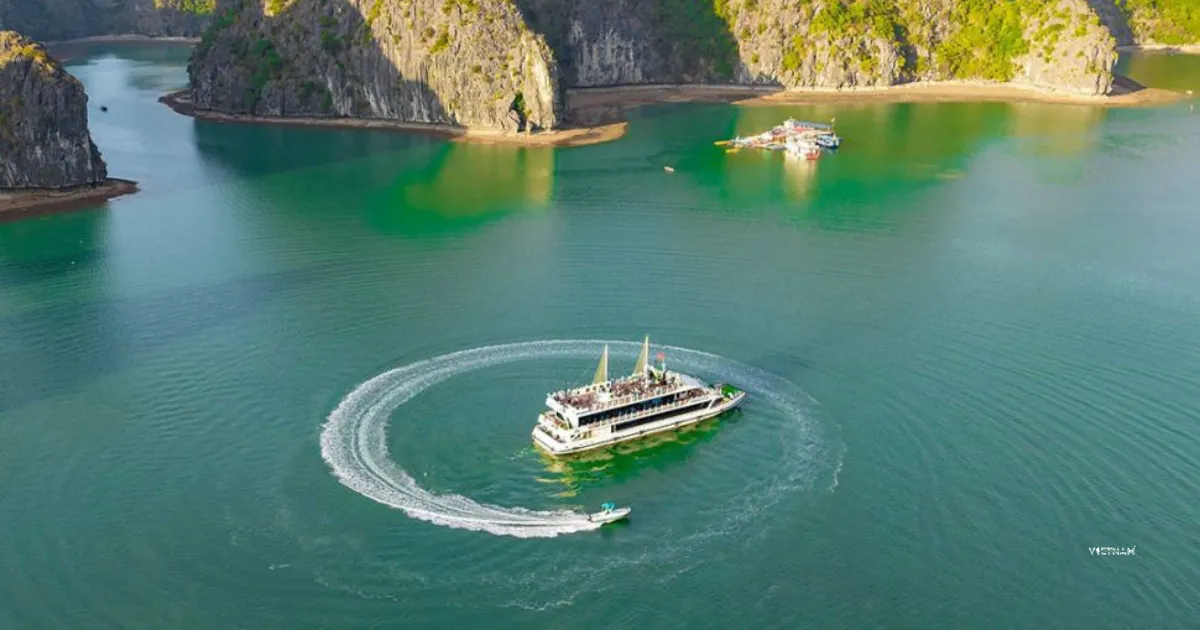
Ba Be Lake is Vietnam’s largest natural freshwater lake — a 500-hectare expanse of deep green water surrounded by limestone karst forest in Bac Kan Province, 240 kilometres north of Hanoi. A Ramsar Wetland of International Importance and the centrepiece of Ba Be National Park, it combines exceptional biodiversity, Tay ethnic minority villages on stilts at the water’s edge, river cave systems, and a mountain landscape that rivals anything in northern Vietnam — all with a fraction of the visitors that comparable destinations receive.
This guide covers everything: the best boat routes and river caves, trekking to Tay and H’mong villages, when the lake is at its most beautiful, how to get there from Hanoi, the best homestays, and the specific knowledge that turns a standard Ba Be trip into an exceptional one.
Jump to: Why Ba Be Lake | Things to Do | Boat Routes | Trekking | Best Time to Visit | Getting There | Where to Stay | 2-Day Itinerary | Travel Tips | FAQ
Ba Be Lake at a Glance
| Quick Fact | Details |
|---|---|
| Location | Thai Nguyen Province (former Bac Kan Province), Northeast Vietnam — 240 km north of Hanoi |
| Protected Status | Ba Be National Park · Ramsar Wetland of International Importance (1995) · ASEAN Heritage Park |
| Lake Area | ~500 hectares — Vietnam’s largest natural freshwater lake at 145–145 m elevation |
| Distance from Hanoi | ~240 km / 4.5–5.5 hrs by car |
| Best Time to Visit | September–November (clear skies, comfortable temperatures) · March–April (spring) |
| Recommended Stay | 2 nights minimum; 3 nights for full lake, cave, and village circuit |
| Main Ethnic Groups | Tay (dominant — stilt houses on lake shore) · H’mong · Dao · Nung |
| Key Highlights | Ba Be Lake boat tour, Puong Cave, Dau Dang Waterfall, Tay stilt house homestay, Fairy Pond (Ao Tien) |
| Biodiversity | 417 plant species · 299 vertebrate species including 106 bird species · 53 fish species (4 endemic) |
| Crowd Level | Very low — one of northern Vietnam’s least-visited national park destinations |
Why Ba Be Lake? An Honest Local Perspective
Ba Be Lake is one of those destinations that experienced Vietnam travelers discover and immediately wonder why it isn’t on every itinerary. It has the water landscape of Ha Long Bay — but freshwater, surrounded by forest, completely quiet, and accessible without a cruise booking. It has the stilt house village culture of Mai Chau — but set literally at the water’s edge, where life is organised around the lake and the river in ways the highland valleys don’t replicate. And it has the biodiversity of a serious national park — endemic fish, limestone forest ecosystems, and bird species that have made it a Ramsar-listed wetland — without the infrastructure heaviness of more visited parks.
The honest framing is that Ba Be Lake occupies a completely distinct category from the rest of northern Vietnam’s highland circuit. It is not a terrace destination, not a trekking hub, not a cultural immersion in the same mode as Sapa or Ha Giang. What it offers is something rarer in the north: genuine lake wilderness, accessible by slow boat through limestone forest, with a Tay community whose connection to the water shapes everything about how they live.
Here is what specifically makes Ba Be worth the detour:
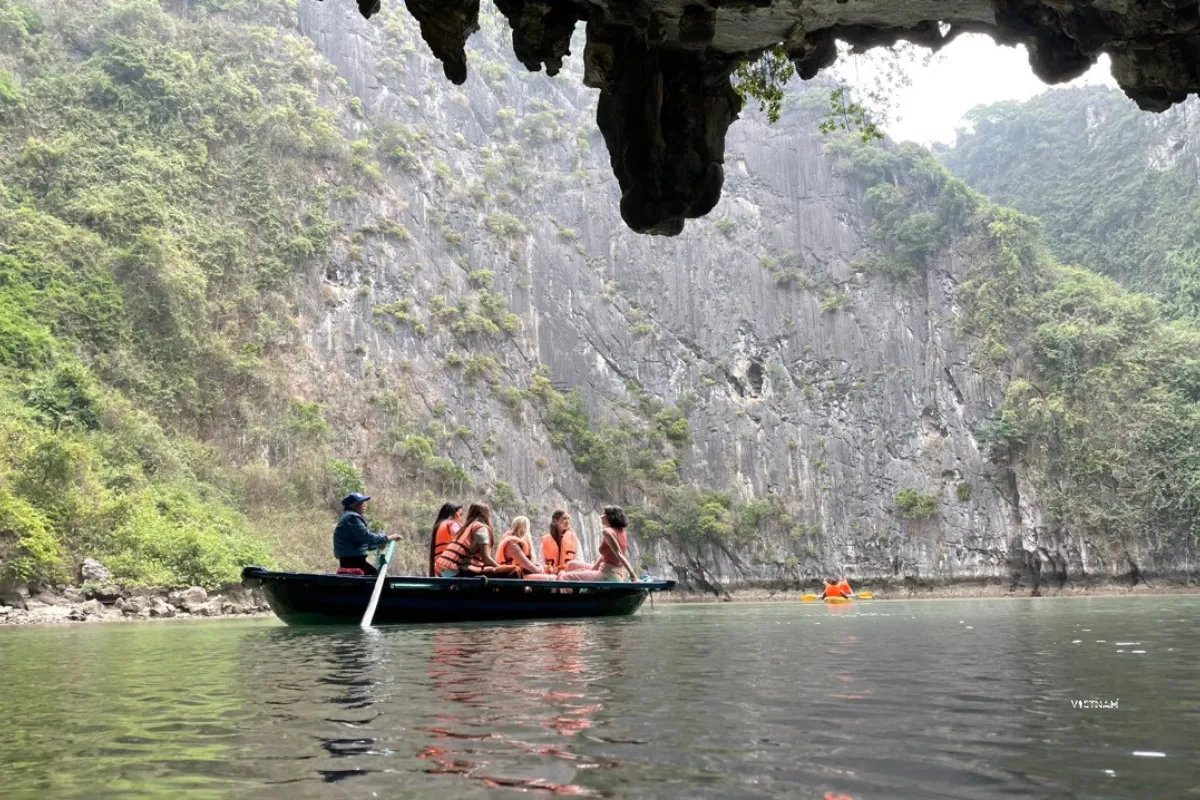
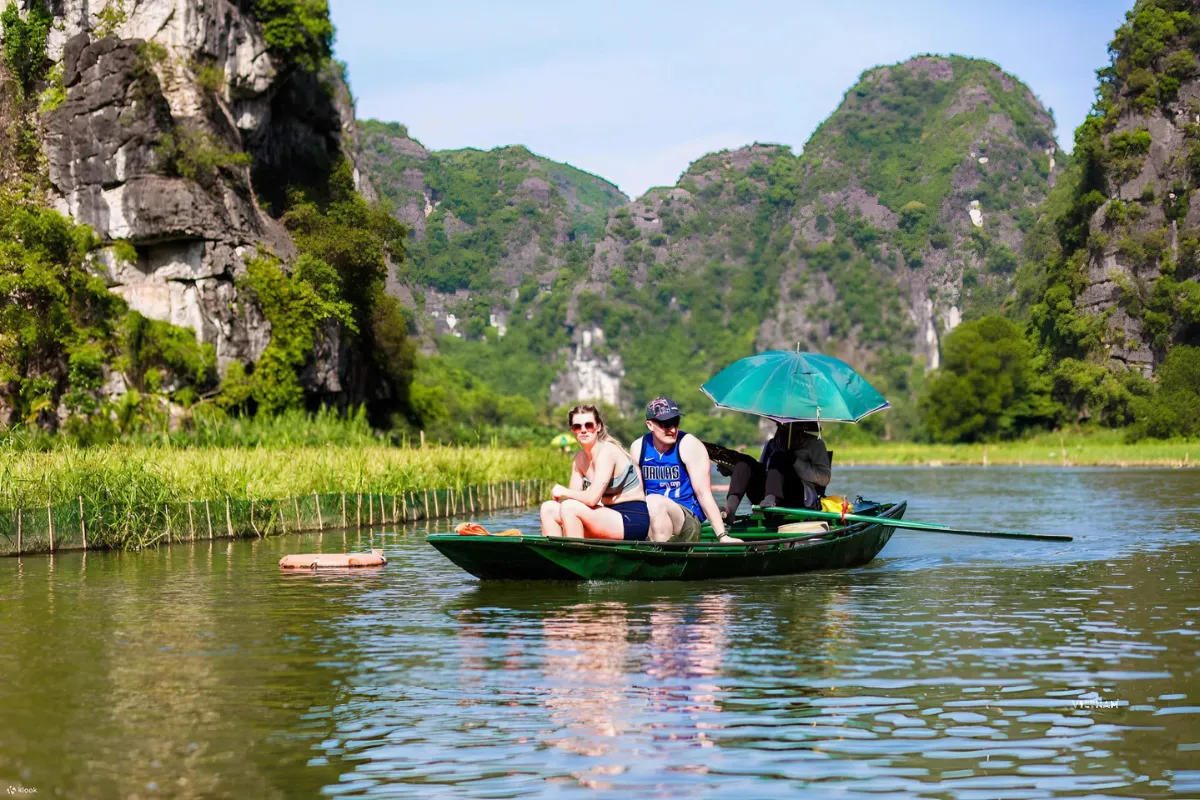
- The lake itself is extraordinary. Ba Be means “Three Seas” in the Tay language — three interconnected lakes forming a single 500-hectare water body at 145 metres elevation, surrounded on all sides by limestone karst forest rising to 1,500 metres. The water is a deep, cold green. The reflections of the karst walls in the early morning are precise and still. There are no motor boats on the main lake — only the sound of wooden paddles and the occasional call of a hornbill from the forest above.
- Puong Cave is among the best river caves in Vietnam. The Nam Khe River runs through the Puong limestone cave system for nearly 300 metres — a boat passage through a cave where 5,000+ wrinkle-lipped bats roost on the ceiling, the water reflects the cave formations below, and the exit opens into a forested river valley. It is a completely different cave experience from the boat cave tours of Ha Long Bay or Trang An — wider, wilder, and genuinely inhabited by wildlife rather than polished for tourism.
- The Tay stilt house homestay experience is the best of its kind in the north. The Tay communities of Pac Ngoi and Bo Lu villages have been hosting overnight guests in traditional stilt houses on the lake shore since the late 1990s — long enough to have refined the hospitality without losing the authenticity. Sleeping above the water, waking to lake mist at dawn, and eating fresh fish from the lake with a family who has lived here for generations is a different order of overnight experience from the homestays of the highland valleys.
- The biodiversity is exceptional and genuinely visible. Ba Be National Park’s Ramsar designation reflects an ecosystem that has been protected since 1977 — old enough for the forest to have genuine depth. Helmeted hornbills are heard from the boats; freshwater turtles surface in the lake shallows; the endemic Ba Be salamander exists nowhere else on earth. For travelers interested in natural history rather than just scenery, this is the most rewarding freshwater ecosystem accessible from Hanoi.
- It is genuinely uncrowded year-round. On any weekday outside of the Vietnamese summer holiday period (July–August), Ba Be Lake receives perhaps 20–50 foreign visitors per day across the entire national park. The boat routes, cave passages, and village paths are almost always private — a quality that every other comparable destination in northern Vietnam has now lost.
Best Things to Do at Ba Be Lake
1. Full-Day Boat Tour — Lake, Caves, and Waterfall
The standard full-day boat circuit covers Ba Be Lake’s three interconnected bodies, the Puong Cave river passage, Dau Dang Waterfall, and one or two Tay village stops. It is the most complete single-day experience available at Ba Be and the activity most visitors centre their trip around. Wooden motorised boats seat 4–6 passengers; the boatman is typically from the Tay community and knows every section of the lake. The full circuit takes 6–7 hours. Cost: approximately 400,000–600,000 VND per boat (split among passengers). Book through your homestay or guesthouse the evening before.
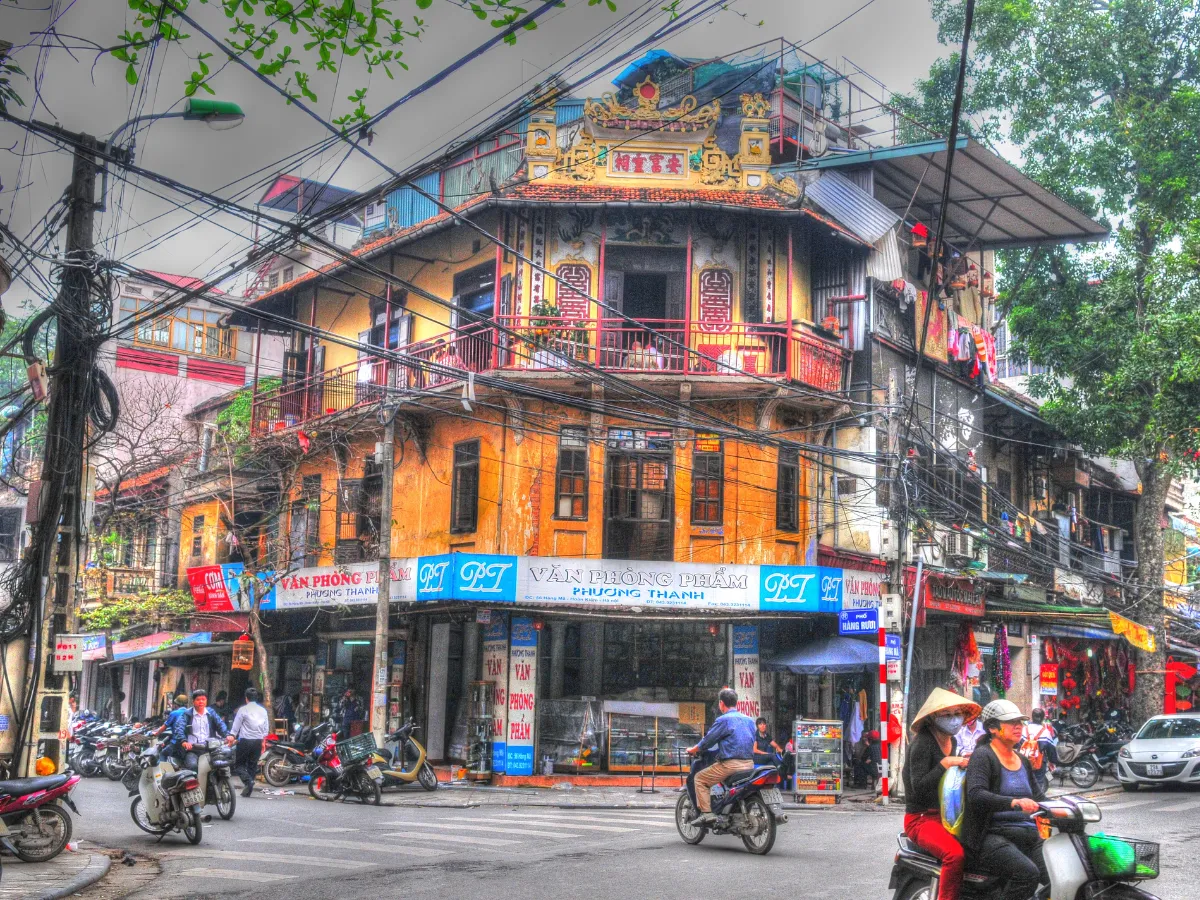
Hanoi Old Quarter
The Heart of Hanoi
2. Puong Cave — The River Cave Passage
Puong Cave is Ba Be’s most distinctive natural attraction — a 300-metre boat passage through a limestone cave where the Nam Khe River flows beneath the cave ceiling. The cave houses a colony of 5,000+ wrinkle-lipped free-tailed bats whose roost is visible on the cave ceiling; the water reflects the cave formations below the boat; and the passage ends in a river valley where limestone cliffs rise directly from the water. Unlike Ha Long Bay’s tourist-polished show caves, Puong is a working natural environment — dimly lit, bat-fragrant, genuinely wild in character. Part of the standard full-day boat tour; also accessible as a morning half-day from Pac Ngoi village (45 min by boat).

Hoan Kiem Lake
Central Lake in the Heart of Hanoi
3. Dau Dang Waterfall
The Dau Dang cascade — where the Nang River drops through a series of rocky shelves into a wide pool — is one of Ba Be’s most photogenic sites and a good swimming stop on the full-day boat tour. The approach by boat through a forested river gorge is as impressive as the waterfall itself; the pool below the main cascade is deep, clear, and cool even in summer. Best visited in morning light (east-facing) before the boat tour proceeds to the lake circuit. Swimming is possible and common.
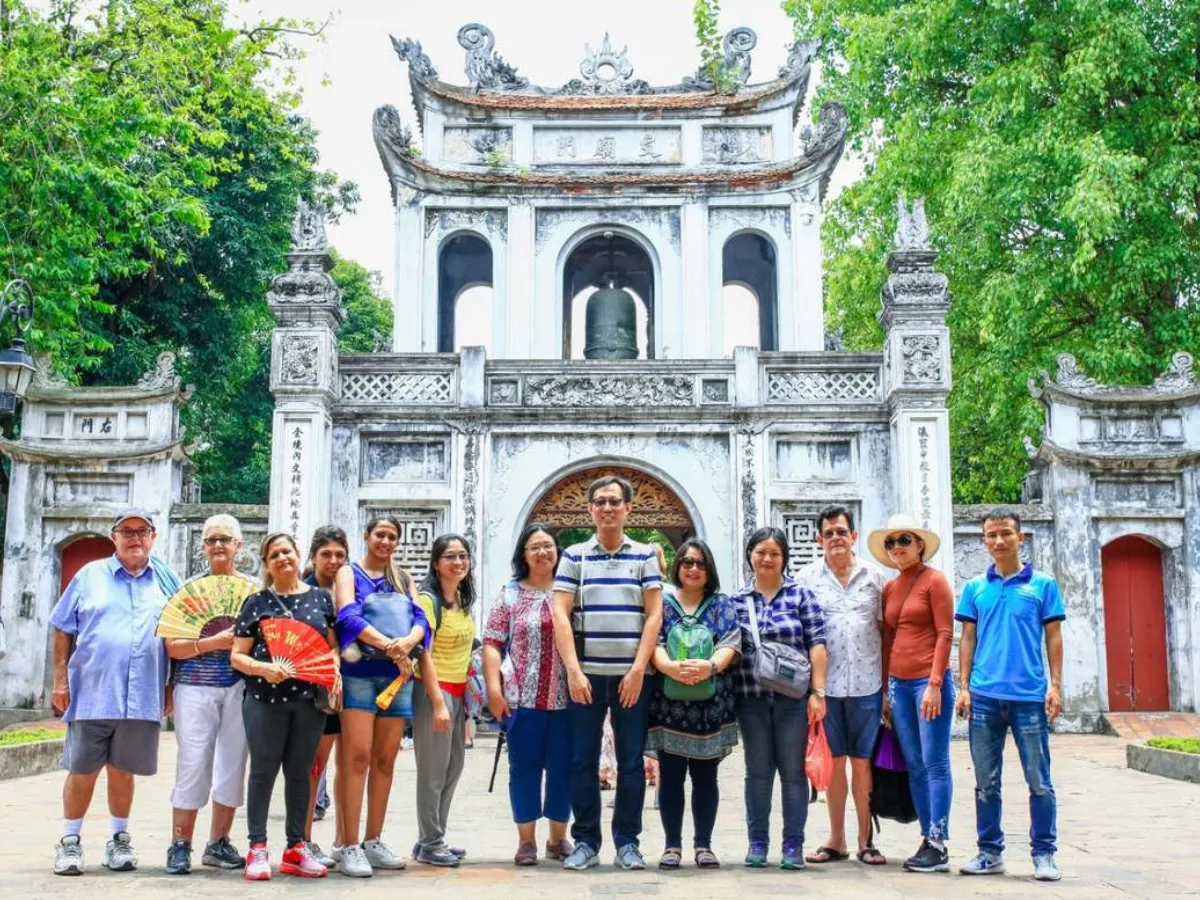
Temple of Literature
The First University in Vietnam
4. Fairy Pond (Ao Tien)
A small elevated lake — separated from the main Ba Be Lake by a limestone ridge — accessible by a 20-minute forest trail from the main lake shore. The Fairy Pond (Ao Tien in Vietnamese) reflects the surrounding karst forest in still water that appears almost artificially green in good light. Local legend links it to a fairy queen who bathed here; the reality is a freshwater wetland with its own ecosystem distinct from the main lake. Less visited than the boat circuit sites — a quiet detour worth the short walk. Best in morning light before midday haze.
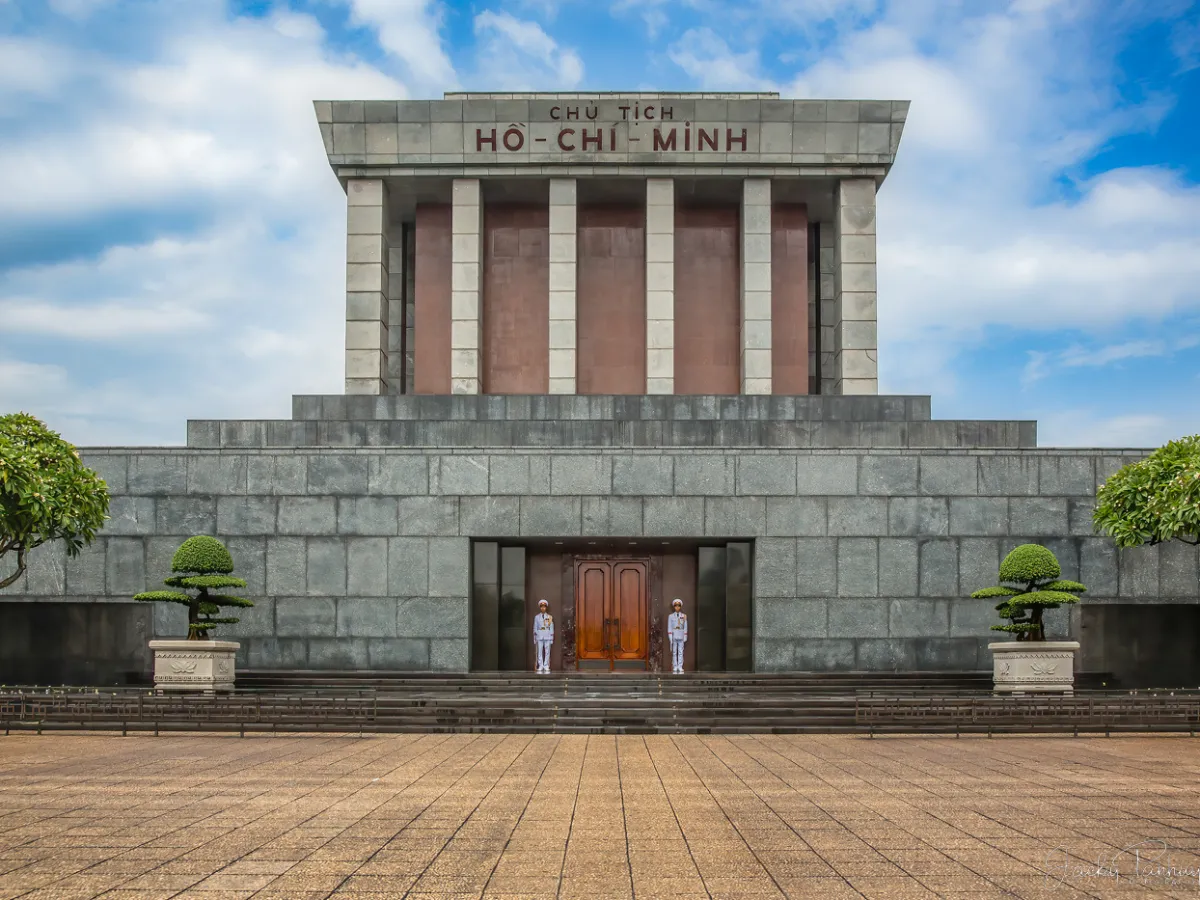
Ho Chi Minh Mausoleum
A Final Rest of National Hero
5. Tay Village Visits — Pac Ngoi and Bo Lu
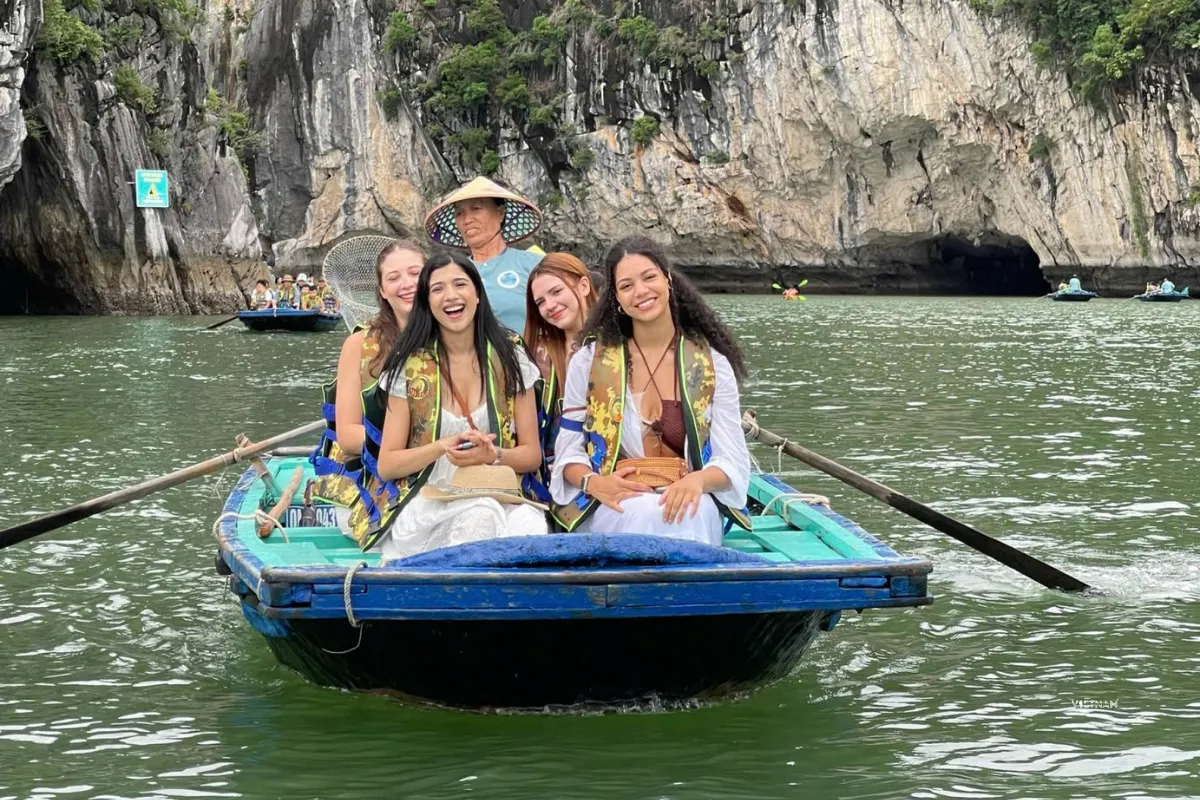
The Tay villages of Pac Ngoi and Bo Lu, on the southern and eastern shores of Ba Be Lake respectively, are the social heart of the lake experience. Pac Ngoi — the larger of the two, with 20+ traditional stilt houses visible from the water — is the main homestay hub; most overnight visitors stay here. Bo Lu, accessible only by boat (40 min from Pac Ngoi), is smaller and less adapted to visitor traffic — a working fishing community where arrival by boat still draws genuine curiosity from the residents rather than practiced hospitality. Both are worth visiting; Bo Lu specifically is worth the extra boat time for the authenticity of the encounter.

Water Puppet Show
A Must-See in Hanoi
6. Kayaking on the Lake
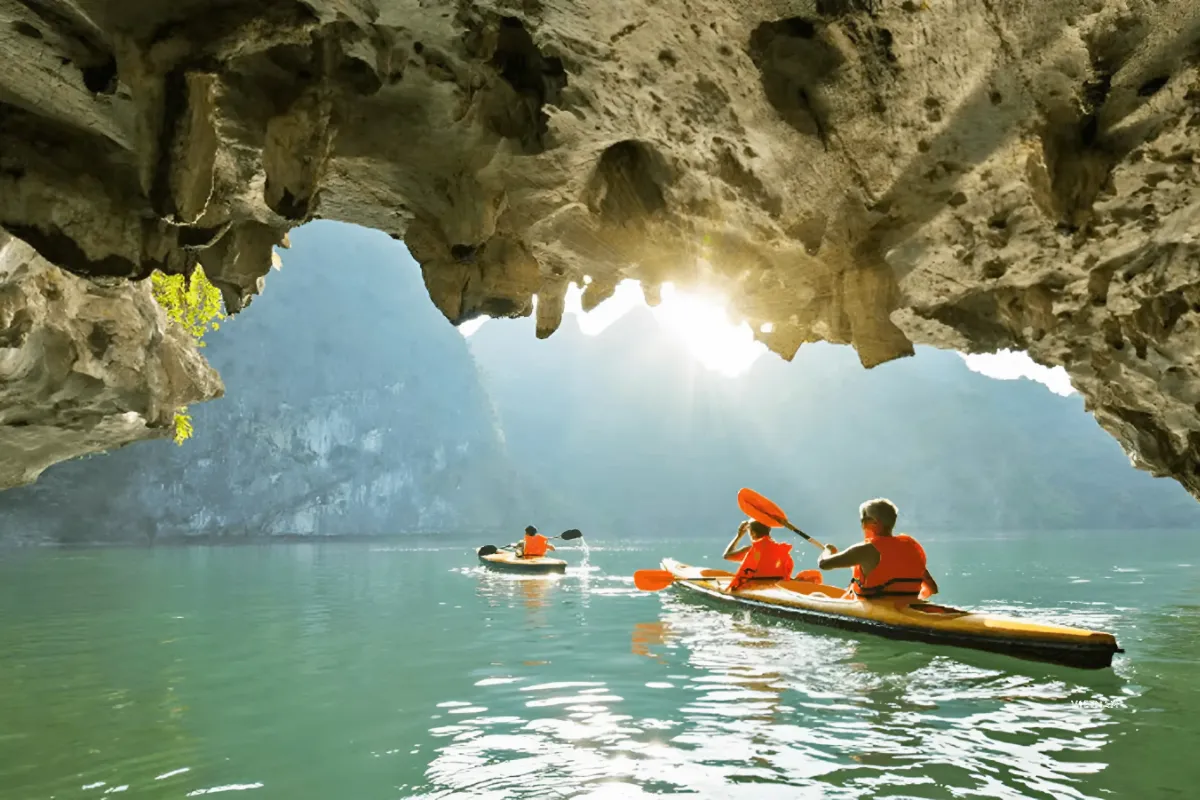
Several operators in Pac Ngoi village rent kayaks for independent lake exploration — the most immersive way to experience Ba Be’s calm water, limestone shores, and bird life at your own pace. Paddling the western arm of the lake in early morning (6:00–8:00 AM, before the motorised tour boats begin) with the mist still on the water and hornbills calling from the forest above is the most atmospheric experience available at Ba Be and costs nothing beyond the kayak rental (150,000–200,000 VND for half a day). Not all homestays have kayaks — confirm availability when booking.

Vietnamese Banh Mi
A Must-Try in Hanoi
7. Night Fishing with Tay Families
Several Pac Ngoi homestay families offer evening fishing excursions on the lake — setting traditional bamboo fish traps in the shallows as dusk falls, then returning after dark to check them by lantern light. The fish caught (primarily catfish and carp endemic to the Ba Be ecosystem) often appear in the next morning’s breakfast. The experience is atmospheric rather than productive — yield varies significantly — but paddling quietly on the lake in darkness with a Tay fisherman checking traps by lamplight, with the karst walls rising black against the night sky, is one of the most specific and memorable things available at Ba Be. Costs 100,000–200,000 VND per person; arrange through your homestay host.
Vietnamese Banh Mi
A Must-Try in Hanoi
Ba Be Lake Boat Routes: Which to Choose
The boat tour is the core Ba Be Lake experience, but there are meaningful differences between the circuit options depending on your time and interests:
| Route | Duration | Cost (per boat) | Best For | Includes |
|---|---|---|---|---|
| Full-Day Circuit | 6–7 hrs | 500,000–600,000 VND | First-time visitors, most complete experience | Ba Be Lake traverse, Puong Cave, Dau Dang Waterfall, Tay village stop, Fairy Pond option |
| Half-Day Morning (Lake + Cave) | 3–4 hrs | 300,000–350,000 VND | Limited time, second-day addition | Ba Be Lake, Puong Cave. No waterfall. Good for Day 2 morning before departure. |
| Sunset Lake Paddle | 1.5–2 hrs | 150,000–200,000 VND | Evening Day 1 arrival supplement | Western lake arm in late afternoon light. Mist rolling off the limestone walls. No caves. |
| Bo Lu Village Round Trip | 2.5–3 hrs | 250,000–300,000 VND | Cultural focus, authentic village encounter | Boat passage to Bo Lu across the lake, 1 hour in village, return. The least-visited boat route at Ba Be. |
| Dawn Kayak (self-guided) | 1.5–2 hrs | 100,000–150,000 VND (kayak rental) | Photographers, wildlife watchers, solitude seekers | Early morning western lake arm before motorised boats begin. Maximum mist, best bird activity, complete solitude. |
Our recommendation: Book the full-day circuit for Day 1, kayak independently at dawn on Day 2, and use the half-day morning boat on Day 2 if staying two nights (to revisit Puong Cave in morning light, which is different from the afternoon light of the Day 1 circuit). This structure covers the full Ba Be boat experience without redundancy.
Ba Be Lake is one of the easiest northern Vietnam highlights to add to a Hanoi itinerary — and one of the least known. Our team arranges private Ba Be trips with Pac Ngoi homestay bookings and full-day boat circuits from Hanoi. Message us on WhatsApp →
Ba Be Lake Trekking Routes
Ba Be’s trekking is less demanding than Sapa or Ha Giang but more rewarding than most lowland Vietnam national park walks — the combination of karst limestone forest, river valleys, and ethnic minority villages creates routes with genuine cultural and natural content at every level of difficulty.
| Route | Distance / Duration | Difficulty | Best For | Highlights |
|---|---|---|---|---|
| Pac Ngoi Village Loop | 4 km / 1.5–2 hrs | Easy | All visitors, village cultural experience | Tay stilt house village walk, fishing community, lake shore path, no guide required |
| Fairy Pond Trail | 3 km / 1–1.5 hrs round trip | Easy | Half-day option, photography | Limestone forest path, Ao Tien lake, bird watching en route, viewpoint over main lake from ridge |
| Nam Mau to Pac Ngoi Forest Trail | 8 km / 3–4 hrs one-way | Moderate | Nature focus, forest immersion | Primary limestone forest, freshwater stream crossings, bird and bat habitats, guide recommended |
| H’mong Village Trek (An Ma – Cao Thuong) | 14 km / 5–6 hrs | Moderate–Difficult | Cultural contrast, upland village encounter | Ascent from Tay valley floor to H’mong hillside villages, entirely different landscape and cultural context from the lake shore, guide essential |
| Nam Khe River Valley Trek | 10 km / 4–5 hrs | Moderate | Riverside scenery, Puong Cave access on foot | Follows the Nam Khe River to Puong Cave from land rather than water, passing Tay fish farm communities and river karst scenery inaccessible by boat |
Guide notes: The Pac Ngoi village loop and Fairy Pond trail require no guide. For the H’mong village trek and Nam Khe river valley route, a local Tay guide from Pac Ngoi village is essential — both for navigation through unmarked forest sections and for the village introductions that make the H’mong route culturally meaningful. Pac Ngoi homestay owners can arrange guides with 24 hours notice; cost approximately $10–$15 per day.
Best Time to Visit Ba Be Lake: Month-by-Month Guide
The best time to visit Ba Be Lake is September to November and March to April — when skies are clear, lake water levels are optimal, and the limestone forest is at its most vivid. Unlike the terrace destinations, Ba Be is not driven by a single seasonal event — the lake is beautiful year-round — but conditions vary significantly.
| Period | Conditions | Lake & Forest | Verdict |
|---|---|---|---|
| Jan – Feb | 12–18°C / 54–64°F. Cool, some mist and drizzle. Occasional cold spells. | Low water levels, clear — some deciduous trees bare | Quiet and atmospheric. The winter mist over the lake at dawn is genuinely beautiful. Too cold for swimming; boat tours comfortable with a jacket. Tet week brings some domestic visitors. The least crowded period of the year — the lake essentially to yourself mid-week. |
| Mar – Apr ⭐ | 18–26°C / 64–79°F. Warming, mostly clear, fresh spring light | Forest greening, spring wildflowers on karst slopes, rising water levels | Excellent. Spring green on the limestone forest is vivid and photogenic. Comfortable temperatures for both boat tours and trekking. Water levels rising toward optimal. Bird breeding season — hornbill activity at its most visible and audible. One of our most recommended windows. |
| May – Jun | 24–30°C / 75–86°F. Warm, afternoon rain building | Dense green canopy, high water levels, waterfalls at peak flow | Good. Dau Dang Waterfall is most impressive at high water. Forest cover at maximum. Heat manageable with early starts. Afternoon rain showers brief. Leeches active on forest trails — bring gaiters for trekking. |
| Jul – Aug | 28–34°C / 82–93°F. Hot, heavy rain. Flooding risk. | Very high water — lake expands into forest margins. River caves occasionally restricted. | Not recommended for most travelers. Heavy rain can raise the Nang River significantly, occasionally restricting Puong Cave access. Heat makes afternoon activities uncomfortable. Domestic Vietnamese summer holiday peak — Pac Ngoi homestays at their busiest. If visiting, go early morning only and accept weather disruption as possible. |
| Sep – Nov ⭐⭐ | 18–26°C / 64–79°F. Clearing rapidly, optimal conditions | Post-rain forest lush, water levels optimal, clear lake surface | Best overall. September–November combines clear skies, optimal water levels for the full boat circuit, post-rain forest lushness, and comfortable temperatures. The lake surface is at its most mirror-like in October and November mornings. Bird migration through the area adds ornithological interest. Least crowded international visitor season relative to conditions quality. |
| Dec | 13–19°C / 55–66°F. Cool, clear, some morning mist | Water levels dropping, forest beginning to thin | Good. Clear visibility and comfortable trekking temperatures. Lake photography excellent in the clear winter light. December evenings are cold in the stilt houses — bring warm layers. Quieter than autumn peak with good weather conditions. |
A note on combining Ba Be with the northeast Vietnam circuit: Ba Be Lake sits at the natural junction between the Hanoi–Ha Giang route (northwest) and the Hanoi–Cao Bang–Ban Gioc Waterfall route (northeast). Travelers doing a northeast Vietnam circuit — Hanoi → Ba Be → Ban Gioc Waterfall (Vietnam’s largest, on the Chinese border) → Cao Bang → Hanoi — create one of the most rewarding lesser-known circuits in northern Vietnam, entirely off the mainstream tourist trail and completable in 4–5 days.
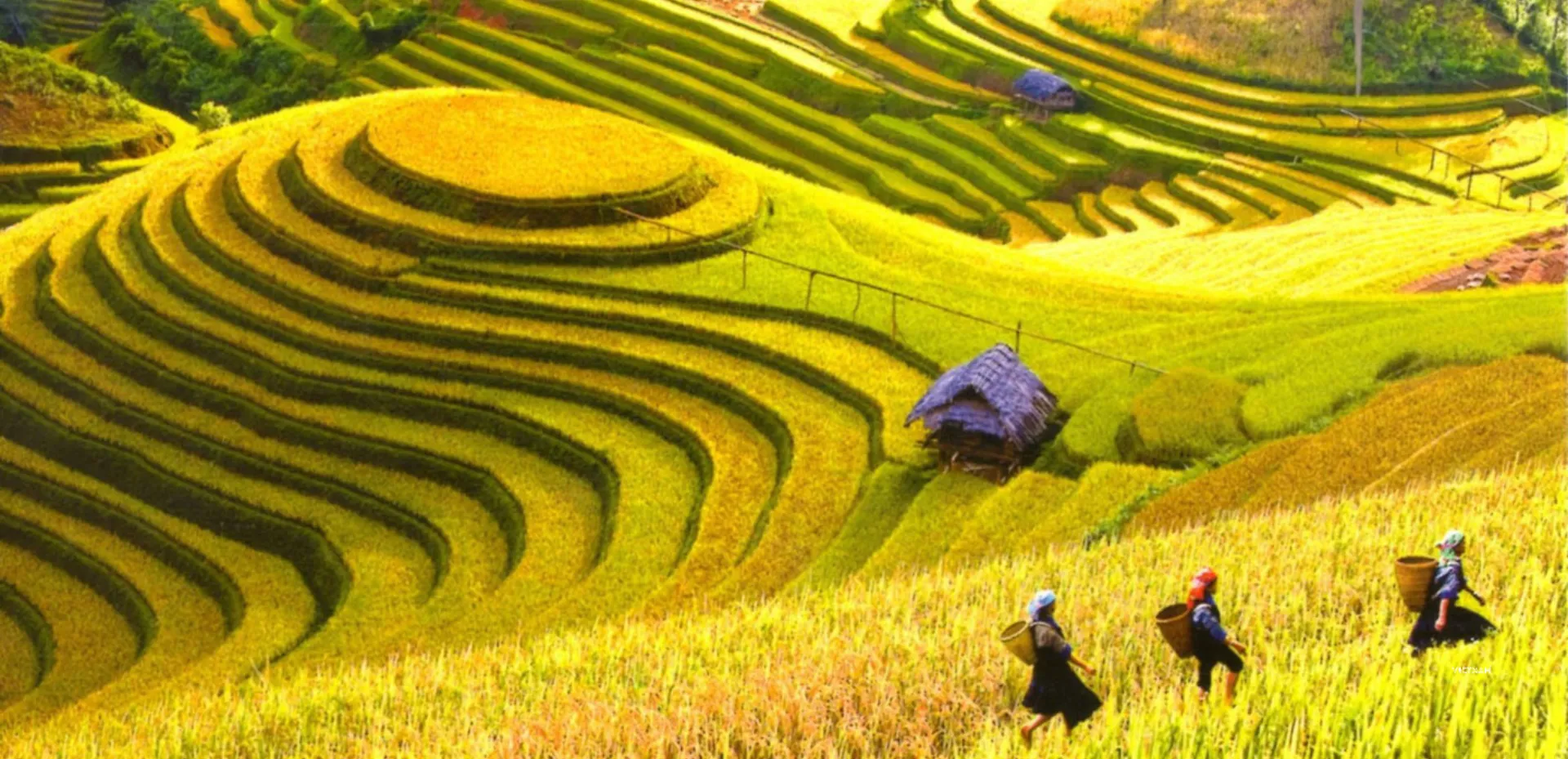
The Harvest Sequence: Hoang Su Phi + Mu Cang Chai
This is the most valuable timing insight available for northwest Vietnam harvest travel — and almost no travel content explains it clearly:
- Hoang Su Phi harvest peak: approximately September 15–30 (second and third weeks of September in most years)
- Mu Cang Chai harvest peak: approximately September 25 – October 10 (last week of September through first 10 days of October)
- The overlap window: approximately September 25–30 — when both destinations are simultaneously at or near peak golden terrace coverage
- The optimal 10-day itinerary: Arrive Hoang Su Phi around September 17–18 (catch the harvest at Ban Phung and Thong Nguyen), depart for Mu Cang Chai September 22–23 (arriving as Mu Cang Chai’s terraces begin turning gold), spend 3 days in Mu Cang Chai at peak (September 24–27), return to Hanoi. This structure catches both destinations within a single golden window that no other trip plan replicates.
How to Get from Hanoi to Ba Be Lake?

| Transport | Duration | Cost (approx.) | Best For |
|---|---|---|---|
| Private car (Hanoi → Ba Be National Park) | 4.5–5.5 hrs | $80–$110 (whole car) | Groups of 2–4, most flexible option. Door-to-door from Hanoi hotel to Pac Ngoi village or park visitor centre. Allows a stop at Cho Ra market (45 km before Ba Be — a Tay and Dao market town worth 30 minutes) en route. |
| Public bus (Hanoi → Bac Kan City or Cho Ra) + local transport | 4–5 hrs (bus) + 30–60 min (local) | $5–$8 pp (bus) + $5–$10 (local) | Budget independent travelers. Buses from Hanoi’s My Dinh or Gia Lam station to Bac Kan City or Cho Ra town; hire a motorbike taxi or local car for the final 18 km to Pac Ngoi. Workable but requires navigating connections on arrival. |
| Organised day tour from Hanoi | Full day or 2 days | $40–$70 pp (group) / $90–$130 pp (private) | Travelers who want transport and activities arranged end-to-end. Day trips are not recommended — 5 hours transit each way leaves almost no time at the lake. Private overnight tours are the right format. |
| Via Ban Gioc Waterfall (northeast circuit) | Ba Be → Ban Gioc: ~3 hrs; Ban Gioc → Cao Bang → Hanoi: ~5 hrs | $110–$140 (whole car, full circuit) | Travelers doing the complete northeast Vietnam circuit. Ba Be → Ban Gioc → Cao Bang → Hanoi is a 4-day circuit requiring no backtracking — one of the best-value independent routes in northern Vietnam. |
Getting around Ba Be: Within the national park, boat is the primary transport. The trail network around Pac Ngoi and the lake shore is walkable without a vehicle. For treks to the H’mong villages and the Nam Khe river valley, your guide will arrange access. Kayak rental from Pac Ngoi homestays for independent lake exploration.
Where to Stay at Ba Be Lake?


| Type / Location | Best For | Vibe | Price (per night) |
|---|---|---|---|
| Tay stilt house homestay (Pac Ngoi village) | Most visitors — the defining Ba Be experience | Traditional Tay stilt house on lake shore — bamboo sleeping platform, communal dinner with host family, fresh lake fish, waking to mist over the water. The best-value overnight experience in northeast Vietnam. | $15–$30 per person (dinner and breakfast included) |
| Ba Be National Park Guesthouse | Families, comfort-seekers, groups | Park-operated guesthouse at the park visitor centre — private rooms, hot water, simple restaurant. Less atmospheric than Pac Ngoi homestays but closer to the Dau Dang Waterfall access point. A practical option for families with young children. | $20–$50 per room |
| Bo Lu village homestay | Maximum authenticity, off-the-beaten-path | Tay fishing community on the eastern lake shore — accessible only by boat (40 min from Pac Ngoi). Almost no other foreign visitors. Basic facilities, communal meals, lake views from the house platform. The most remote overnight available at Ba Be. | $10–$20 per person (meals included) |
| Eco-lodge (Nam Mau area) | Couples, special occasions, comfort with views | Small boutique properties near the lake entrance — private bungalows, restaurant, lake views. Better facilities than homestays at higher prices. Less immersive culturally but good sunrise positions. | $50–$120 per room |
Our clear recommendation: A Tay stilt house homestay in Pac Ngoi village. This is the accommodation that defines Ba Be — sleeping above the water, eating fresh lake fish with the family who caught it, and stepping out at dawn onto the platform above a misty lake with no other sound than birds. It costs $15–$30 per person including meals. There is no better-value overnight experience in northern Vietnam at any price point.
Booking note: Pac Ngoi has approximately 15–20 homestay households. Most have 2–6 guest rooms. During Vietnamese summer holidays (July–August) and weekends in September–November, the better homestays fill in advance. Book through a Hanoi operator or directly by phone 1–2 weeks ahead for weekend visits in good weather seasons.
2-Day Ba Be Lake Itinerary: The Best Structure for First-Time Visitors
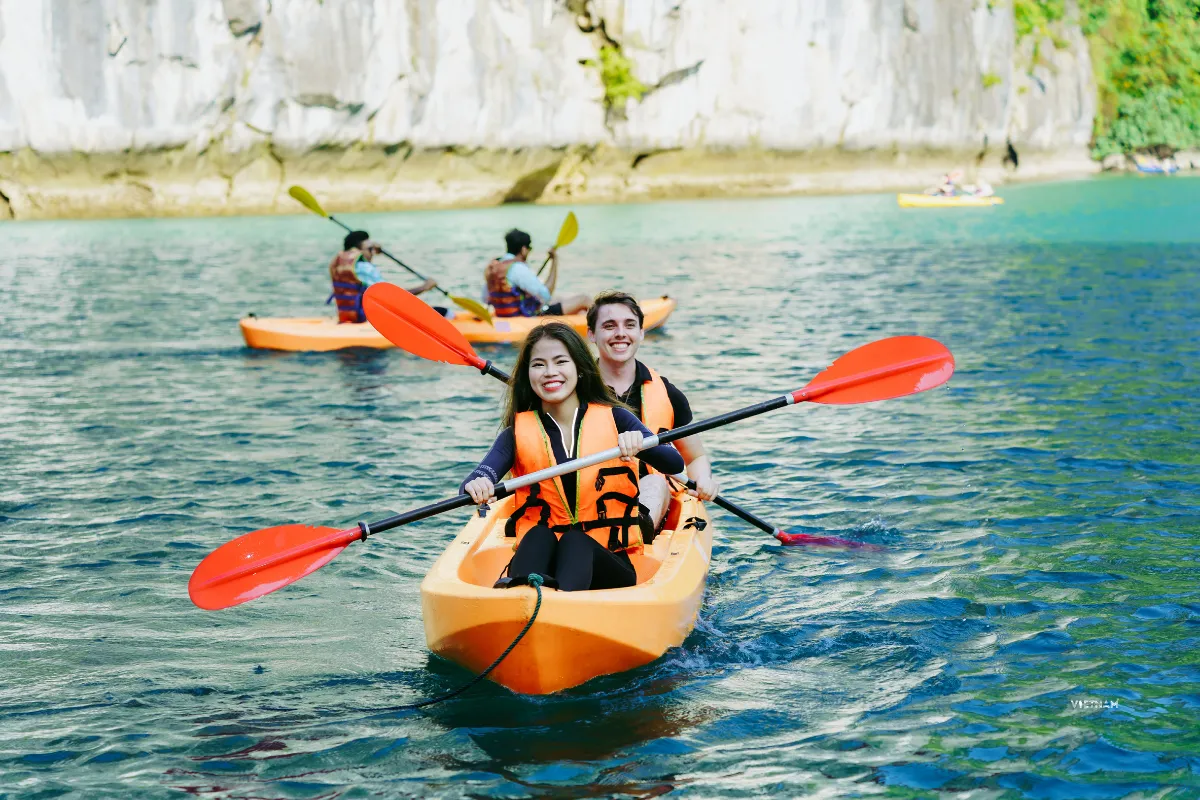
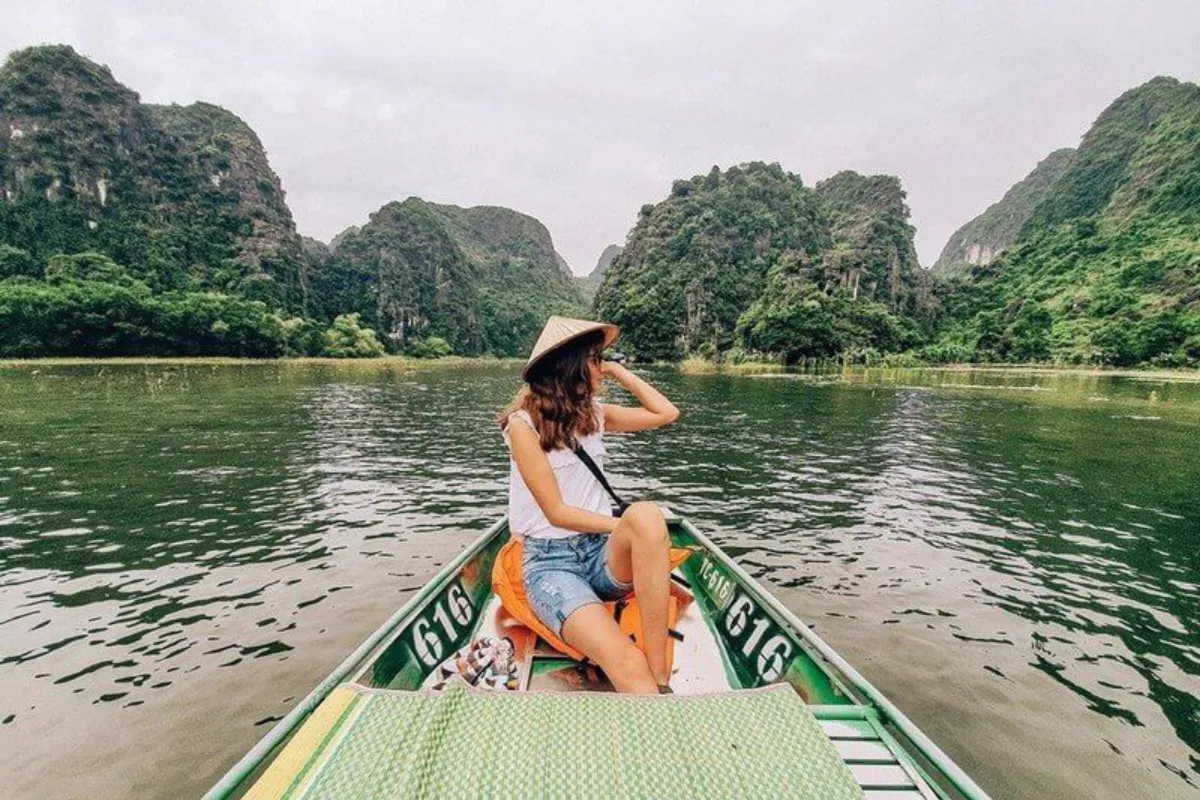
2-Day Ba Be Lake Itinerary – Nature Escape in Northern Vietnam. Explore the serene beauty of Ba Be Lake, one of Vietnam’s largest natural freshwater lakes, surrounded by limestone mountains and tropical forests in Ba Be National Park. A perfect 2-day adventure for boating, trekking, and authentic local homestay experiences away from the tourist crowds.

Day 1: Hanoi → Cho Ra Market → Ba Be → Sunset Paddle → Homestay
- Depart Hanoi 7:00–7:30 AM by private car via National Highway 3 toward Bac Kan Province.
- 10:30 AM: Optional stop at Cho Ra Market (45 km before Ba Be, on the Nang River) — a Tay, Dao, and Nung trading market in a riverside town. The market is busiest Sunday morning but operates daily in smaller form. 30-minute stop for local food and atmosphere — this is the last town before the national park.
- 12:00 PM: Arrive Ba Be National Park entrance. Continue to Pac Ngoi village (18 km inside the park on the lake shore). Check in to Tay stilt house homestay.
- 1:00 PM: Lunch at homestay — fresh lake fish (typically catfish or perch), bamboo shoot soup, morning glory vegetables, steamed rice. The fish is caught in the lake that morning.
- 2:30 PM: Afternoon Pac Ngoi village walk — explore the stilt house community on foot. The village has maintained its traditional architecture more consistently than most comparable lake shore communities in northern Vietnam. Allow 60–75 minutes.
- 4:00 PM: Fairy Pond (Ao Tien) trail — 20-minute walk through limestone forest to the elevated lake. Late afternoon light on the still water is excellent. Return by 5:30 PM.
- 5:30 PM: Sunset paddle on the lake — either kayak independently or hire the homestay boat for a 60-minute evening paddle. The western arm of the lake in late afternoon light, with limestone walls reflected in the still surface, is the archetypal Ba Be photograph.
- 7:00 PM: Communal dinner with host family — multiple freshwater fish dishes, local vegetables, rice wine. Ask the family about the lake’s history, the fish species, and the changes they’ve seen over decades of hosting visitors.
- After dinner: Night fishing excursion (optional — 100,000 VND pp, arrange with host at dinner). Paddle on the dark lake, checking bamboo traps by lantern. One of Ba Be’s most atmospheric experiences.
- Overnight in Pac Ngoi Tay stilt house homestay
Day 2: Dawn Kayak → Full-Day Boat Circuit → Return to Hanoi
- 5:30 AM: Dawn kayak on the lake. The most important 60–90 minutes at Ba Be. Morning mist rises from the lake surface while the karst walls are still in shadow. Hornbills call from the forest above. The lake is completely still and silent. Paddle the western arm toward the narrowing at the lake’s far end — the mist is thickest here and the reflections most precise. Return by 7:15 AM.
- 7:30 AM: Breakfast at homestay — typically sticky rice, lake fish, and fresh local herbs.
- 8:30 AM: Board the full-day boat circuit (pre-booked the evening before through your host). Depart Pac Ngoi heading east across Ba Be Lake.
- 9:30 AM: Puong Cave — the river cave boat passage through the bat colony. Allow 30–45 minutes including time at the exit valley. Morning light enters the cave mouth from the east between 9–10 AM — the best illumination of the stalactites and water surface.
- 11:00 AM: Continue by river to Dau Dang Waterfall. Swim in the pool below the cascade (30–45 min). The combined boat passage and swimming stop is one of the most complete freshwater experiences available in northern Vietnam.
- 1:00 PM: Lunch on the boat or at a riverside spot — packed lunch from your homestay, or a simple meal at the waterfall area.
- 2:00 PM: Return circuit across Ba Be Lake — the full traverse of all three lake sections, with the limestone karst rising from the water on both sides. The afternoon light is different from the morning — harder, more direct, showing the rock faces in sharper relief.
- Optional stop: Bo Lu village (40 min by boat from Pac Ngoi on the eastern shore) — the most authentic Tay fishing community at Ba Be, rarely visited by day-trippers. 45-minute stop if time allows.
- 4:30 PM: Return to Pac Ngoi. Pack bags, say farewell to host family.
- 5:00 PM: Depart Ba Be for Hanoi by private car.
- Arrive Hanoi approximately 10:00–10:30 PM.
- Return to Hanoi
- Departure tip: The evening drive back from Ba Be passes through Bac Kan Province mountain roads that are pleasant in low light and very manageable for an experienced driver. Allow 5–5.5 hours including a rest stop. Alternatively, stay a third night and depart the following morning — the second dawn kayak is never redundant at Ba Be.
Want a Private Ba Be Lake Trip Arranged from Hanoi?
Our Hanoi-based team arranges Ba Be Lake overnight packages with Pac Ngoi stilt house homestay bookings, full-day boat circuit coordination, and private transport from Hanoi. We also design the full northeast Vietnam circuit — Ba Be + Ban Gioc Waterfall — for travelers with 4–5 days. Most guests receive a custom plan within 4 hours.
Request Your Free Ba Be Itinerary →
Tell us your travel dates, group size, and whether you’d like to add Ban Gioc Waterfall. No obligation.
Sale!

Private Mai Chau Day Trip And Waterfall & Hot Spring Bath

Place
Mai Chau

Duration
1D
Original price was: 175$.125$Current price is: 125$.
Sale!
Authentic Hanoi Day Tour | Incense Village & Duong Lam Ancient Village
Place
Hanoi
Duration
1D
Original price was: 120$.105$Current price is: 105$.
Sale!
Hanoi Cycling Tour | Bat Trang, Kim Lan & Xuan Quan Flower Villages
Place
Bat Trang
Duration
1D
Original price was: 65$.55$Current price is: 55$.
Sale!
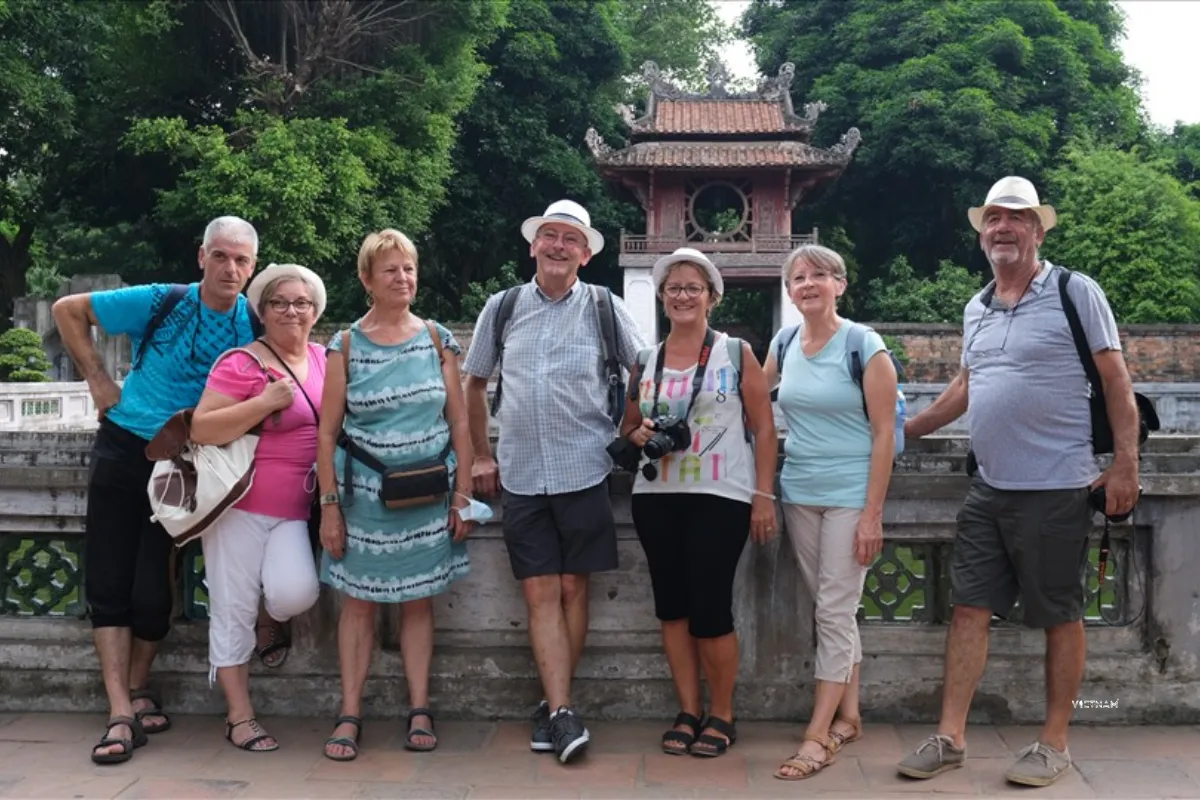
Half-Day Hanoi City Tour | Explore Iconic Landmarks in Just Few Hours
Place
Ha Noi
Duration
1D
Original price was: 50$.35$Current price is: 35$.
Sale!

Exclusive Hanoi Street Food Tour | Discover Hanoi’s Best Eats on Foot
Place
Ha Noi
Duration
1D
Original price was: 50$.35$Current price is: 35$.
Sale!

Hanoi City Tour | Highlights, Local Culture | Best of Hanoi in One Day
Place
Ha Noi
Duration
1D
Original price was: 55$.45$Current price is: 45$.
Sale!
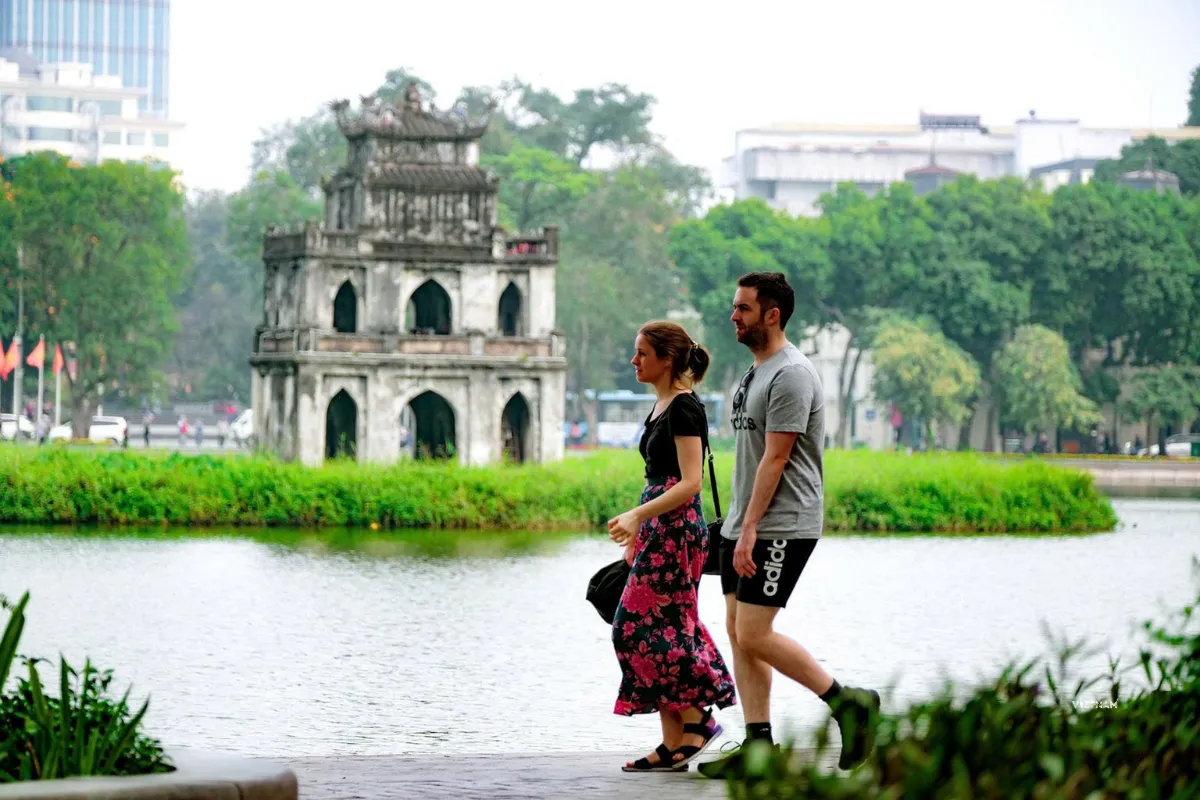
Top Hanoi City Walking Tour | Discover the Best of Hanoi in One Day
Place
Hanoi Capital City
Duration
1D
Original price was: 60$.50$Current price is: 50$.
Sale!

Incense Village Hanoi Tour | Explore Traditional Craft & Local Culture
Place
Quang Phu Cau
Duration
1D
Original price was: 85$.55$Current price is: 55$.
Beyond the Standard Circuit: Less-Known Ba Be Experiences
The Ba Be salamander — a globally unique species: The Ba Be salamander (Tylototriton vietnamensis) is endemic to Ba Be National Park — found nowhere else on Earth. Surveys have recorded small populations in the lake’s tributary streams and damp limestone forest sections. Not something you’ll encounter on a standard boat tour, but a wildlife researcher or specialist guide can show you the habitat zones where sightings are most likely in wet season. For natural history travelers, the existence of an endemic amphibian in a lake you’re staying beside is itself a reason to be there.

- The Ba Be fishing calendar — joining the trap-check at dawn: The Tay communities of Ba Be have a seasonal fishing calendar tied to fish breeding and migration patterns in the lake. The spring spawning season (March–April) and the post-monsoon period (September–October) are when certain fish species move into the shallows in large numbers — the same periods when the traditional bamboo trap system is most intensively used. A homestay host who knows the seasonal calendar can arrange a pre-dawn trap-check during these windows that is qualitatively different from the generic evening fishing excursion offered year-round.
- H’mong village trek with overnight (An Ma – Cao Thuong): The H’mong villages in the upland areas above Ba Be’s Tay valley — accessible via a moderate 5–6 hour trek — exist in a completely different ecological and cultural world from the lake shore. At 700–900 metres above the lake, the air is cooler, the agriculture is dry rather than paddy, and the community is H’mong rather than Tay. An overnight homestay in An Ma village (arranged in advance through a Pac Ngoi guide) and return to the lake the following morning is the most culturally complete Ba Be experience available — two ethnic cultures, two ecosystems, one circuit. Fewer than 50 foreign visitors per year do this route.
- The northeast circuit: Ba Be → Ban Gioc Waterfall: The combination of Ba Be Lake and Ban Gioc Waterfall (Vietnam’s largest waterfall, on the China border, 3 hours northeast of Ba Be) creates one of the best-value, least-crowded multi-day circuits in northern Vietnam. Neither destination is on the standard tourist trail; together they cover freshwater lake wilderness and dramatic waterfall scenery in a 4-day loop from Hanoi that passes through some of the most beautiful and least-visited countryside in the northeast. Our most consistently underrated suggested itinerary for independent-minded northern Vietnam travelers.
- Cho Ra Sunday market (on the return drive): The market town of Cho Ra, 45 km south of Ba Be on the Nang River, holds its largest market on Sunday mornings — drawing Tay, Dao, and Nung communities from surrounding valleys for trade that includes live animals, medicinal herbs, traditional silverware, and hand-woven fabrics. Timing the return drive from Ba Be to pass through Cho Ra on a Sunday morning adds a cultural dimension to the transit that most visitors miss simply by departing at the wrong time.
Ba Be Lake vs Ha Long Bay: Two Different Water Worlds
Travelers sometimes ask whether Ba Be Lake “replaces” Ha Long Bay as a water landscape experience. The honest answer is that they are entirely different — comparing them is like comparing a mountain lake to an open sea. But the question is worth addressing directly:
| Criteria | Ba Be Lake | Ha Long Bay |
|---|---|---|
| Water type | Freshwater lake and river — intimate, cold, clear | Saltwater bay — open, tidal, warm |
| Landscape scale | Enclosed — 500 ha, surrounded by forest on all sides | Vast — 1,553 km², open horizon |
| Crowd level | Very low — dozens of visitors per day | High — hundreds of cruise boats daily |
| Overnight experience | Tay stilt house on the shore — $15–$30 pp including meals | Cruise boat — $120–$250+ pp |
| Cave access | Puong Cave — river cave with bat colony, wild character | Multiple large show caves, well-lit and managed |
| Wildlife | Endemic species, hornbills, freshwater biodiversity | Marine diversity, limited accessible wildlife |
| Cultural dimension | Deep — Tay community inseparable from lake | Moderate — floating villages exist but peripherally |
| Distance from Hanoi | 240 km / 4.5–5.5 hrs | 160 km / 2.5–3.5 hrs |
| Best for | Freshwater wilderness, cultural immersion, birding, intimate water landscape | Open-water karst scenery, kayaking sea caves, iconic Vietnam photography |
Our recommendation: They should not replace each other — they serve completely different travel needs. Ha Long Bay (or Lan Ha Bay) is still the most dramatic open-water karst experience in Vietnam. Ba Be Lake is the most rewarding freshwater lake experience, and at a fraction of the cost with far greater intimacy. If your itinerary has room for both, include both. If choosing one, choose based on the type of water experience you prioritise — open sea drama or enclosed lake wilderness.
Essential Ba Be Lake Travel Tips (From Our Local Team)
Stay at Pac Ngoi, not the park visitor centre. The Ba Be National Park guesthouse near the park entrance is a convenient but atmospherically inert option — functional rooms away from the lake, no cultural encounter, no fresh fish from the water outside your window. The 18 km additional drive to Pac Ngoi village is the difference between staying near Ba Be and staying at Ba Be. Every traveler who has done both choices recommends the Pac Ngoi homestay without qualification.
- Book the full-day boat circuit the evening before, not on the morning. Pac Ngoi’s boat operators coordinate departures collectively — boats leaving at 8:30–9:00 AM catch the best morning light at Puong Cave (east-facing entrance lit by morning sun between 9–10 AM). Booking the day before allows your host to coordinate with the boatman and ensure an early departure. Same-morning booking often means waiting until a boat is available, which pushes the cave visit to midday when the light quality drops significantly.
- Bring binoculars. Ba Be National Park is one of the best birding sites in northeast Vietnam — helmeted hornbills, great hornbills, oriental pied hornbills, kingfishers, and multiple raptor species are regularly observed from the boat. A pair of compact binoculars costs almost nothing to pack and changes the boat tour from a scenic experience to a genuinely wildlife-focused one. Ask your boatman to slow down when hornbills are calling — they typically know the regular roosting trees.
- The cave is best in the morning. Puong Cave’s entrance faces east — morning light enters the cave mouth and illuminates the formations and bat colony from approximately 9:00–10:30 AM. Afternoon visitors see the cave in shadow, which is atmospheric in its own way but lacks the illuminated bat roost and cave formation photography that morning visits provide. Structure your boat tour to reach the cave before 10:30 AM for the best visual conditions.
- Do not skip the dawn kayak. The standard morning routine at Ba Be homestays is breakfast at 7:30 AM followed by the boat tour at 9:00 AM. This misses the single best experience the lake offers: the 5:30–7:00 AM mist window when the lake surface is perfectly still, the karst walls are invisible in the haze, and the sounds of the waking forest are unobscured by any motor noise. Setting an alarm for 5:15 AM and being on the water in a kayak by 5:30 AM — an hour before breakfast, before any other boat moves — is the most consistent recommendation we make for Ba Be. Every guest who does it reports it as the defining moment of their visit.
- Carry cash for all in-park expenses. There is no ATM in Pac Ngoi village or at the national park facilities. The last reliable ATM is in Cho Ra town (45 km south) or Bac Kan City (further). Withdraw sufficient cash in Hanoi for the full stay: homestay fees, boat tour, kayak rental, guide, market shopping, and any forest entry fees. 600,000–800,000 VND per person per day is adequate for most visits.
- Respect the lake’s ecosystem during swimming and water activities. Ba Be Lake is a Ramsar-listed wetland with several endemic species. Use reef-safe or minimal-impact sunscreen and insect repellent around the lake; don’t discard any waste in or near the water; and follow your boatman’s guidance on where swimming is appropriate (some areas are fish-breeding zones where disturbance is ecologically harmful). The lake’s extraordinary biodiversity is inseparable from its conservation status — the behavior of visitors matters here in a direct way it doesn’t at more managed tourist destinations.

Frequently Asked Questions — Ba Be Lake Travel Guide
What is Ba Be Lake famous for?
Ba Be Lake is famous as Vietnam’s largest natural freshwater lake — a 500-hectare water body surrounded by limestone karst forest in Ba Be National Park, Bac Kan Province. It is recognised as a Ramsar Wetland of International Importance for its exceptional biodiversity (including endemic fish and the Ba Be salamander, found nowhere else on Earth), and is known for the Tay ethnic minority stilt house villages on its shores, the Puong Cave river bat colony, Dau Dang Waterfall, and what many visitors describe as the most atmospheric overnight homestay experience in northern Vietnam.
Is Ba Be Lake worth visiting?
Yes — Ba Be Lake is consistently described by experienced Vietnam travelers as one of the most rewarding and most undervisited destinations in the north. The combination of freshwater lake wilderness, Tay cultural homestay experience, river cave passage, and exceptional birdlife creates a destination with no close equivalent in northern Vietnam. It is best experienced with an overnight stay in a Pac Ngoi stilt house homestay — the dawn mist on the lake, the fresh fish from the water, and the near-complete absence of tourist crowds make it exceptional value at every budget level.
How far is Ba Be Lake from Hanoi?
Ba Be Lake is approximately 240 km from Hanoi — a journey of 4.5–5.5 hours by private car via National Highway 3 through Bac Kan Province. Public buses to Bac Kan City or Cho Ra town take 4–5 hours, followed by a short taxi or motorbike taxi to Pac Ngoi village (18 km inside the national park). A day trip from Hanoi is technically possible but not recommended — the transit time leaves almost no time at the lake. An overnight stay in a Pac Ngoi homestay is the minimum worthwhile visit structure.
When is the best time to visit Ba Be Lake?
The best time to visit Ba Be Lake is September to November, when skies are clear after the rainy season, lake water levels are optimal, the limestone forest is at its most lush, and temperatures are comfortable for both boat tours and trekking. March to April is an excellent second window — spring greening of the forest and bird breeding season make it particularly good for wildlife observation. Avoid July and August if possible: heavy rain can raise the Nang River enough to occasionally restrict Puong Cave access, and the heat makes afternoon activities uncomfortable.
What is Puong Cave?
Puong Cave is a limestone river cave in Ba Be National Park through which the Nam Khe River flows for nearly 300 metres. A boat passage through the cave reveals a colony of 5,000+ wrinkle-lipped free-tailed bats roosting on the cave ceiling, limestone formations reflected in the river below, and an exit into a forested valley inaccessible by land. Unlike Ha Long Bay’s tourist-managed show caves, Puong is a genuinely wild environment — dimly lit, inhabited by wildlife, and best experienced in morning light (9:00–10:30 AM) when the east-facing entrance illuminates the interior. It is included in the standard Ba Be full-day boat circuit.
Where should I stay at Ba Be Lake?
The Tay stilt house homestays in Pac Ngoi village, on the southern shore of Ba Be Lake, are the recommended accommodation for virtually all visitors. Traditional wooden stilt houses positioned above the lake provide an overnight experience unique to this destination — waking to mist over the water, eating fresh fish from the lake, and experiencing Tay hospitality in a community that has lived here for generations. Prices are $15–$30 per person including dinner and breakfast — the best-value overnight in northeast Vietnam. Book 1–2 weeks ahead for September–November visits.
Can I combine Ba Be Lake with Ban Gioc Waterfall?
Yes — and this is the northeast Vietnam circuit we most consistently recommend to travelers with 4–5 days. Ba Be Lake (2 nights, lake and cave circuit) and Ban Gioc Waterfall (1–2 nights, Vietnam’s largest waterfall on the Chinese border, 3 hours northeast of Ba Be) can be combined in a single circuit from Hanoi that requires no backtracking — depart Hanoi, overnight at Ba Be, continue to Ban Gioc, return to Hanoi via Cao Bang. The full circuit passes through some of the most beautiful and least-visited scenery in northeast Vietnam and costs a fraction of a comparable Ha Long Bay itinerary.
What animals can I see at Ba Be Lake?
Ba Be National Park’s biodiversity is exceptional for a freshwater ecosystem. Most reliably observed: helmeted hornbills and great hornbills (heard frequently, seen from the boat with binoculars), kingfishers (multiple species along the river banks), freshwater turtles (visible in lake shallows in morning), catfish and endemic perch species (visible in clear shallows and caught by Tay fishermen), and the wrinkle-lipped bat colony in Puong Cave (5,000+ individuals, visible on the cave ceiling during the boat passage). The Ba Be salamander — endemic to this park — is present but rarely seen without specialist guidance. Birdwatching is best in March–May during breeding season.
Plan Your Ba Be Lake Trip with a Local Expert
We’re a Hanoi-based travel company — and Ba Be Lake is the destination we most consistently recommend to travelers who want something genuinely off the beaten path without sacrificing quality of experience. When you book through us, you get a Pac Ngoi homestay in the right house (positioned for lake views, with a host family known for their cooking and hospitality), a full-day boat circuit coordinated for optimal cave lighting, and — if you want it — the full northeast Vietnam circuit that adds Ban Gioc Waterfall to create one of the best 4-day trips available from Hanoi.
- Pac Ngoi stilt house homestay bookings — selected for view, food, and host quality
- Full-day boat circuit coordination with morning cave timing
- Private transport from Hanoi with Cho Ra market stop
- Northeast Vietnam circuit — Ba Be + Ban Gioc Waterfall (4–5 days)
- H’mong village overnight trek arrangements for extended stays
- Available 7 days a week — respond within 2–4 hours on WhatsApp
Get Your Free Ba Be Lake Trip Plan
Tell us your travel dates, group size, and whether you want to add Ban Gioc Waterfall. We’ll send you homestay options and a day-by-day plan with transparent pricing within 4 hours.
Request Your Free Ba Be Itinerary →
Or message us directly on WhatsApp: +84 849 391 981
Explore More Northern Vietnam
- Ban Gioc Waterfall Travel Guide — the natural next stop on the northeast Vietnam circuit
- Ha Long Bay Travel Guide — the open-water karst counterpart to Ba Be’s freshwater world
- Ha Giang Travel Guide — for northwest highland contrast after the northeast circuit
- Mai Chau Travel Guide — Tay valley culture in the northwest
- Hanoi Travel Guide — the departure base for all northeast Vietnam trips
- 5-Day Northern Vietnam Itinerary — Hanoi + Ba Be + Ban Gioc + Cao Bang
- Browse Ba Be Lake Tours →