
Da Lat Travel Guide
Da Lat is Vietnam’s most distinctive highland city — a French colonial hill station at 1,500 metres in the Central Highlands of Lam Dong Province, where pine forests, flower farms, strawberry fields, and volcanic crater lakes surround a cool-climate city that feels entirely unlike the rest of Vietnam. Known as the “City of Eternal Spring” for its year-round mild temperatures, it is the country’s coffee and flower capital, its most atmospheric French colonial remnant, and the best adventure sports base in southern Vietnam.
This guide covers everything: the best things to do, the waterfall and canyoning scene, Da Lat’s extraordinary coffee culture, where to stay, when to visit, how to get here, and the honest local knowledge that separates a memorable Da Lat trip from a generic one.
Jump to: Why Da Lat | Things to Do | Adventure Sports | Coffee Culture | Best Time to Visit | Getting There | Where to Stay | 3-Day Itinerary | Travel Tips | FAQ
Da Lat Flower City at a Glance
| Quick Fact | Details |
|---|---|
| Location | Lam Dong Province, Central Highlands — 300 km northeast of Ho Chi Minh City |
| Elevation | 1,500 m above sea level — the highest major city in Vietnam |
| Climate | “City of Eternal Spring” — 15–24°C year-round. Significantly cooler than lowland Vietnam. |
| Distance from HCMC | ~300 km / 6–7 hrs by bus or 5 hrs by private car |
| Distance from Nha Trang | ~130 km / 2.5–3 hrs by car (via Ngoang Pass) |
| Best Time to Visit | December–April (dry season). November–January for flower festivals. |
| Recommended Stay | 2 nights minimum; 3 nights for canyoning, coffee circuit, and surroundings |
| Key Highlights | Datanla & Pongour Waterfalls · Lang Biang Mountain · Crazy House · Night Market · Valley of Love · Canyoning |
| Signature Products | Arabica coffee · Strawberries · Hydrangeas and roses · Artichoke tea · Avocado |
| Adventure Sports | Canyoning · White-water kayaking · Mountain biking · Paragliding · Rock climbing |
Why Visit Da Lat? An Honest Local Perspective
Da Lat is the destination that consistently surprises Vietnam travelers who arrive expecting a pleasant highland town and discover something more layered: a city with genuine architectural character from its French colonial past, an agricultural landscape that produces ingredients unavailable at lower altitudes, a coffee culture of exceptional quality, and a canyoning and waterfall scene that has made it one of Southeast Asia’s best adventure sport destinations.
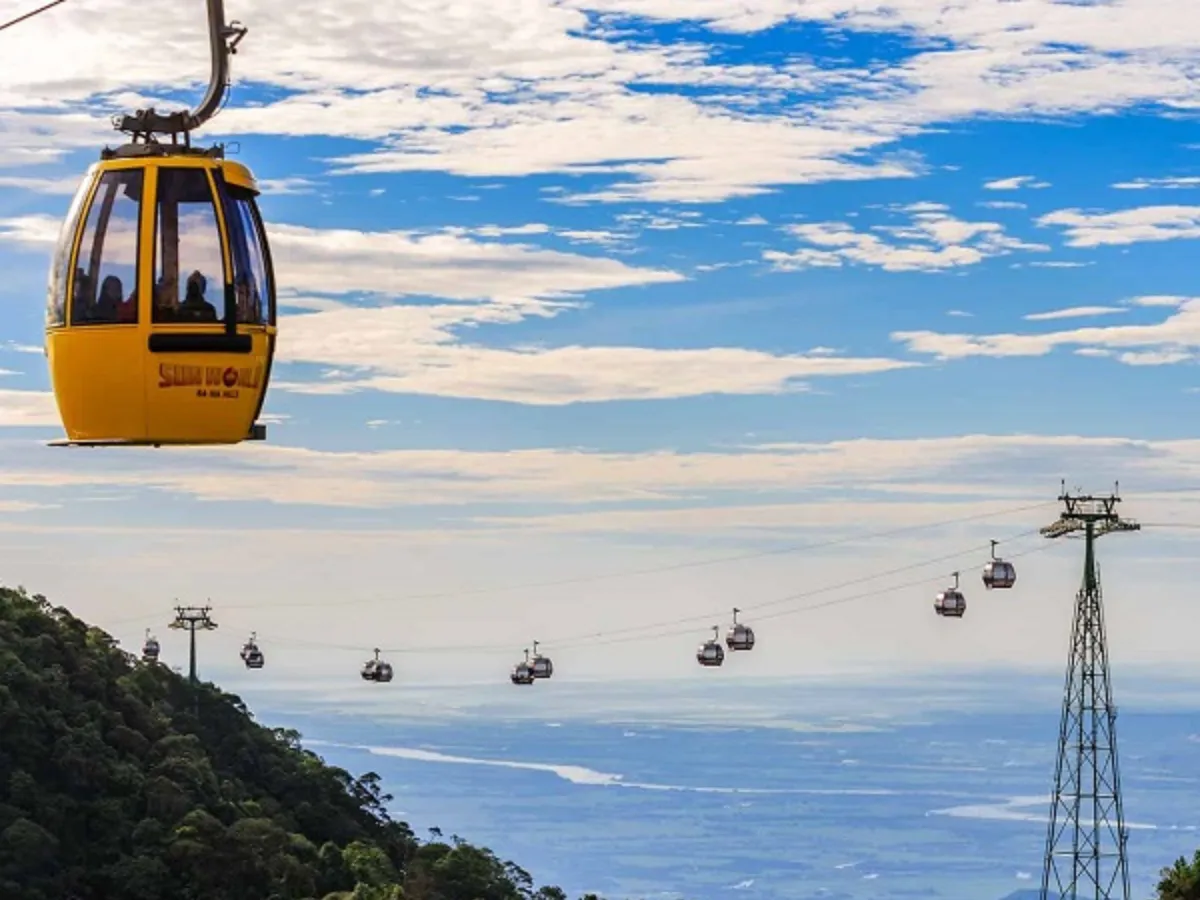
The honest framing: Da Lat has some tourist-trap elements — the Valley of Love’s swan boats and themed photo sets are avoidable, and the giant cable car to Truc Lam Pagoda is functional rather than inspiring. These can be navigated around. What cannot be navigated away from is the genuine quality of the highland landscape, the food, and the temperature — the relief of arriving in Da Lat after days in HCMC’s heat and humidity is physically and psychologically significant.
What specifically makes Da Lat exceptional:
- The temperature is the first extraordinary thing. At 1,500 metres, Da Lat maintains a year-round average of 18–24°C — cool enough for jumpers in the morning, warm enough for short sleeves by noon. Arriving from the Mekong Delta or the coast, the air feels physically different: thinner, cooler, scented with pine. The effect on traveler mood and energy is immediate and significant.
- The French colonial architecture is the most complete in Vietnam outside Hanoi. Da Lat was developed as a hill station by the French from 1897 — a place for colonial administrators to escape the lowland heat. The legacy: 1,500+ French villas in various states of preservation, a train station modelled on Deauville’s in Normandy, a neo-Gothic cathedral, and a general city layout that remains visibly European in structure. The Crazy House (Biệt Thự Hằng Nga) is the eccentric modern counterpoint that doesn’t look like anything else in Vietnam.
- The coffee is among the best in Vietnam. Da Lat’s altitude and volcanic soil produce Arabica coffee of exceptional quality — the specific acidity, body, and floral notes of highland-grown Arabica at 1,500 metres is a different product from the Robusta that dominates lowland Vietnamese coffee culture. The city’s independent café scene has developed around this quality ingredient into one of the best café cultures in Vietnam. Several roasters in Da Lat produce coffee that exports to specialty café markets in Hanoi, HCMC, and internationally.
- The canyoning is world-class for the price. The waterfalls in the forests around Da Lat — created by the highland plateau’s dramatic descent toward the coast — have been developed into canyoning routes that are technically excellent and professionally operated. The combination of abseil descents, natural water slides, cliff jumping, and swimming through canyon sections in pristine mountain water is available from $60–$80 per person for a full day, with operators who have been running routes for 20+ years. For adventure sport quality per dollar, Da Lat’s canyoning is among the best values in Southeast Asia.
- The food is genuinely distinctive. Da Lat’s cool climate and volcanic soil produce ingredients unavailable at lower altitudes — strawberries, avocados, artichokes, hydrangeas for tea, and specific mushroom varieties that feature prominently in the local cuisine. The combination of highland-specific ingredients with French culinary influence produces a specific Da Lat food identity: bánh mì with avocado, artichoke tea, strawberry wine, and a specific style of grilled meat (thịt nướng Đà Lạt) that uses charcoal flavoured by the highland pine wood.

Best Things to Do in Da Lat
1. Crazy House (Biệt Thự Hằng Nga)
The most distinctive building in Da Lat — a functioning guesthouse designed by architect Đặng Việt Nga (trained in Moscow, daughter of a former Vietnamese president) over four decades since 1990. The structure defies categorisation: organic free-form architecture with tree-shaped pillars, cave-like rooms, giraffe and bear motifs integrated into the walls, and a roofline of connected towers accessible via narrow external staircases. The interior rooms (still bookable as guesthouse accommodation — 8 rooms, each in a different organic theme) are fully operational; the exterior is open to visitors as an architectural attraction. Entry: 60,000 VND. Allow 60 minutes. Visit on a weekday morning before the tour groups arrive — the rooftop staircases and external passages are best navigated with minimal crowd. The Crazy House is not ironic or kitschy in intent — it is a serious architectural statement about organic form and the relationship between built and natural structures that happens to be visually extraordinary.
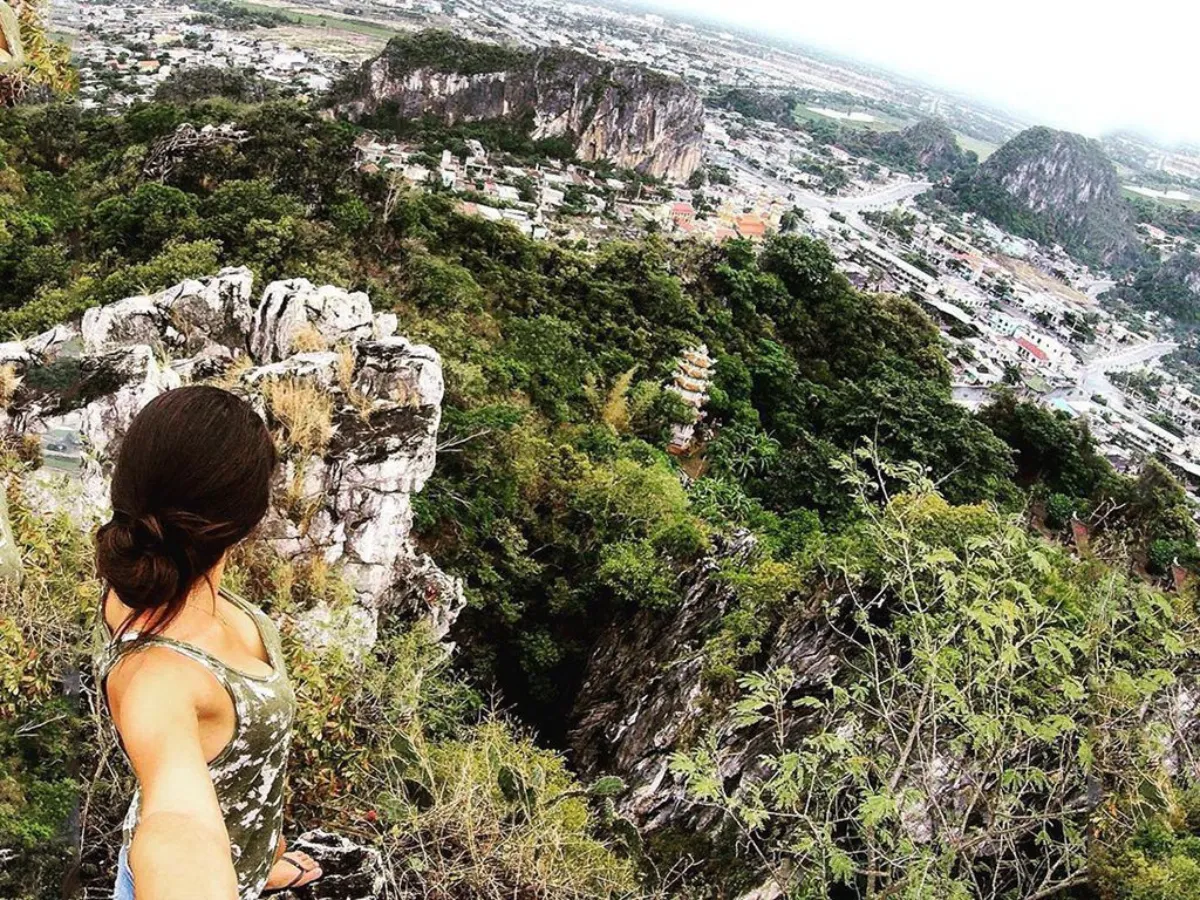
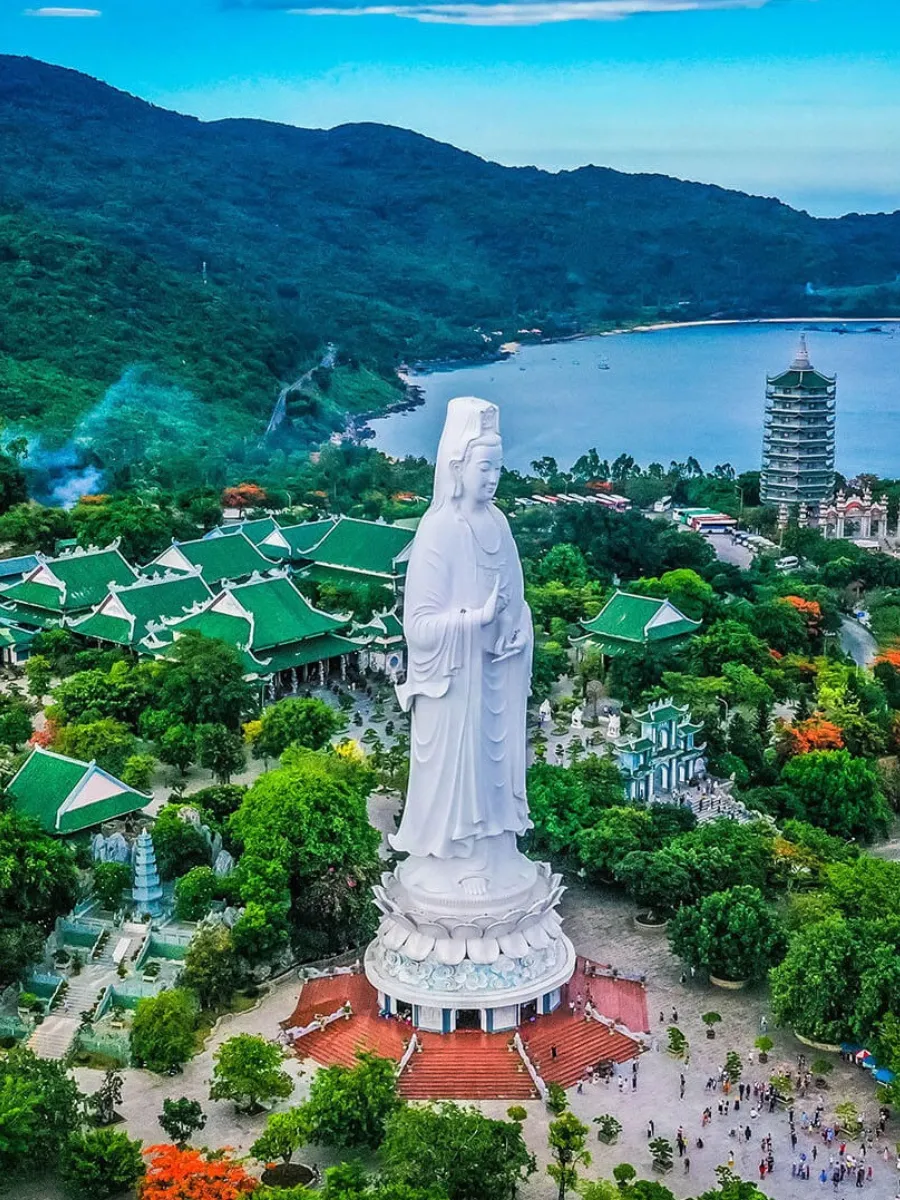
Marble Mountains in Da Nang
The Vietnam’s Spiritual Landmark
2. Lang Biang Mountain and K’Ho Villages
The highest accessible peak near Da Lat at 2,167 metres — a 45-minute drive from the city followed by a 2–3 hour hike through pine forest to the twin-peaked summit with panoramic views over the Lam Dong plateau. The mountain’s name derives from two lovers from the K’Ho ethnic minority (Lan and Biang) in a classic highland tragedy; the K’Ho community villages around the mountain base offer the most accessible ethnic minority cultural encounter near Da Lat. The summit viewpoint on clear mornings (October–April) shows the full scale of the Central Highlands plateau — Da Lat visible in the valley below, mountains continuing to the horizon. Entry: 50,000 VND. Jeep access to mid-station available (100,000 VND) for those who want to reduce the walking distance.
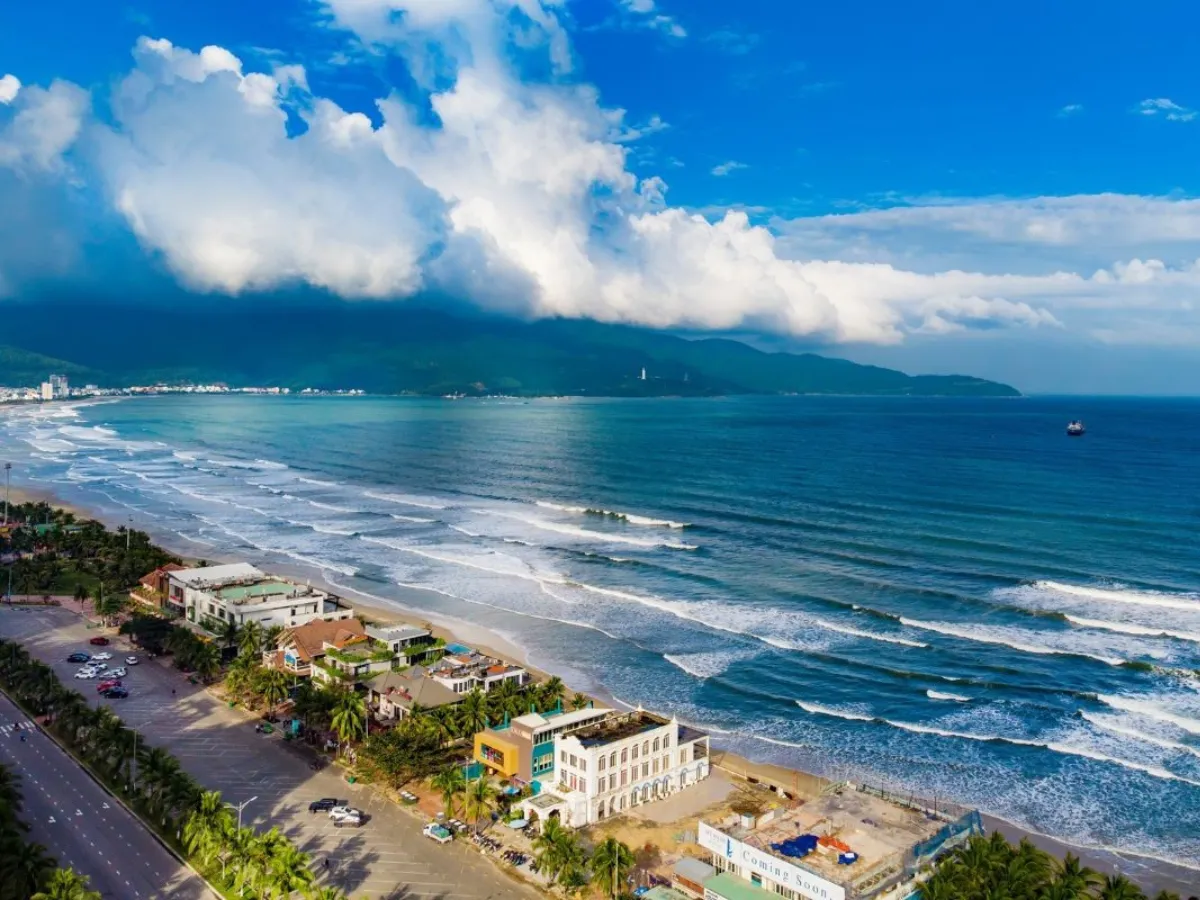
My Khe Beach
Best Beach in Da Nang Vietnam
3. Xuan Huong Lake and French Quarter Walk
The central lake of Da Lat — created by a dam in 1919 — is the social heart of the city, with a 6 km perimeter path used by locals for morning exercise, evening cycling, and weekend picnics. The western bank of the lake faces the best concentration of French colonial villas: the Da Lat Palace Hotel (1922, still operating as the most atmospheric accommodation in the city), the Da Lat Cathedral (1942, pink neo-Gothic), and the Da Lat Train Station (1932, the most beautiful station in Vietnam — modelled on Deauville, Normandy, with a wooden interior and functional steam train excursions to Trai Mat village). The lake and French quarter walk takes 2–3 hours at a comfortable pace and provides the best introduction to Da Lat’s architectural character. Free. Best in the morning before 9:00 AM or late afternoon from 4:00 PM.
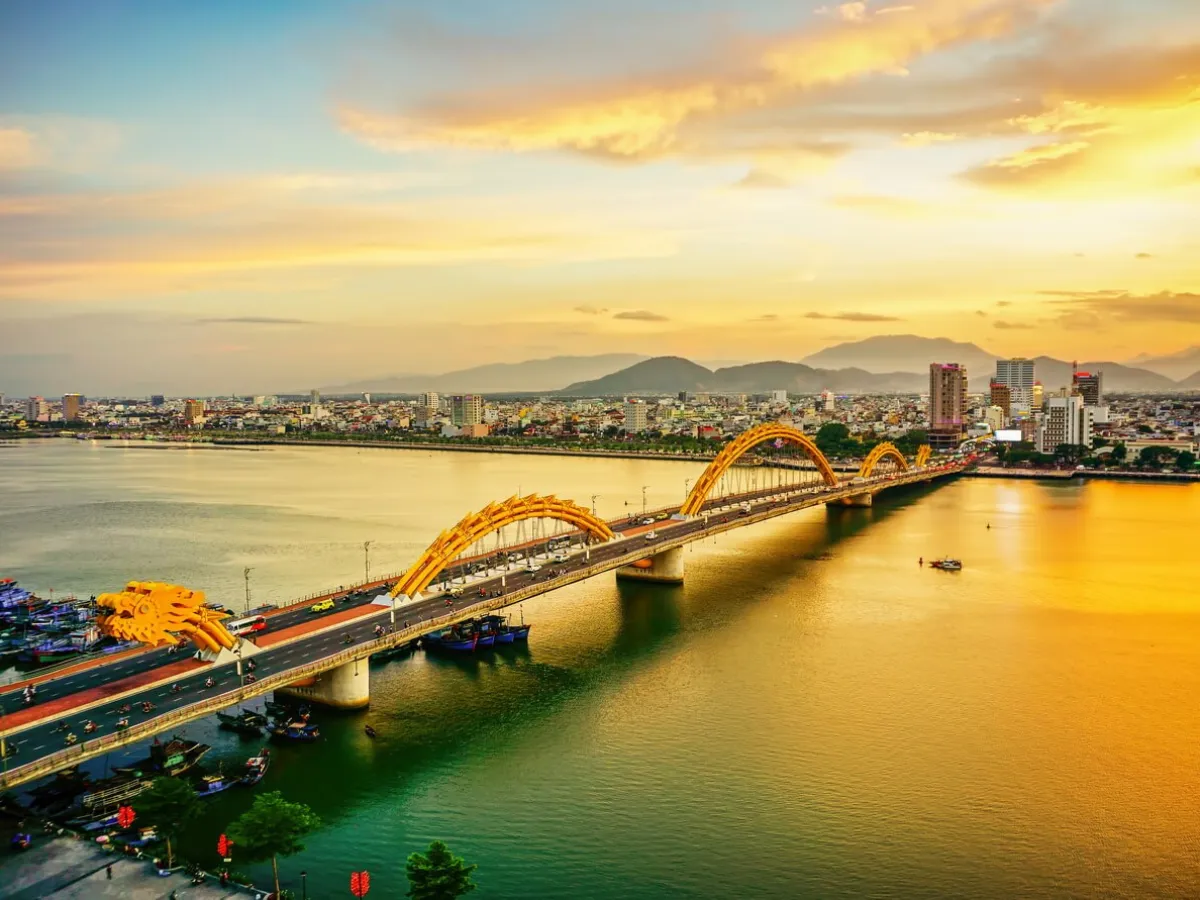
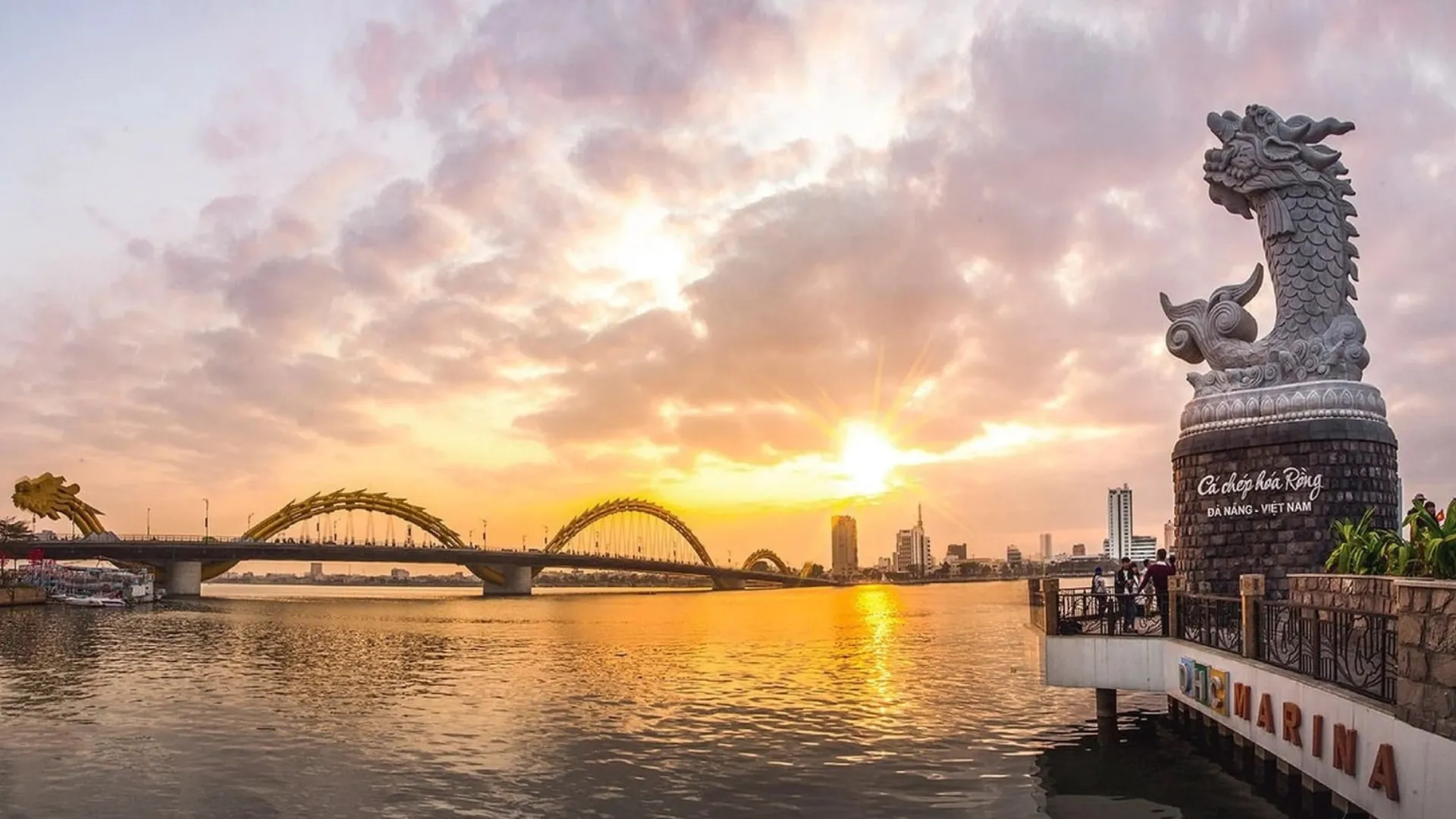
The Dragon Bridge
Iconic Landmark in Central Vietnam
4. Datanla Waterfall and Canyon
The most accessible canyon waterfall from Da Lat city (8 km south) — a series of cascades descending through a forested gorge accessible by a 1 km walking path or a mountain coaster (a wheeled vehicle on rails descending to the base: 55,000 VND). The falls themselves are moderate in scale but the setting — dense forest, vertical rock walls, and the constant sound of moving water — is excellent. The upper waterfall area is well-maintained and suitable for all visitors; the lower canyon sections are where the canyoning routes begin. Entry: 40,000 VND. Allow 60–90 minutes for the walking version; 45 minutes if using the coaster.
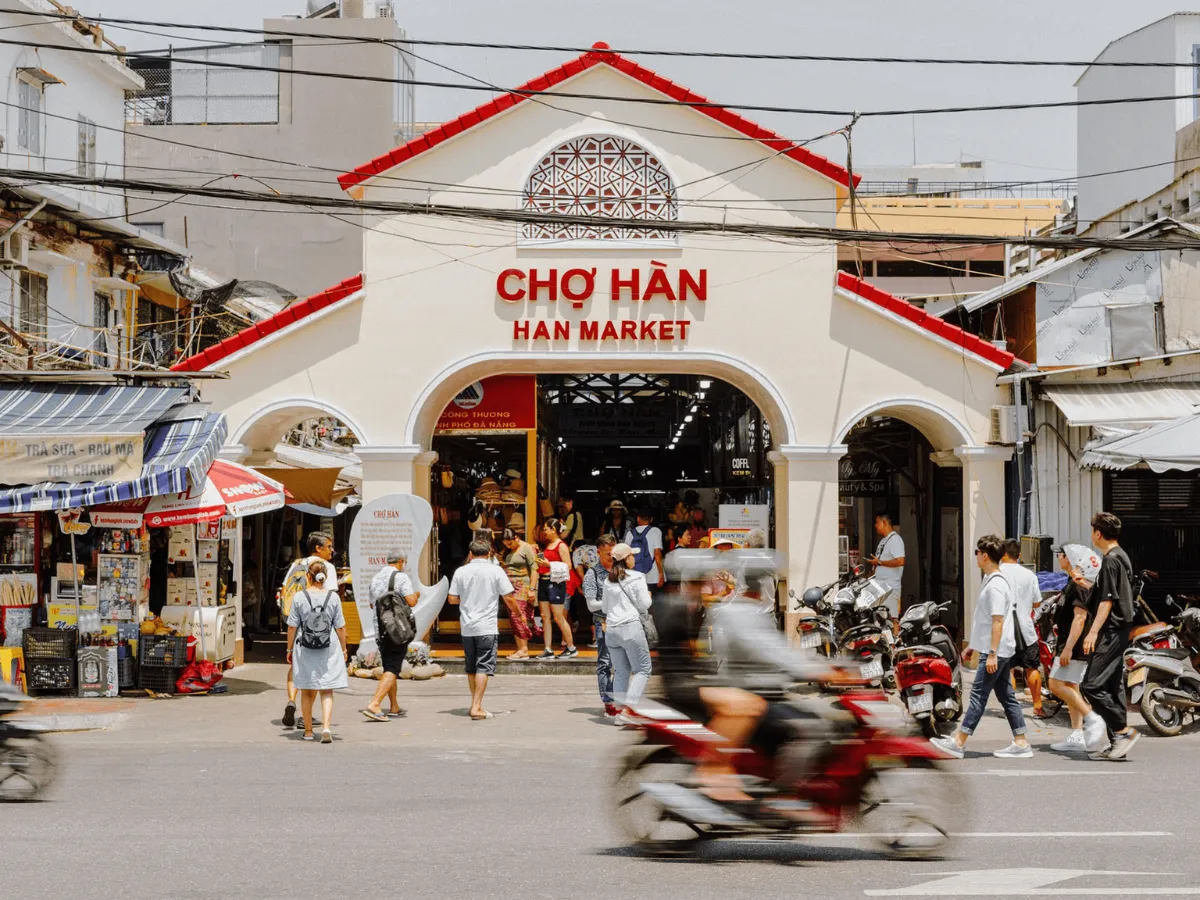
Han Market in Da Nang
Ideal place for local & traditional products
5. Pongour Waterfall (Seasonal)
The most spectacular waterfall near Da Lat when at full seasonal flow — a 7-tiered 40-metre-wide cascade 55 km south of the city, considered the largest in the Central Highlands region. Pongour is best visited from June–November when the wet season creates maximum flow; in the dry season (December–April) the volume reduces significantly and the visual impact decreases. A 2-hour drive round trip from Da Lat; suitable as a full or half-day excursion combined with flower and strawberry farm visits along the road south.
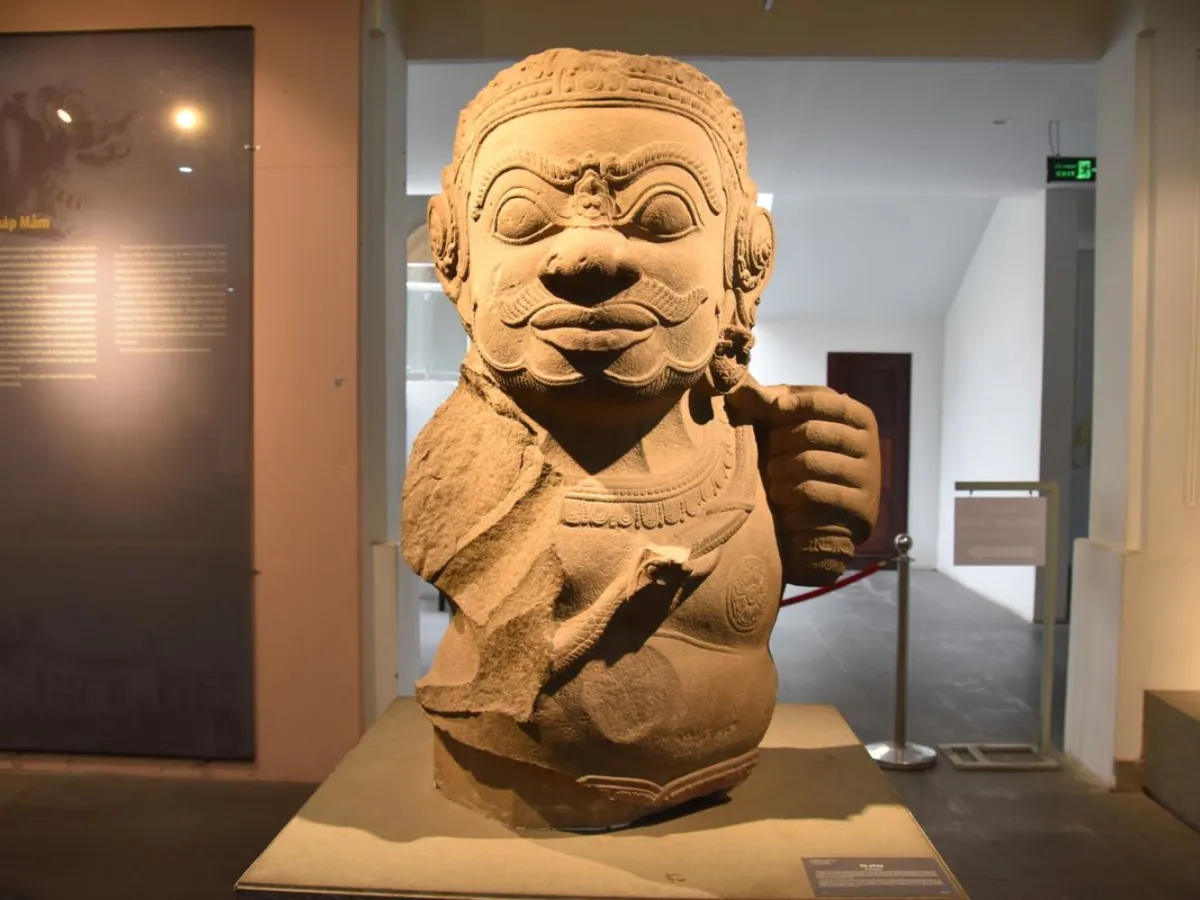
Da Nang Museum of Cham Sculpture
The Cham Arts
6. Flower Farms and Strawberry Picking
Da Lat supplies approximately 70% of Vietnam’s cut flowers — roses, hydrangeas, sunflowers, and orchids grown in large greenhouse operations on the valley slopes surrounding the city. Several farms open to visitors for self-guided walks through the growing areas (Van Thanh Flower Village, 5 km north of the city, is the most accessible). The strawberry farms around Trai Mat village (7 km east) offer pick-your-own sessions during the main fruiting season (November–April) — the highland strawberries are smaller but significantly more flavourful than lowland varieties. Both activities are best done mid-morning (9:00–11:00 AM) before the afternoon cloud descends.
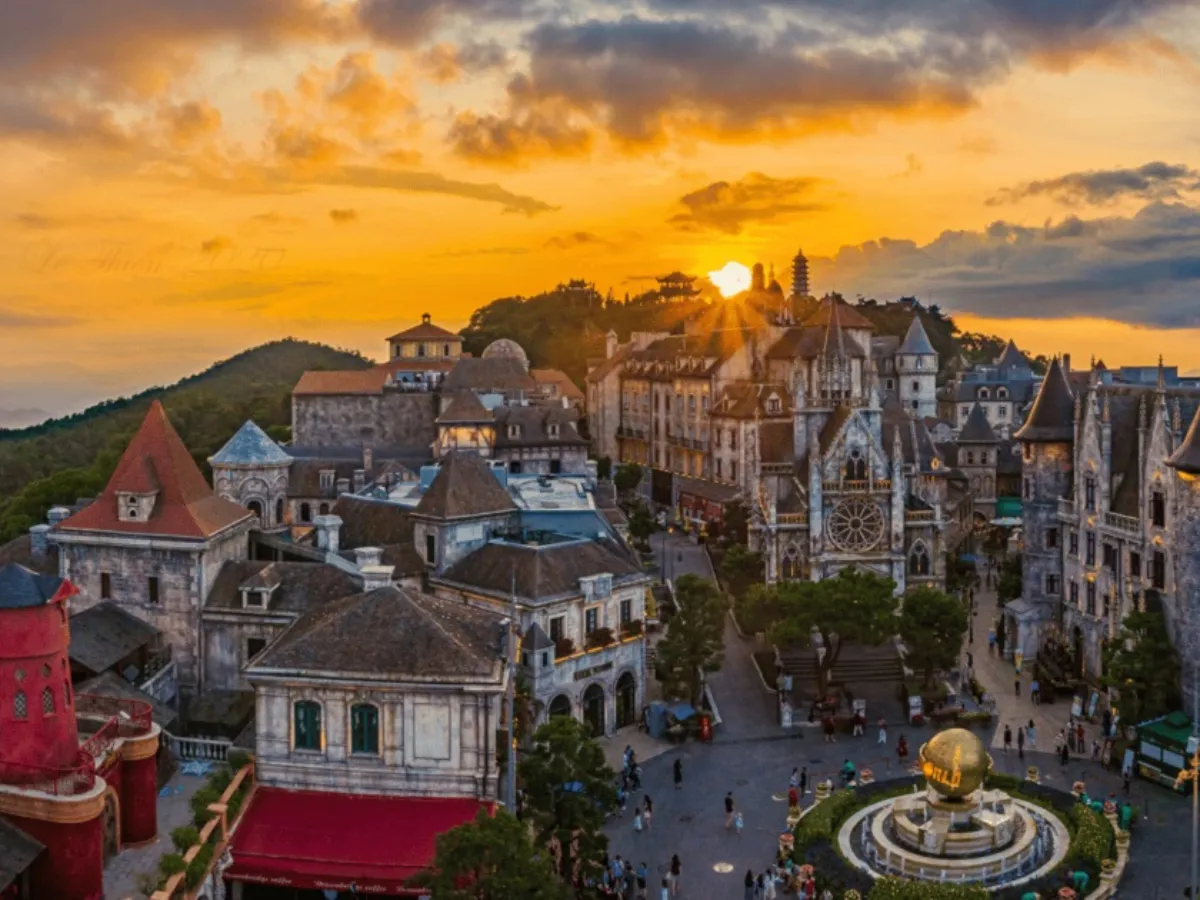
Ba Na Hills Day Trip from Da Nang
The French Village
7. Da Lat Night Market
The evening market along Nguyen Thi Minh Khai Street — open from approximately 6:00 PM — is the best concentration of Da Lat’s specific food culture in a single walking experience. The grilled corn and sweet potato vendors, the bánh tráng nướng (grilled rice paper with toppings, a Da Lat street food specific to the city), the fresh strawberry jam stalls, and the hot artichoke tea available from market carts make this a genuinely different street food experience from any lowland Vietnamese night market. Budget for 45–60 minutes of eating-while-walking. Warmest clothing needed after 7:00 PM — the night market temperature can drop to 14–16°C in the coolest months.

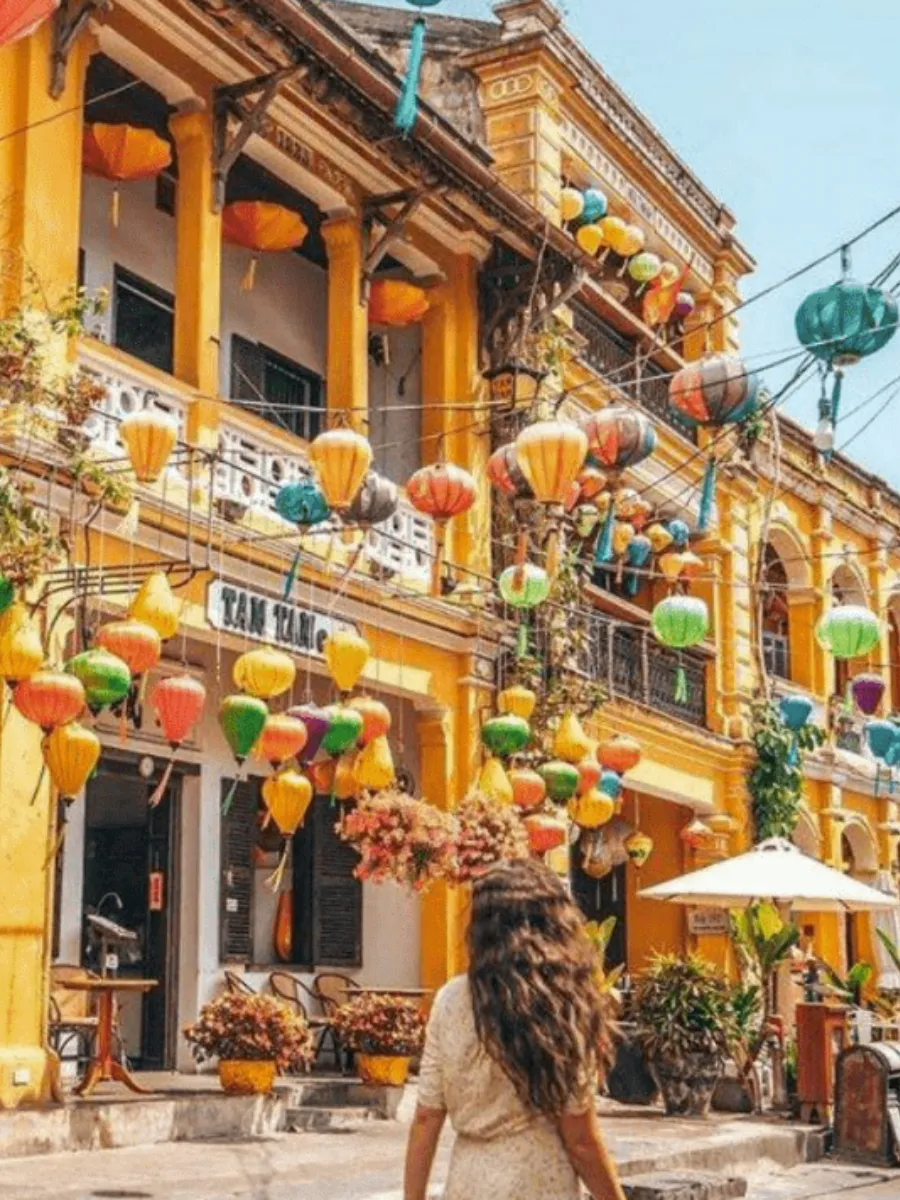
Hoi An Day Trip fom Da Nang
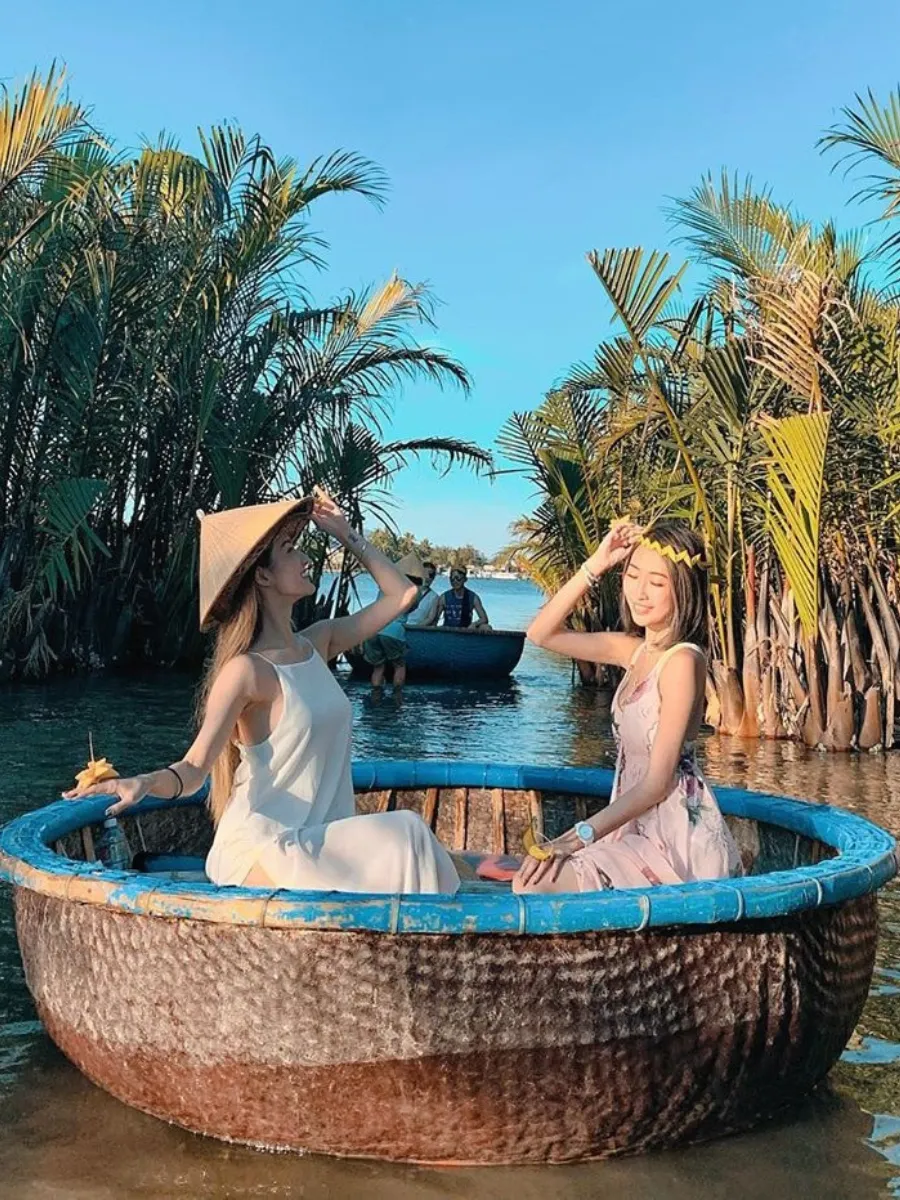
Thu Bon River Boat Ride
Adventure Sports in Da Lat
Da Lat is the best adventure sports base in southern Vietnam — the combination of highland altitude, multiple waterfalls, canyon terrain, and a 30-year history of professional outdoor guiding creates a depth and safety standard unavailable at comparable cost anywhere else in the country.
Canyoning — The Essential Da Lat Activity
Full-day canyoning in the waterfalls and gorges around Da Lat — involving abseil descents down waterfall faces, natural water slides through rock channels, cliff jumps into plunge pools, and swimming through canyon sections — is the single activity that most Da Lat visitors identify as the trip’s best moment. The routes operate on several distinct canyons at different difficulty levels:
| Route | Level | Duration | Cost | Highlights |
|---|---|---|---|---|
| Datanla Canyon (Beginner) | Easy — no prior experience needed | Half day (4 hrs) | $45–$60 pp | 3 abseils (8–15 m), natural water slides, suitable for ages 12+. Best introduction to canyoning. Route includes a section inside the Datanla gorge. |
| Prenn Canyon (Intermediate) | Moderate — some swimming required | Full day (7–8 hrs) | $60–$80 pp | Multiple abseils up to 30 m, longer swim sections, cliff jumps (5–8 m optional), jungle sections. The most complete canyoning experience accessible for non-specialist participants. |
| Full-Day Technical Route | Advanced — experience recommended | Full day (8–9 hrs) | $80–$110 pp | Technical abseils up to 40 m, complex anchor systems, deeper swimming sections. For participants with prior canyoning experience. Pongour or Pin Pat Canyon depending on season. |
Recommended canyoning operators: Phat Tire Ventures (the original Da Lat canyoning operator, 25+ years experience, rigorous safety standards) and Grouptour/Dalat Happy Tours (competitive pricing, good safety record). Both are significantly better than budget operators who undercut on price by reducing guide-to-participant ratios and using older equipment. Do not choose a canyoning operator on price alone — the safety margins at 30-metre waterfall abseils are not negotiable.
Other Adventure Activities
- Mountain biking: The roads and trails around Da Lat — through pine forest, flower farms, and highland villages — are excellent mountain biking terrain. Phat Tire Ventures runs guided half and full-day routes; bike rental from $15–$25/day for quality hardtail or full-suspension bikes. The 45 km road loop via Trai Mat, the Lang Biang approach, and the valley floor is the best independent cycling day trip from the city.
- White-water kayaking: The Da Nhim River section accessible from Da Lat has Class II–III rapids suitable for beginners during the wet season (June–October) when flow is sufficient. Operated by Phat Tire Ventures and a few independent guides. Seasonal — not available in the dry season when water levels drop below navigable depth.
- Paragliding: Tandem paragliding from the hill above Tuyen Lam Lake (with a licensed instructor) provides aerial views over Da Lat’s valley and surrounding pine forest. Cost: approximately $60–$80 for a tandem flight. Wind conditions need to be right — best in dry season mornings. Several operators on the lakeside road; check current licensing and equipment condition before committing.
- Rock climbing: Sport climbing on the volcanic basalt formations around Da Lat — including the cliffs above Elephant Falls and the bouldering areas in the pine forest — is developing but not yet as established as the canyoning scene. Phat Tire Ventures offers guided sessions; the basalt crack climbing is technically interesting for experienced climbers.
Want to book Da Lat canyoning with the right operator — not the cheapest one? Our Vietnam-based team works with Phat Tire Ventures and knows which routes suit which fitness and experience levels. Message us on WhatsApp →
Da Lat Coffee Culture: Vietnam’s Highland Arabica
Da Lat’s coffee scene deserves more than a paragraph — it is the most distinctive single aspect of the city’s food culture and the one that most rewards genuine engagement. Here is the complete picture:
Why Da Lat Coffee Is Different
Vietnam is the world’s second-largest coffee exporter, but 97% of Vietnamese coffee production is Robusta — a lower-altitude variety with higher caffeine and more bitterness than the Arabica species that dominates specialty coffee markets globally. Da Lat at 1,500 metres is one of the few areas in Vietnam where Arabica grows successfully; the volcanic basalt soil and temperature variation between day and night (essential for Arabica’s characteristic acidity and floral notes) produces a coffee with a complexity unavailable anywhere else in the country. The best Da Lat Arabica — grown by smallholder farms at 1,400–1,600 metres and processed using washed or natural methods — is competitive with specialty coffee from Ethiopia, Colombia, or Guatemala in international cupping competitions.
The Da Lat Café Scene
Da Lat’s independent café culture has grown around this quality ingredient — the city now has a density of interesting independent cafés per capita that rivals Hanoi or Ho Chi Minh City, in a city a fraction of the size. The cafés range from the architecturally spectacular (several are set in converted French villas or feature pine forest platforms) to the technically obsessive (pour-over, cold brew, and experimental processing methods are common at the better establishments).
Worth visiting specifically:
- Cà Phê Đà Lạt (Coffee Da Lat): A series of independent roasters operating under the umbrella of the Da Lat Coffee trademark — most are on or near the city centre streets. The market along Phan Dinh Phung Street has direct-from-roaster purchasing; ask for the washed Arabica single origin from the current harvest for the most characteristically Da Lat product.
- Windmill Café (Cà Phê Cối Xay Gió): Set above a pine forest valley with a windmill architecture backdrop — the view over the forested slopes and the quality of the highland Arabica served here make it one of Da Lat’s most consistently recommended café experiences. Best visited on a clear morning.
- Truc Quynh Café: One of Da Lat’s most architecturally embedded cafés — wooden platforms extending over a valley, with pine trees growing through the floor structure. The coffee quality and the forest setting together produce one of the most pleasant hour-and-a-half available in Da Lat without any structured activity.
- The evening artichoke tea stalls: A specifically Da Lat experience — artichokes grown in the surrounding highlands, processed into a slightly bitter, warming herbal tea served from large urns at market stalls after 5:00 PM. 10,000–15,000 VND per glass. The flavour profile is an acquired taste; the experience is entirely specific to the Central Highlands.
Best Time to Visit Da Lat: Month-by-Month Guide
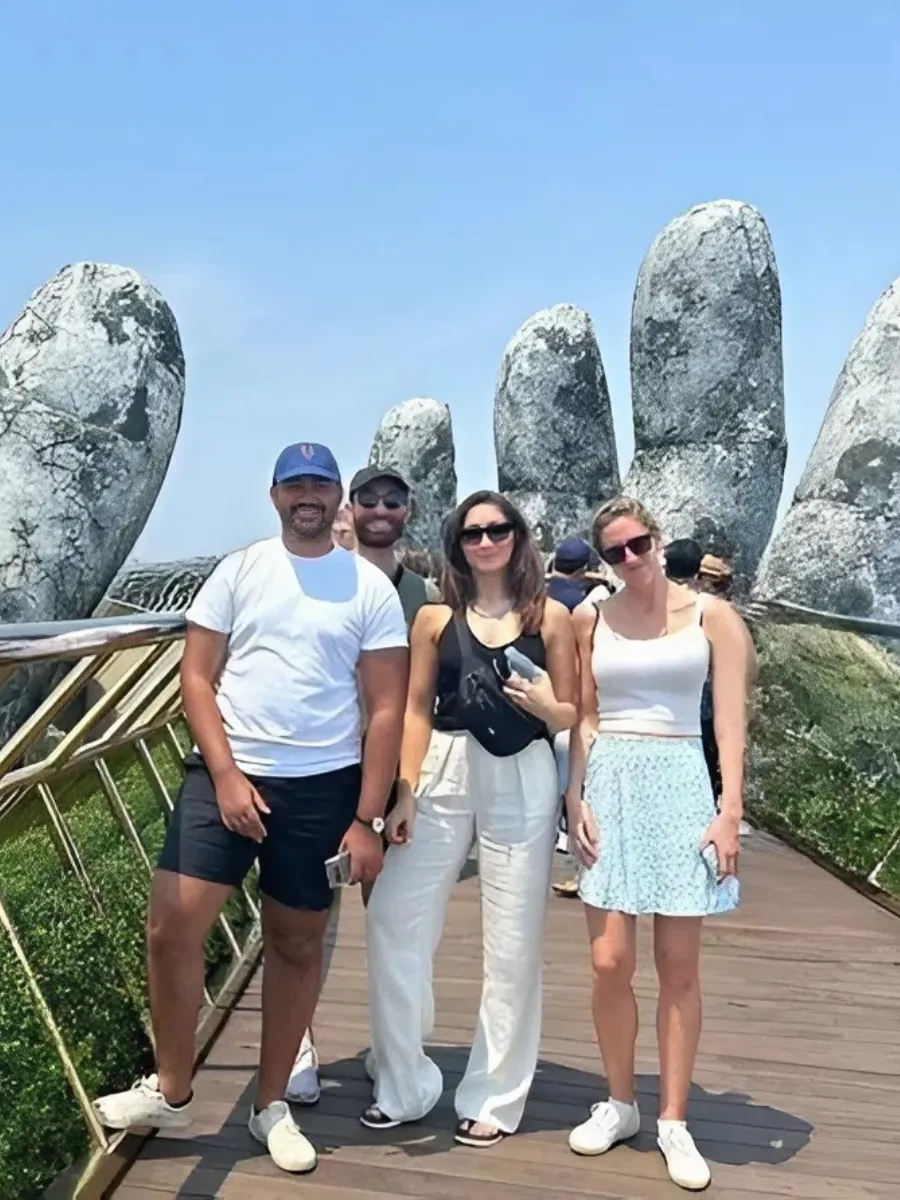
The best time to visit Da Lat is December to April the dry season, when skies are clear, the flower farms are at peak production, and the city is at its most photogenic in the cool, clear light. Unlike most of Vietnam, Da Lat is genuinely good year-round, the Central Highlands’ elevation moderates both the heat and the rain but the dry season conditions are more reliably beautiful.
| Period | Temp & Conditions | Activities | Verdict |
|---|---|---|---|
| Dec – Feb ⭐⭐ | 15–22°C / 59–72°F. Coolest and driest months. Morning mist common — clears by 9:00 AM on most days. Occasional cold nights (12–14°C). | All activities excellent. Canyoning, trekking, cycling, café culture, flower farms at peak. Strawberry season beginning. | Best overall. The classic Da Lat dry season — cool, clear, with the best light quality of the year on the pine forest and French colonial buildings. December and January see the most concentrated flower production (hydrangeas, roses). Tet (late Jan/Feb) brings festive atmosphere to the night market and flower festival. Pack warm layers for evenings. |
| Mar – Apr ⭐ | 18–24°C / 64–75°F. Warming toward dry season end. Still clear, excellent visibility. | Excellent for all activities. Strawberry season peak (March–April). Flower farms still active. | Excellent. The sweet spot between cool dry weather and the approaching wet season. Temperatures slightly more comfortable than January for outdoor activities. Strawberry picking at its best. Fewer visitors than the Tet holiday peak in January–February. |
| May – Jun | 18–25°C / 64–77°F. Transition to wet season. Increasing afternoon cloud and rain. | Good for all activities in mornings. Afternoon rain disrupts outdoor plans from May onward. Waterfalls begin to increase in volume. | Good for café culture and the city itself; less reliable for hiking and cycling. Waterfall flow beginning to increase (better for wet season waterfall photography). Fewer tourists than dry season. |
| Jul – Sep | 17–22°C / 63–72°F. Wet season — afternoon rain daily, some full overcast days. Very green landscape. | Morning activities feasible. Canyoning excellent (high water flow — the best technical canyoning conditions). White-water kayaking available. Waterfalls at maximum flow. | Good for serious canyoning and waterfall photography (maximum flow). The green landscape is vivid after rain. Not ideal for hiking, cycling, or paragliding. The café culture is excellent in any weather — Da Lat’s indoor experiences don’t require dry conditions. |
| Oct – Nov | 17–23°C / 63–73°F. Tail of wet season — decreasing rain. Flower season starting. | Improving through the period. Canyoning still has good flow early October. Flower production ramping up November. | Good in late October and November as conditions improve. The transition into the dry season — flower farms beginning production, mist reducing, café season proper beginning. The Da Lat Flower Festival (even-numbered years, December) is approached through November preparation activity. |
The Da Nang paradox: Vietnam’s central coast has an inverted wet season relative to the north and south while Hanoi and Ho Chi Minh City are dry October–April, Da Nang (and Hoi An, and Hue) are wet October–November and dry February–August. This means the “best time to visit Vietnam” advice for the north (September–November for rice harvest) is the worst advice for central Vietnam. Always plan central and northern Vietnam separately in terms of weather timing.
How to Get to Da Lat?
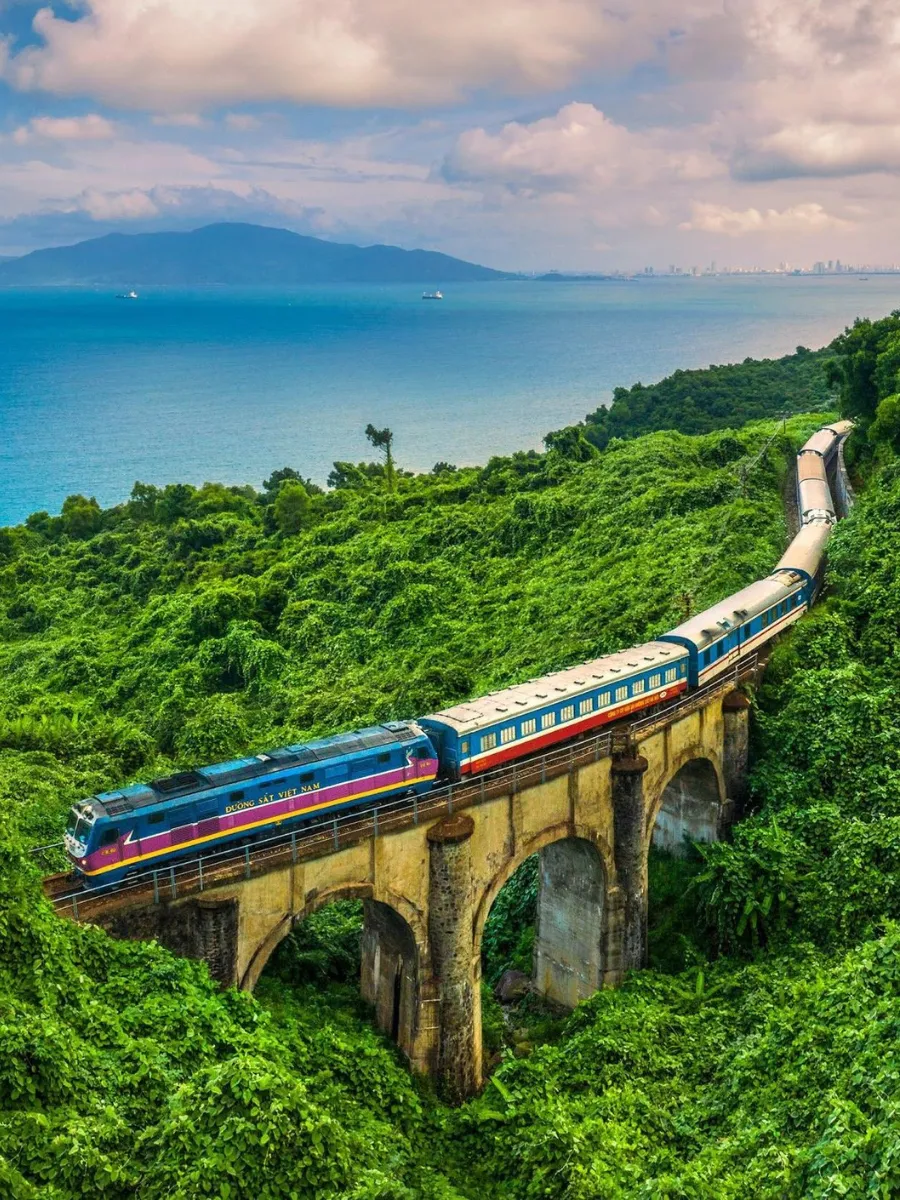
| Route | Duration | Cost (approx.) | Best For |
|---|---|---|---|
| Flight from Hanoi or Ho Chi Minh City | 2 hrs (Hanoi) / 1 hr (HCMC) | $30–$90 pp | Most practical for travelers on limited time. Lien Khuong Airport is 30 km from Da Lat city — 45 min by taxi (~200,000–250,000 VND) or airport shuttle bus (60,000 VND). Vietnam Airlines, VietJet, and Bamboo Airways serve the route. Book 2–3 weeks ahead for best prices. |
| Sleeper bus from Ho Chi Minh City | 6–7 hrs | $8–$15 pp | Budget travelers and those who enjoy the highland road approach. Phuong Trang (FUTA) and Thanh Buoi run reliable services. The ascent from the lowlands through the Bao Loc plateau and into the Central Highlands provides progressively more dramatic scenery — the last 50 km into Da Lat through pine forest is particularly good in daylight. |
| Private car from HCMC | 5–6 hrs | $80–$110 (whole car) | Groups of 2–4, families. Door-to-door flexibility and the ability to stop at Ba Ho Waterfall (en route on the mountain road) or the Bao Loc tea plantations. The highland approach road from the south is genuinely scenic. |
| From Nha Trang by private car or bus | 2.5–3.5 hrs by car / 3–4 hrs by bus | $40–$60 (car) / $8–$12 pp (bus) | The most common “coast to highlands” combination. The road from Nha Trang ascends via the Ngoang Pass — one of the most dramatic mountain road ascents in south-central Vietnam. Private car highly recommended for the view stops. This is the most frequently paired Nha Trang + Da Lat circuit from HCMC. |
| From Mui Ne by private car | 3.5–4.5 hrs | $60–$80 (car) | Travelers doing the HCMC → Mui Ne → Da Lat south-central circuit. The road from Mui Ne to Da Lat via Di Linh is less traveled but passes through some of the most rural and least-touristed parts of the Central Highlands. |
Getting around Da Lat: Motorbike rental (150,000–200,000 VND/day) is ideal for the waterfalls, flower farms, and Lang Biang. Bicycle rental (80,000–100,000 VND/day) covers the city and lake perimeter. Grab operates reliably in Da Lat for city-to-city movements. The Da Lat Train Station runs a narrow-gauge tourist train to Trai Mat village (45-minute return journey, 152,000 VND) — atmospheric and excellent as a morning activity.
Where to Stay in Da Lat?
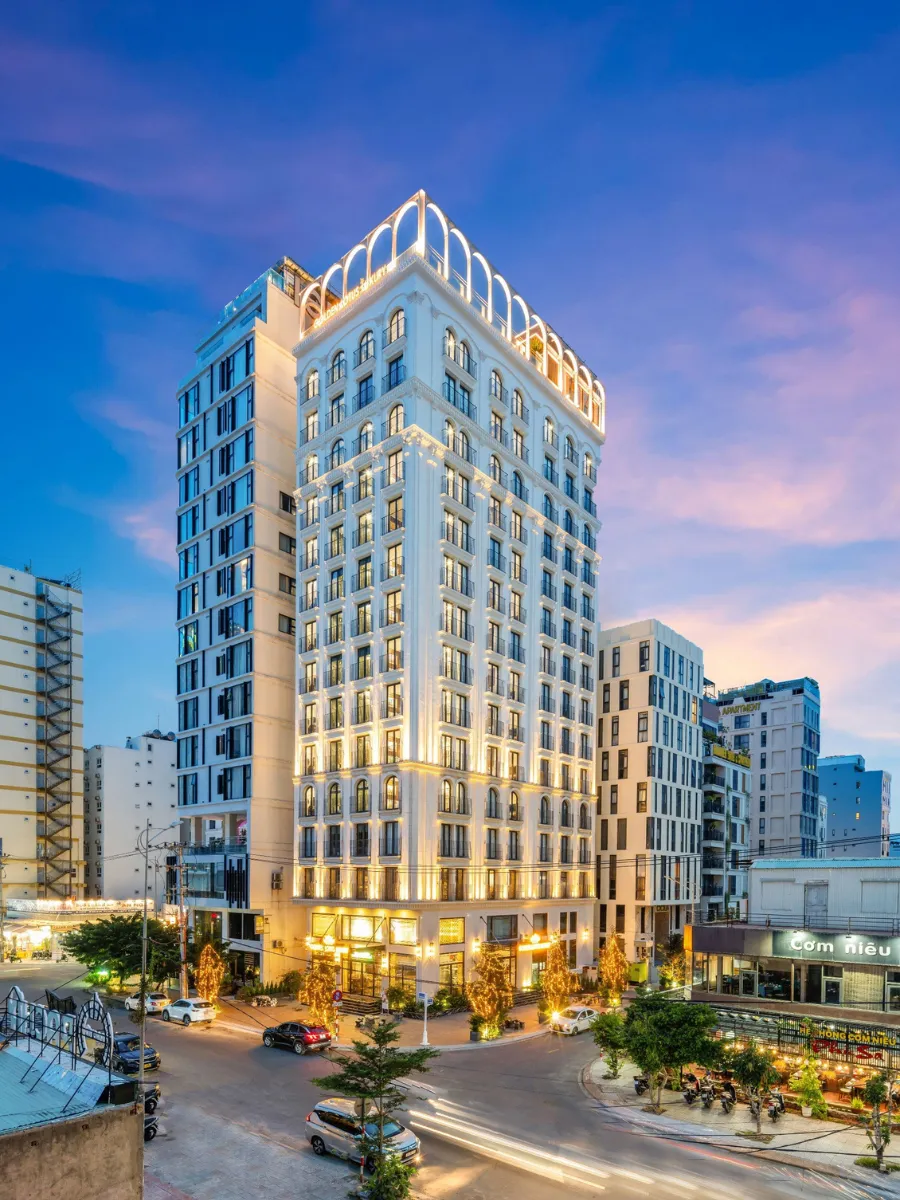
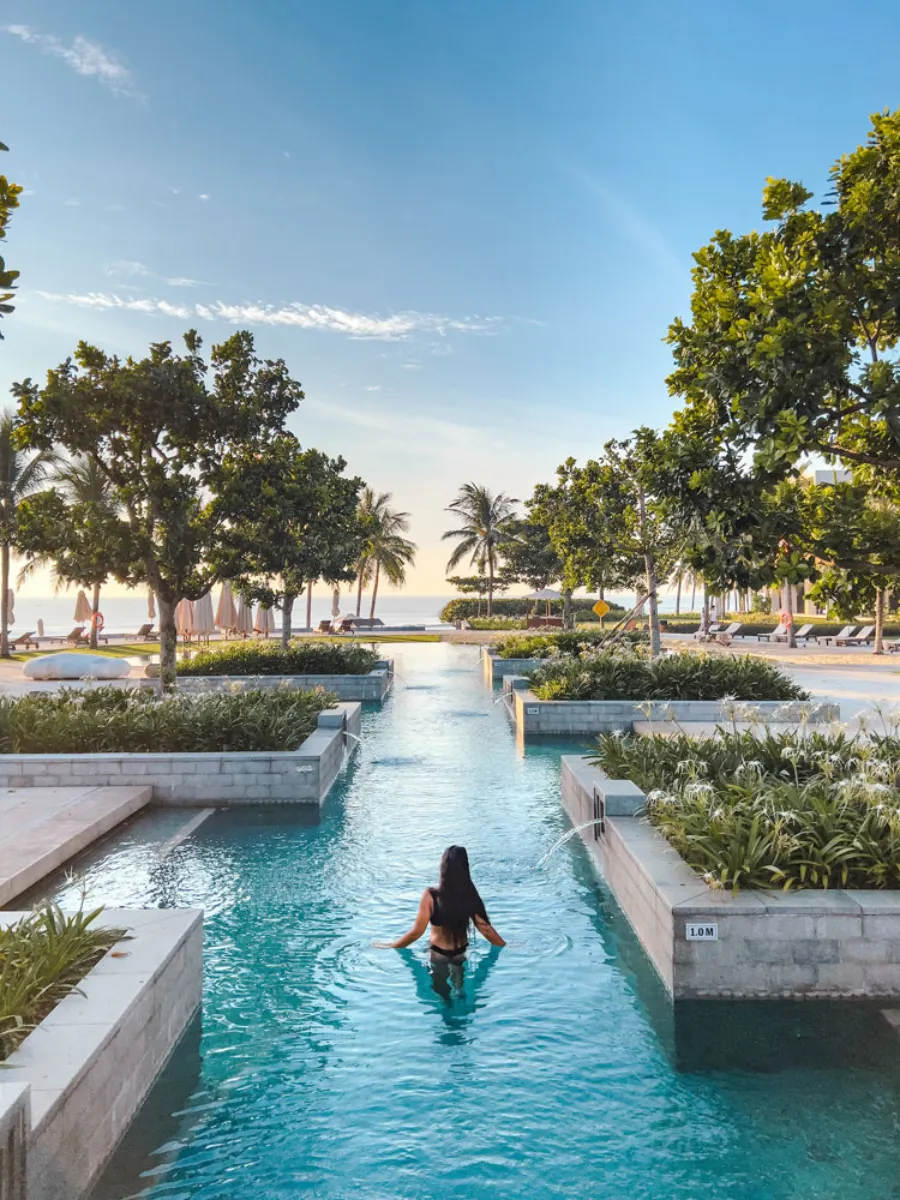
| Area / Type | Best For | Vibe | Average Range (per night) |
|---|---|---|---|
| City centre / Xuan Huong Lake area | Most visitors — walkable to night market, cafés, Crazy House | The most convenient position — central to restaurants, the night market, and the lake perimeter walk. Mix of budget guesthouses and mid-range hotels. Noisy in the central market area evenings; quieter 2–3 streets north of the market. | $15–$80 |
| French villa guesthouses (central and residential areas) | Atmosphere-seekers, couples, photography | Da Lat has a unique accommodation category — converted French villas operating as small guesthouses or boutique hotels. Staying in a 1920s–1940s highland villa with a garden, a wood-burning fireplace (in cooler months), and a breakfast of highland produce is the most specifically Da Lat accommodation experience available. | $30–$150 |
| Tuyen Lam Lake area (southern outskirts) | Nature-focused stays, paragliding access, resort experience | Several mid-range and upscale resorts on the lake shore south of the city — pine forest setting, lake views, quieter than the city centre. 15 min by taxi from the city. Good for travelers who want natural immersion with resort comfort. | $40–$200 |
| Da Lat Palace Hotel (heritage luxury) | Special occasions, architecture enthusiasts, honeymooners | The original 1922 colonial hotel on the Xuan Huong Lake shore — a grand French palace in immaculate preservation, with a functioning tennis court, billiard room, and the most atmospheric lobby in the Central Highlands. The most historically significant hotel stay in southern Vietnam. | $150–$400+ |
Our recommendation for most visitors: A French villa guesthouse or a mid-range boutique hotel within 1 km of the city centre walking distance to the night market and lake, with the atmosphere that makes Da Lat different from everywhere else in Vietnam. The Da Lat Palace Hotel is the splurge option that delivers the colonial experience most authentically; the converted villa guesthouses deliver the same architectural character at a fraction of the price.
3-Day Da Lat Itinerary: The Best Structure for First-Time Visitors
3-Day Da Lat Itinerary – Cool Mountains, Waterfalls & Coffee Culture: Explore the romantic highland city of Da Lat, known for its cool climate, pine forests, flower gardens, and scenic waterfalls in Vietnam’s Central Highlands. Visit iconic spots like Xuan Huong Lake while enjoying local coffee, fresh produce, and peaceful mountain landscapes. This 3-day itinerary is perfect for travelers seeking nature, relaxation, and unique cultural experiences in Southern Vietnam.
Day 1: Arrive → City Walk → Crazy House → Night Market
- Arrive Da Lat (by flight, bus, or car from HCMC or Nha Trang). Check in. The altitude and cooler air are immediately noticeable — allow 30 minutes to acclimatise before activity.
- 2:00 PM: Xuan Huong Lake walk — the perimeter path gives the best introduction to Da Lat’s architectural and landscape character. Walk the full 6 km or focus on the western bank with the Da Lat Palace Hotel, the pink cathedral, and the train station. Allow 90 minutes.
- 4:00 PM: Crazy House (Biệt Thự Hằng Nga) — afternoon light on the organic architecture. Walk every accessible rooftop and external staircase. Allow 60 minutes. Book a room for the night if you want the most distinctive accommodation in Da Lat (book 2–3 weeks ahead for the themed rooms).
- 5:30 PM: Highland café stop — choose a café with pine forest views for the late afternoon coffee ritual. The quality of Da Lat Arabica, consumed in a highland setting at 1,500 metres, is the most specific and most replicable Da Lat experience available. Allow 60–75 minutes.
- 7:30 PM: Da Lat Night Market — walk the full length and eat while moving. Bánh tráng nướng (grilled rice paper), grilled corn, fresh strawberry juice, hot artichoke tea. The complete Da Lat street food circuit in a 45-minute walk.
- After dinner: The city centre streets around the market are pleasant for an evening walk in the cool air — the temperature by 9:00 PM in Da Lat is the most comfortable version of evening in Vietnam for most travelers arriving from the lowland heat.
- Overnight in Da Lat — French villa guesthouse or city centre hotel
Day 2: Full-Day Canyoning → Datanla Waterfall → Evening Fireplace
- 7:30 AM: Meeting point with canyoning operator (Phat Tire Ventures or similar — pre-book 1–2 days in advance). Briefing, equipment fitting, transfer to the canyon trailhead.
- 9:00 AM–5:00 PM: Full-day canyoning — Prenn Canyon intermediate route (abseils, water slides, cliff jumps, swimming sections). Lunch included in tour price. The full day in the canyon — 8 hours of moving through mountain water, alternating between exhilarating descents and recovery swimming sections — is the most consistently recommended single activity in Da Lat. No prior experience required.
- 5:30 PM: Return to city. Hot shower at guesthouse. Rest.
- 7:30 PM: Dinner at a Da Lat restaurant — thịt nướng Đà Lạt (grilled meat over highland pine charcoal, served with fresh vegetables and rice paper for rolling), followed by fresh strawberry dessert. Ask your guesthouse for the current best local grill restaurant — the quality varies significantly between establishments.
- After dinner: If staying in a villa with a fireplace — the evening by the fire in Da Lat’s cool air is a specifically highland Vietnam experience unlike anything available at lower altitudes.
- Overnight in Da Lat
- Day 2 note: Canyoning is a full-day physical commitment. Arriving the day before (Day 1) rather than on the day of canyoning gives you rested legs and full energy for the canyon. Book the canyoning as the first activity of your Da Lat trip, not the last — the experience colours everything afterward.
Day 3: Lang Biang → Flower Farms → Train to Trai Mat → Depart
- 7:00 AM: Rent a motorbike. Depart for Lang Biang Mountain (12 km north, 20 min). Begin the 2–3 hour summit hike through pine forest. The K’Ho ethnic community villages at the base offer a cultural encounter on the way up — ask your guesthouse for the current guide recommendation for a village visit addition to the hike.
- 11:00 AM: Return to Da Lat. Coffee at Windmill Café for the forest view.
- 12:30 PM: Lunch in the city. Bánh mì bơ (Da Lat’s specific avocado butter bread — a fresh baguette with ripe highland avocado and condensed milk; the most specifically Da Lat food experience available for under 25,000 VND).
- 2:30 PM: Da Lat Train Station — board the narrow-gauge tourist train to Trai Mat village (45-minute journey each way, departs at 7:45 AM, 9:45 AM, 11:45 AM, 2:00 PM, 3:35 PM). The train passes through pine forest and highland farming villages; the Trai Mat stop includes the Linh Phuoc Pagoda (the most elaborately decorated pagoda in Vietnam, with mosaics made from 20 million pieces of broken glass). Return train to Da Lat; the schedule allows 45–60 minutes at Trai Mat.
- 5:30 PM: Return to Da Lat. Final flower market visit — the fresh cut flowers at the Da Lat Central Market (Cho Da Lat) are extraordinarily cheap: roses for 20,000–30,000 VND per bundle, hydrangeas for 15,000–25,000 VND.
- 7:00 PM: Depart Da Lat by evening bus or overnight bus toward HCMC or Nha Trang, or fly from Lien Khuong Airport.
- Depart toward HCMC, Nha Trang, or onward destination
Want a Private Da Lat Trip — Canyoning, Cafés, and the Highland Circuit?
Our Vietnam-based team arranges Da Lat packages including canyoning with Phat Tire Ventures, highland café circuit recommendations, Lang Biang trekking with K’Ho guides, and the full HCMC → Mui Ne → Da Lat → Nha Trang south-central circuit. Most guests receive a custom plan within 4 hours.
Request Your Free Da Lat Itinerary →
Tell us your travel dates, whether canyoning is a priority, and which destinations you’re combining with Da Lat.
Sale!
Private Mai Chau Day Trip And Waterfall & Hot Spring Bath

Place
Mai Chau

Duration
1D
Original price was: 175$.125$Current price is: 125$.
Sale!
Authentic Hanoi Day Tour | Incense Village & Duong Lam Ancient Village
Place
Hanoi
Duration
1D
Original price was: 120$.105$Current price is: 105$.
Sale!
Hanoi Cycling Tour | Bat Trang, Kim Lan & Xuan Quan Flower Villages
Place
Bat Trang
Duration
1D
Original price was: 65$.55$Current price is: 55$.
Sale!
Half-Day Hanoi City Tour | Explore Iconic Landmarks in Just Few Hours
Place
Ha Noi
Duration
1D
Original price was: 50$.35$Current price is: 35$.
Sale!
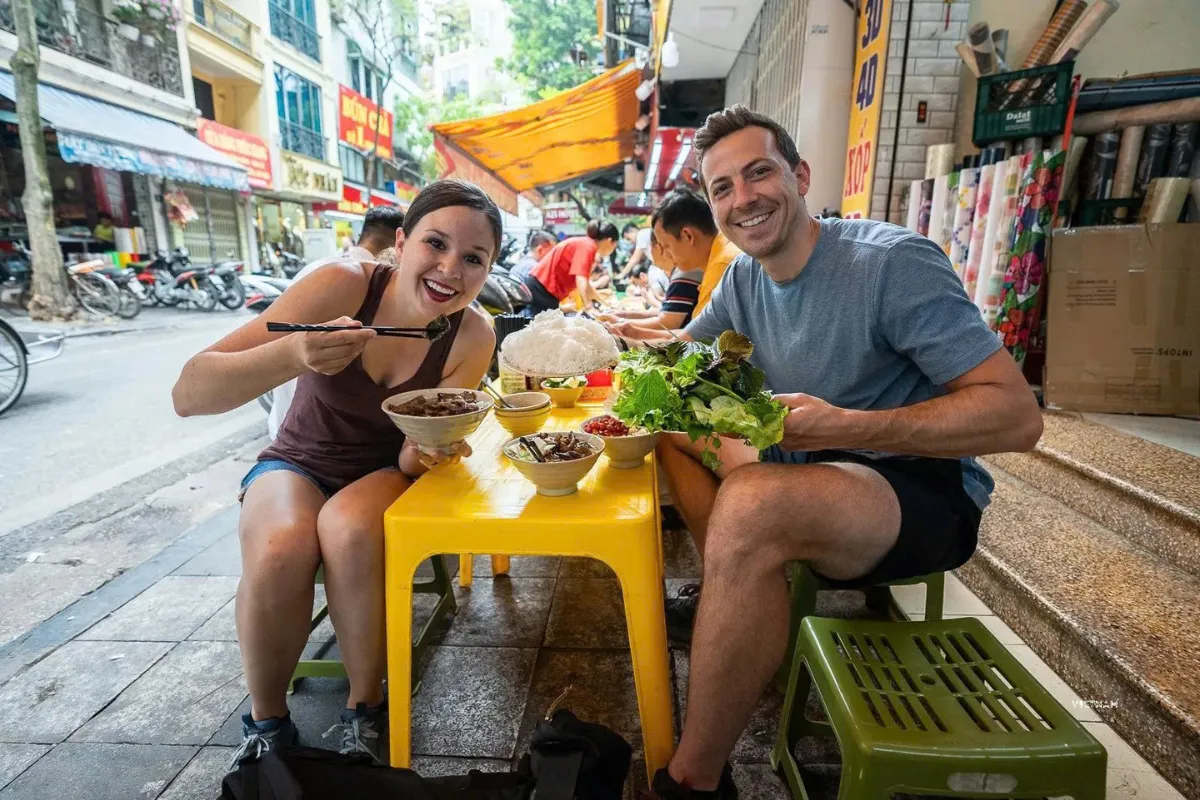
Exclusive Hanoi Street Food Tour | Discover Hanoi’s Best Eats on Foot
Place
Ha Noi
Duration
1D
Original price was: 50$.35$Current price is: 35$.
Sale!
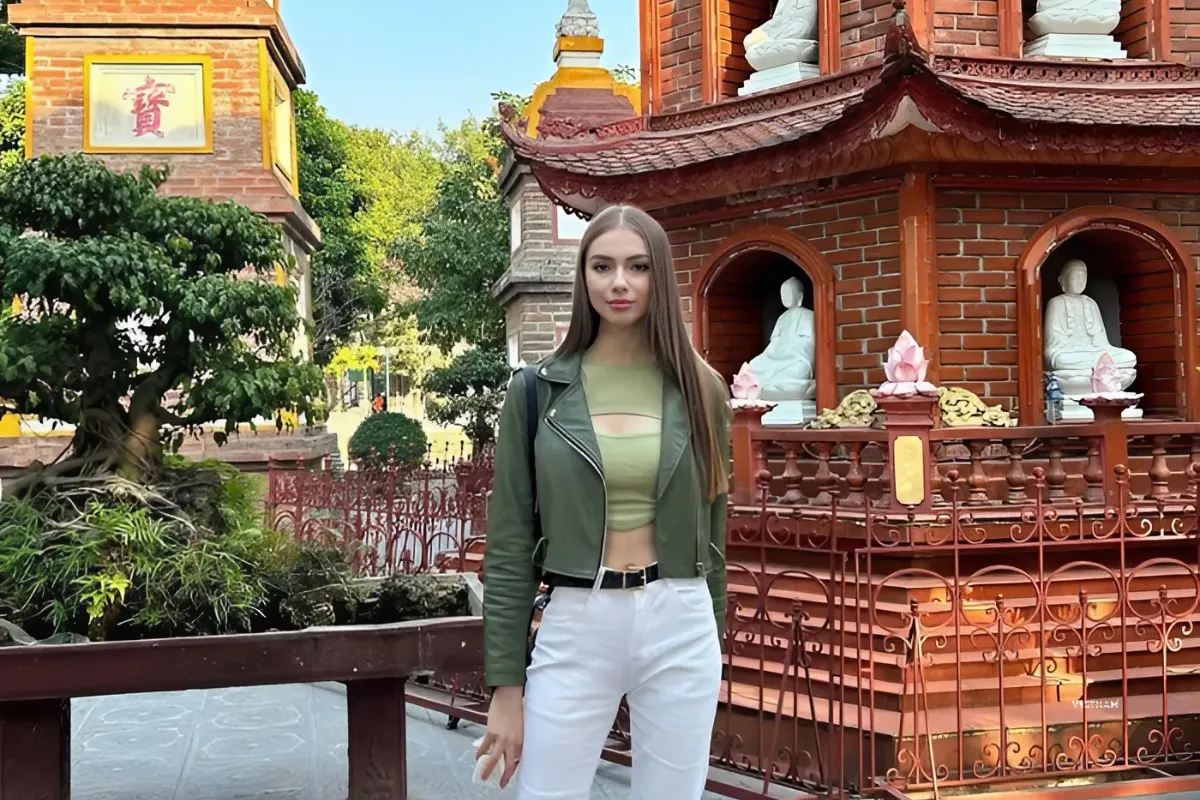
Hanoi City Tour | Highlights, Local Culture | Best of Hanoi in One Day
Place
Ha Noi
Duration
1D
Original price was: 55$.45$Current price is: 45$.
Sale!
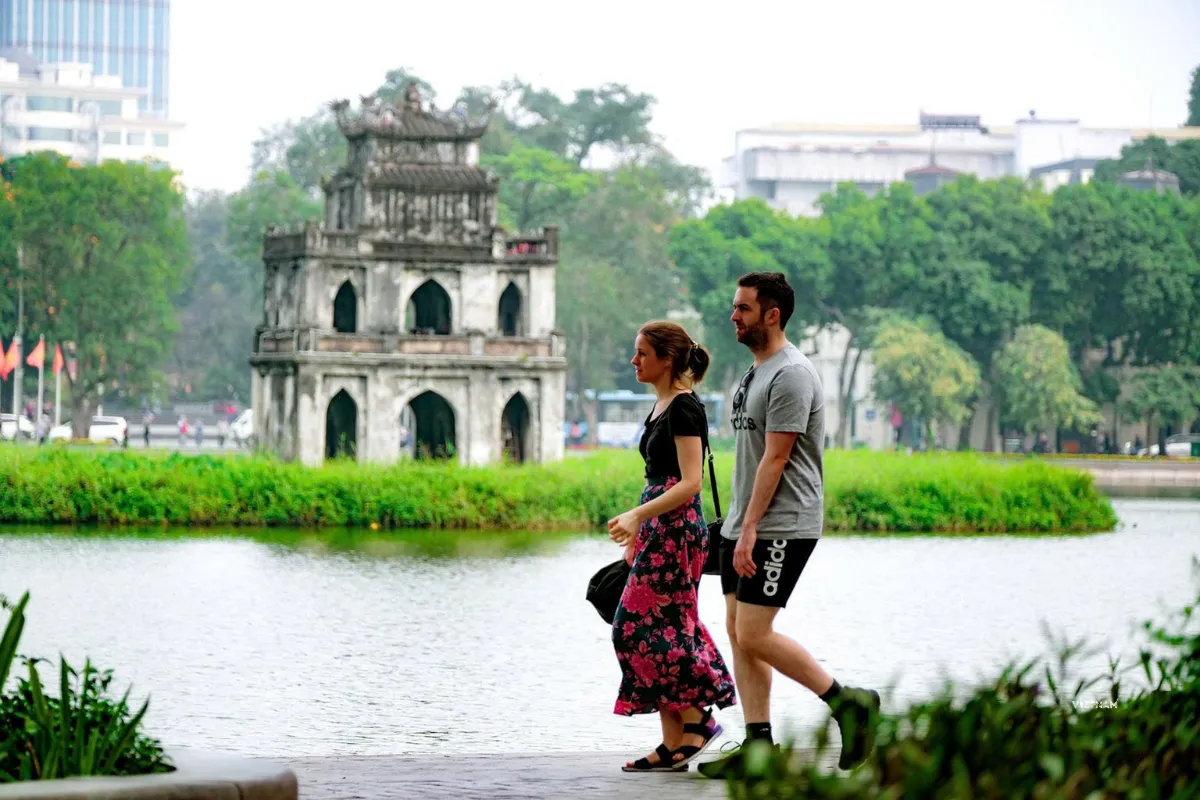
Top Hanoi City Walking Tour | Discover the Best of Hanoi in One Day
Place
Hanoi Capital City
Duration
1D
Original price was: 60$.50$Current price is: 50$.
Sale!
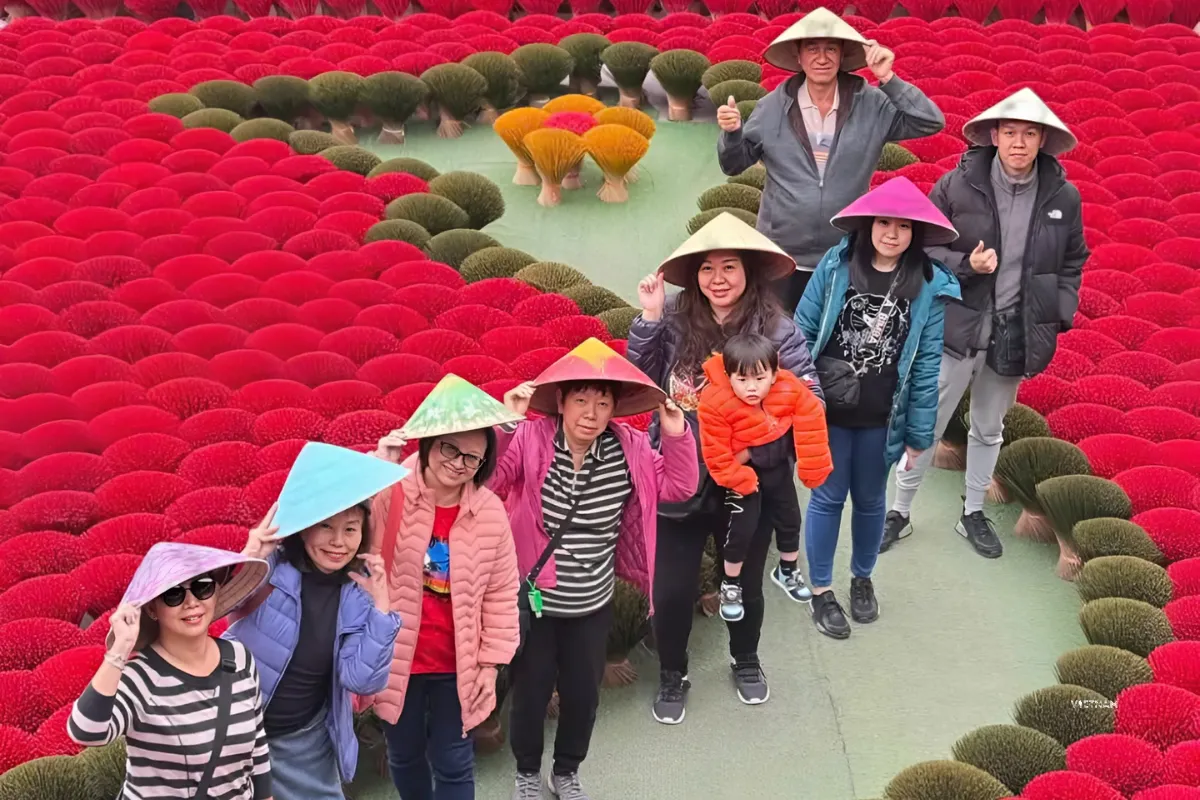
Incense Village Hanoi Tour | Explore Traditional Craft & Local Culture
Place
Quang Phu Cau
Duration
1D
Original price was: 85$.55$Current price is: 55$.
Beyond the Standard Circuit: Less-Known Da Lat Experiences
The Bao Loc tea plateau (70 km south of Da Lat): The road from HCMC to Da Lat passes through Bao Loc — a tea-growing plateau at 900 metres covered in the distinctive low-pruned rows of the Camellia sinensis plant, extending across the hillsides in patterns that are photographically striking. The Bao Loc plateau produces primarily green and oolong tea varieties distinct from the highland Arabica coffee of Da Lat itself; visiting a processing factory and tasting the current harvest with a plantation guide adds a specific agricultural encounter to the Da Lat approach road that most bus travelers miss entirely by sleeping through it. Worth structuring as a daytime HCMC → Bao Loc → Da Lat private car journey rather than an overnight bus.


- The K’Ho minority villages around Lang Biang (with a community guide): The ethnic K’Ho communities in the villages at the base of Lang Biang Mountain maintain cultural practices — the gong music tradition, matrilineal family structure, and traditional long-house architecture — that are being documented and preserved by community cultural organisations. Several K’Ho guides offer cultural immersion visits beyond the standard Lang Biang hike: a morning in a K’Ho village with a community member who explains the family compound layout, the agricultural calendar, and the significance of the surrounding mountain in local mythology. This is a 2–3 hour addition to the Lang Biang hike that almost no standard tour offers.
- The Elephant Waterfall at dawn (Thác Voi): The largest waterfall accessible from Da Lat (30 km south — 50 min by motorbike) is on the tourist circuit but receives almost no visitors before 8:00 AM. Arriving at the waterfall at 6:30–7:30 AM — when the morning mist hangs in the gorge and the water catches the first horizontal light — produces photographs entirely different from the midday crowd version. The 200-step descent to the base is manageable and the pool at the base of the 30-metre falls is swimmable in dry season. Free entry before the official gate opens at 7:30 AM; 20,000 VND entry fee after.
- Single-origin Arabica direct from a Da Lat farm roaster: Several smallholder coffee farmers in the Da Lat highlands around Cau Dat (25 km north) offer farm visits during harvest season (October–February) — the red cherry selection, the wet mill processing, and the drying beds on the farm hillside give the complete picture of how quality highland Arabica is produced from plant to green bean. Buying directly from the farm roaster (typically $5–$8 per 250g bag of specialty-grade Arabica) purchases coffee of a quality unavailable outside the immediate region. Arrange through a Da Lat specialty café or via our team.
Da Lat by bicycle at 5:30 AM: The city at dawn — before the tourist buses arrive and before the morning market’s commercial activity peaks — has a quality of quiet and light that justifies an early alarm. Cycling the lake perimeter from 5:30 AM (the lap being done by local exercise groups), continuing through the French Quarter streets when the pine tree shadows are longest, and arriving at the flower market as the vendors set up their daily displays (6:00–7:00 AM) is a complete Da Lat morning in 90 minutes that costs nothing beyond bicycle rental.
Da Lat in the Vietnam Travel Circuit?
Da Lat sits most naturally in two different Vietnam travel contexts, and understanding which applies to your trip helps sequence it correctly:
| Circuit | Structure | Why It Works |
|---|---|---|
| HCMC → Mui Ne → Da Lat → Nha Trang → HCMC (10 days) | Fly into HCMC, bus to Mui Ne (4.5 hrs), car to Da Lat (3.5 hrs), car/bus to Nha Trang (3 hrs), fly back from Cam Ranh | The classic south-central circuit — beach and dunes (Mui Ne), highlands (Da Lat), coastal diving (Nha Trang). Each destination is categorically different from the others; no redundancy in the sequence. |
| Da Lat standalone from HCMC (short trip) | Fly HCMC → Da Lat (1 hr), 3 nights, fly back | The best weekend escape from HCMC — 1 hour by air, completely different climate and landscape, full activity range. More practical than the bus for time-limited travelers. |
| HCMC → Da Lat → Nha Trang (7 days) | Bus or flight to Da Lat, 3 nights, car to Nha Trang via Ngoang Pass, 3 nights, fly back | The “highlands to coast” sequence — canyoning and cool air in Da Lat, diving and islands in Nha Trang. The Ngoang Pass drive between them is one of south-central Vietnam’s best road experiences. |
Essential Da Lat Travel Tips (From Our Local Team)
Pack warm layers regardless of season. Da Lat’s “City of Eternal Spring” description is accurate — but spring in the Central Highlands means 14–16°C evenings in December and January, and even in the warmest months (May–August) the nights drop to 17–18°C. A fleece or light jacket is essential for evening activities; a proper warm layer is needed for December–February. The most common Da Lat regret among unprepared travelers is shivering through the night market in a t-shirt.
- Book canyoning 1–2 days in advance, not on the morning. The best canyoning operators (Phat Tire Ventures specifically) have limited daily capacity and book out 1–3 days ahead in peak season. Same-day walk-ins either get relegated to a lower-quality operator or don’t get a spot. Contact Phat Tire Ventures via WhatsApp when you arrive in Da Lat to book the next available date.
- The Crazy House rooms sell out weeks ahead in peak season. The 8 themed rooms at Biệt Thự Hằng Nga are a genuinely unusual accommodation experience — but if staying there is a priority, book 3–4 weeks ahead for December–February visits. The building is worth visiting as a day attraction (entry 60,000 VND) regardless of whether you stay; the room experience is additive rather than essential.
- Da Lat’s morning mist usually clears by 9:00–9:30 AM. The highland fog that sits over the valley floor in the early morning is atmospheric but can obscure the views from Lang Biang and the flower farms. Plan morning activities that don’t depend on views (the city walk, the train station, the café circuit) and reserve view-dependent activities (Lang Biang hike, Windmill Café) for after 9:30 AM when the mist has typically lifted.

Avocado is the most underrated Da Lat food experience. Da Lat produces avocados of exceptional quality — the same cool-season conditions that make the Arabica coffee excellent also produce avocados with the creaminess and flavour unavailable from lowland-grown varieties. Bánh mì bơ (avocado butter bread) at 20,000–25,000 VND from the street stalls behind the central market is the best avocado product available in Vietnam at any price.
The Da Lat strawberries are worth buying in volume. Fresh strawberries from the farm stalls along the Trai Mat road (January–April, peak season) cost 40,000–60,000 VND per kilogram — significantly below Hanoi or HCMC strawberry prices and significantly better in flavour. The jam, wine, and dried versions available at the night market are consistent quality and travel well; the fresh version should be eaten immediately.
Frequently Asked Questions — Da Lat Travel Guide
What is Da Lat famous for?
Da Lat is famous for four things: its French colonial hill station architecture and cool highland climate (at 1,500 metres, it is Vietnam’s “City of Eternal Spring”), its exceptional Arabica coffee grown on volcanic highland soil, its waterfalls and canyoning scene (the best adventure sports destination in southern Vietnam), and its flower and agricultural production (70% of Vietnam’s cut flowers, plus strawberries, avocados, and artichokes unavailable at lower altitudes). The Crazy House (Biệt Thự Hằng Nga) — a Gaudí-inspired free-form architectural guesthouse — is its most photographed single attraction.
When is the best time to visit Da Lat?
The best time to visit Da Lat is December to April — the dry season, when skies are clear, temperatures are at their most pleasant (15–22°C), strawberry and flower seasons are at peak, and all outdoor activities are reliably accessible. December and January are the coolest and most atmospheric months; March–April are warmer and equally beautiful. The Da Lat Flower Festival in even-numbered years (2024, 2026) in December is worth timing a visit around. Da Lat is acceptable year-round — even the wet season (June–September) has good mornings for activities.
Is Da Lat worth visiting?
Yes — Da Lat is consistently one of the most rewarding destinations in Vietnam for travelers who appreciate the combination of architectural character, natural landscape, food culture, and adventure sports. The French colonial villas, the highland Arabica coffee scene, the world-class canyoning, and the cool-climate produce create an experience unavailable anywhere else in the country. It works equally well as a standalone destination (3 nights from HCMC) or as part of a south-central circuit with Nha Trang and Mui Ne.
How do I get from Ho Chi Minh City to Da Lat?
The fastest route is a direct flight from Tan Son Nhat Airport to Lien Khuong Airport (1 hour, $30–$90) with a 45-minute taxi to the city. The sleeper bus (Phuong Trang/FUTA, 6–7 hours, $8–$15) departs multiple times daily and arrives in the Da Lat city centre. Private car (5–6 hours, $80–$110 for the whole vehicle) allows stops at Bao Loc tea plateau and the highland approach scenery. All options are practical — flight for time efficiency, bus for budget, private car for the scenic experience.
What is canyoning in Da Lat?
Canyoning in Da Lat involves guided descents of waterfall canyons using abseiling, natural water slides, cliff jumps, and swimming — operating on several canyon routes in the forested mountains around the city. The most popular beginner route (Datanla Canyon, half day, $45–$60) involves 3 abseils and natural slides; the intermediate Prenn Canyon (full day, $60–$80) adds deeper swimming sections and higher optional jumps. No prior experience is required for either. The best operator is Phat Tire Ventures, which has been running routes since the early 2000s with rigorous safety standards.
What is the Crazy House in Da Lat?
The Crazy House (Biệt Thự Hằng Nga) is a functioning guesthouse and architectural attraction in Da Lat designed by architect Đặng Việt Nga over four decades from 1990. The building is characterised by free-form organic architecture — tree-shaped pillars, cave-like rooms, giant animal motifs, and a network of external staircases and rooftop passages connecting irregular towers. It is open to day visitors (entry 60,000 VND) and operates 8 themed accommodation rooms. It is the most distinctive building in Da Lat and one of the most unusual architectural structures in Vietnam.
What coffee should I drink in Da Lat?
Da Lat produces the best Arabica coffee in Vietnam — a highland-grown variety with acidity and floral notes unavailable from lowland Robusta production. The most characteristically Da Lat coffee experience is a washed or natural-processed single-origin Arabica prepared as pour-over or drip at one of the city’s independent specialty cafés. Ask specifically for “cà phê Arabica Đà Lạt” — single origin, current harvest. The artichoke tea (trà atiso), though not coffee, is also a specifically Da Lat beverage worth trying at the night market stalls.
Plan Your Da Lat Flower City Trip with a Local Expert
We’re a Vietnam-based travel company — and Da Lat is the highland destination where the local details matter most: which canyoning operator to use (and which to avoid), which coffee roaster to visit for the best current-harvest Arabica, how to combine Lang Biang with a K’Ho village experience, and how to sequence the HCMC → Mui Ne → Da Lat → Nha Trang circuit for the best road experience. When you plan with us, you get that specificity — and private transport that takes the highland road rather than the expressway.
- Canyoning booking with Phat Tire Ventures — matched to your experience level
- Da Lat coffee circuit recommendations — updated seasonally
- French villa guesthouse and Da Lat Palace Hotel bookings
- Full south-central circuit: HCMC + Mui Ne + Da Lat + Nha Trang
- Da Lat Flower Festival timing for even-year December visits
- Available 7 days a week — respond within 2–4 hours on WhatsApp
Get Your Free Da Lat Trip Plan
Tell us your travel dates, whether canyoning is a priority, and which destinations you’re combining with Da Lat. We’ll send a sequenced itinerary with accommodation options and transparent pricing within 4 hours.
Request Your Free Da Lat Itinerary →
Or message us directly on WhatsApp: +84 849 391 981
Explore More Vietnam
- Nha Trang Travel Guide — the coast-to-highlands complement, 130 km via Ngoang Pass
- Mui Ne Travel Guide — sand dunes and kitesurfing, part of the south-central circuit
- Ho Chi Minh City Travel Guide — the nearest major city, 300 km south
- Hoi An Travel Guide — central Vietnam’s UNESCO Ancient Town
- 10-Day South-Central Vietnam Itinerary — HCMC + Mui Ne + Da Lat + Nha Trang
- Da Lat Canyoning Tours →
- Browse Da Lat Tours →