



Mui Ne Travel Guide
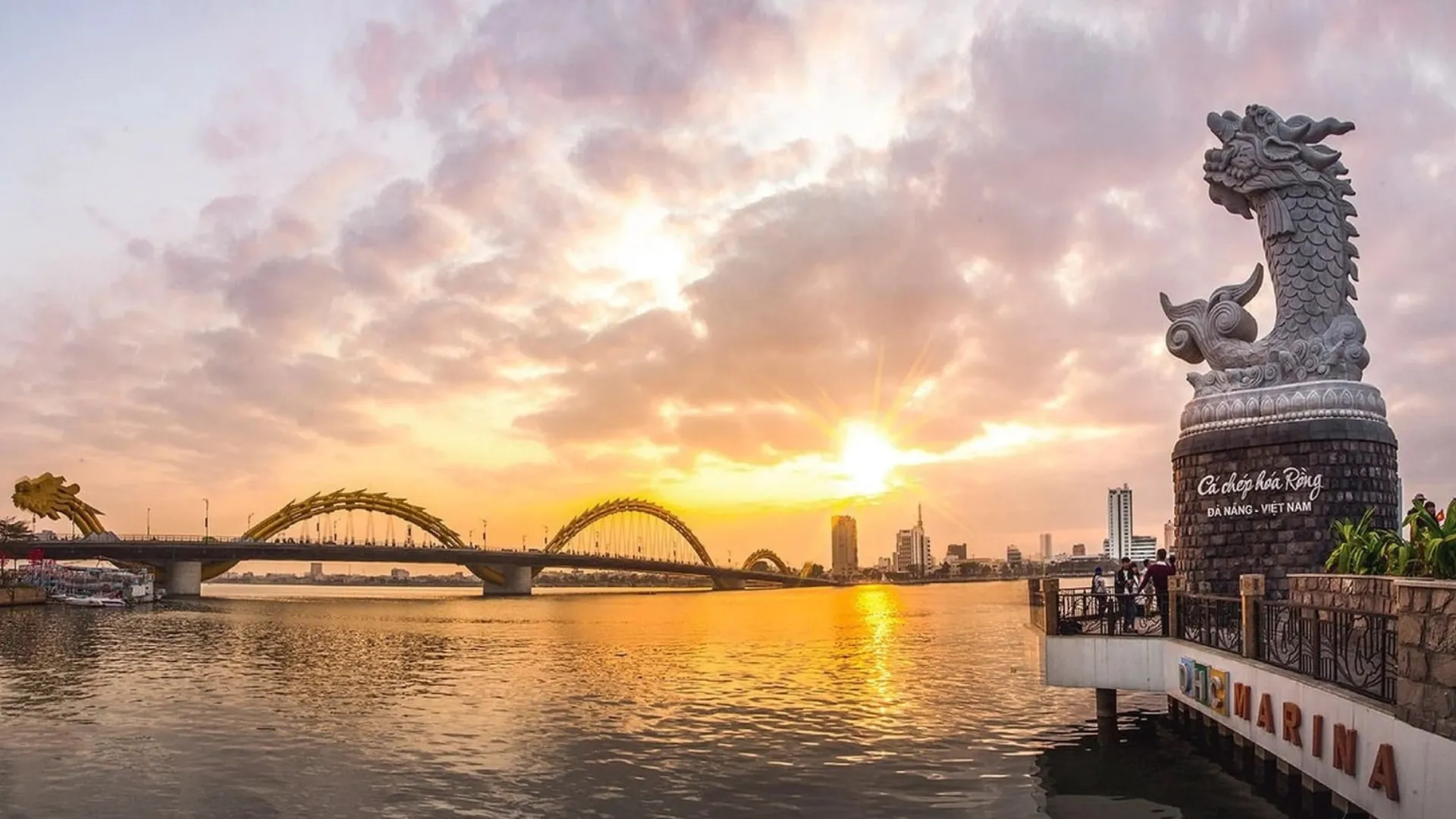
Mui Ne is Vietnam’s wind-sport capital and sand dune destination — a 15-kilometre coastal strip in Binh Thuan Province, 200 kilometres east of Ho Chi Minh City, where red and white sand dune systems rise directly from the South China Sea coast. Famous for the most consistent kitesurfing wind in mainland Vietnam, extraordinary desert-beach dune landscapes, and a long-established backpacker village atmosphere, Mui Ne offers a beach experience unlike anywhere else in the country.
This guide covers everything: the red and white sand dunes, how kitesurfing works, the Fairy Stream, the fishing villages, when to visit, how to get there, where to stay on the strip, and the honest local knowledge that most Mui Ne content misses.
Jump to: Why Mui Ne | Things to Do | Sand Dunes Guide | Kitesurfing | Best Time to Visit | Getting There | Where to Stay | 2-Day Itinerary | Travel Tips | FAQ
Mui Ne Beach at a Glance


| Quick Fact | Details |
|---|---|
| Location | Binh Thuan Province, South-Central Vietnam — 200 km east of Ho Chi Minh City |
| District | Technically two areas: Mui Ne village (fishing community) and Phan Thiet city (10 km south) — most tourists use “Mui Ne” to mean the beach resort strip between them |
| Distance from HCMC | ~200 km / 4–5 hrs by bus or private car |
| Best Time to Visit | November–April (northeast monsoon = dry season + wind season for kitesurfing) |
| Recommended Stay | 2 nights minimum; 3–4 nights for kitesurfing lessons |
| Key Highlights | White Sand Dunes · Red Sand Dunes · Fairy Stream · Mui Ne Fishing Village · Po Shanu Cham Tower |
| Kitesurfing Season | November–April — the most consistent kitesurf wind in Vietnam |
| Main Beach | Mui Ne Beach — along Ham Tien and Mui Ne Road. Generally brown water and moderate surf; better for aesthetics than swimming. |
| Nearby Beaches | Rang Beach (clearer water, 5 km) · Suoi Nuoc Beach (15 km east) |
Why Visit Mui Ne? An Honest Local Perspective
Mui Ne requires honest framing because it is one of the most divisive destinations in Vietnam among experienced travelers — some love it deeply, others arrive expecting a beach paradise and feel mildly disappointed. Understanding why requires separating what Mui Ne actually is from what it’s sometimes marketed as.
Mui Ne is not primarily a swimming beach. The main beach strip has brownish water affected by river discharge and the local fishing fleet activity — it looks more appealing than it swims. The real Mui Ne is a wind sport destination with extraordinary sand dune landscapes that don’t exist anywhere else in Vietnam, a genuine working fishing culture, and a laid-back, long-established backpacker strip that has maintained its character despite considerable resort development.
What Mui Ne genuinely offers that justifies the visit:
- The most consistent kitesurfing wind in Vietnam. The northeast monsoon (November–April) delivers steady 15–25 knot winds along the Mui Ne beach strip with remarkable consistency — the best conditions for kitesurfing on the Vietnamese mainland. This is the primary reason Mui Ne exists as an international destination; the kite schools, instructors, and beach infrastructure built around this wind make it one of Southeast Asia’s most accessible kitesurfing learning destinations.
- The sand dune landscapes are genuinely extraordinary. The white sand dunes (Bau Trang) 25 km north of Mui Ne town form a genuine desert landscape — white dune ridges around a freshwater lake in an environment that looks entirely unlike tropical Vietnam. The red sand dunes adjacent to the town are smaller but more dramatically coloured and more accessible. Neither appears anywhere else on the Vietnam coast. The contrast between the desert dunes and the ocean visible from the dune crests is visually striking.
- The Mui Ne fishing village is one of the most photogenic in southern Vietnam. The traditional fishing community at the eastern end of Mui Ne village — with its circular woven bamboo fishing boats (thuyền thúng), its morning catch sorting activity, and its colourful boat fleet — is a working cultural landscape that tourism has not yet homogenised. The early morning visit (5:30–7:30 AM) is the most rewarding.
- The Fairy Stream is a genuinely pleasant walk. The Suoi Tien (Fairy Stream) — a shallow, ankle-deep creek running between red clay banks, white sand formations, and jungle canopy for 2 km — is an easy barefoot walk that provides the most accessible version of Mui Ne’s distinctive landscape combination. Unlike the dunes (which require early starts or quad bikes), the Fairy Stream is pleasant at any time of day and genuinely free.
- The strip has maintained a genuine backpacker character. Despite the arrival of large beach resorts, the core Mui Ne/Ham Tien strip retains an authentic, long-established independent traveler atmosphere — cheap seafood restaurants, long-running kite schools, guesthouses with genuine character, and a pace that doesn’t demand constant activity. It is one of the few beach strips in southern Vietnam where sitting still for a day is the right choice rather than the lazy one.

Best Things to Do in Da Nang
1. White Sand Dunes (Bau Trang)
The most spectacular natural site in the Mui Ne area — a genuine desert landscape 25 km north of the resort strip, where white sand dunes up to 40 metres tall surround a freshwater lake (Bau Trang, “White Lake”). The combination — white sand dunes, blue water, and the visible ocean horizon 3 km away — is one of the most unexpected landscapes in Vietnam. The dunes are best experienced at dawn (reaching the dunes by 5:30 AM for the sunrise over the sand ridges) or late afternoon (4:00–5:30 PM for the golden light on the white sand). Midday visits in full sun are harsh and the dunes less photogenic. Access: 25 km by motorbike or taxi from Mui Ne town (~35–40 min). Entry: 5,000 VND. Sandboarding available on the smaller dunes with hired boards (50,000 VND).
Honest note on the children selling services: The white dunes have a persistent community of children renting plastic sandboards and offering guided walks. This is a complex local economic dynamic — the children are generally from the nearby communities and the small income supplements family resources. A polite but firm decline is fine; the sand experience does not require any paid guide or equipment beyond what you bring yourself.
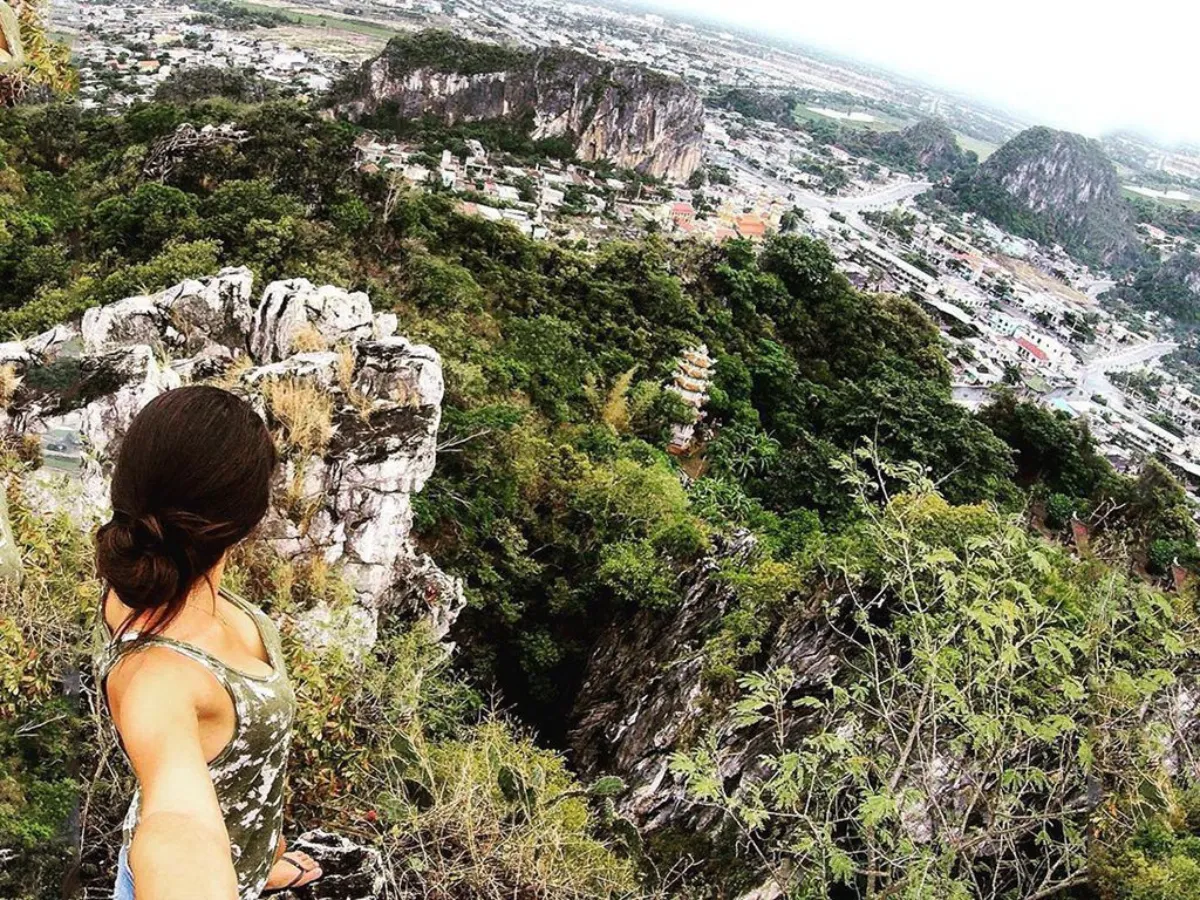
Marble Mountains in Da Nang
The Vietnam’s Spiritual Landmark
2. Red Sand Dunes (Doi Cat Do)
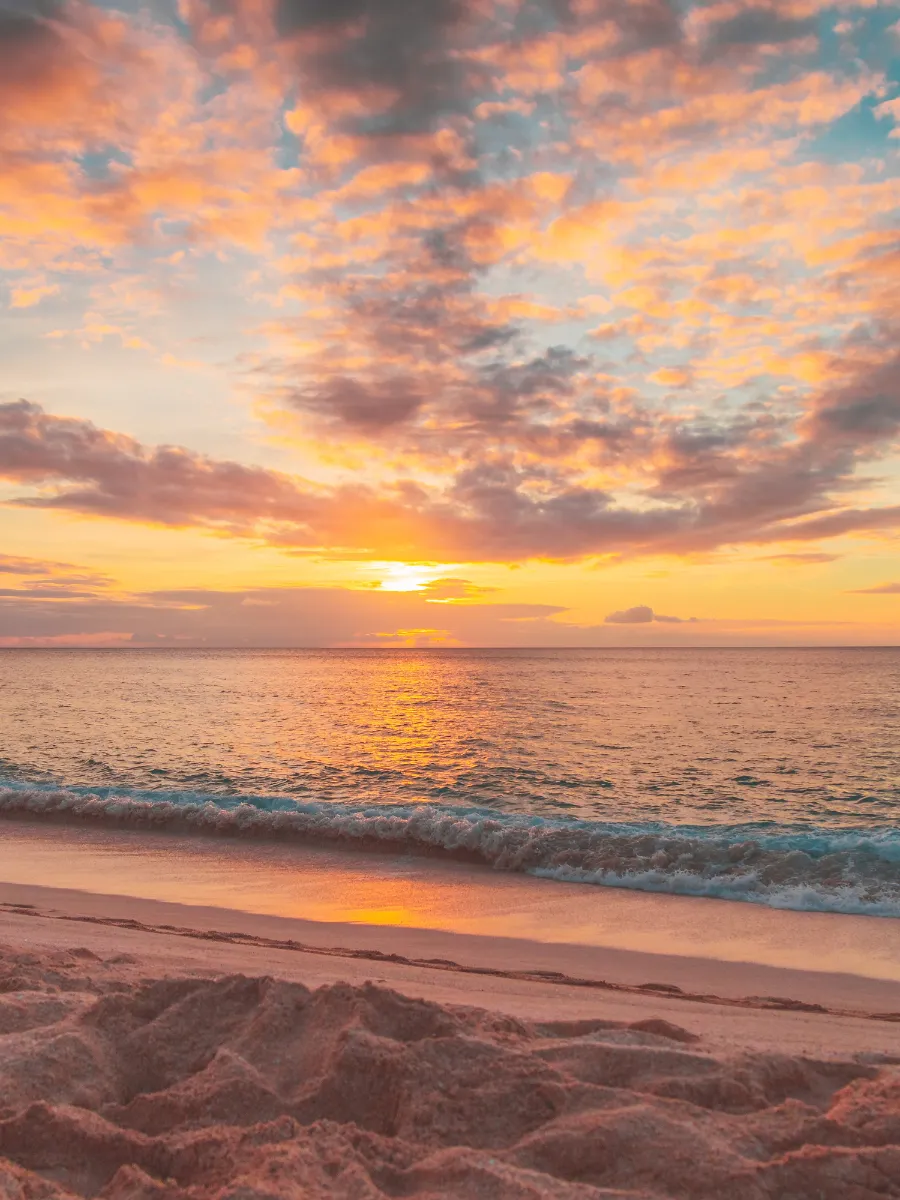
The red dunes are the more accessible and more photographically immediate dune experience — located directly in Mui Ne village, walkable from the main resort strip (or a 5-minute motorbike ride). The terracotta-red colour of the compressed iron-oxide sand — particularly vivid at sunset — against the South China Sea horizon produces some of the most distinctively Mui Ne photographs available. Smaller than the white dunes and less of a landscape experience, but easier to reach and excellent in the late afternoon light. Entry: free. Sunset is the correct timing: 5:00–6:15 PM depending on the time of year.
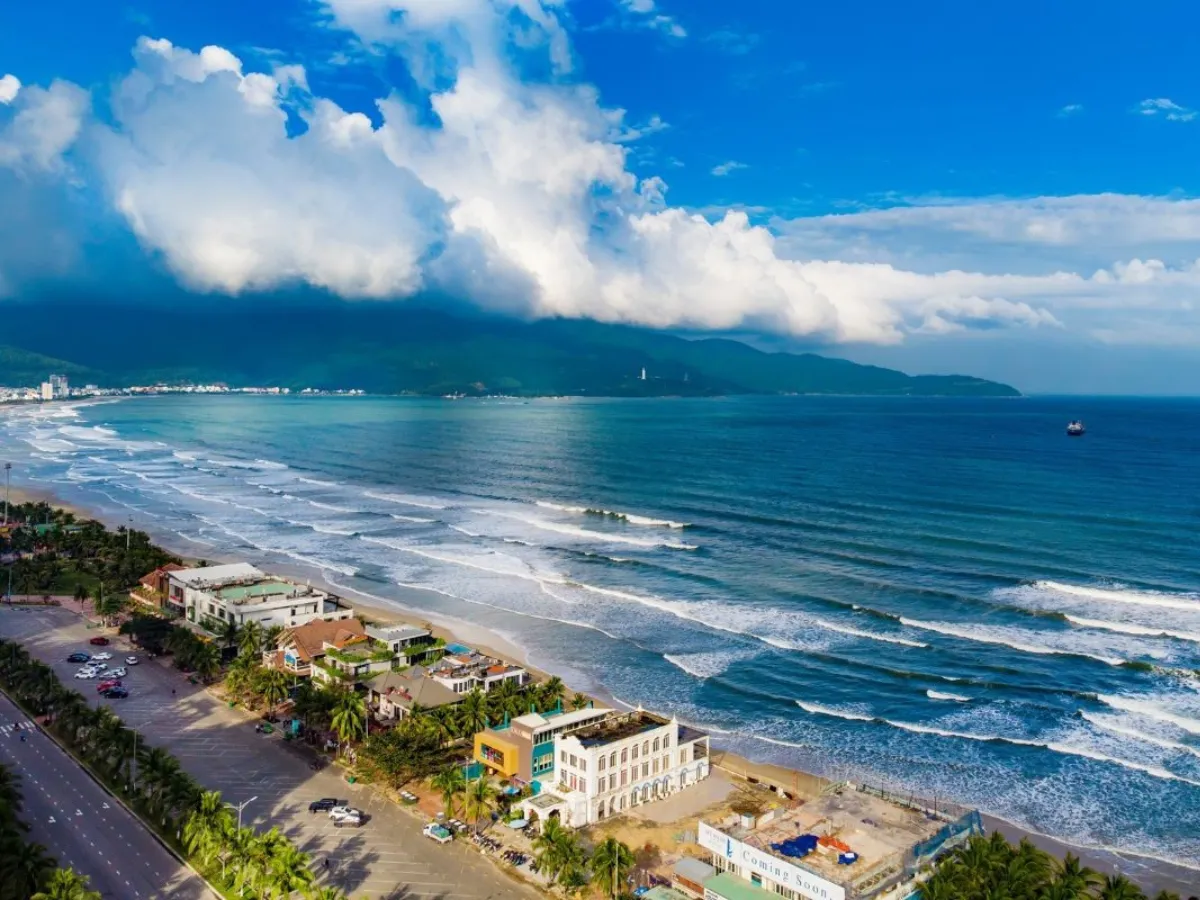
My Khe Beach
Best Beach in Da Nang Vietnam
3. Fairy Stream (Suoi Tien)
A 2 km barefoot wade along a shallow creek (ankle to knee depth) between red and white clay banks, bamboo jungle canopy, and occasional exposed sand formations. The stream runs from the beach inland through a landscape that gradually shifts from coastal to canyon-like as the clay banks increase in height. The combination of cool water underfoot, the red clay walls towering above, and occasional sections where white sand formations create cave-like spaces is genuinely surprising for a walk that requires no equipment, no guide, and no entry fee. Remove shoes at the beach entrance; the stream bed is sandy and comfortable. The walk takes 45–60 minutes one way (return the same route or exit at the road end). Best in the morning before noon heat.
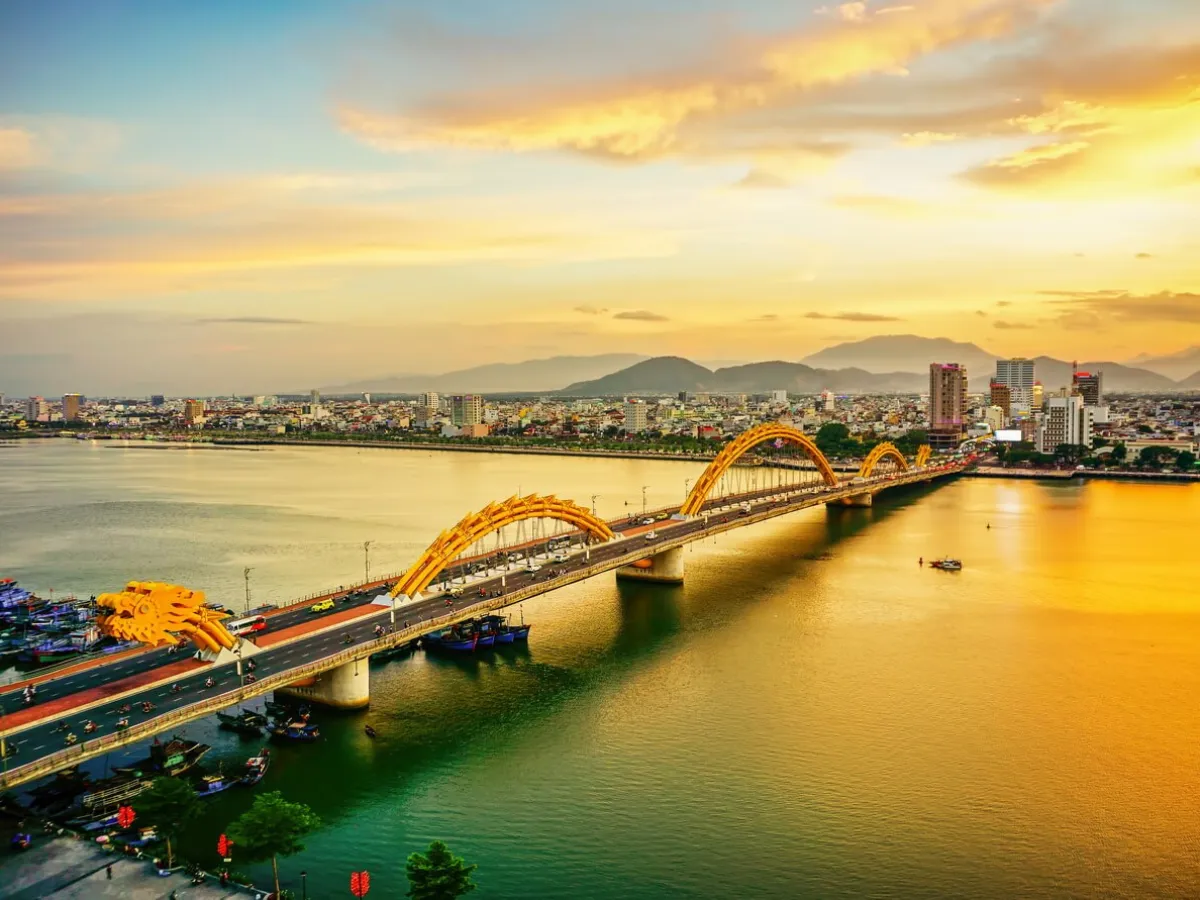
The Dragon Bridge
Iconic Landmark in Central Vietnam
4. Mui Ne Fishing Village (Early Morning)
The traditional fishing village at the eastern end of Mui Ne — distinct from the resort strip — maintains one of the most photogenic working boat cultures in southern Vietnam. The round bamboo coracle boats (thuyền thúng) characteristic of central and south-central Vietnamese fishing communities are launched and retrieved from the beach here; the morning activity (4:30–8:00 AM) involves the fleet returning from overnight fishing, the catch being sorted and sold directly on the beach, and the boats being pulled above the tide line by teams of fishermen. The colour, scale, and activity of this early morning scene are extraordinary. No entry requirement; no guide needed. Arrive before 6:00 AM for the peak activity window.
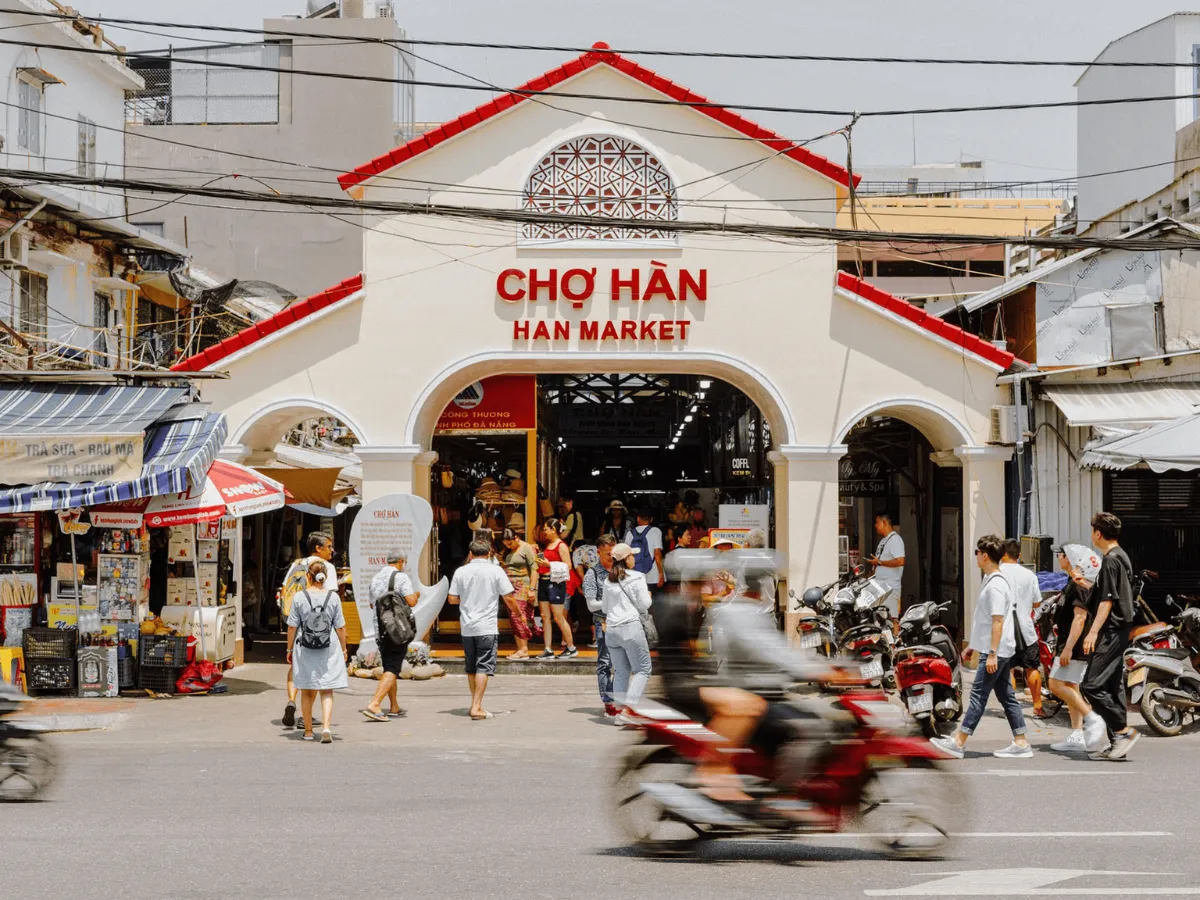
Han Market in Da Nang
Ideal place for local & traditional products
5. Po Shanu Cham Tower
The most complete Cham tower complex in the Binh Thuan Province — three brick towers dating from the 8th–9th century on a hill above Phan Thiet city, 10 km from Mui Ne. Smaller and less spectacular than Nha Trang’s Po Nagar towers but set in a position with views over the coast and the Phan Thiet river mouth. Worth visiting for the Cham cultural context and the hill viewpoint rather than for architectural grandeur. Entry: 10,000 VND. Allow 30–45 minutes. Combine with a visit to Phan Thiet town and the Phan Thiet Water Tower (a French colonial landmark) for a half-day cultural circuit from Mui Ne.
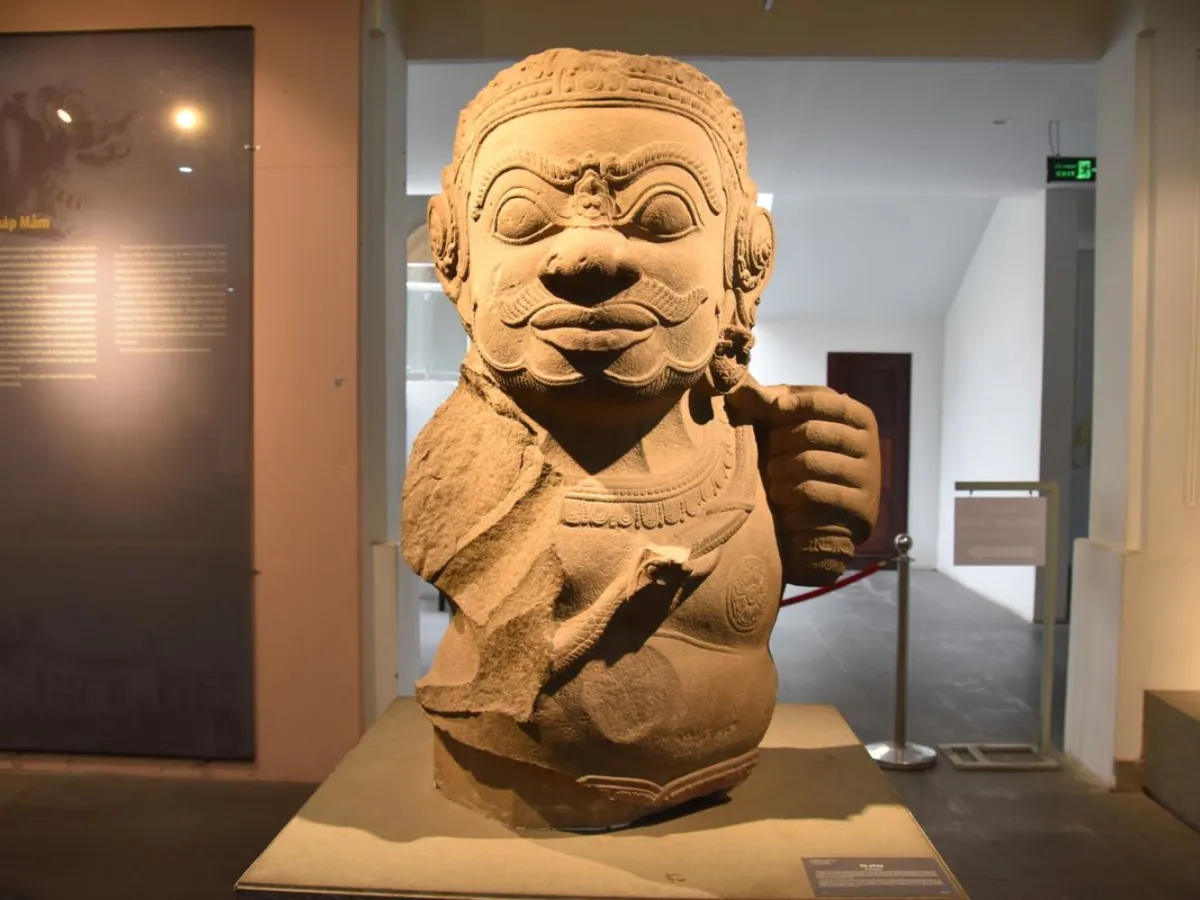
Da Nang Museum of Cham Sculpture
The Cham Arts
6. Phan Thiet City — Underrated Day Trip
Phan Thiet, 10 km south of the Mui Ne resort strip, is the provincial capital that most resort visitors never bother to visit. It has a genuinely pleasant riverside area along the Phan Thiet River, excellent local seafood restaurants (significantly cheaper than the resort strip), the old French Quarter with colonial architecture, and the Phan Thiet Fish Sauce Museum — Binh Thuan Province produces some of Vietnam’s best fish sauce, and the production process (months of anchovy fermentation in wooden barrels) is documented here in a way that’s both informative and aromatic. The morning market (6:00–9:00 AM) on the south bank of the river is the best local food experience accessible from Mui Ne.

Ba Na Hills Day Trip from Da Nang
The French Village
7. Da Lat Day Trip from Mui Ne
A day trip from Mui Ne Beach to Da Lat flower city offers a refreshing journey from coastal sand dunes to the cool mountain landscapes of Vietnam’s Central Highlands. Famous for pine forests, waterfalls, flower gardens, and French colonial charm, Da Lat is the perfect escape from Mui Ne’s tropical heat. Travelers can explore scenic attractions like Cam Ly waterfall, Ho Xuan Huong lake, Love valley, local coffee farms, and vibrant markets while enjoying one of the most beautiful road trips in Southern Central Vietnam.

Hoi An Day Trip fom Da Nang
Thu Bon River Boat Ride
Mui Ne Sand Dunes: The Complete Guide
Mui Ne has two distinct sand dune systems with completely different characters — understanding the difference before you visit helps sequence them correctly and manage expectations for each:
| Dune System | Location | Scale | Colour | Best Time | Access | Entry |
|---|---|---|---|---|---|---|
| White Sand Dunes (Bau Trang / Dong Cat) | 25 km north of resort strip | Large — dune ridges up to 40 m tall surrounding a freshwater lake | Brilliant white — almost lunar in appearance | Dawn (5:00–7:00 AM) or late afternoon (4:00–5:30 PM) | Motorbike or taxi: 35–40 min | 5,000 VND |
| Red Sand Dunes (Doi Cat Do) | In Mui Ne village — 1 km from resort strip | Smaller — individual dunes 10–20 m tall | Deep terracotta red — colour intensifies at sunset | Sunset (5:00–6:15 PM) for best colour saturation | Walkable from the strip or 5-min motorbike | Free |
Practical Dune Tips
- Dawn at the white dunes requires leaving Mui Ne by 4:30–5:00 AM — 25 km on a motorbike in the dark. This is the correct approach for photographers. The sunrise over the white dune ridges with the freshwater lake below is among the most photogenic moments available in southern Vietnam. Pack a head torch for the walk from the parking area to the dune crest.
- Sandboarding at the white dunes is genuinely fun but the children offering board rental will be persistent. Agree on a price (50,000 VND for a board, per session) before taking the board — not after. The short sledge run down the smaller practice dunes is good for first-timers; the larger dune crests offer faster rides but require carrying the board back up.
- Jeep or quad bike tours to the white dunes are the most common tour format offered by Mui Ne guesthouses and tour operators. A standard jeep tour covers the white dunes, red dunes, Fairy Stream, and fishing village in a single morning (departing 4:30–5:00 AM): $15–$25 per person for a shared jeep, $40–$60 for a private vehicle. Convenient but the pace is too fast for photographers or those who want genuine dune exploration time. A private motorbike gives more flexibility.
- The white dunes freshwater lake (Bau Trang) is swimmable in dry season — the water is cool, clean, and genuinely refreshing after the dune walk in morning heat. Bring a swimsuit for the dawn visit.
Want a Mui Ne trip that covers the dunes at the right time — and the kitesurfing, Fairy Stream, and fishing village in the right sequence? Our Vietnam-based team arranges Mui Ne packages from HCMC with all logistics handled. Message us on WhatsApp →
Kitesurfing in Mui Ne: The Honest Guide
Kitesurfing is the defining activity of Mui Ne’s identity as a travel destination — and the reason experienced water sport travelers specifically plan trips around the November–April wind season. Here is the complete practical guide:
The Wind
The northeast monsoon creates the consistent, side-offshore wind that makes Mui Ne one of Southeast Asia’s most reliable kitesurfing locations. The wind typically blows at 15–25 knots from November through April, with January and February being the peak months (25–30 knots regularly, suitable for experienced kiters). March and April moderate slightly (15–20 knots on average) — better for beginners. The wind blows consistently from mid-morning (10:00 AM) to late afternoon (5:00–6:00 PM) on most days in peak season, with light or no wind in the mornings — giving kitesurfers a predictable daily session window.

Learning to Kitesurf
Mui Ne is one of the best places in the world to learn kitesurfing — consistent wind, shallow water (the beach is sandy with a gradual depth gradient), warm water temperature (26–29°C year-round), and a concentration of experienced international instructors create ideal learning conditions. The standard IKO certification course runs 9–12 hours of instruction split across 3–4 days; most students can ride independently by the end of the course.
| Course Type | Duration | Cost (approx.) | Outcome |
|---|---|---|---|
| Discovery Session (taster) | 2–3 hrs | $60–$80 | Basic kite control on the beach. Good introduction before committing to a full course. No riding in the water. |
| IKO Level 1–2 Full Course | 9 hrs (3 days) | $280–$380 | Body dragging, board control, water start. IKO certification. Most students riding short distances by end of Day 3. |
| IKO Level 1–3 Complete | 12 hrs (4 days) | $360–$480 | Full independent riding, upwind riding, basic safety protocols. The most common package for first-time learners. |
| Equipment Rental (experienced kiters) | Half day / full day | $40–$70 / day (kite + bar + board) | For IKO-certified riders who bring their own skills. Wind assessment and site briefing included. |
Recommended Kite Schools
- C2Sky Kiteboarding: The most consistently well-reviewed kite school in Mui Ne — IKO certified, international instructors, good equipment maintenance, maximum student-to-instructor ratio of 1:1 for initial lessons. German-founded, multilingual instruction.
- Kitesurf Vietnam (C2Sky group): Associated with C2Sky, running from the same beach with the same standards. Often has more availability for same-week bookings than the main C2Sky operation.
- Storm Kiteboarding: Strong reputation for advanced coaching and progression. Particularly recommended for riders with some prior kite experience who want focused technical improvement.
Honest advice on timing: If kitesurfing is your primary reason for visiting Mui Ne, January and February offer the most consistent and strongest wind — ideal for progression and advanced riding. If you’re a beginner, March and April’s slightly lighter and more consistent 15–20 knot wind is easier to learn in than the gustier January conditions. November and early December are good but the season is just beginning — some schools are still assembling their full instructor team.
Non-Kitesurf Wind Sports
The same wind that makes Mui Ne excellent for kitesurfing also supports windsurfing (several rental and lesson operations exist on the strip), wing foiling (a newer discipline growing quickly at Mui Ne), and land sailing on the wider beach sections. If kitesurfing is beyond your budget or physical comfort, windsurfing lessons ($40–$60 for 2 hours) provide a similar wind-sport experience at lower cost and lower initial learning curve.
Best Time to Visit Mui Ne: Month-by-Month Guide
Mui Ne’s season is driven almost entirely by wind — the northeast monsoon that defines the kitesurf season also defines the beach weather. The result is one of the clearest seasonal patterns of any destination in this guide series.
| Period | Conditions | Wind (kitesurfing) | Beach | Verdict |
|---|---|---|---|---|
| Nov – Dec ⭐ | 26–30°C / 79–86°F. Dry, wind building through the months | Good to excellent — 15–25 knots building toward December | Good — dry, some swell but manageable | Good. The start of the kite season — wind is picking up and reliable from mid-November. December is excellent for intermediates. Fewer tourists than January–February. Slightly drier and less developed wind than peak months. |
| Jan – Feb ⭐⭐ | 24–28°C / 75–82°F. Dry, clear, cooler than summer. Strongest wind of the year. | Peak wind — 20–30 knots, most consistent | Excellent dry season conditions — clear sky, blue water on better days | Best for kitesurfing. The peak wind window — when experienced kiters come for the strongest and most consistent conditions. The strip is at its busiest with the international kite community. Beginners may find the strong January wind more challenging; excellent for those with some experience. |
| Mar – Apr ⭐ | 26–32°C / 79–90°F. Warming, still dry, wind moderating | Good — 15–20 knots, lighter and more consistent than January | Good — dry, calm, clear | Best for beginners. The moderate wind of March–April is ideal for learning kitesurfing — consistent enough for progression, not so strong as to be challenging. Warm, dry beach weather. Fewer kiters than peak season. Good beach and dune conditions. |
| May – Aug | 28–34°C / 82–93°F. Hot, beginning of southwest monsoon, intermittent rain | Variable — southwest monsoon disrupts the kite wind pattern. Wind unreliable for kitesurfing. | Acceptable — some rain, water warmer | Not recommended for kitesurfing. Beach visits are possible but the landscape experience (particularly the white dunes in monsoon light) is less spectacular. The Fairy Stream and fishing village are year-round activities. Significantly fewer tourists — good for budget-focused visits without kite priority. |
| Sep – Oct ⚠️ | 26–30°C / 79–86°F. Rainy season proper. Some storm risk. | Poor — no reliable kite wind. Storm risk. | Rough seas, some beach closures | Avoid for most purposes. The rainy season peak in south-central Vietnam. The dunes are less photogenic in overcast light. The beach is rough. Very few tourists — budget options are good but the experience trade-off is significant. |
The bottom line on timing: Visit Mui Ne between November and April. Full stop. The other months have their own character — the empty beach strip, the green dunes, the low prices — but the reasons most travelers visit Mui Ne (wind sports, desert dune landscapes, beach relaxation) are all best between November and April. Visiting in July is not wrong; it is just a different trip to a destination whose primary identity is built around the northeast monsoon.
How to Get to Mui Ne?

| Route | Duration | Cost (approx.) | Best For |
|---|---|---|---|
| Sleeper bus from Ho Chi Minh City (direct) | 4.5–5.5 hrs | $7–$12 pp | Most common approach. Phuong Trang (FUTA) runs the most reliable direct service — departures from District 1 and the Eastern Bus Station throughout the day. The sleeper bus drops directly at Mui Ne resort strip. Comfortable, air-conditioned, affordable. Book online at futabus.vn or at the station. |
| Private car from HCMC | 4–5 hrs | $70–$90 (whole car) | Groups of 3–4, families, those wanting flexibility. Door-to-door from HCMC hotel to specific Mui Ne guesthouse. Allows stops (particularly the Dragon Fruit farms along the highway through Binh Thuan — the province produces 80% of Vietnam’s dragon fruit and the roadside stalls are excellent in season). |
| Train from HCMC to Phan Thiet + taxi to Mui Ne | 3–4 hrs (train) + 30 min (taxi) | $8–$20 pp (train) + $8–$10 (taxi) | Train enthusiasts. The HCMC–Phan Thiet route opened in 2023 on a dedicated suburban line — faster than the bus and more comfortable. From Phan Thiet station, a Grab taxi to the Mui Ne strip costs 80,000–120,000 VND. Check current service schedule as frequency is still developing. |
| From Nha Trang by bus or car | 4–5 hrs by bus / 3.5–4 hrs by private car | $8–$15 pp (bus) / $60–$80 (car) | Travelers doing the south-central coastal circuit. Phuong Trang runs a direct Nha Trang–Mui Ne service. The coast road between the two cities passes through some of Binh Thuan Province’s most dramatic scenery — the red rock formations at Ca Na headland and the white sand coast north of Mui Ne are the highlights. |
Getting around Mui Ne: The resort strip is 15 km long — too long to walk comfortably but well-served by motorbike. Rental: 150,000–200,000 VND/day for a semi-automatic; this is the standard local transport. Grab operates in Phan Thiet and covers most of the Mui Ne strip. Taxis and xe om are available but agree on prices before getting in. Bicycles work for the immediate beach strip area but not for the white dunes (25 km) or Phan Thiet city (10 km).
Where to Stay in Mui Ne?
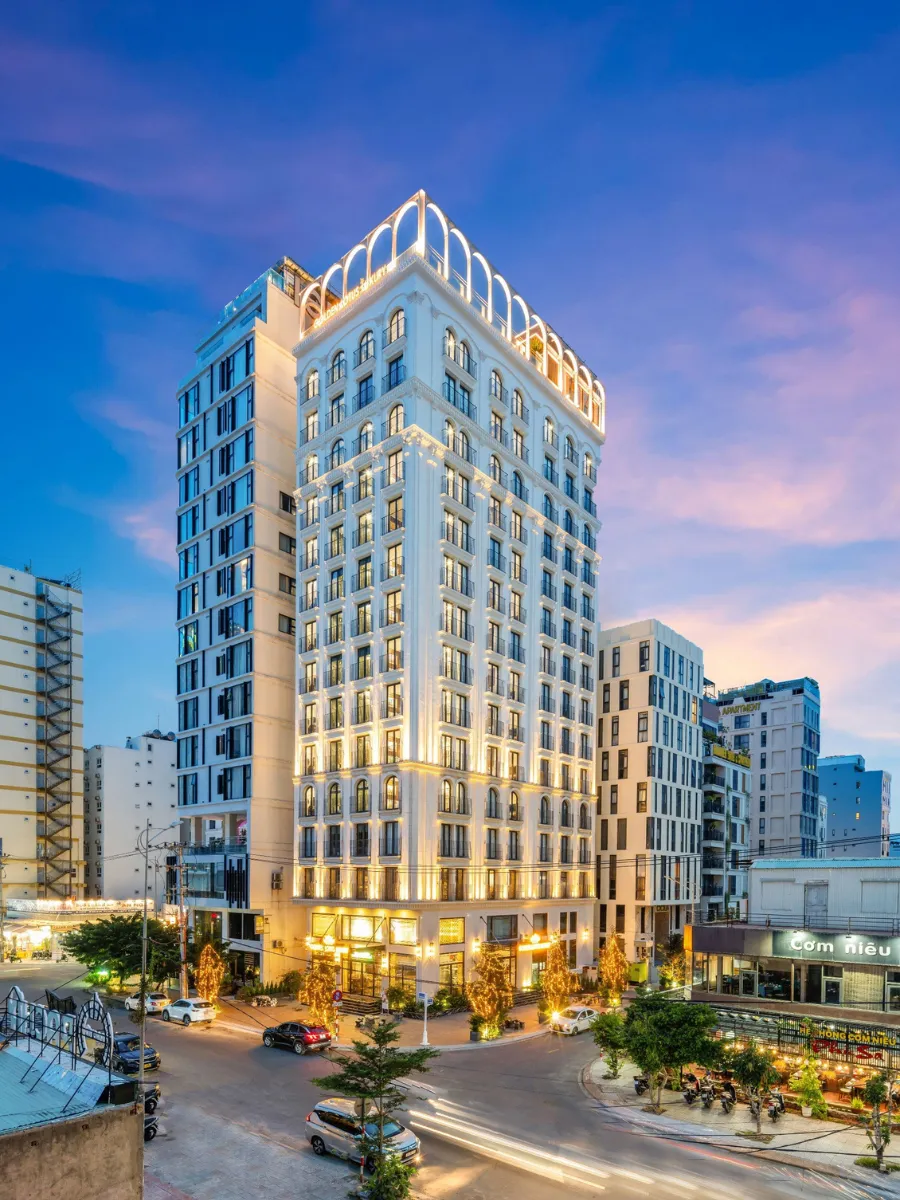
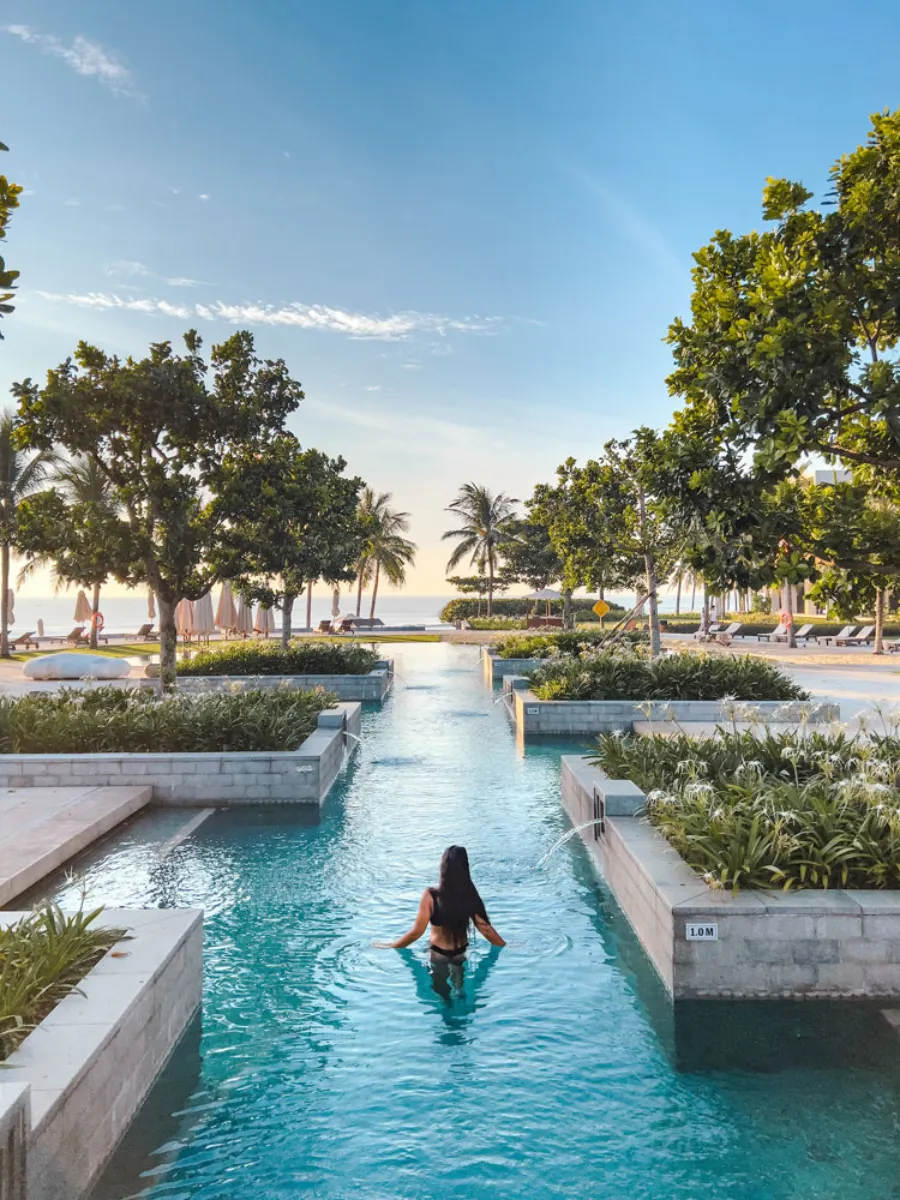
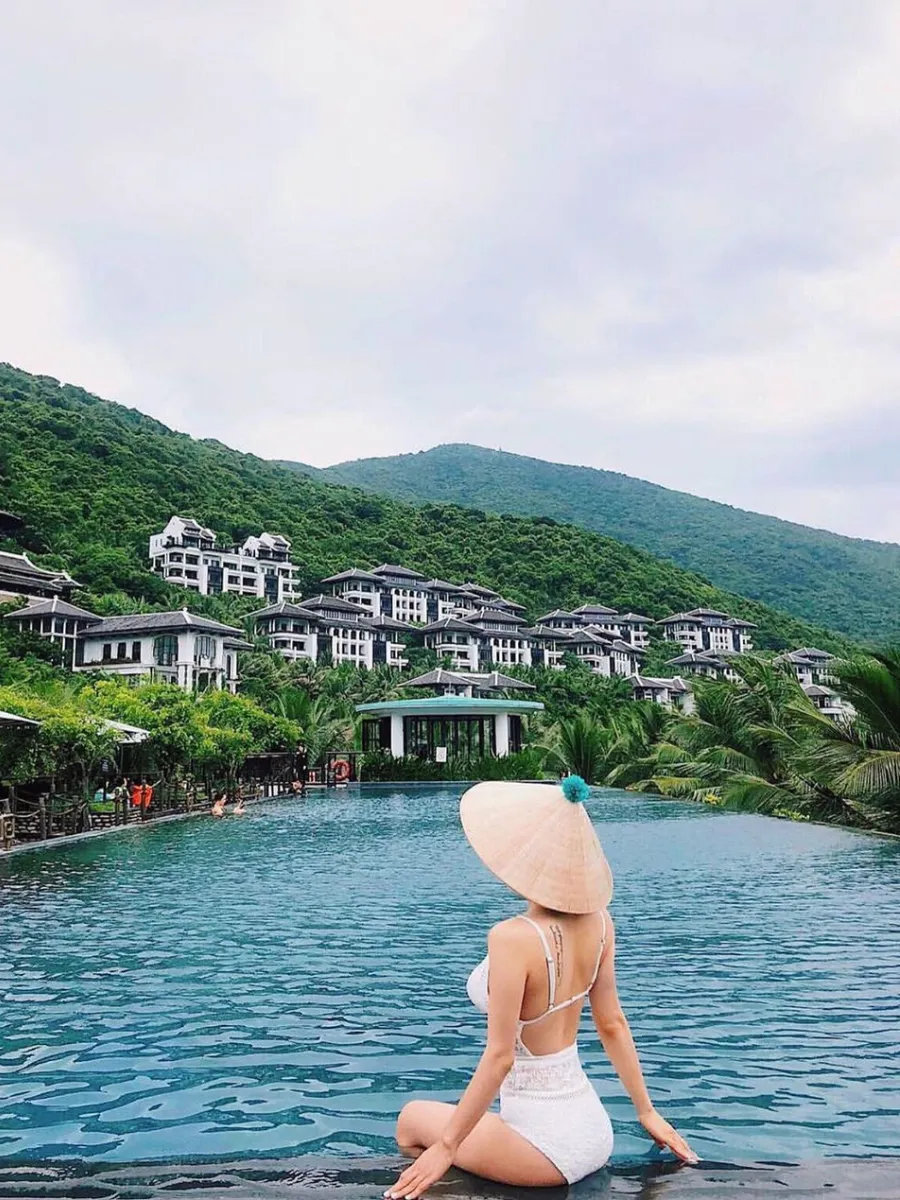
The Mui Ne resort strip runs roughly 15 km from Phan Thiet city (south) to Mui Ne village (north), with accommodation concentrated in two zones — the Ham Tien beach road (the main resort strip) and the Mui Ne village area closer to the fishing community.
| Area | Best For | Vibe | Average Range (per night) |
|---|---|---|---|
| Ham Tien Road (main strip, km 12–18) | Most visitors — convenient, central, all facilities | The highest concentration of guesthouses, restaurants, kite schools, and tour operators. The heart of the backpacker and independent traveler zone. Noisy near the kiteboarding beach; quieter in the northern sections toward the fishing village. | $15–$100 |
| Mui Ne Village end (km 18–20) | Quieter stays, fishing village access, less commercial | The eastern end of the strip, closest to the Mui Ne fishing village. Quieter than the kite school zone. Some excellent guesthouses with genuine garden or beachfront character. The red dunes are a 5-minute walk. | $20–$80 |
| Kite beach zone (km 10–13) | Kitesurfers, wind sport enthusiasts | The section of beach with the most consistent kite wind — most kite schools are based here. Accommodation ranges from budget to mid-range. Can be windy and sandy on strong wind days. Perfect positioning for kite session access. | $15–$70 |
| Luxury resort section (Phan Thiet – Ham Tien) | Beach resort experience, families, honeymooners | The southern end of the strip, closest to Phan Thiet, where larger resort properties (TTC Resort Premium, The Anam, Sailing Club Mui Ne) have beach frontage, pools, and full resort facilities. | $80–$400+ |
Our recommendation: For kitesurfers, stay in the kite beach zone (km 10–13) — proximity to the kite school and the best wind section is the primary practical requirement. For non-kitesurfers, the Mui Ne Village end (km 18–20) gives the most pleasant combination: quieter atmosphere, fishing village access, red dune proximity, and good guesthouse character. Avoid the deep southern resort section if you want genuine backpacker strip atmosphere and walkable restaurant access.
2-Day Mui Ne Itinerary: The Best Structure for First-Time Visitors
2-Day Mui Ne Beach Itinerary – Sand Dunes, Seafood & Coastal Relaxation: Escape to the sunny shores of Mui Ne, famous for its golden beaches, dramatic sand dunes, fresh seafood, and laid-back coastal atmosphere. Explore highlights like the White Sand Dunes and colorful fishing villages while enjoying one of Vietnam’s best beach destinations. This 2-day itinerary is perfect for travelers seeking relaxation, adventure, and scenic coastal experiences in Southern Vietnam.


Day 1: Arrive → Fairy Stream → Red Dunes Sunset → Fishing Village Dawn (next morning)
- Arrive Mui Ne (by bus from HCMC or Nha Trang — most buses drop directly on the strip). Check in to guesthouse. Leave luggage and orient yourself to the strip layout.
- 11:00 AM: Fairy Stream (Suoi Tien) — remove shoes at the beach entry point and wade upstream along the shallow creek. The 2 km walk takes 45–60 minutes each way; most visitors turn around at the point where the clay banks reach their maximum height (approximately 1.5 km in). The middle section — where the banks are 10–15 m high on both sides and the stream is the only route forward — is the most atmospheric. Return the same way. Bring a waterproof bag for your phone.
- 1:30 PM: Lunch at a local restaurant on the strip. Bánh căn (Binh Thuan’s specific mini rice pancakes in cast iron moulds with eggs and toppings) and fresh seafood. The strip has good seafood at better prices than Ho Chi Minh City.
- 3:00 PM: Brief beach rest — the main beach, despite the brown water caveat, is excellent for lying in the sun and reading. The wind and the kite show offshore is genuinely entertaining to watch.
- 5:00 PM: Red Sand Dunes (Doi Cat Do) — walk or motorbike (5 min) to the red dunes. Position at the dune crest for sunset — the terracotta colour intensifies from 5:15 PM until dusk. Allow 60 minutes. The most accessible and most immediately rewarding of the two dune systems. Free entry.
- 7:00 PM: Seafood dinner — the best seafood dinners on the Mui Ne strip are at the restaurants that display fresh catch in iced trays at the entrance: point at what you want, specify the preparation. Grilled tiger prawns, steamed crabs, and calamari with salt and chilli are the staples. Budget: 250,000–450,000 VND for two.
- Pre-dawn plan: Set two alarms for Day 2 — one for the white dunes (4:30 AM departure required) and one for the fishing village (5:30 AM ideal). Confirm motorbike rental is available before you sleep.
- Overnight in Mui Ne
Day 2: Dawn Fishing Village → White Dunes → Beach Afternoon → Depart
- 5:00 AM: Mui Ne Fishing Village. Walk or motorbike 5 minutes east to the fishing community. By 5:15 AM the returning fleet is visible from the beach — round bamboo coracle boats coming through the surf break, the catch being landed and sorted by lamplight as dawn approaches. The full activity lasts until approximately 7:30 AM. This is one of the most photogenic early morning scenes in southern Vietnam. No equipment required — just presence.
- 7:30 AM: Return to guesthouse for breakfast.
- 8:30 AM: Depart by motorbike for the White Sand Dunes (Bau Trang) — 25 km north, 35–40 min ride. The early morning light (by the time you arrive, 9:15–9:30 AM) is past the ideal dawn window but still far better than midday. Walk to the lake, swim if conditions allow, explore the larger dune ridges. Sandboarding optional. Allow 2 hours total at the dunes.
- 12:00 PM: Return to Mui Ne. Lunch and beach rest.
- 2:00 PM: Phan Thiet town (10 km south by motorbike, 20 min) — the Po Shanu Cham Tower (30 min, hilltop viewpoint), the Phan Thiet Fish Sauce production area, and the riverside market for late afternoon atmosphere. The town is quieter and more local in character than the resort strip.
- 5:00 PM: Return to Mui Ne. Final sunset from the strip — the kites in the wind against the orange sky are the definitive Mui Ne image.
- 7:00 PM: Final dinner on the strip. Depart by evening Phuong Trang bus back to HCMC (multiple departures from 5:30 PM–10:30 PM) or overnight at Mui Ne for a third night (add kitesurfing lesson on Day 3).
- Depart toward HCMC or overnight Mui Ne for kitesurfing
Adding Kitesurfing to Your Mui Ne Trip?
Our Vietnam-based team arranges Mui Ne kitesurfing packages — IKO lesson booking with the best schools on the strip, accommodation near the kite beach, and the right timing window for the wind conditions that match your experience level. We also design the full HCMC + Mui Ne + Nha Trang south-central circuit. Most guests receive their plan within 4 hours.
Request Your Free Mui Ne Itinerary →
Tell us your travel dates, whether kitesurfing is a priority, and your experience level. No ob
Chat with a Travel ExpertSale!
Private Mai Chau Day Trip And Waterfall & Hot Spring Bath

Place
Mai Chau

Duration
1D
Original price was: 175$.125$Current price is: 125$.
Sale!
Authentic Hanoi Day Tour | Incense Village & Duong Lam Ancient Village
Place
Hanoi
Duration
1D
Original price was: 120$.105$Current price is: 105$.
Sale!

Hanoi Cycling Tour | Bat Trang, Kim Lan & Xuan Quan Flower Villages
Place
Bat Trang
Duration
1D
Original price was: 65$.55$Current price is: 55$.
Sale!

Half-Day Hanoi City Tour | Explore Iconic Landmarks in Just Few Hours
Place
Ha Noi
Duration
1D
Original price was: 50$.35$Current price is: 35$.
Sale!

Exclusive Hanoi Street Food Tour | Discover Hanoi’s Best Eats on Foot
Place
Ha Noi
Duration
1D
Original price was: 50$.35$Current price is: 35$.
Sale!

Hanoi City Tour | Highlights, Local Culture | Best of Hanoi in One Day
Place
Ha Noi
Duration
1D
Original price was: 55$.45$Current price is: 45$.
Sale!
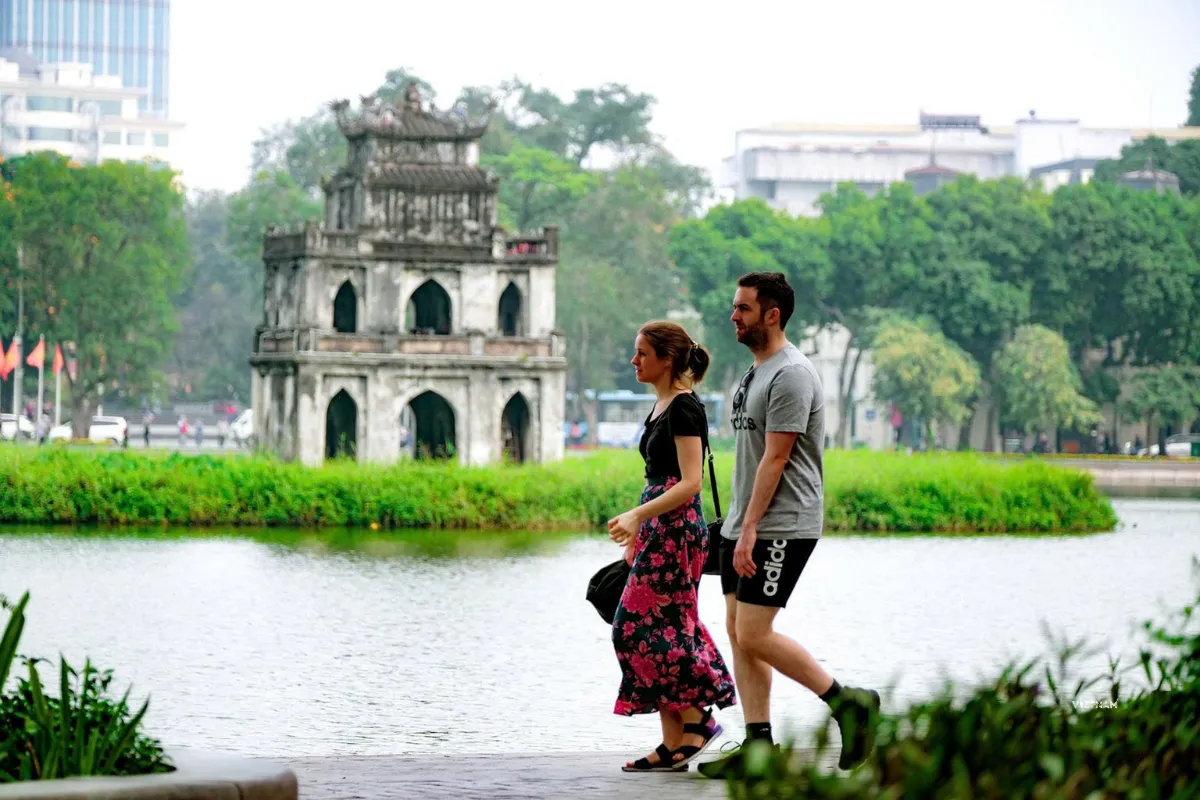
Top Hanoi City Walking Tour | Discover the Best of Hanoi in One Day
Place
Hanoi Capital City
Duration
1D
Original price was: 60$.50$Current price is: 50$.
Sale!

Incense Village Hanoi Tour | Explore Traditional Craft & Local Culture
Place
Quang Phu Cau
Duration
1D
Original price was: 85$.55$Current price is: 55$.
Beyond the Standard Circuit: Less-Known Mui Ne Experiences
Wing foiling — the new wind sport on the strip: Wing foiling (riding a hydrofoil board using a hand-held inflatable wing) has arrived in Mui Ne in the last 2–3 years and is rapidly establishing itself alongside kitesurfing in the local wind sport community. Several kite schools now offer introductory wing foil sessions — for travelers who find the kite’s technical complexity daunting, the wing foil has a slightly different learning curve that some people find more intuitive. C2Sky and Storm Kiteboarding both offer wing sessions; ask about availability on arrival.


- Dragon fruit farms along the highway (seasonal harvest, May–August): Binh Thuan Province produces 80% of Vietnam’s dragon fruit — the distinctive pink-skinned fruit with white or red flesh that fills every supermarket in Asia. The roadside farms along Highway 1 between Phan Thiet and Ca Na are at peak harvest activity in May–August; pulling over at a farm stand to buy the fruit directly from the grower (10,000–15,000 VND per fruit, compared to 30,000–50,000 VND at tourist market prices in HCMC) produces one of the most specific local food encounters available on the Mui Ne highway. The red-fleshed variety (ruot do) is significantly better than the more commonly sold white-fleshed type.
- The Ca Na headland — Mui Ne’s most dramatic coastal scenery: The Ca Na headland (60 km north of Mui Ne on National Highway 1) where red granite boulders and karst formations meet the South China Sea is among the most dramatic coastal landscapes in south-central Vietnam — completely roadside accessible, photogenic, and almost entirely visitor-free. A 40-minute detour on the Nha Trang–Mui Ne road becomes one of the best landscape stops on the south-central coastal circuit. No entry fee; no tourist infrastructure; extraordinary rock formations in colours that shift from dark red to orange depending on the light.
- The Binh Thuan fish sauce experience: Phan Thiet is one of Vietnam’s major fish sauce production centres — the long rows of terracotta fermentation jars and wooden barrels, visible from the road along the river south of the city, are an agricultural landscape unique to this region. The Phan Thiet market sells local nuoc mam varieties directly from producers at prices unavailable elsewhere; the quality difference between fresh Phan Thiet-produced fish sauce and the supermarket-shelf version is significant. Buy a small bottle of the higher-grade (protein content 40N+) variety as a food souvenir that weighs almost nothing and improves any cooking for months afterward.
Moonlight on the white dunes: The white dunes at full moon — particularly in January and February when the moon is full and the sky is clear — are accessible after dark and entirely different from any daylight visit. The white sand under full moonlight becomes almost luminescent; the freshwater lake below reflects the moon; and the absence of any artificial light (no permanent infrastructure at the dunes) makes it one of the best night landscapes in southern Vietnam. Requires a motorbike with a working headlight and willingness to ride 25 km on a highway after dark — both straightforward but requiring preparation. Confirm the full moon date for your specific month before planning this visit.
Mui Ne vs Phu Quoc: Which Vietnam Beach for What?
These are the two most commonly compared southern Vietnam beach destinations, and they serve fundamentally different purposes:
| Criteria | Mui Ne | Phu Quoc |
|---|---|---|
| Beach quality (swimming) | Moderate — main beach water not ideal for swimming. Better at Bai Dai (20 km) or Rang Beach. | Excellent — Long Beach and Sao Beach are among Vietnam’s best |
| Wind sports | Best in Vietnam — most consistent kitesurfing wind on the mainland | Limited — inconsistent wind, few kite operations |
| Unique landscapes | Exceptional — white and red sand dunes, Fairy Stream, fishing village | Beautiful coast and forest, but less visually distinctive |
| Diving and snorkeling | Poor — water clarity limited by river discharge | Good — An Thoi Archipelago coral reefs |
| Value | Better — lower prices across all tiers | Rising — resort development has increased prices significantly since 2019 |
| Getting there | Easy — 5 hours by bus from HCMC | Requires flight or ferry — slightly more complex logistics |
| Atmosphere | Backpacker strip with growing resort zone | Resort-dominated, less backpacker character |
| Best for | Kitesurfing, sand dunes, budget travel, short HCMC getaway | Beach holidays, diving, resort stays, international access |
Our recommendation: Mui Ne for kitesurfing and the dune landscape — it is the only destination in Vietnam where these two things exist at this quality. Phu Quoc for pure beach quality and diving. They are not interchangeable.
Essential Mui Ne Travel Tips (From Our Local Team)
The white dunes require a dawn visit — commit to the early alarm. The white dunes in full midday sun are bright, hot, and photographically flat. The same dunes at sunrise (arriving 5:30 AM) or late afternoon (4:00–5:30 PM) produce the long shadows, warm tones, and mist that appear in all the compelling photographs. The dawn trip requires leaving at 4:30–5:00 AM, which is genuinely early — but the 25 km ride through the dark to arrive as the sky lightens is part of the experience, not a drawback. Pack a warm layer for the pre-dawn ride.
- Rent a motorbike rather than relying on tours for the dunes. The standard jeep tour (offered by every guesthouse and available for $15–$25 per person) covers the white dunes, red dunes, Fairy Stream, and fishing village in a single morning with a preset pace that rarely allows enough time at any one site. Renting a motorbike (150,000–200,000 VND/day) and self-navigating gives you full control over timing — critical for the dawn dune visit and the early morning fishing village. The roads between all sites are straightforward; the navigation is simple.
- Don’t swim in the main Mui Ne beach without local advice on current conditions. The Mui Ne beach strip has a consistent cross-shore current during strong northeast wind periods (November–April) that creates rip current conditions at certain sections. The beach is not patrolled and there are no consistent warning flags. Ask at your guesthouse for the current swimming safety assessment before entering the water — especially during January and February’s strongest wind periods. The Bai Dai Beach (20 km south) and Rang Beach (5 km east) have calmer and safer swimming conditions.
- Book kitesurfing lessons at least 2 days in advance in January–February. The peak wind season brings significant demand for lessons at the best schools — C2Sky and Storm Kiteboarding in particular have waiting lists in peak weeks. Arrive in Mui Ne with a provisional booking rather than planning to walk in. Contact schools directly (they all have WhatsApp contacts) the week before your arrival.
- The Fairy Stream is free and better done independently than on a tour. Every tour operator sells a “Fairy Stream included” package. The stream requires no guide, no equipment, and no fee — just the willingness to remove your shoes and walk. A tour guide adds nothing to the experience here that the stream’s own immediate sensory qualities don’t provide directly. Walk it alone or with friends at your own pace.

The Phuong Trang (FUTA) bus is the standard and most reliable HCMC–Mui Ne transport — book seats rather than sleeper berths for daytime services. The regular seated bus is more comfortable than it sounds for a 5-hour journey; the air conditioning is reliable; the drop-off is directly on the resort strip. Book at futabus.vn or at the Phuong Trang office in HCMC’s District 1. The earliest morning departure (6:30–7:00 AM) allows a full first day in Mui Ne on the same day; the overnight option (10:00–11:00 PM) arrives around 3:00–4:00 AM — too early for most accommodations but useful for maximising time on a short trip.
Frequently Asked Questions — Mui Ne Travel Guide
What is Mui Ne famous for?
Mui Ne is famous for three things: the sand dunes (both the white sand dunes 25 km north and the red sand dunes in the town itself), kitesurfing (the most consistent kitesurf wind in mainland Vietnam during the November–April northeast monsoon season), and the Fairy Stream (a shallow creek walk between red clay canyon walls). It is also known for its traditional round-boat fishing community, the distinct Binh Thuan coastal landscape, and its long-established backpacker strip identity as the most accessible beach destination from Ho Chi Minh City.
When is the best time to visit Mui Ne?
The best time to visit Mui Ne is November to April — the northeast monsoon dry season, when the beach is at its clearest, the sand dunes are at their most photogenic, and the consistent 15–25 knot wind makes it Vietnam’s best kitesurfing destination. January and February are the peak wind months (best for experienced kiters); March and April offer lighter, more consistent wind ideal for beginners. Avoid September–October (rainy season) and July–August (southwest monsoon — no kite wind, intermittent rain).
How far is Mui Ne from Ho Chi Minh City?
Mui Ne is approximately 200 km from Ho Chi Minh City — a journey of 4.5–5.5 hours by the direct Phuong Trang (FUTA) sleeper bus, which departs from multiple HCMC locations throughout the day and drops directly on the Mui Ne resort strip. Private car takes 4–5 hours. A new Phan Thiet train line opened in 2023 (3–4 hours from HCMC) with a 30-minute taxi connection from Phan Thiet station to the Mui Ne strip. Mui Ne is the most accessible beach destination for HCMC-based travelers.
What are the sand dunes in Mui Ne?
Mui Ne has two distinct sand dune systems. The White Sand Dunes (Bau Trang), 25 km north of the resort strip, are the larger system — dune ridges up to 40 metres tall surrounding a freshwater lake, best visited at dawn for sunrise photography. The Red Sand Dunes (Doi Cat Do), within walking distance of the resort strip, are smaller but dramatically coloured — their terracotta-red iron oxide sand intensifies at sunset. Both are accessible from the Mui Ne resort strip and represent one of Vietnam’s most distinctive landscape combinations.
Is Mui Ne good for kitesurfing?
Yes — Mui Ne has the most consistent kitesurfing wind in mainland Vietnam. The northeast monsoon delivers reliable 15–25 knot winds along the beach strip from November through April, with January–February as the strongest months. The beach has a sandy bottom with a gradual depth gradient ideal for learning, warm water year-round (26–29°C), and a concentration of IKO-certified schools with international instructors. A complete beginner’s kitesurfing course (IKO Level 1–3) takes 3–4 days and costs $360–$480 at the best schools (C2Sky, Storm Kiteboarding).
Is Mui Ne worth visiting?
Yes — with accurate expectations. Mui Ne is not primarily a swimming beach (the main strip water is not ideal for swimming), but it offers experiences unavailable anywhere else in Vietnam: white and red sand dune landscapes that look unlike tropical Vietnam, the most consistent kitesurfing wind on the mainland, a traditional fishing village with round bamboo coracle boats, and the pleasant Fairy Stream walk. Visited between November and April for the dunes and wind sports, it delivers something genuinely distinct from other Vietnamese beach destinations.
What is the Fairy Stream in Mui Ne?
The Fairy Stream (Suoi Tien) is a shallow, ankle-to-knee-deep freshwater creek that flows from the beach inland through a 2 km canyon of red and white clay banks with bamboo forest above. The walk is done barefoot, wading along the stream bed — no equipment, no guide, and no entry fee required. The most atmospheric section is approximately 1–1.5 km from the beach where the clay banks reach 10–15 metres on both sides. The walk takes 45–60 minutes each way; it is Mui Ne’s most accessible natural experience and one of the most specifically beautiful walks available at any Vietnamese beach destination.
Plan Your Mui Ne Trip with a Local Expert
We’re a Vietnam-based travel company, and Mui Ne is the destination where getting the timing right (the dunes at dawn, the fishing village before 7 AM, the wind season for kitesurfing) makes all the difference. When you plan with us, you get a Mui Ne stay in the right location for your priorities, kitesurfing lesson booking at the best school for your experience level, and a dawn dune circuit that actually catches the right light.
- Kitesurfing lesson booking at C2Sky, Storm Kiteboarding, and Kitesurf Vietnam
- Mui Ne accommodation recommendations by zone and priority (kite beach vs fishing village)
- Private transport from HCMC with highway stops (dragon fruit farms, Ca Na headland)
- Full south-central Vietnam circuit: Nha Trang + Mui Ne + Da Lat
- Available 7 days a week — respond within 2–4 hours on WhatsApp
Get Your Free Mui Ne Trip Plan
Tell us your travel dates, whether kitesurfing is a priority and your experience level, and whether you want to combine with Nha Trang or Da Lat. We’ll send a customised plan with accommodation recommendations and transparent pricing within 4 hours.
Request Your Free Mui Ne Itinerary →
Or message us directly on WhatsApp: +84 849 391 981
Explore More Vietnam
- Ho Chi Minh City Travel Guide — the nearest major city, 200 km southwest
- Nha Trang Travel Guide — diving and islands, 200 km north on the coast
- Da Lat Travel Guide — the cool highland counterpart, 130 km inland
- Phu Quoc Travel Guide — Vietnam’s best beach island for swimming and resort stays
- 10-Day South-Central Vietnam Itinerary — HCMC + Mui Ne + Nha Trang + Da Lat
- Mui Ne Kitesurfing Packages →
- Browse Mui Ne Tours →